Artwork
Christus am Ölberg
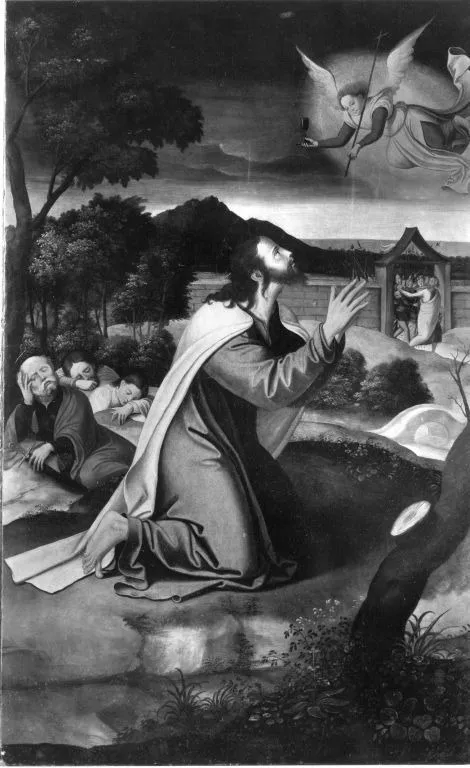
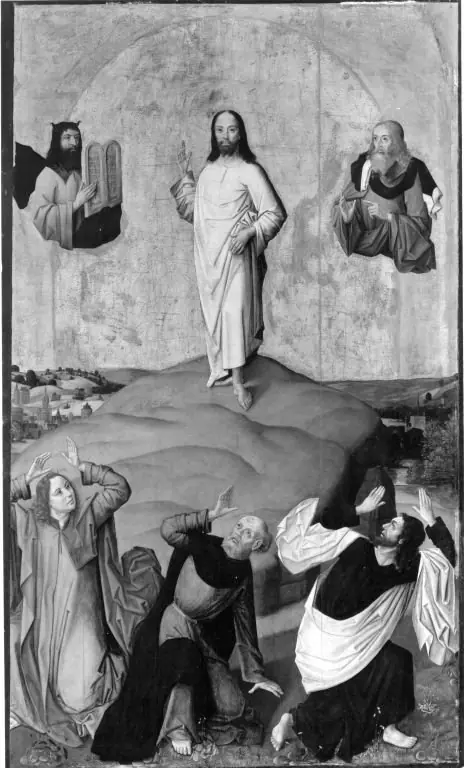
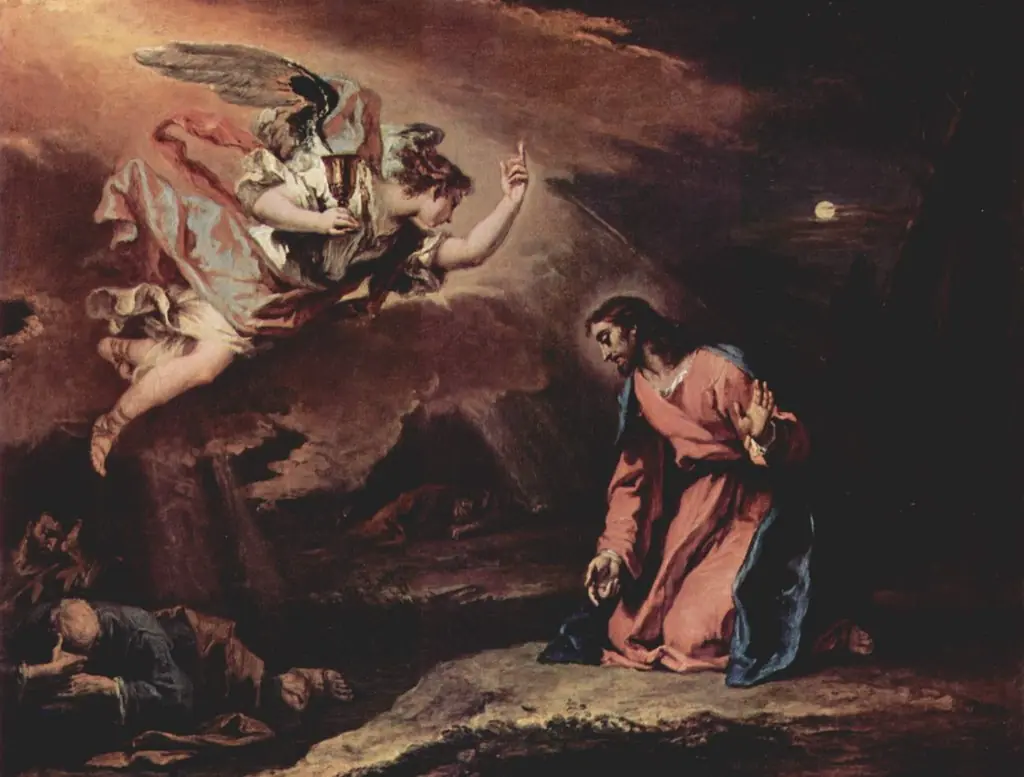
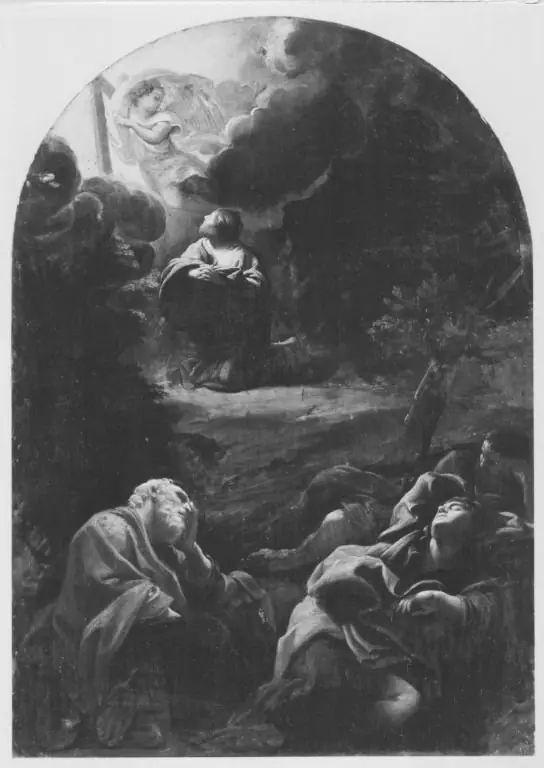
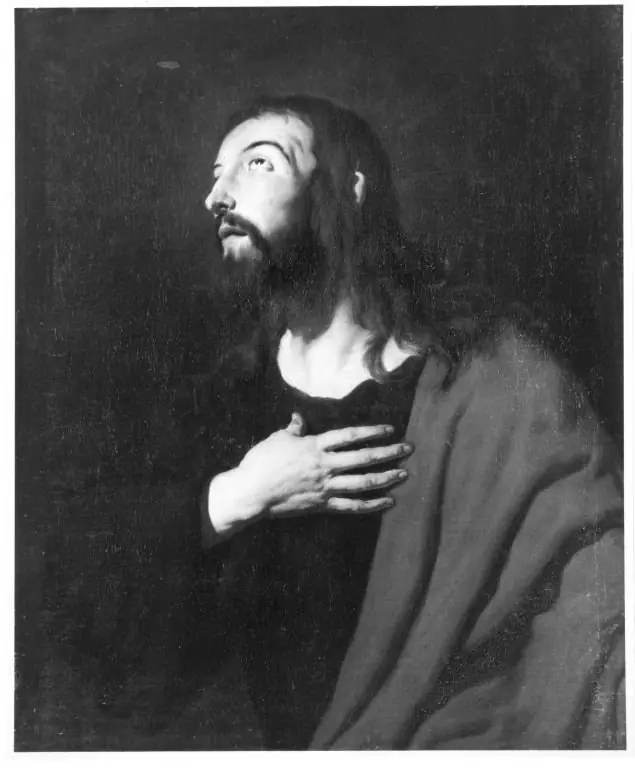
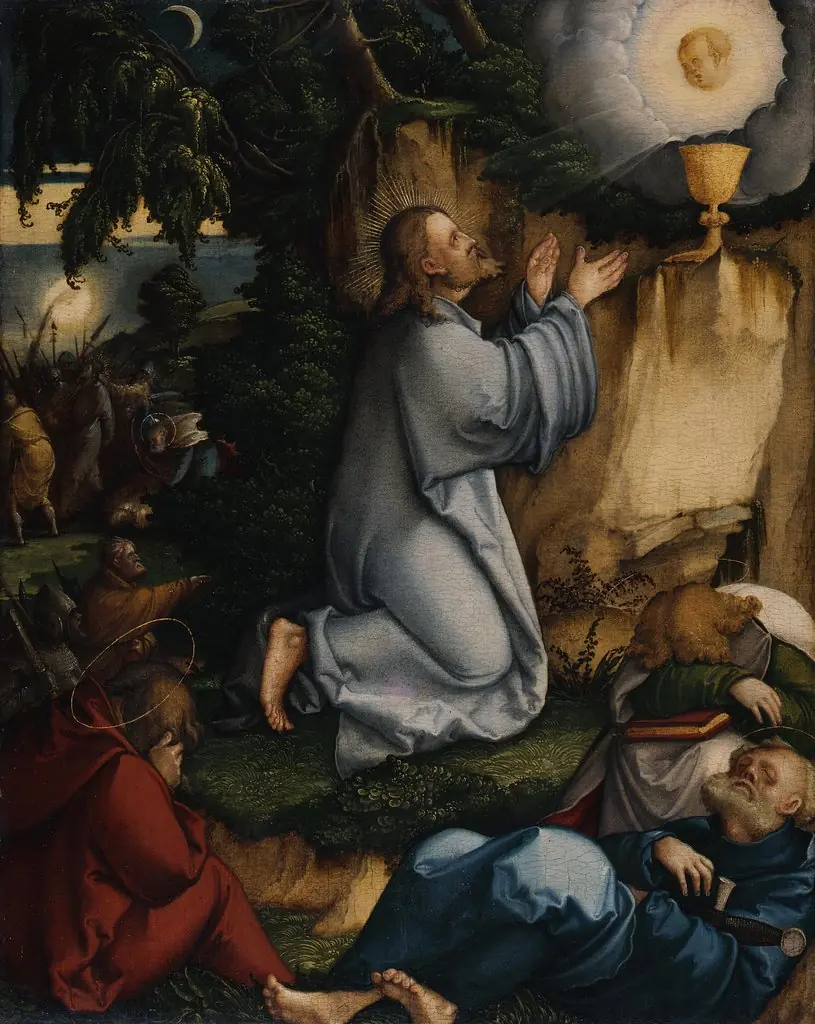
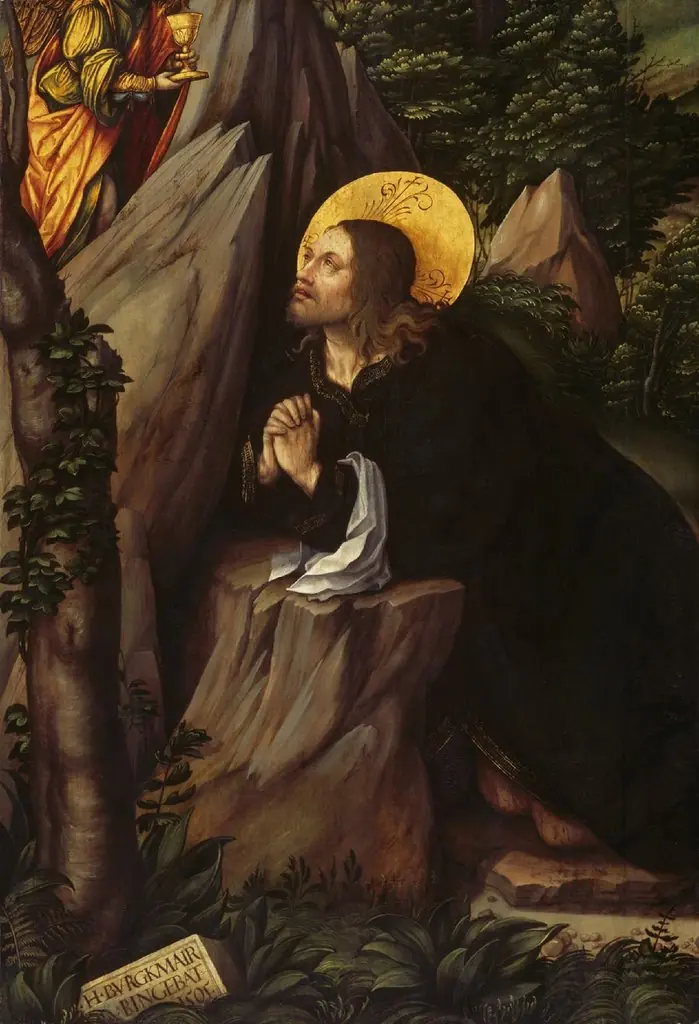
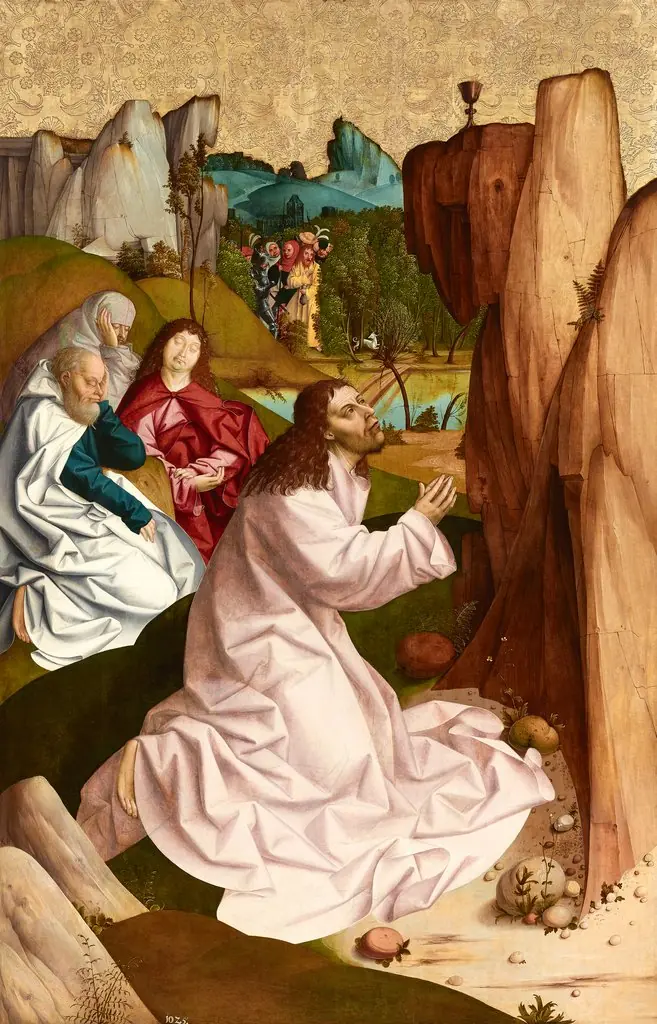
Christus am Ölberg is an unspecified painting by Unknown. It dates from 1535 and is held in the collection of the Bavarian State Painting Collections. This painting portrays Christ in the Garden of Gethsemane, moments before his arrest.
About this work
Overview
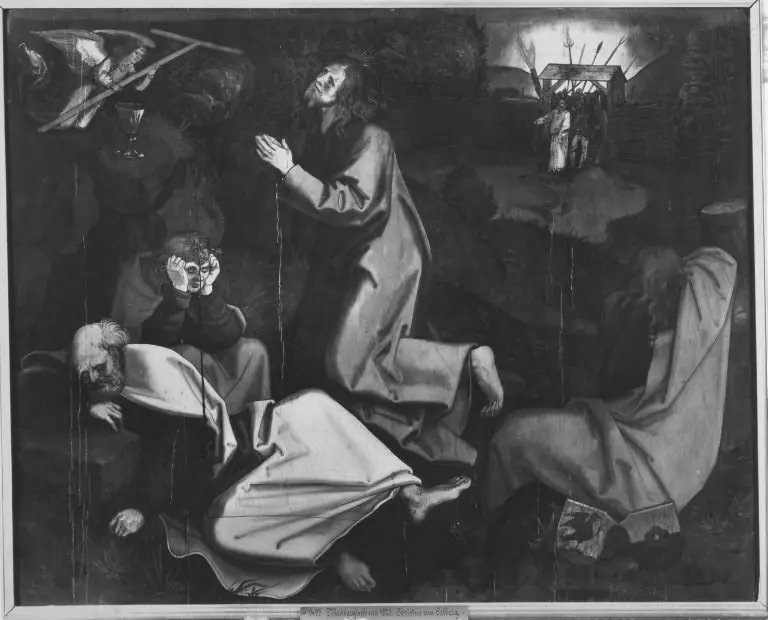
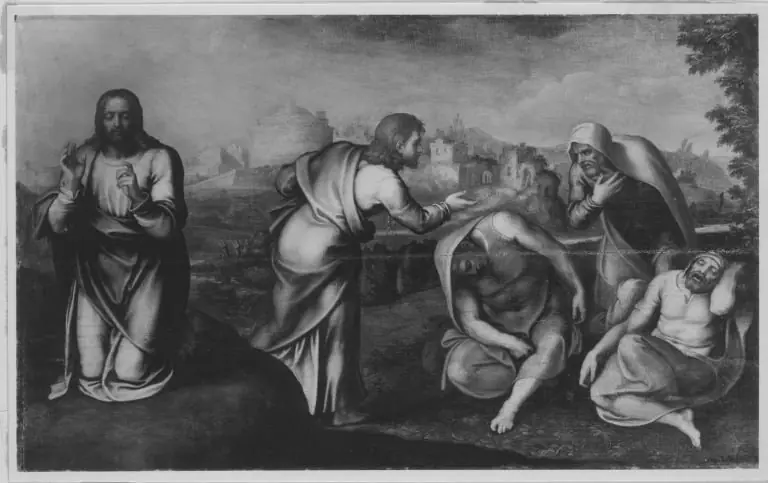
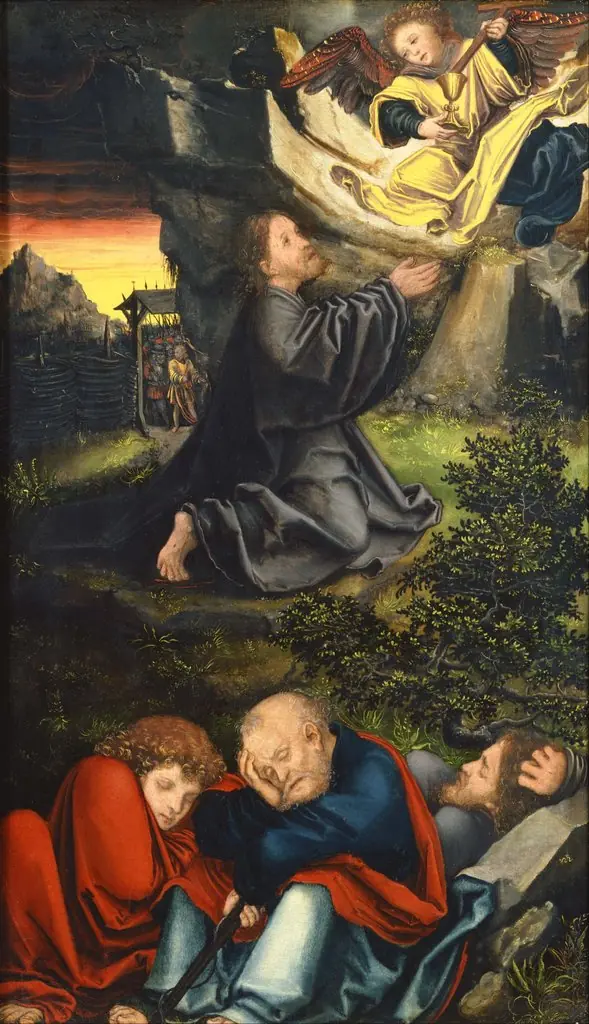
This painting portrays Christ in the Garden of Gethsemane, moments before his arrest. He kneels in prayer, hands raised, surrounded by a quiet, nocturnal landscape. Figures sleep nearby, while an angel descends from above, bearing a staff. The scene is rendered with calm precision, emphasizing stillness and spiritual tension against a softly lit backdrop of hills, trees, and a distant structure.
Subject & Meaning
The scene illustrates Christ’s anguish and submission to divine will before his crucifixion. His posture of prayer contrasts with the slumbering disciples, symbolizing human frailty versus divine resolve. The angel, holding a staff, signifies divine support and foretells the coming sacrifice. The quiet setting underscores the inner solitude of Christ’s moment of decision.
Technique & Style
The artist employs soft modeling and muted tones to create a tranquil, otherworldly atmosphere. Drapery is rendered with careful folds, enhancing the dignity of Christ’s robe and cape. The background is delicately layered, with distant forms rendered in hazy detail to deepen spatial depth. Light falls gently, guiding the viewer’s eye toward the central figure without dramatic contrast.
History & Provenance
The work originates from the late medieval period, likely produced in a German-speaking region. It was probably part of a devotional altarpiece, intended for private or monastic contemplation. Early records suggest it remained within ecclesiastical collections until the 19th century, when it entered a public museum’s holdings through documented acquisition.
Context
During the 14th and 15th centuries, scenes of Christ’s Agony in the Garden were common in Northern European religious art, reflecting a growing emphasis on personal piety and emotional engagement with sacred narratives. This painting aligns with devotional practices that encouraged meditation on Christ’s suffering as a path to spiritual reflection.
Legacy
The painting exemplifies the quiet intensity characteristic of late medieval devotional imagery. Its restrained composition and focus on inner emotion influenced later representations of Christ’s solitude in prayer. Though not widely reproduced, it remains a significant example of how spiritual themes were rendered with subtlety rather than spectacle in pre-Reformation art.
Artist & collection

 Domestic Scene
 Giacomo and Cardinal Marco, investing Andrea, Abbot of San Zeno, with his Benefice
 The Nymph of Fontainebleau
 Portrait of a Woman
 Madonna and Child with Saints in the Enclosed Garden
 Venus and Minerva
 Family Group of Four on Sofa
 Wall painting from Room H of the Villa of P. Fannius Synistor at Boscoreale