Artwork
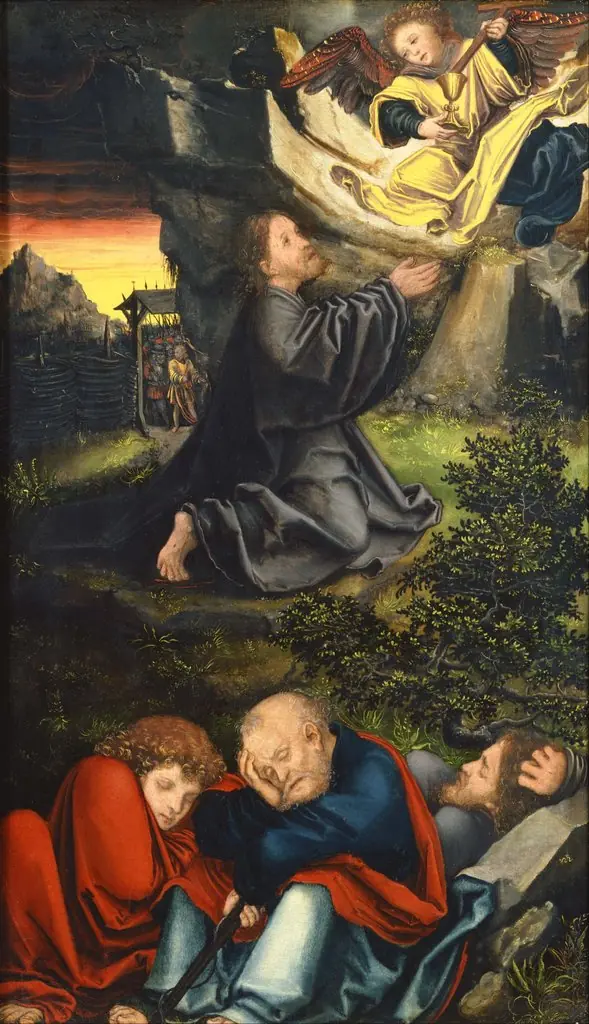
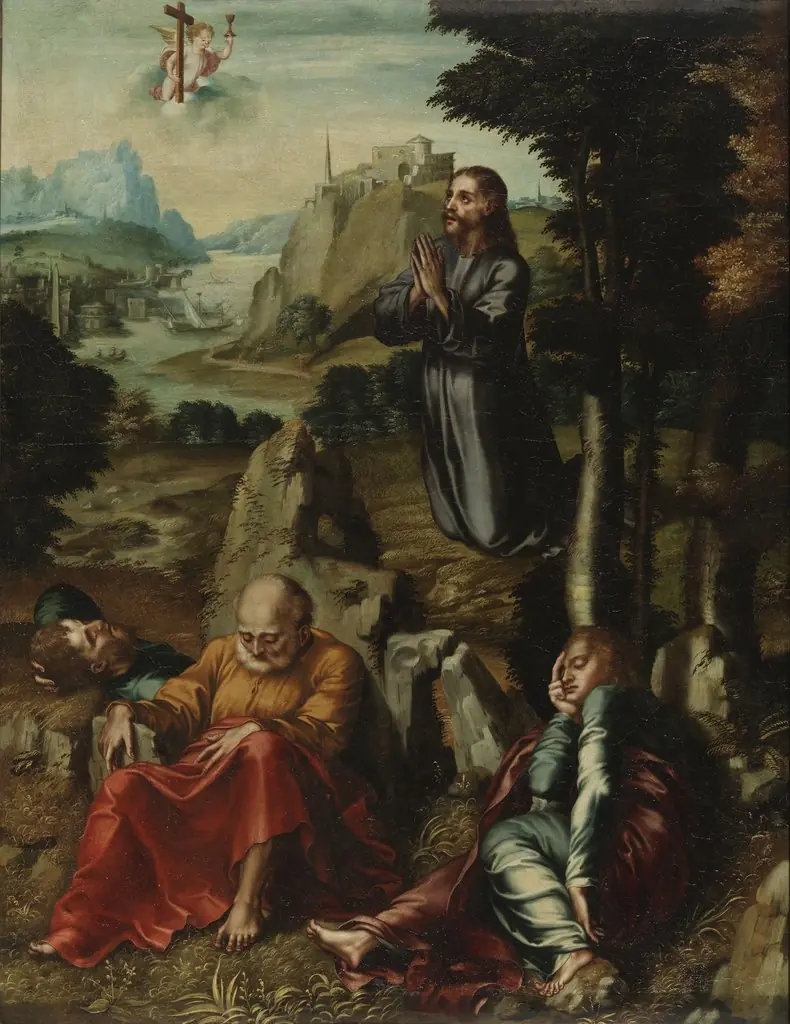
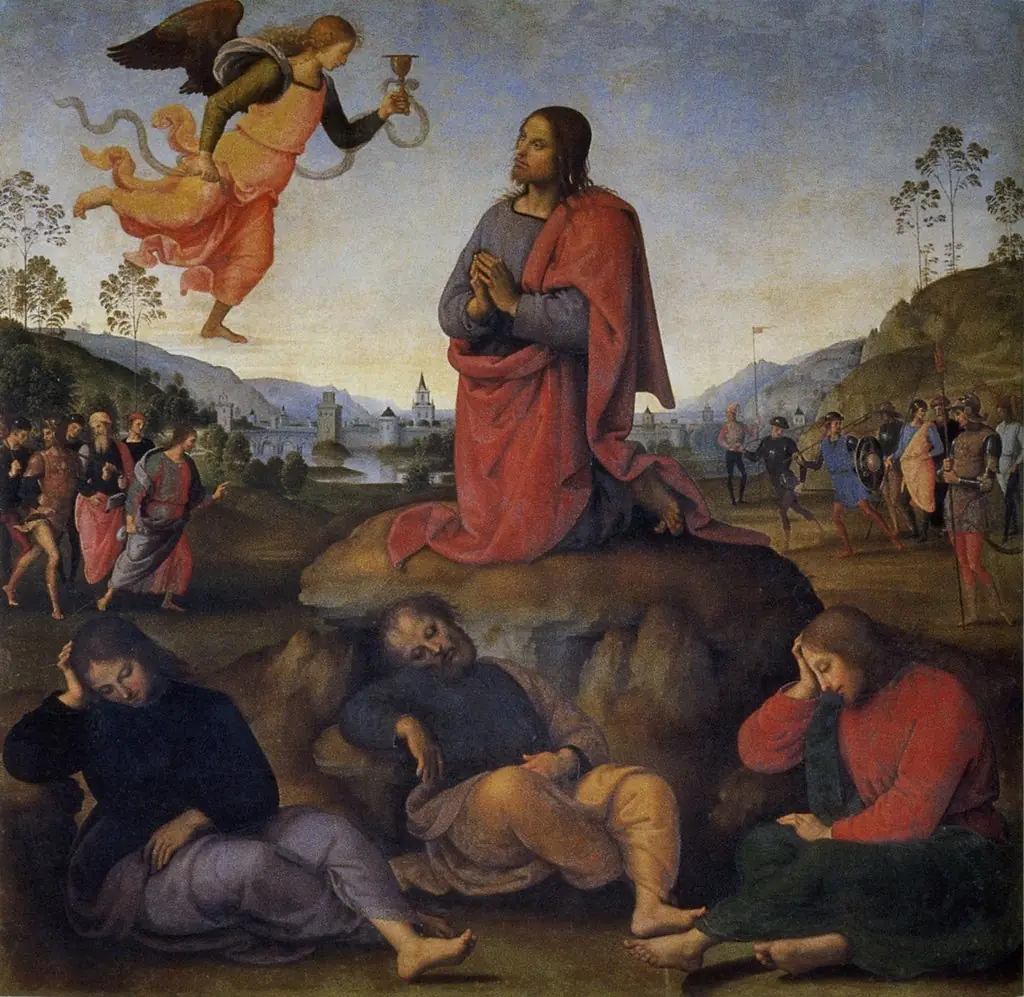
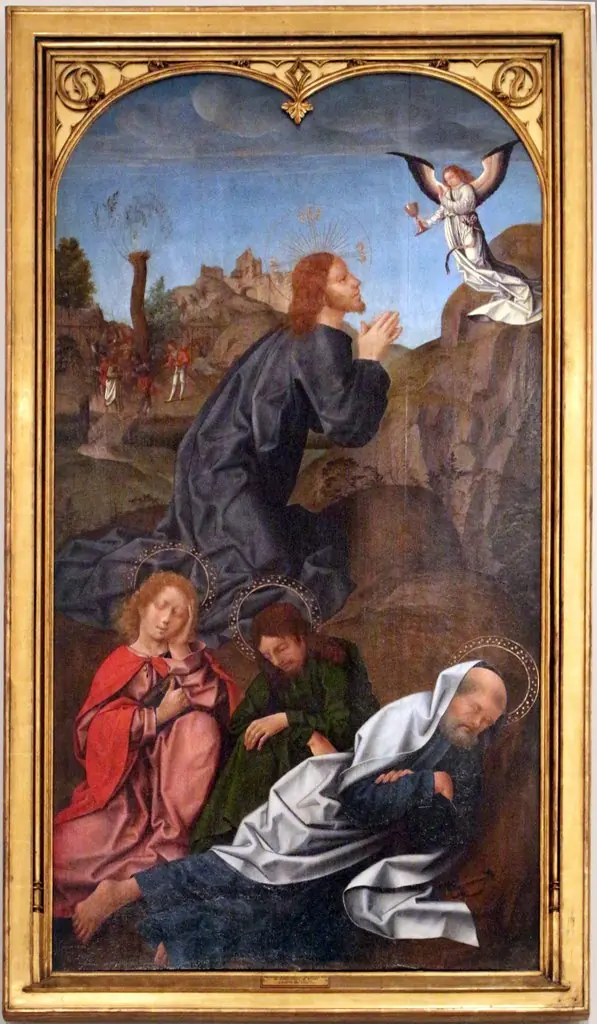
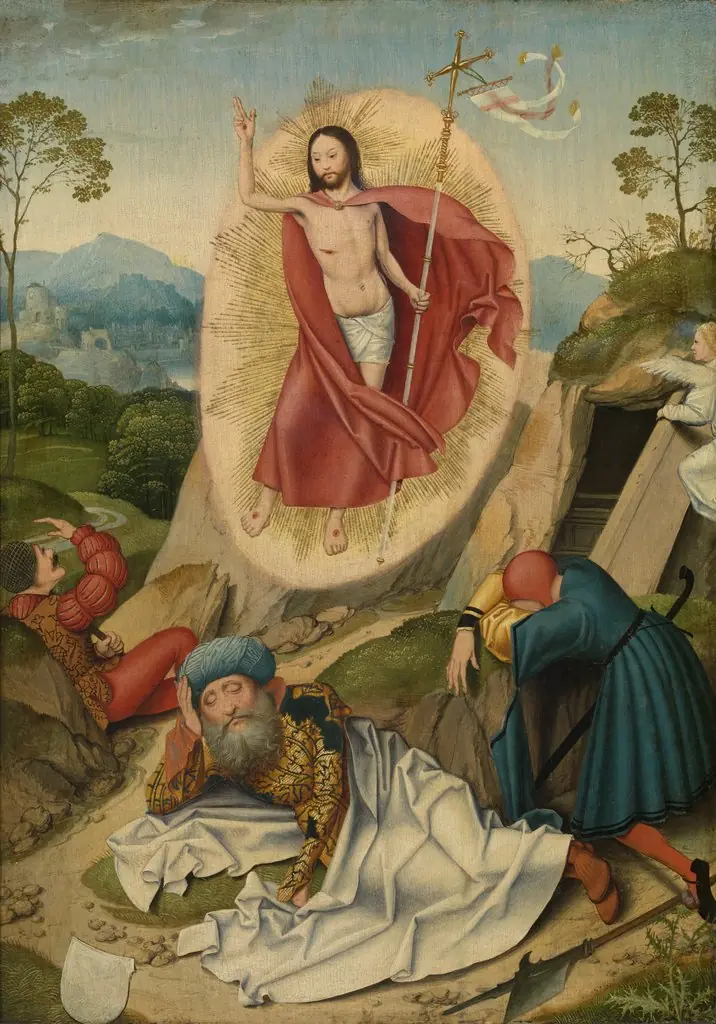
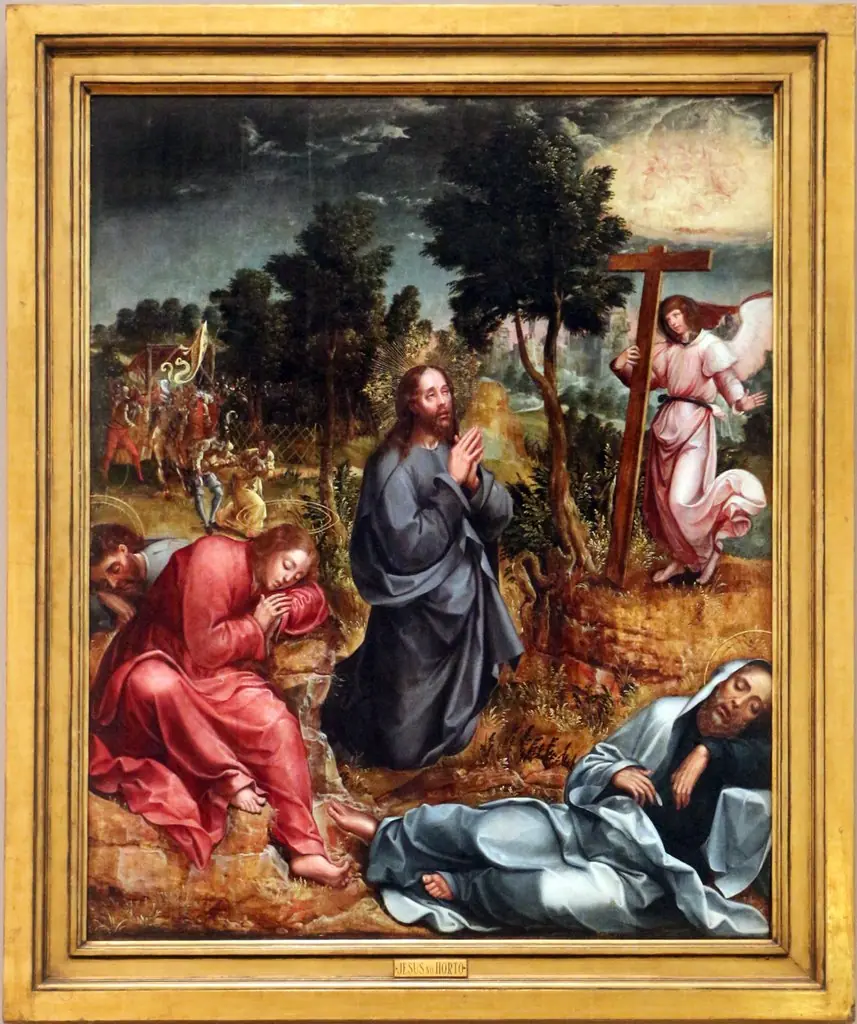
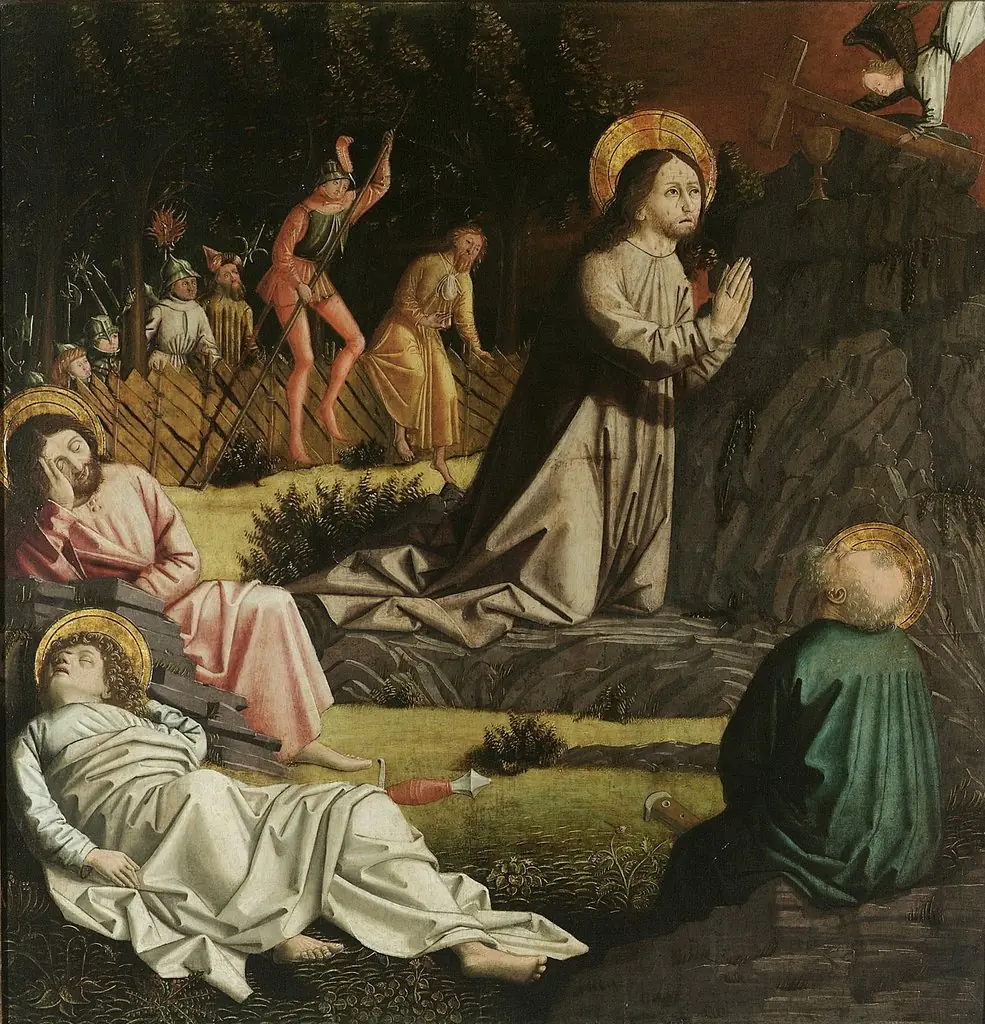
Christus am Ölberg und die Gefangennahme Christi
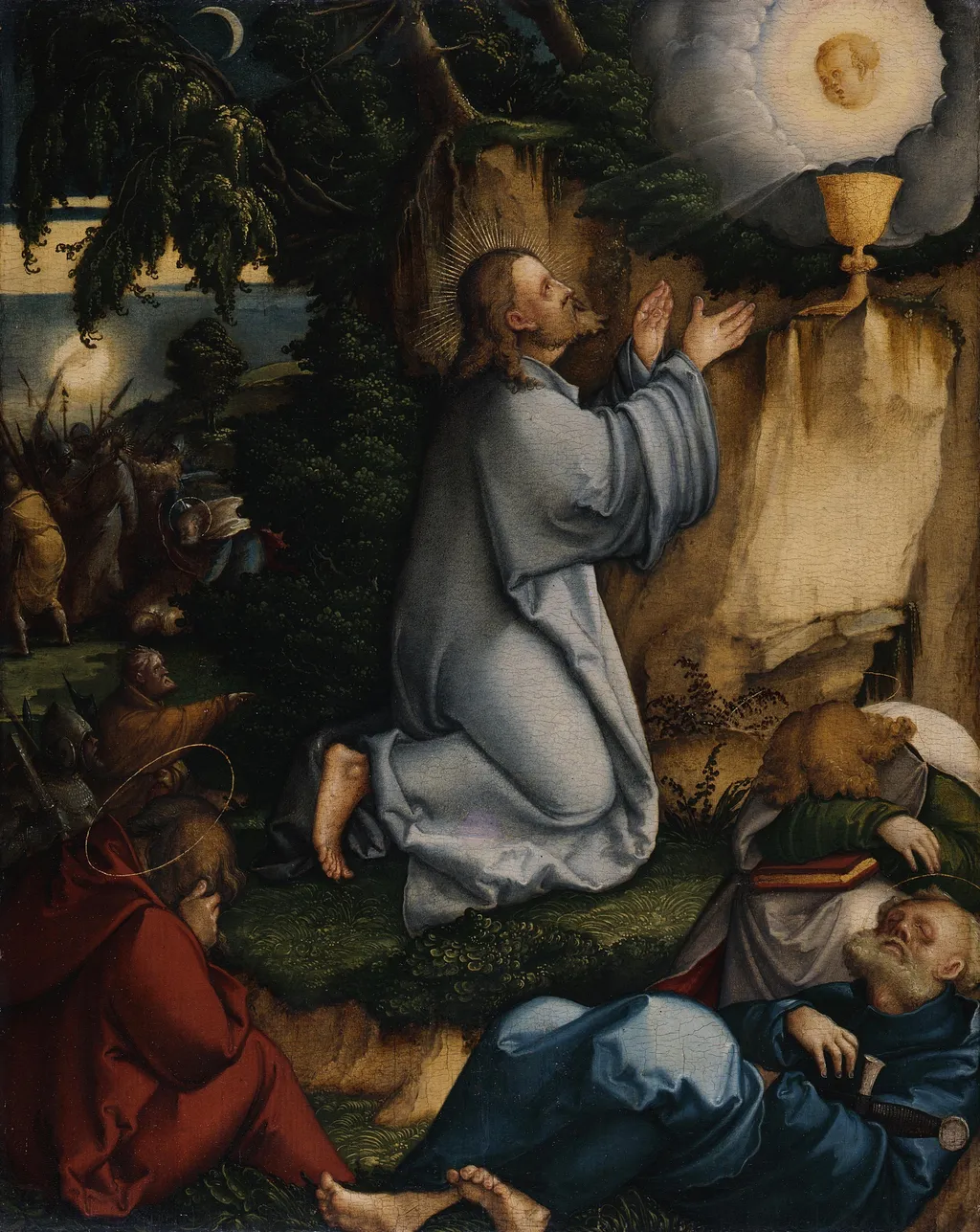
Christus am Ölberg und die Gefangennahme Christi is an unspecified painting by the Early Baroque Italian artist Master of Messkirch. It dates from 1525 and is held in the collection of the Gemäldegalerie Berlin.
About this work
Overview
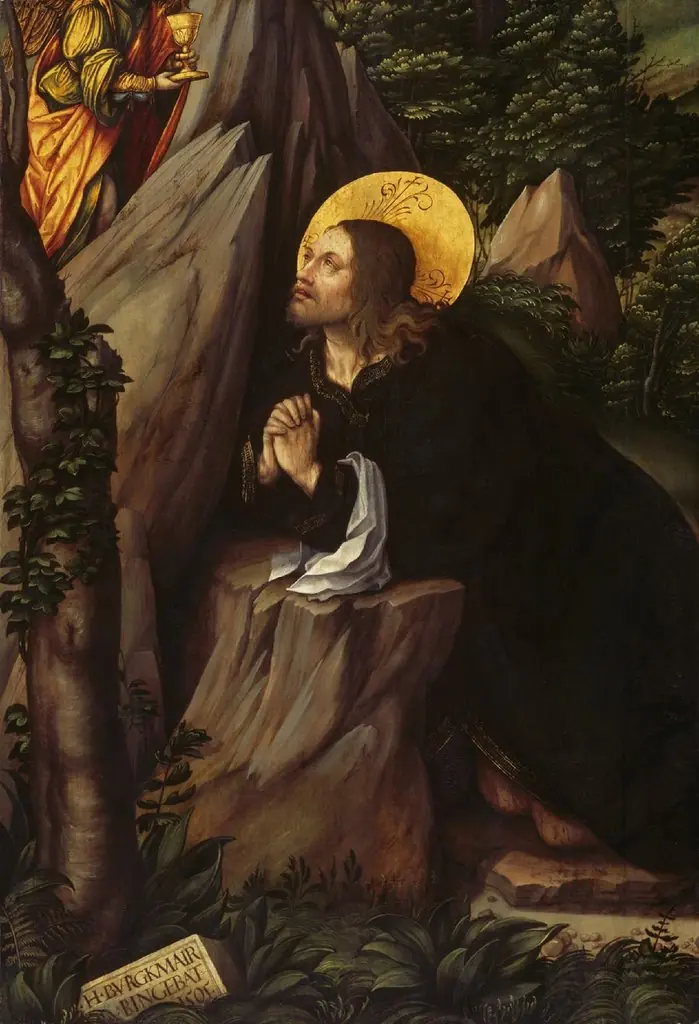
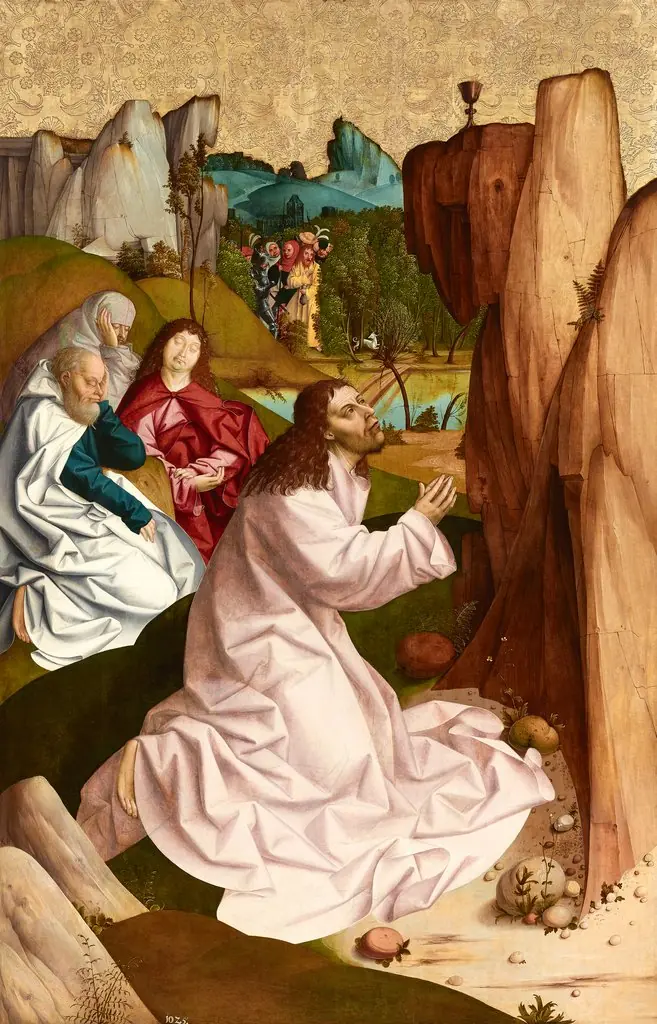
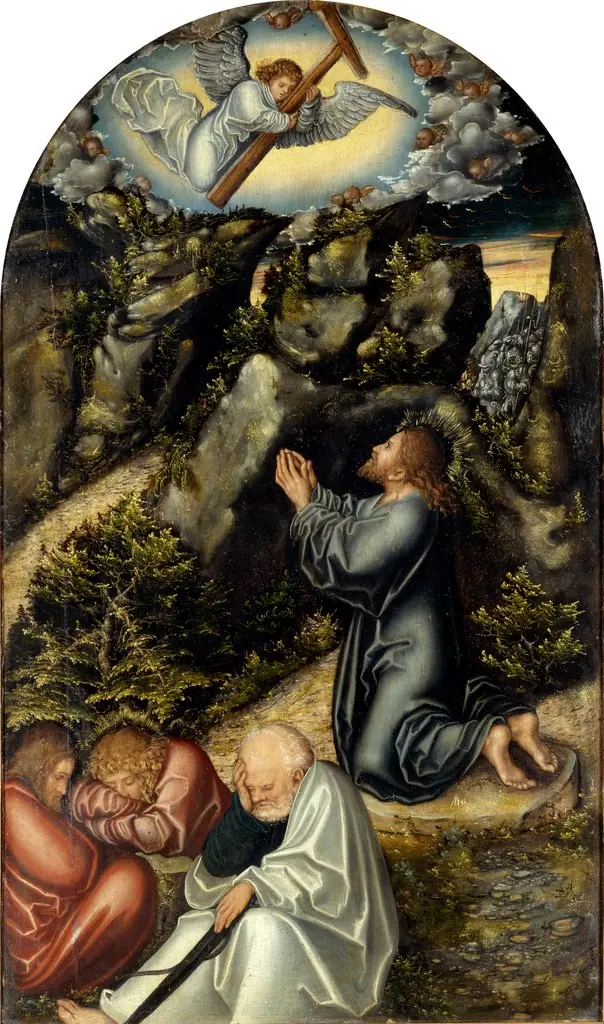
Created in 1525, this panel painting on spruce is attributed to the anonymous figure known as the Master of Messkirch. It portrays the biblical episode of Christ’s agony in the garden of Gethsemane and his subsequent capture. The work is part of the collection of the Gemäldegalerie in Berlin and exemplifies early‑Renaissance religious art in southern Germany.
Subject & Meaning
The composition juxtaposes a luminous figure of Christ, shown floating upward with arms outstretched and a halo, against a darker crowd of soldiers and onlookers. The contrast underscores the spiritual isolation of Jesus during his prayer and the violent intrusion of earthly forces, reflecting the theological emphasis on his suffering and surrender.
Technique & Style
Executed on a spruce board, the painting employs a strong chiaroscuro effect: bright illumination on Christ’s face and robe sharply separates him from the surrounding figures rendered in earthy, muted tones. The background merges sky and forest elements, with stylized trees and rocky cliffs that frame the central drama without detailed naturalism.
History & Provenance
The work has been documented as part of the Master of Messkirch’s oeuvre since the early twentieth century. It entered the Berlin Gemäldegalerie’s holdings through acquisition in the mid‑1900s, where it has remained on public display, providing scholars with a reference point for the artist’s workshop practices.
Context
The painting reflects the devotional climate of the German lands in the decades preceding the Reformation, when visual narratives of Christ’s passion were employed to inspire personal piety. Its iconography aligns with contemporary liturgical texts that emphasized the emotional intensity of the garden scene as a model for contemplation.
Own this work as a print
Artist & collection