Artwork
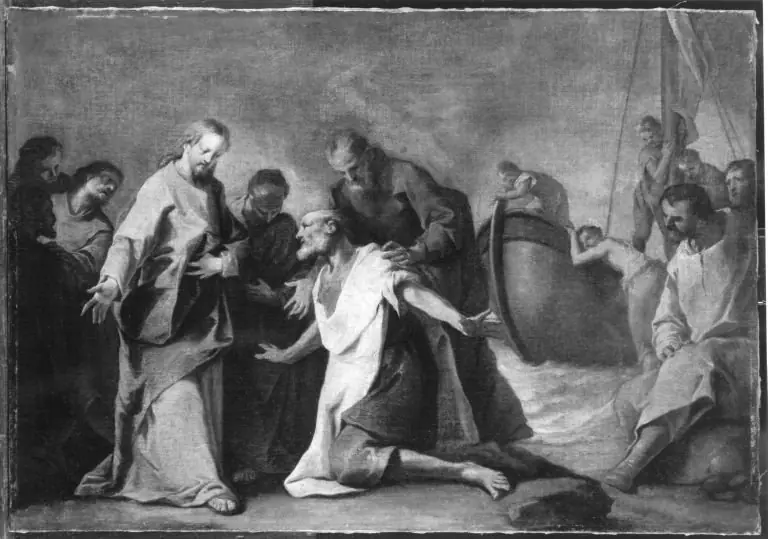
Schlüsselübergabe an Petrus
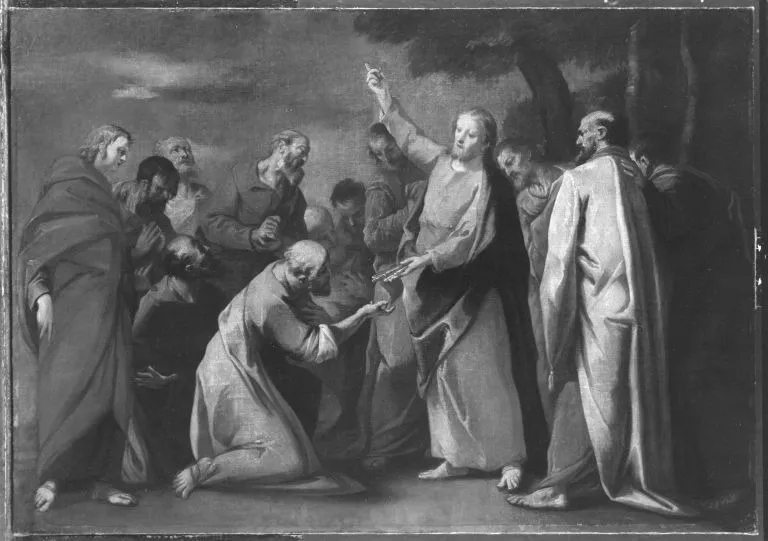
Schlüsselübergabe an Petrus is an unspecified painting by Nicolò Grassi. It dates from 1725 and is held in the collection of the Bavarian State Painting Collections.
About this work
Overview
Its composition centers on a solemn ritual, rendered with restrained drama and a muted palette that emphasizes spiritual gravity over theatrical flourish.
Painted around 1725 by Nicolò Grassi, an Italian artist active in the late Baroque period, this work illustrates the biblical moment when Christ entrusts the keys of heaven to Saint Peter. Executed in oil on canvas, the painting is part of the Alte Pinakothek’s collection in Munich. Its composition centers on a solemn ritual, rendered with restrained drama and a muted palette that emphasizes spiritual gravity over theatrical flourish.
Subject & Meaning
The scene depicts the moment from Matthew 16:19, in which Christ gives Peter the keys to the Kingdom of Heaven, symbolizing spiritual authority. Peter stands as the central figure, receiving the keys while others observe in quiet reverence. One figure kneels before him, reinforcing the hierarchical and sacred nature of the transfer. The gesture is not celebratory but solemn, reflecting the weight of divine commission and ecclesiastical succession.
Technique & Style
Grassi employs a chiaroscuro approach, using deep shadows to isolate the figures against a dark background, heightening their presence. Drapery is rendered with soft folds in browns, grays, and off-whites, avoiding bright hues to sustain a contemplative mood. The figures are arranged in a compact, pyramidal group, guiding the viewer’s eye toward the exchange of the keys. Brushwork is precise but unobtrusive, favoring clarity over ornamental detail.
History & Provenance
The painting entered the Alte Pinakothek’s collection in the 19th century, likely acquired as part of broader efforts to expand its holdings of Italian religious art. Little is documented about its earlier ownership or commission, though its style aligns with devotional works produced in northern Italy during the early 18th century. Its preservation suggests it was valued within ecclesiastical or aristocratic circles before its institutional acquisition.
Context
Created during the waning years of the Baroque era, the painting reflects a transitional moment in religious art—moving away from the dynamism of High Baroque toward quieter, more introspective expressions. While contemporaries like Tiepolo favored grandeur, Grassi’s approach aligns with regional Italian traditions that prioritized spiritual stillness. The subject matter resonated with Counter-Reformation ideals emphasizing papal authority and sacramental continuity.
Legacy
Though Nicolò Grassi is not widely known outside scholarly circles, this painting remains a representative example of modest, devotional Baroque art in northern Italy. It contributes to the understanding of how religious narratives were visualized beyond the major centers of artistic innovation. Its presence in a major public collection ensures continued study of lesser-known artists who sustained sacred imagery in the 18th century.
Artist & collection
Artist
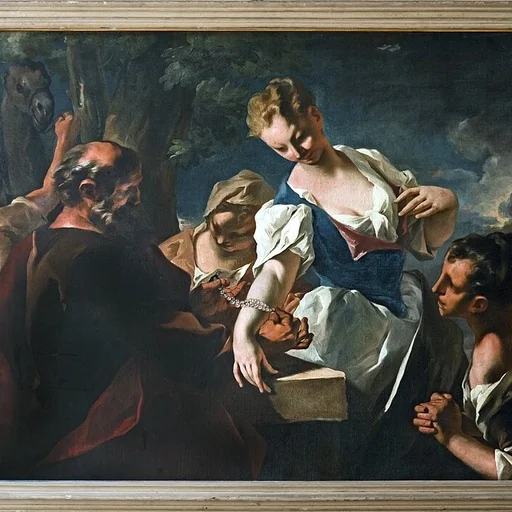
Nicolò Grassi (7 April 1682 – 6 October 1748), also known as Nicola Grassi, was an Italian painter, active in a late-Baroque or Rococo style.

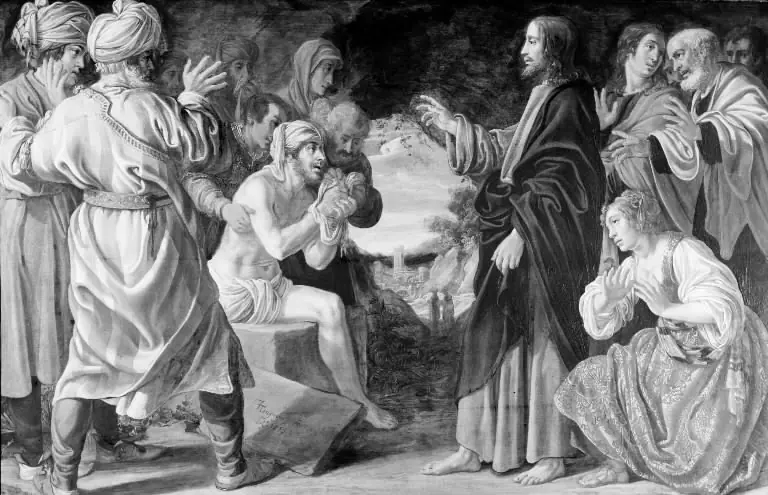 The Raising of Lazarus
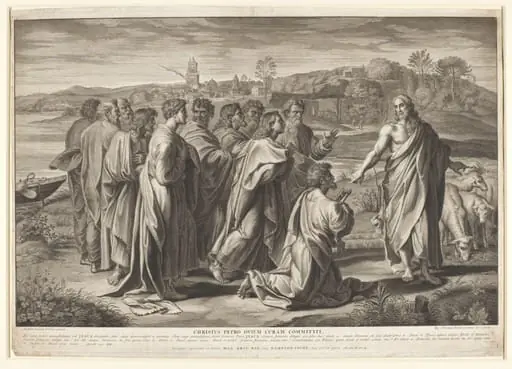 Christ's Charge to Peter
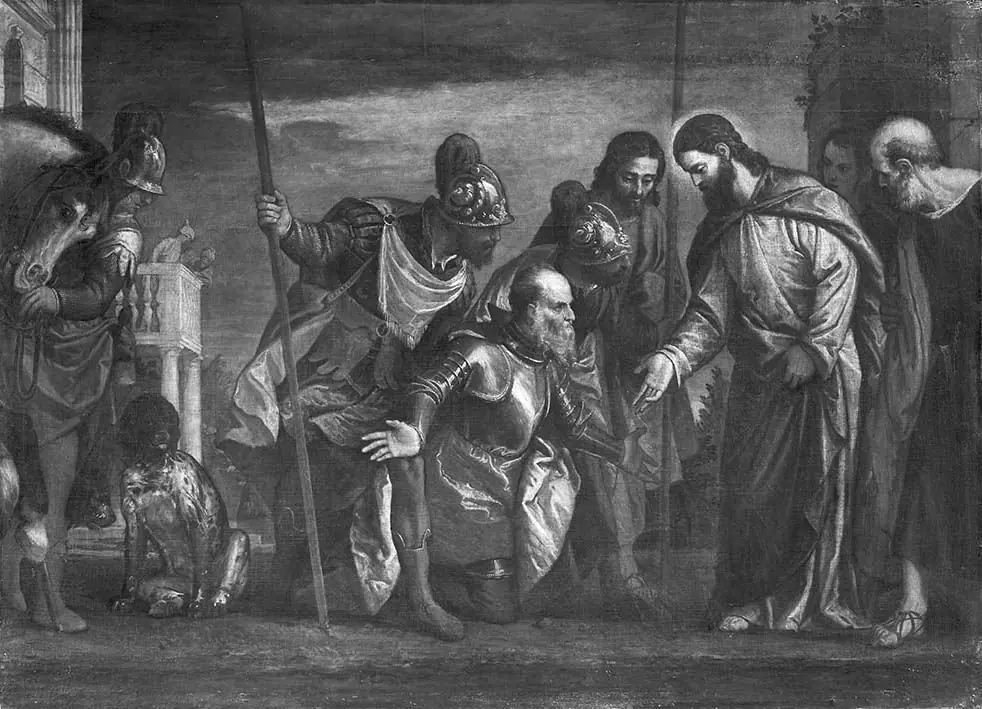 Christ and the Centurion
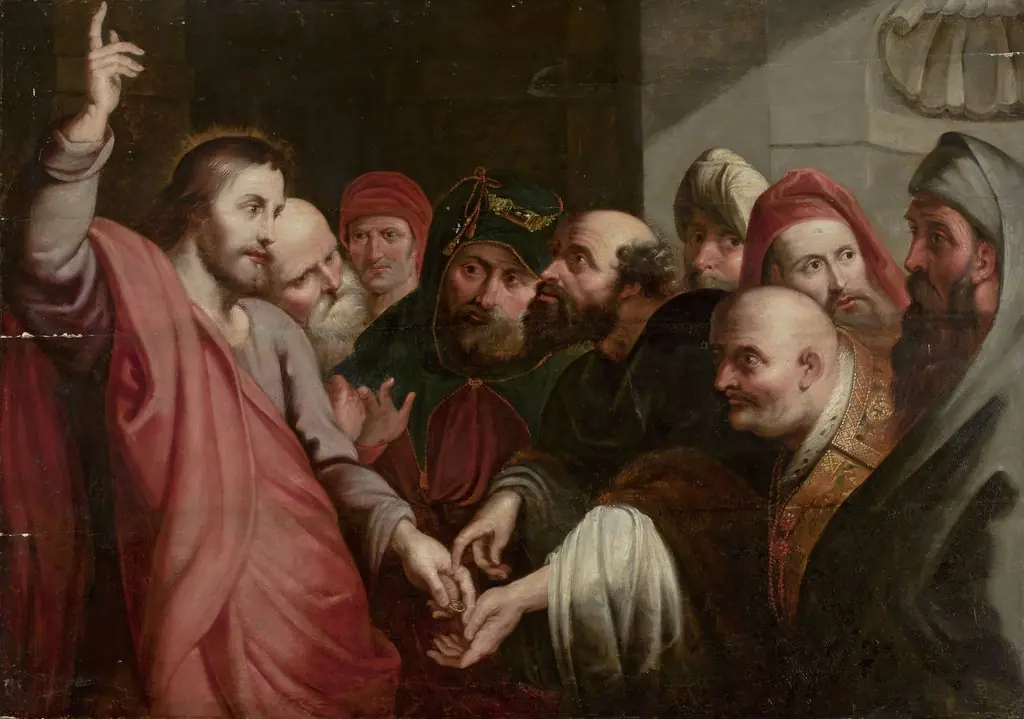 Tribute penny (Matthew 22:15–22; Mark 12:13–17; Luke 20:21–26)
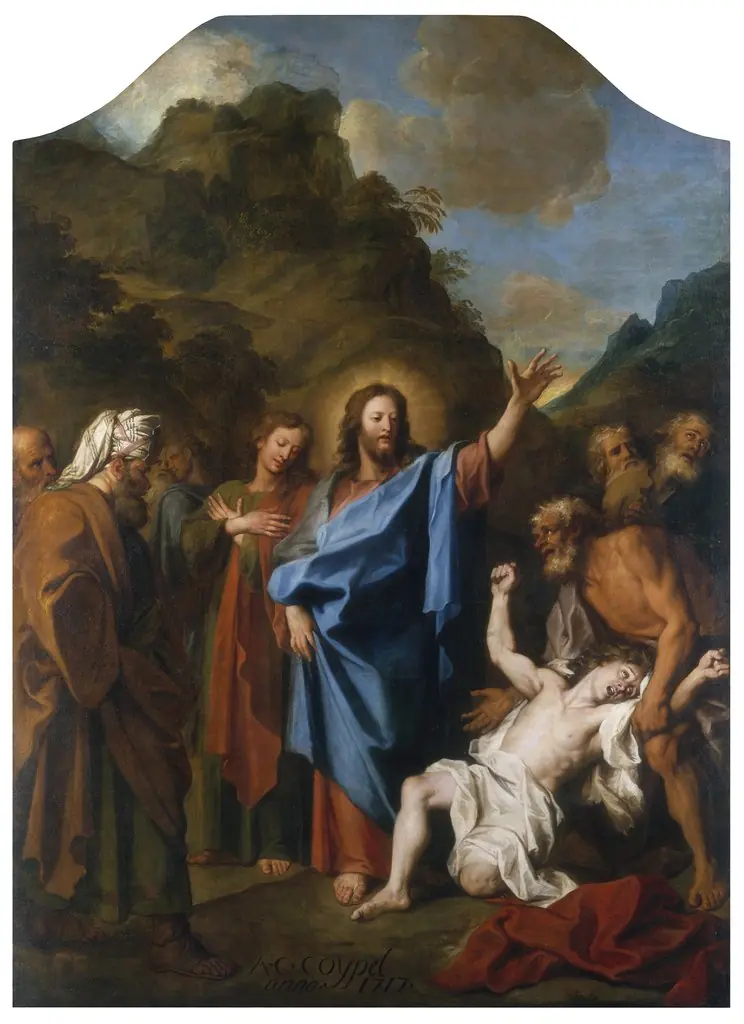 Christ Curing a Possessed Man
 Kristus i templet
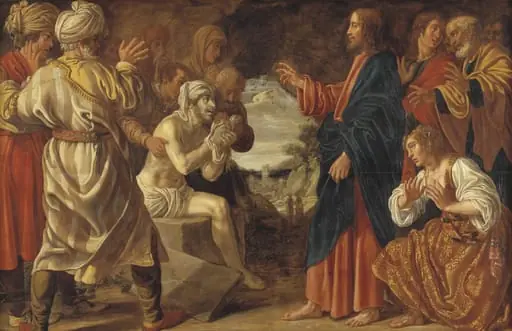 The Raising of Lazarus
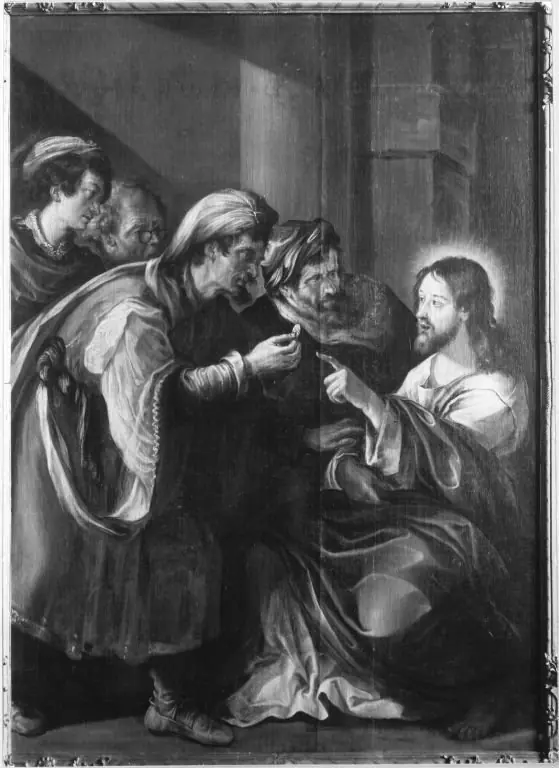 Der Zinsgroschen
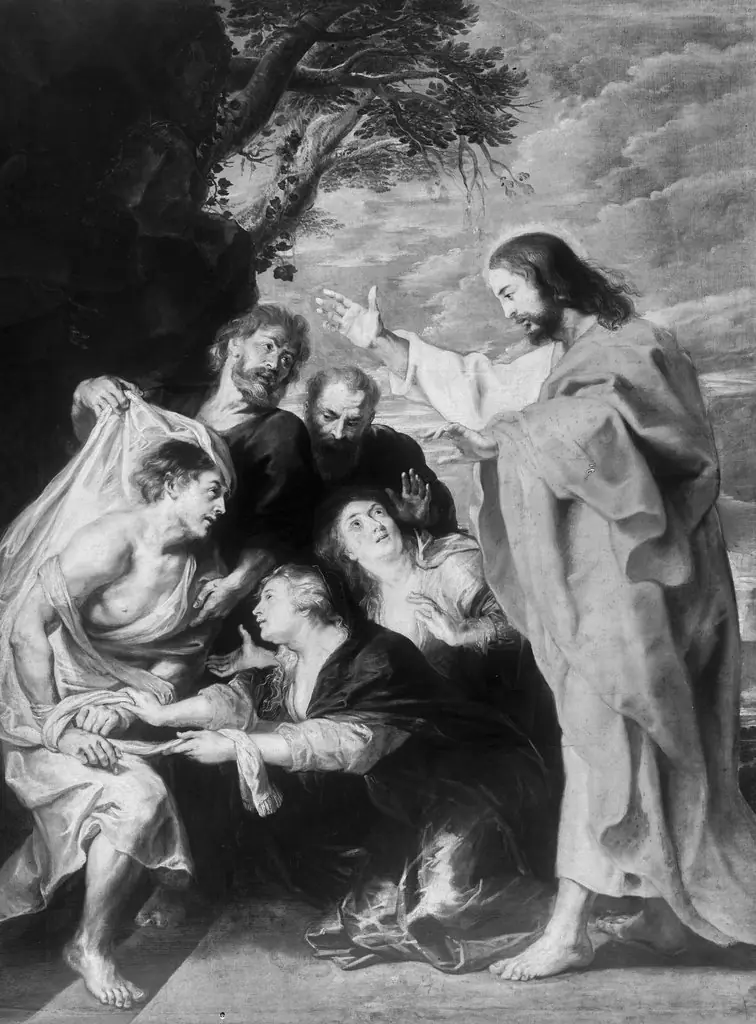 Resurrection of Lazarus
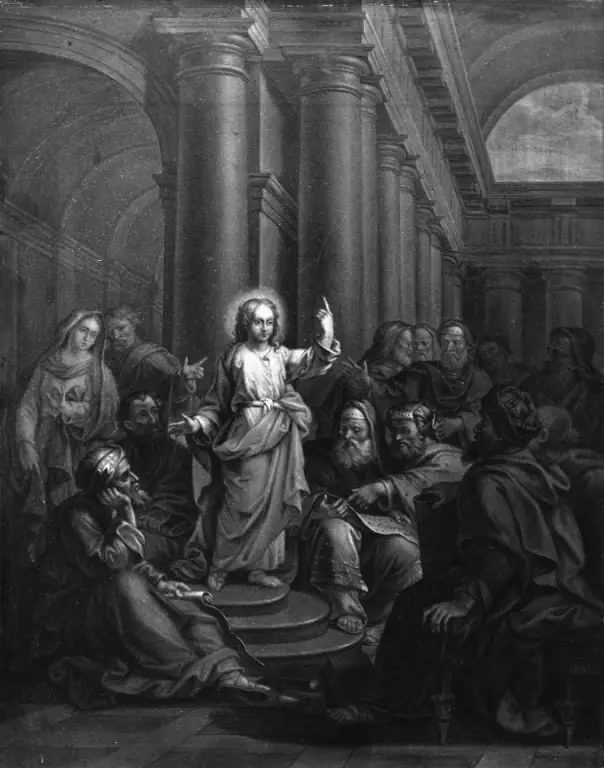 Kristus i templet
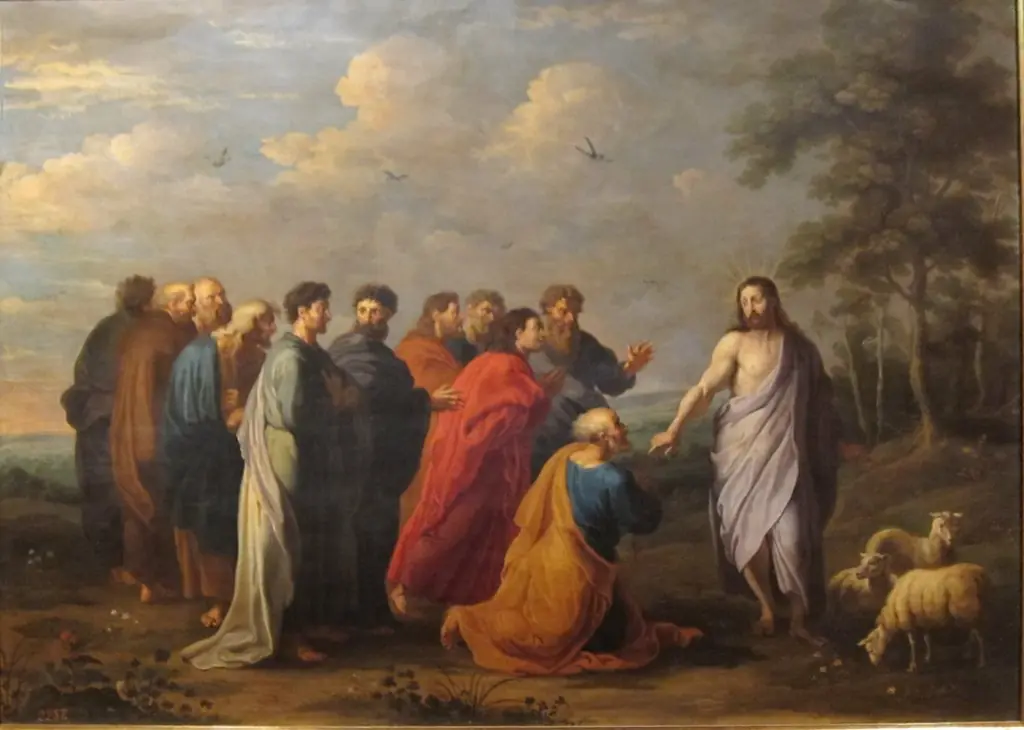 Jesucristo entregando las llaves a San Pedro