Artwork
Page from Tales of a Parrot (Tuti-nama): text page
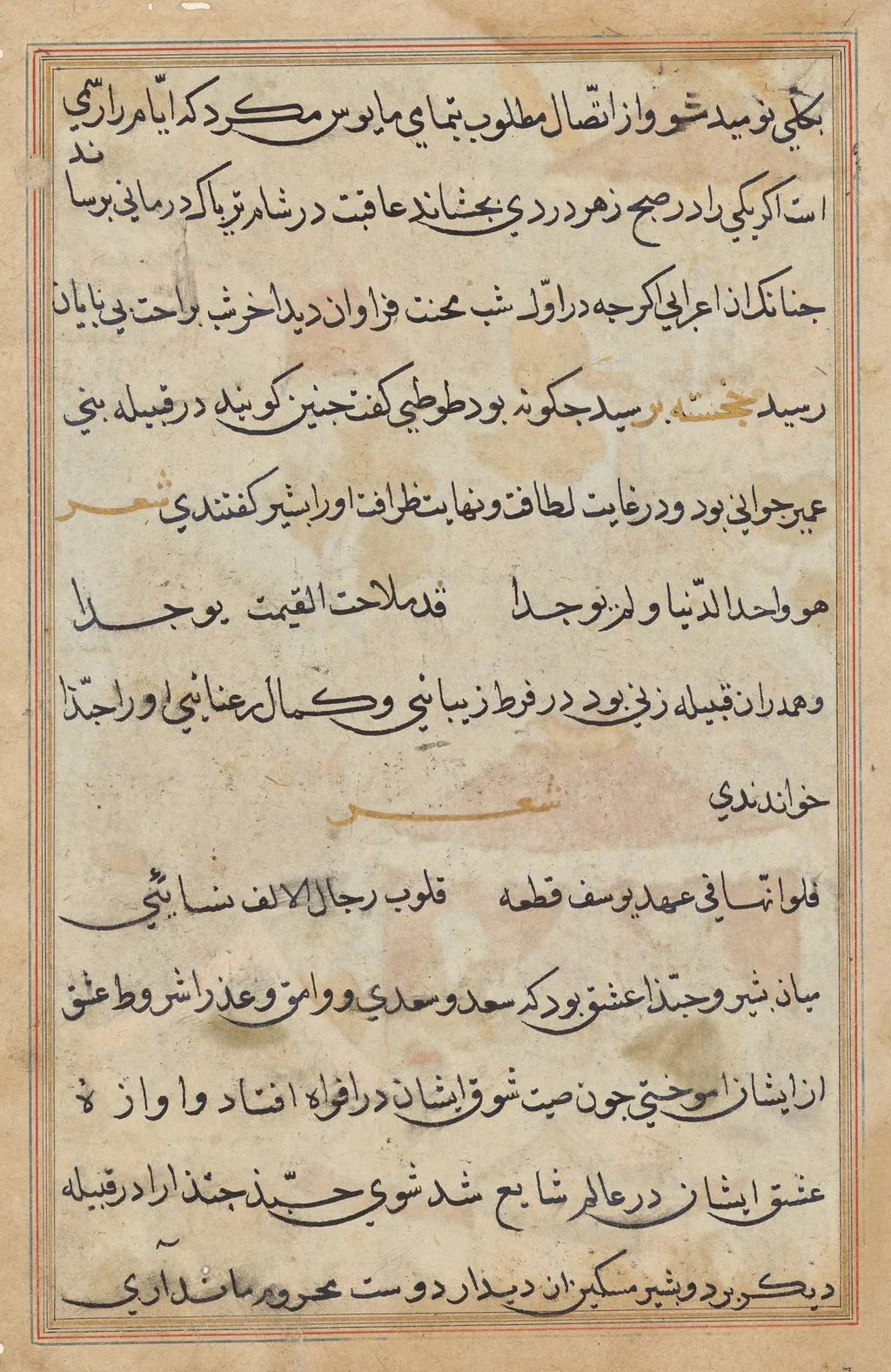
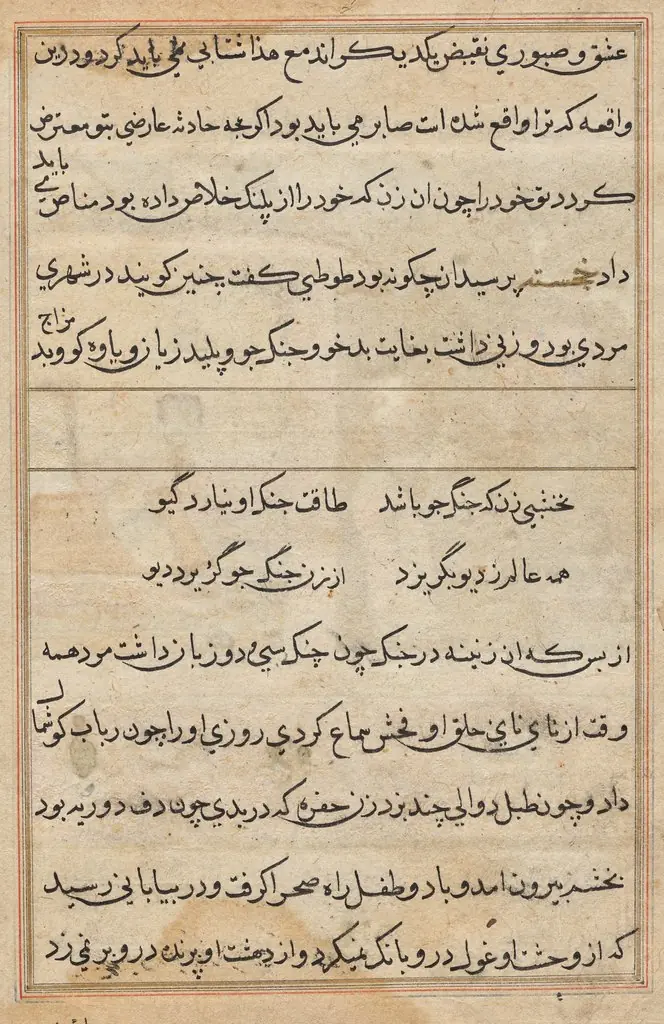
Page from Tales of a Parrot (Tuti-nama): text page is an unspecified painting. It dates from 1560 and is held in the collection of the Cleveland Museum of Art. This object is a single folio from the 1560 manuscript known as the Tales of a Parrot (Tuti‑nama).
About this work
The page is a beautiful example of the art of calligraphy and the importance of written language in this time period.
This painting is a page from the "Tales of a Parrot" (Tuti-nama), created in 1560. The page features a text written in an unknown medium, with a focus on the written word. The text is the main focus of the page, with no visible images or illustrations.
The page is part of a larger work, made for Prince Salim, and is now held at The Cleveland Museum of Art. The text is written in a flowing script, with intricate details and flourishes. The page is a beautiful example of the art of calligraphy and the importance of written language in this time period.
To learn more about the artistic techniques used in this painting, explore the technique of chiaroscuro.
Overview
This object is a single folio from the 1560 manuscript known as the Tales of a Parrot (Tuti‑nama). The page consists solely of text rendered in an elaborate, flowing script, without any accompanying illustrations. It exemplifies the high regard for calligraphic artistry in the mid‑sixteenth‑century Persianate court culture.
Subject & Meaning
The written passage forms the core of the page, reflecting the literary content of the Tales of a Parrot—a collection of stories intended for princely entertainment. The emphasis on the script itself underscores the period’s belief that the visual presentation of language could convey elegance and authority as powerfully as the narrative.
Technique & Style
The calligrapher employed a refined hand, using fine strokes and ornamental flourishes characteristic of Persian courtly scripts. The careful modulation of line weight creates a subtle chiaroscuro effect, giving the letters a three‑dimensional presence against the parchment background.
History & Provenance
Commissioned for Prince Salim, a member of the Mughal imperial family, the manuscript traveled through various collections before entering the holdings of the Cleveland Museum of Art. Its survival as an individual page offers insight into the broader production of deluxe literary volumes for elite patrons.
Context
In the mid‑1500s, Mughal courts prized lavishly illustrated books, yet this folio demonstrates that even unillustrated pages were treated as objects of art. The emphasis on calligraphy aligns with contemporary Persian and Ottoman traditions that elevated the written word to a decorative medium.
Legacy
The page remains a valuable reference for scholars studying Mughal manuscript culture, calligraphic practice, and the transmission of Persian literary works. Its preservation in a major museum ensures continued access for research into the aesthetic values of the era.
Artist & collection

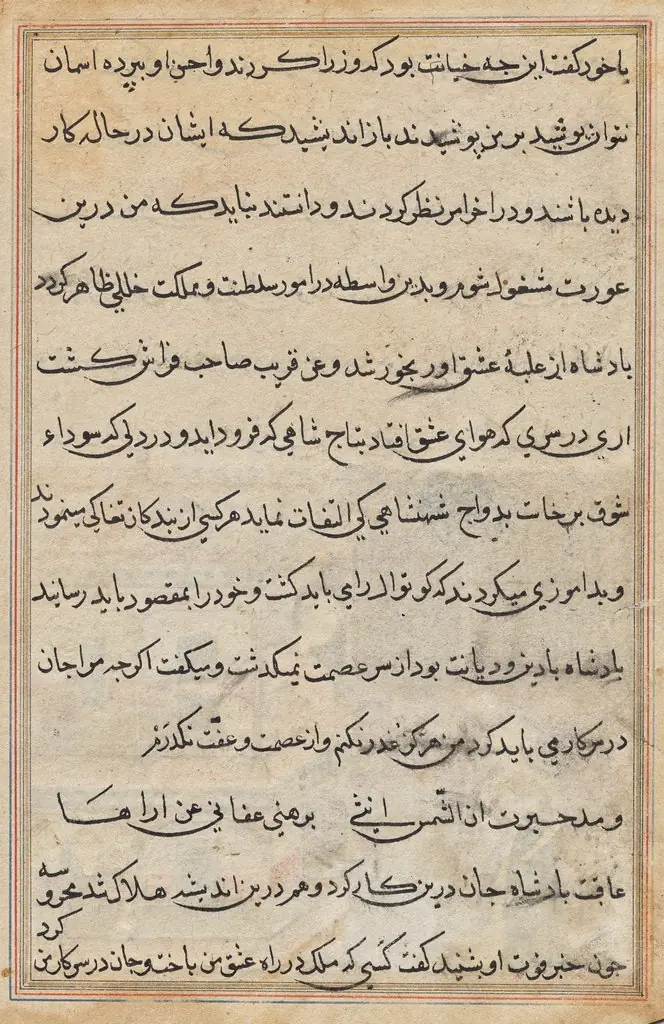 Page from Tales of a Parrot (Tuti-nama): text page
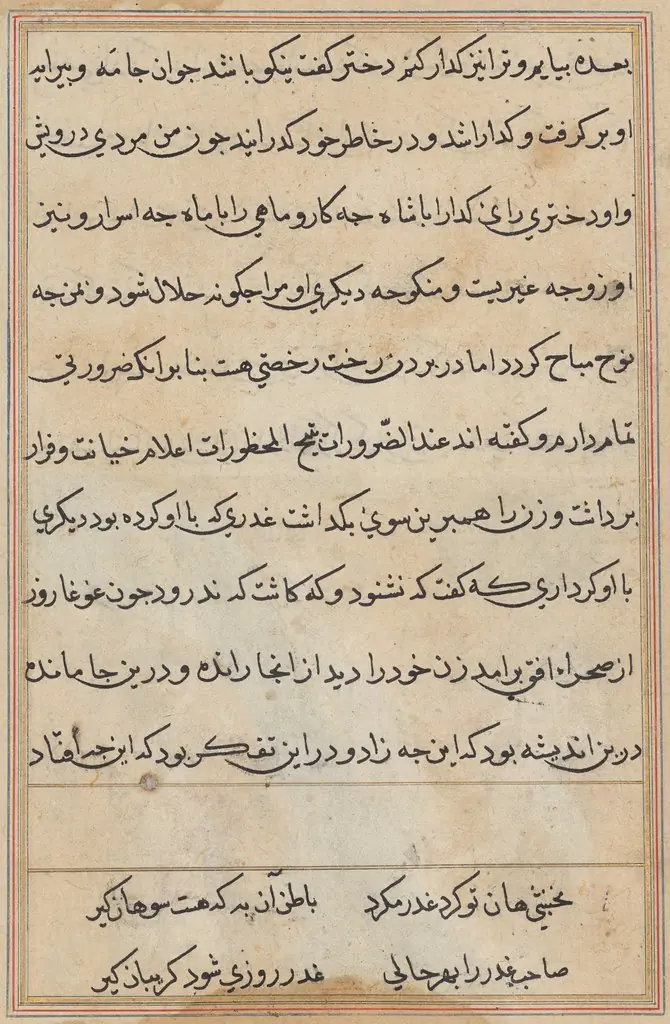 Page from Tales of a Parrot (Tuti-nama): text page
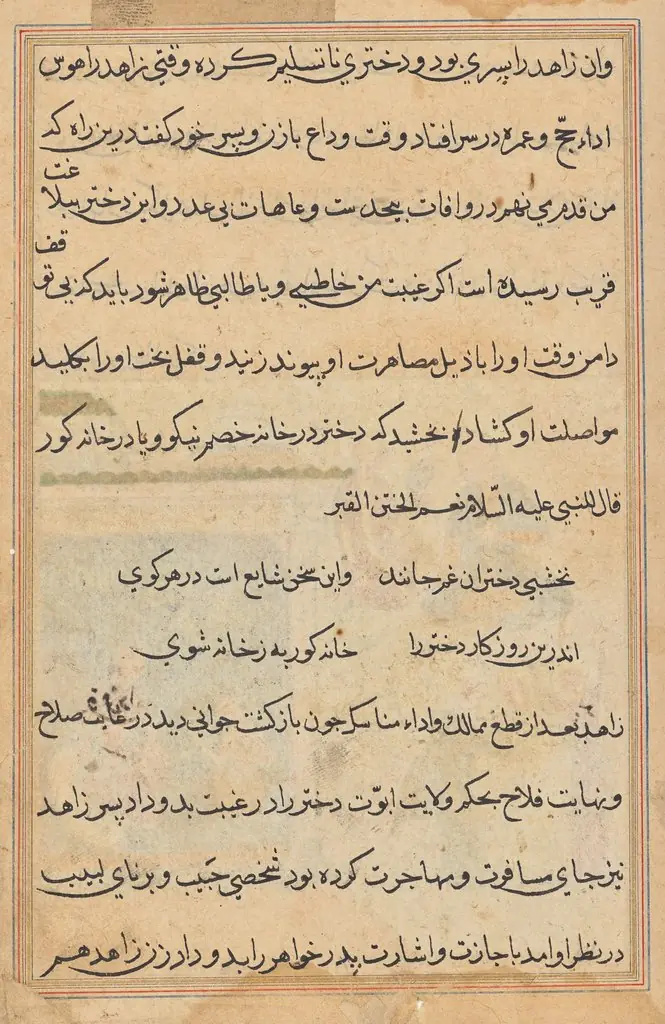 Page from Tales of a Parrot (Tuti-nama): text page
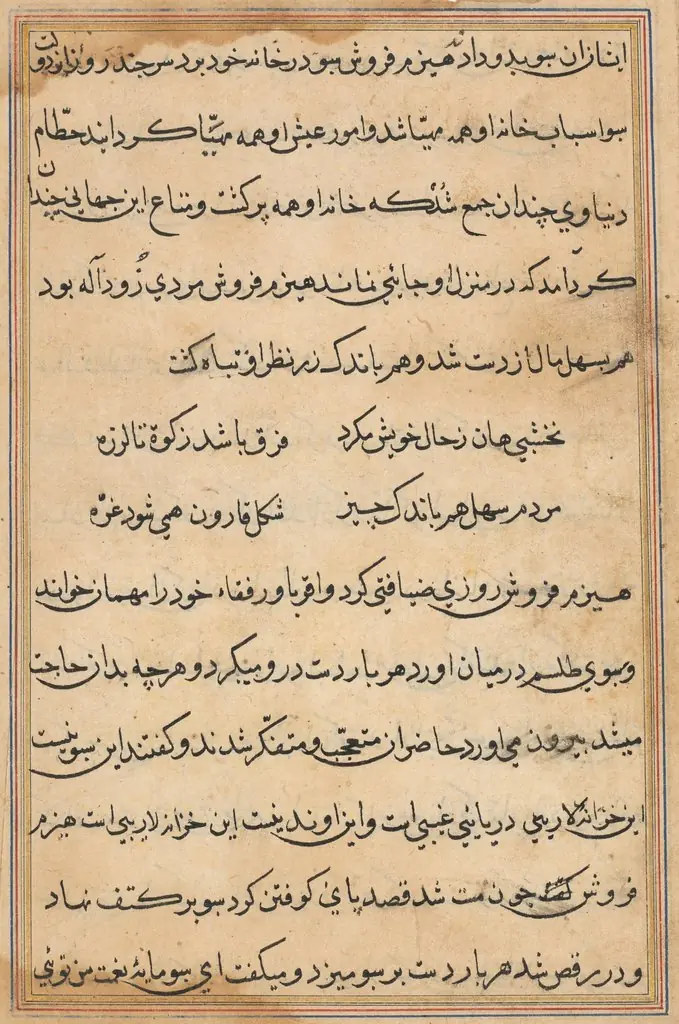 Page from Tales of a Parrot (Tuti-nama): text page
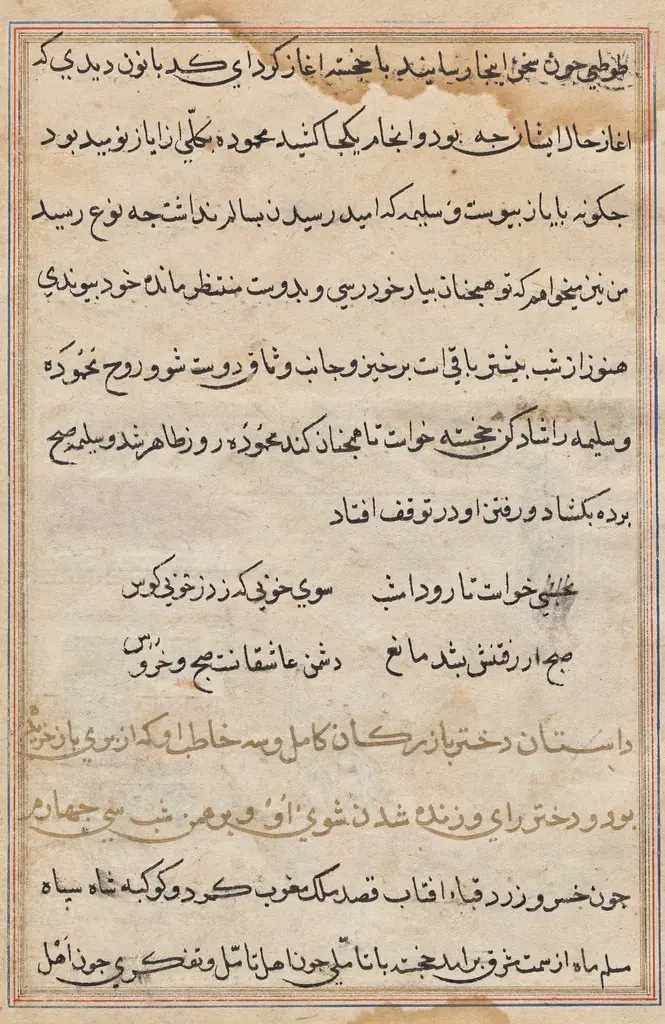 Page from Tales of a Parrot (Tuti-nama): text page
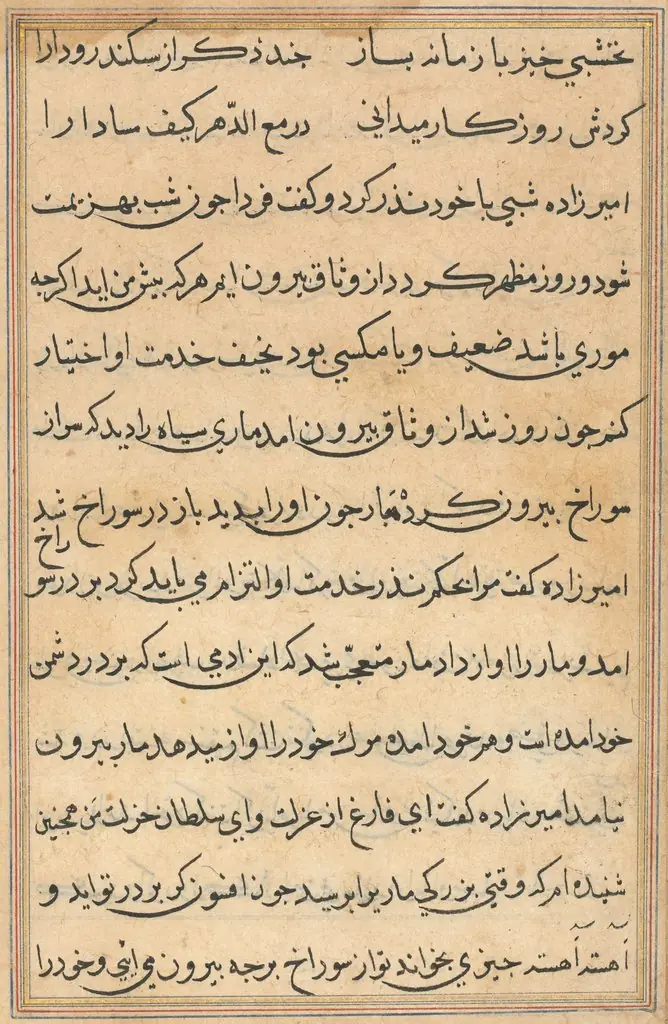 Page from Tales of a Parrot (Tuti-nama): text page
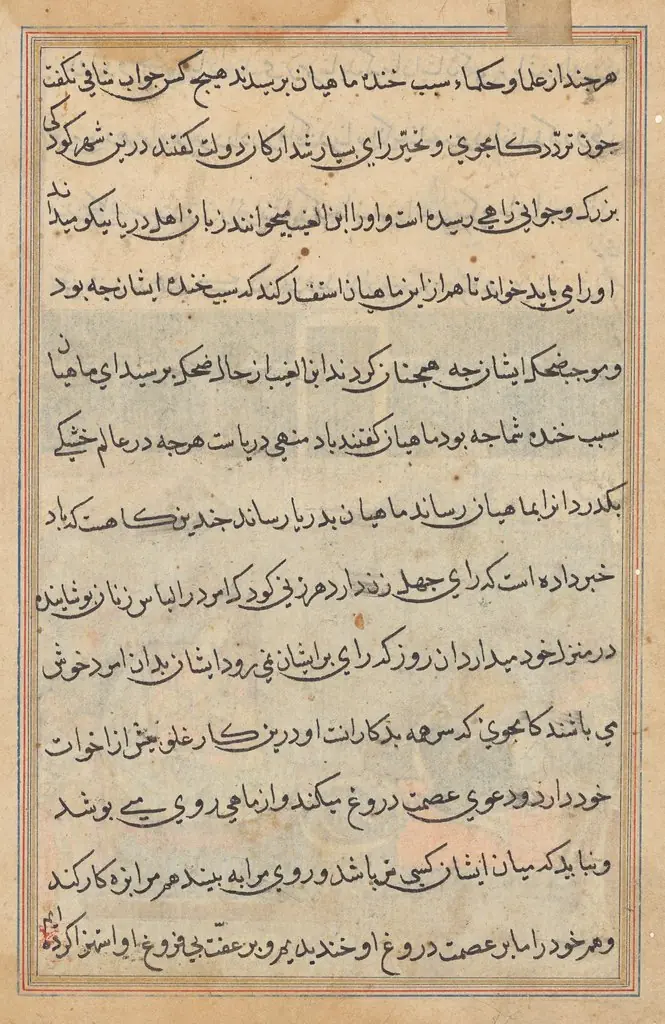 Page from Tales of a Parrot (Tuti-nama): text page
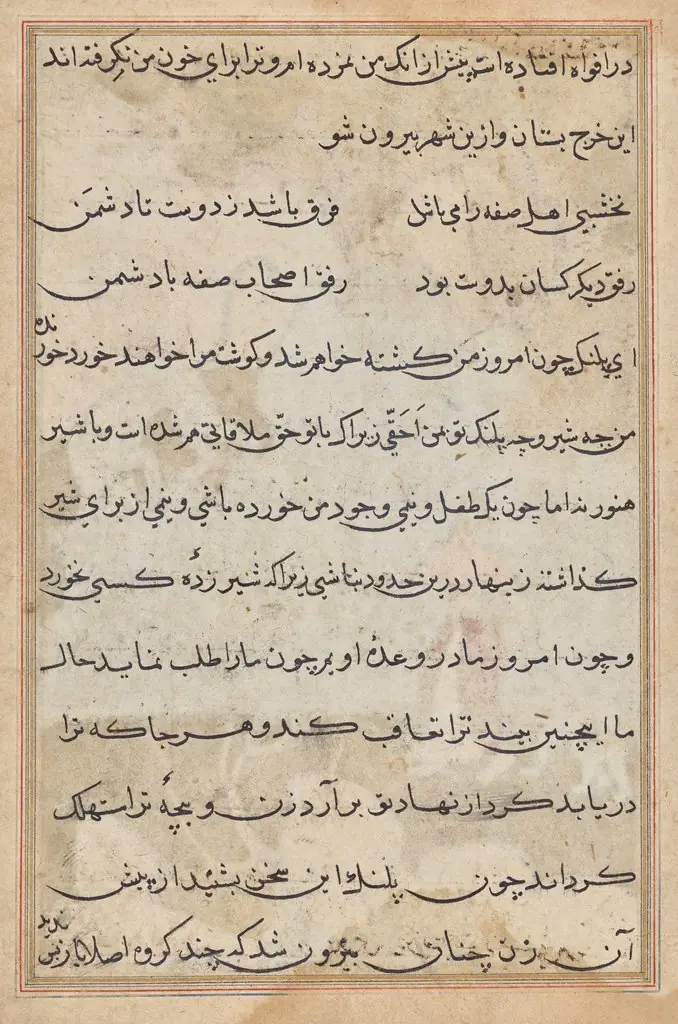 Page from Tales of a Parrot (Tuti-nama): text page
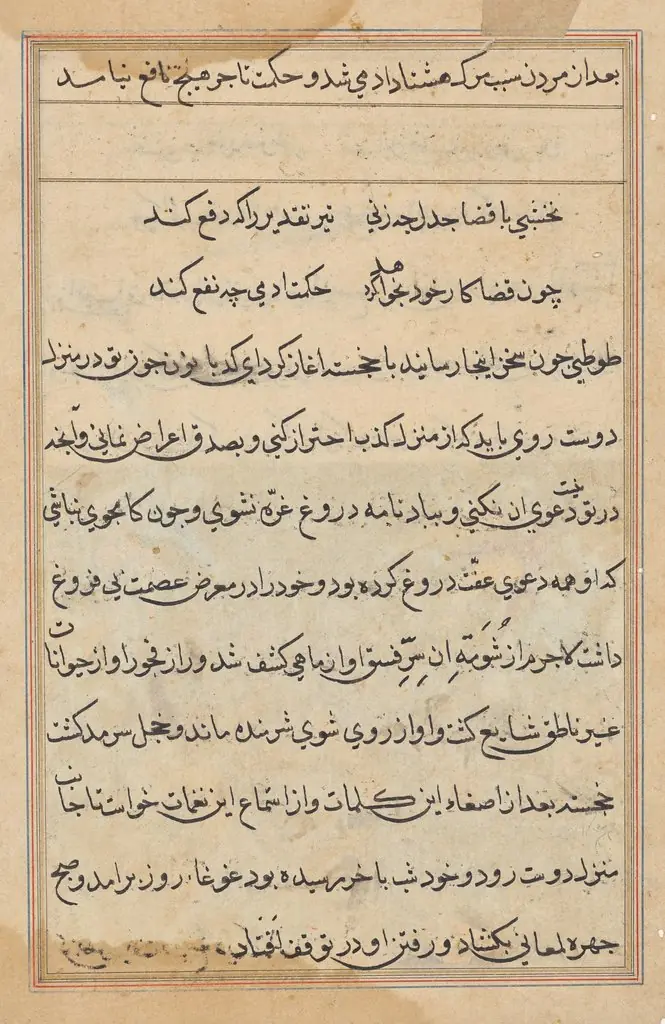 Page from Tales of a Parrot (Tuti-nama): text page
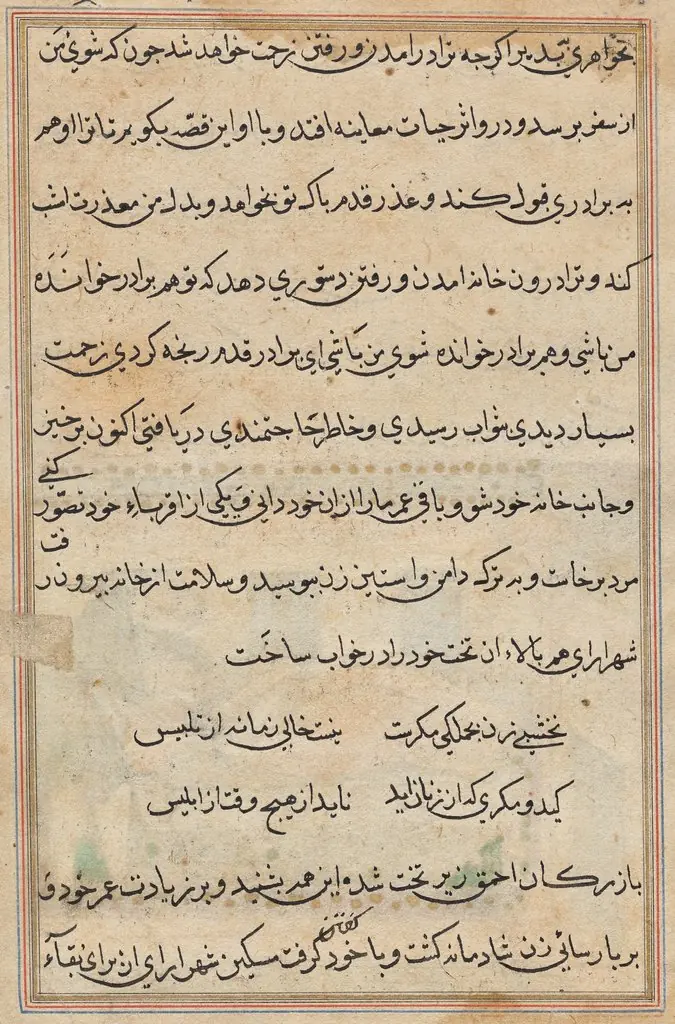 Page from Tales of a Parrot (Tuti-nama): text page
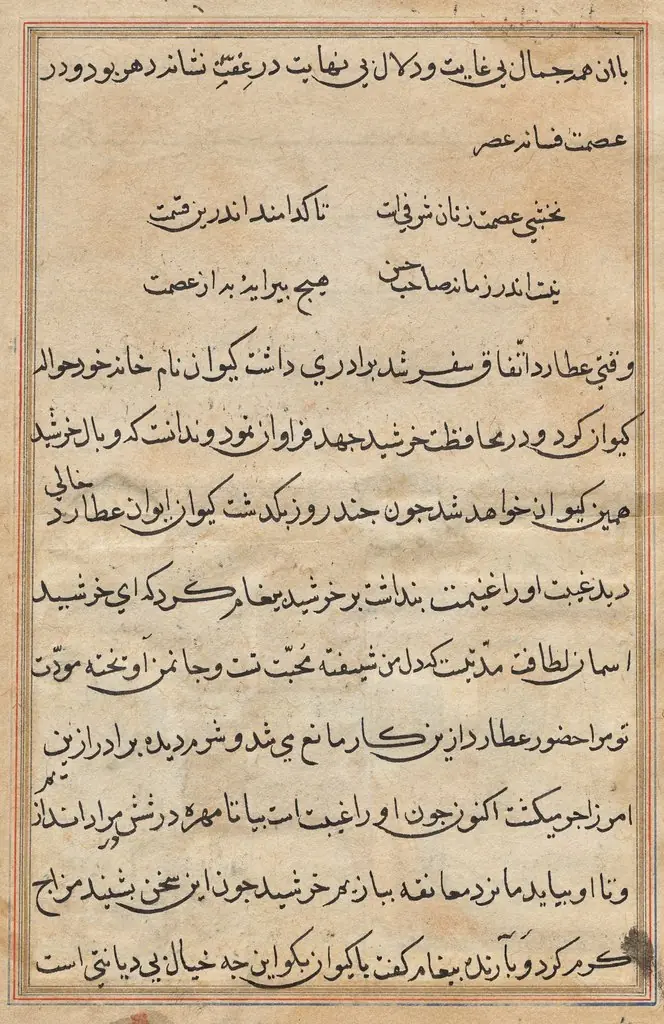 Page from Tales of a Parrot (Tuti-nama): text page
 Page from Tales of a Parrot (Tuti-nama): text page