Artwork
Page from Tales of a Parrot (Tuti-nama): text page
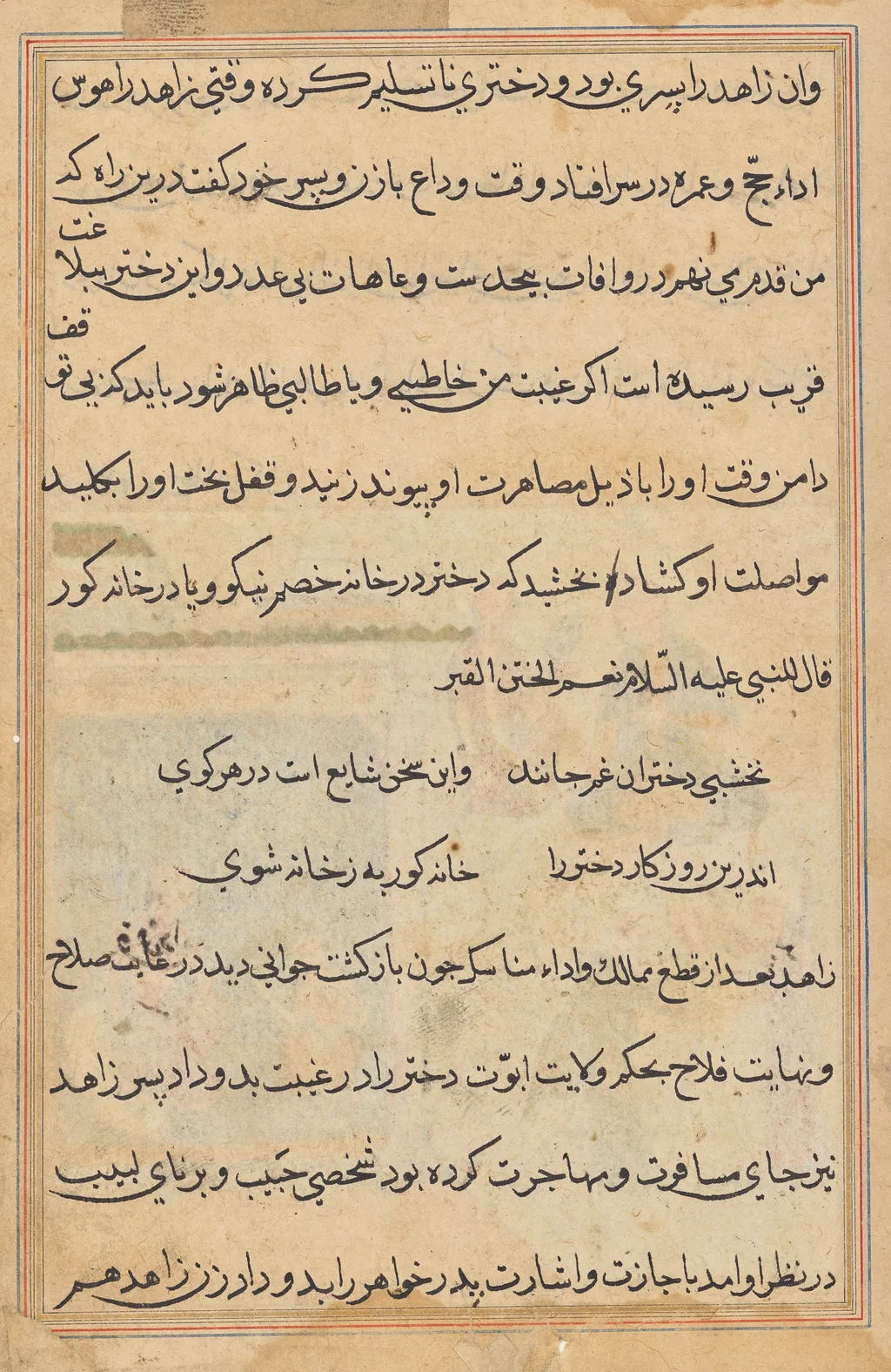
Page from Tales of a Parrot (Tuti-nama): text page is an unspecified painting. It dates from 1560 and is held in the collection of the Cleveland Museum of Art. This object is a single leaf from the illustrated manuscript series known as the *Tales of a Parrot* (Tuti‑nama), produced around 1560.
About this work
The text is written in a flowing script, with intricate details and flourishes that add to the overall aesthetic of the piece.
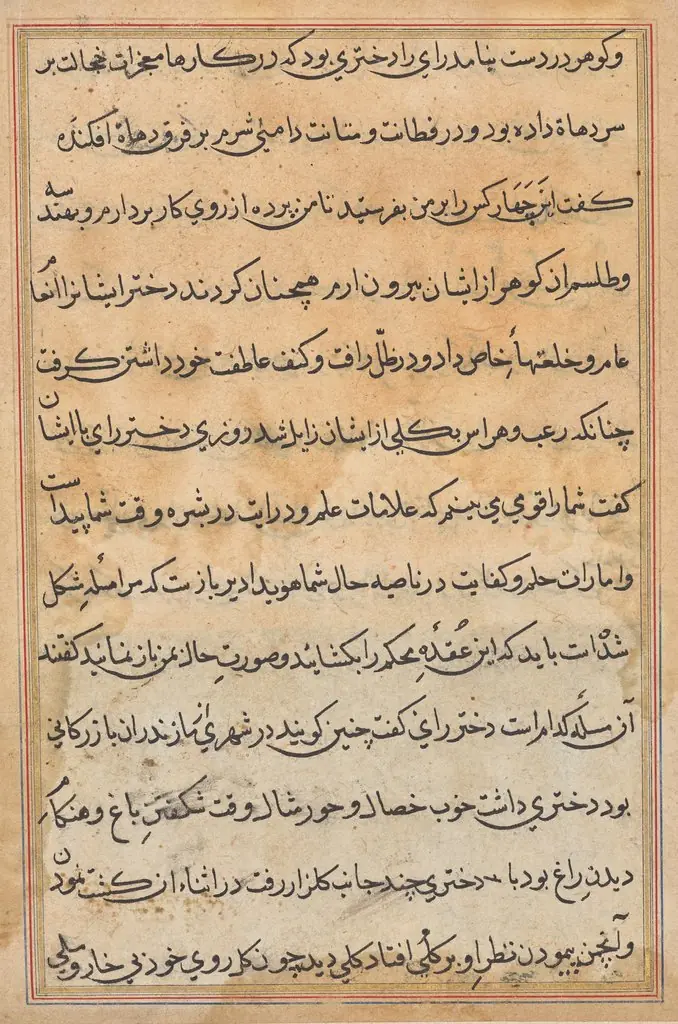
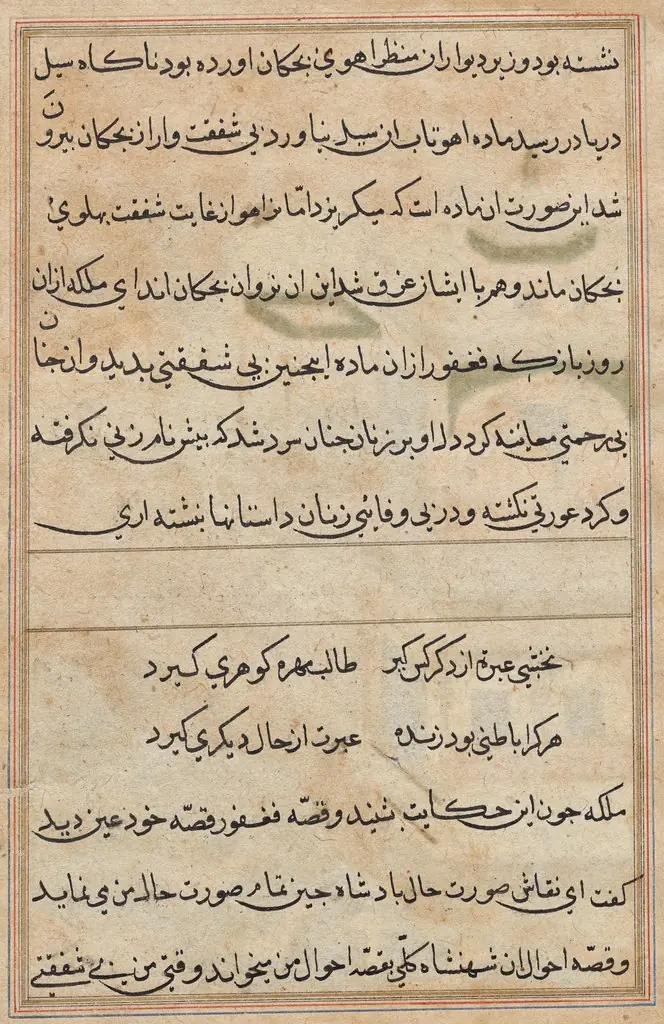
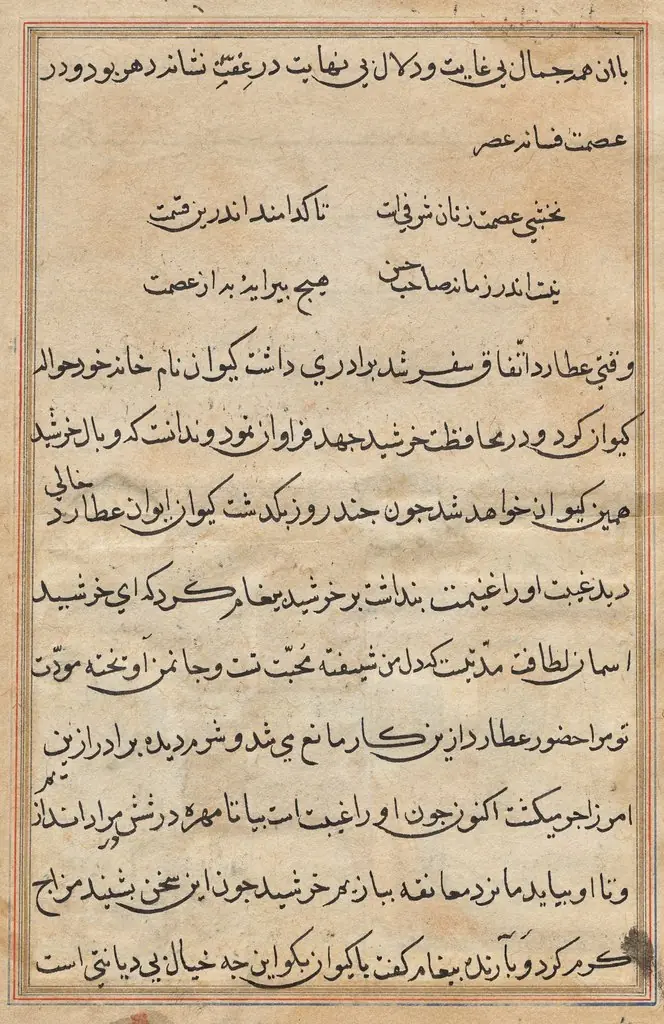
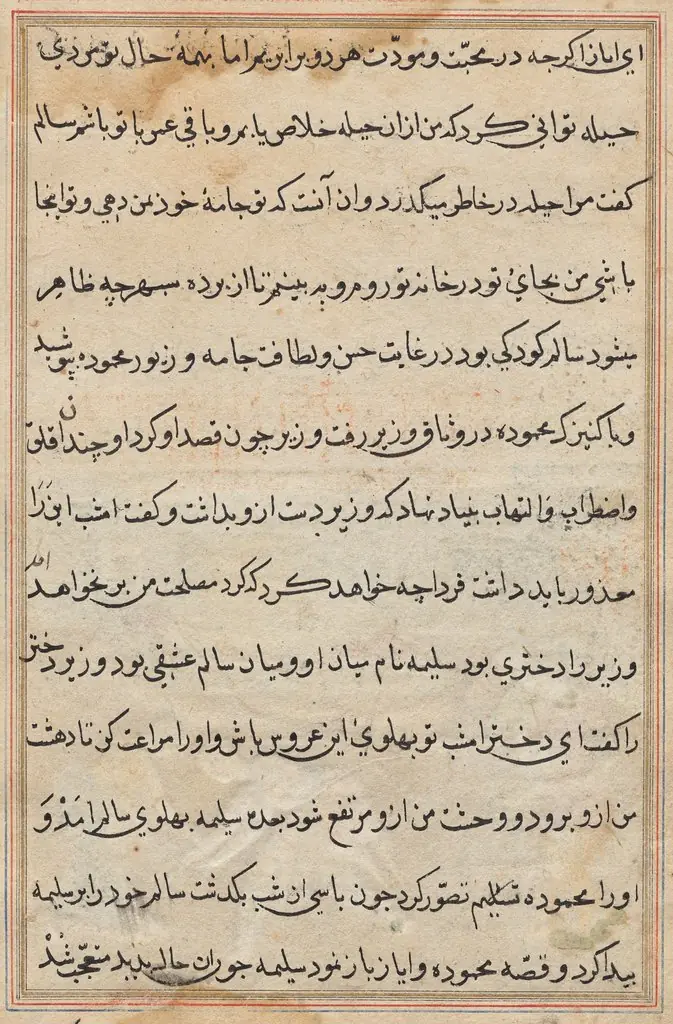
This painting is a page from the "Tales of a Parrot (Tuti-nama)" series, dated 1560. The image features a text page with black calligraphy on a beige background, showcasing the artistic style of the time. The text is written in a flowing script, with intricate details and flourishes that add to the overall aesthetic of the piece. The beige background provides a subtle contrast to the dark ink, creating a sense of balance and harmony. The painting is held at The Cleveland Museum of Art, and its creation was commissioned by Prince Salim.
Overview
This object is a single leaf from the illustrated manuscript series known as the *Tales of a Parrot* (Tuti‑nama), produced around 1560. The page consists of black ink calligraphy set against a light, beige ground, the text rendered in an elegant, flowing hand with decorative flourishes that enhance its visual appeal. It is part of the collection of the Cleveland Museum of Art.
Subject & Meaning
The page contains narrative prose typical of the *Tuti‑nama*, a collection of moral and romantic stories conveyed through the voice of a parrot. The text, though not illustrated here, would have guided readers through allegorical episodes intended to entertain and instruct, reflecting the literary tastes of a courtly audience.
Technique & Style
The calligraphic work is executed in black ink on a prepared parchment or paper support, employing a cursive script characteristic of mid‑sixteenth‑century Persian manuscript production. Fine brushwork creates delicate swirls and terminal ornaments, while the muted beige substrate provides a gentle contrast that emphasizes the ink without overwhelming the composition.
History & Provenance
Commissioned by Prince Salim, a prominent patron of the arts in the Safavid period, the page was created as part of a larger codex. After changing hands over the centuries, it entered the Cleveland Museum of Art, where it is displayed as an example of Persian literary art from the mid‑1500s.
Context
The *Tuti‑nama* belongs to a tradition of illustrated storybooks that flourished in the Islamic world, where text and ornamentation were closely integrated. Produced during a time of vibrant cultural exchange in Safavid Iran, the manuscript reflects the court’s investment in literary production and the aesthetic values of refined calligraphy.
Artist & collection

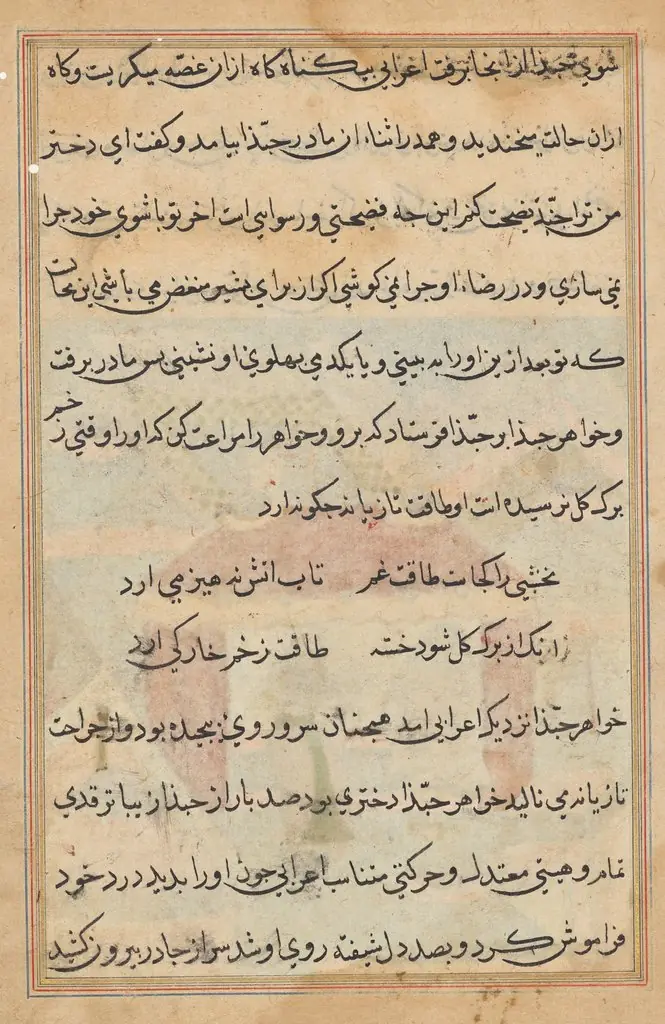 Page from Tales of a Parrot (Tuti-nama): text page
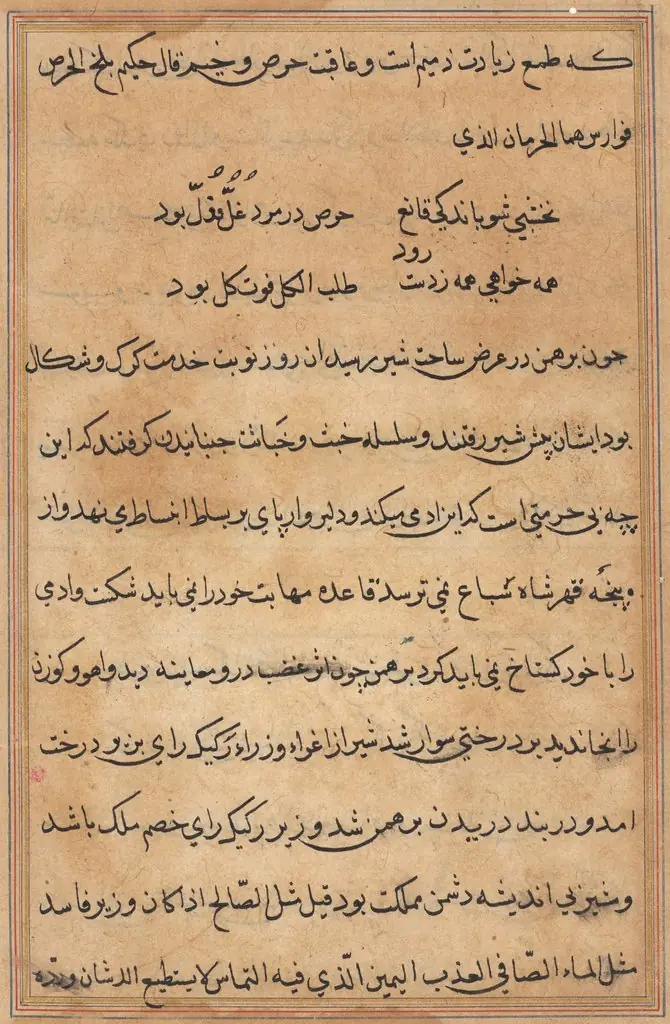 Page from Tales of a Parrot (Tuti-nama): text page
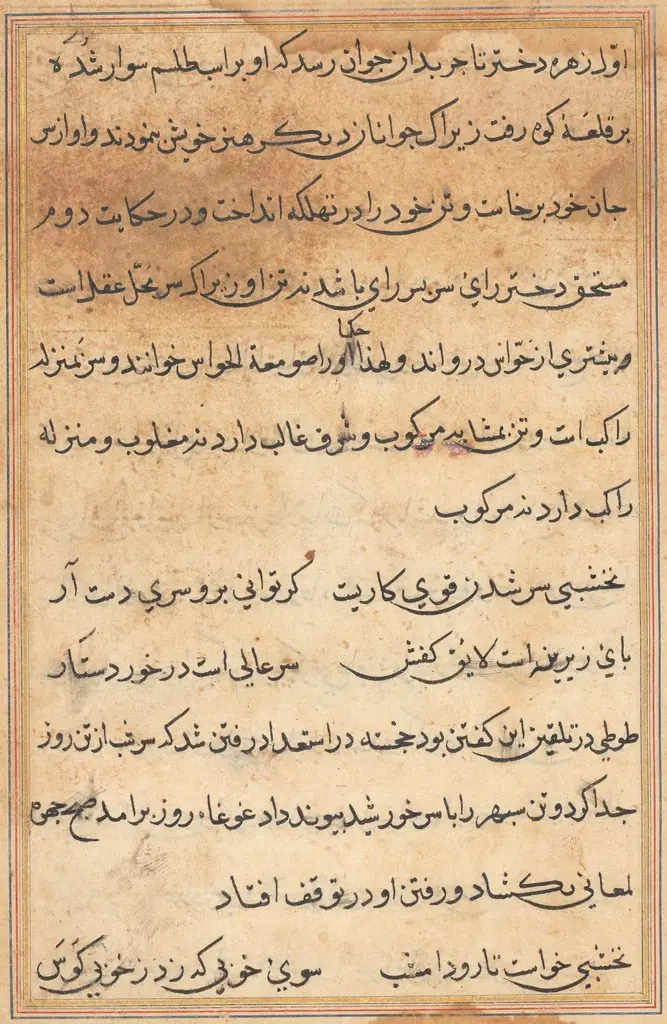 Page from Tales of a Parrot (Tuti-nama): text page
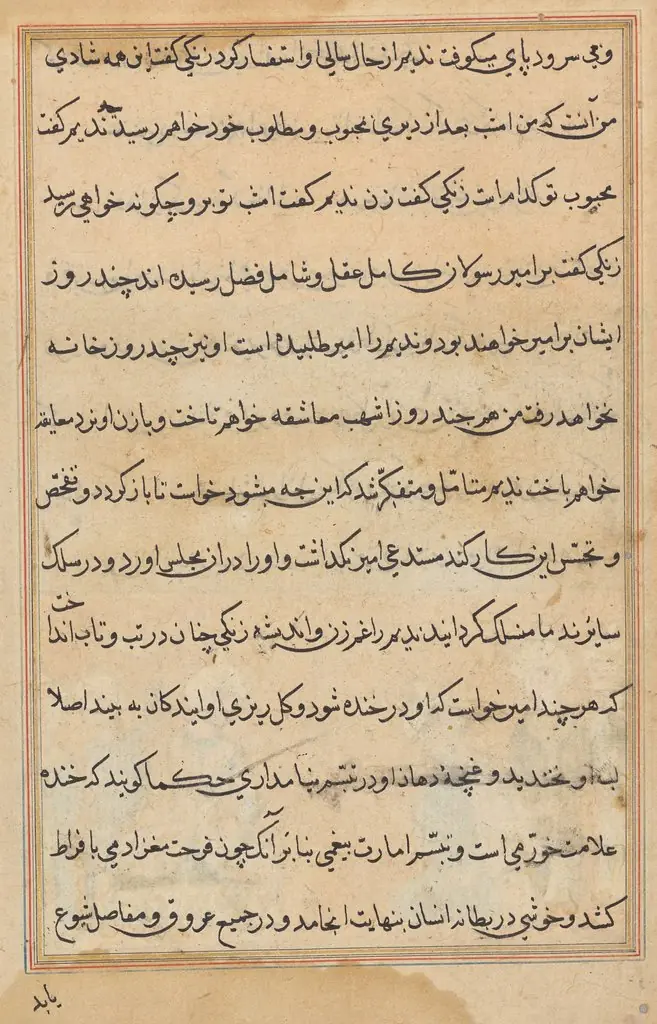 Page from Tales of a Parrot (Tuti-nama): text page
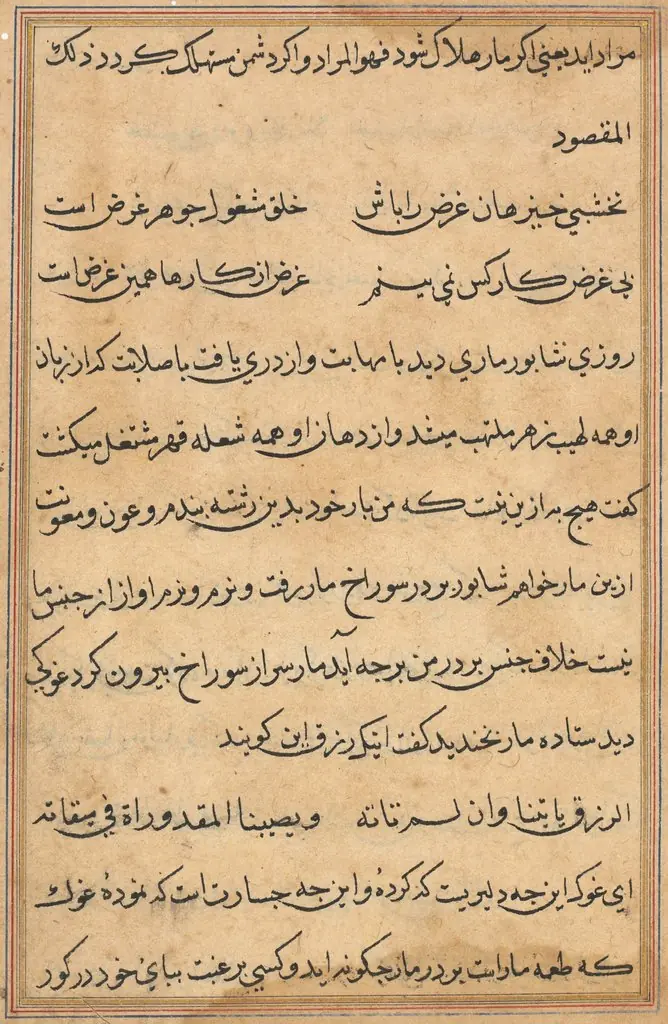 Page from Tales of a Parrot (Tuti-nama): text page
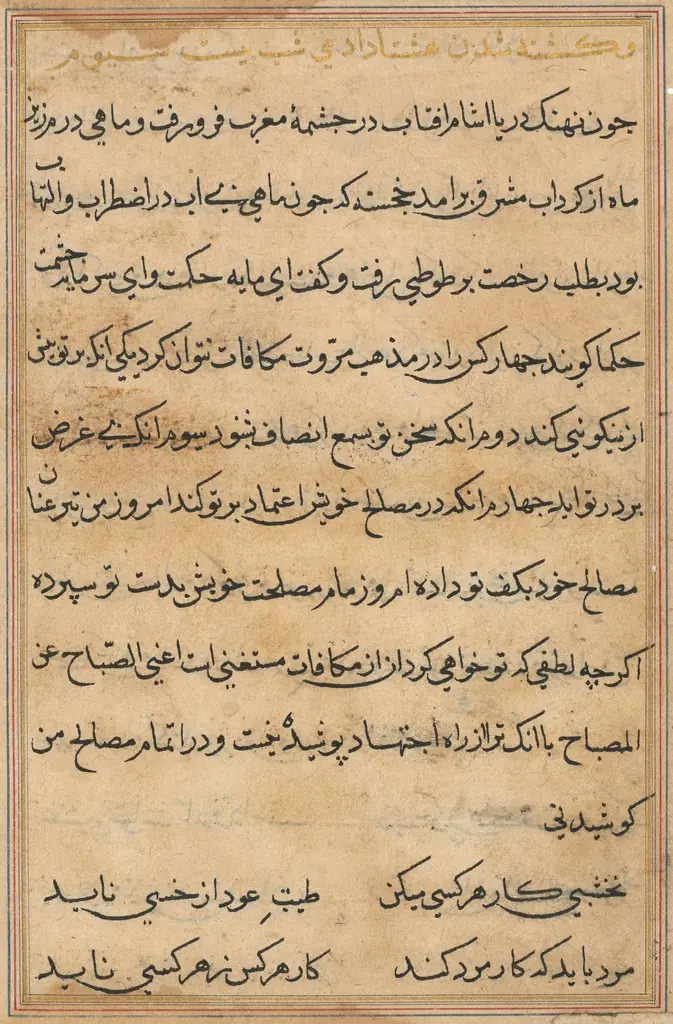 Page from Tales of a Parrot (Tuti-nama): text page
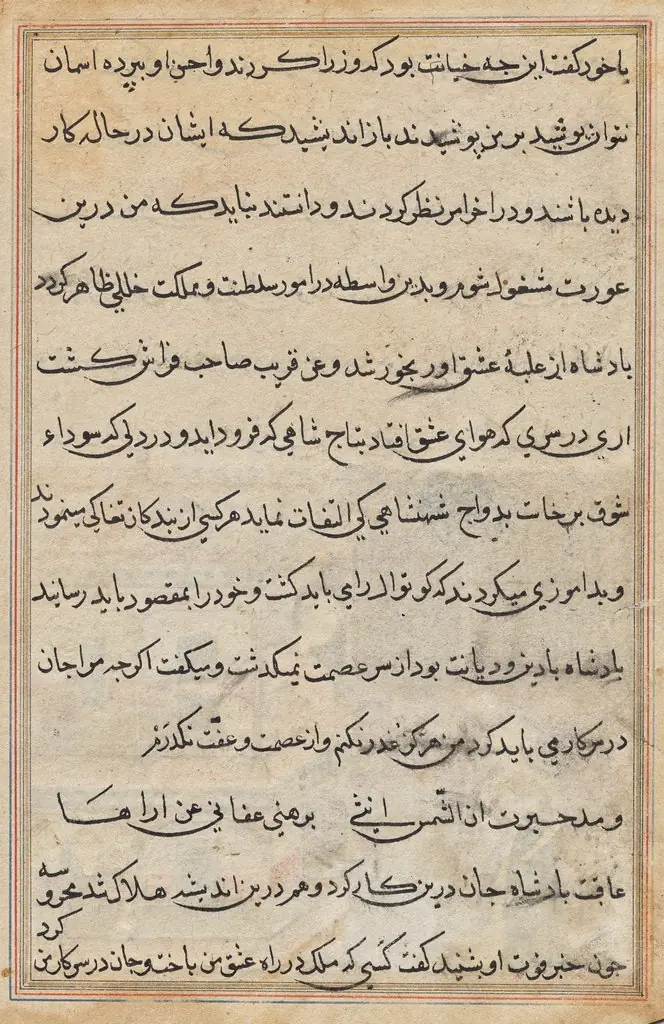 Page from Tales of a Parrot (Tuti-nama): text page
 Page from Tales of a Parrot (Tuti-nama): text page
 Page from Tales of a Parrot (Tuti-nama): text page
 Page from Tales of a Parrot (Tuti-nama): text page
 Page from Tales of a Parrot (Tuti-nama): text page