Artwork
Virgin and Child
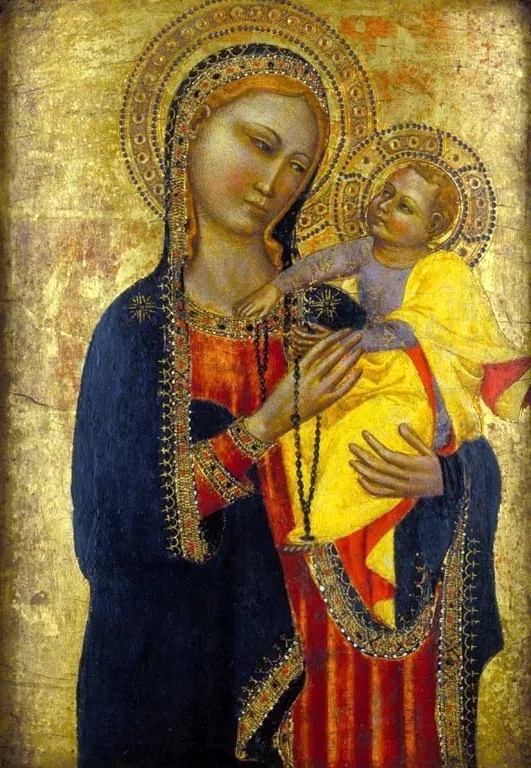
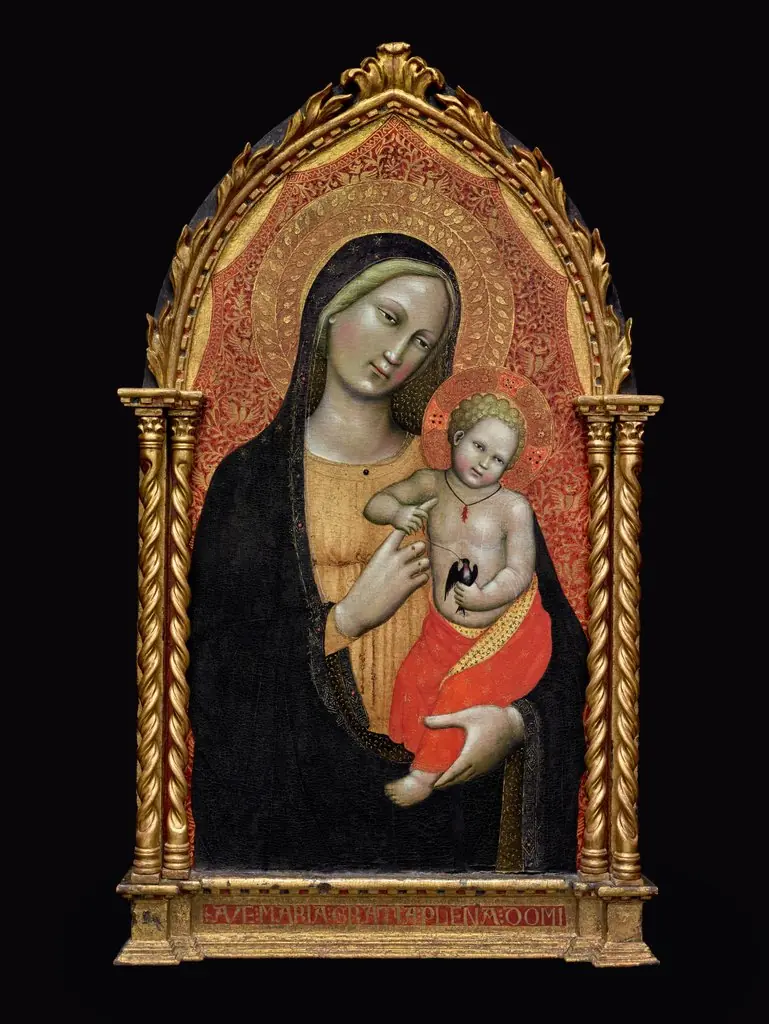
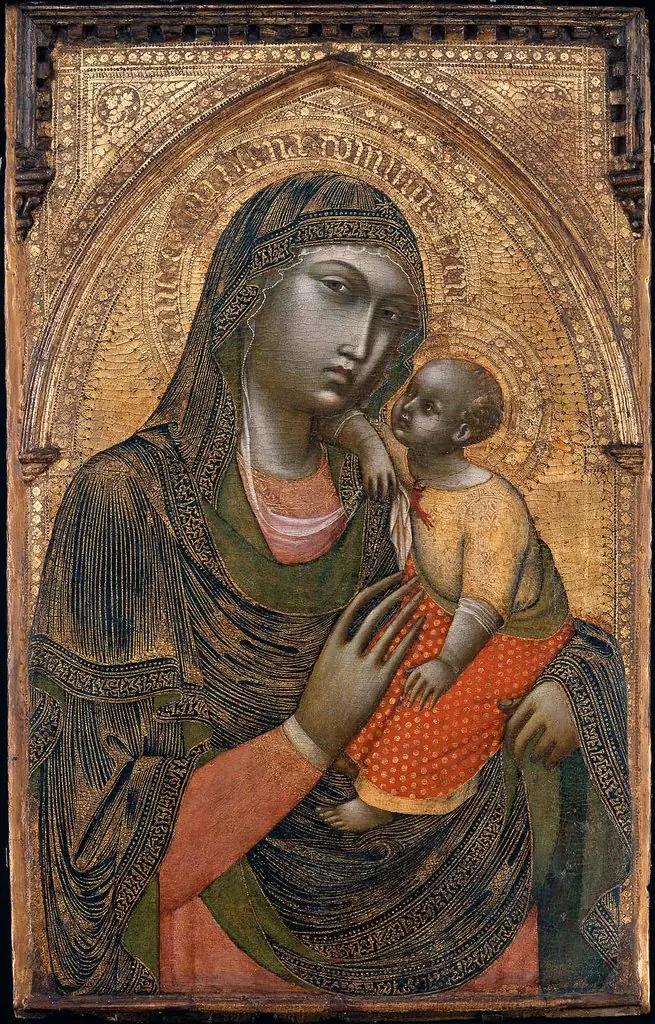
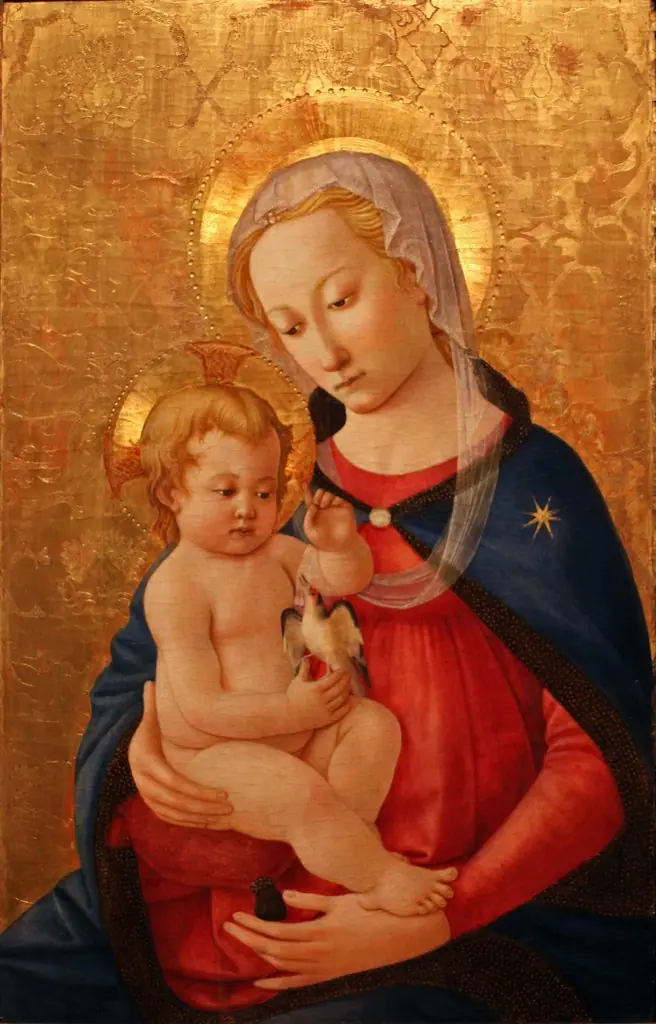
Virgin and Child is a tempera painting by the Byzantine icon painting artist Unknown. It dates from 1400 and is held in the collection of the National Museum of Ancient Art. This tempera painting depicts the Virgin Mary with the infant Christ in a quiet, intimate composition.
About this work
Overview
This tempera painting depicts the Virgin Mary with the infant Christ in a quiet, intimate composition. The figures are rendered with refined detail, set against a luminous golden background that enhances their spiritual presence. The work emphasizes stillness and reverence, typical of devotional images from the late medieval period.
Subject & Meaning
The Virgin and Child represent the central figures of Christian devotion, symbolizing divine love and maternal care. Mary’s gentle touch and direct gaze invite contemplation, while the Child’s posture suggests both vulnerability and sacredness. The imagery serves as a focus for prayer, reinforcing the theological idea of Mary as intercessor between humanity and the divine.
Technique & Style
Tempera paint on a wooden panel allows for fine, precise brushwork, evident in the delicate rendering of fabric folds and gold embroidery. The use of gold leaf and gem-like accents in the halo reflects traditional Byzantine influences, while the warm, flat background avoids spatial depth, directing attention solely to the sacred figures.
History & Provenance
The painting likely originated in a religious context, possibly commissioned for private devotion or a small chapel. Its materials and style suggest production in Italy or Southern Europe during the 14th or early 15th century. Its survival indicates careful preservation, likely within ecclesiastical or noble collections over centuries.
Context
Created during a period when devotional imagery was central to personal piety, this work reflects the growing emphasis on emotional connection with sacred figures. The rich colors and ornate details catered to a culture that valued visual splendor as a means of accessing the divine, aligning with broader trends in late medieval religious art.
Legacy
Though not attributed to a known master, the painting exemplifies the enduring conventions of Marian iconography. Its preservation offers insight into the aesthetic and spiritual priorities of its time, influencing later representations of the Virgin and Child in both religious and artistic traditions across Europe.
Artist & collection

 Domestic Scene
 Giacomo and Cardinal Marco, investing Andrea, Abbot of San Zeno, with his Benefice
 The Nymph of Fontainebleau
 Portrait of a Woman
 Madonna and Child with Saints in the Enclosed Garden
 Venus and Minerva
 Family Group of Four on Sofa
 Wall painting from Room H of the Villa of P. Fannius Synistor at Boscoreale
 Virgin and Child
 Virgin and Child
 Virgin and Child
 Virgin and Child
 Virgin and Child
 Virgin and Child
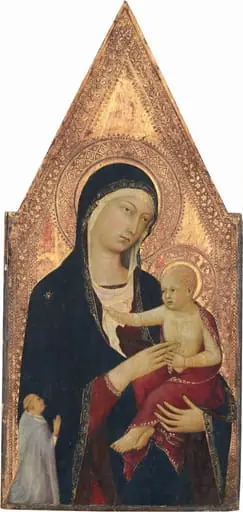 Madonna and Child with Donor
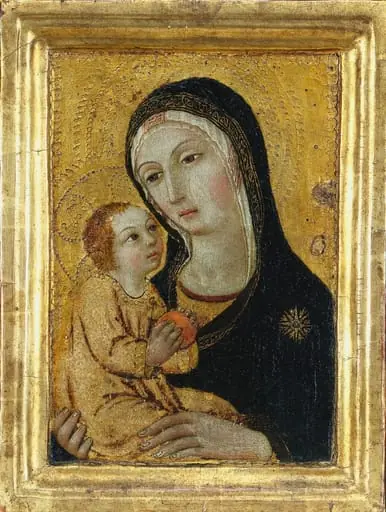 Virgin and Child
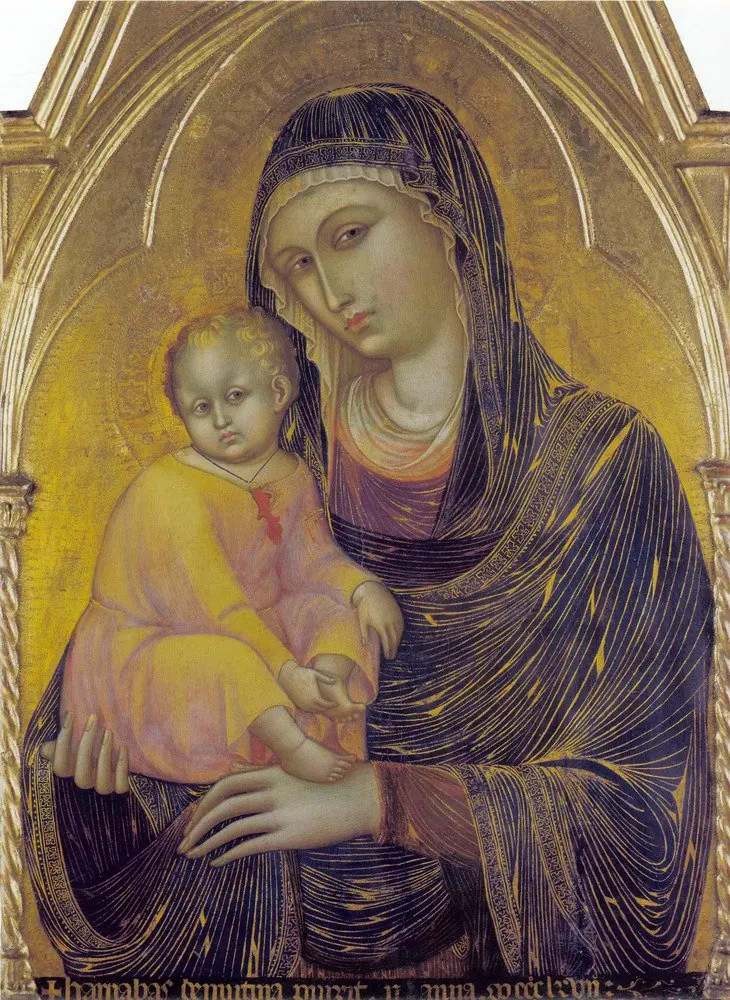 Madonna and Child
![Madonna and Child, with the Blessing Christ [middle panel], by Pietro Lorenzetti](https://artifactworldgallery.com/img/pietro-lorenzetti--madonna-and-child-with-the-blessing-christ-middle-panel--02357aa6ff04175b-w320.webp) Madonna and Child, with the Blessing Christ [middle panel]
Madonna and Child, with the Blessing Christ [middle panel]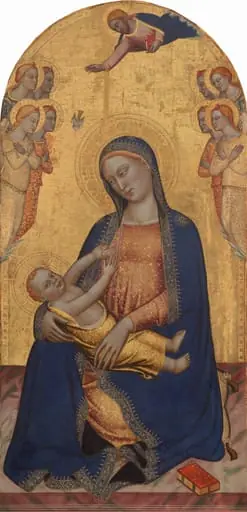 Madonna and Child with God the Father Blessing and Angels
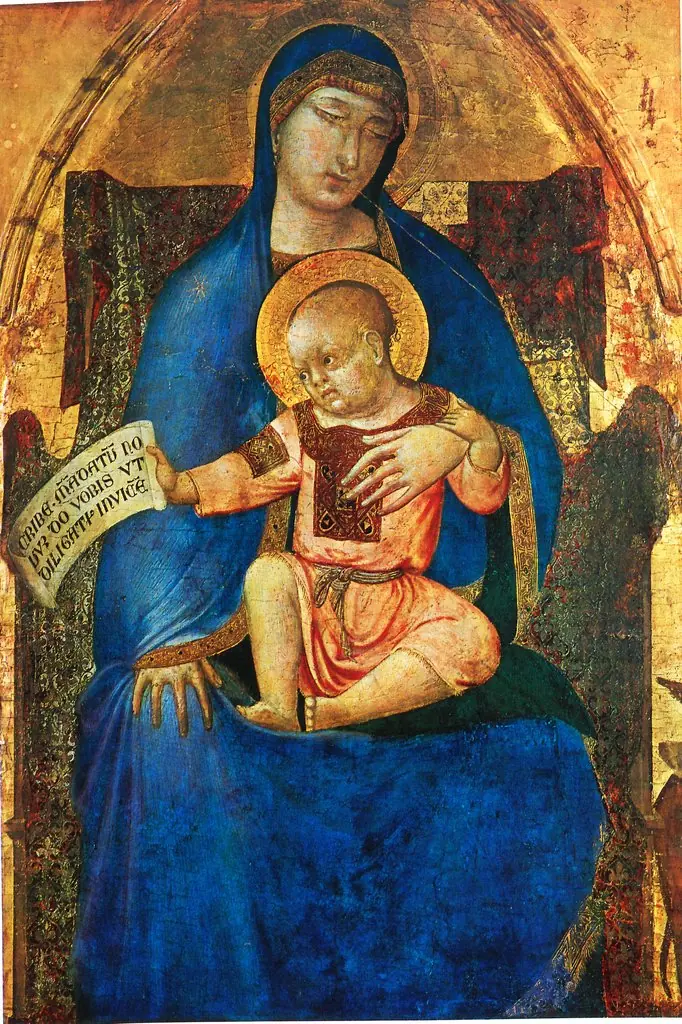 Madonna and Child Enthroned (fragment of an altarpiece)