Artwork
Paisagem com figuras
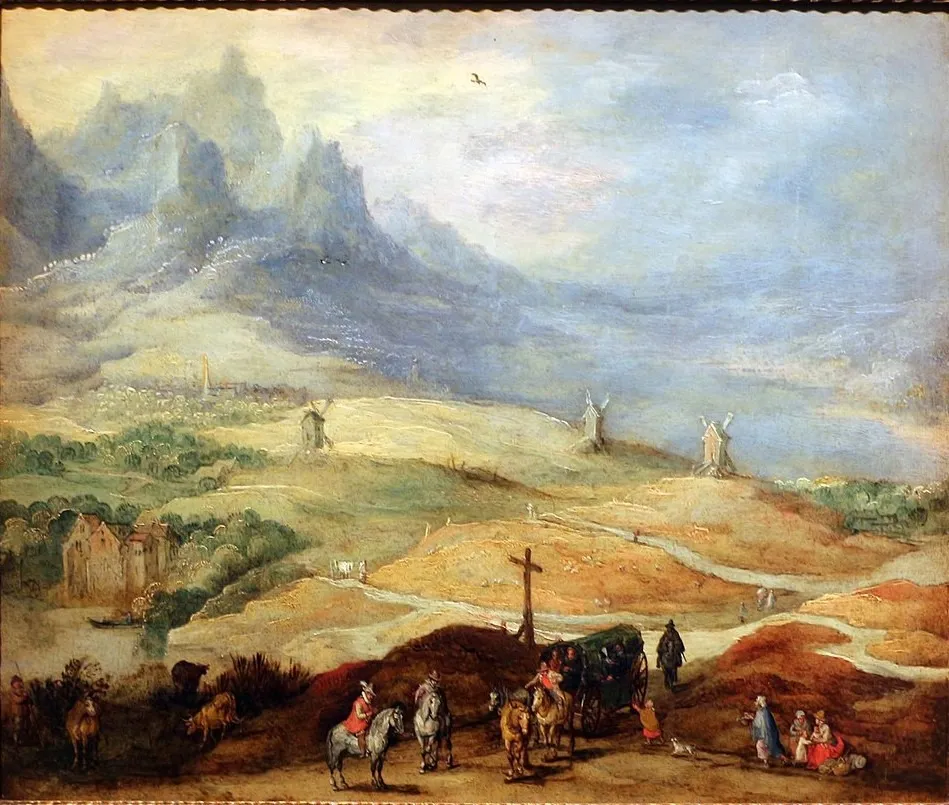
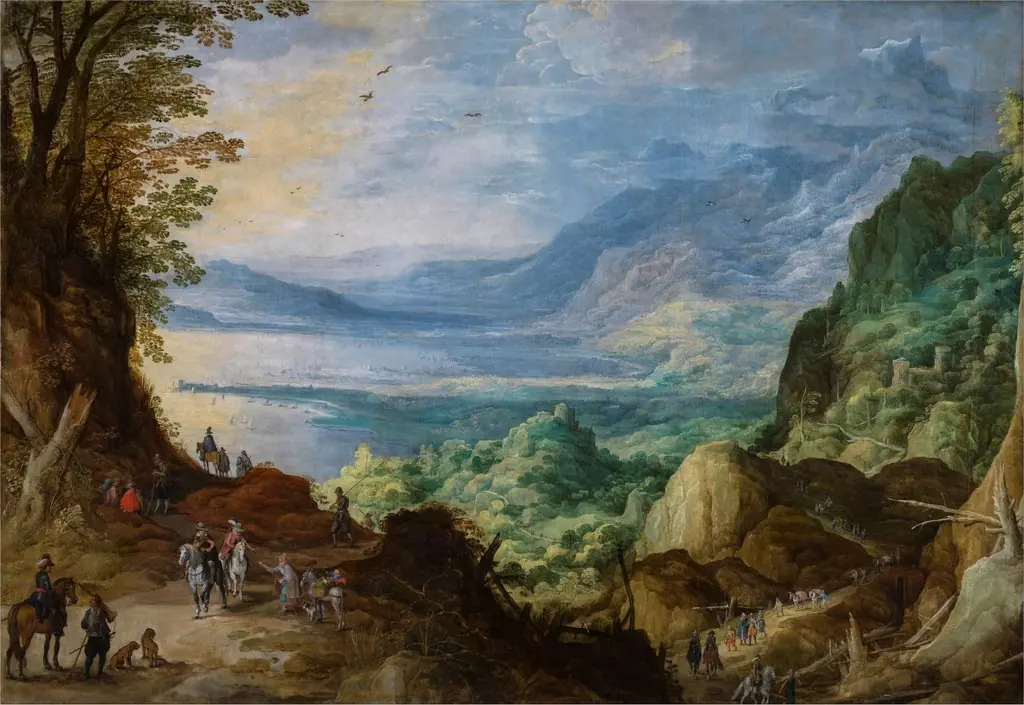
Paisagem com figuras is an unspecified painting by Joos de Momper the Younger. It is held in the collection of the National Museum of Ancient Art.
About this work
Overview
Paisagem com figuras is a landscape painting created by Joos de Momper the Younger in 1700. It exemplifies the transitional period between late Mannerism and the rise of realistic landscape painting in the early 17th century.
Subject & Meaning
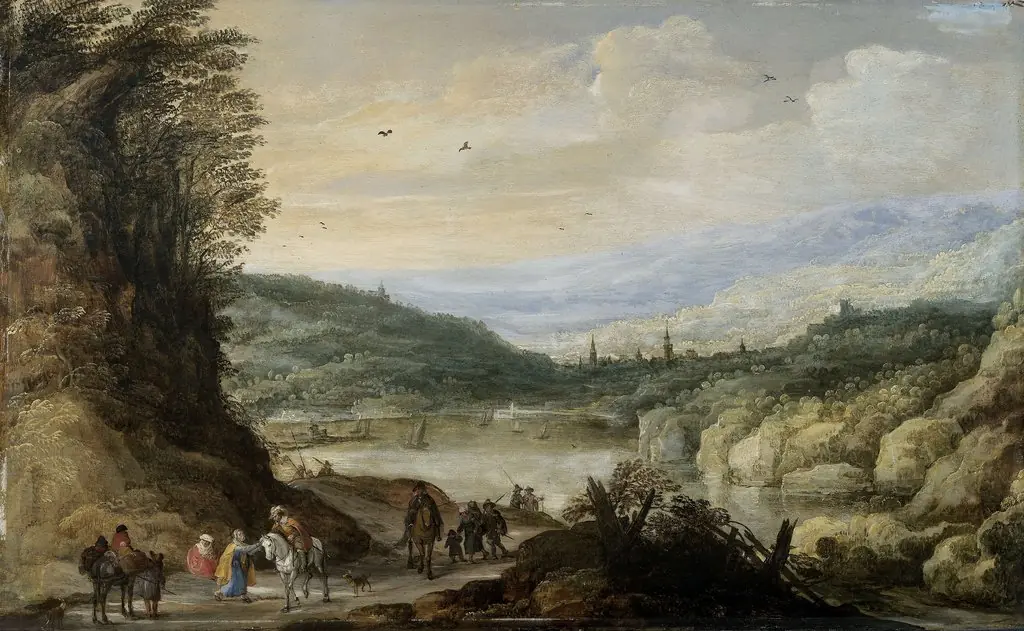
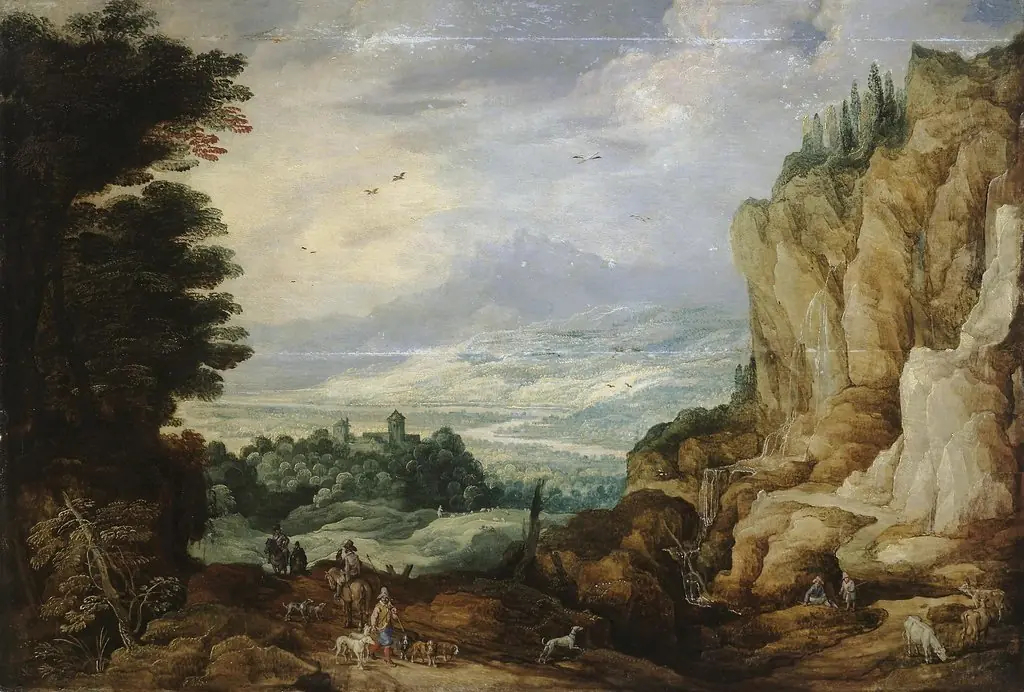
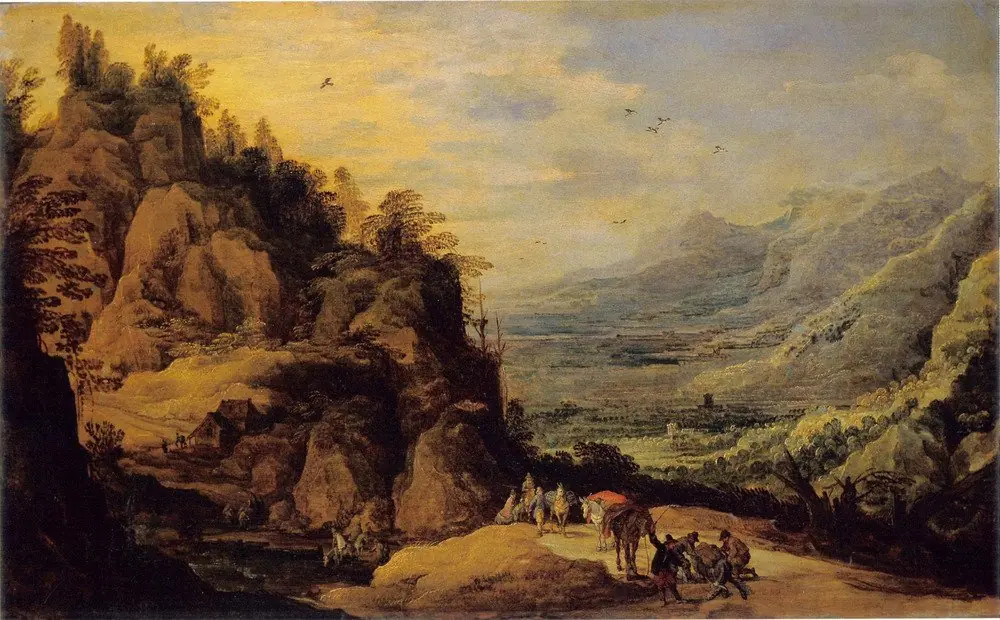
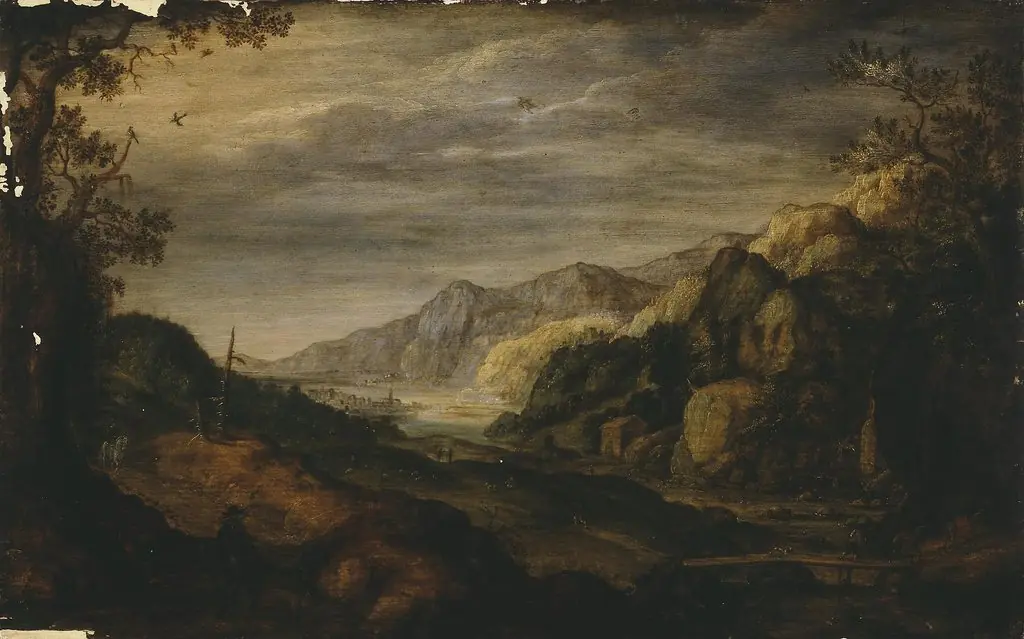
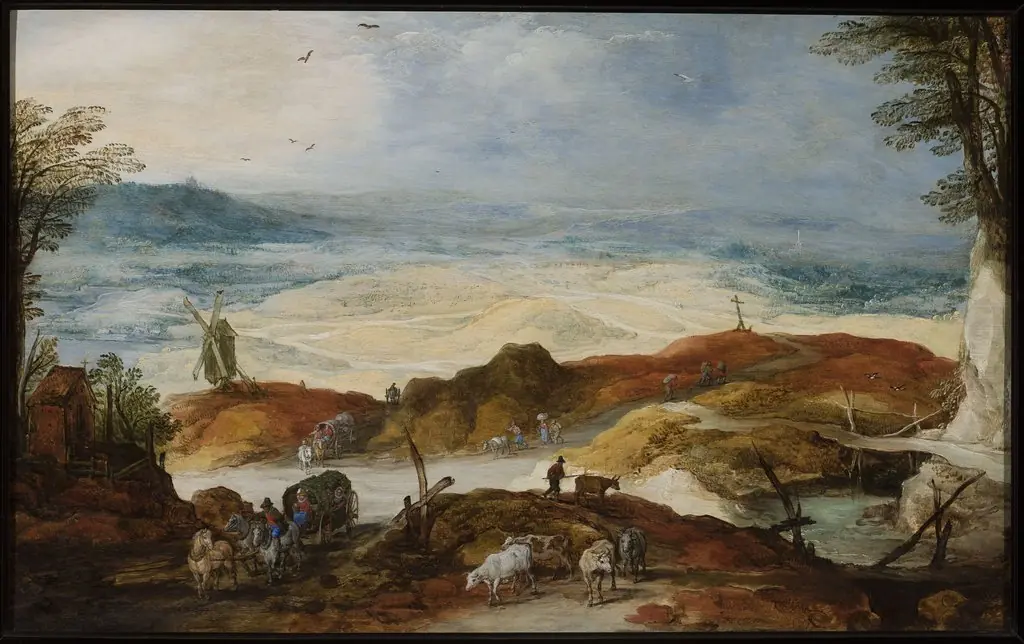
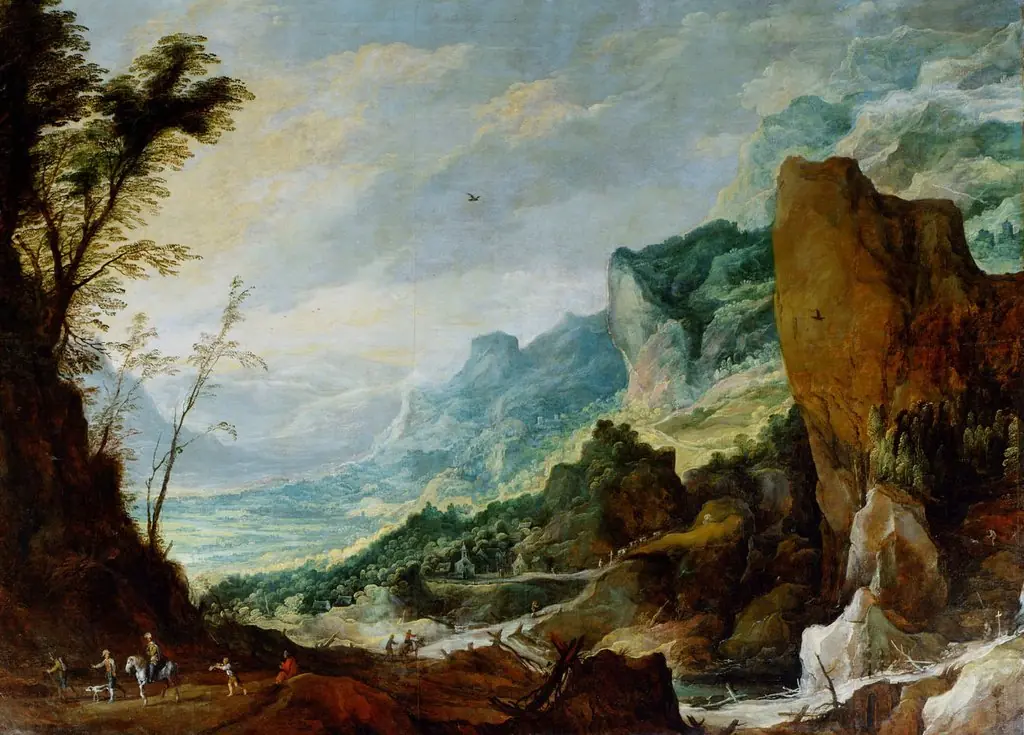
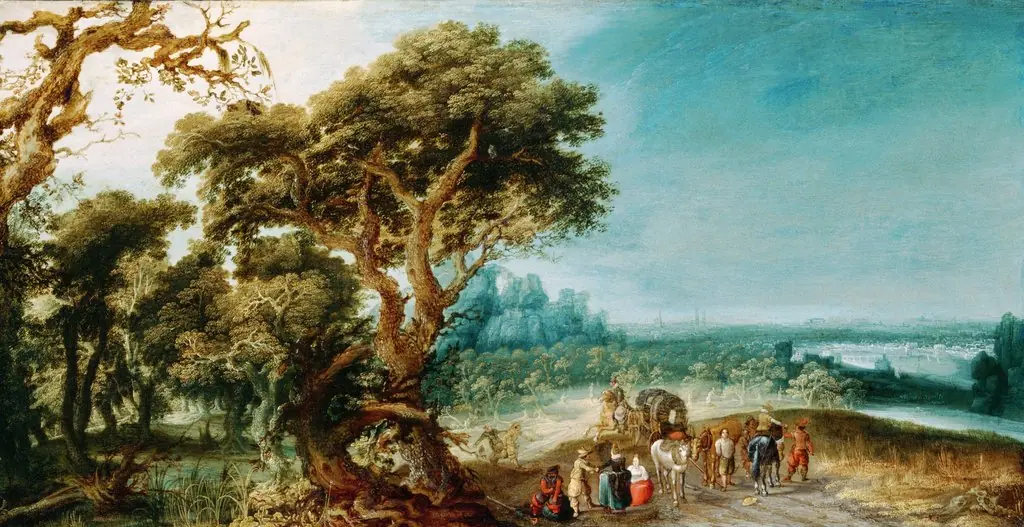
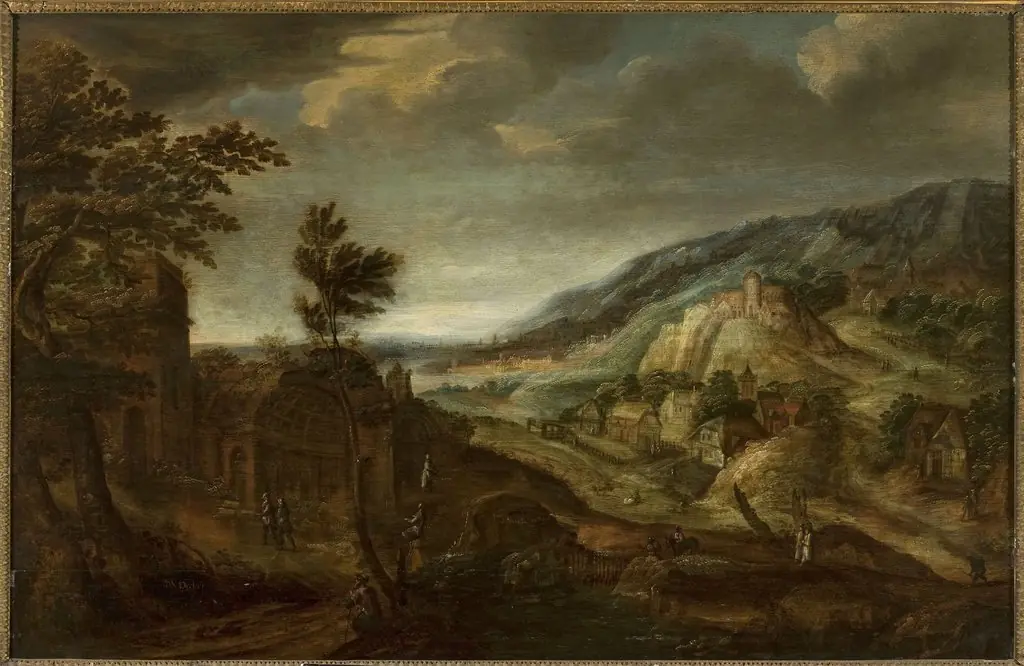
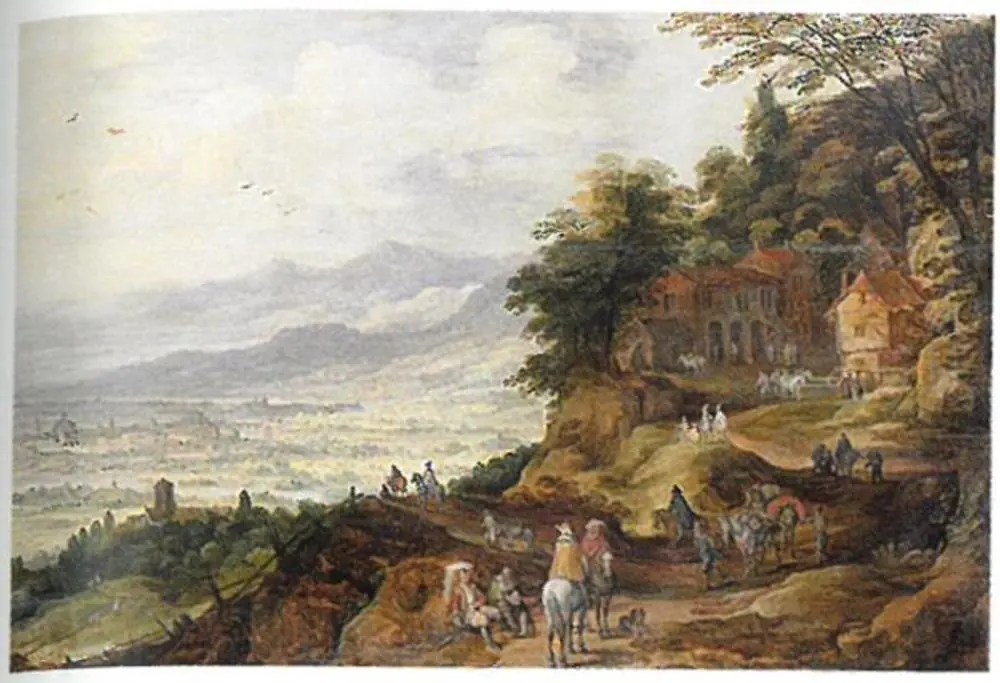
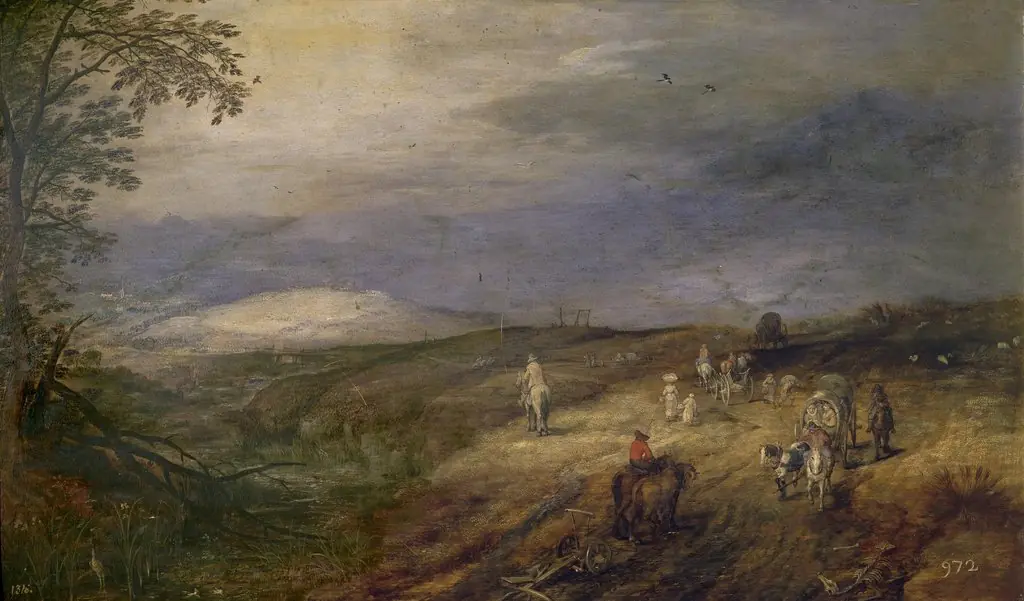
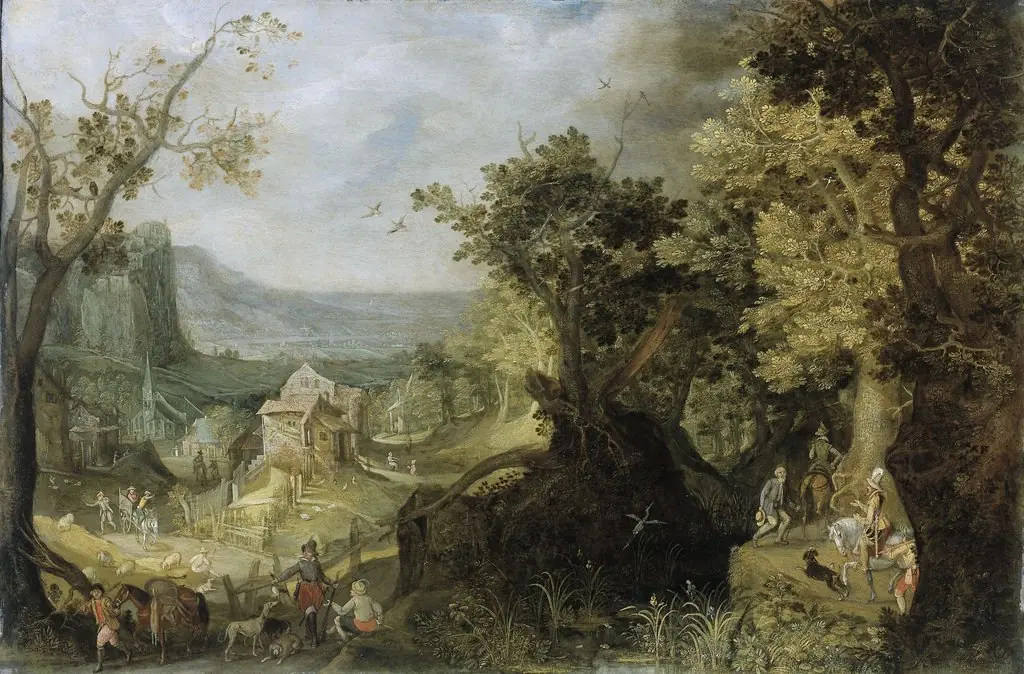
The painting depicts a serene landscape with a distant mountain range under a blue sky with clouds. Figures in the foreground engage in tranquil activities near a carriage and on horseback, conveying a peaceful scene without conflict.
Technique & Style
The work employs chiaroscuro and dramatic lighting characteristic of the Baroque period, creating depth and perspective. The composition guides the viewer's eye into the scene, showcasing the artist's skill in color and spatial arrangement.
History & Provenance
Attributed to Joos de Momper the Younger, the painting is part of the National Museum of Ancient Art's collection. Notably, the creation date of 1700 is inconsistent with the artist's known activity period (late 16th to early 17th century), suggesting a potential error in the provided date.
Context
Influenced by Pieter Brueghel, Paisagem com figuras reflects the artistic shift of its time, blending Mannerist elements with emerging realistic tendencies in landscape painting.
Legacy
As a piece bridging two stylistic periods, it offers insight into the evolution of landscape painting in the 17th century, though its specific impact or renown within the artist's oeuvre is not detailed here.
Artist & collection
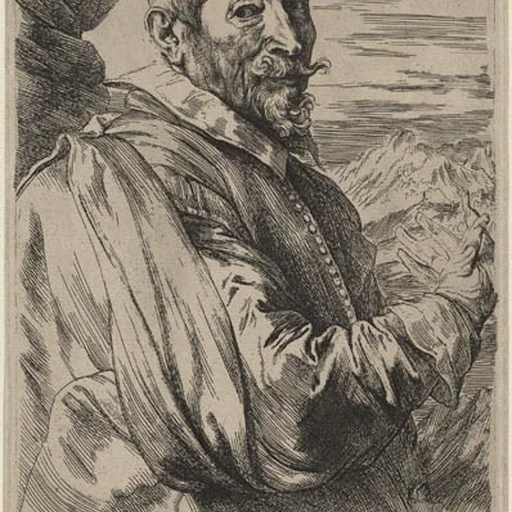
Artist
Joos de Momper the Younger or Joost de Momper the Younger (c. 1564 – 5 February 1635) was a Flemish landscape painter active in Antwerp between the late 16th century and the early 17th century. Brueghel's influence is…