Artwork
Saint Rose of Lima with Child Jesus
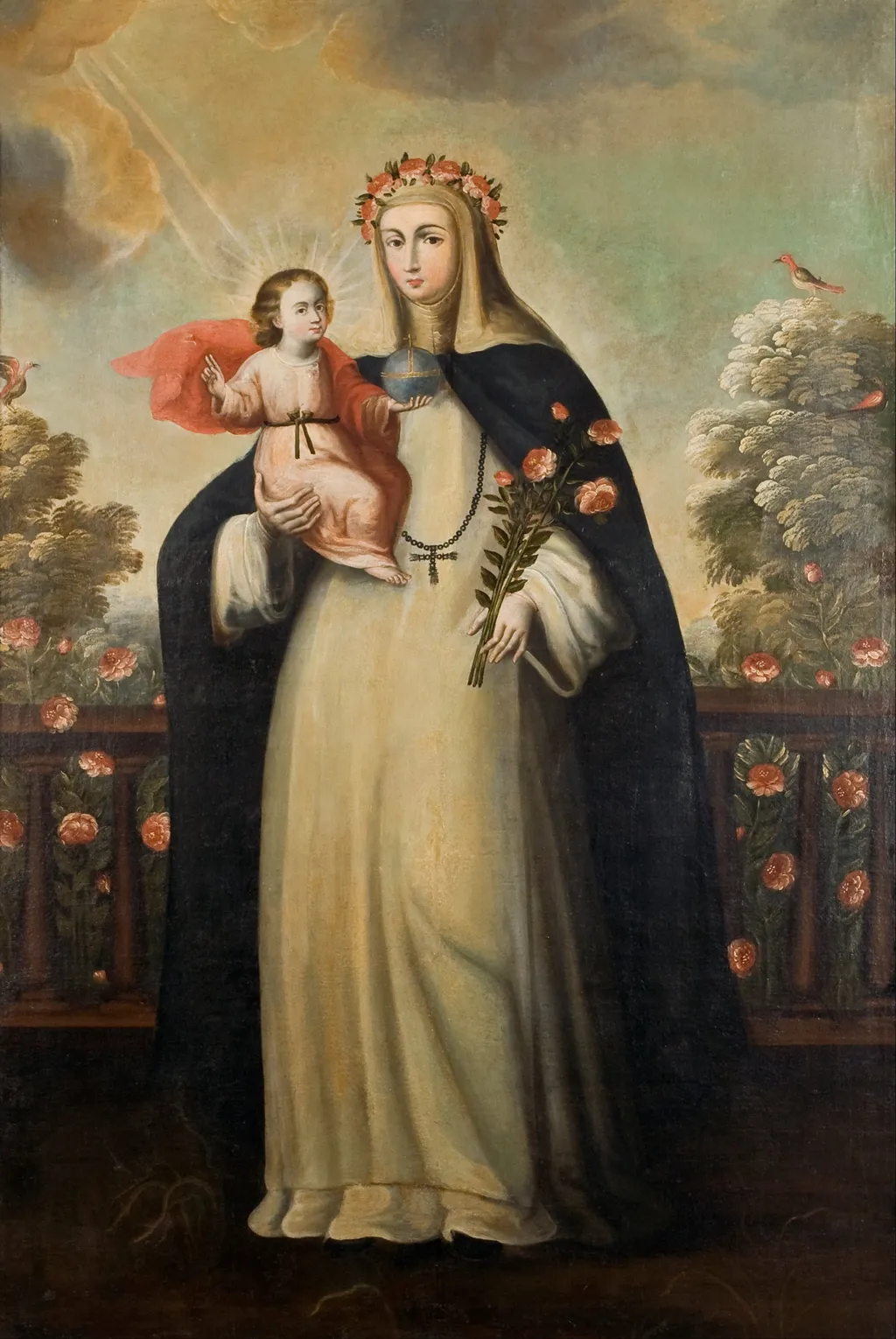
Saint Rose of Lima with Child Jesus is an oil painting by Unknown. It dates from 1690 and is held in the collection of the Lima Art Museum. This oil painting depicts Saint Rose of Lima cradling the Child Jesus in a quiet, intimate setting.
About this work
Overview
Rendered with careful attention to texture and light, the composition blends religious symbolism with naturalistic elements.
This oil painting depicts Saint Rose of Lima cradling the Child Jesus in a quiet, intimate setting. Rendered with careful attention to texture and light, the composition blends religious symbolism with naturalistic elements. The figures are set against a soft landscape dotted with flora and birds, grounding the sacred scene in a tangible world. The use of oil paint allows for subtle gradations of tone and detail, characteristic of early modern devotional art.
Subject & Meaning
Saint Rose, the first canonized saint of the Americas, is shown wearing a floral crown and holding a bouquet, symbols of her devotion and purity. The Child Jesus, identified by his halo and celestial attire, holds a blue orb surmounted by a gold cross—representing his dominion over the world and his redemptive mission. Together, the figures convey themes of divine grace, earthly humility, and spiritual intercession.
Technique & Style
The artist employs chiaroscuro to model the figures with soft, directional light, enhancing their three-dimensionality and emotional presence. Fine brushwork defines the textures of fabric, petals, and feathers, while the background remains muted to focus attention on the central pair. The palette is restrained yet warm, with the child’s pink robe and the saint’s dark habit creating a quiet contrast that underscores their spiritual bond.
History & Provenance
The painting likely originated in colonial Peru during the 17th century, a period when devotion to Saint Rose flourished among Spanish and indigenous communities. It may have been commissioned for a convent or private chapel, serving as an object of veneration. Its survival suggests it was preserved within religious circles, though its specific early ownership remains undocumented.
Context
In colonial Latin America, religious imagery played a vital role in both spiritual life and cultural identity. Saint Rose, a native of Lima, became a symbol of local piety and resilience. Paintings like this one merged European artistic conventions with regional devotional practices, reinforcing Catholic doctrine while affirming indigenous and mestizo participation in sacred narratives.
Legacy
This work contributes to a broader tradition of Latin American religious art that emphasized personal, emotional encounters with the divine. Though not widely known outside regional collections, it reflects the enduring influence of Saint Rose’s cult and the skill of anonymous colonial artists who adapted European styles to local spiritual needs.
Artist & collection

 Domestic Scene
 Giacomo and Cardinal Marco, investing Andrea, Abbot of San Zeno, with his Benefice
 The Nymph of Fontainebleau
 Portrait of a Woman
 Madonna and Child with Saints in the Enclosed Garden
 Venus and Minerva
 Family Group of Four on Sofa
 Wall painting from Room H of the Villa of P. Fannius Synistor at Boscoreale
 Santa Rosa de Lima
 Saint Rose of Viterbo
 Votive Portrait of Sor M. María Anna Josefa de San Ignacio
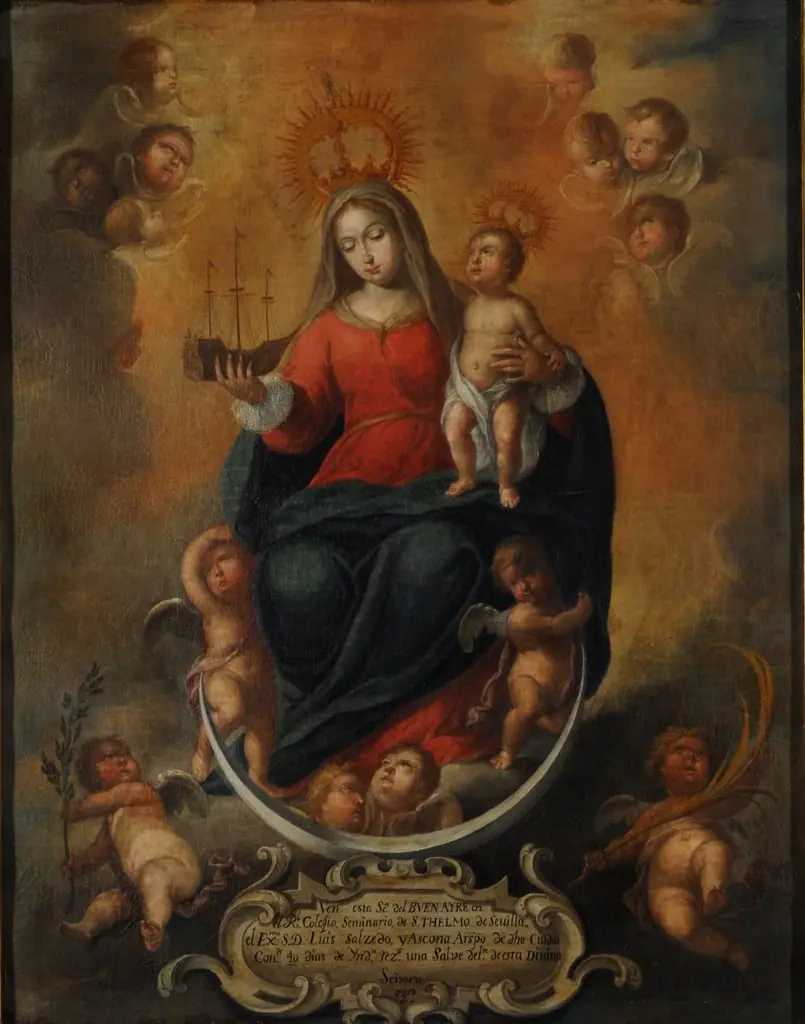 The Virgin of Buen Ayre
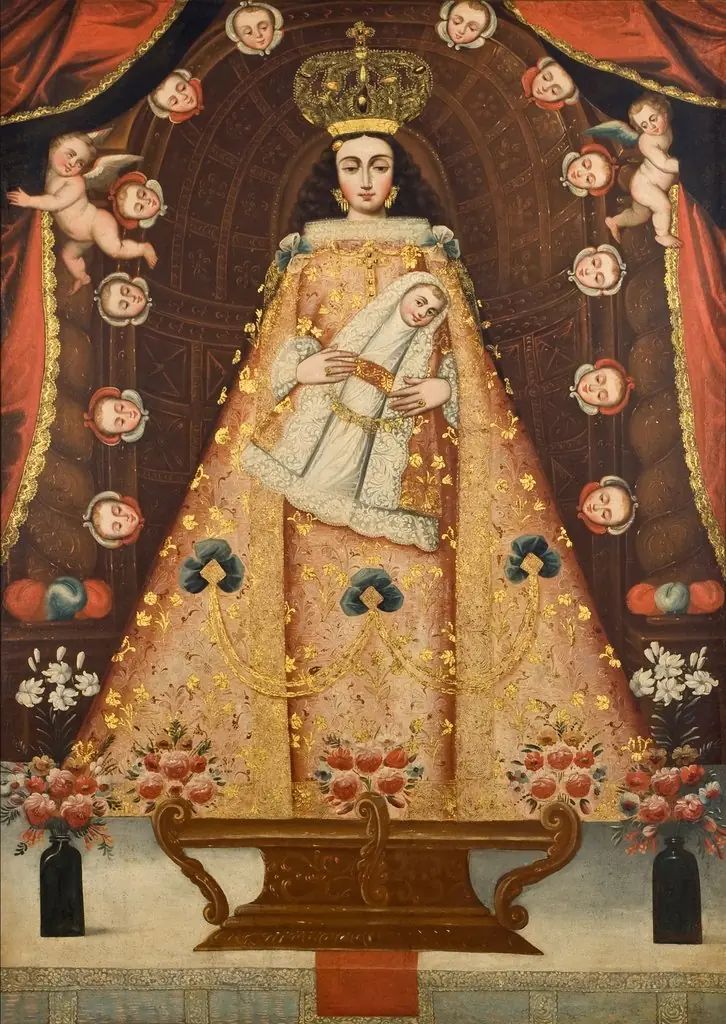 Virgin of Bethlehem
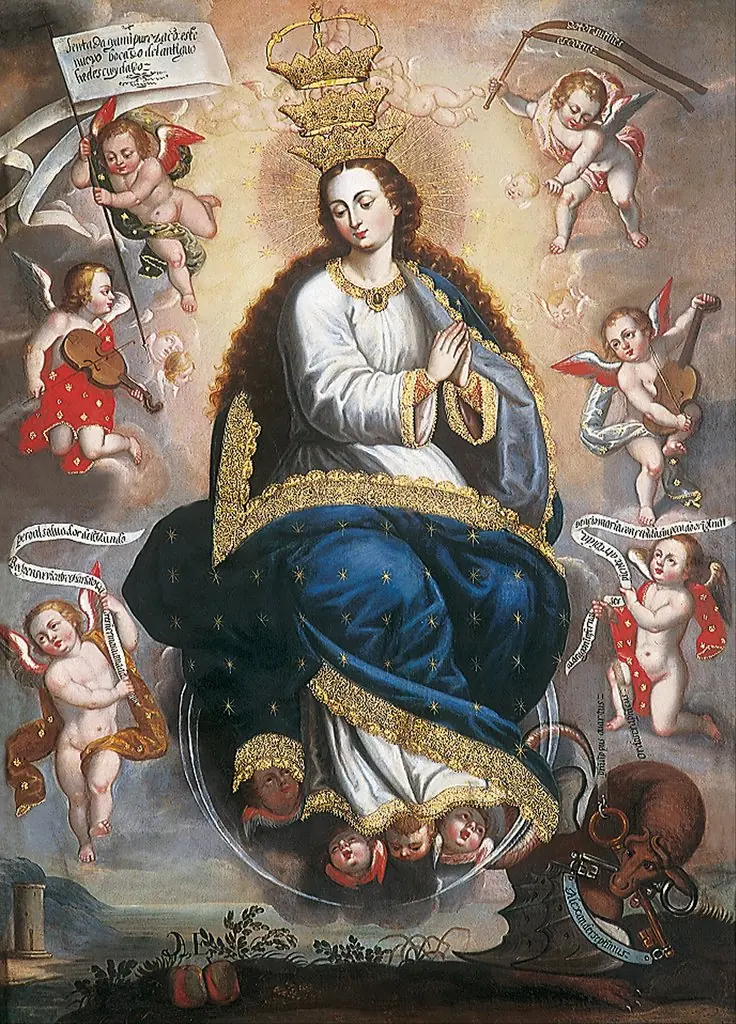 Immaculate Virgin Victorious over the Serpent of Heresy
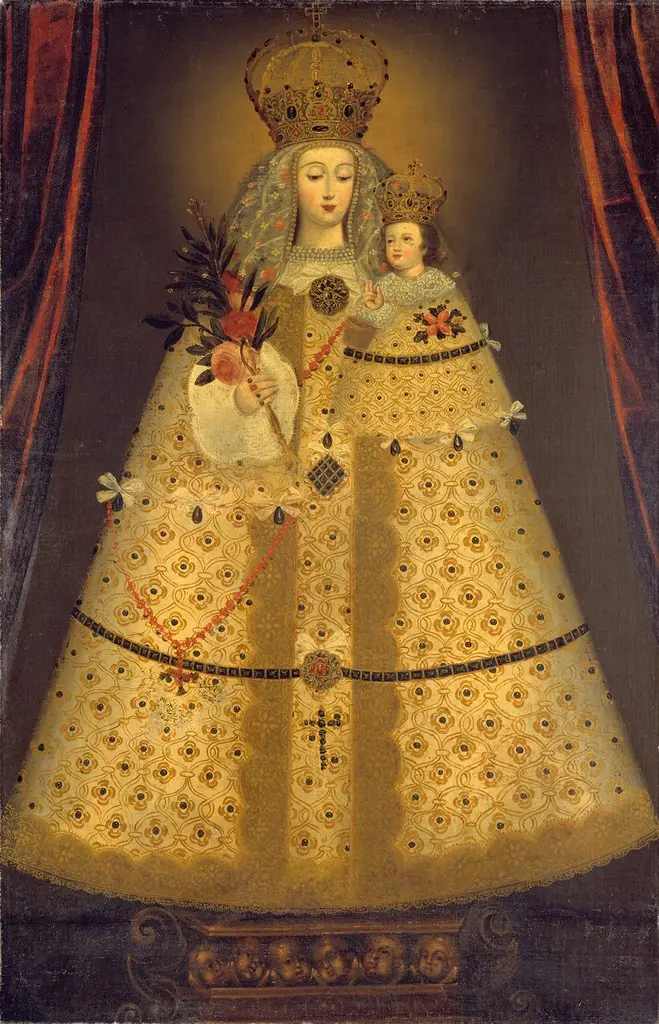 Virgin of the Rosary of Guápulo
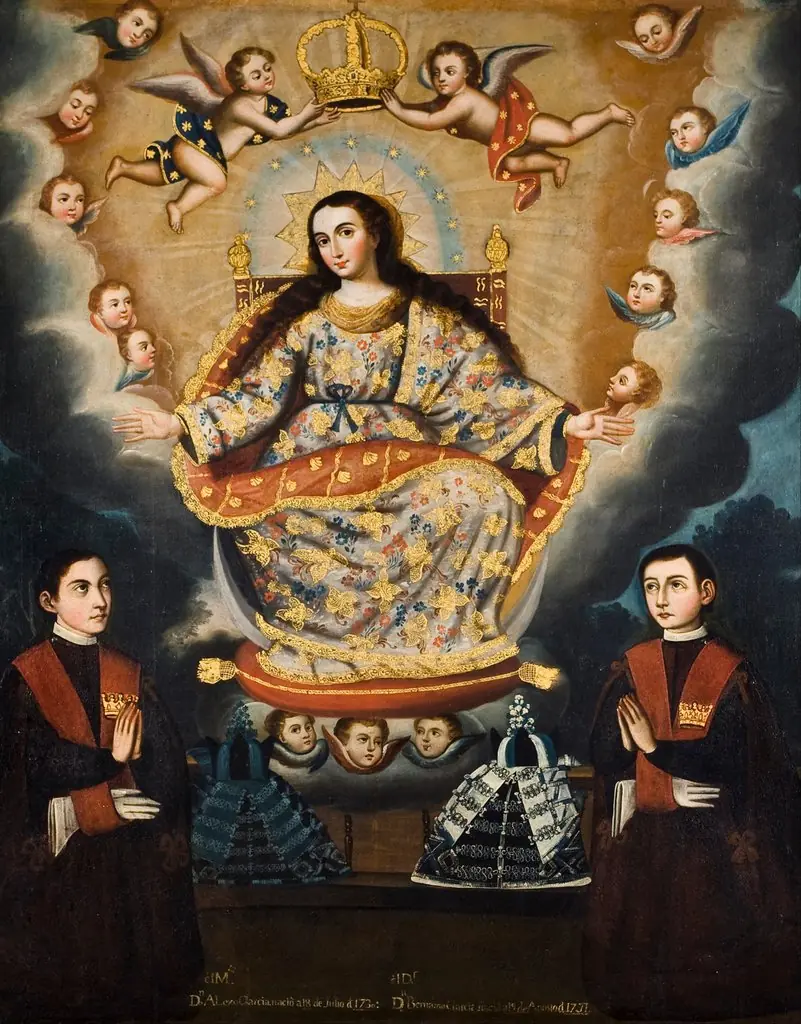 Seated Madonna with Graduation of the García Brothers
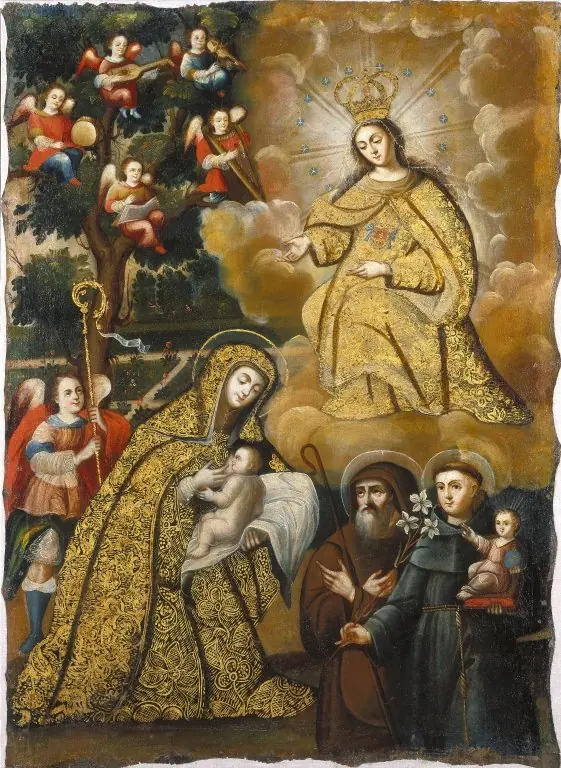 The Virgin of Mercy with Three Saints
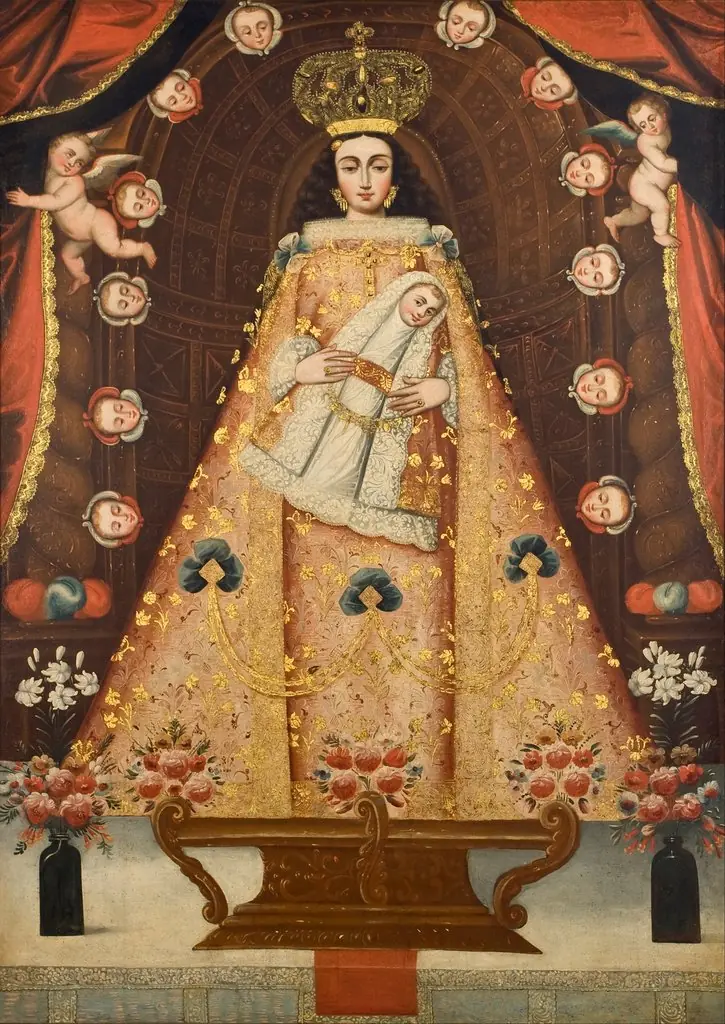 Virgin of Bethlehem