Artwork
Portrait of Henry Stuart, Duke of Gloucester
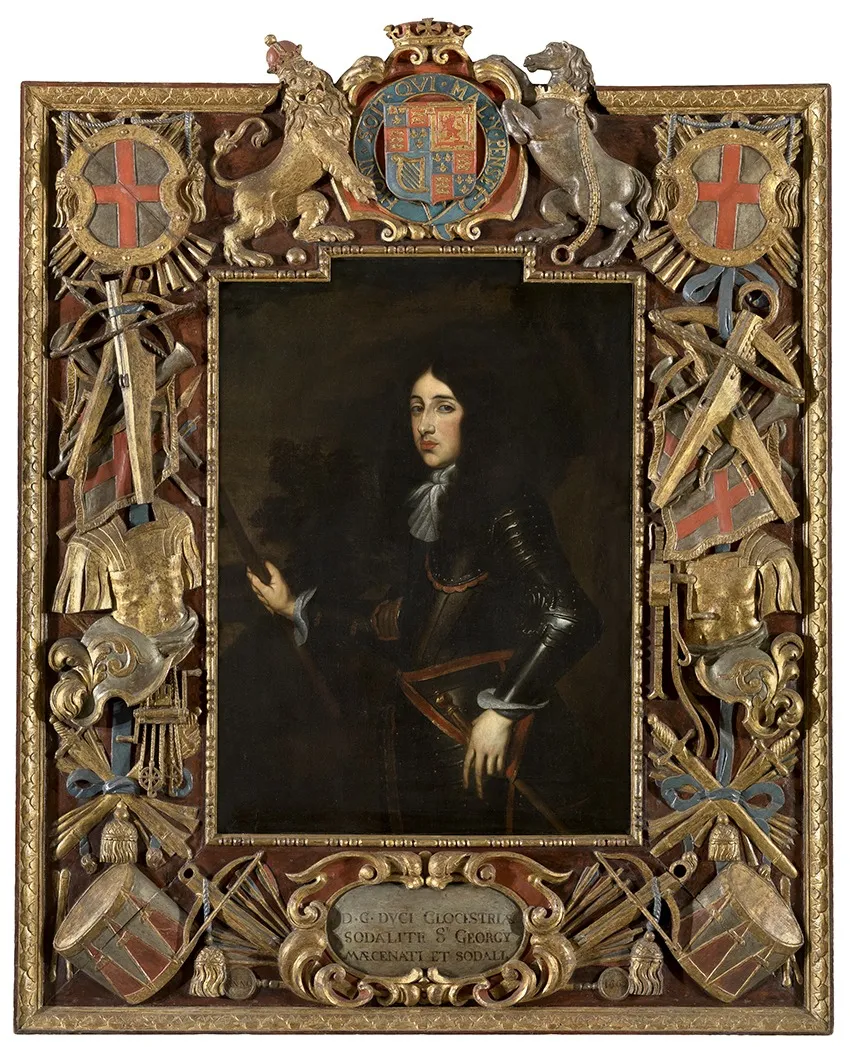
Portrait of Henry Stuart, Duke of Gloucester is an oil painting by Unknown. It dates from 1662 and is held in the collection of the Groeningemuseum. The oil portrait depicts Henry Stuart, Duke of Gloucester, seated in a dark costume with a lace collar, his right hand resting on a table.
About this work
Overview
The oil portrait depicts Henry Stuart, Duke of Gloucester, seated in a dark costume with a lace collar, his right hand resting on a table. A stark black backdrop isolates the figure, emphasizing his solemn expression. The work is encased in an elaborate gilt frame adorned with lions, crosses, and heraldic shields, underscoring the sitter’s aristocratic status.
Subject & Meaning
Henry Stuart (1640‑1660) was the youngest son of King Charles I and a prominent figure in the Stuart line during the English Civil War era. The portrait’s restrained palette and formal pose convey the dignity and gravitas expected of a royal duke, while the inclusion of his coat of arms signals his dynastic connections.
Technique & Style
Executed in oil on canvas, the painting employs a limited tonal range, allowing the subject’s features and the texture of his lace collar to emerge against the deep black ground. The brushwork is smooth and controlled, typical of mid‑17th‑century English court portraiture, focusing on realism over decorative excess.
History & Provenance
The portrait was likely commissioned during the duke’s brief adulthood, possibly intended for a royal collection or a family gallery. Over the centuries it has remained within the Stuart lineage before entering a public institution, where it now serves as a visual record of the short‑lived duke.
Context
Created amid the political turmoil of the Interregnum, the painting reflects the continued use of portraiture to affirm royal legitimacy. The ornate frame, with its lions and heraldic motifs, aligns the duke with the broader iconography of the English monarchy, reinforcing claims of continuity despite the republican interlude.
Legacy
Although the duke died at twenty, the portrait endures as a rare visual testament to his brief role in Stuart history. It contributes to the corpus of English royal portraiture that documents the visual language of power and lineage during a period of upheaval.
Artist & collection

 Domestic Scene
 Giacomo and Cardinal Marco, investing Andrea, Abbot of San Zeno, with his Benefice
 The Nymph of Fontainebleau
 Portrait of a Woman
 Madonna and Child with Saints in the Enclosed Garden
 Venus and Minerva
 Family Group of Four on Sofa
 Wall painting from Room H of the Villa of P. Fannius Synistor at Boscoreale
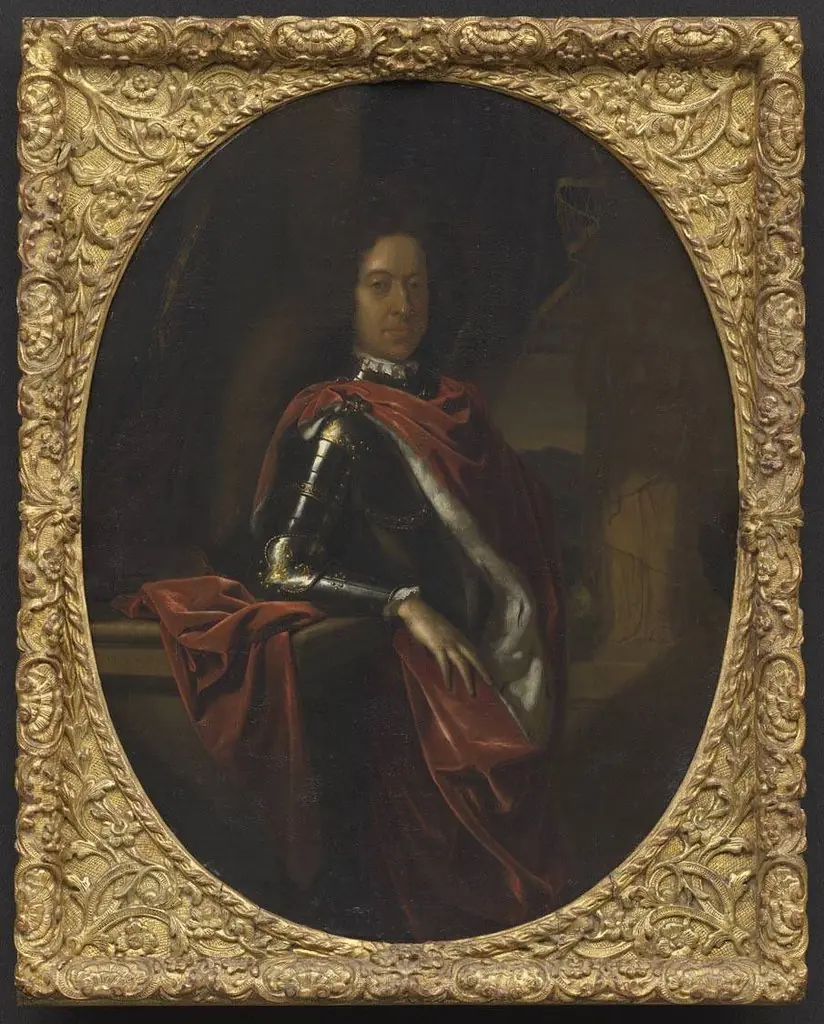 Portrait of Duke Giovanni Gastone de' Medici (1671-1737)
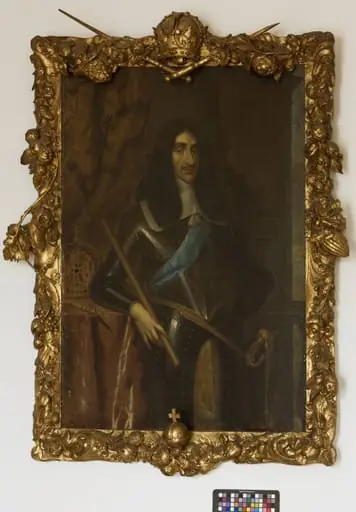 King Charles I (II?) of England
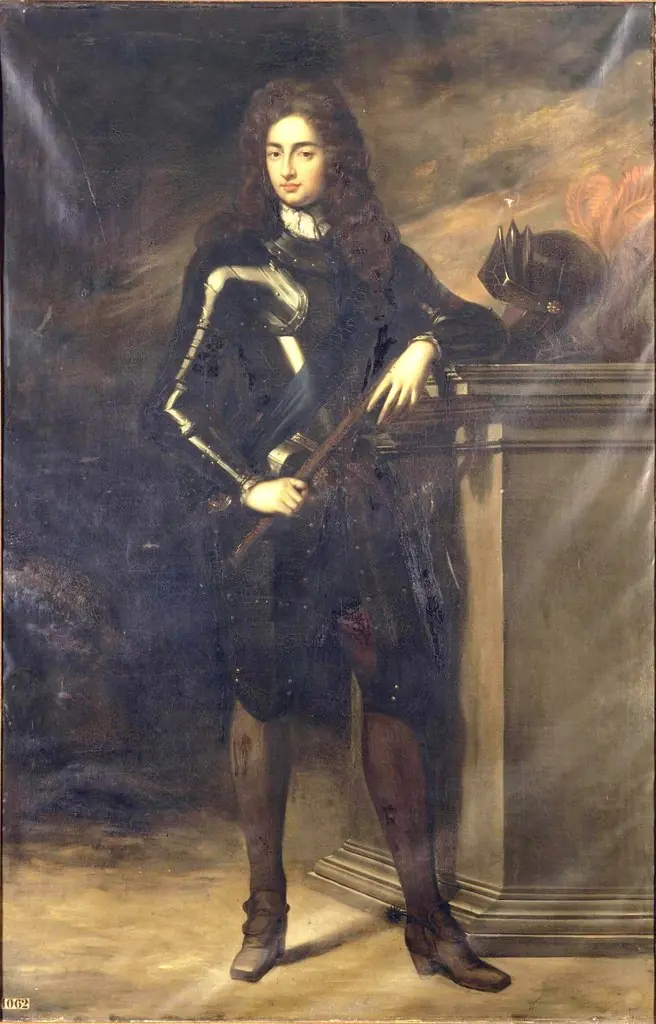 Portrait of James FitzJames, 1st Duke of Berwick
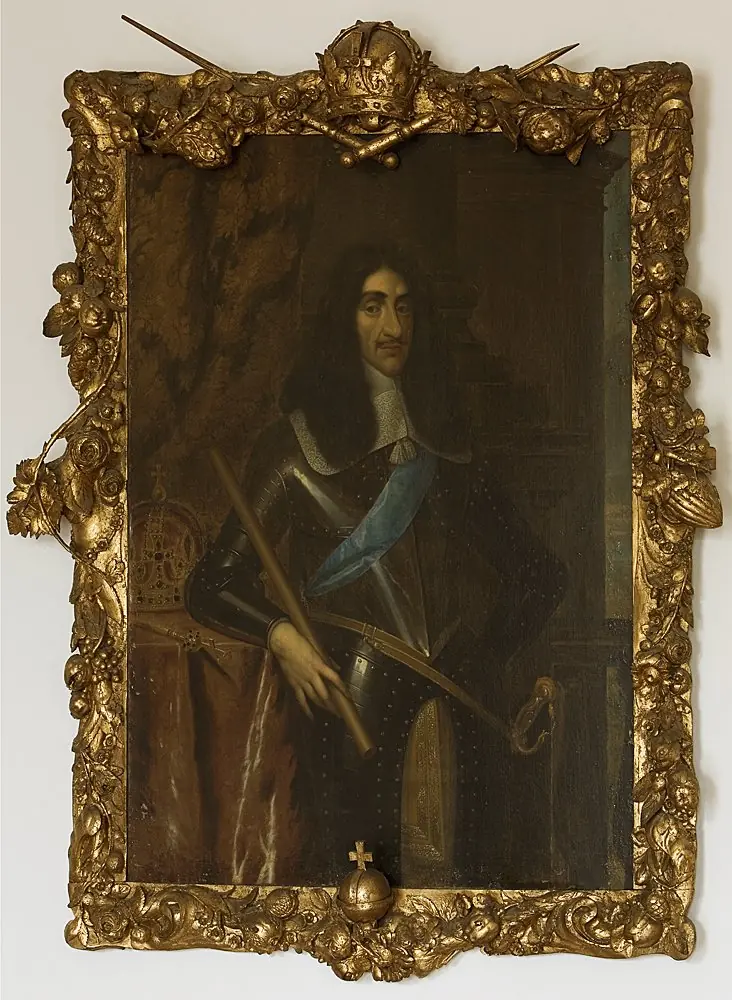 King Charles I (II?) of England
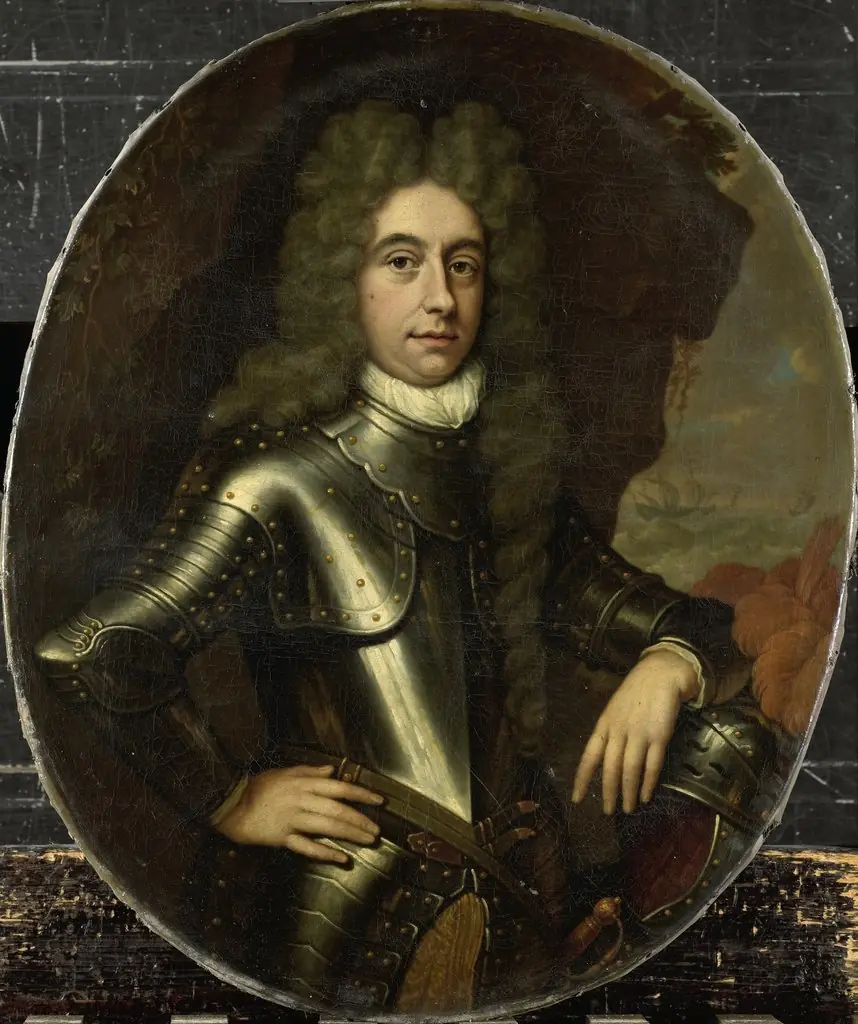 Portrait of Harmen Lijnslager, Secretary of the Admiralty of Amsterdam
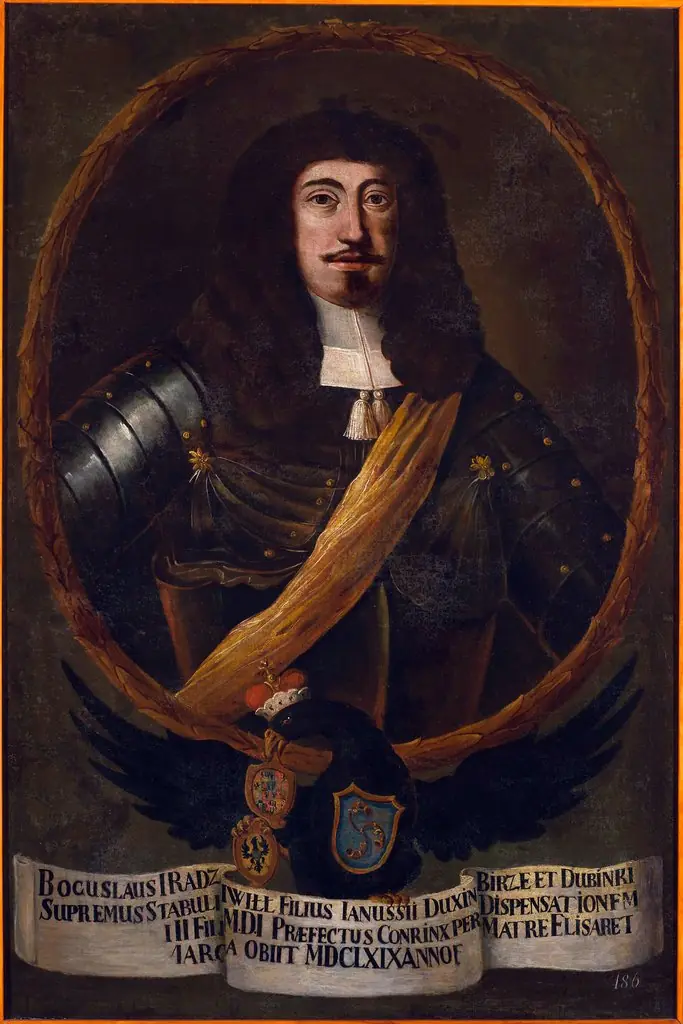 Portrait of Bogusław Radziwiłł (1620–1669)
 Portrait of King Frederik IV as Prince
 Knight in armour with a German order
 Portrait of duke Philipp Wilhelm, Elector Palatine (1615-1690)
 Louis XIV as a young man