Artwork
Apoll schindet Marsyas
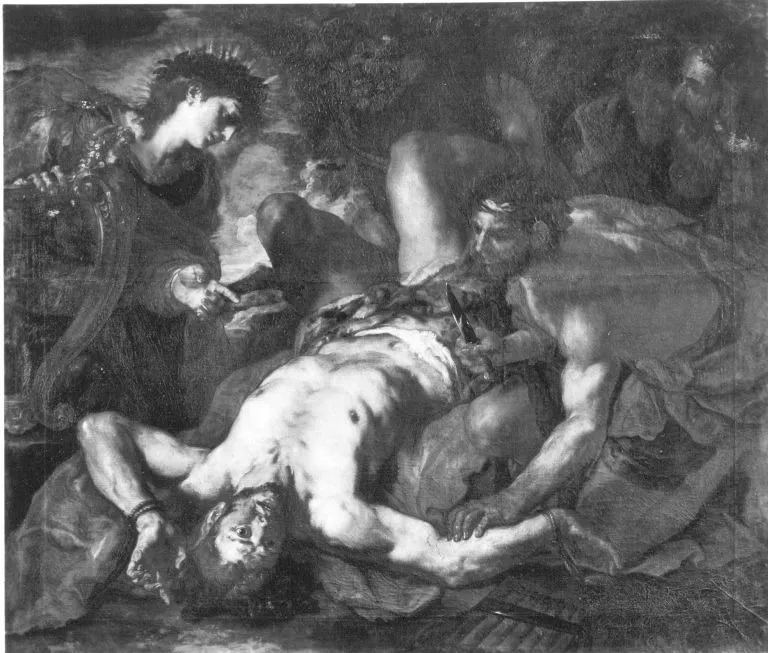
Apoll schindet Marsyas is an unspecified painting by Johann Michael Rottmayr. It dates from 1703 and is held in the collection of the Bavarian State Painting Collections.
About this work
Overview
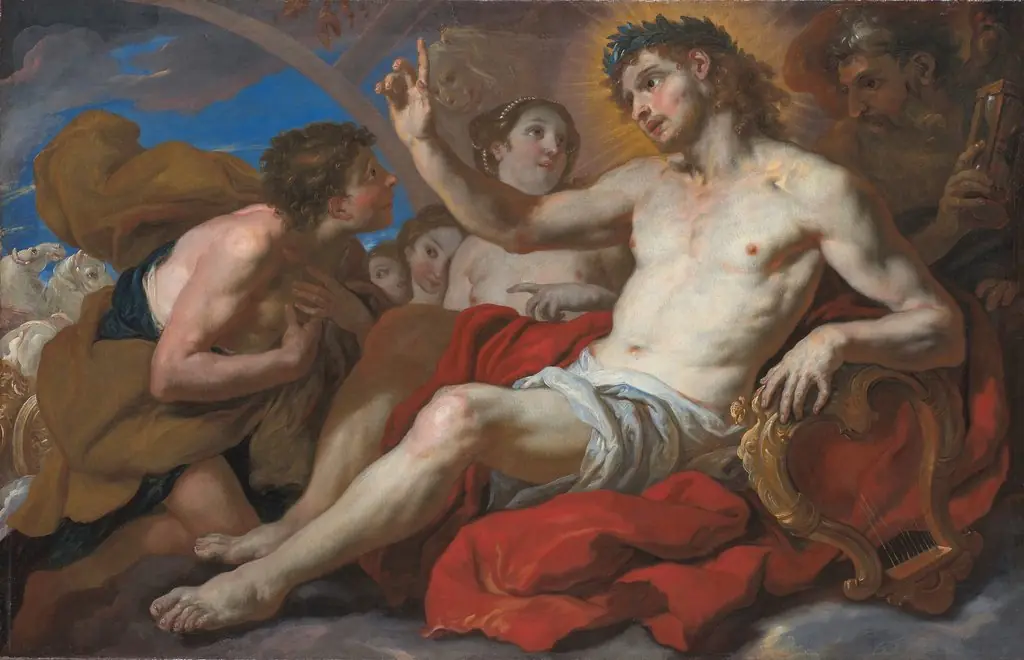
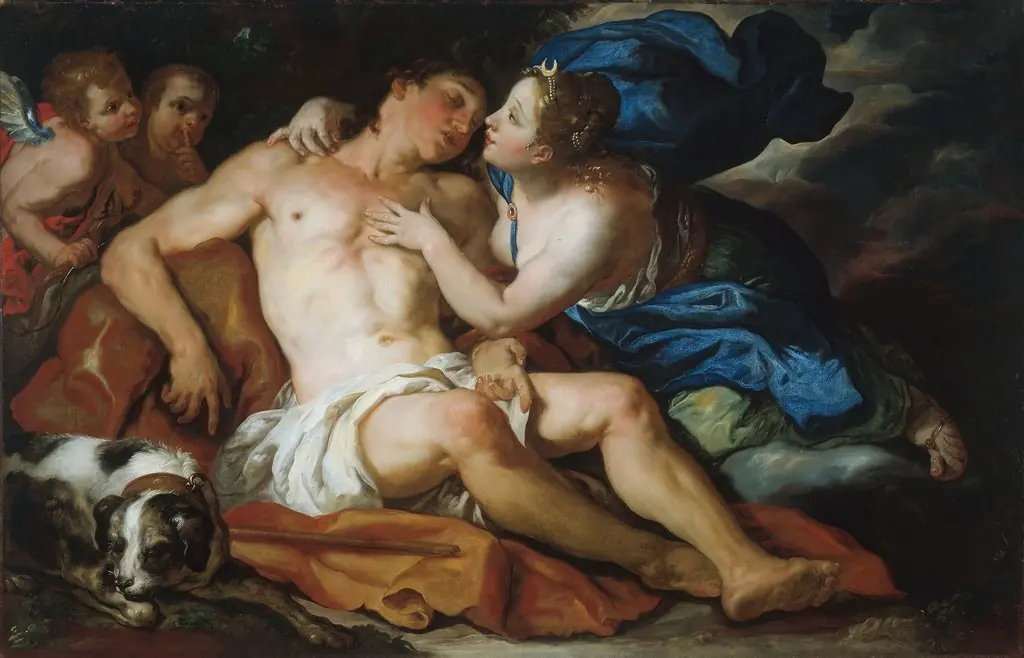
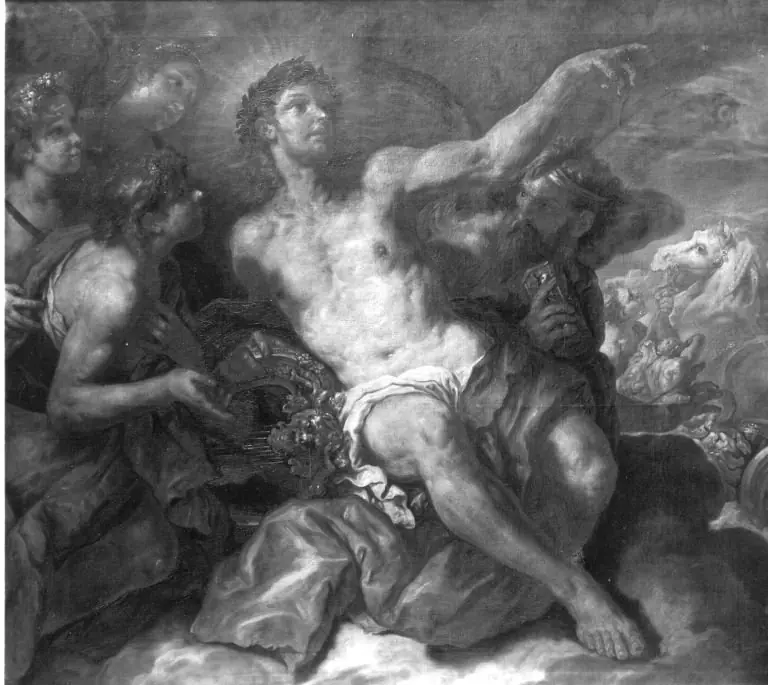
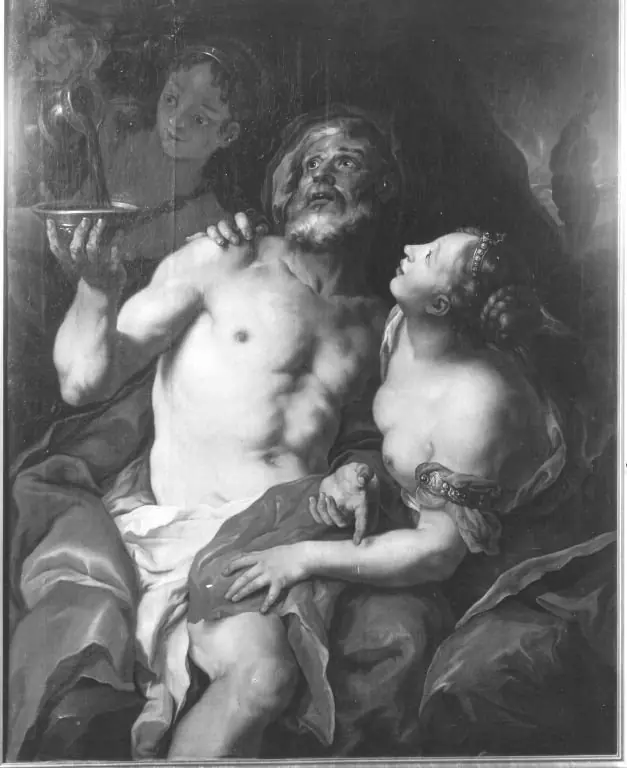
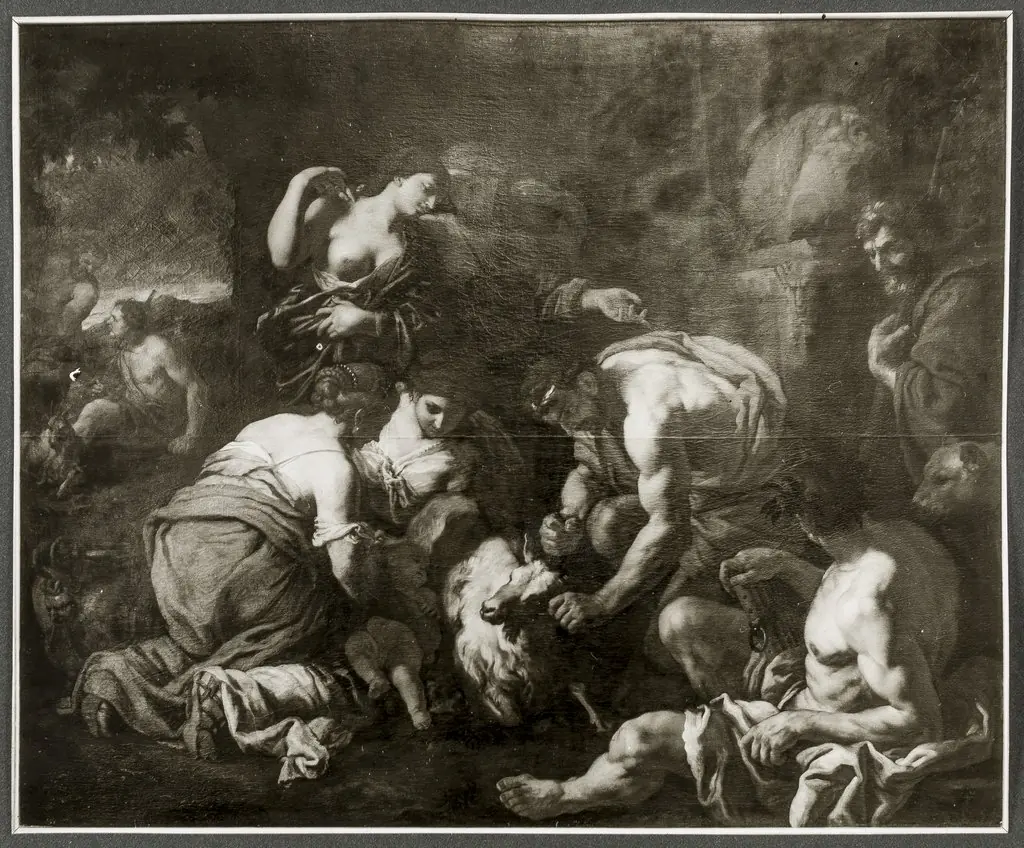
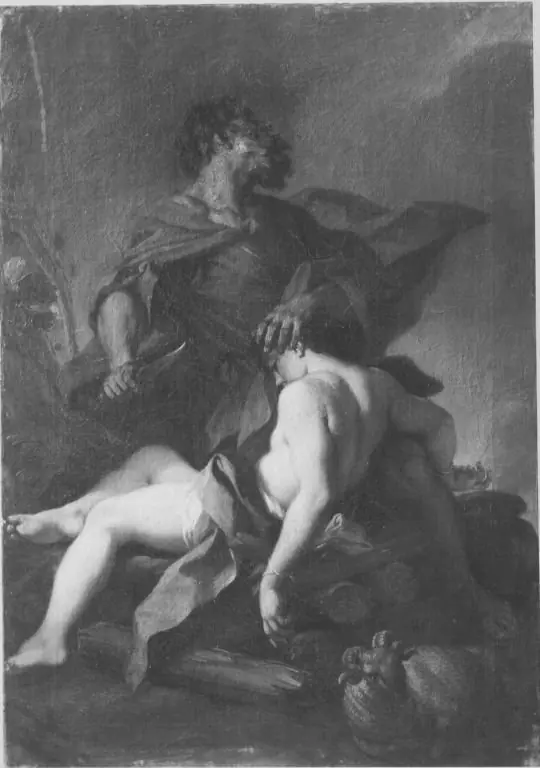
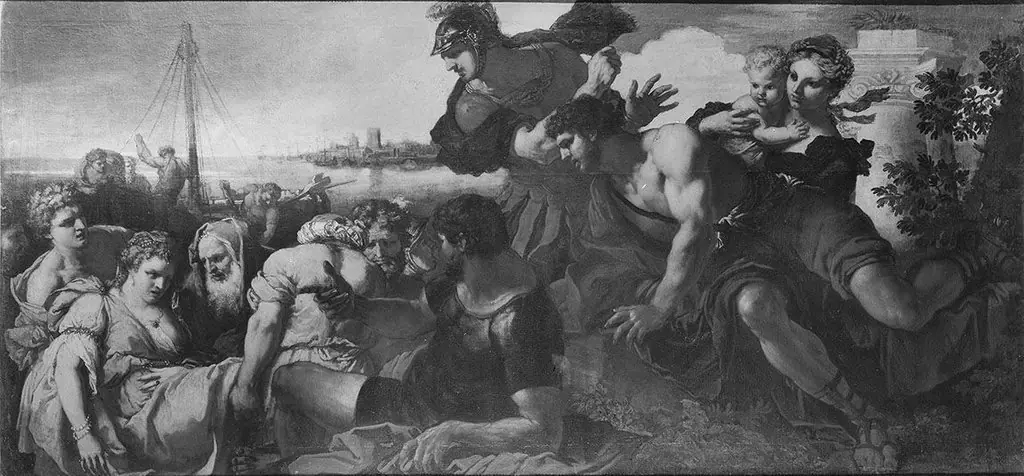
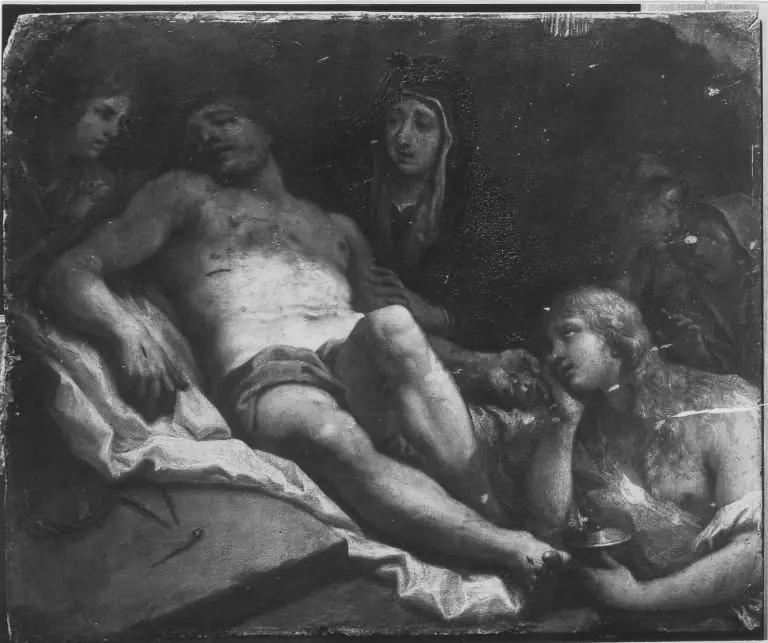
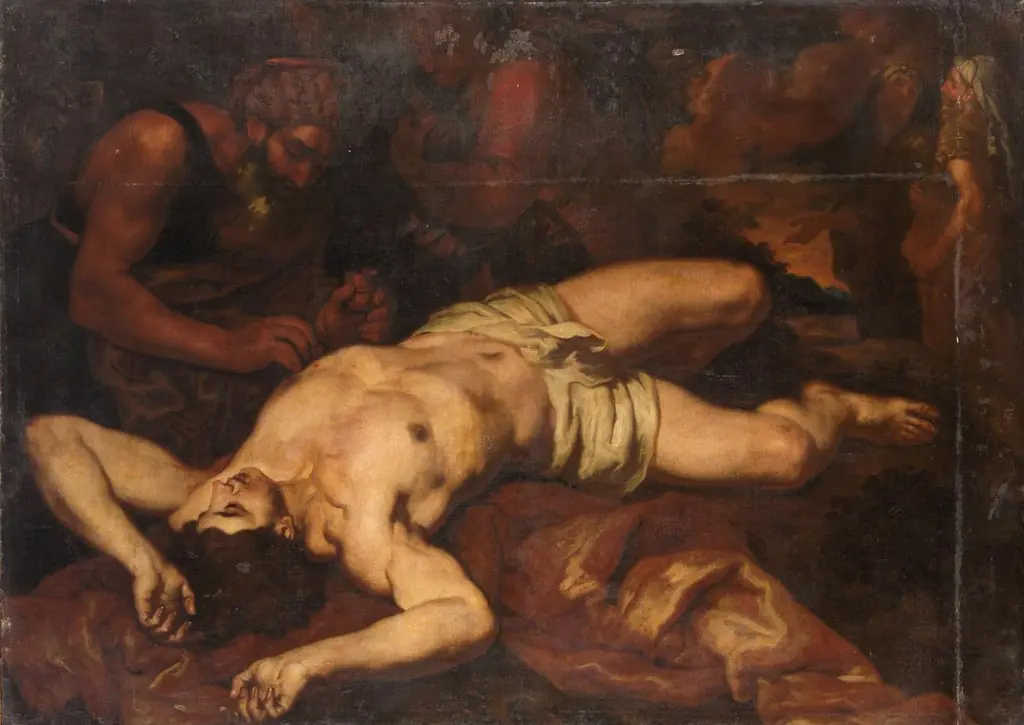
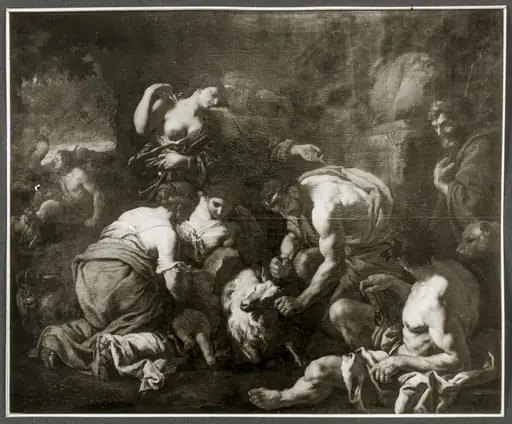
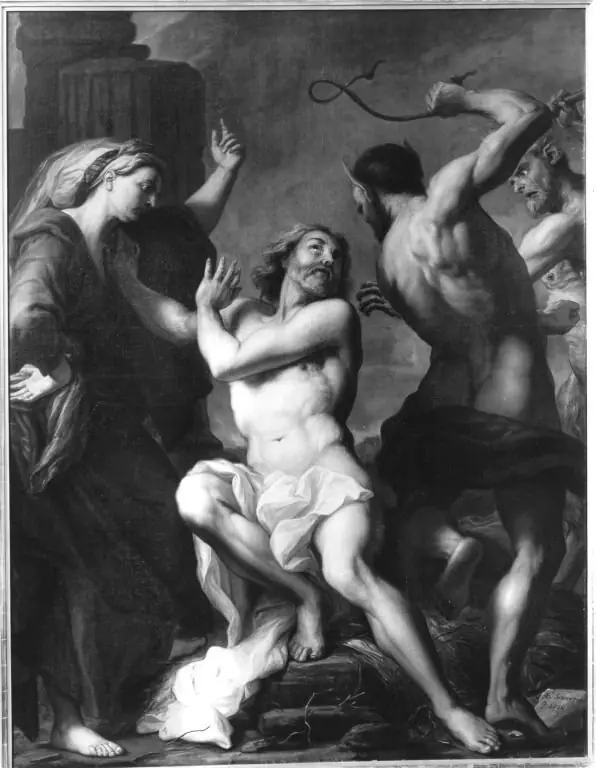
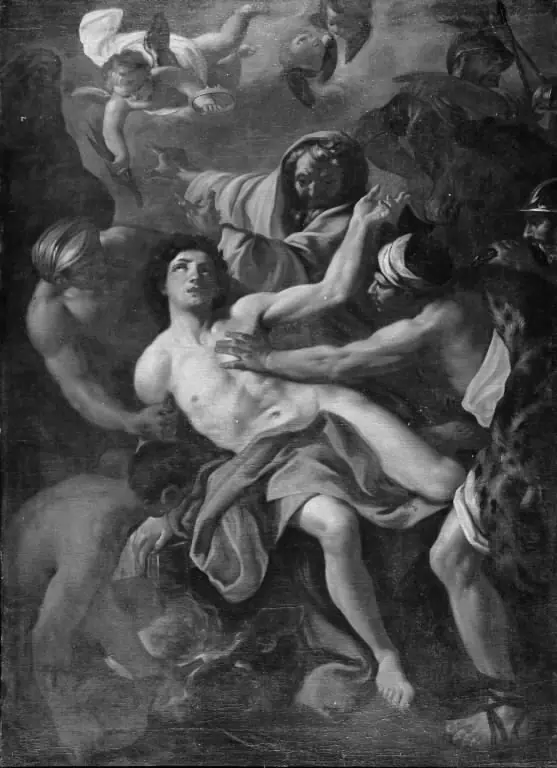
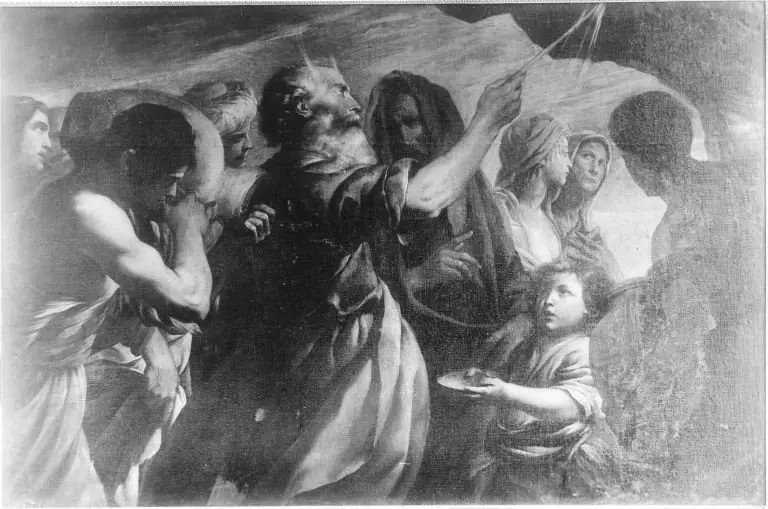
Created around 1703 by the Austrian Baroque painter Johann Michael Rottmayr, this oil on canvas is part of the collection of Munich’s Alte Pinakothek. Titled “Apoll schindet Marsyas,” the work presents a turbulent narrative scene rendered with vigorous movement and stark contrasts of light and shadow.
Subject & Meaning
At the composition’s center lies a nude male figure, his body twisted and limbs spread, evoking the myth of Marsyas, the satyr flayed by Apollo. Surrounding him are several celestial beings—identified by halos and flowing garments—suggesting divine witnesses or intercessors, thereby underscoring themes of punishment, artistic rivalry, and divine judgment.
Technique & Style
Rottmayr employs pronounced chiaroscuro, allowing deep, velvety shadows to frame illuminated forms and heighten emotional intensity. The arrangement of figures follows a diagonal thrust, guiding the eye across the canvas and creating a sense of kinetic energy typical of high Baroque drama. The brushwork combines smooth modeling of flesh with more textured drapery.
History & Provenance
The painting entered the Alte Pinakothek’s holdings in the 19th century, though exact acquisition details remain sparse. Its attribution to Rottmayr has been consistently affirmed by stylistic analysis and museum records, confirming its place among the artist’s early mature output.
Context
Rottmayr, a leading figure in Austrian Baroque painting, often drew on classical mythology to explore moral and theological ideas. “Apoll schindet Marsyas” reflects contemporary interest in the Apollo–Marsyas myth as an allegory for the supremacy of high art over vulgarity, a motif frequently revisited by artists of the period.
Artist & collection
Artist
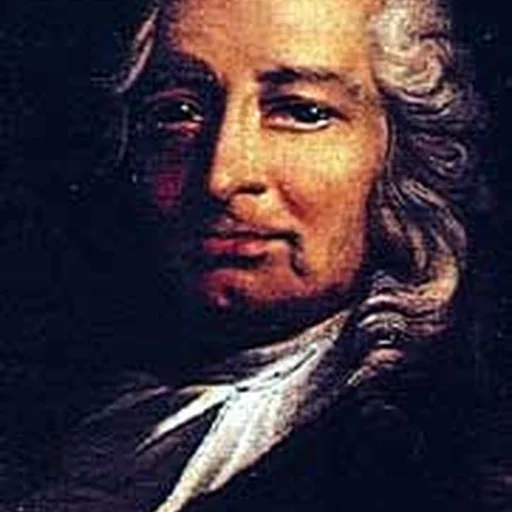
Johann Michael Rottmayr (1656–1730) was an Austrian artist, born in Laufen.