Artwork
A Man in Armour
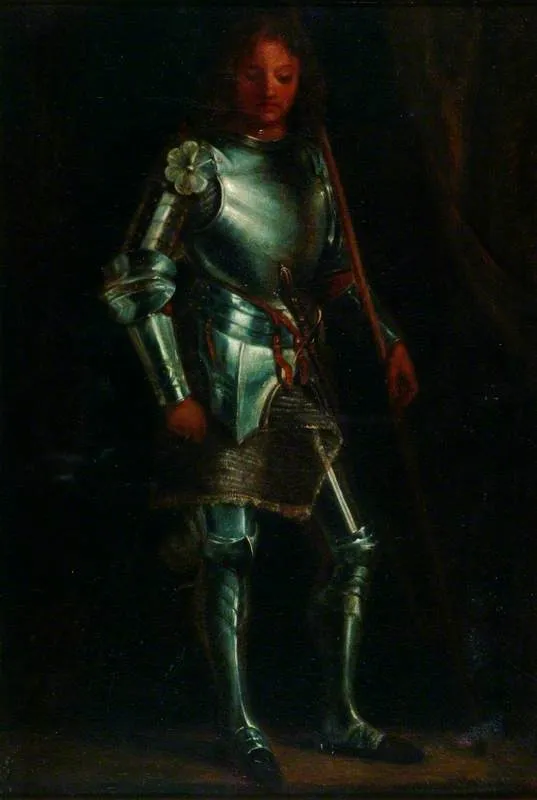
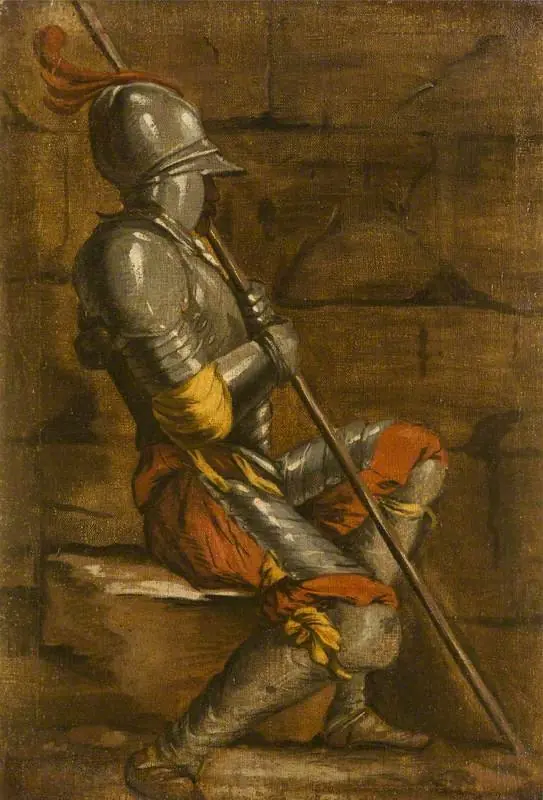
A Man in Armour is an oil painting by the Post-Impressionist artist Unknown. It dates from 1900 and is held in the collection of the Victoria and Albert Museum. This oil painting depicts a man in full armor, rendered with precise attention to metallic surfaces and light.
About this work
Overview
This oil painting depicts a man in full armor, rendered with precise attention to metallic surfaces and light.
This oil painting depicts a man in full armor, rendered with precise attention to metallic surfaces and light. He stands upright, facing the viewer, one hand resting on his hip and the other holding a sword. The dark, undefined background isolates the figure, drawing focus to the texture and form of his armor. The composition emphasizes stillness and presence, suggesting a portrait of a noble or military figure.
Subject & Meaning
The figure appears to be a member of the European aristocracy or military elite, posed with composure and authority. The inclusion of a sword and ornate armor implies status and readiness for duty. His serious expression and direct gaze convey solemnity rather than aggression, possibly reflecting ideals of honor or introspection. The flower-like motif on the shoulder may denote familial heraldry or personal symbolism.
Technique & Style
The artist employs chiaroscuro to model the armor’s surfaces, using sharp contrasts between light and shadow to define its contours. Metallic reflections are suggested through subtle gradations of tone rather than literal highlights. The dark background enhances the three-dimensionality of the figure. Brushwork is controlled and precise, particularly in rendering the intricate patterns on the shoulder plate and the texture of the helmet.
History & Provenance
The painting’s origin and early ownership are undocumented in available records. It lacks inscriptions or signatures that might identify the artist or sitter. Its style aligns with Northern European portraiture of the late 15th or early 16th century, though no definitive attribution has been established. The work entered institutional collections in the 19th century, where it has remained since.
Context
During the late medieval and early Renaissance periods, portraits of armored men were common among European nobility, serving as assertions of identity and power. While full armor was increasingly ceremonial by the 16th century, its depiction in art retained symbolic weight. This painting reflects a tradition where personal armor was as much a marker of lineage as a tool of war.
Legacy
Though not widely known outside specialized circles, the painting contributes to the study of portraiture in the transition from medieval to Renaissance visual culture. Its restrained composition and focus on material detail offer insight into how status was visually encoded. It remains a quiet example of how armor functioned as both armor and emblem in early modern visual language.
Artist & collection

 Domestic Scene
 Giacomo and Cardinal Marco, investing Andrea, Abbot of San Zeno, with his Benefice
 The Nymph of Fontainebleau
 Portrait of a Woman
 Madonna and Child with Saints in the Enclosed Garden
 Venus and Minerva
 Family Group of Four on Sofa
 Wall painting from Room H of the Villa of P. Fannius Synistor at Boscoreale
 Knight in Armour – Saint George (?)
 Statue of Albert I in a niche
 Alfonso IV El Benigno
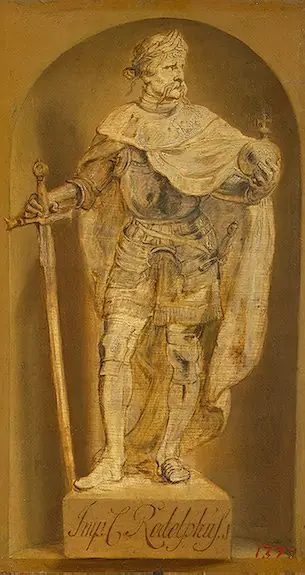 Statue of Rudolf II in a niche
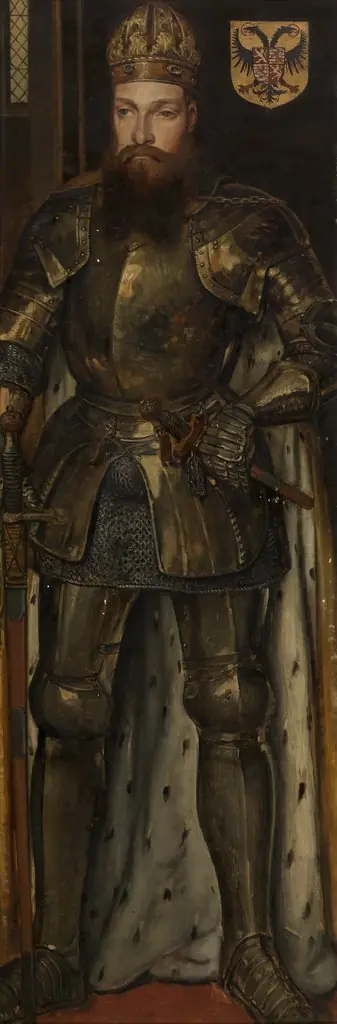 Sigismund, Holy Roman Emperor, 1415
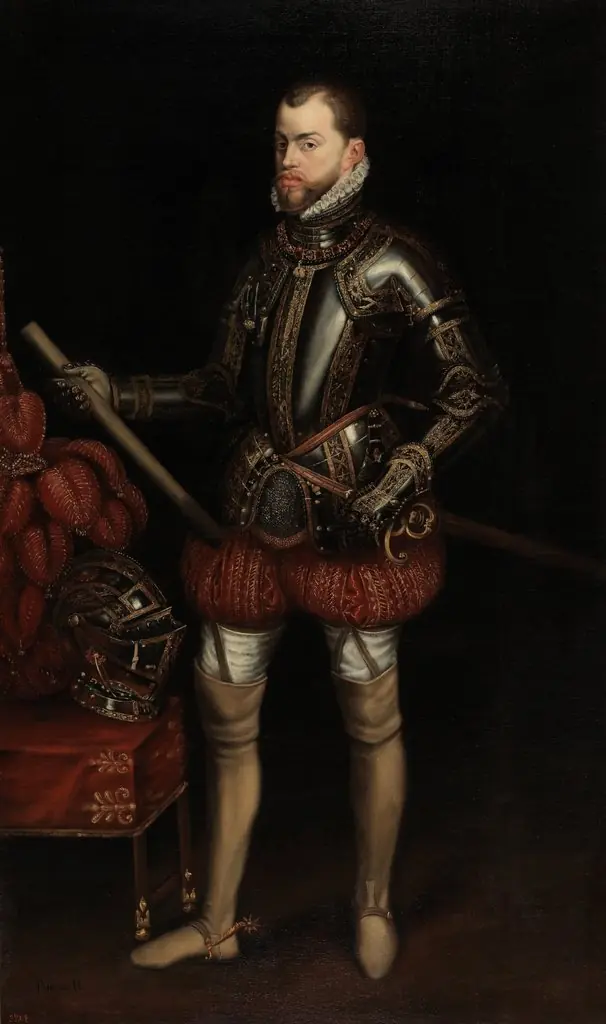 Philip II in St. Quentin's Armour
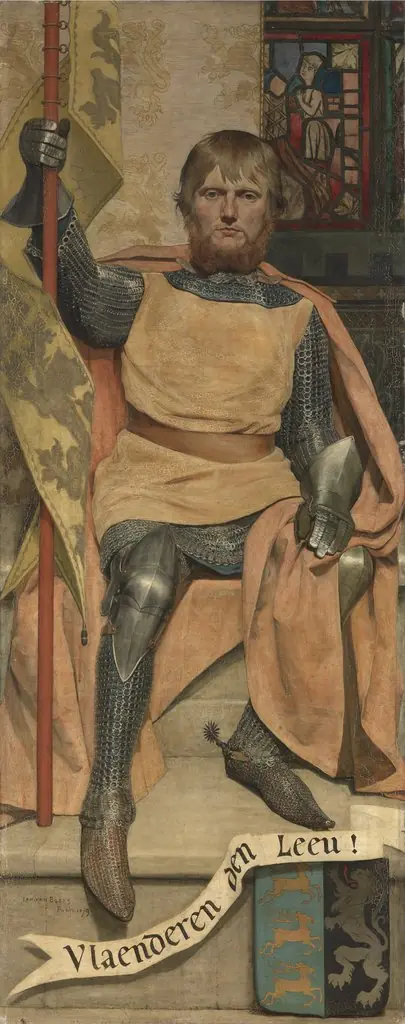 Jan Borluut, Patrician of Ghent
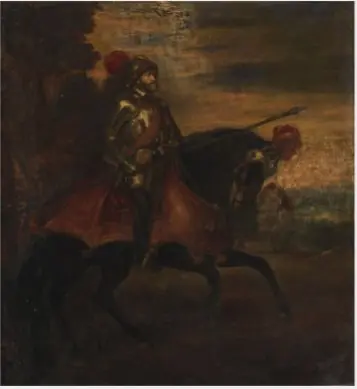 Portrait of Charles V on Horseback
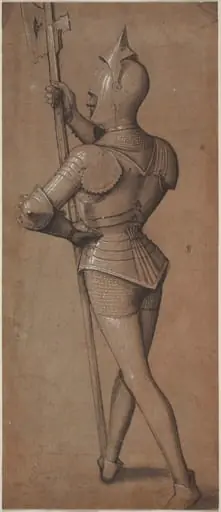 Knight in Armor, Holding a Halberd
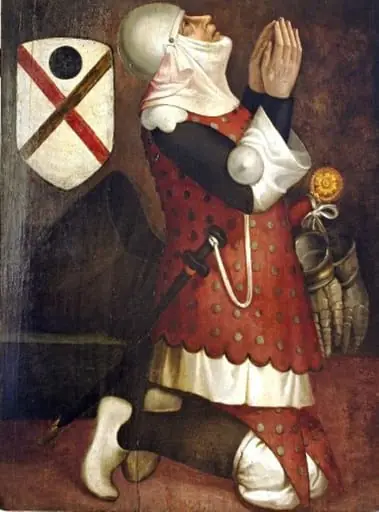 Cavaler cruciat
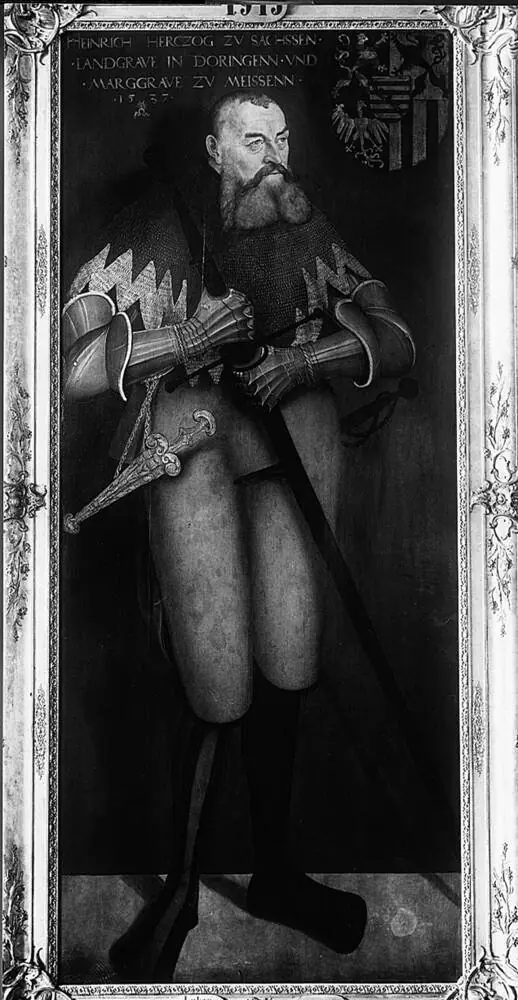 Portrait of Duke Henry the Devout
 A Figure in Armour