Artwork
Retable of St Christopher
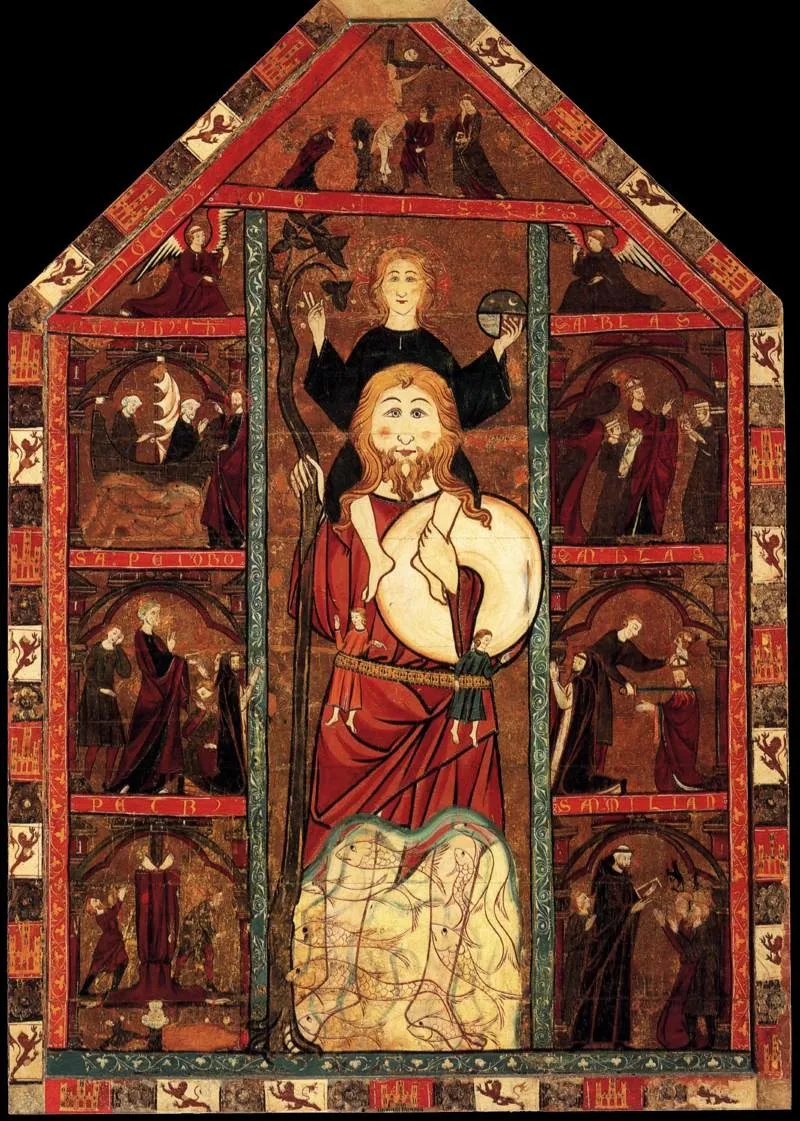
Retable of St Christopher is an unspecified painting by the Byzantine icon painting artist Unknown. It dates from 1350 and is held in the collection of the Museo del Prado.
About this work
Overview
The brown background and dense detailing reflect late medieval devotional aesthetics, where visual complexity served to inspire contemplation and reverence.
This retable is a multi-panel religious painting centered on Saint Christopher, a figure traditionally depicted as a giant carrying the Christ Child across a river. The composition is structured around a dominant central figure, flanked by smaller scenes and attendants. The brown background and dense detailing reflect late medieval devotional aesthetics, where visual complexity served to inspire contemplation and reverence.
Subject & Meaning
The central figure, identified as Saint Christopher, holds a staff and what appears to be a spherical object likely representing the Christ Child. His red robe and long beard align with iconographic conventions of the saint as a protector of travelers. Surrounding figures, some gesturing or holding objects, suggest a narrative of faith, pilgrimage, or divine intercession, reinforcing the retable’s function as a focus for prayer and spiritual protection.
Technique & Style
The painting employs fine brushwork and layered pigments to render intricate textures in fabric, hair, and architectural elements. The figures are arranged in a hierarchical scale, with the saint dominating the composition. Backgrounds are minimally modeled, emphasizing the figures and their symbolic gestures. The style is characteristic of late Gothic panel painting, prioritizing devotional clarity over naturalistic space.
History & Provenance
As a retable, this work was likely commissioned for a church or chapel altar, possibly in a region with strong veneration of Saint Christopher. Its survival suggests it remained in ecclesiastical use until at least the early modern period. Exact origins are undocumented, but its form and iconography align with Northern European devotional art of the 14th to 15th centuries.
Context
Saint Christopher was among the most popular saints in medieval Europe, believed to safeguard travelers from sudden death. Retables like this were common in parish churches, serving both liturgical and didactic roles. The crowded composition reflects a worldview in which the sacred permeated daily life, and visual abundance was a means of conveying divine abundance.
Legacy
Though no longer in active liturgical use, the retable remains a tangible example of pre-Reformation devotional art. Its preservation offers insight into how communities visualized faith through narrative and symbolism. It contributes to the broader understanding of how religious imagery functioned in medieval worship beyond textual instruction.
Artist & collection

 Domestic Scene
 Giacomo and Cardinal Marco, investing Andrea, Abbot of San Zeno, with his Benefice
 The Nymph of Fontainebleau
 Portrait of a Woman
 Madonna and Child with Saints in the Enclosed Garden
 Venus and Minerva
 Family Group of Four on Sofa
 Wall painting from Room H of the Villa of P. Fannius Synistor at Boscoreale
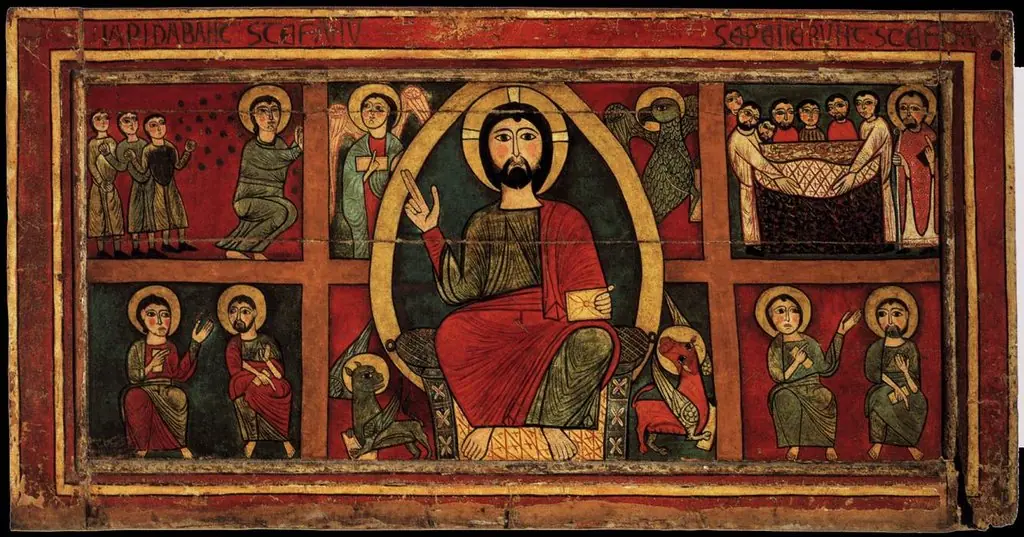 Altar frontal
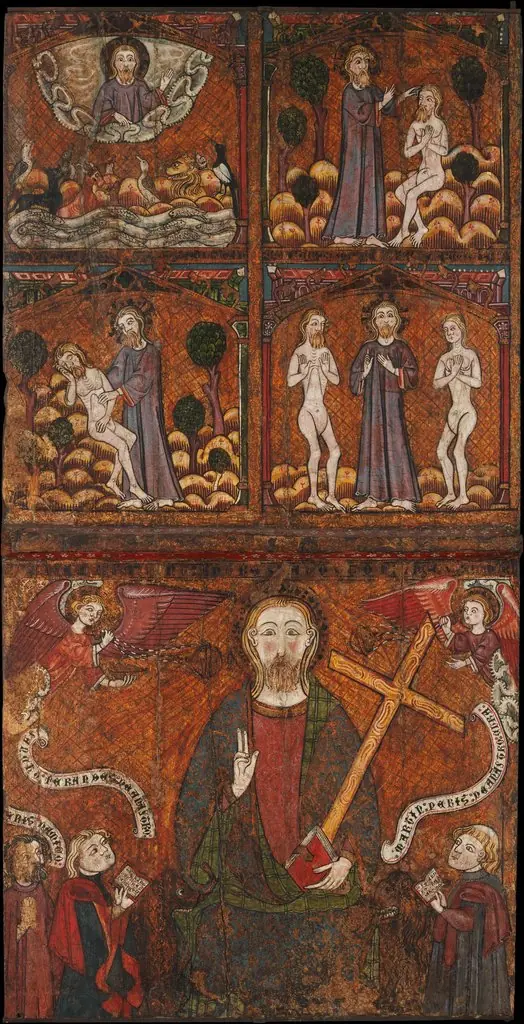 Scenes from the Life of Saint Andrew
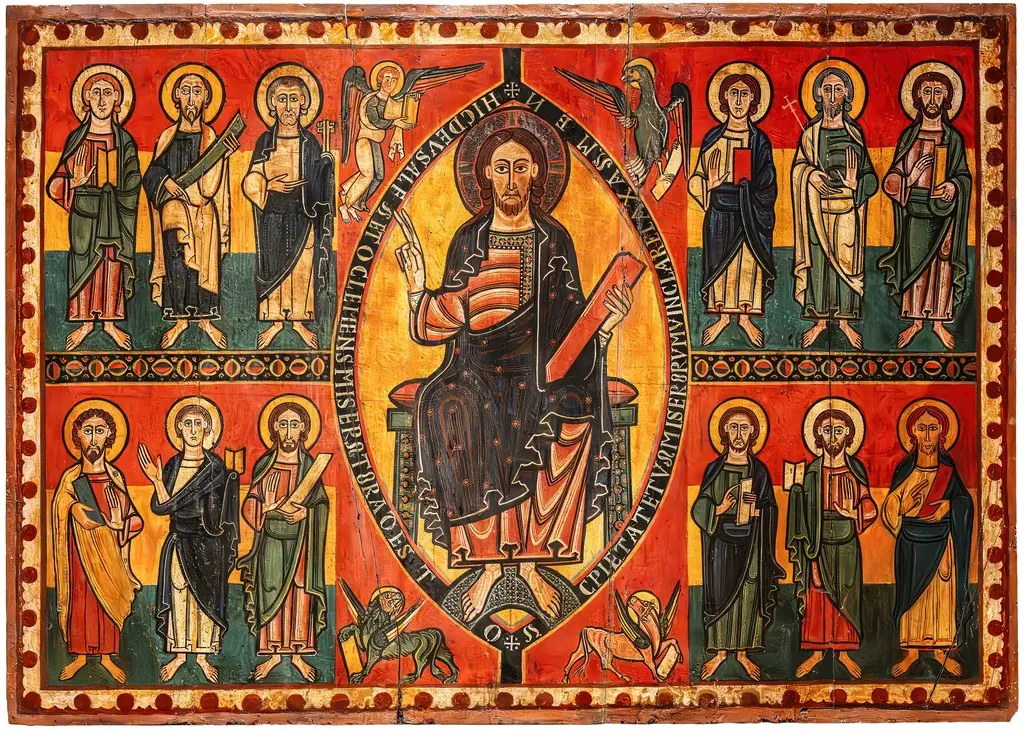 Altar frontal from Esquius
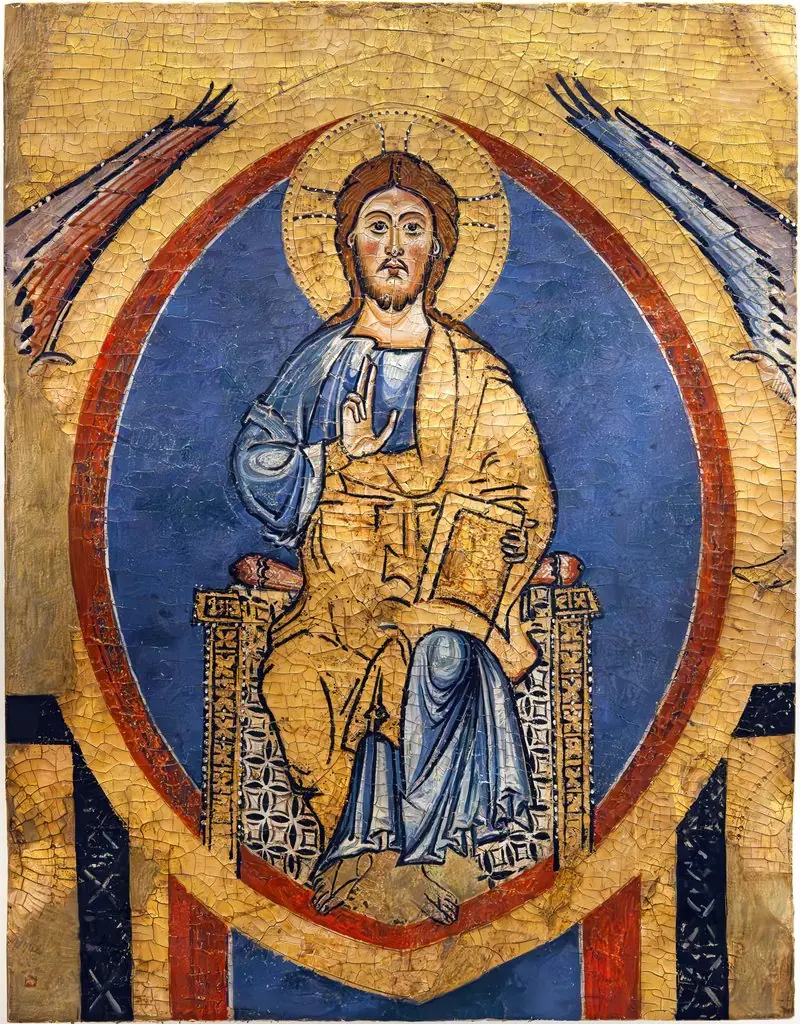 Part of an Italian Crucifix
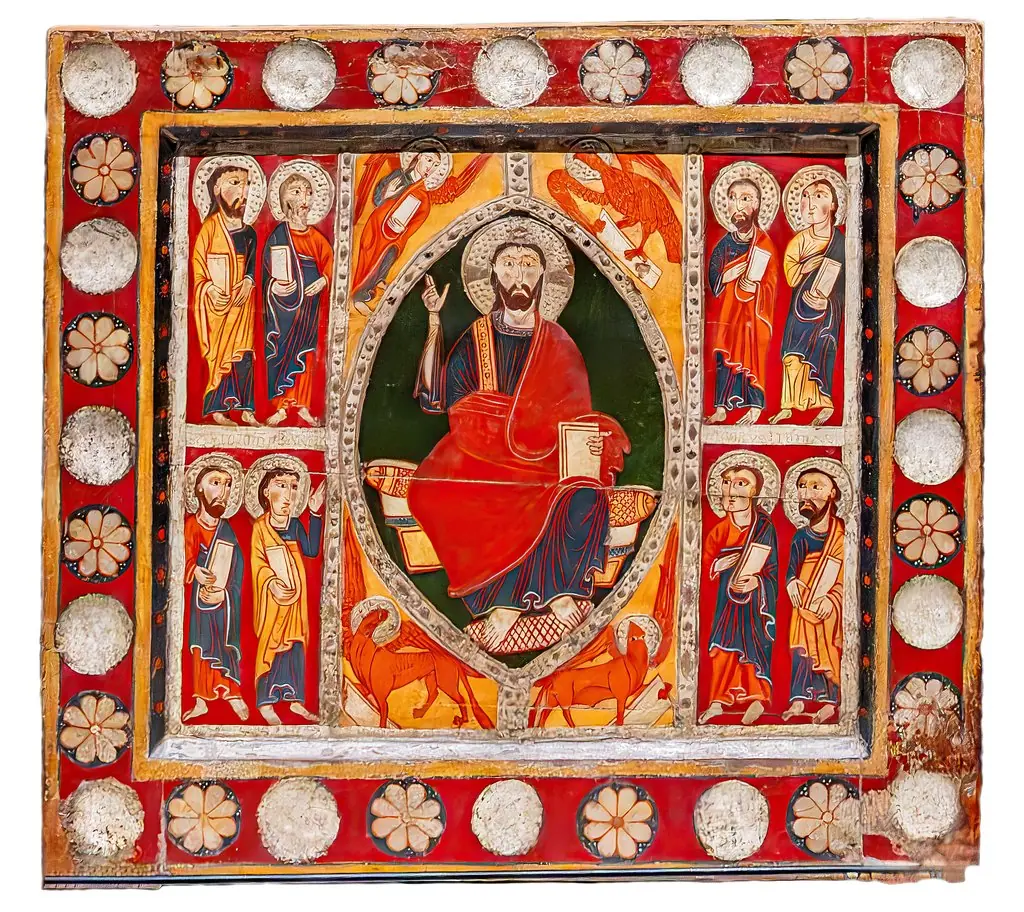 Altar from Sant Romà de Vila
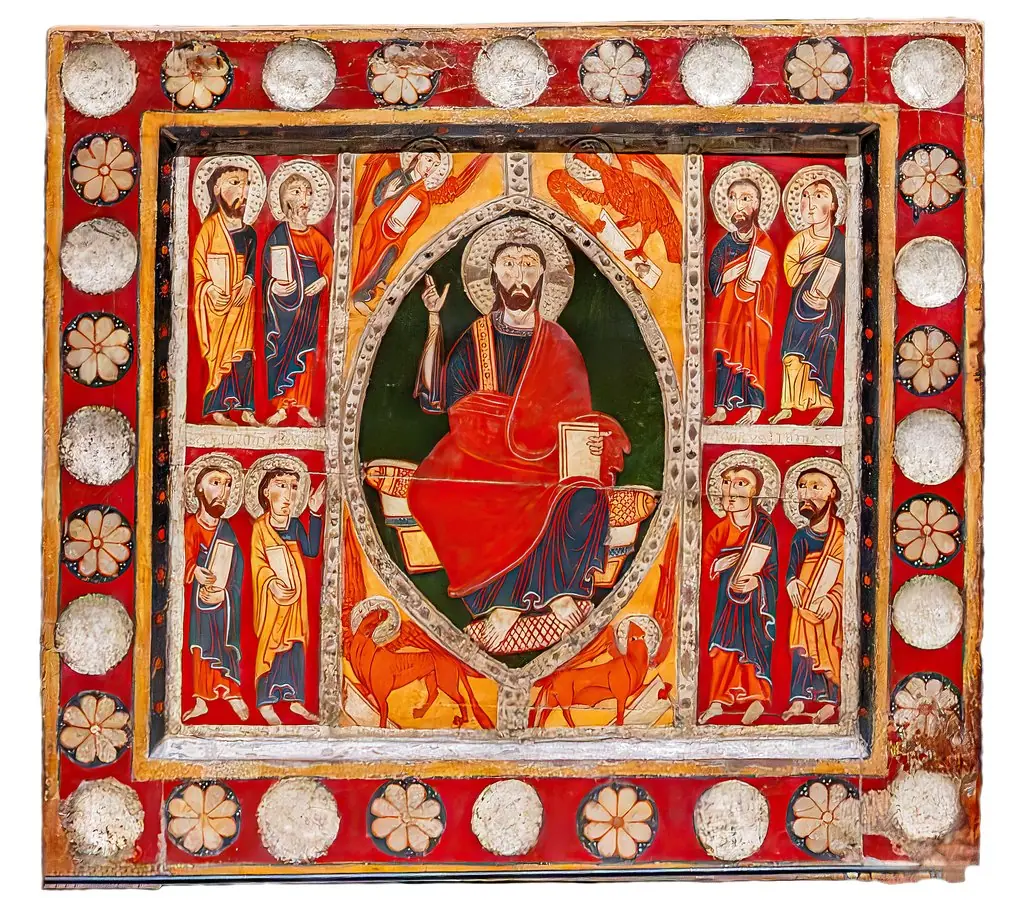 Altar frontal from Sant Romà de Vila
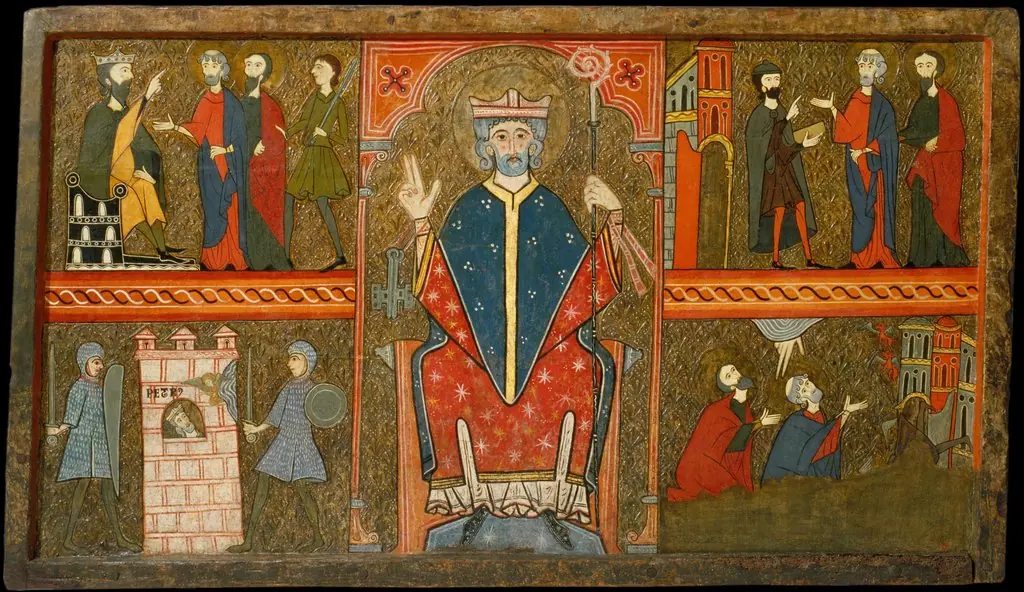 Altar frontal of Sant Pere de Boí
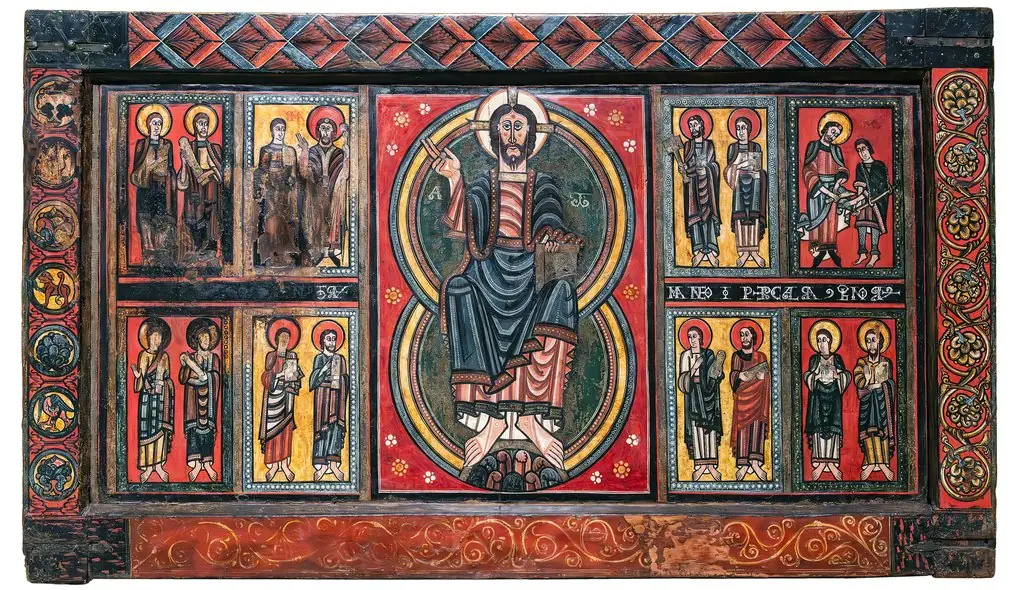 Altar frontal from Ix
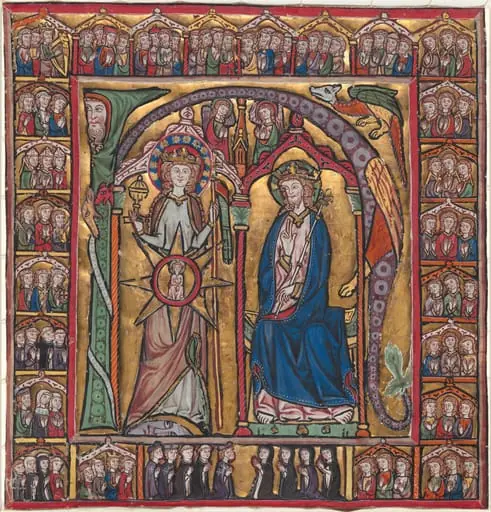 The Triumph of the Church
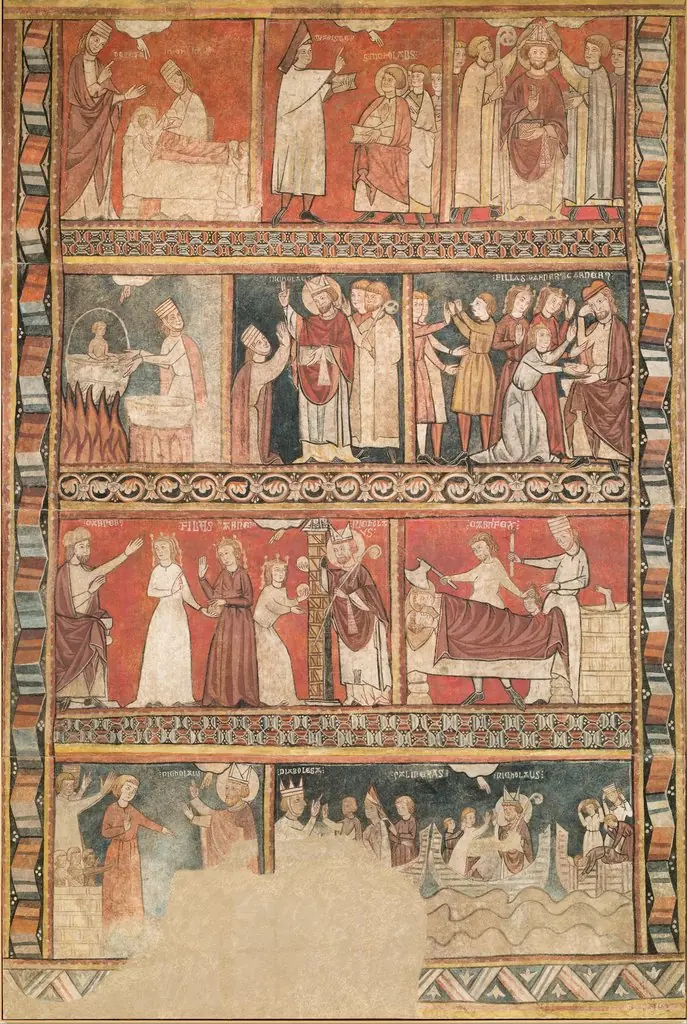 Life of Saint Nicholas
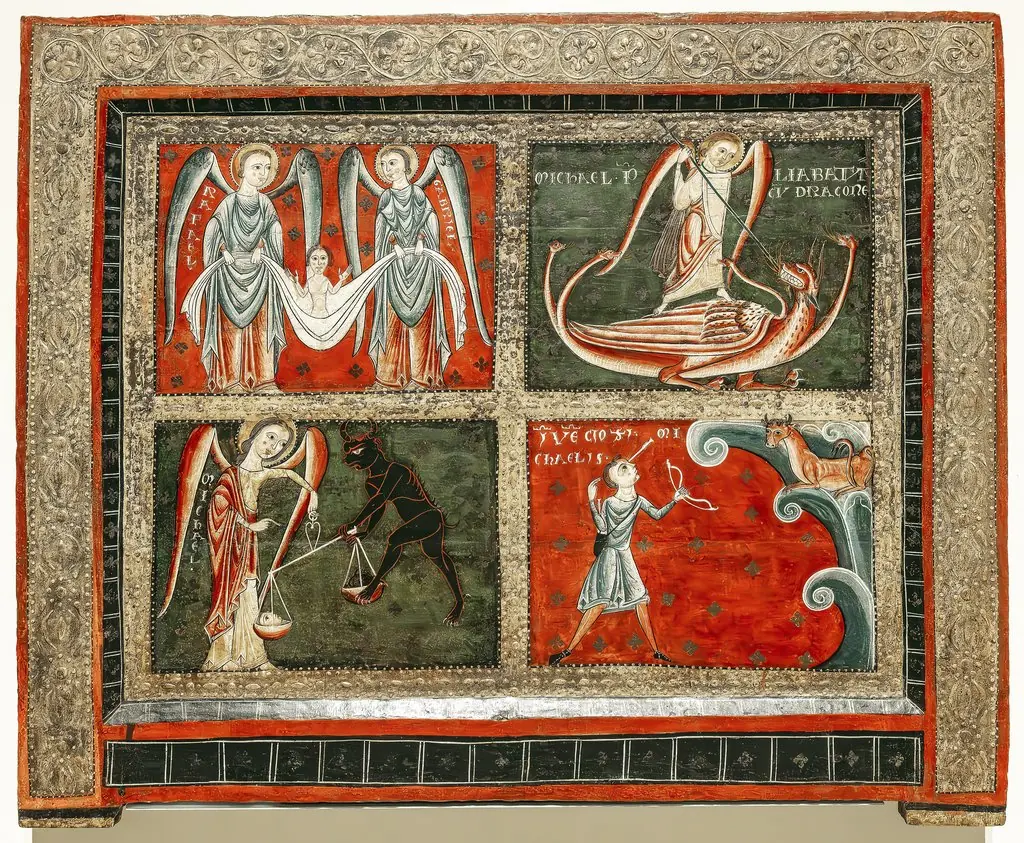 Altar frontal of the Archangels
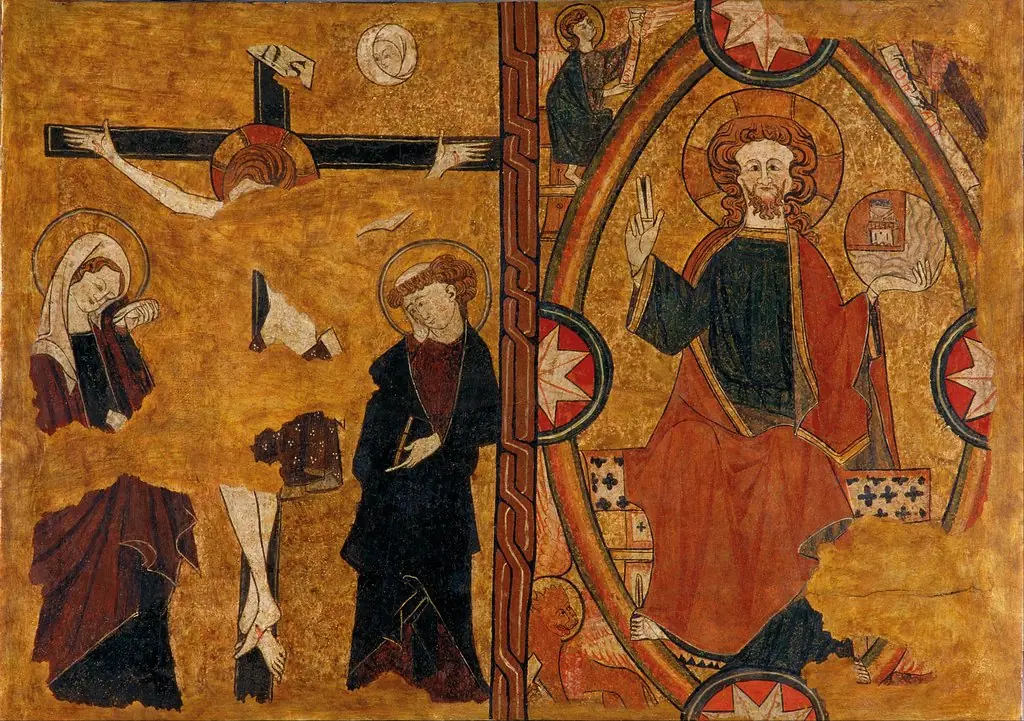 Calvary and Christ in Majesty