Artwork
Tuti-Nama (Tales of a Parrot)
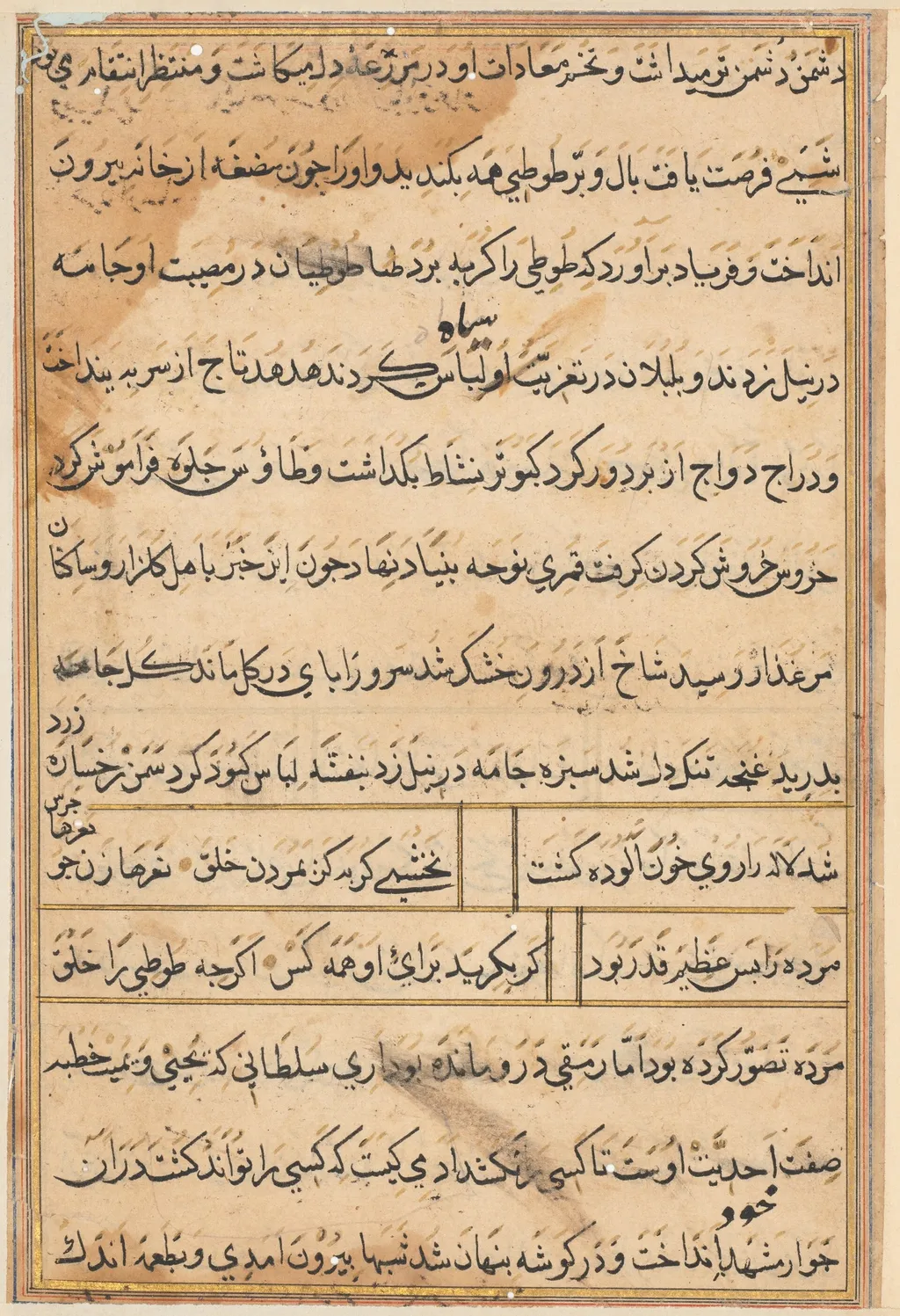
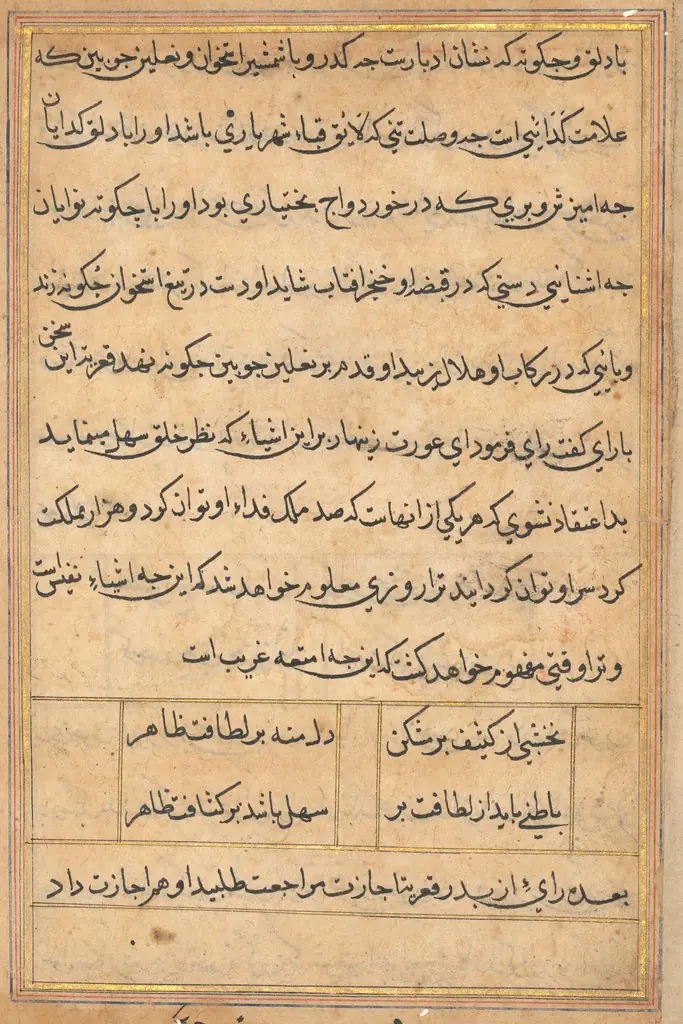
Tuti-Nama (Tales of a Parrot) is an unspecified painting. It dates from 1560 and is held in the collection of the Cleveland Museum of Art. The object is a single folio from the illustrated manuscript *Tuti‑Nama* ("Tales of a Parrot").
About this work
Overview
The object is a single folio from the illustrated manuscript *Tuti‑Nama* ("Tales of a Parrot"). Rendered in black ink on a light‑yellowed paper, the page is bordered by a thin line of gold leaf. The surface shows signs of extensive handling, indicating frequent use or reading.
Subject & Meaning
The folio contains tightly set Arabic calligraphy that narrates a story involving a parrot, a common motif in Persian literary tradition used to convey moral or didactic themes. Larger initial letters punctuate the text, guiding the reader through the narrative.
Technique & Style
Ink is applied in a fluid, continuous hand, producing elegant, flowing strokes characteristic of classical Arabic manuscript writing. The gold border, applied as a thin leaf strip, frames the text without detracting from the script's legibility, reflecting a restrained decorative approach.
History & Provenance
Commissioned for Prince Salim, a member of the Mughal court, the manuscript exemplifies royal patronage of literary arts. The folio now resides in the collection of the Cleveland Museum of Art, where it is displayed as part of the museum’s holdings of Islamic manuscripts.
Context
*Tuti‑Nama* belongs to a broader tradition of Persian and Mughal illustrated books that blend prose, poetry, and visual ornamentation. Such works were often produced for elite audiences, serving both entertainment and instruction within the courtly milieu.
Artist & collection

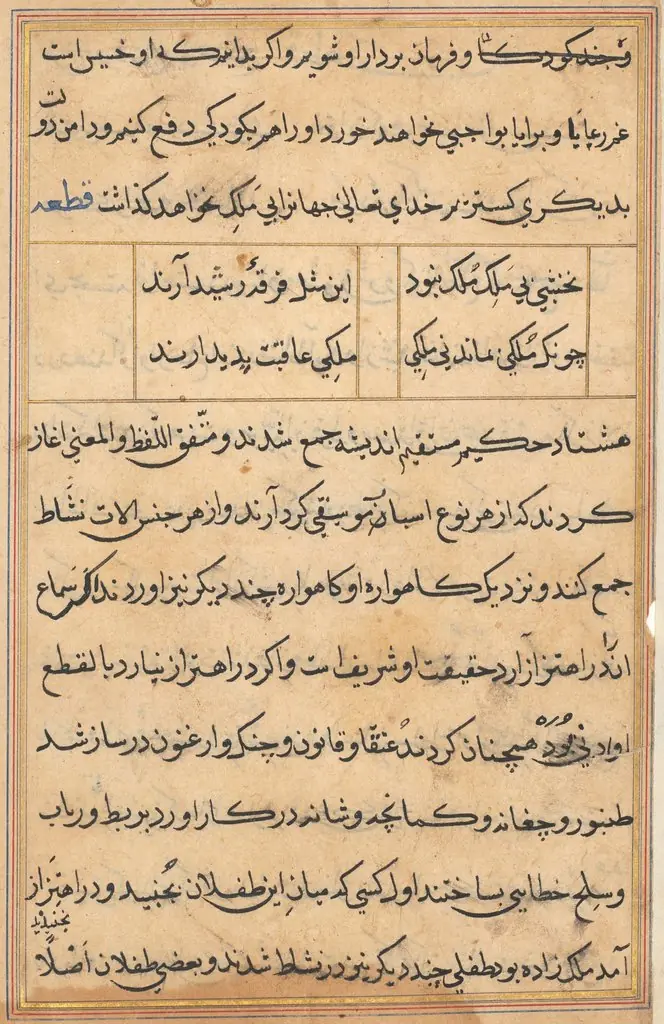 Page from Tales of a Parrot (Tuti-nama): text page
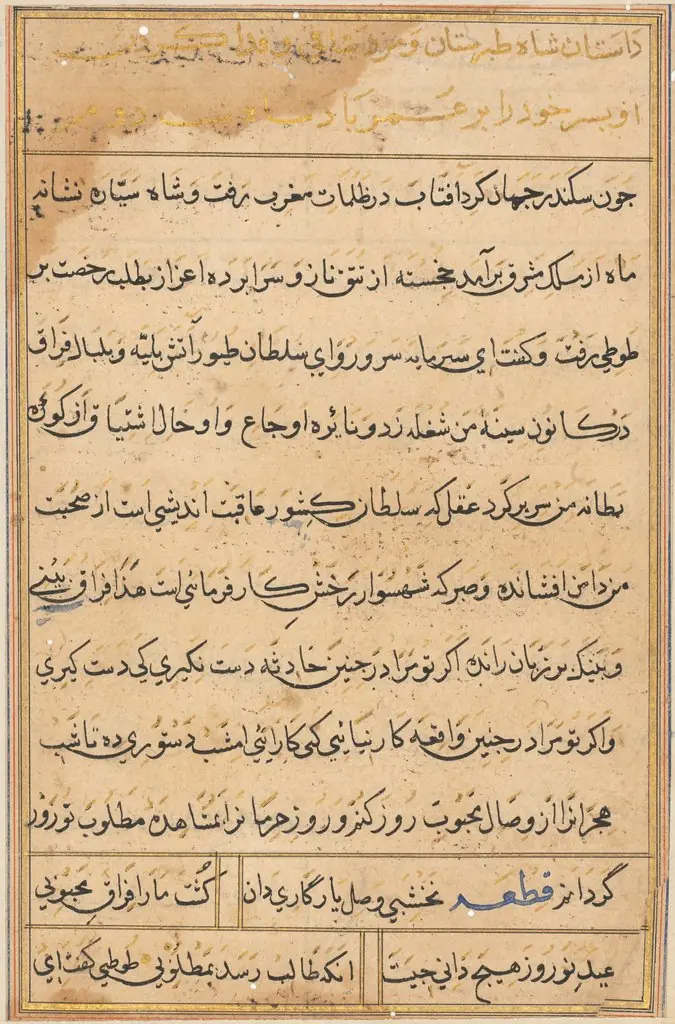 Page from Tales of a Parrot (Tuti-nama): text page
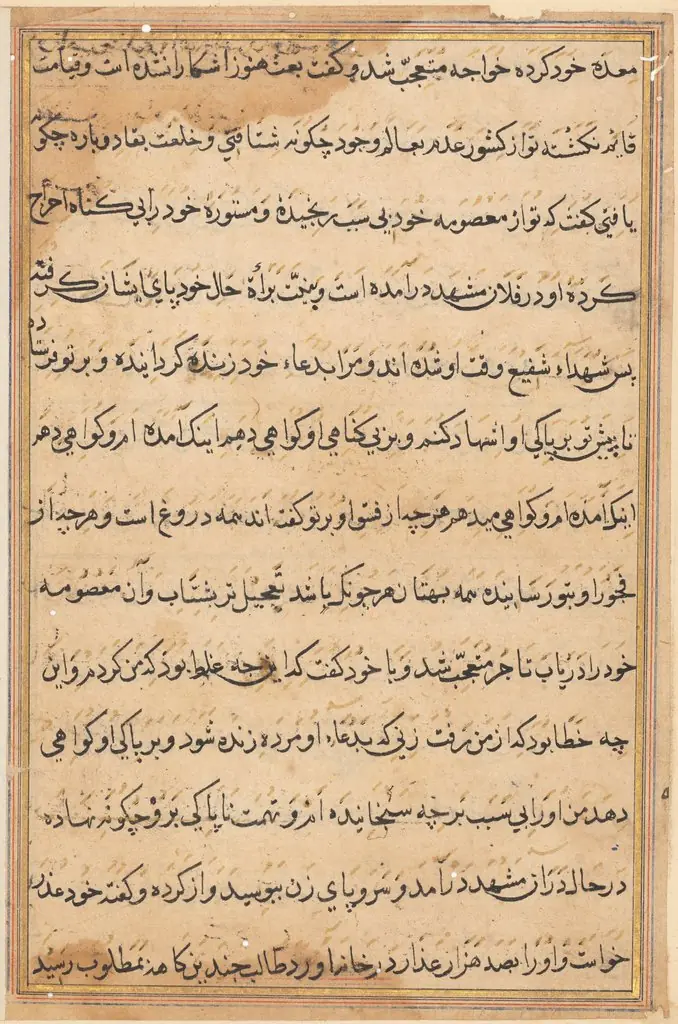 Page from Tales of a Parrot (Tuti-nama): text page
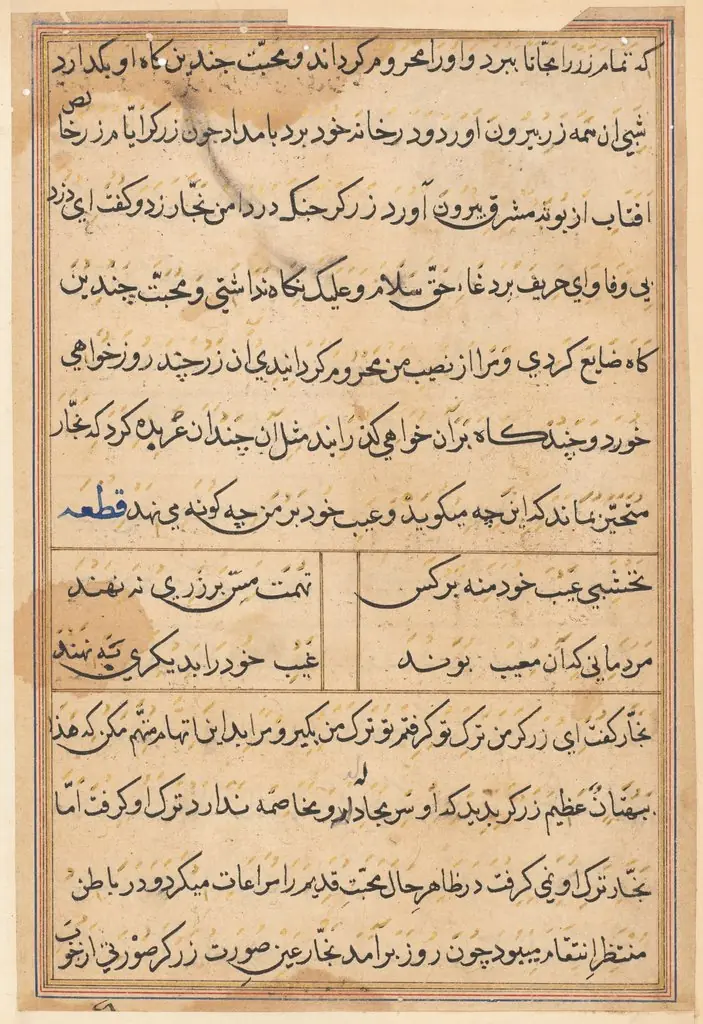 Page from Tales of a Parrot (Tuti-nama): text page
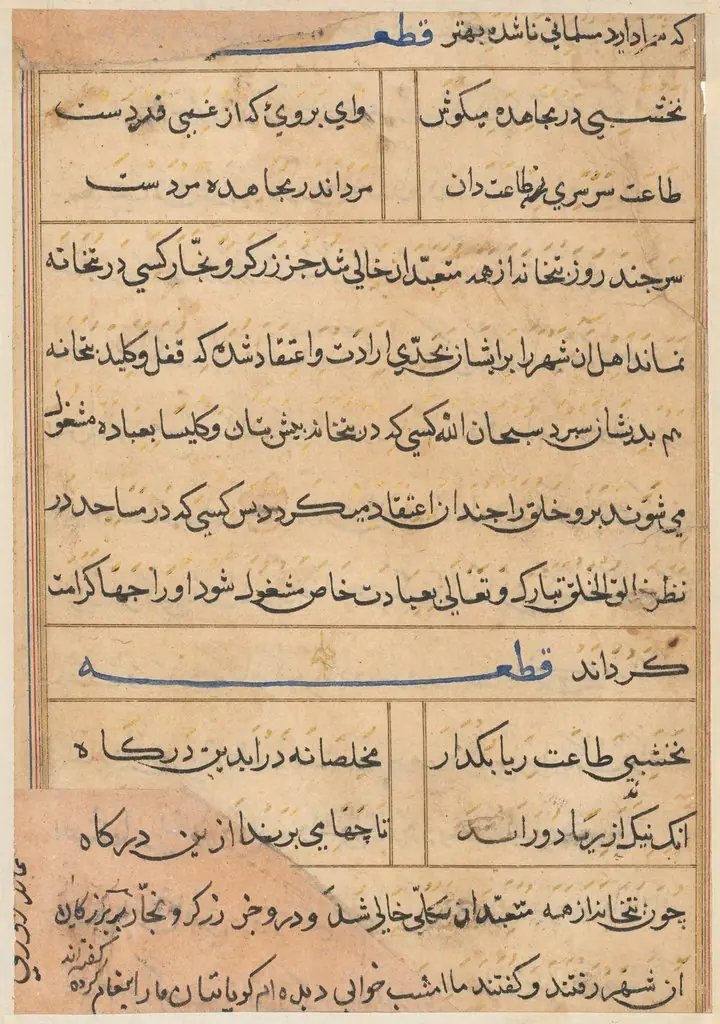 Page from Tales of a Parrot (Tuti-nama): text page
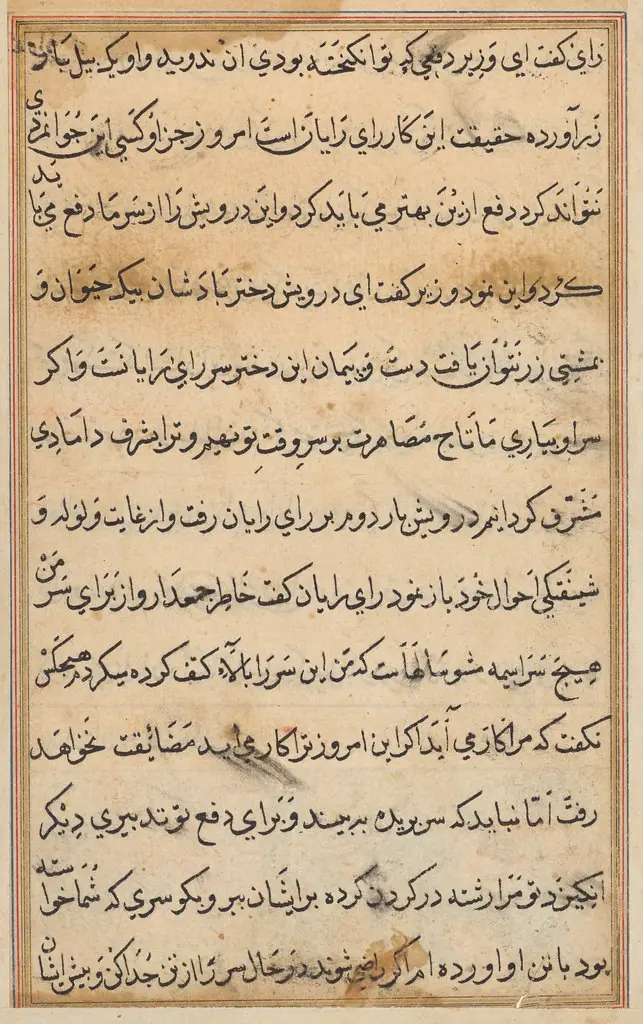 Page from Tales of a Parrot (Tuti-nama): text page
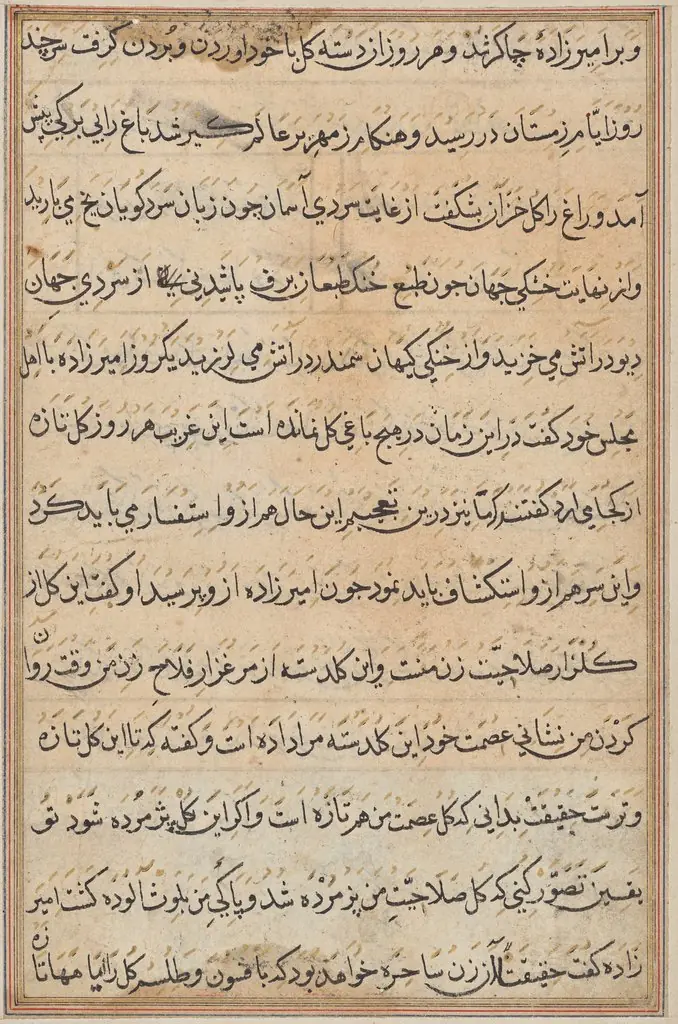 Page from Tales of a Parrot (Tuti-nama): text page
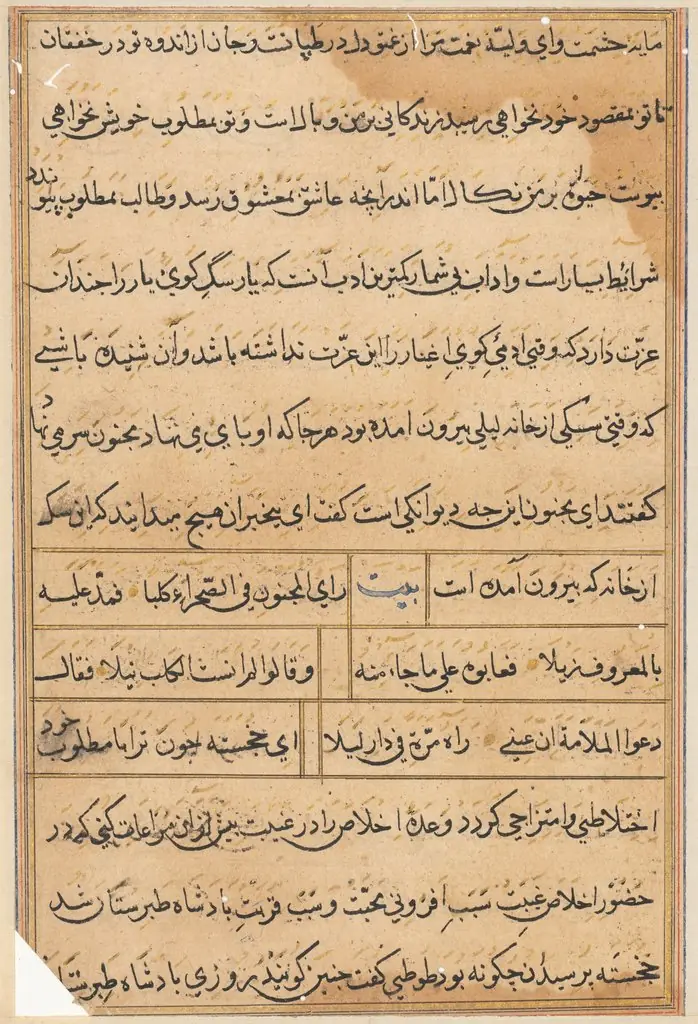 Page from Tales of a Parrot (Tuti-nama): text page
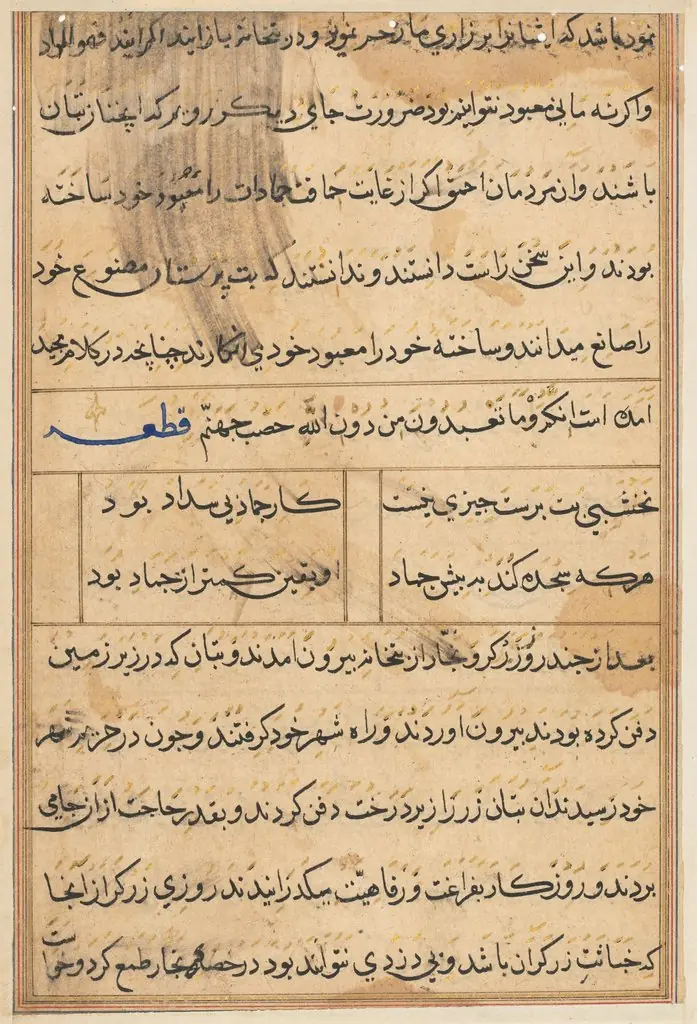 Page from Tales of a Parrot (Tuti-nama): text page
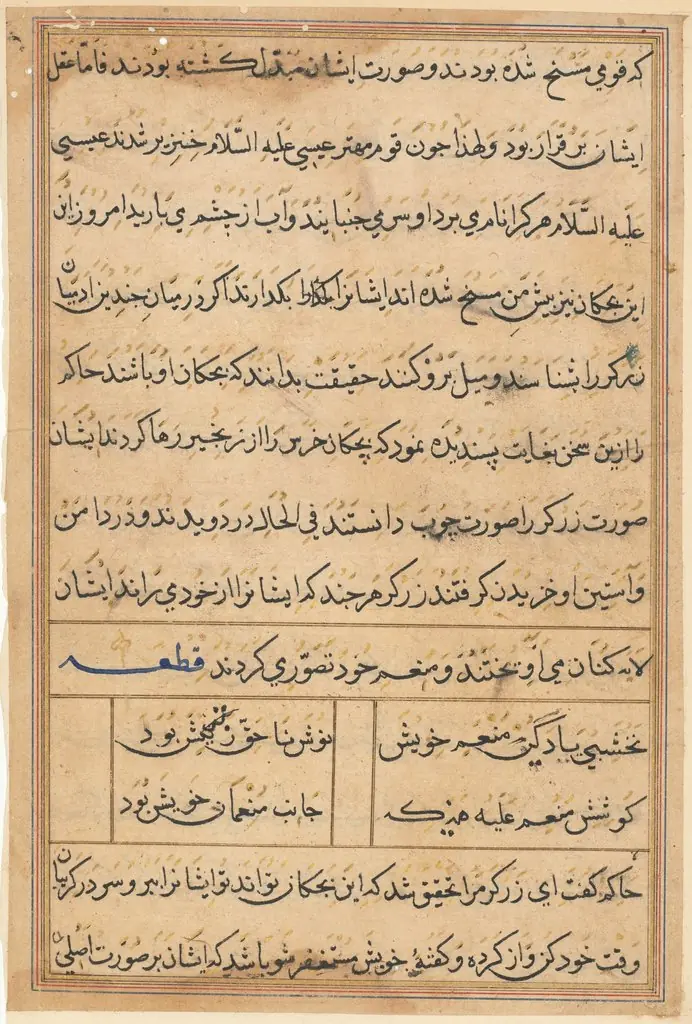 Page from Tales of a Parrot (Tuti-nama): text page
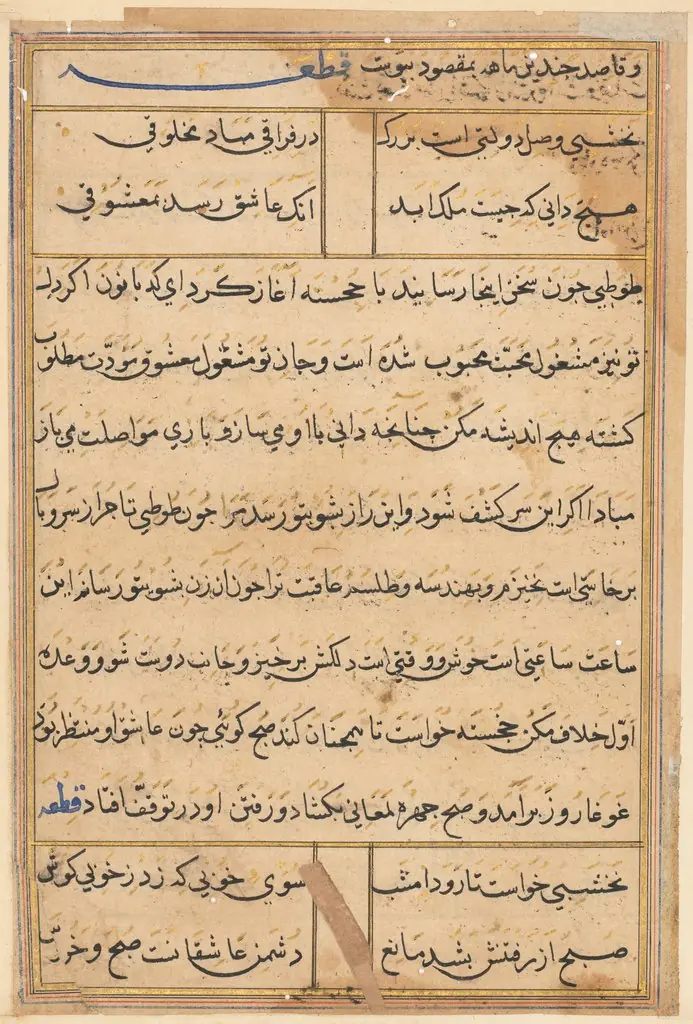 Page from Tales of a Parrot (Tuti-nama): text page
 Page from Tales of a Parrot (Tuti-nama): text page