Artwork
Last Judgment
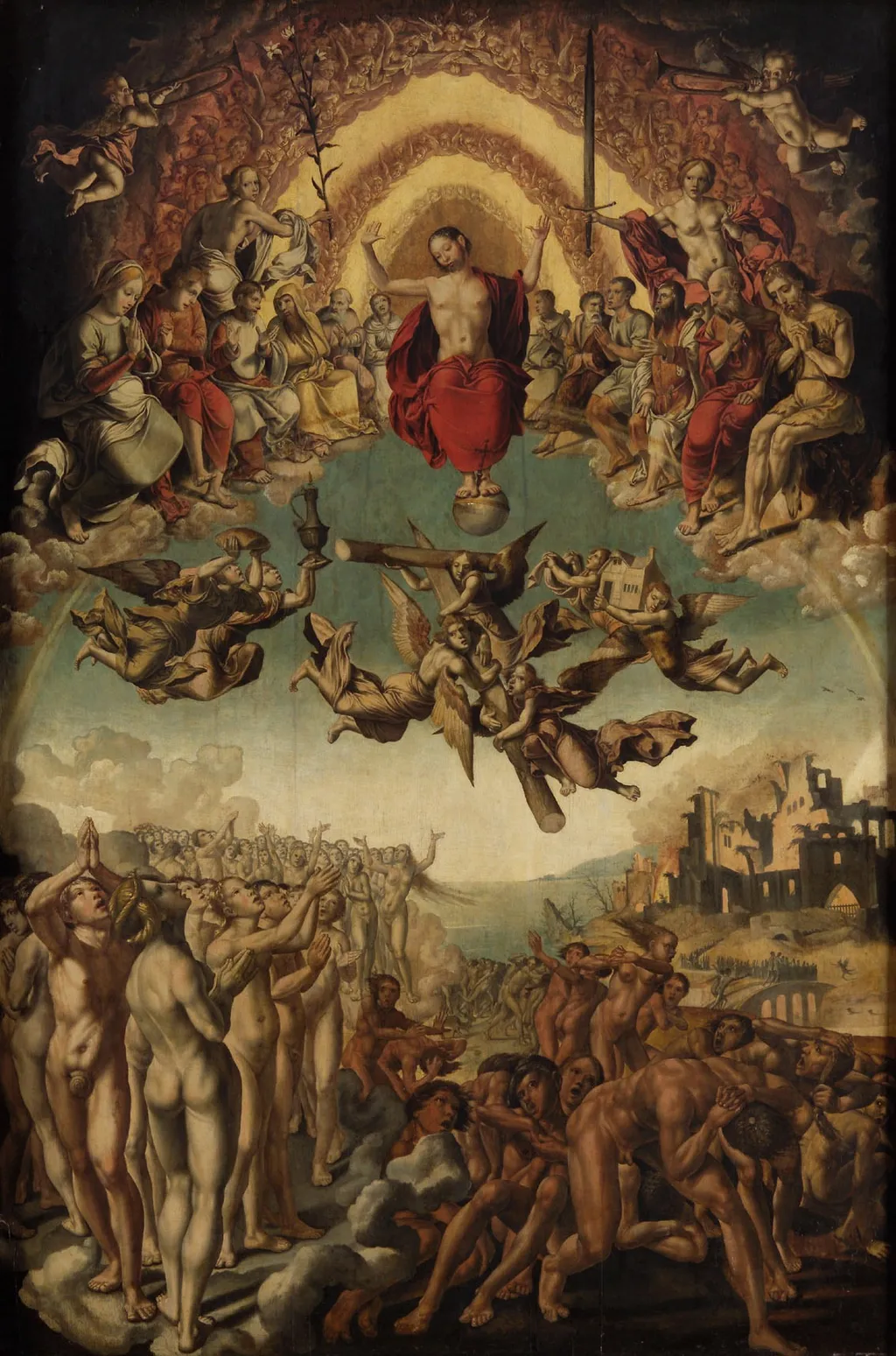
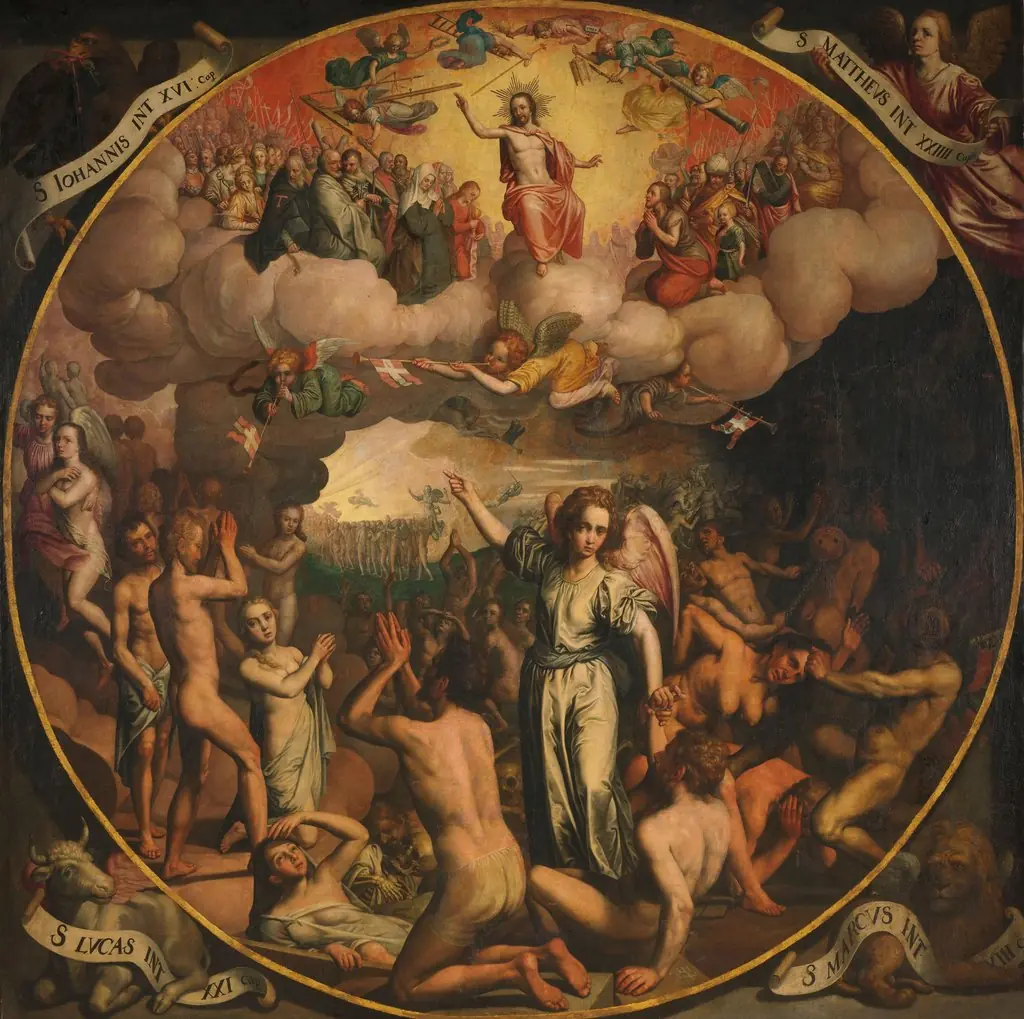
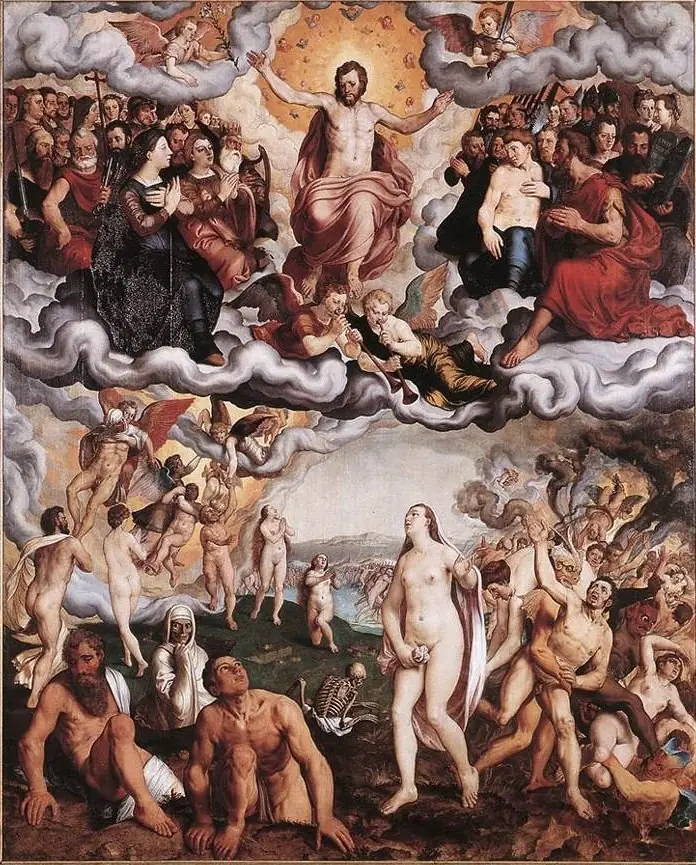
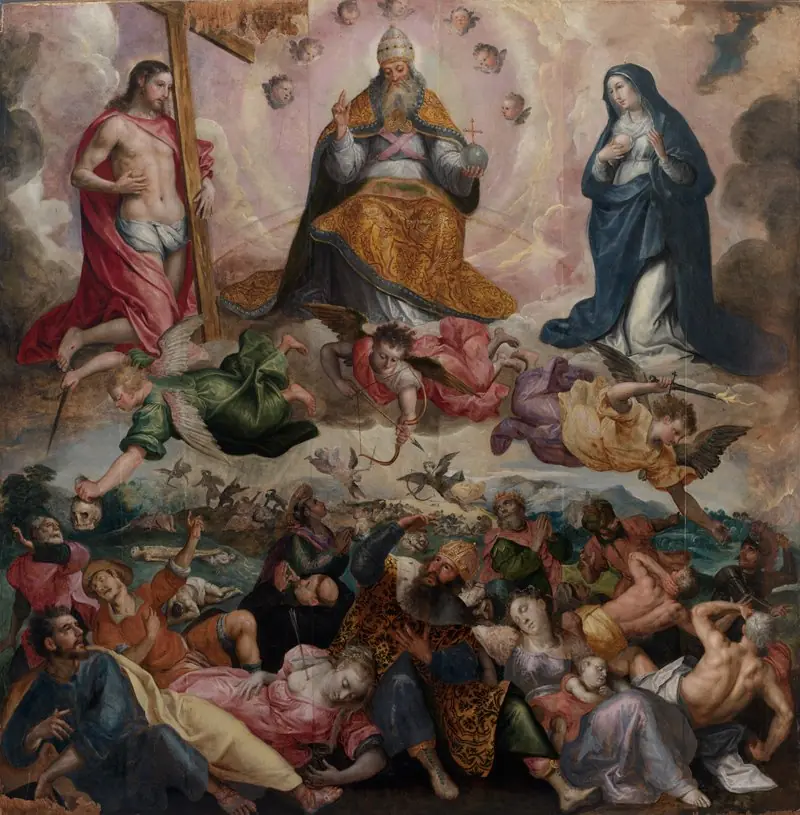
Last Judgment is an unspecified painting by the Mannerist artist Unknown. It dates from 1540 and is held in the collection of the Kunsthistorisches Museum. This panel presents a vision of eschatological culmination, where human destinies are weighed and assigned.
About this work
Overview
The scene unfolds across layered registers, with celestial beings intermingling with mortal forms in various states of ascension or descent.
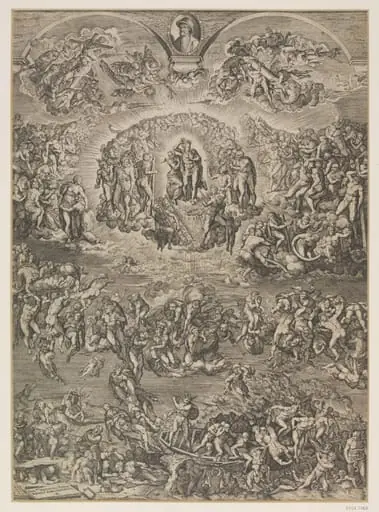
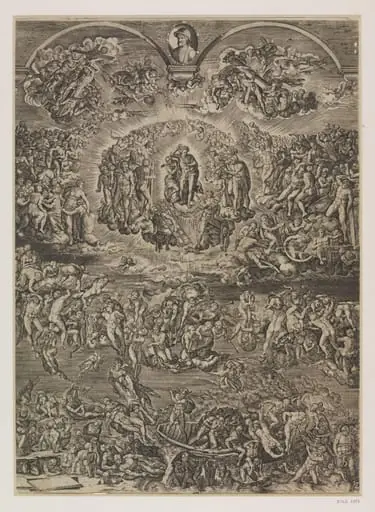
This panel presents a vision of eschatological culmination, where human destinies are weighed and assigned. Central to the composition, a robed figure presides over the separation of souls, embodying both judicial authority and divine mercy. The scene unfolds across layered registers, with celestial beings intermingling with mortal forms in various states of ascension or descent. Dramatic tonal contrasts heighten the sense of urgency, while meticulous figural detailing underscores the gravity of the moment.
Subject & Meaning
The work depicts the Christian doctrine of the Last Judgment, a moment of final accountability when the living and the dead face divine evaluation. Symbolic attributes—such as the sword and orb—signal Christ’s dual role as sovereign judge and cosmic ruler. The damned, subjected to infernal torments, contrast sharply with the saved, who are guided toward celestial realms. This juxtaposition reinforces moral themes of redemption and retribution, inviting contemplation of ethical conduct and spiritual consequence.
Technique & Style
The artist employs chiaroscuro to dramatic effect, using stark light-dark contrasts to model figures and accentuate emotional intensity. Brushwork ranges from finely rendered anatomical details to broader, more expressive strokes in the background, where flames and smoke suggest both destruction and transcendence. The composition’s verticality directs the viewer’s gaze upward, mirroring the narrative’s movement from earthly turmoil to heavenly resolution. Such techniques reflect broader stylistic trends of the period, particularly the emphasis on theatricality and emotional immediacy.
History & Provenance
Created during a period of heightened religious fervor, the painting likely served a devotional or didactic function within its original setting, possibly a church or private chapel. Its early history remains unrecorded, though later documentation places it in successive collections, suggesting shifts in patronage or institutional ownership. Conservation records indicate minor restorations, primarily addressing surface abrasions and pigment loss, though the work retains its core visual impact.
Context
The painting emerges from a cultural milieu preoccupied with mortality, salvation, and the afterlife. During this era, eschatological imagery proliferated in response to societal anxieties, including plague, war, and ecclesiastical reform. Such works often reinforced doctrinal teachings while appealing to emotional piety, bridging theological abstraction and personal devotion. The artist’s interpretation aligns with contemporaneous depictions of the Last Judgment, though its specific iconographic choices may reflect local or regional influences.
Legacy
While not among the most frequently cited examples of its genre, the painting contributes to the broader tradition of Last Judgment imagery in Western art. Its compositional strategies and emotional tenor prefigure later developments in Baroque painting, particularly in the use of dynamic movement and dramatic lighting. Scholars have noted its role in illustrating the period’s evolving visual language, where sacred narratives were rendered with increasing naturalism and psychological depth.
Artist & collection

 Domestic Scene
 Giacomo and Cardinal Marco, investing Andrea, Abbot of San Zeno, with his Benefice
 The Nymph of Fontainebleau
 Portrait of a Woman
 Madonna and Child with Saints in the Enclosed Garden
 Venus and Minerva
 Family Group of Four on Sofa
 Wall painting from Room H of the Villa of P. Fannius Synistor at Boscoreale