Artwork
Page from Tales of a Parrot (Tuti-nama): text page
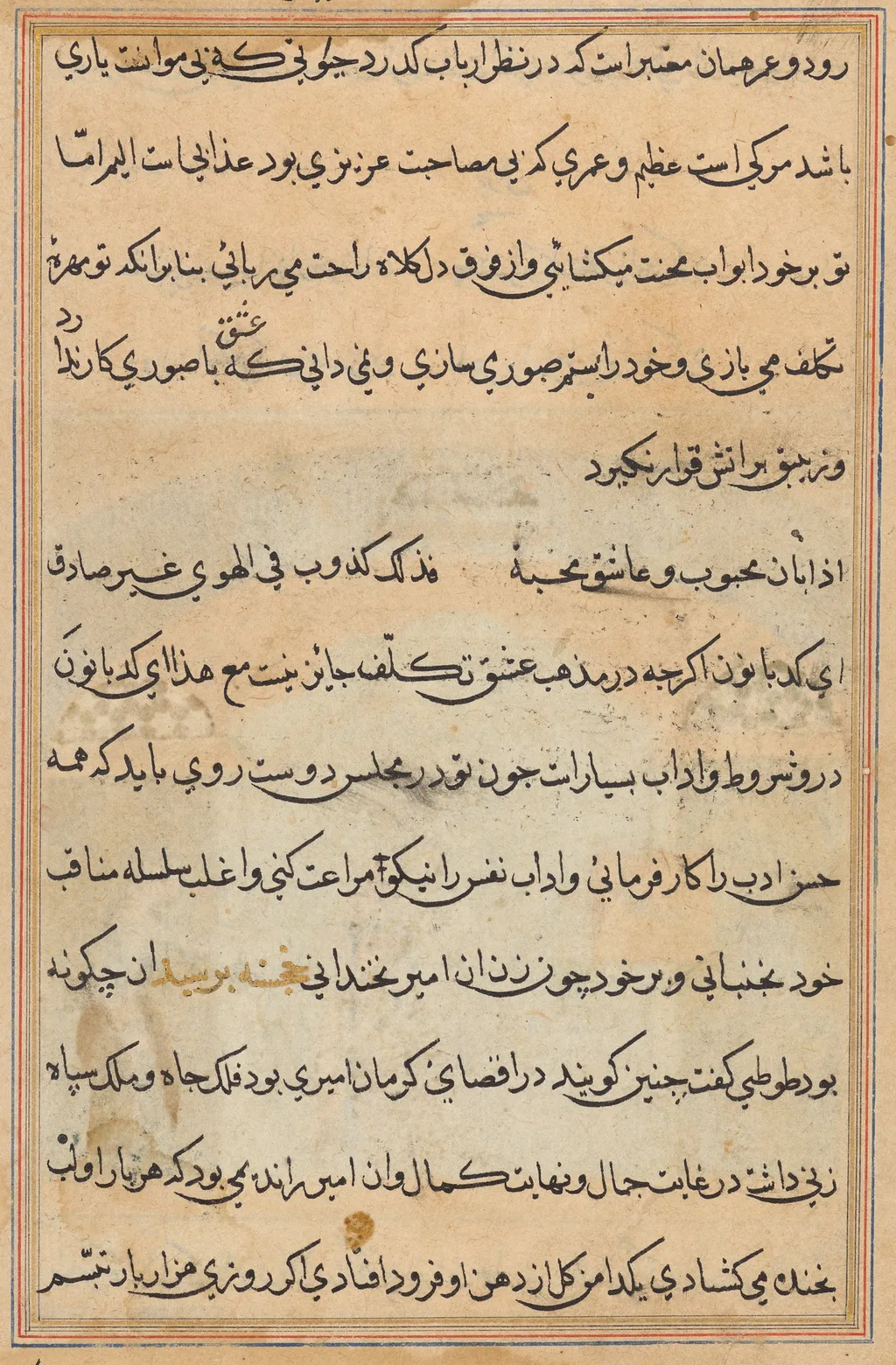
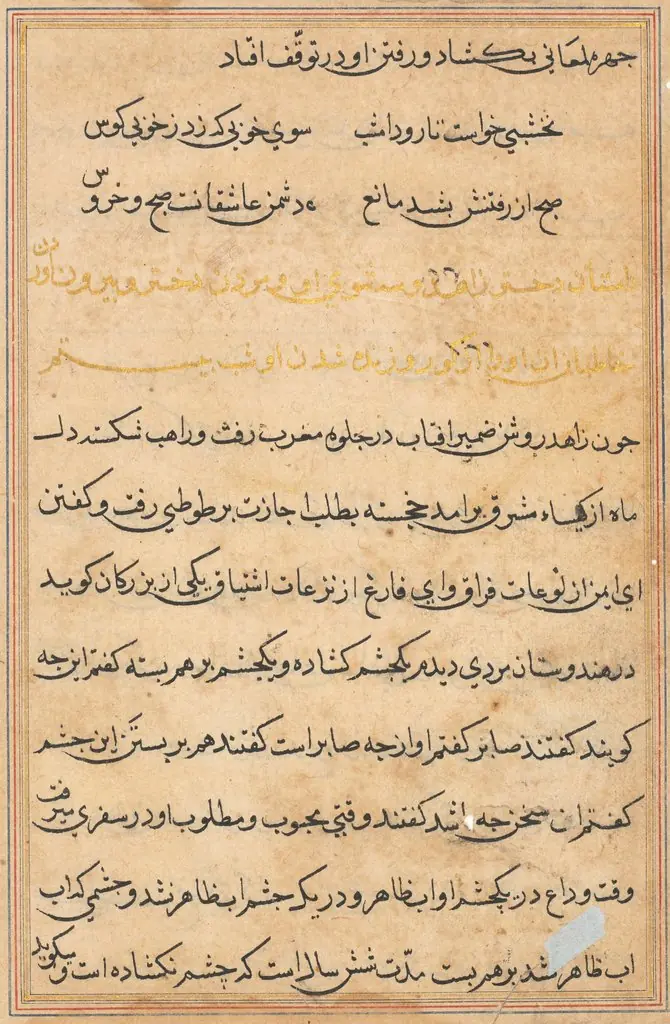
Page from Tales of a Parrot (Tuti-nama): text page is an unspecified painting. It dates from 1560 and is held in the collection of the Cleveland Museum of Art. This object is a single folio from the illustrated manuscript known as *Tales of a Parrot* (Tuti‑nama).
About this work
Overview
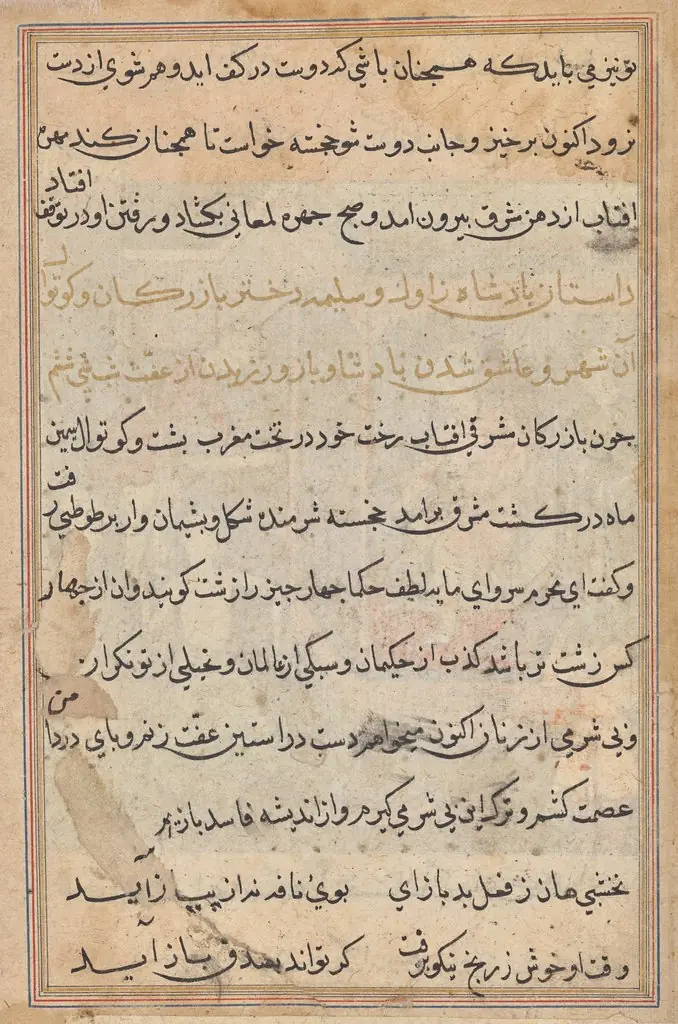
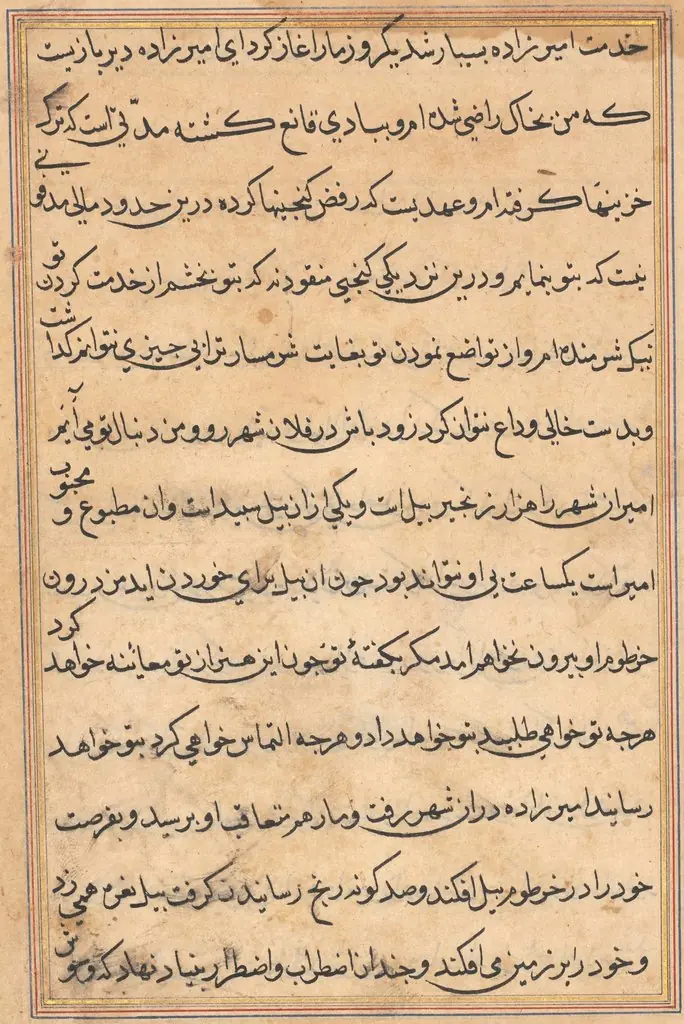
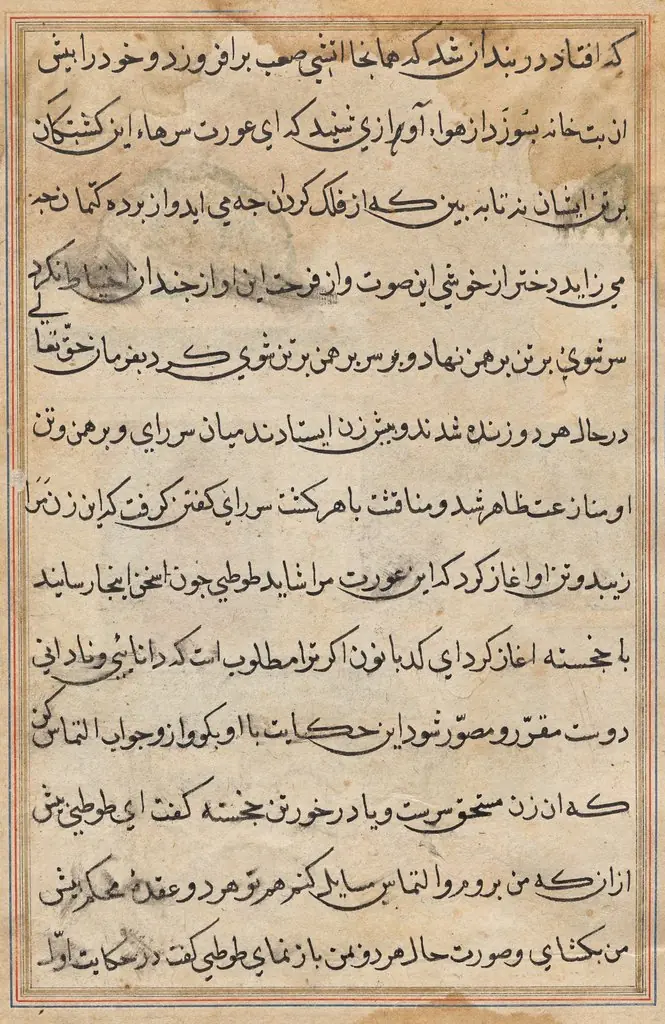
This object is a single folio from the illustrated manuscript known as *Tales of a Parrot* (Tuti‑nama). The sheet consists solely of text, rendered in dense black calligraphy that fills the page in orderly rows. The paper has a pale, slightly yellowed hue and is edged with a narrow red margin, giving the document a refined appearance.
Subject & Meaning
The written content forms part of a larger narrative collection traditionally associated with the courtly literature of the Mughal era. The text was likely intended for a princely audience, as historical references connect the work to Prince Salim, suggesting it functioned as a literary gift or instructional piece for a member of the royal family.
Technique & Style
The script is executed in a precise, angular hand characteristic of Persianate calligraphy, with each line carefully aligned. The use of black ink on a light background, combined with the subtle red border, reflects a meticulous approach to manuscript production, emphasizing legibility and elegance without decorative illustration.
History & Provenance
The folio originates from a manuscript produced for the Mughal court, probably in the early 17th century, when Prince Salim (later Emperor Jahangir) was a prominent patron of the arts. The piece has entered modern collections through acquisition channels that focus on South Asian manuscript material, and it is presently held by a major American museum.
Context
*Tales of a Parrot* belongs to a tradition of moral and romantic storytelling that circulated in Persian and Indian courts. Such texts were often commissioned to demonstrate literary sophistication and to reinforce cultural values among elite audiences, serving both entertainment and didactic purposes.
Legacy
While the folio lacks illustrative imagery, its exemplary calligraphic quality provides insight into the standards of manuscript production for royal patrons. It continues to inform scholars of Mughal literary culture and the aesthetic preferences that shaped courtly book arts.
Artist & collection

 Page from Tales of a Parrot (Tuti-nama): text page
 Page from Tales of a Parrot (Tuti-nama): text page
 Page from Tales of a Parrot (Tuti-nama): text page
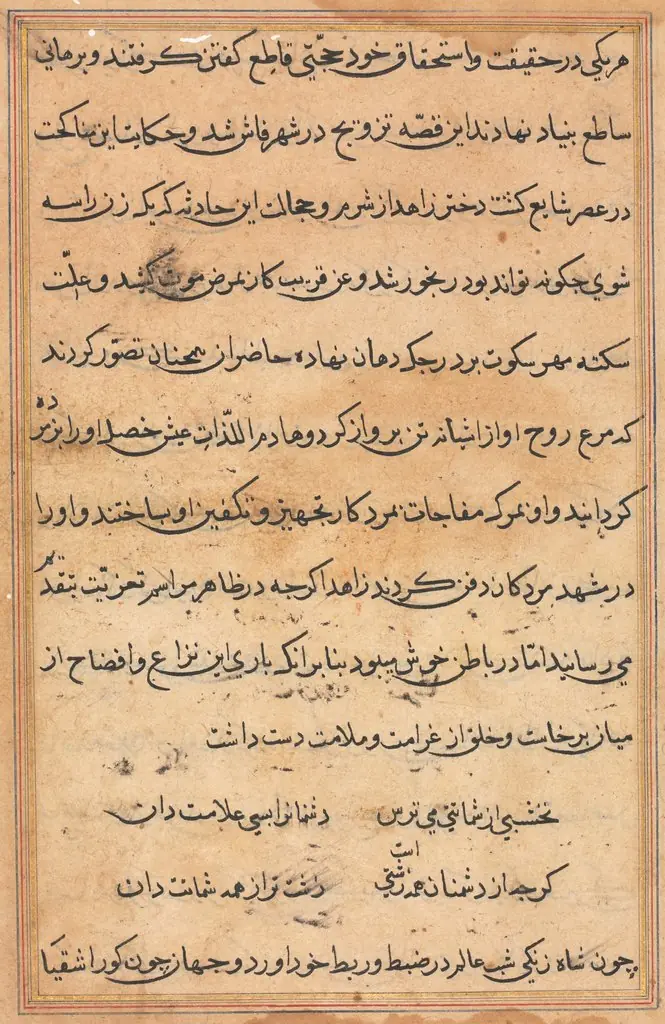 Page from Tales of a Parrot (Tuti-nama): text page
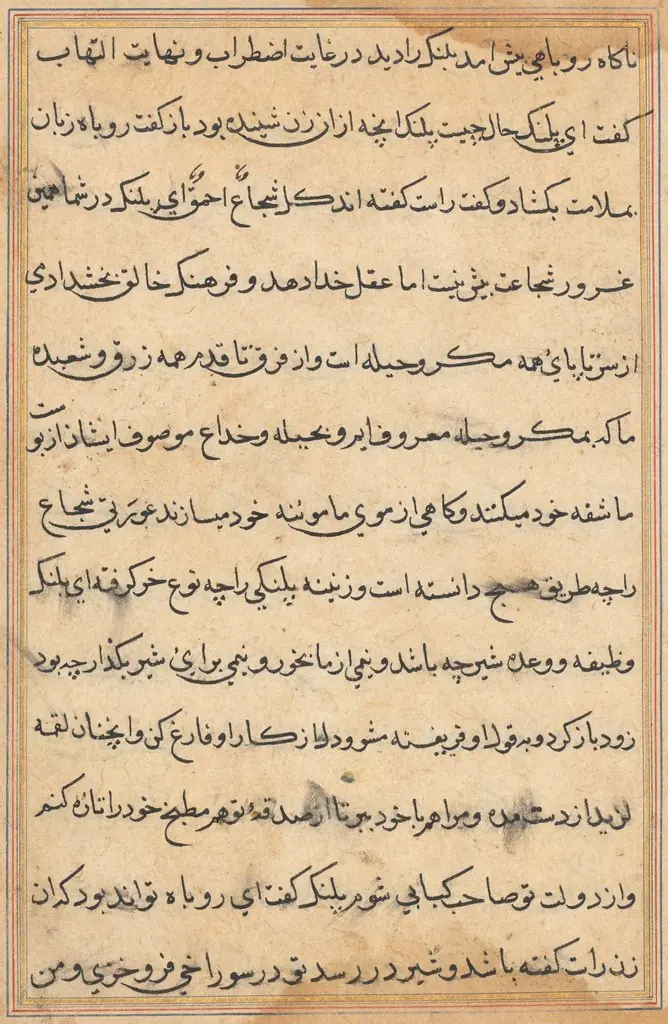 Page from Tales of a Parrot (Tuti-nama): text page
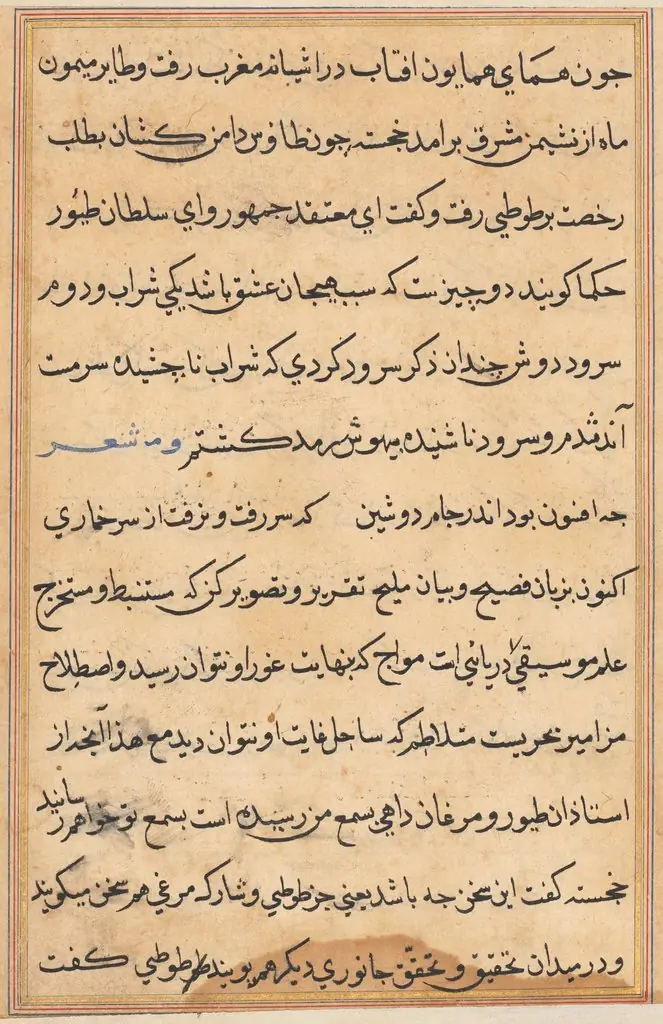 Page from Tales of a Parrot (Tuti-nama): text page
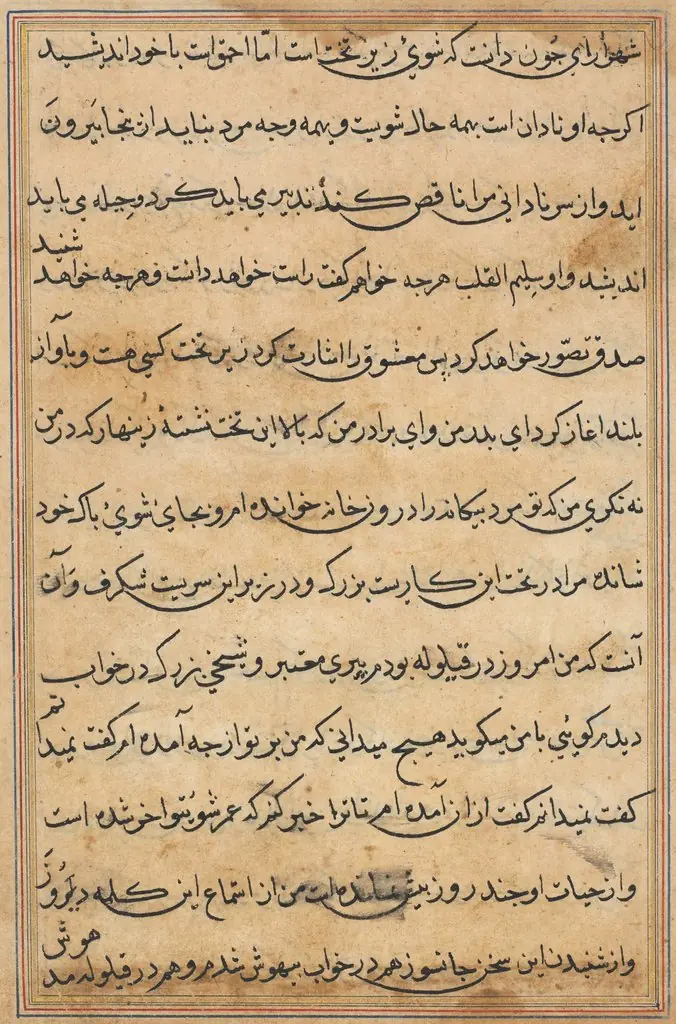 Page from Tales of a Parrot (Tuti-nama): text page
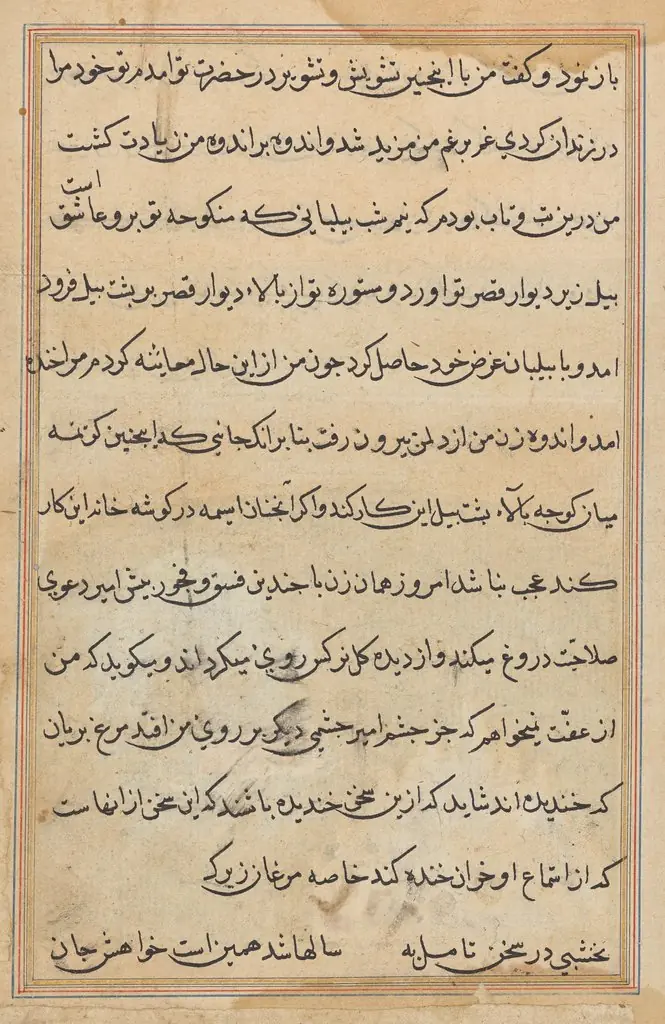 Page from Tales of a Parrot (Tuti-nama): text page
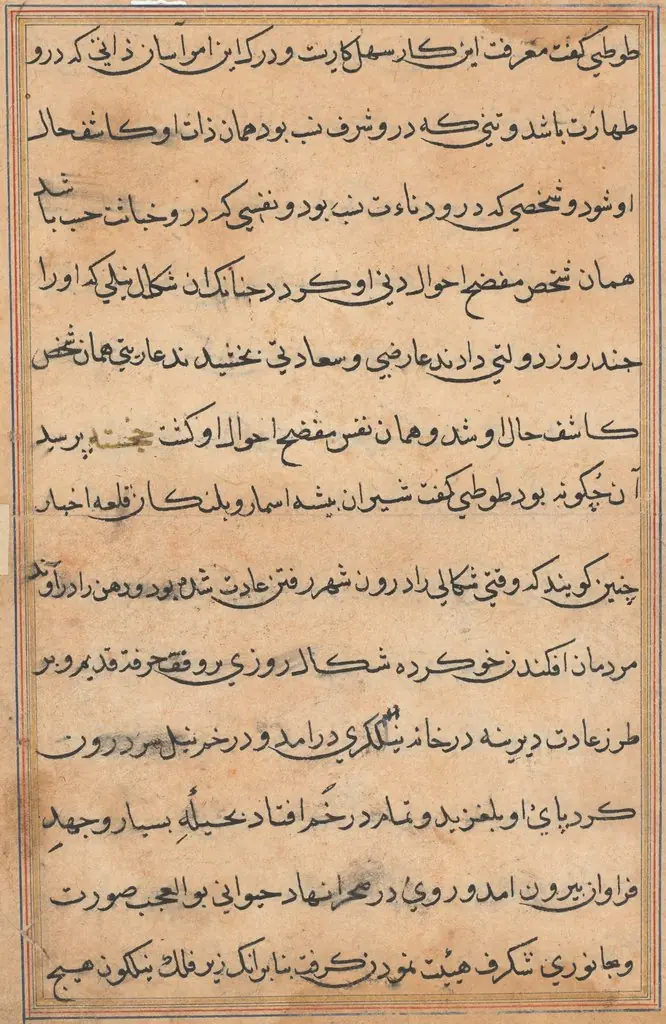 Page from Tales of a Parrot (Tuti-nama): text page
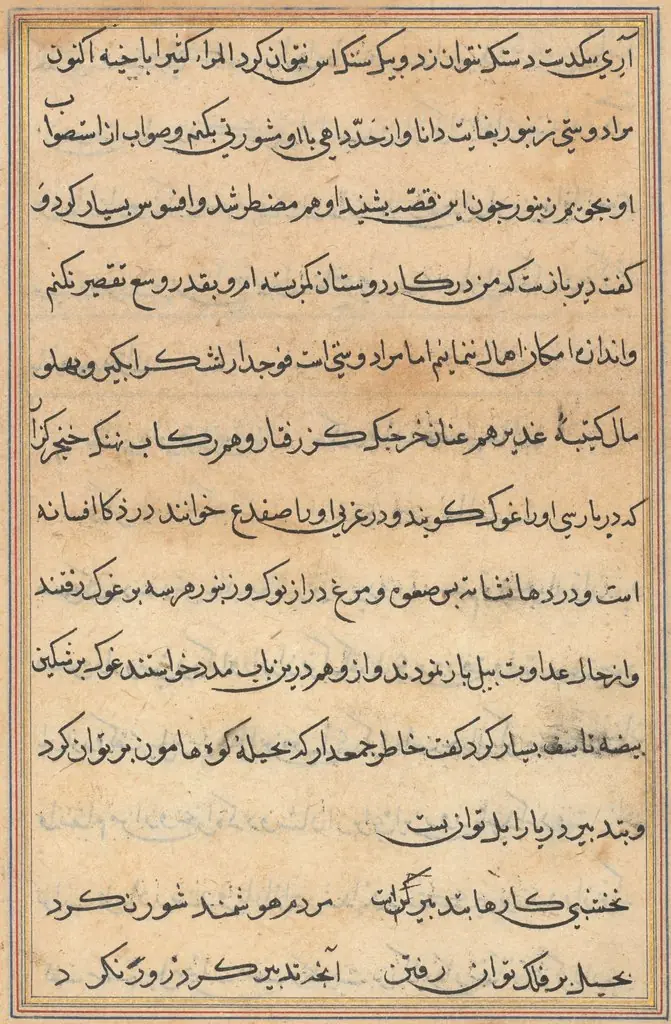 Page from Tales of a Parrot (Tuti-nama): text page
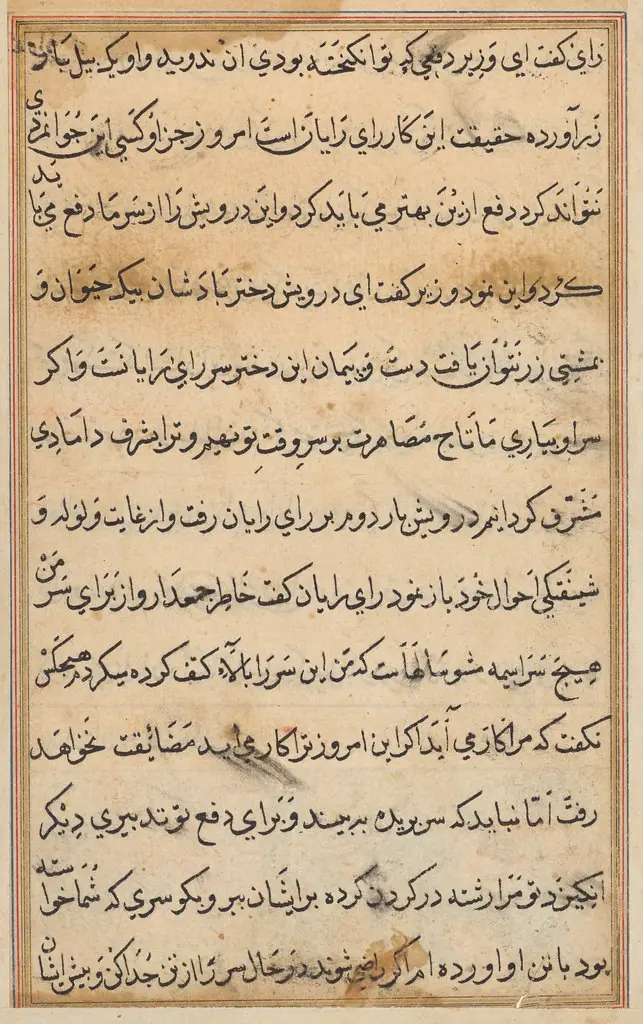 Page from Tales of a Parrot (Tuti-nama): text page
 Page from Tales of a Parrot (Tuti-nama): text page