Artwork
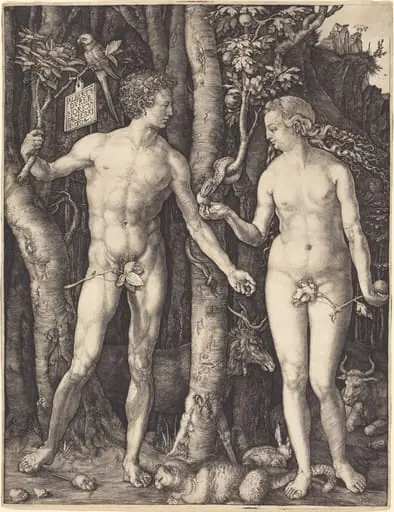
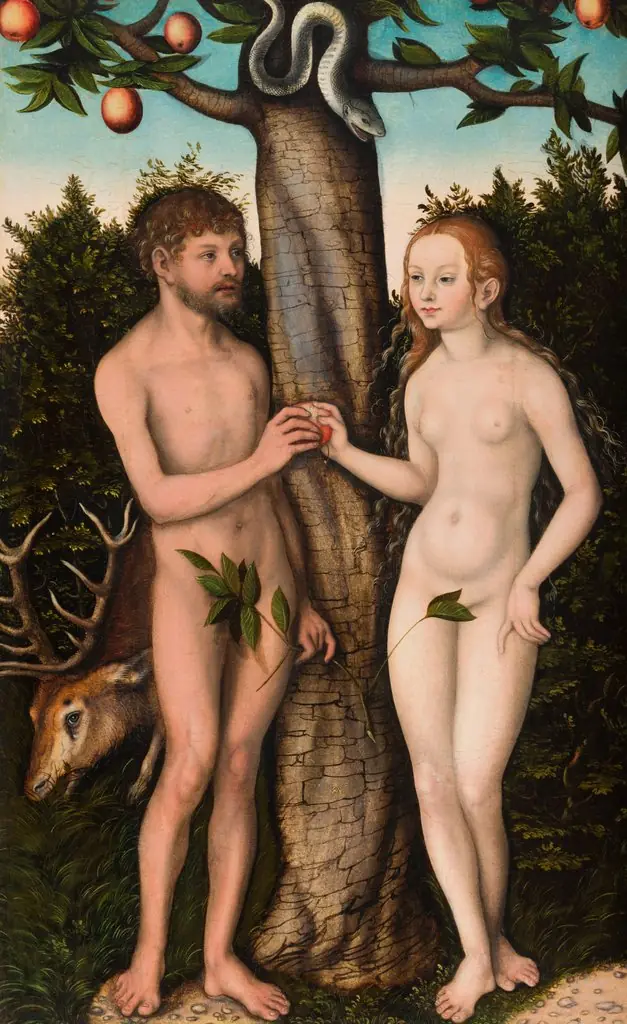
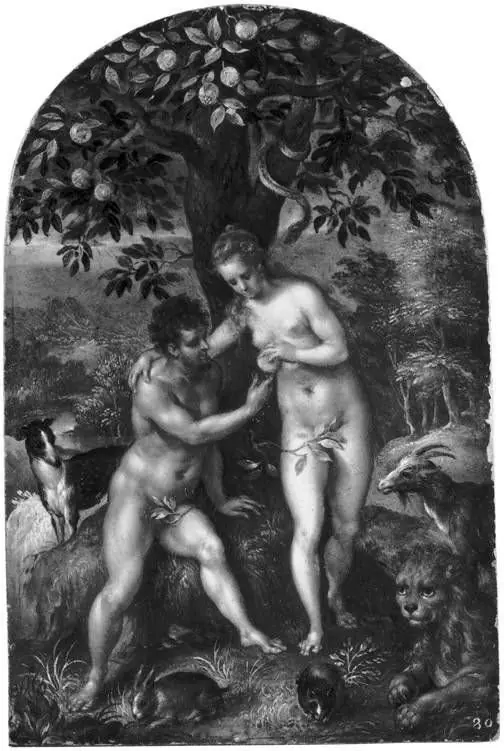
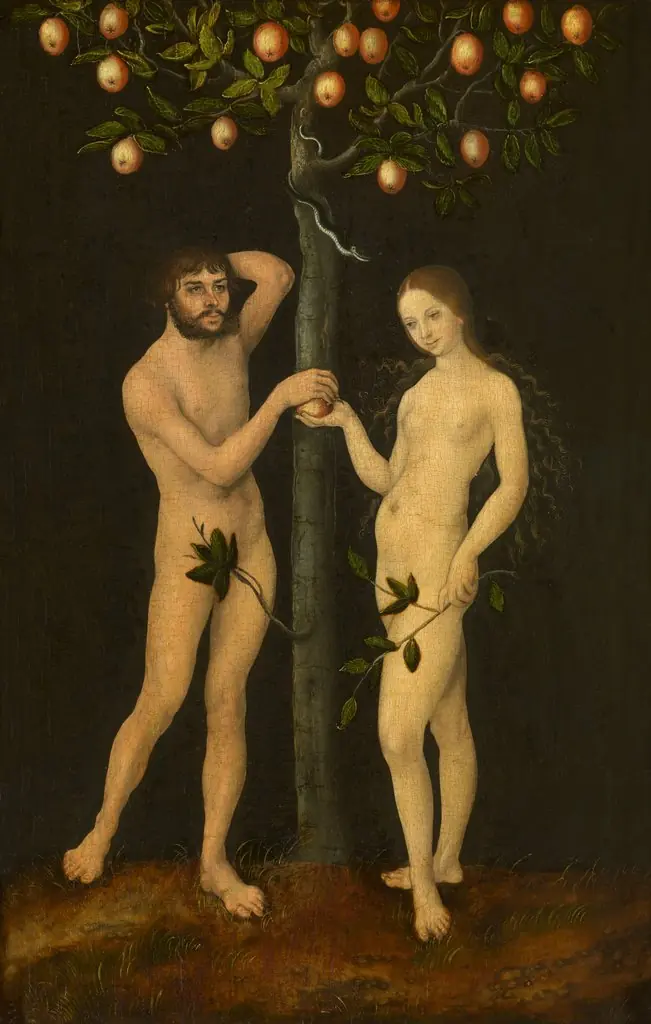
Adam and Eve
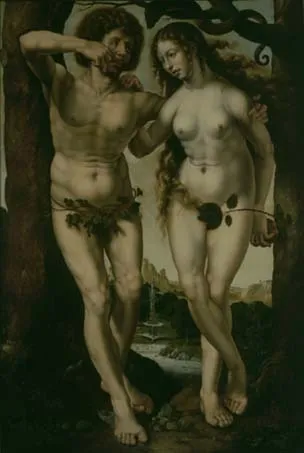
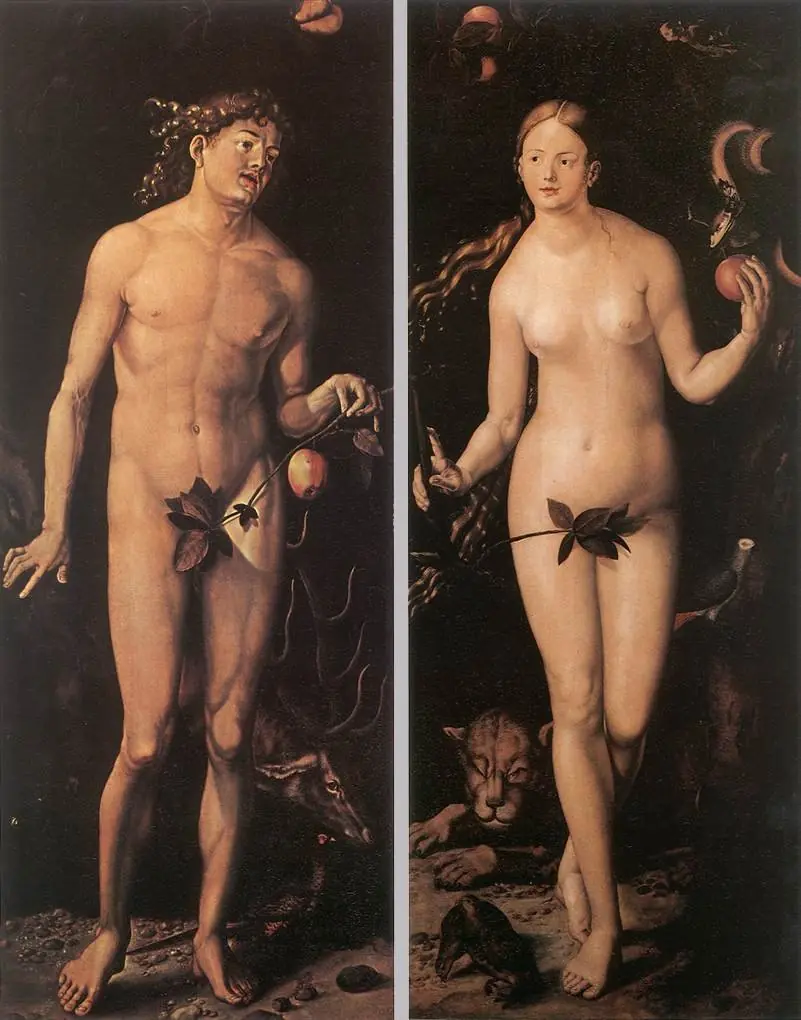
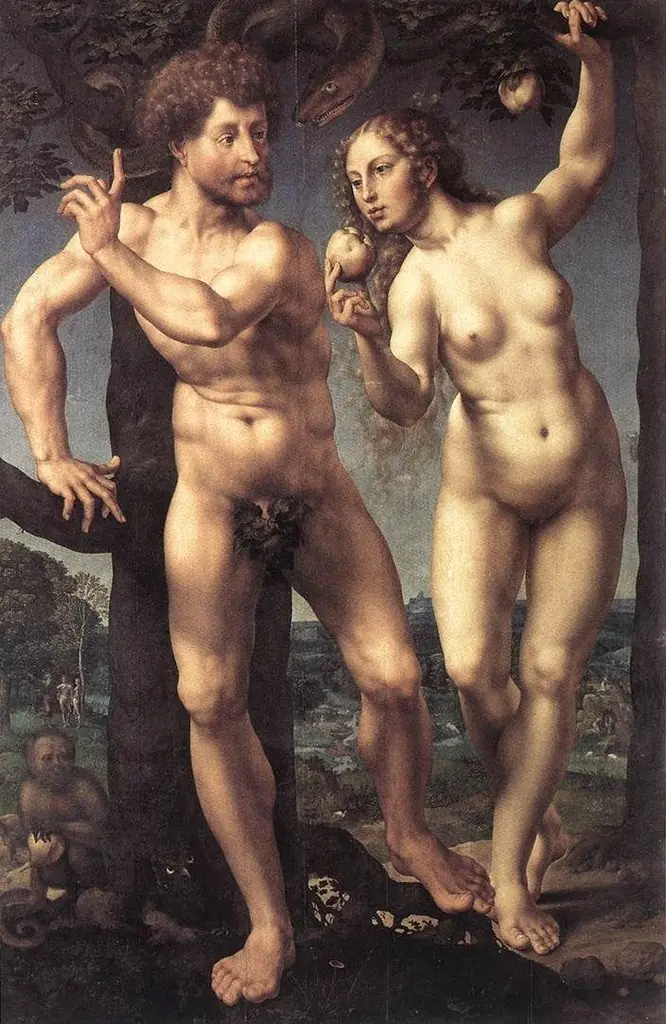
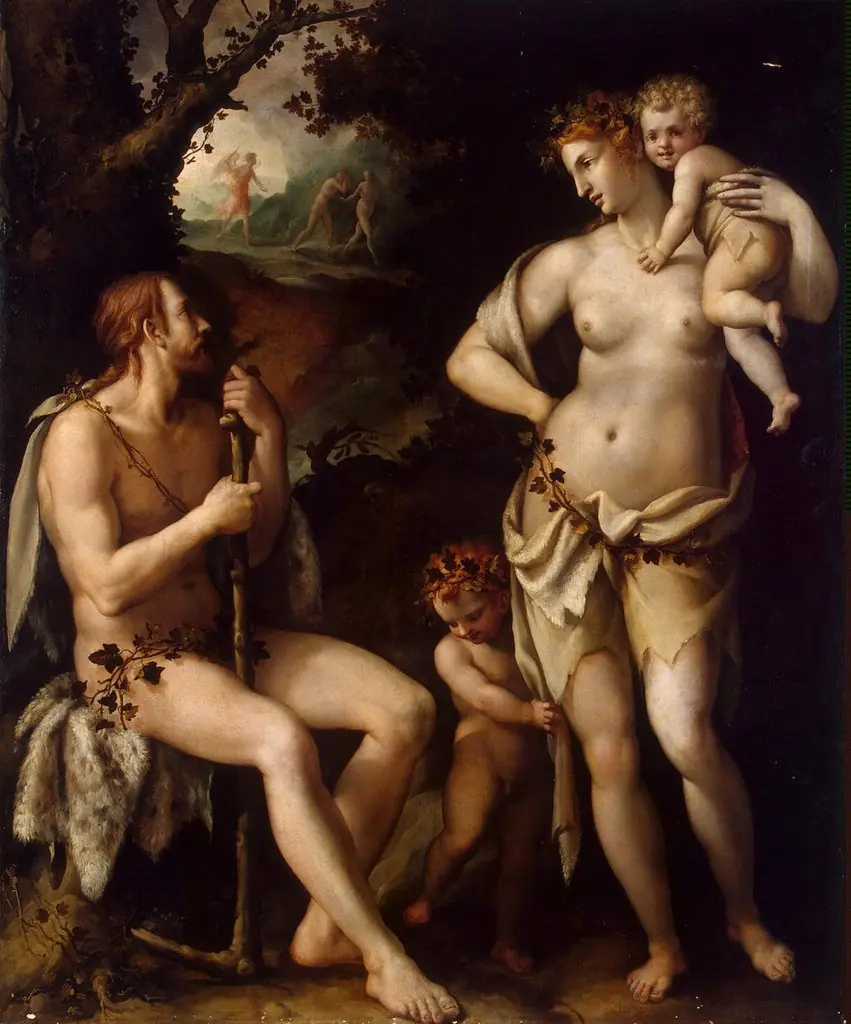
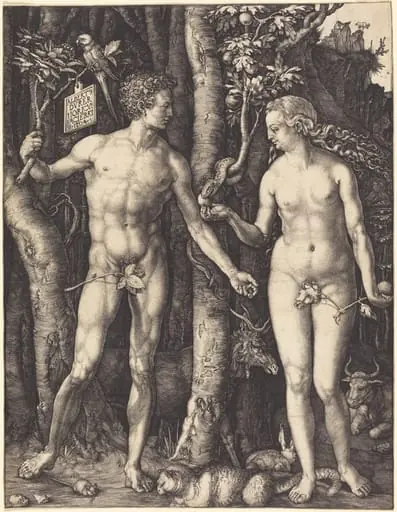
Adam and Eve is an oil painting by the Mannerist artist Unknown. It dates from 1549 and is held in the collection of the Royal Museums of Fine Arts of Belgium.
About this work
Overview
The work focuses on their human form and emotional state following their expulsion from Eden, capturing a moment of introspection rather than narrative action.
This oil painting depicts the biblical figures Adam and Eve, rendered in a traditional panel format common in early Northern Renaissance art. The work focuses on their human form and emotional state following their expulsion from Eden, capturing a moment of introspection rather than narrative action. The medium allows for subtle gradations of skin tone and texture, emphasizing the physicality of the figures.
Subject & Meaning
The scene portrays Adam and Eve after consuming the forbidden fruit, their postures conveying shame and awareness. Their nudity is not idealized but presented with psychological realism, reflecting the consequences of disobedience. The composition invites contemplation of human vulnerability and the loss of innocence, aligning with theological interpretations of the Fall as a turning point in human existence.
Technique & Style
Oil paint is applied with careful layering to achieve lifelike skin tones and detailed textures in hair, foliage, and fur. The figures are rendered with precise anatomical observation, while the background remains sparse, directing focus to their interaction. Light falls naturally across their forms, enhancing three-dimensionality without theatricality, characteristic of early Northern European realism.
History & Provenance
The painting likely originated in the early 16th century in the Low Countries, where religious subjects were commonly commissioned for private devotion. Its early ownership is undocumented, but stylistic analysis suggests ties to artists influenced by Dürer or van Eyck. It passed through private collections before entering a public institution, where it remains today as a study in early Reformation-era iconography.
Context
Created during a period of religious upheaval, the image reflects both Catholic devotional traditions and emerging Protestant emphasis on personal moral responsibility. The depiction avoids overt symbolism common in altarpieces, instead favoring quiet psychological depth. This shift mirrors broader trends in Northern art toward intimate, human-centered interpretations of sacred stories.
Legacy
The painting contributes to a broader tradition of Northern Renaissance depictions of Adam and Eve that prioritize emotional authenticity over allegorical grandeur. Its restrained composition and focus on human condition influenced later artists exploring themes of guilt, exile, and bodily awareness. It remains a quiet but significant example of how religious narratives were reimagined through individual experience.
Artist & collection

Museum
Royal Museums of Fine Arts of Belgium
Continue through works from the same source collection.
 Domestic Scene
 Giacomo and Cardinal Marco, investing Andrea, Abbot of San Zeno, with his Benefice
 The Nymph of Fontainebleau
 Portrait of a Woman
 Madonna and Child with Saints in the Enclosed Garden
 Venus and Minerva
 Family Group of Four on Sofa
 Wall painting from Room H of the Villa of P. Fannius Synistor at Boscoreale