Artwork
A Virgem Maria e o Menino Jesus com Santa Ana, São Joaquim e Doadora
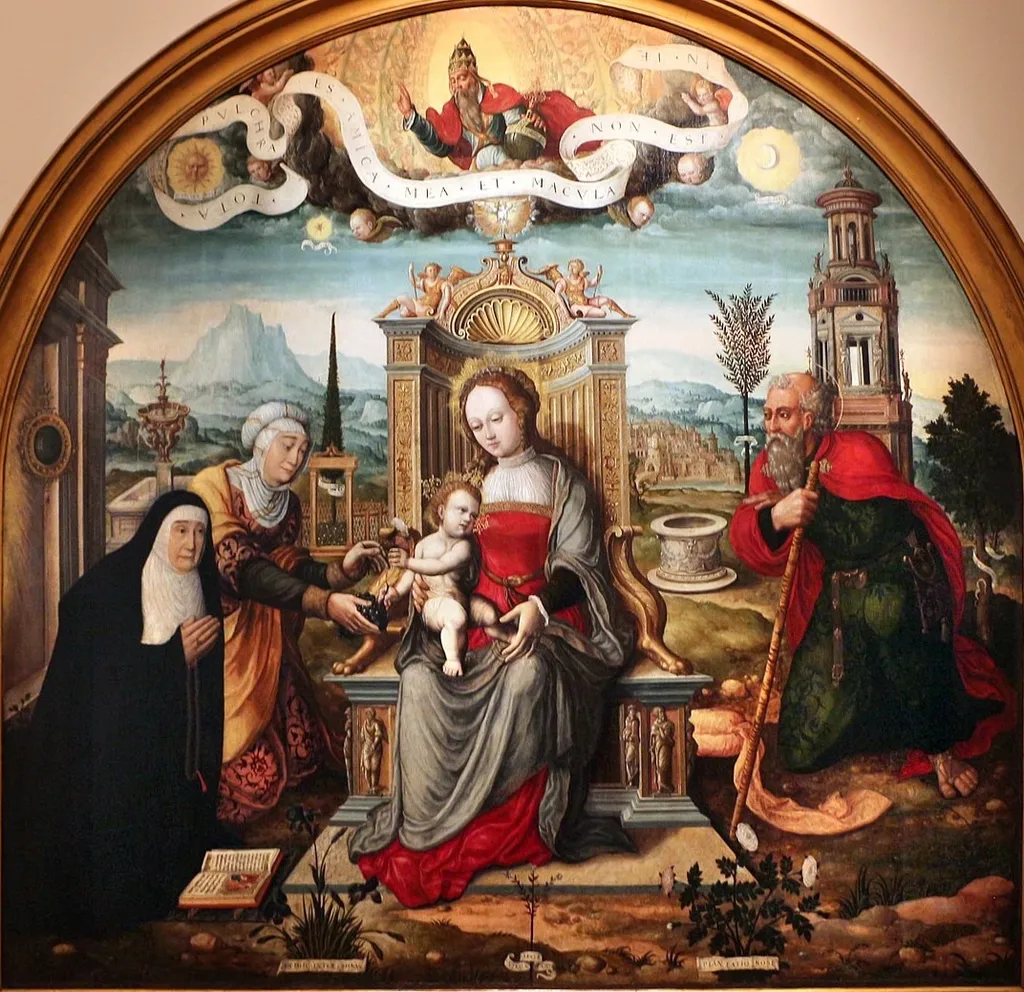
A Virgem Maria e o Menino Jesus com Santa Ana, São Joaquim e Doadora is an unspecified painting by the Early Baroque Italian artist Unknown. It dates from 1550 and is held in the collection of the National Museum of Ancient Art.
About this work
Overview
This painting portrays a sacred family scene, bringing together the Virgin Mary, the Infant Jesus, Saint Anne, Saint Joachim, and a donor figure. The composition is characterized by a prominent use of chiaroscuro, which enhances the depth and three-dimensionality of the figures.
Subject & Meaning
The scene honors the Holy Family's lineage, with Mary and Jesus at the center, flanked by Mary's parents, Saint Anne and Saint Joachim, symbolizing familial piety and religious heritage. A donor, likely the commissioning patron, is included, indicating a personal devotion or spiritual aspiration.
Technique & Style
The artist employs chiaroscuro to direct the viewer's gaze towards the central figures, creating a sense of intimacy and emphasizing their spiritual significance. The contrast between light and dark also adds volume to the forms, contributing to a sense of realism.
History & Provenance
Unfortunately, specific details regarding the painting's creation date, artist, and ownership history are not provided in the available information.
Context
The work reflects the Renaissance interest in depicting religious themes with increased realism and emotional depth, common in European art of the time. The inclusion of a donor suggests a private commission, possibly for a chapel or personal chapel.
Legacy
While the painting's impact on the broader art historical canon is not detailed here, its style and technique place it within the tradition of Renaissance religious art, continuing the legacy of using art to convey spiritual themes and patronage.
Artist & collection

 Domestic Scene
 Giacomo and Cardinal Marco, investing Andrea, Abbot of San Zeno, with his Benefice
 The Nymph of Fontainebleau
 Portrait of a Woman
 Madonna and Child with Saints in the Enclosed Garden
 Venus and Minerva
 Family Group of Four on Sofa
 Wall painting from Room H of the Villa of P. Fannius Synistor at Boscoreale
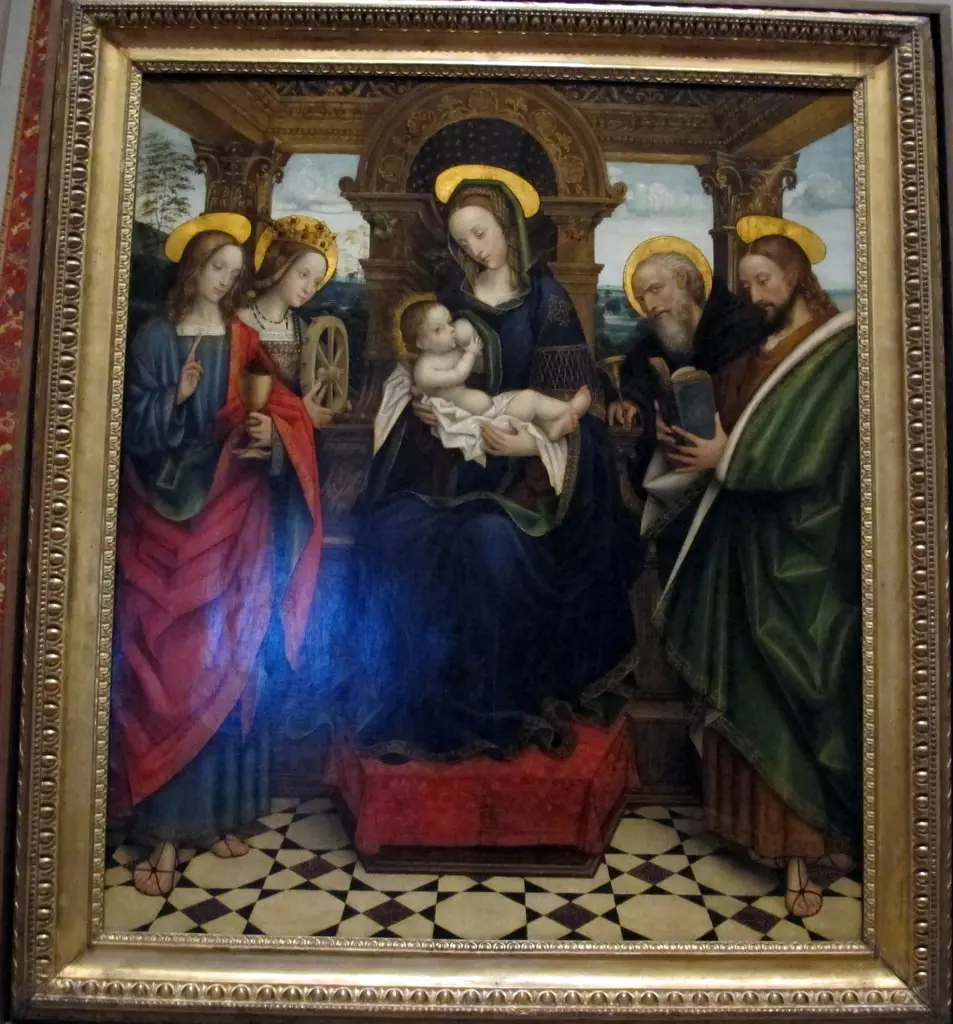 Enthroned Virgin and Child, with Saints John the Evangelist, Catherine of Alexandria, and Anthony Abbot, and a Saint Reading a Book
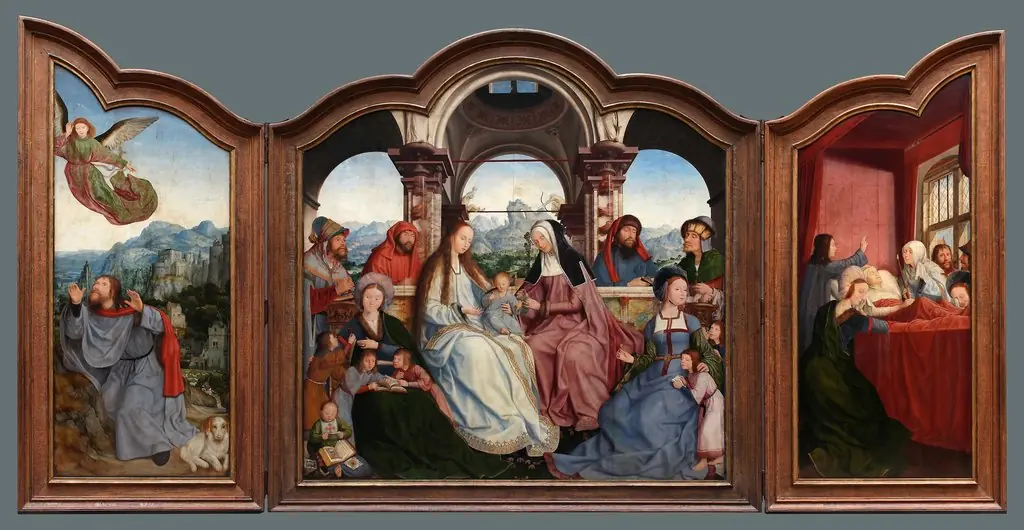 St Anne Altarpiece
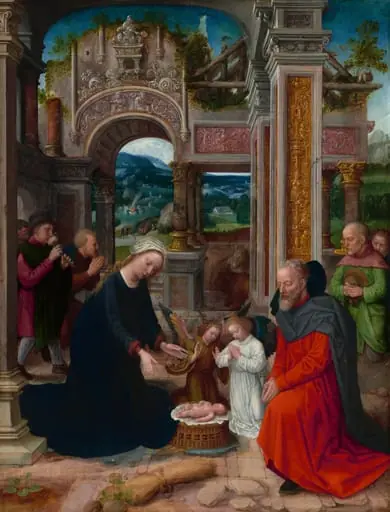 The Adoration of the Shepherds
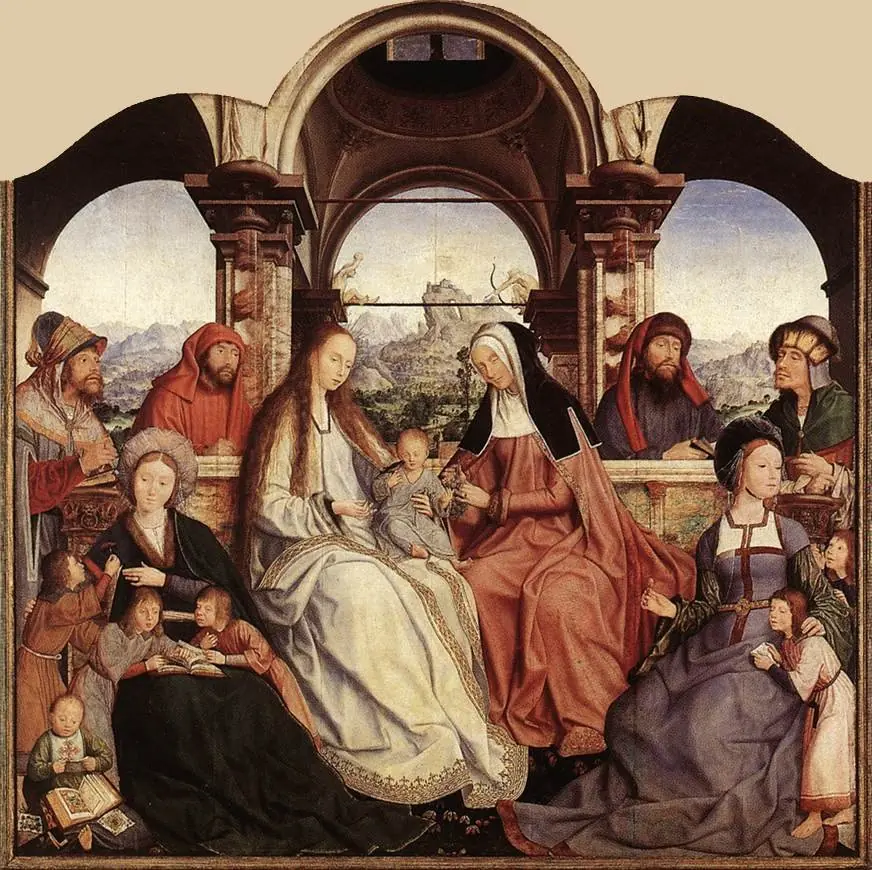 De H. Maagschap
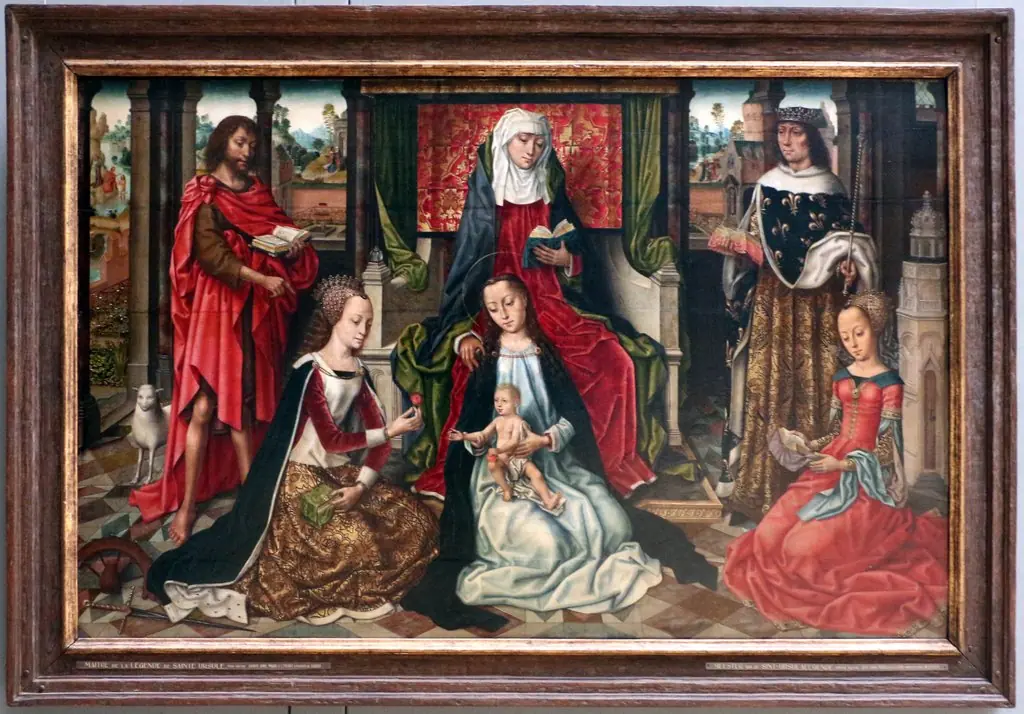 Saint Anne with the Virgin and Child and four saints (John the Baptist, Louis IX, Catherine and Barbara)
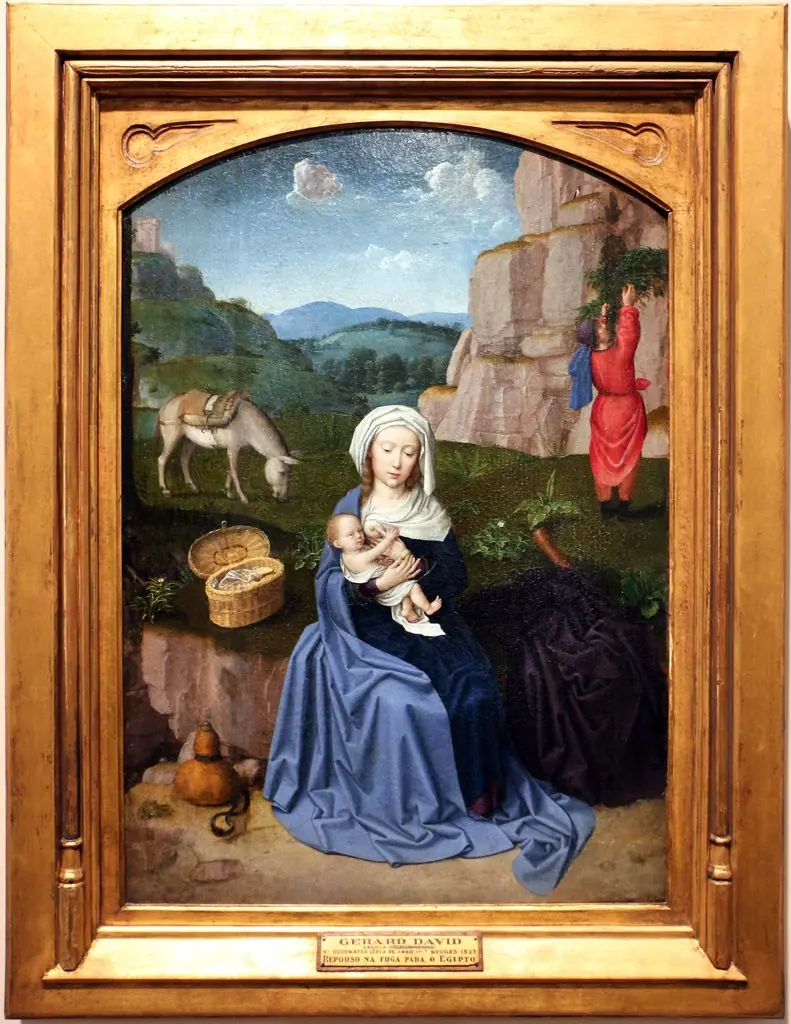 Rest on the Flight into Egypt
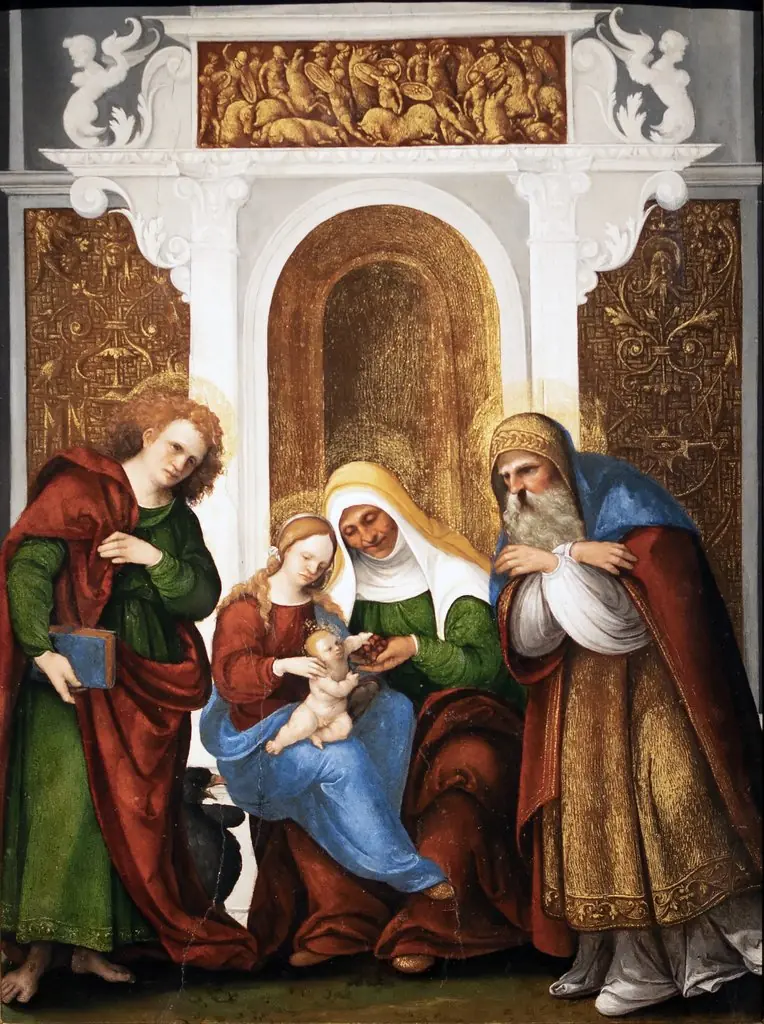 Madonna with Child and Saints
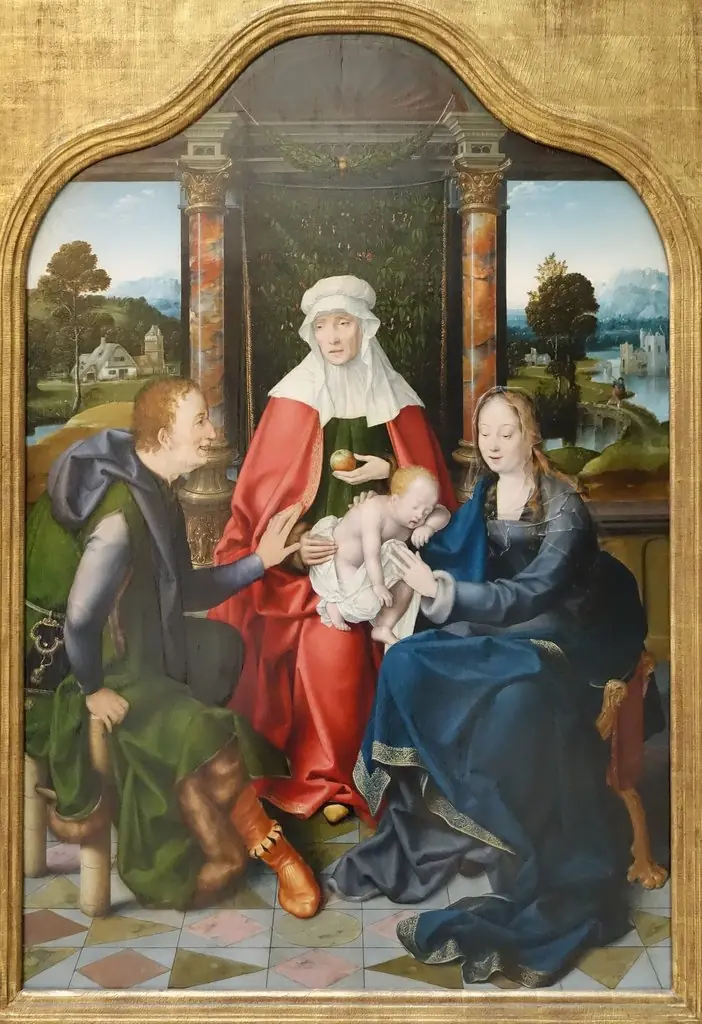 Virgin and Child with Saints Anne and Joachim
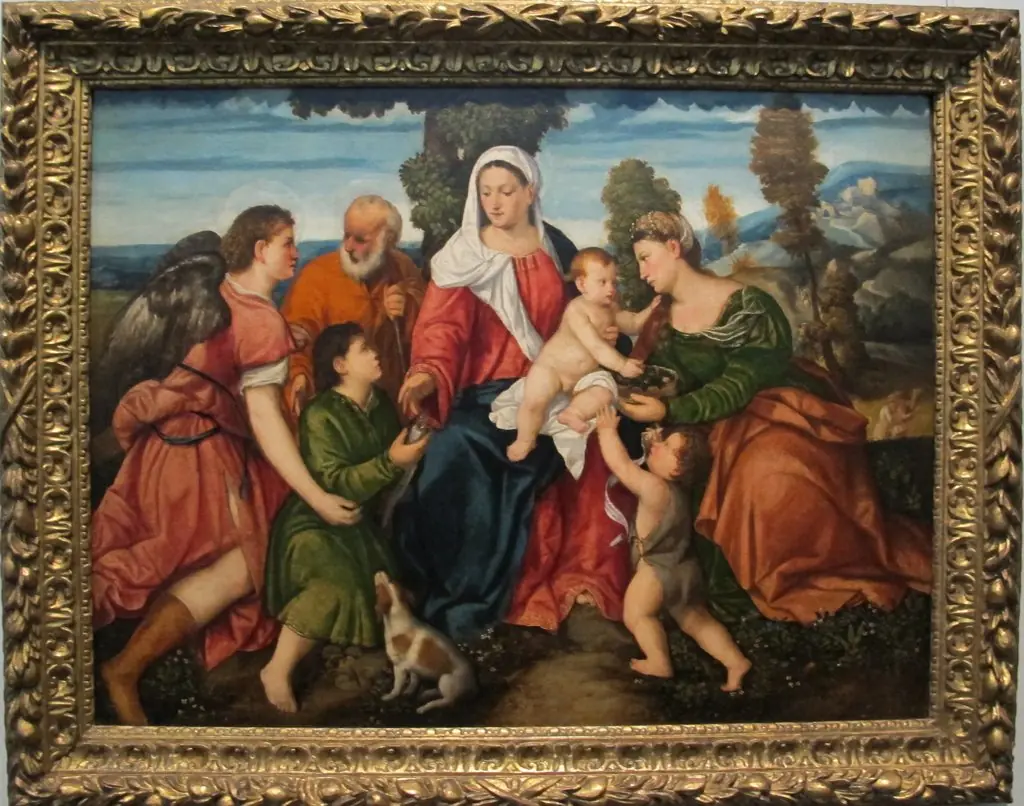 The Holy Family with Tobias and the Angel, Sts. Dorothy, and Infant John the Baptist
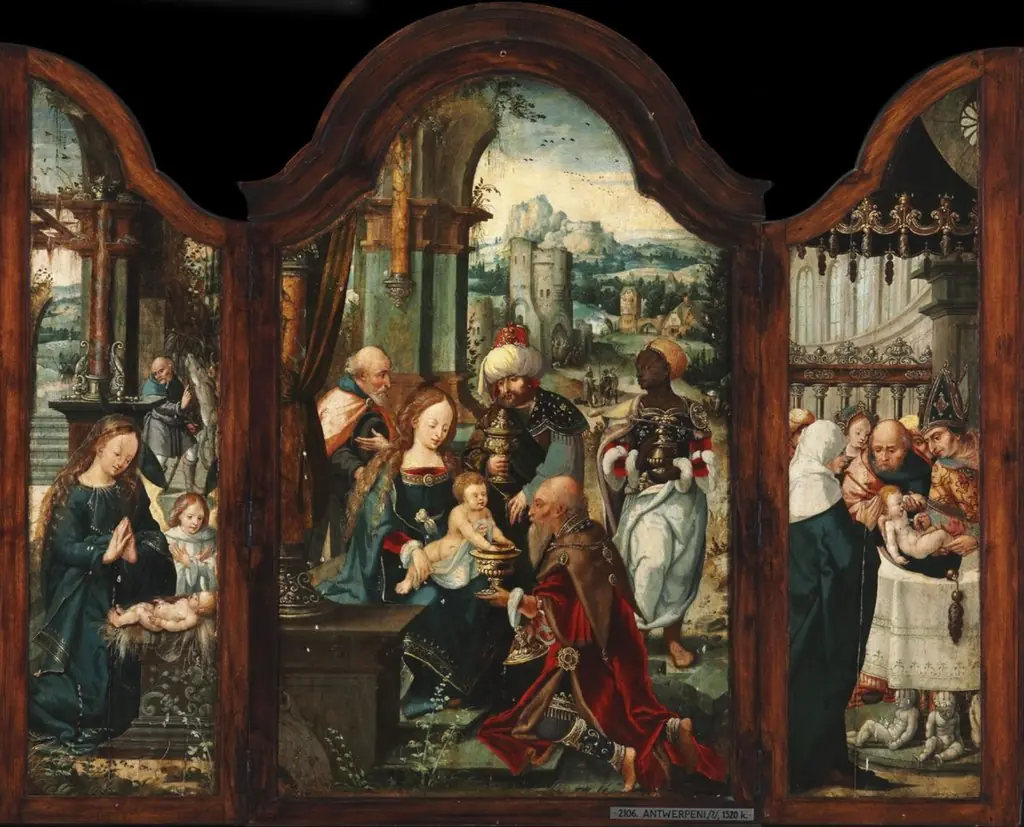 Triptych. Central panel: The Adoration of the Magi; left wing: The Nativity; right wing: The Circumcision
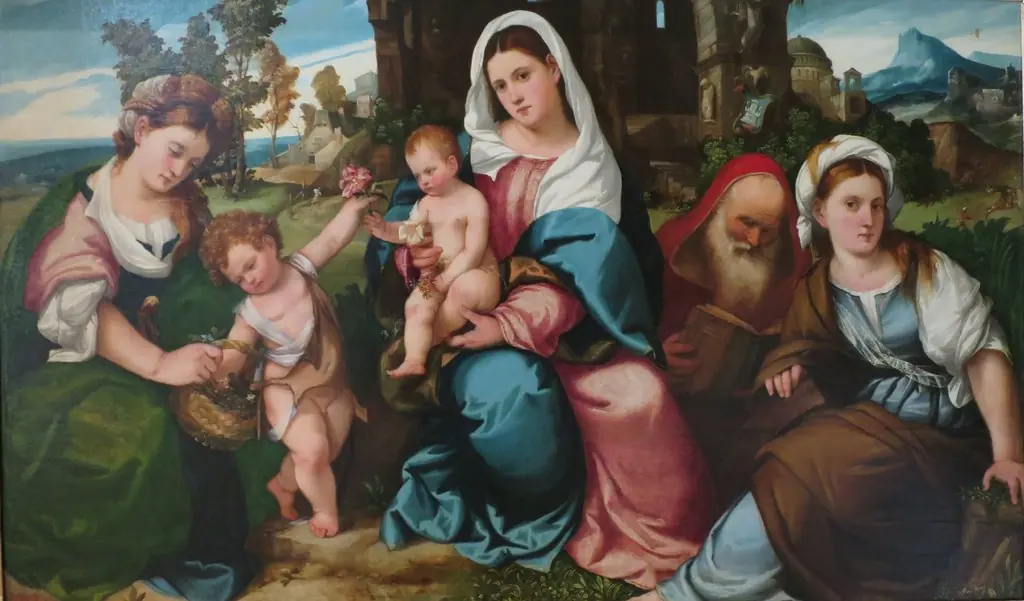 Madonna and Child with St Catherine, St John the Baptist, St Dorotea and St Anthony the Abbot
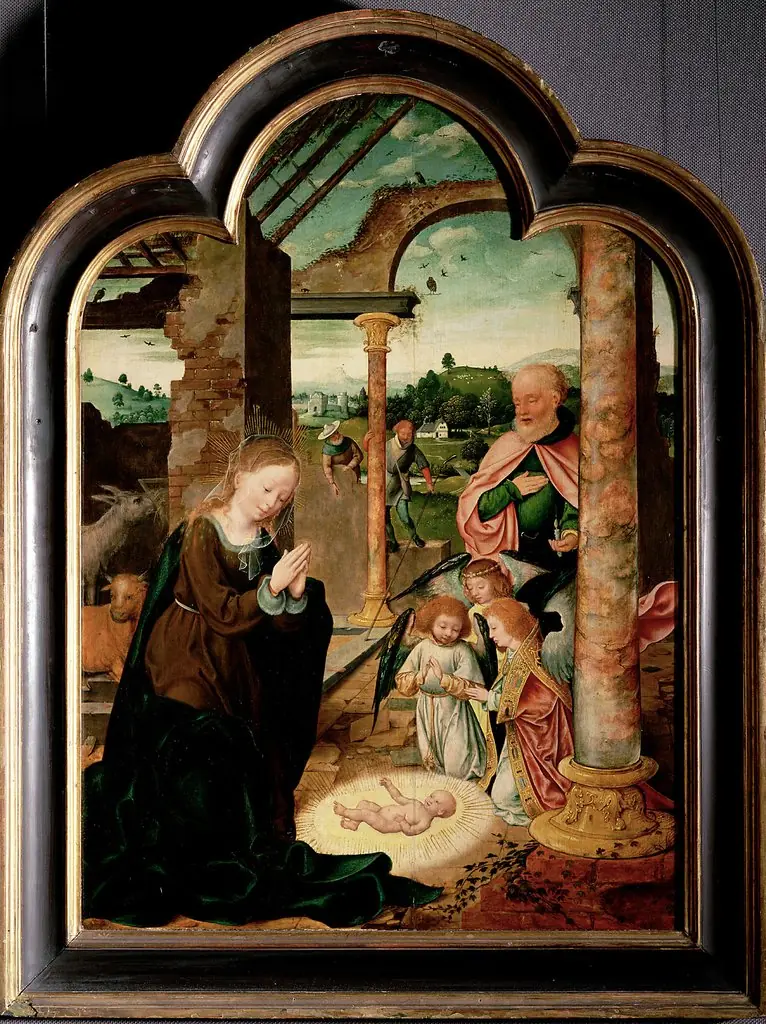 The Birth of Christ