Artwork
Esther and Ahasuerus
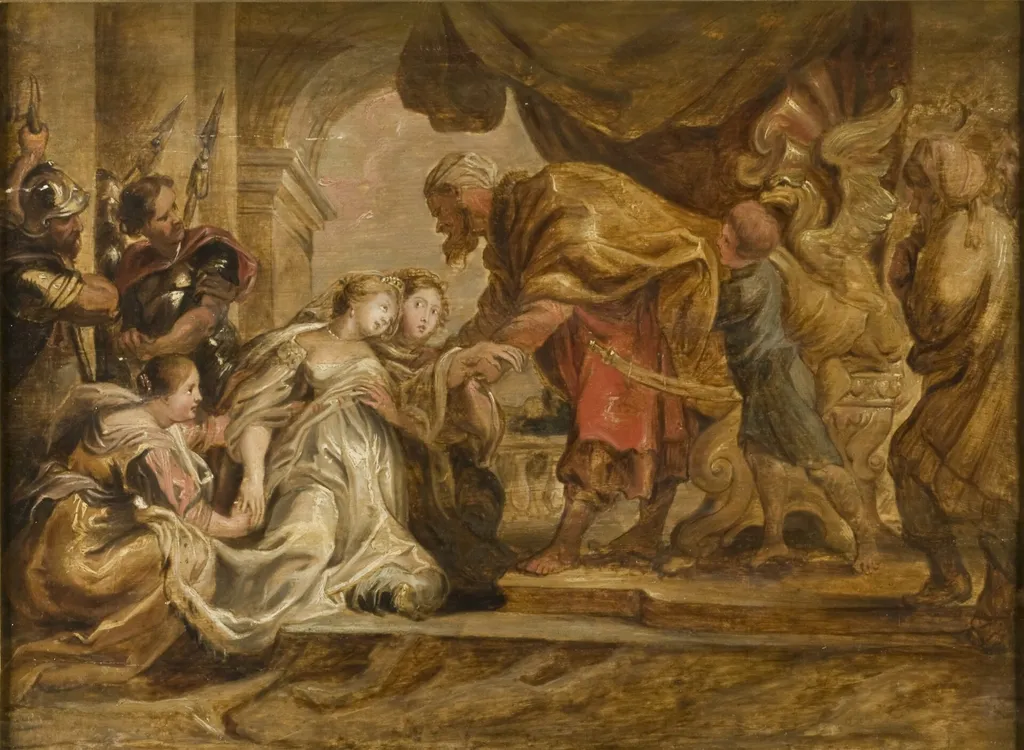
Esther and Ahasuerus is an oil painting by the Rococo painting artist Unknown. It dates from 1712 and is held in the collection of the Nationalmuseum.
About this work
Overview
Esther and Ahasuerus is an oil painting that captures a pivotal moment from the biblical narrative. The composition centers on a woman in a silver gown kneeling before a regal figure seated on a raised platform. He is clad in a red robe, holds a golden staff, and is surrounded by soldiers and ethereal angels, all rendered with dramatic contrasts of light and shadow.
Subject & Meaning
The work depicts the moment when Queen Esther pleads with King Ahasuerus, a scene symbolic of intercession and political courage. Her urgent gesture and the king’s composed posture suggest a dynamic of supplication and authority, emphasizing themes of loyalty, destiny, and divine oversight through the presence of angels.
Technique & Style
Executed in oil, the painting employs chiaroscuro to heighten the emotional intensity. Strong illumination isolates the central figures, while surrounding darkness recedes, creating depth and focus. The rich fabrics—silver for Esther, red for Ahasuerus—are rendered with meticulous brushwork that captures texture and movement.
History & Provenance
The artwork is catalogued simply as a painting titled Esther and Ahasuerus, with no further documented provenance or exhibition history provided in the source material.
Context
Set within the tradition of biblical illustration, the piece aligns with a lineage of religious narratives rendered for devotional or didactic purposes. Its visual language—dramatic lighting, hierarchical composition, and inclusion of celestial beings—reflects conventions common to Baroque-inspired religious art.
Artist & collection

 Domestic Scene
 Giacomo and Cardinal Marco, investing Andrea, Abbot of San Zeno, with his Benefice
 The Nymph of Fontainebleau
 Portrait of a Woman
 Madonna and Child with Saints in the Enclosed Garden
 Venus and Minerva
 Family Group of Four on Sofa
 Wall painting from Room H of the Villa of P. Fannius Synistor at Boscoreale
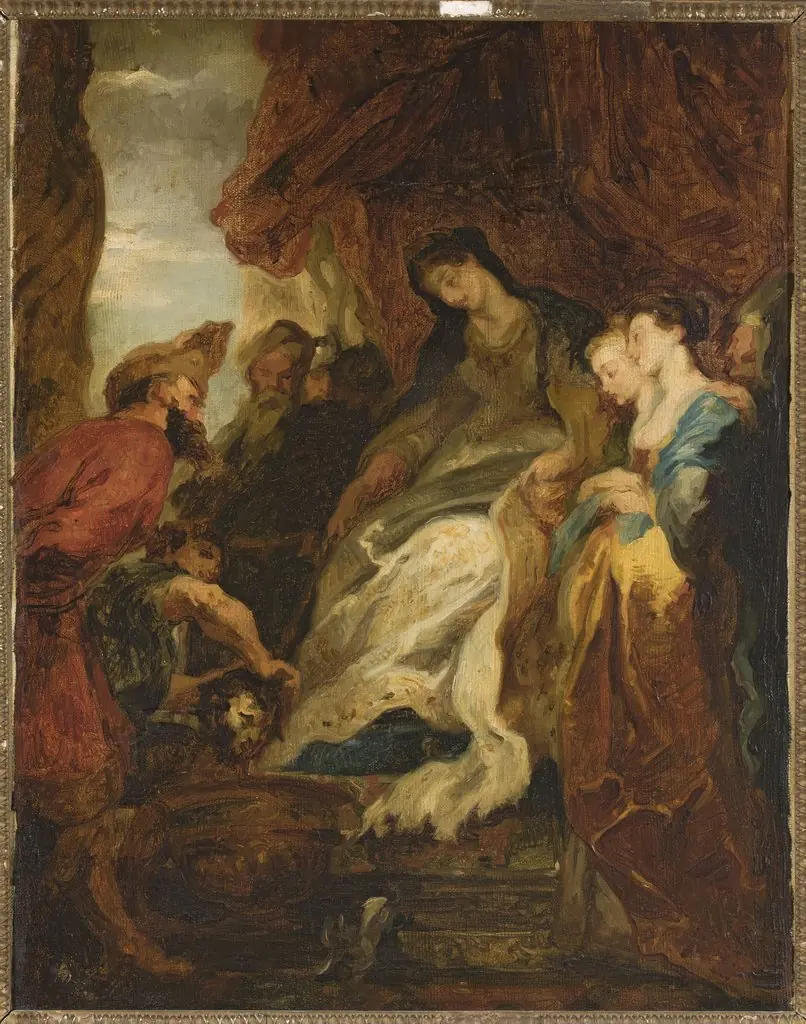 Tomyris ordering to immerse the head of Cyrus in a bowl of blood (Herodotus, Histories, I, 214)
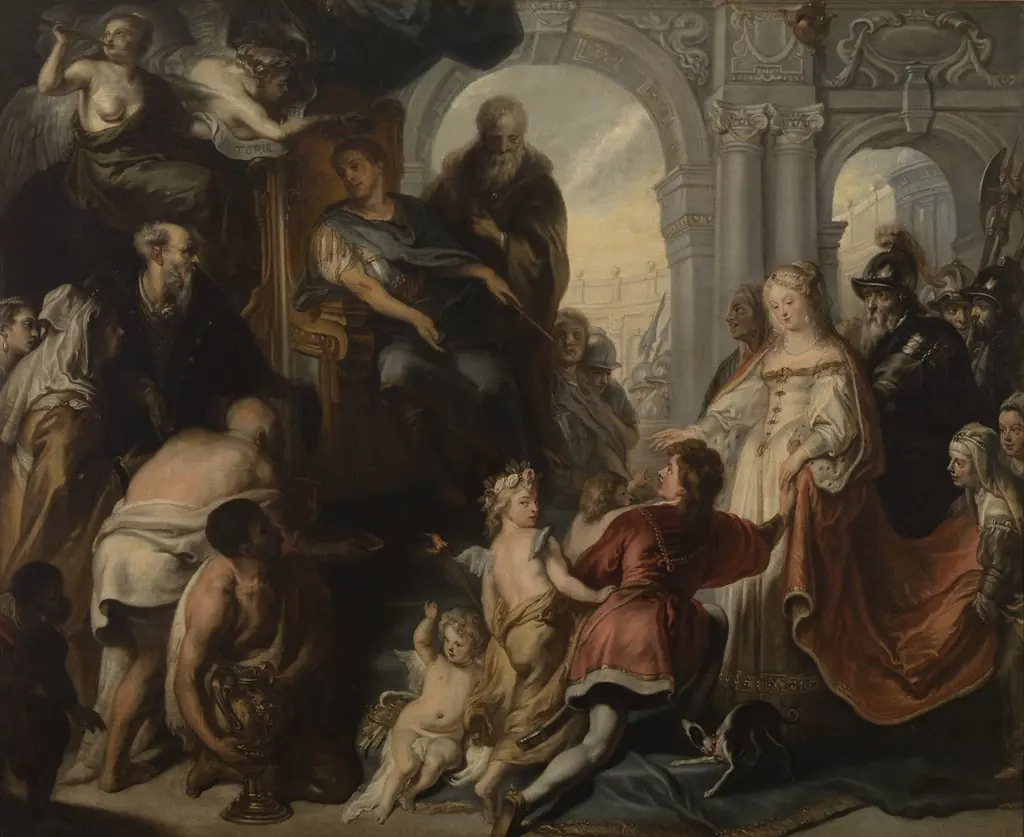 The Continence of Scipio Africanus
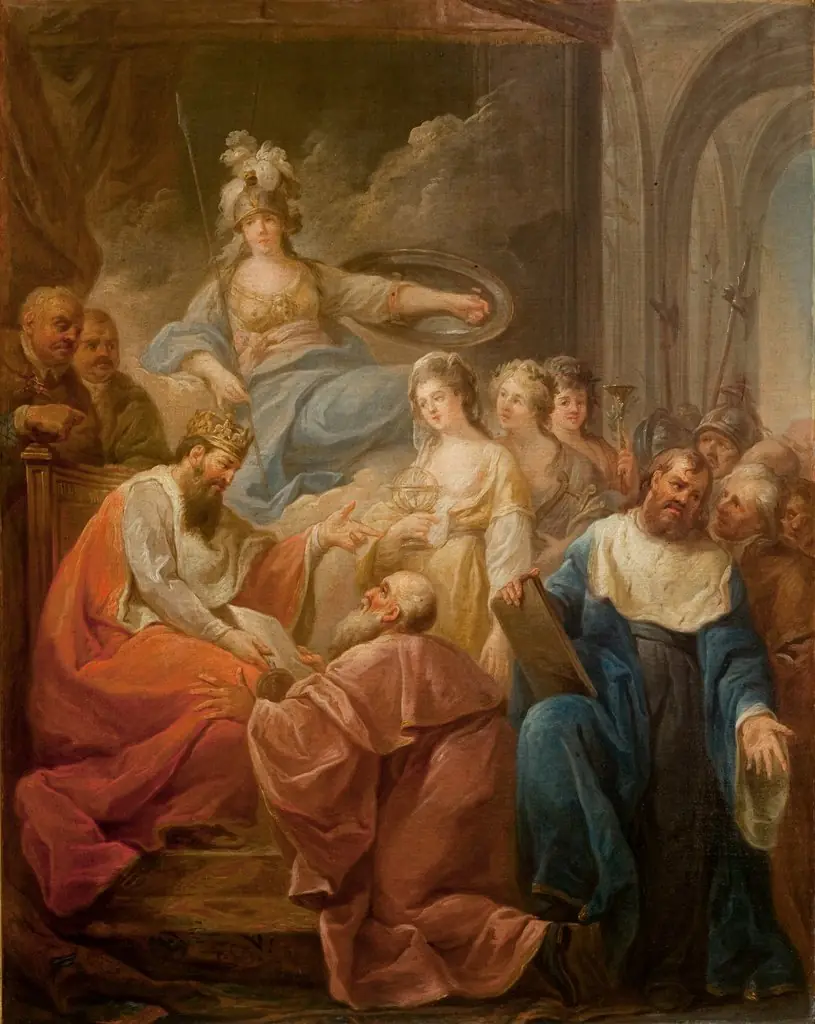 Granting of Privileges to Academy of Krakow
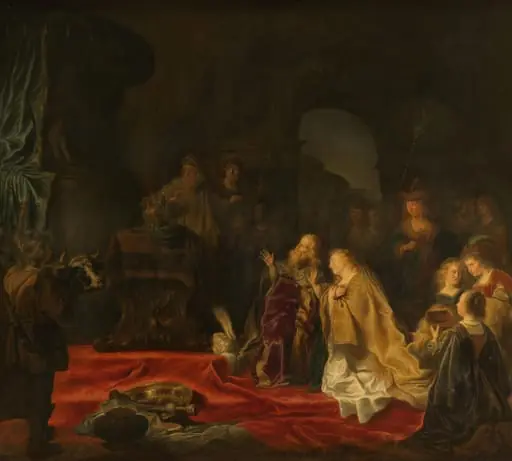 Untitled
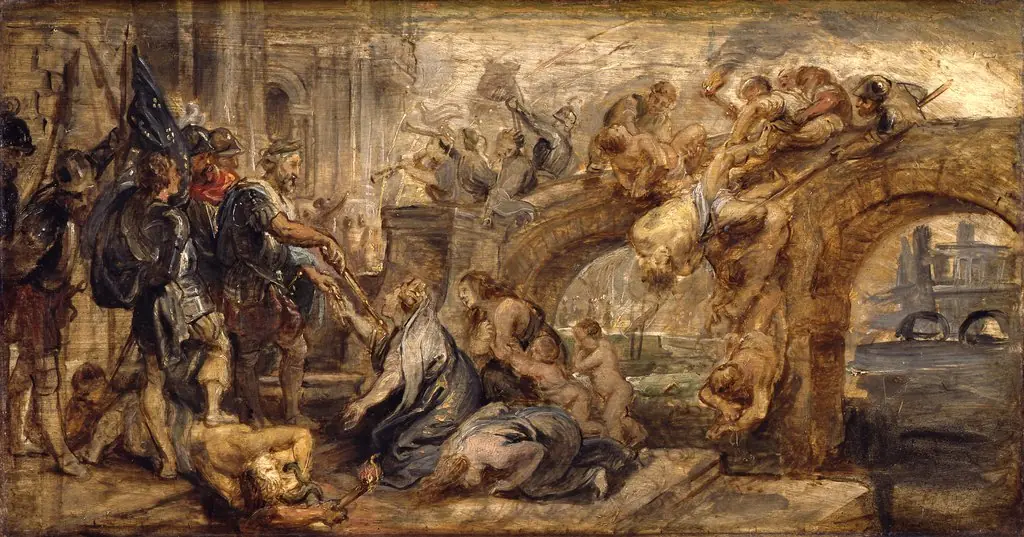 The Entry in Paris by Henry IV
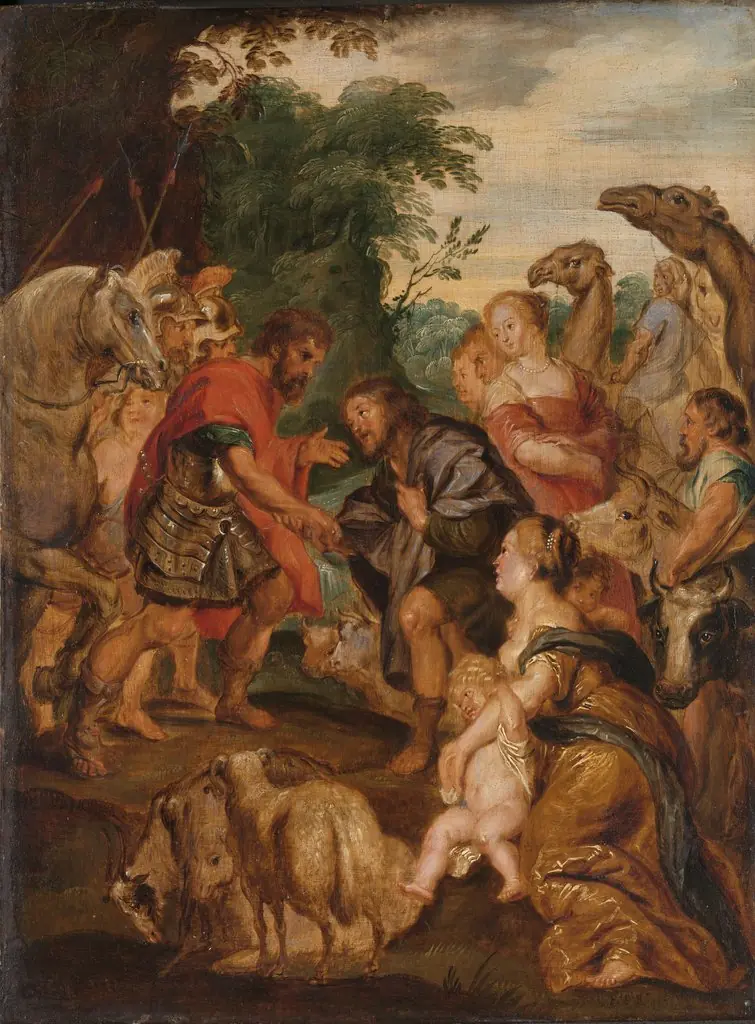 The reconciliation of Jacob and Esau
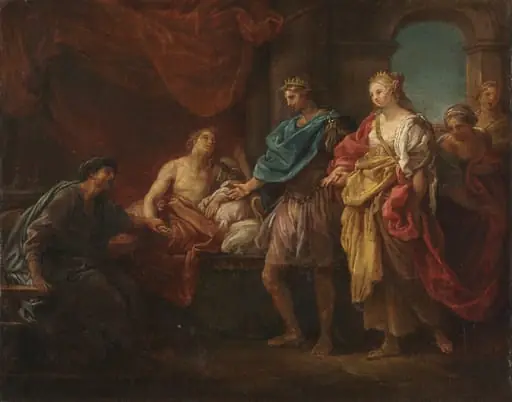 Study for "Antiochus and Stratonice"
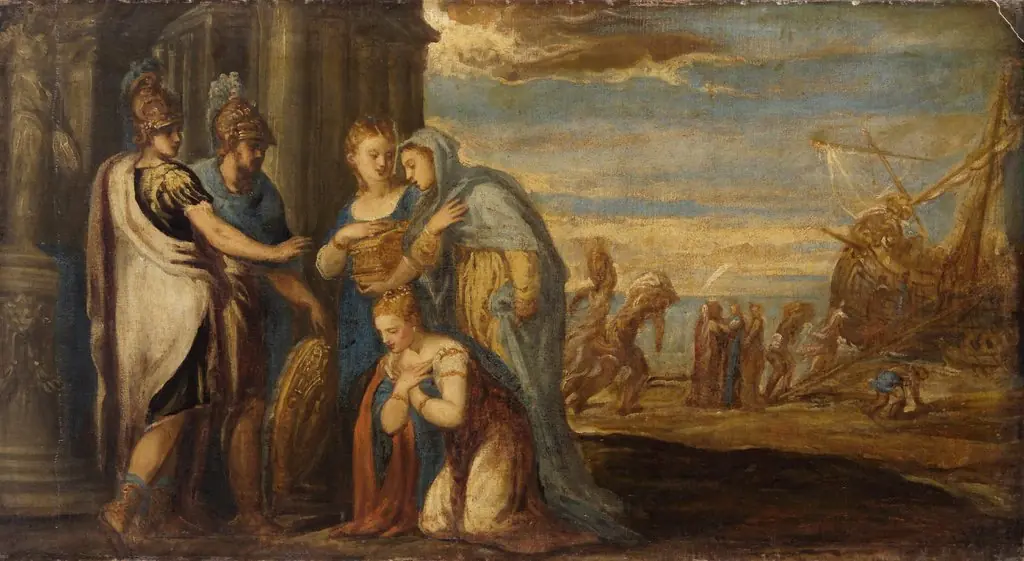 Aeneas Takes Leave of Dido
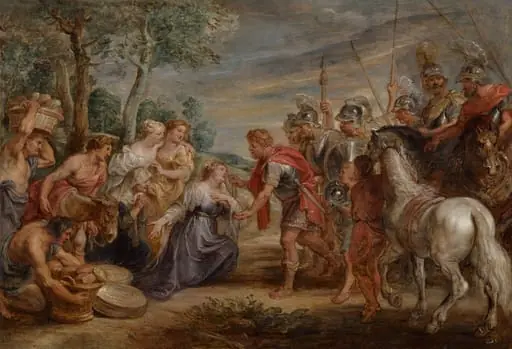 The Meeting of David and Abigail
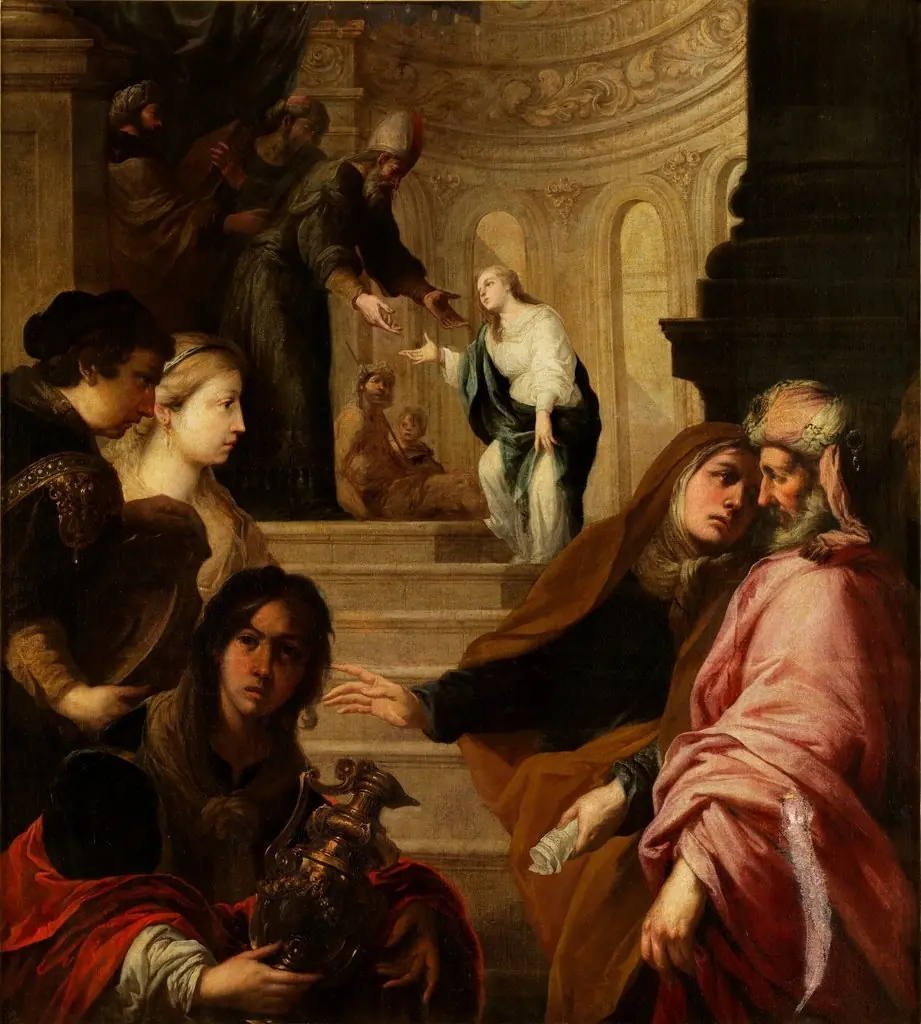 La Presentación de la Virgen en el Templo