Artwork
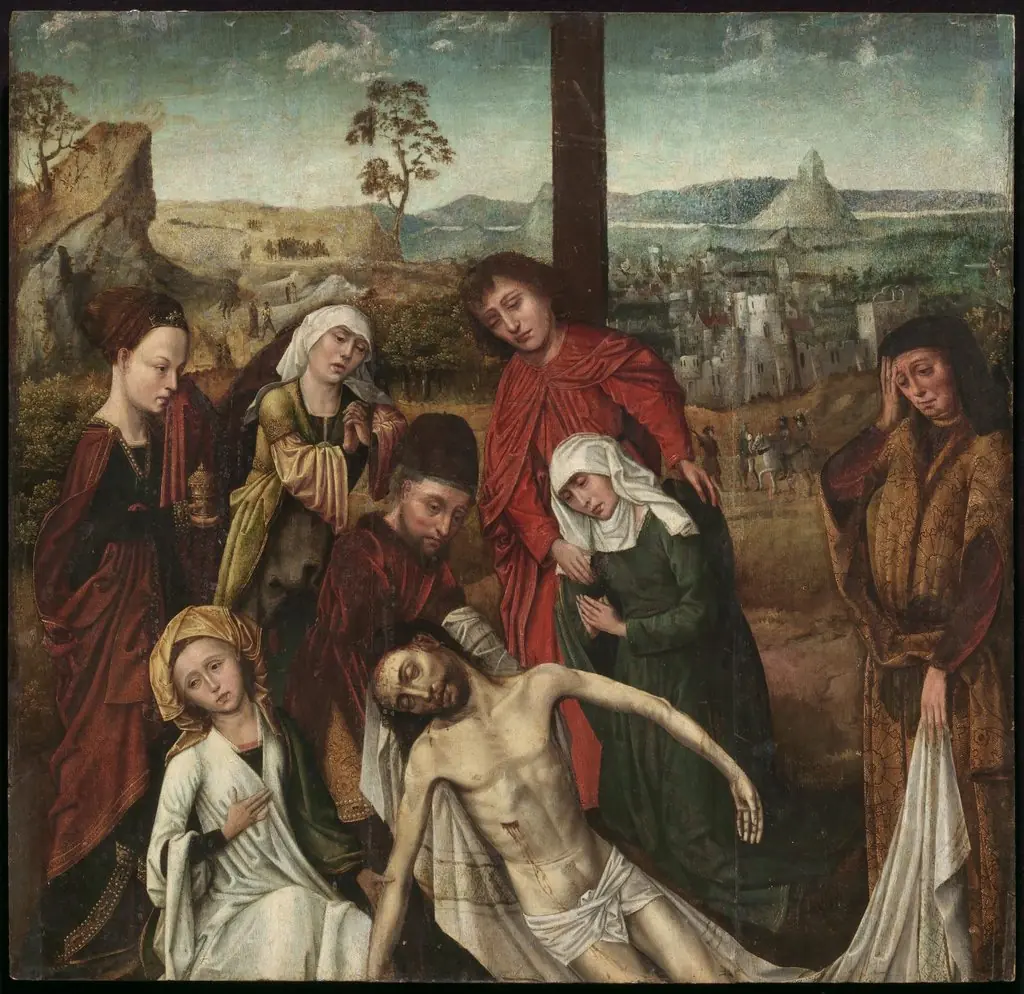
The Deposition
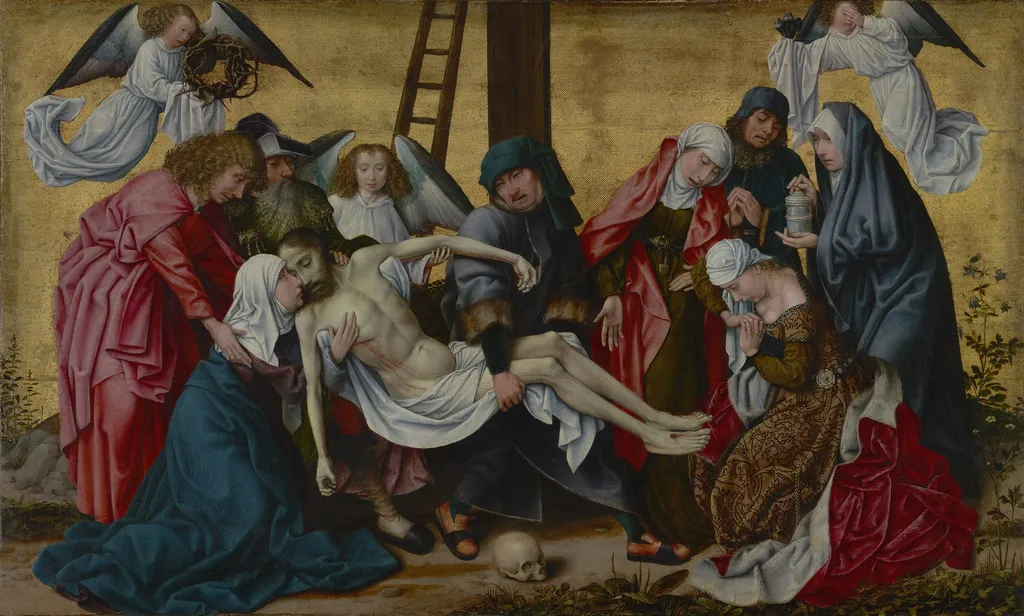
The Deposition is an oil painting by the Early Renaissance artist Unknown. It dates from 1496 and is held in the collection of the J. Paul Getty Museum.
About this work
Overview
The Deposition is an oil painting portraying a poignant scene of collective grief. A group of figures, distinguished by varied expressions of sorrow and practical assistance, surround a limp, cloth-wrapped body. The composition integrates earthly and heavenly elements, including angels with musical instruments, a ladder, and a skull, all set against a subdued color palette.
Subject & Meaning
The painting depicts the moment of the Deposition, the removal of Christ’s body from the cross. A kneeling woman in blue, likely Mary, holds the body’s hand, conveying intimate sorrow. The scene embodies a universal theme of mourning, with each figure’s reaction contributing to the emotional depth.
Technique & Style
The artist employed chiaroscuro, evident in the meticulous rendering of light’s effects on faces and the meticulous folds of fabric. Soft, muted blues, reds, and earthy tones dominate, fostering a quiet, somber atmosphere. The use of light and shadow enhances the emotional intensity of the scene.
Context
While specific contextual details about the painting’s creation are not provided, its themes and stylistic elements (such as the use of chiaroscuro and subdued colors) suggest it aligns with artistic practices common in the Renaissance or early Baroque periods, where emotional depth and lighting effects were increasingly valued.
Legacy
The painting’s impact is reflected in its invitation to viewers to contemplate the emotional and spiritual dimensions of the Deposition. Its thoughtful composition and expressive use of light and color contribute to a lasting impression of solemnity and shared human grief.
Artist & collection

 Domestic Scene
 Giacomo and Cardinal Marco, investing Andrea, Abbot of San Zeno, with his Benefice
 The Nymph of Fontainebleau
 Portrait of a Woman
 Madonna and Child with Saints in the Enclosed Garden
 Venus and Minerva
 Family Group of Four on Sofa
 Wall painting from Room H of the Villa of P. Fannius Synistor at Boscoreale
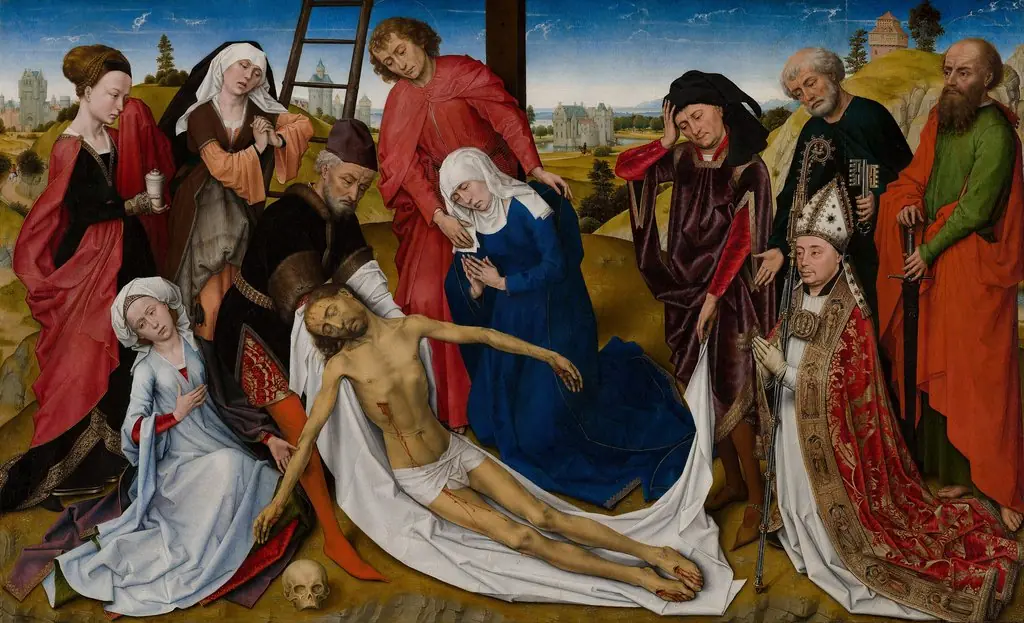 Lamentation of Christ
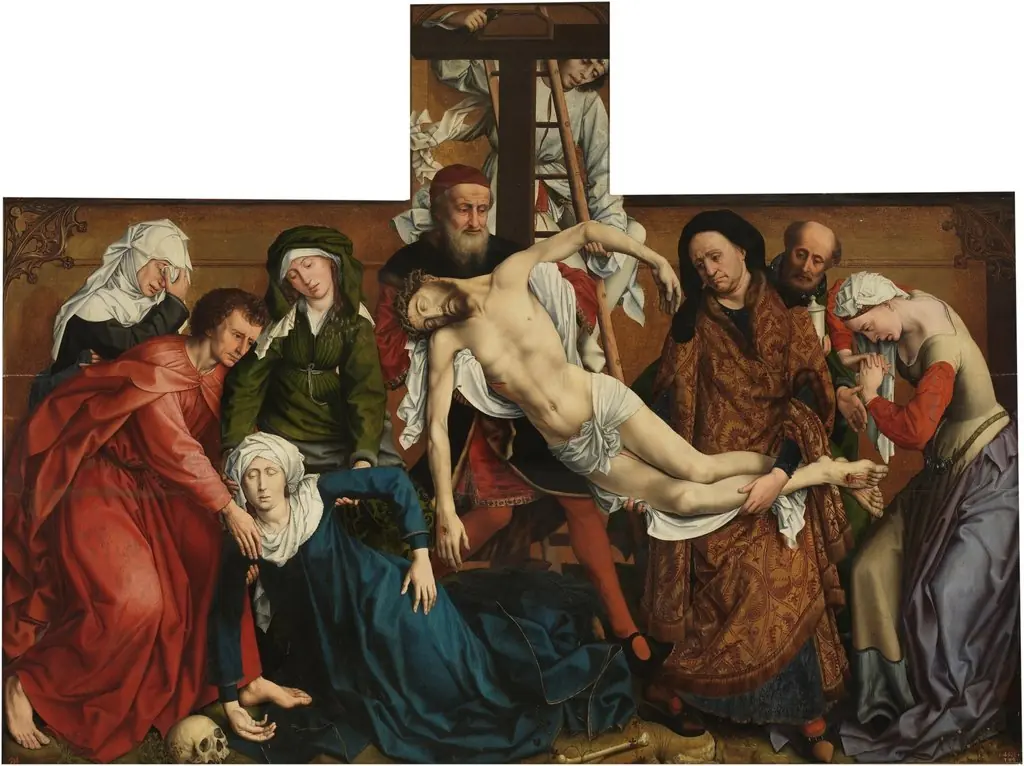 The Descent from the Cross
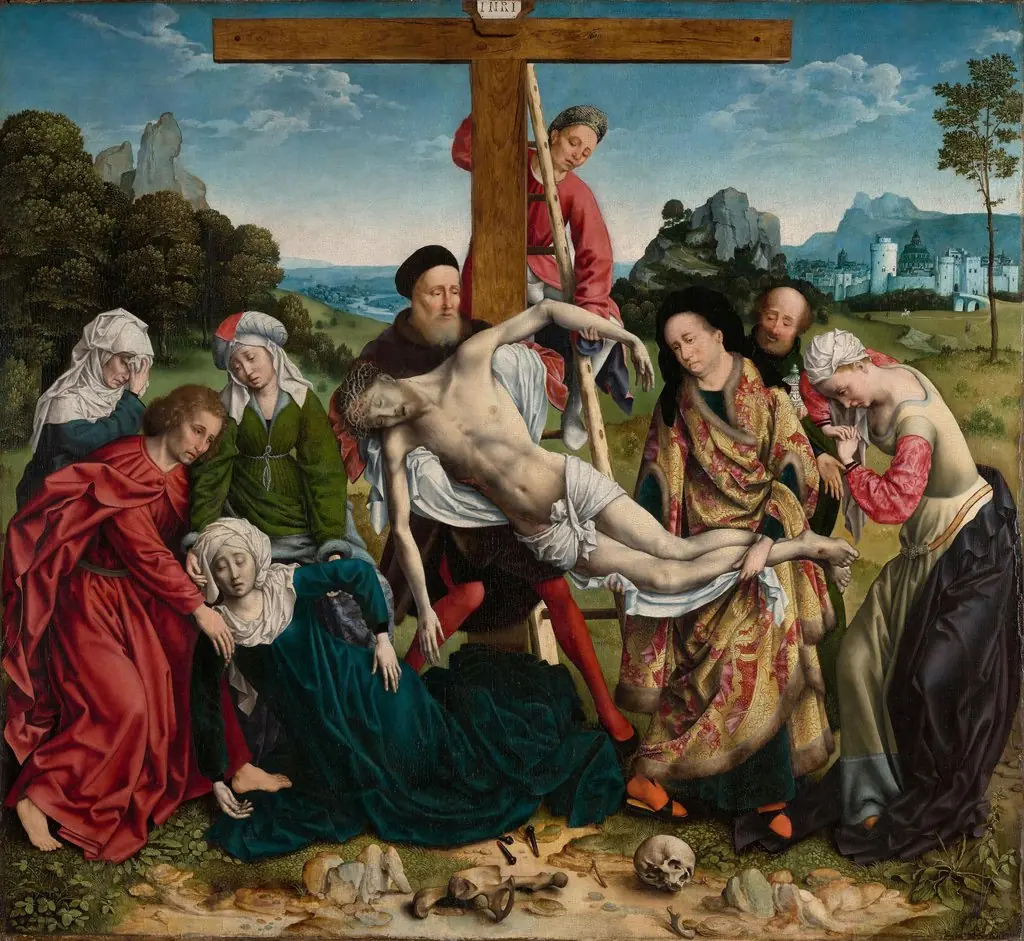 The Descent from the Cross
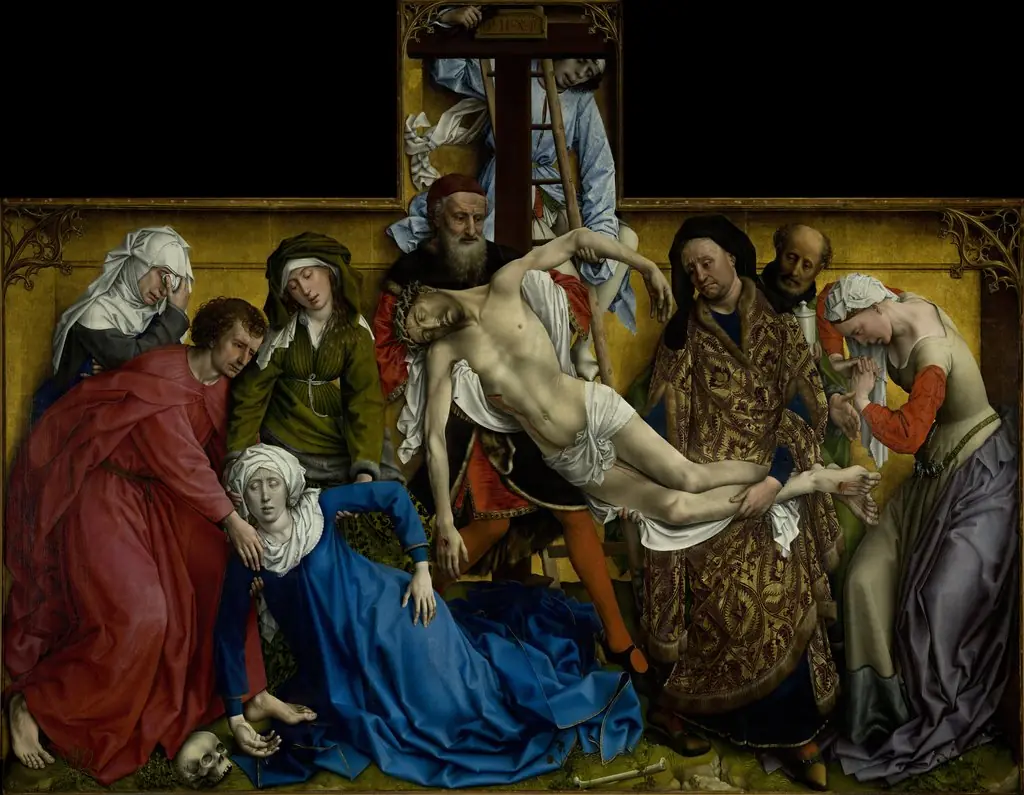 The Descent from the Cross
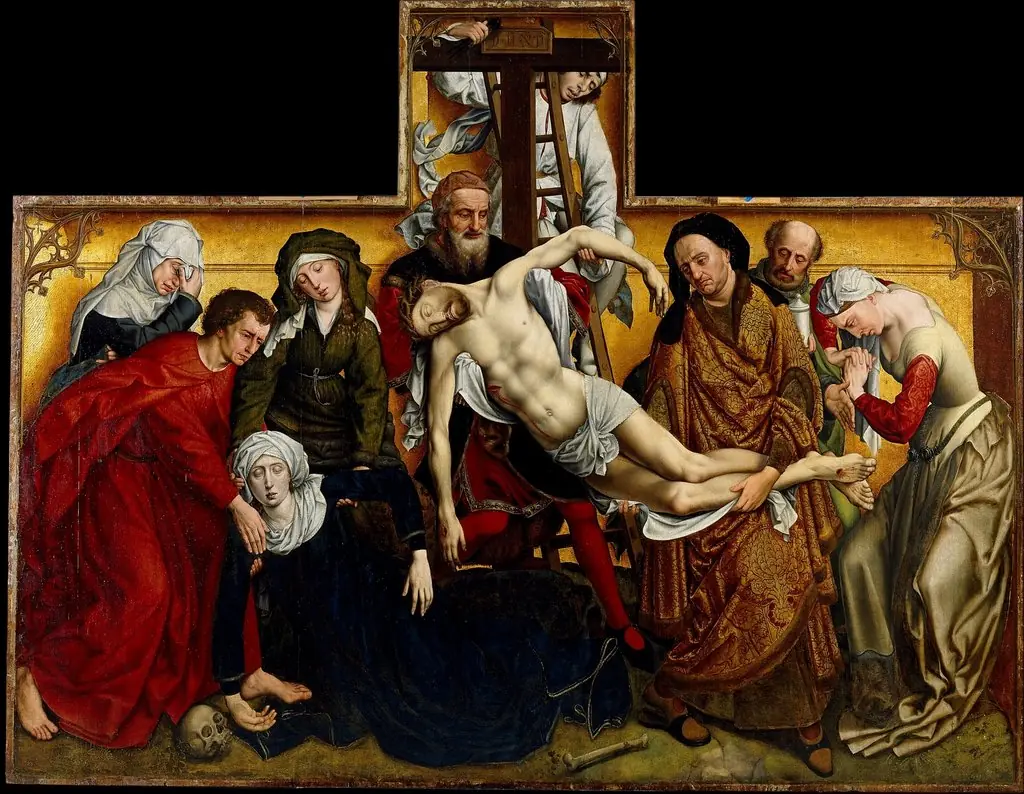 Descent from the Cross (Prado 1894)
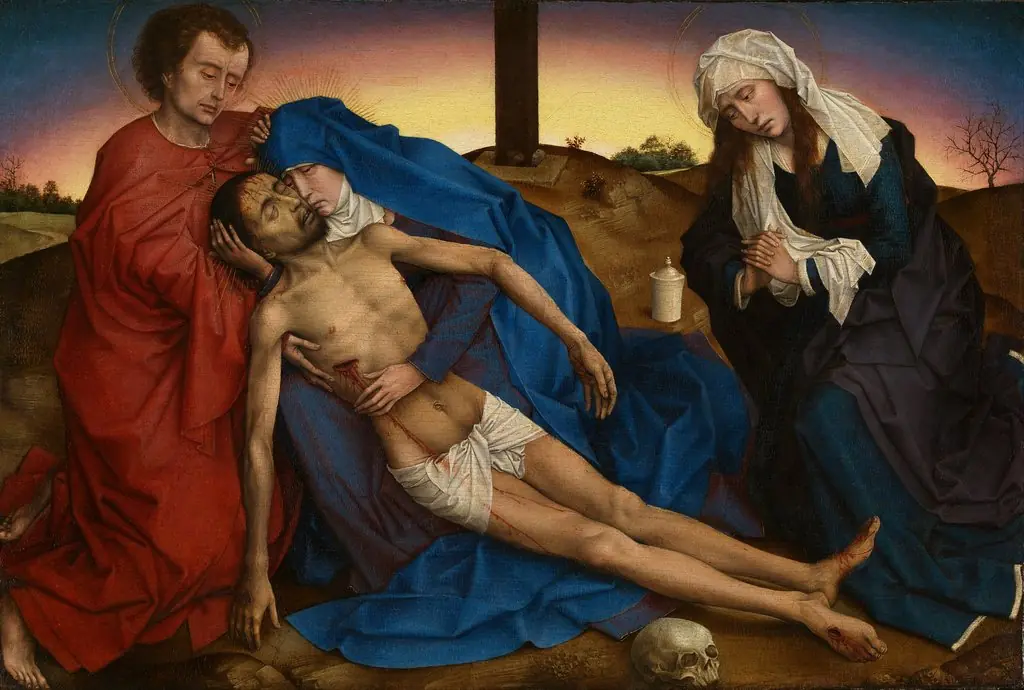 Pietà
Pietà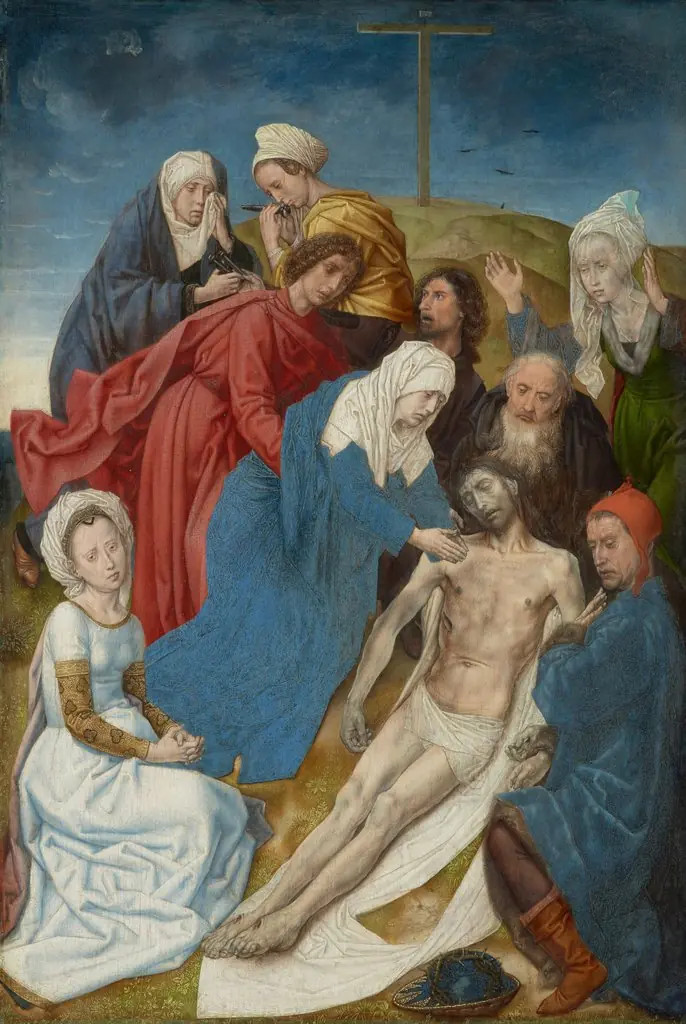 The Lamentation
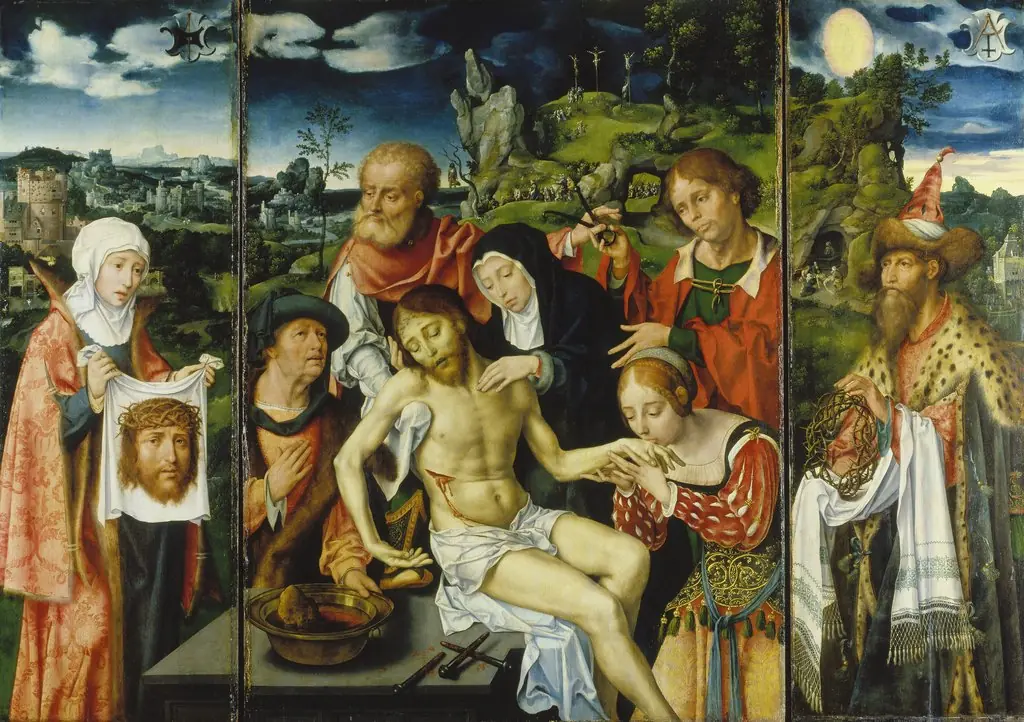 Triptych with the Lamentation of Christ
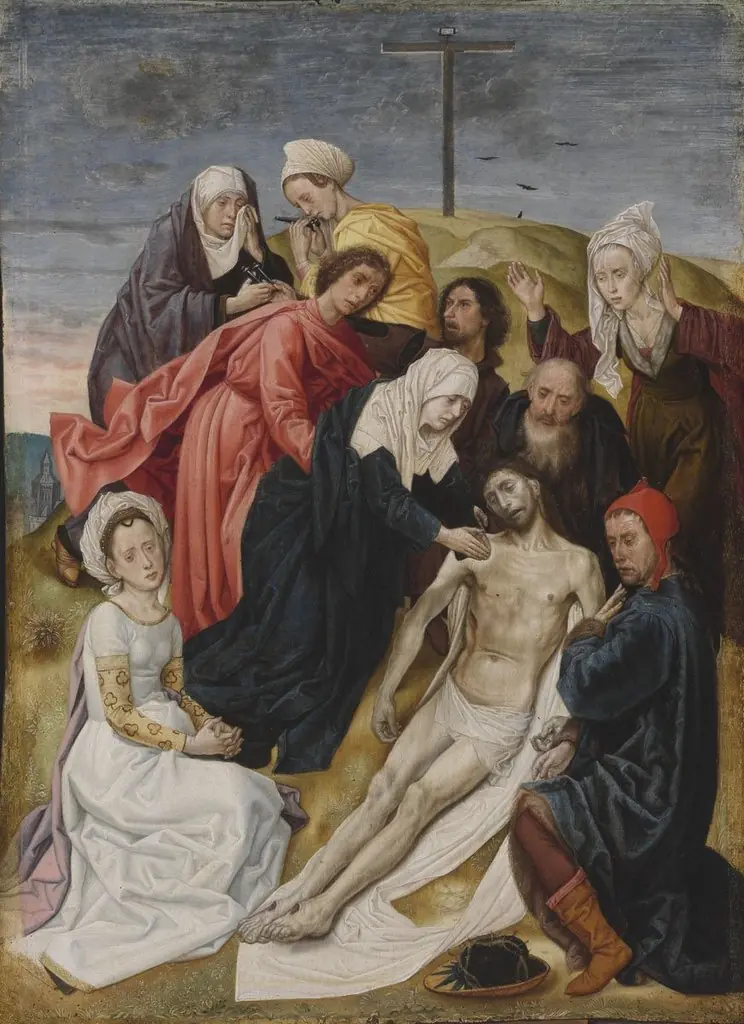 The Lamentation over the Dead Christ
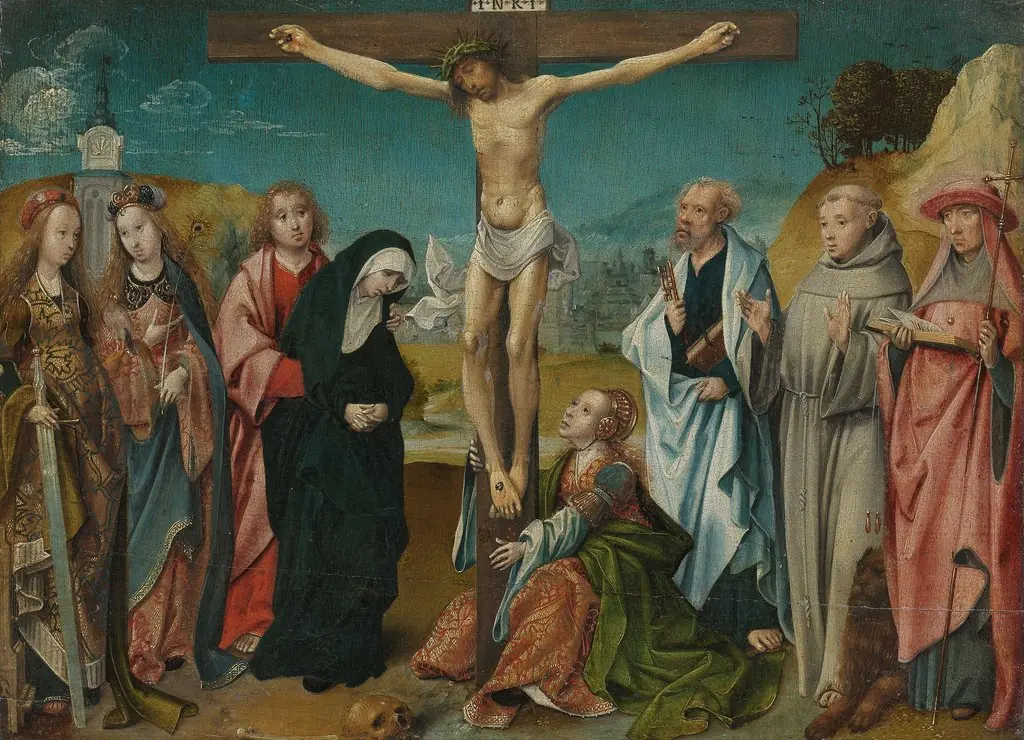 Christ on the cross with the Virgin, St John the Evangelist, Mary Magdalen, and Sts Cecilia and Barbara (left), and Sts Peter, Francis and Jerome (right)
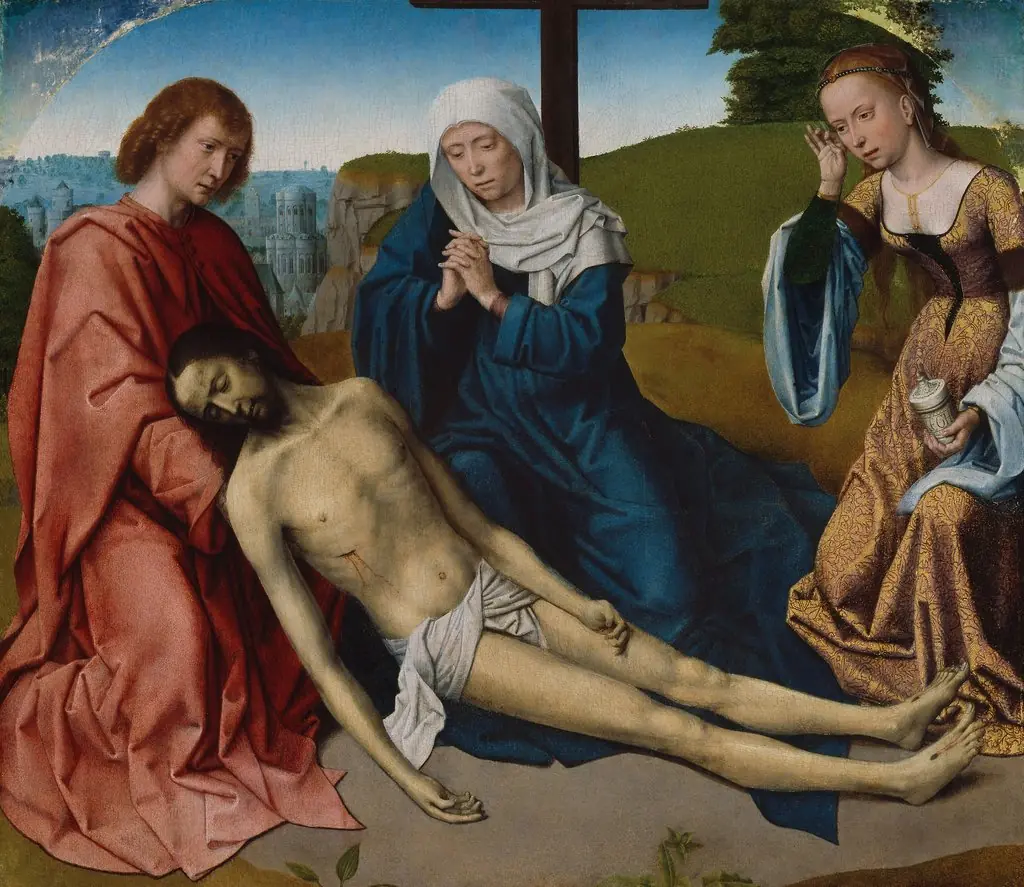 Lamentation over the Body of Christ
 The Deposition of Christ