Artwork
Tantric Manuscript "Sangrahani Sutra"
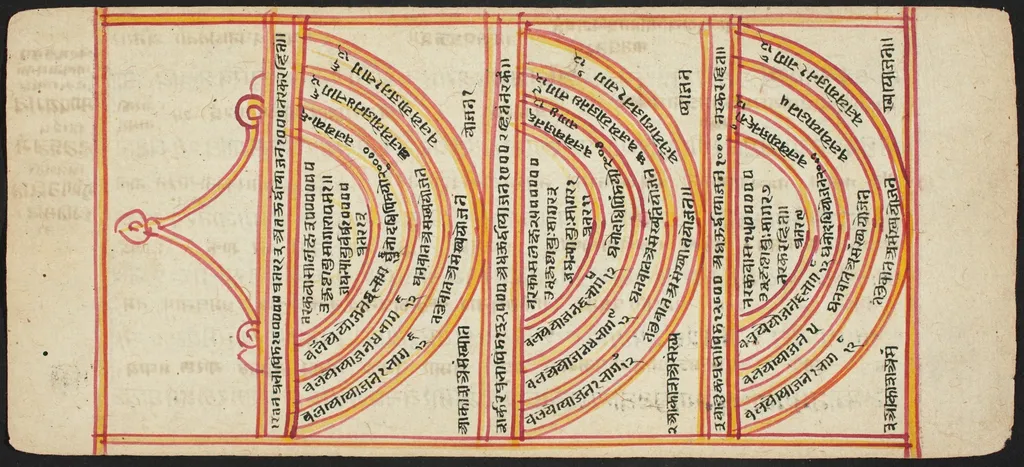
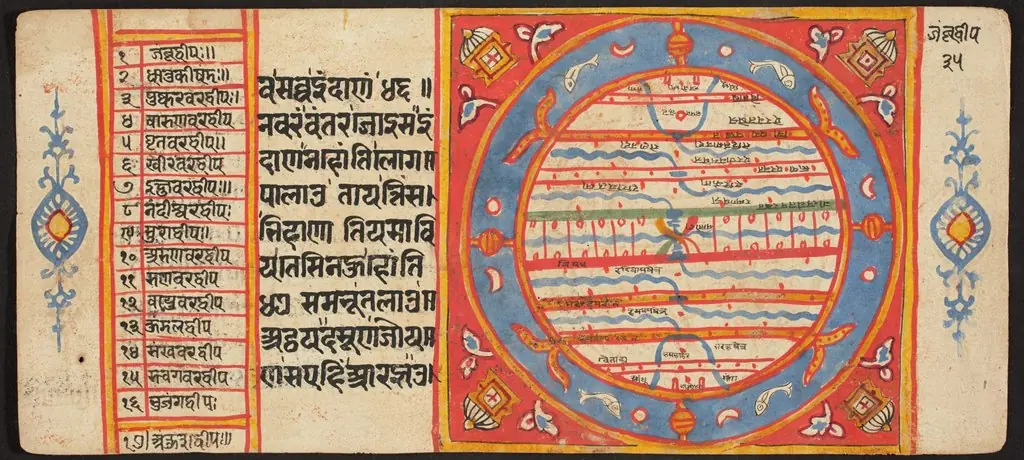
Tantric Manuscript "Sangrahani Sutra" is an unspecified painting by Unknown. It is held in the collection of the Detroit Institute of Arts. The work is a painted manuscript illustrating the Sangrahani Sutra, a text associated with tantric Buddhist practice.
About this work
Overview
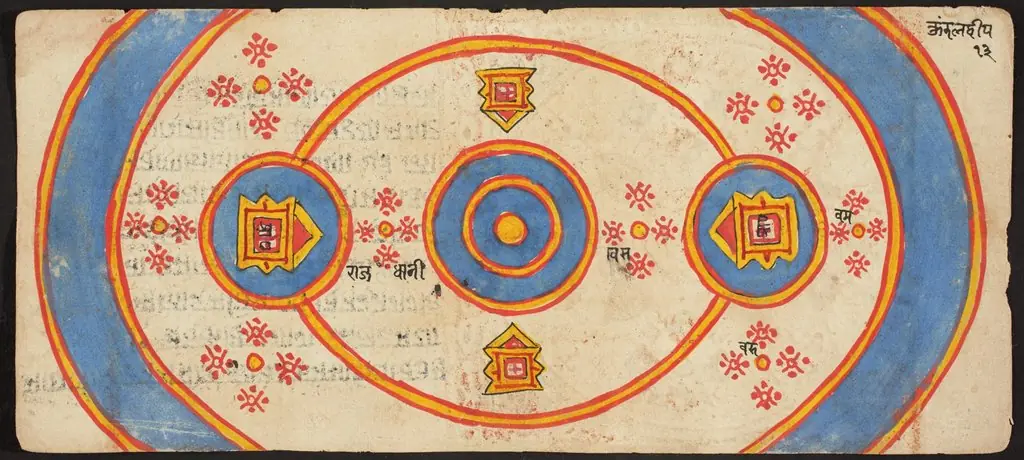
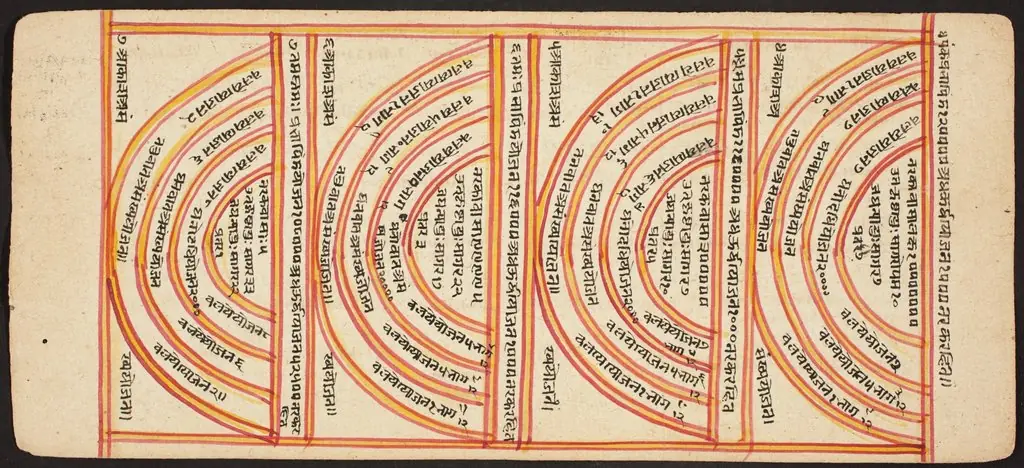
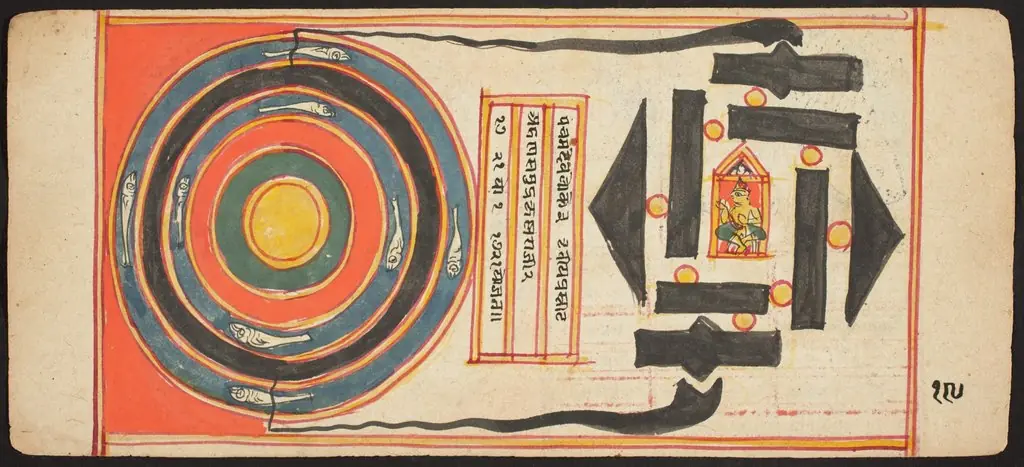
The work is a painted manuscript illustrating the Sangrahani Sutra, a text associated with tantric Buddhist practice. Executed on paper with mineral pigments, the piece combines script and imagery to convey ritual instructions. Its compact format and intricate decoration suggest it was intended for private devotional use rather than public display.
Subject & Meaning
The central motif depicts a deity or mandala linked to the Sangrahani Sutra’s teachings, surrounded by symbolic motifs such as lotus petals, fire elements, and protective deities. These visual components serve as meditative aids, guiding the practitioner through the sutra’s esoteric rites and reinforcing doctrinal concepts of transformation and enlightenment.
Technique & Style
Artists employed fine brushwork and layered pigments, often derived from natural minerals like lapis lazuli and cinnabar, to achieve vivid coloration. The composition follows traditional Indian manuscript conventions, with text rendered in elegant calligraphy alongside miniature figures rendered in a stylized, linear manner that emphasizes spiritual symbolism over naturalistic representation.
History & Provenance
The manuscript originates from a South Asian workshop active between the 15th and 17th centuries, a period of prolific tantric production. It entered a Western collection in the early 20th century through a private dealer, and has since been held by a major museum, where it is catalogued as part of the Asian religious art holdings.
Context
During its creation, tantric Buddhism was flourishing across the Himalayan region, influencing artistic production in monasteries and courtly circles. Manuscripts like this one functioned as both instructional manuals and objects of veneration, reflecting the integration of scholarly study and ritual practice characteristic of the era.
Legacy
The painting exemplifies the convergence of textual transmission and visual pedagogy in tantric traditions. Its preservation offers scholars insight into the material culture of Buddhist ritual, informing contemporary understandings of how art facilitated the dissemination of complex spiritual teachings.
Artist & collection

 Domestic Scene
 Giacomo and Cardinal Marco, investing Andrea, Abbot of San Zeno, with his Benefice
 The Nymph of Fontainebleau
 Portrait of a Woman
 Madonna and Child with Saints in the Enclosed Garden
 Venus and Minerva
 Family Group of Four on Sofa
 Wall painting from Room H of the Villa of P. Fannius Synistor at Boscoreale
 Tantric Manuscript "Sangrahani Sutra"
 Tantric Manuscript "Sangrahani Sutra"
 Tantric Manuscript "Sangrahani Sutra"
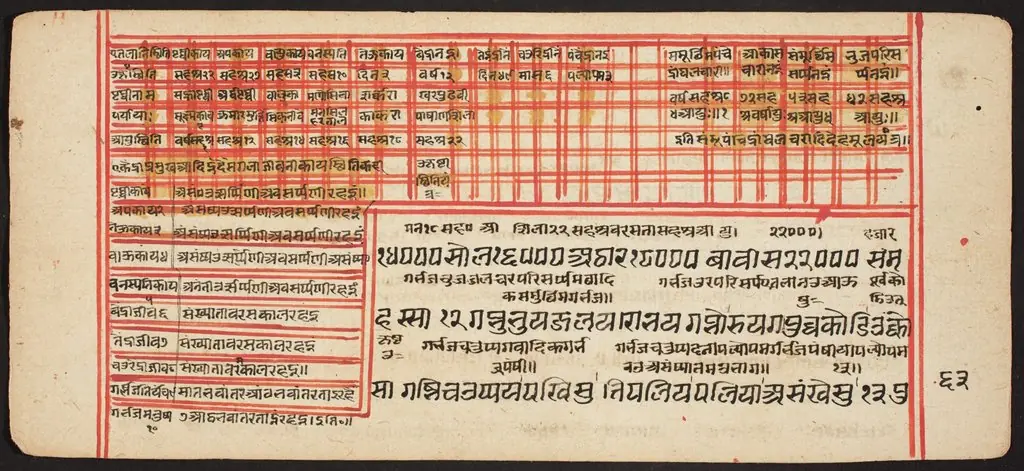 Tantric Manuscript "Sangrahani Sutra"
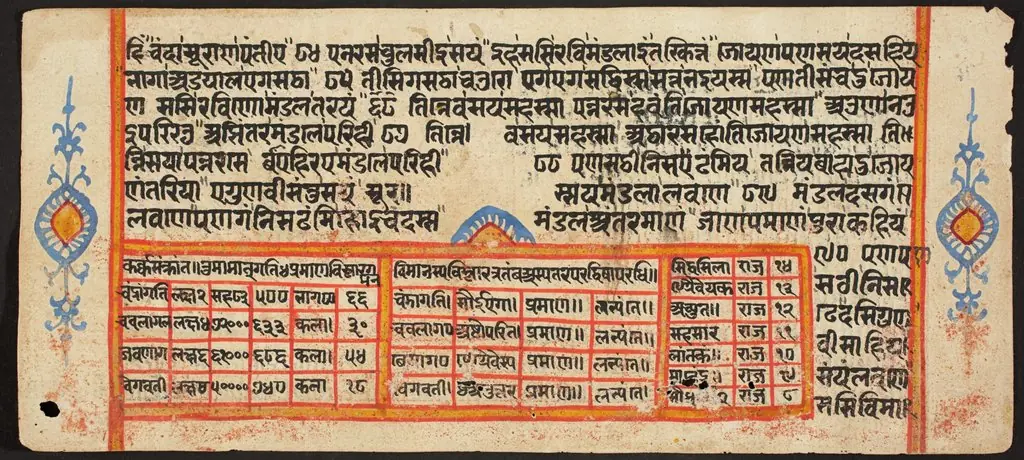 Tantric Manuscript "Sangrahani Sutra"
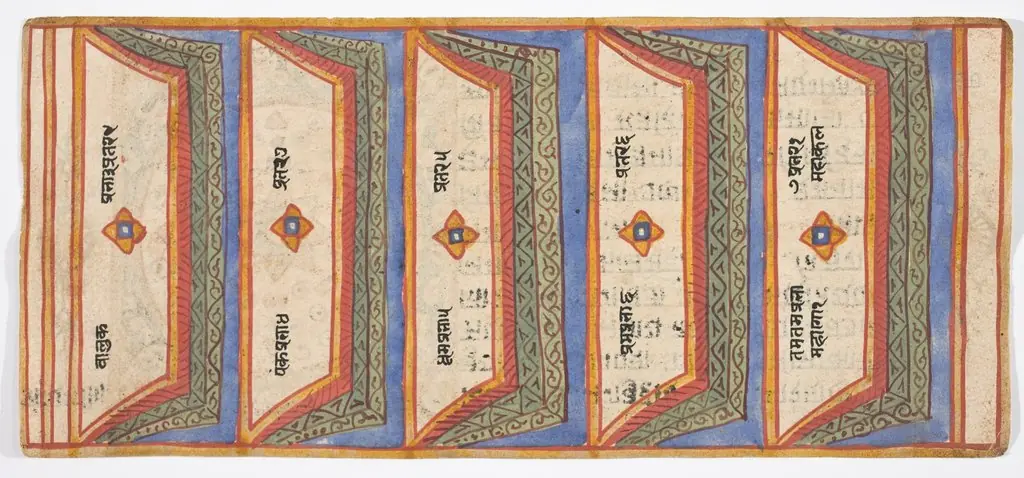 Tantric Manuscript "Sangrahani Sutra"
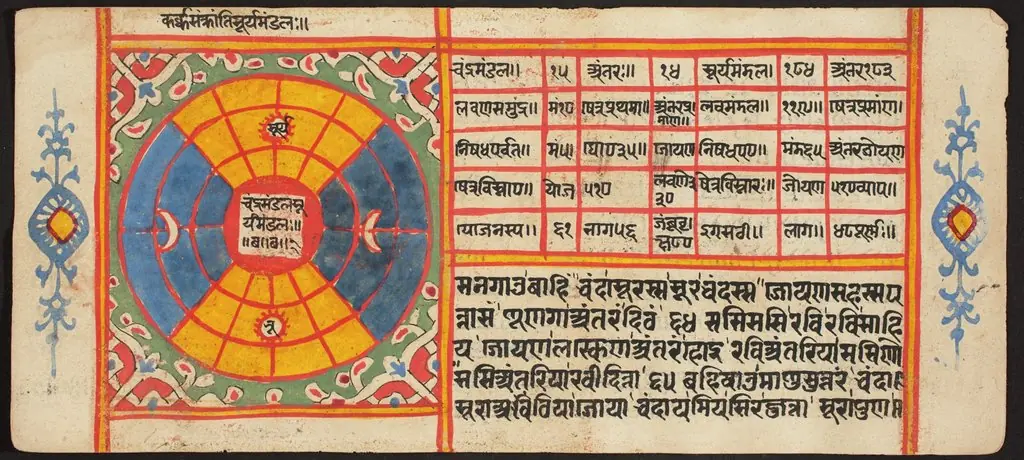 Tantric Manuscript "Sangrahani Sutra"
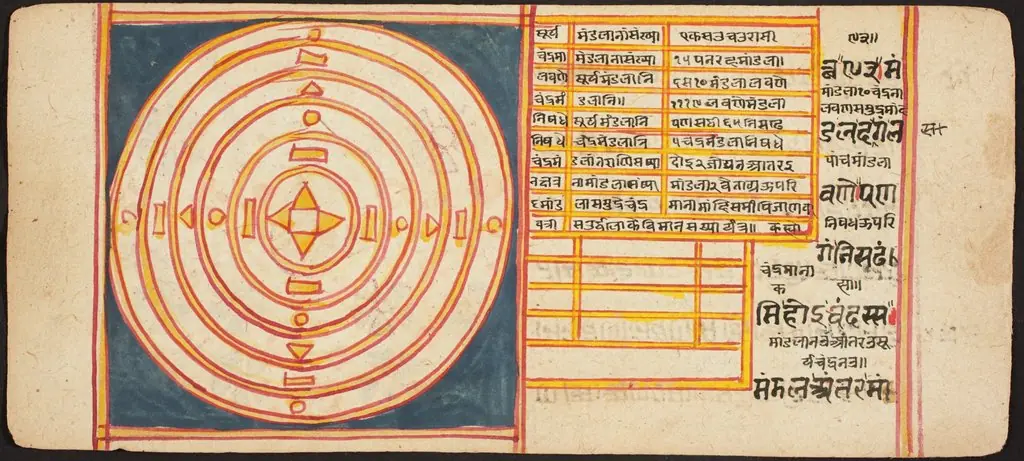 Tantric Manuscript "Sangrahani Sutra"
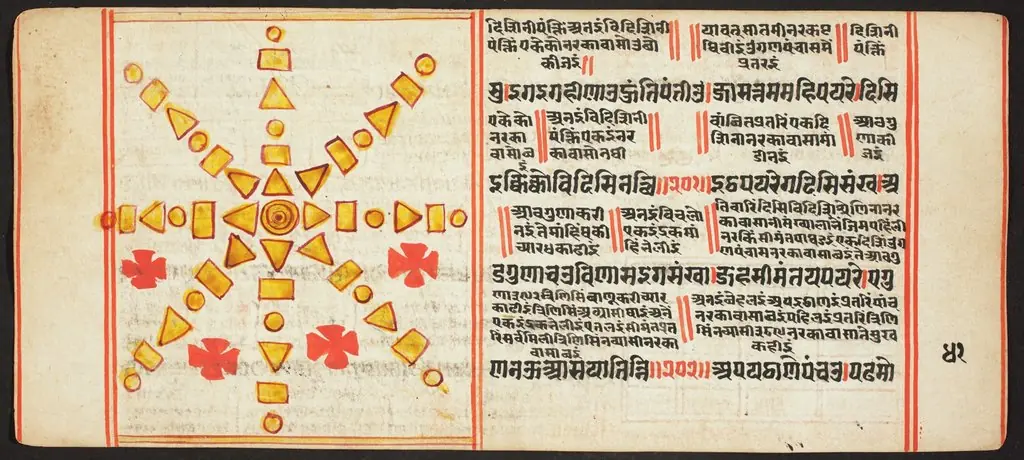 Tantric Manuscript, "Sangrahani Sutra"
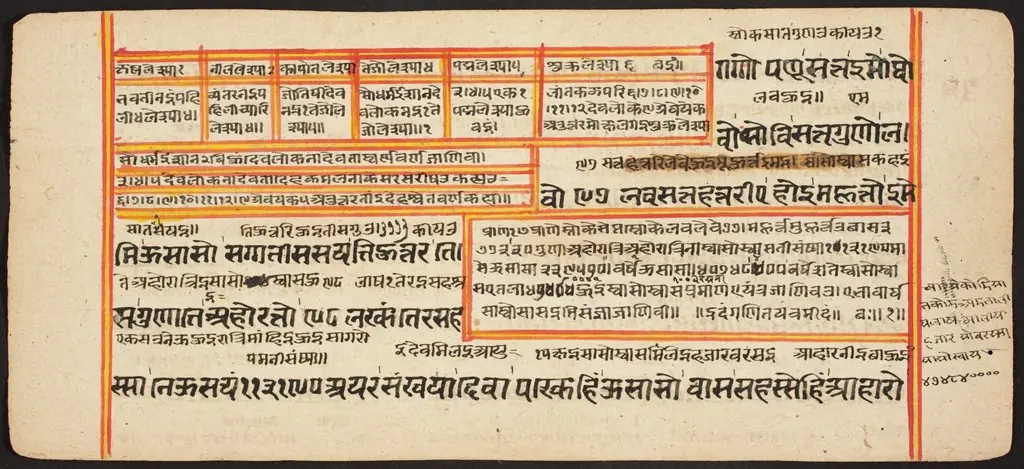 Tantric Manuscript "Sangrahani Sutra"
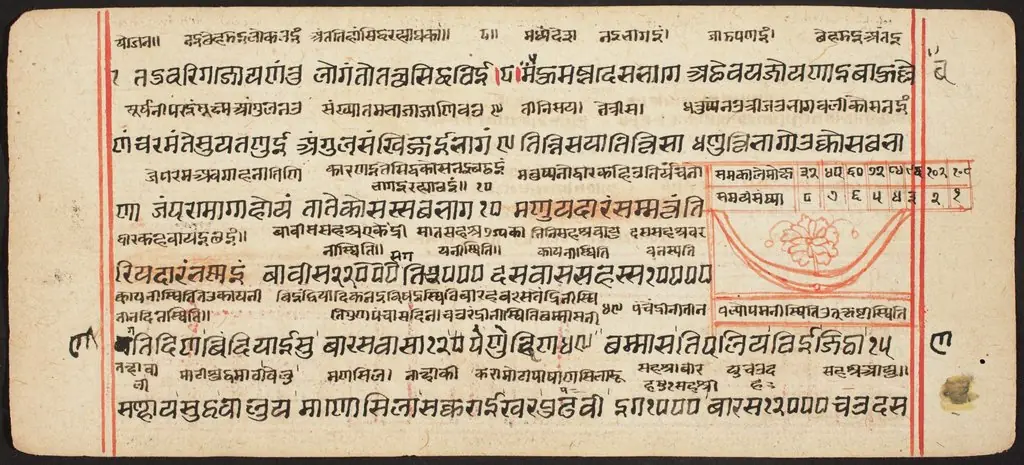 Tantric Manuscript "Sangrahani Sutra"
 Tantric Manuscript "Sangrahani Sutra"