Artwork
Tantric Manuscript "Sangrahani Sutra"
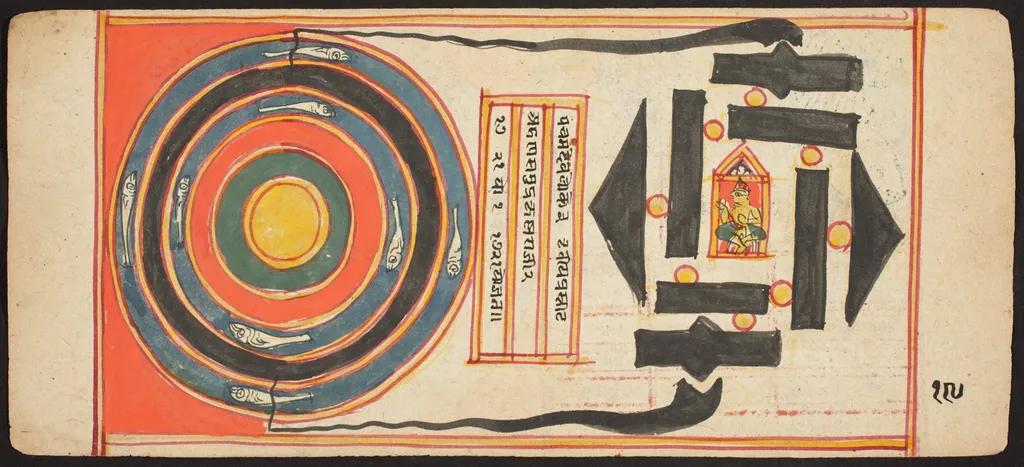
Tantric Manuscript "Sangrahani Sutra" is an unspecified painting by Unknown. It is held in the collection of the Detroit Institute of Arts. This painted manuscript page contains a visual exposition of the Sangrahani Sutra, a text from the tantric Buddhist tradition.
About this work
Overview
This painted manuscript page contains a visual exposition of the Sangrahani Sutra, a text from the tantric Buddhist tradition.
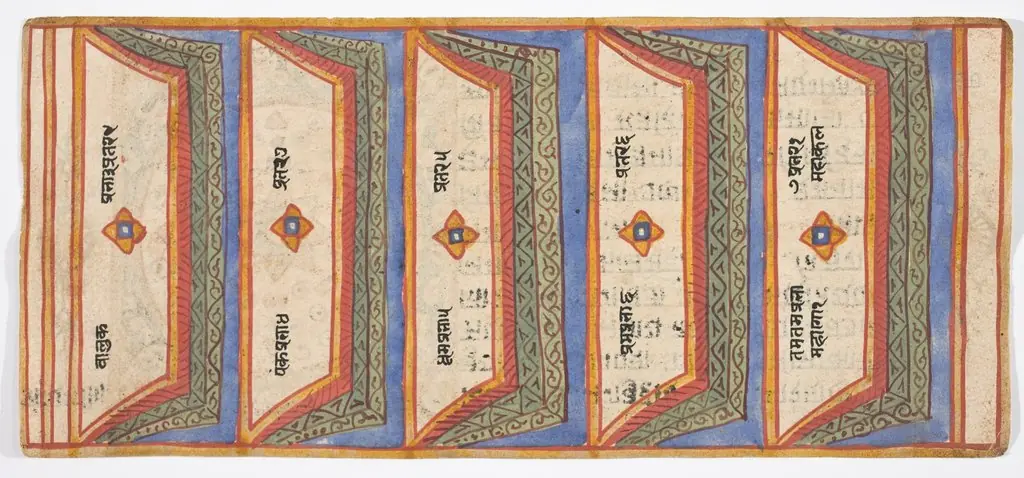
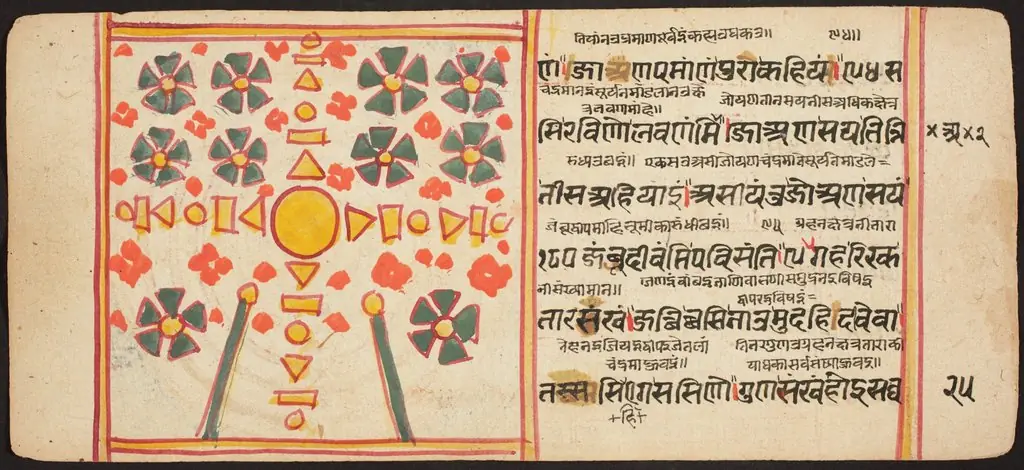
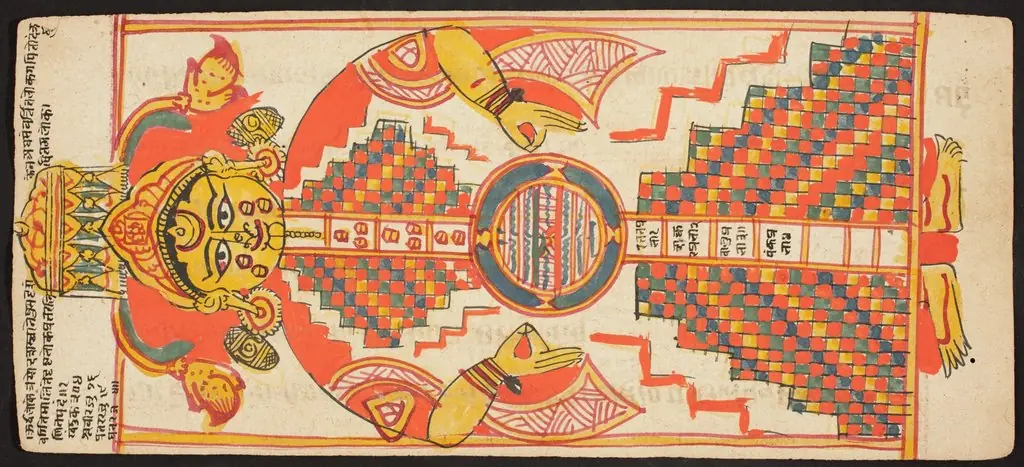
This painted manuscript page contains a visual exposition of the Sangrahani Sutra, a text from the tantric Buddhist tradition. It combines symbolic geometry and figural representation in a structured layout, using mineral pigments on paper. The composition is divided into two distinct zones: a central mandala on the left and a smaller figural panel on the right, both framed by a pale beige background that enhances the vibrancy of the pigments.
Subject & Meaning
The circular mandala on the left symbolizes cosmic order and meditative focus, its concentric layers and colored segments representing spiritual realms and energies. The figure on the right, likely a deity or enlightened being, embodies the textual teachings of the sutra. Together, the elements serve as a visual aid for ritual contemplation, aligning the viewer’s mind with tantric cosmology through symbolic architecture and iconography.
Technique & Style
The painting employs precise brushwork and flat, saturated hues—primarily ultramarine, vermilion, and orpiment—applied with minimal shading. Bold black outlines define geometric forms and figures, creating clarity amid complexity. The use of gold leaf accents and fine linear detail suggests skilled artisanal execution, typical of manuscript illumination in tantric Buddhist communities of the region.
History & Provenance
Produced in the medieval Himalayan region, likely in a monastic scriptorium, this page was part of a larger codex used for ritual instruction. Its survival indicates careful preservation within a religious context. The style aligns with 13th- to 15th-century Tibetan and Nepalese manuscript traditions, though its exact origin and patronage remain undocumented in extant records.
Context
Tantric Buddhist manuscripts like this one were not merely texts but ritual objects, designed to be viewed during meditation or ceremony. The integration of mandala and deity imagery reflects a doctrinal emphasis on visualizing enlightened states. Similar compositions appear in other surviving folios from monastic centers in Tibet and the Kathmandu Valley, where esoteric teachings were transmitted through both word and image.
Legacy
This manuscript page contributes to the understanding of how tantric Buddhism translated abstract philosophy into visual language. Its preservation allows scholars to trace iconographic conventions across regions and centuries. Though not widely known outside specialized circles, it remains a key example of how spiritual systems were encoded in material form, influencing later Himalayan art traditions.
Artist & collection

 Domestic Scene
 Giacomo and Cardinal Marco, investing Andrea, Abbot of San Zeno, with his Benefice
 The Nymph of Fontainebleau
 Portrait of a Woman
 Madonna and Child with Saints in the Enclosed Garden
 Venus and Minerva
 Family Group of Four on Sofa
 Wall painting from Room H of the Villa of P. Fannius Synistor at Boscoreale
 Tantric Manuscript "Sangrahani Sutra"
 Tantric Manuscript "Sangrahani Sutra"
 Tantric Manuscript "Sangrahani Sutra"
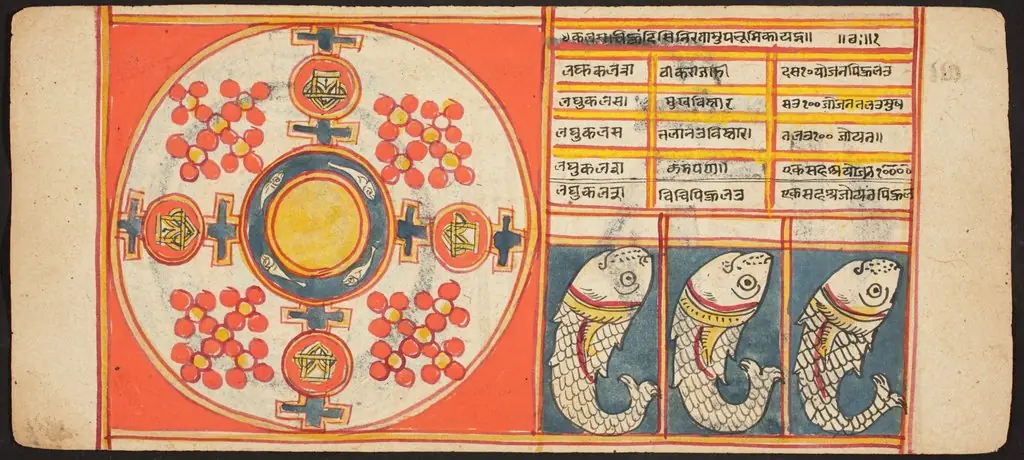 Tantric Manuscript "Sangrahani Sutra"
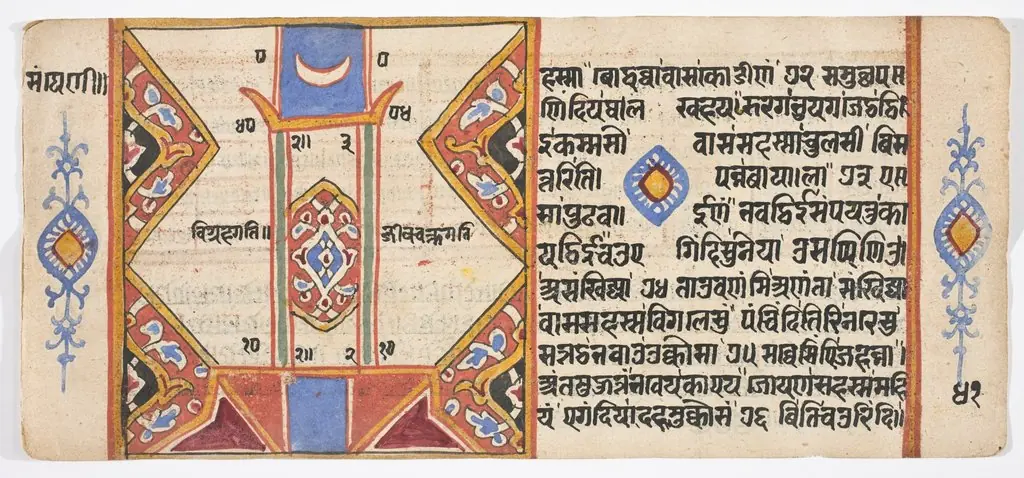 Tantric Manuscript "Sangrahani Sutra"
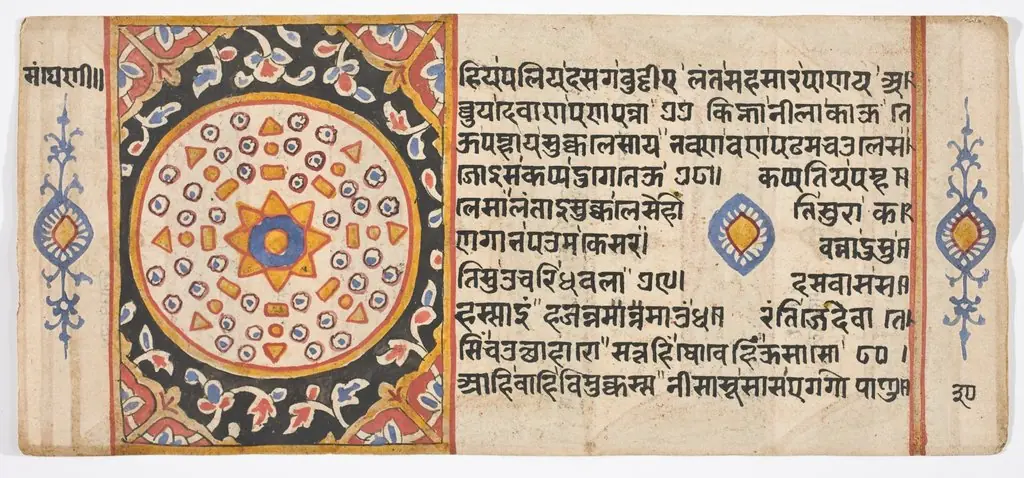 Tantric Manuscript "Sangrahani Sutra"
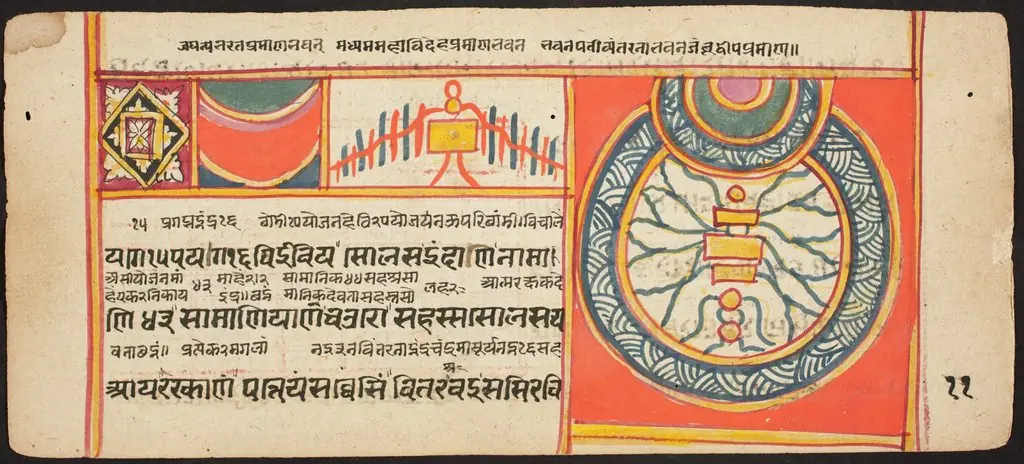 Tantric Manuscript "Sangrahani Sutra"
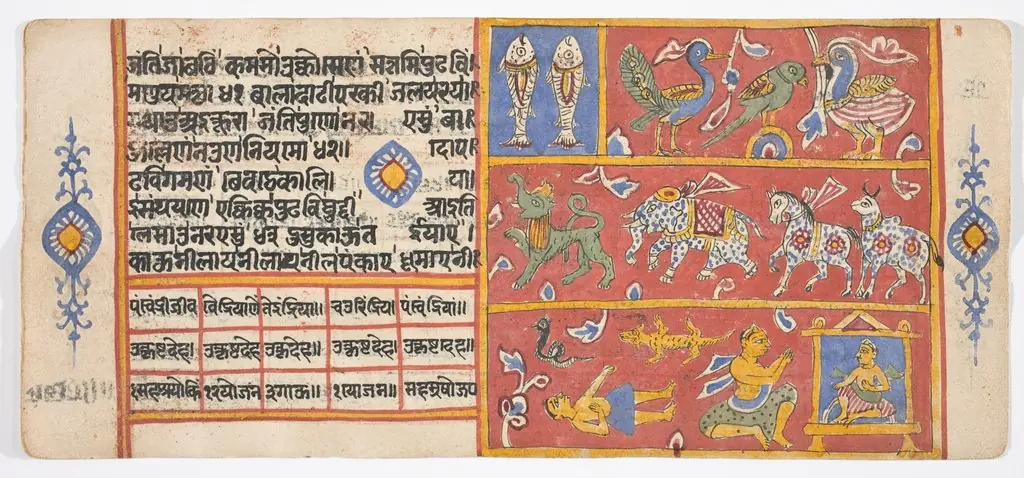 Tantric Manuscript "Sangrahani Sutra"
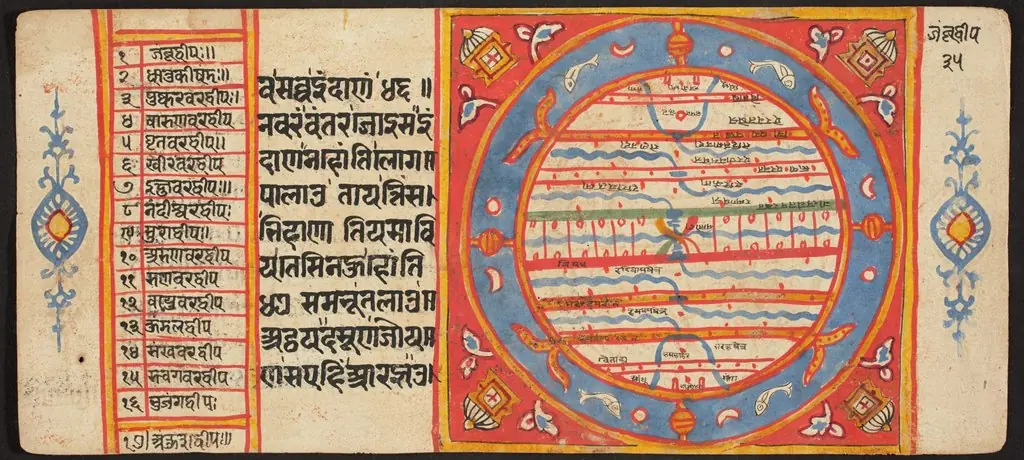 Tantric Manuscript "Sangrahani Sutra"
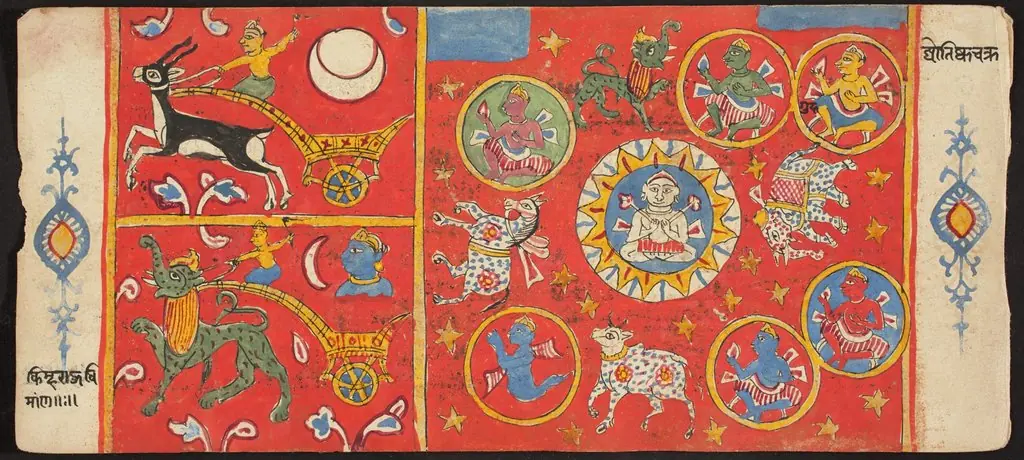 Tantric Manuscript "Sangrahani Sutra"