Artwork
Expedición de don Lope de Hoces al Brasil
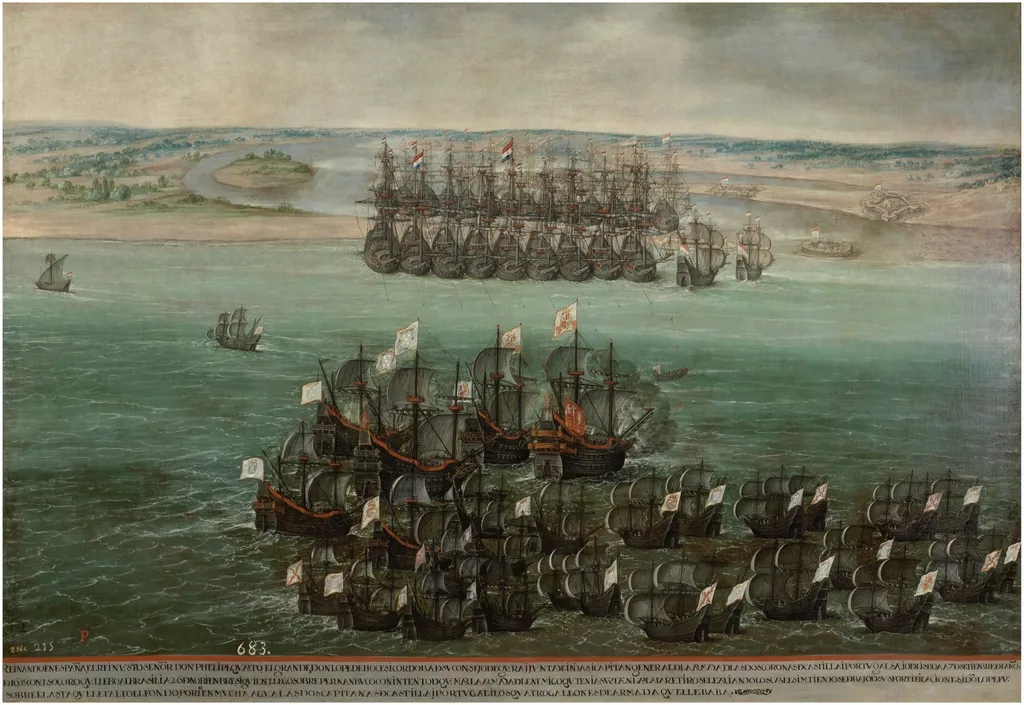
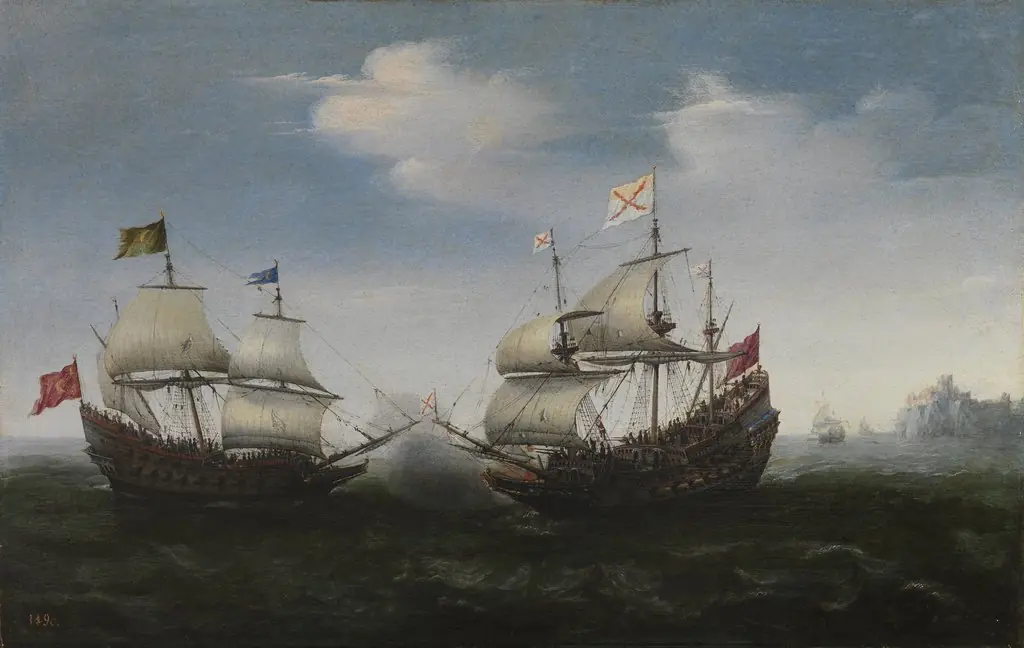
Expedición de don Lope de Hoces al Brasil is an oil painting by the Flemish Baroque painting artist Unknown. It dates from 1636 and is held in the collection of the Museo del Prado. This oil painting captures a Spanish naval expedition bound for Brazil, rendered with attention to maritime detail and atmospheric depth.
About this work
Overview
This oil painting captures a Spanish naval expedition bound for Brazil, rendered with attention to maritime detail and atmospheric depth.
This oil painting captures a Spanish naval expedition bound for Brazil, rendered with attention to maritime detail and atmospheric depth. The composition organizes ships into layered groups—foreground vessels more defined, those farther back receding into haze—creating a sense of scale and movement across open water. The scene is grounded in observed reality, not idealized fantasy, reflecting the practical aims of 17th-century naval record-keeping.
Subject & Meaning
The work documents a specific Spanish fleet’s journey, likely part of colonial supply or defense efforts in the New World. No individual figures or dramatic events are highlighted; instead, the focus rests on the fleet’s collective presence, emphasizing naval power and logistical reach. The inclusion of a distant coastline suggests the destination’s proximity, reinforcing the expedition’s purpose without narrative embellishment.
Technique & Style
The artist employs oil paint with visible, deliberate brushwork to convey texture in sails, hulls, and waves. Chiaroscuro models the ships and water, using gradations of light and shadow to suggest volume and spatial recession. Greens and blues dominate the palette, with subtle tonal shifts unifying the sea and sky. The rendering avoids theatricality, favoring observational clarity over romanticized drama.
History & Provenance
The painting resides in the Museo del Prado, where it entered the royal collection, likely acquired during or shortly after the expedition it depicts. Its preservation suggests it was valued as a record of state activity rather than as fine art for private display. The attribution to Lope de Hoces, a naval officer, implies the work may have been commissioned or created by someone with direct involvement in the voyage.
Context
In the early 17th century, Spain maintained extensive maritime routes to its American colonies. Naval expeditions like this one were routine but rarely depicted in art unless tied to royal patronage or military triumph. This painting stands as a rare example of a non-commissioned, documentary-style maritime scene, reflecting the administrative culture of Spain’s imperial apparatus rather than artistic convention.
Legacy
Though not widely exhibited or studied, the painting contributes to the historical record of Spanish naval operations in the Atlantic. Its unadorned realism offers insight into how maritime power was visually documented by those within the system. It remains a quiet but valuable artifact of early modern colonial logistics, preserved for its evidentiary rather than aesthetic merit.
Artist & collection

 Domestic Scene
 Giacomo and Cardinal Marco, investing Andrea, Abbot of San Zeno, with his Benefice
 The Nymph of Fontainebleau
 Portrait of a Woman
 Madonna and Child with Saints in the Enclosed Garden
 Venus and Minerva
 Family Group of Four on Sofa
 Wall painting from Room H of the Villa of P. Fannius Synistor at Boscoreale
 Episode from the Four Day Battle at Sea, 11-14 June 1666, in the second Anglo-Dutch War (1665-67)
 Episode from the Four Days Battle at Sea, 11-14 June 1666, in the Second Anglo-Dutch War (1665-67)
 The Battle of Dunkirk
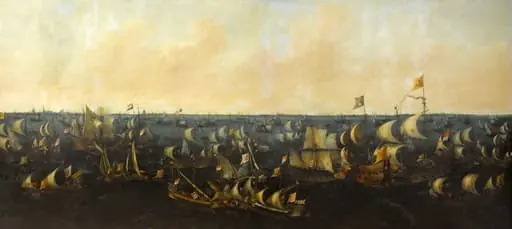 Untitled
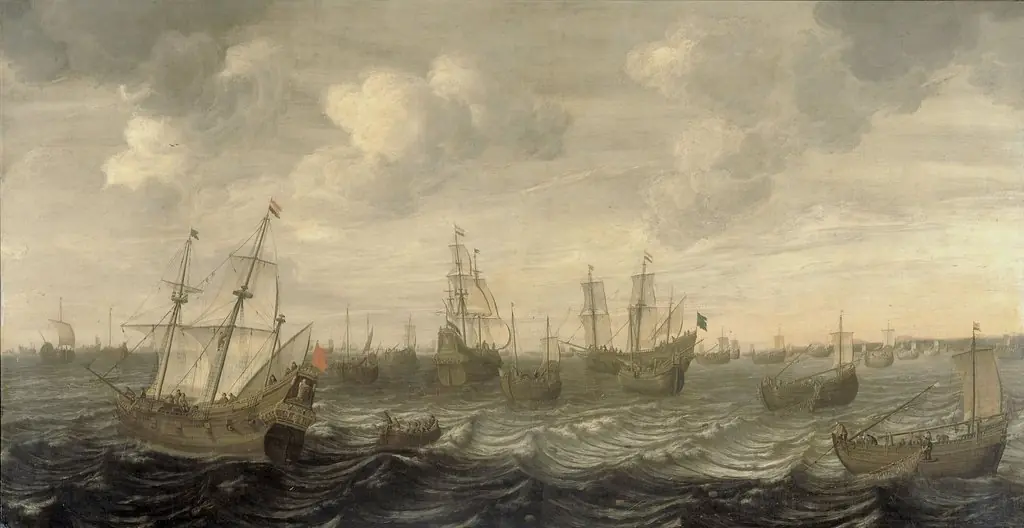 The Dutch herring fleet under sail
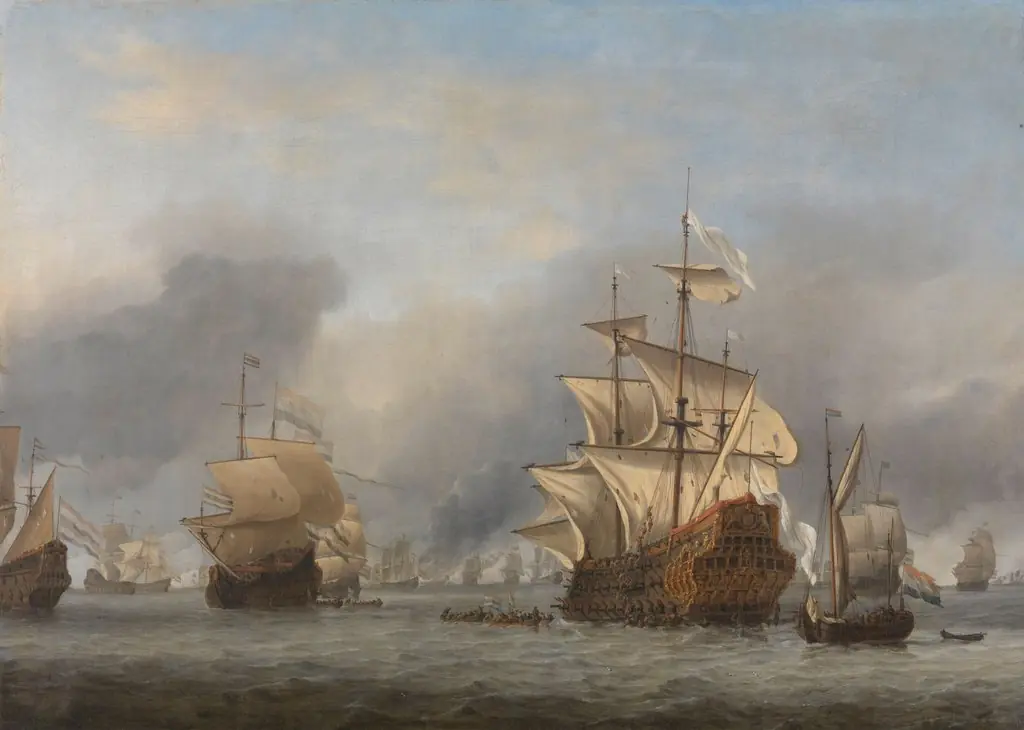 The Capture of the Royal Prince
 De verovering van de Royal Prince
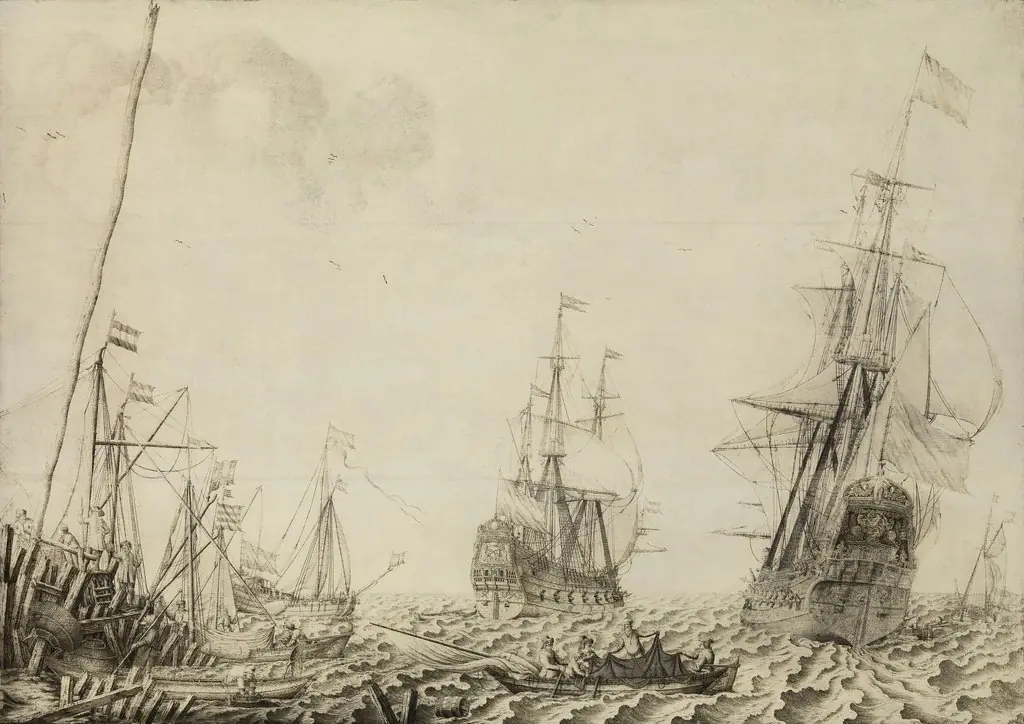 Ships near a Harbor
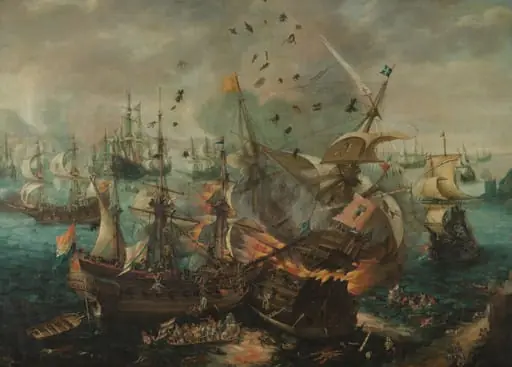 Battle of Gibraltar in 1607
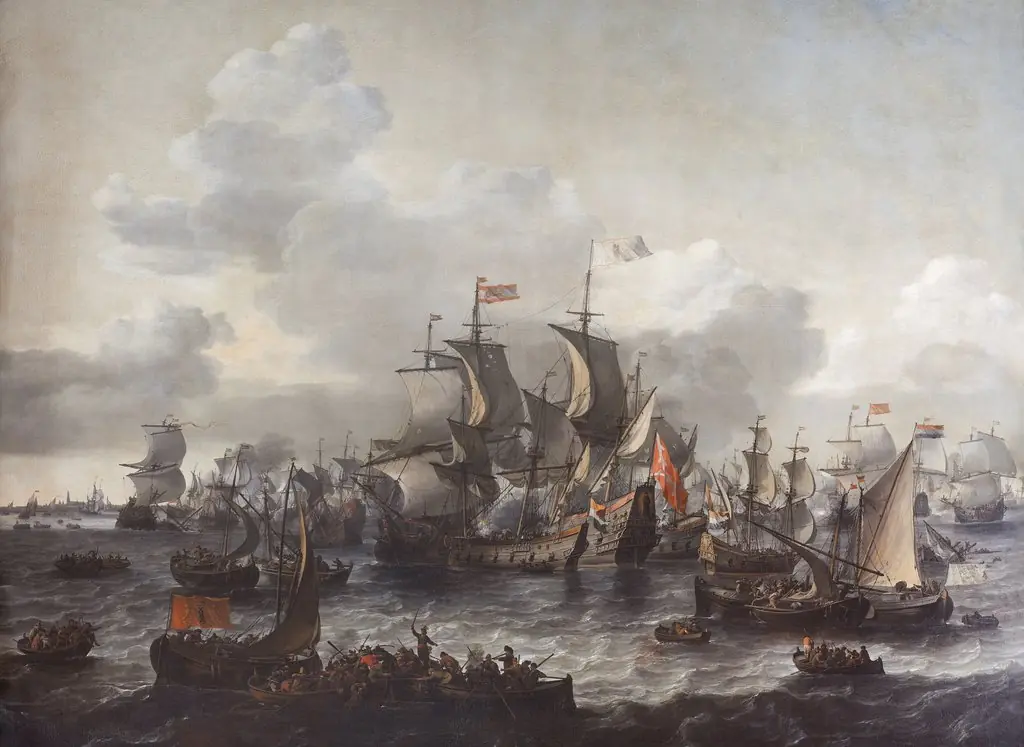 The battle of the Zuider Zee, 1573
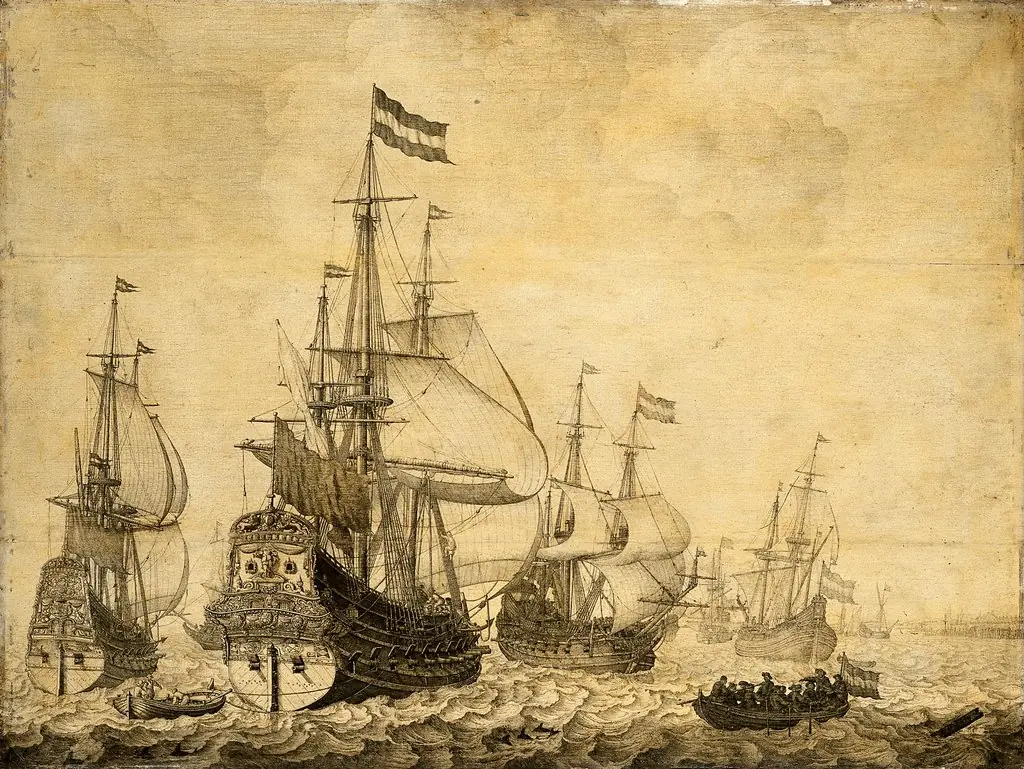 Seascape with Dutch men-of-war
 Naval Battle off a Rocky Coast