Artwork
The Parrot Addresses Khujasta at the Beginning of the Twenty-fifth Night, from a Tuti-nama (Tales of a Parrot)
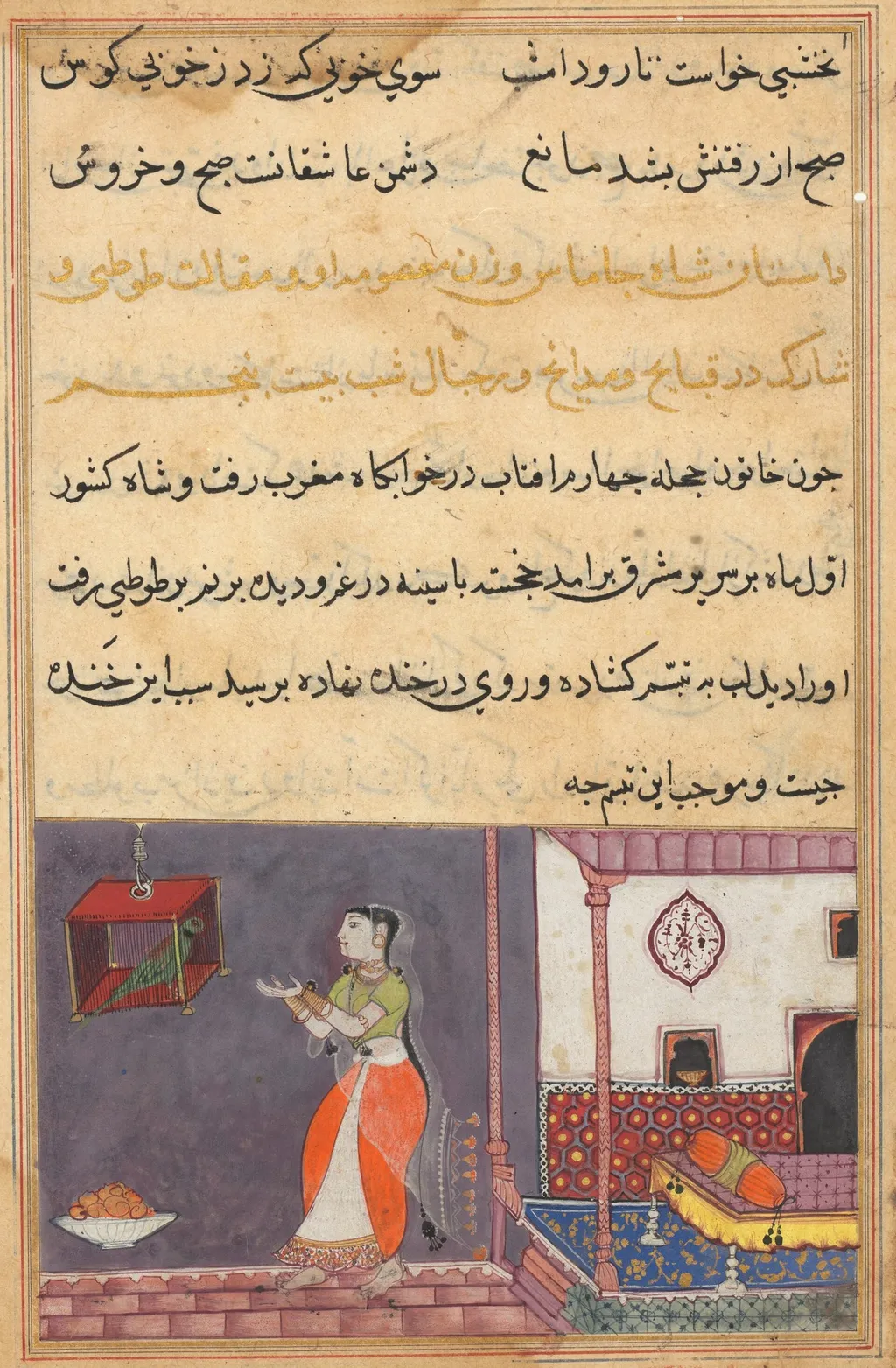
The Parrot Addresses Khujasta at the Beginning of the Twenty-fifth Night, from a Tuti-nama (Tales of a Parrot) is an unspecified painting. It dates from 1560 and is held in the collection of the Cleveland Museum of Art. The work illustrates a domestic interior where a woman in a vivid orange skirt and green blouse holds a small parrot.
About this work
Overview
The work illustrates a domestic interior where a woman in a vivid orange skirt and green blouse holds a small parrot. A suspended cage, a fruit bowl, and patterned walls in red and blue frame the scene, while an open doorway reveals a bed with yellow pillows. The composition is accompanied by Persian calligraphy that identifies the episode as part of the Tuti‑nama, a collection of parrot tales.
Subject & Meaning
The painting depicts a moment from the narrative "The Parrot Addresses Khujasta at the Beginning of the Twenty‑fifth Night," a story in which a talking bird conveys moral or courtly advice to a female protagonist. The inclusion of luxurious furnishings and bright textiles underscores the tale’s setting among the affluent, while the bird’s presence signals the didactic role of the parrot as a messenger.
Technique & Style
Executed in miniature painting tradition, the piece employs fine brushwork and a limited palette of saturated reds, blues, oranges, and greens.
Executed in miniature painting tradition, the piece employs fine brushwork and a limited palette of saturated reds, blues, oranges, and greens. Delicate outlines define the figures and objects, while the ornamental background features intricate geometric patterns typical of Persian manuscript illumination. The script above the image is rendered in an elegant, flowing Nastaʿlīq hand, integrating text and image as a unified narrative unit.
History & Provenance
The painting originates from a Persian illustrated manuscript of the Tuti‑nama, a popular literary genre that circulated from the 15th to 18th centuries. Though the exact date and workshop are not recorded, the stylistic traits align with Safavid‑era productions. The work entered the Cleveland Museum of Art’s collection through a mid‑20th‑century acquisition of South Asian and Islamic manuscripts.
Artist & collection

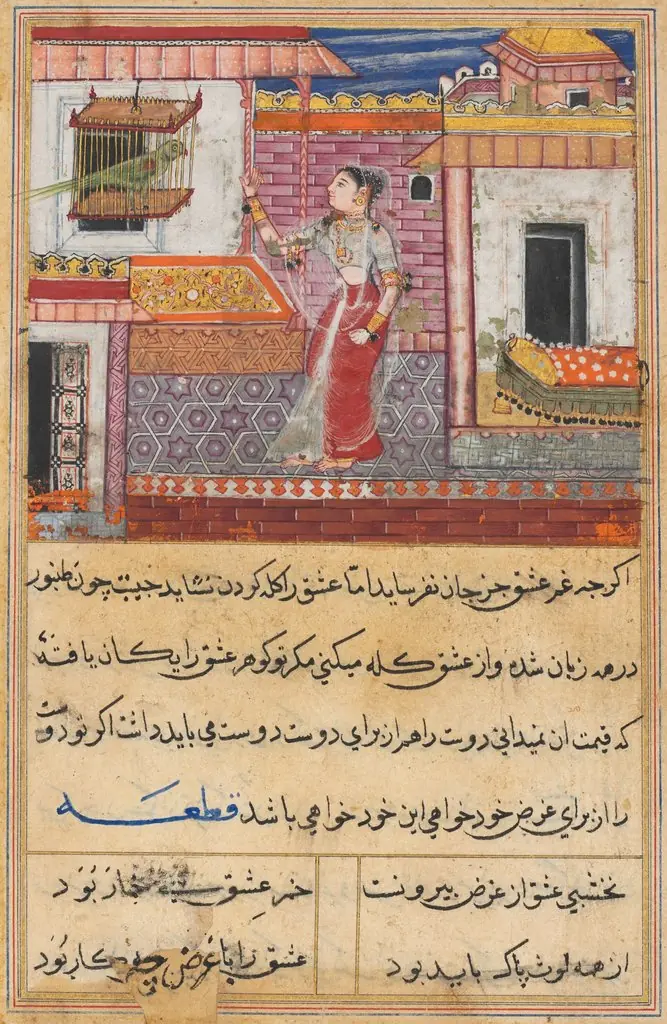 The Parrot Addresses Khujasta at the Beginning of the Thirteenth Night, from a Tuti-nama (Tales of a Parrot)
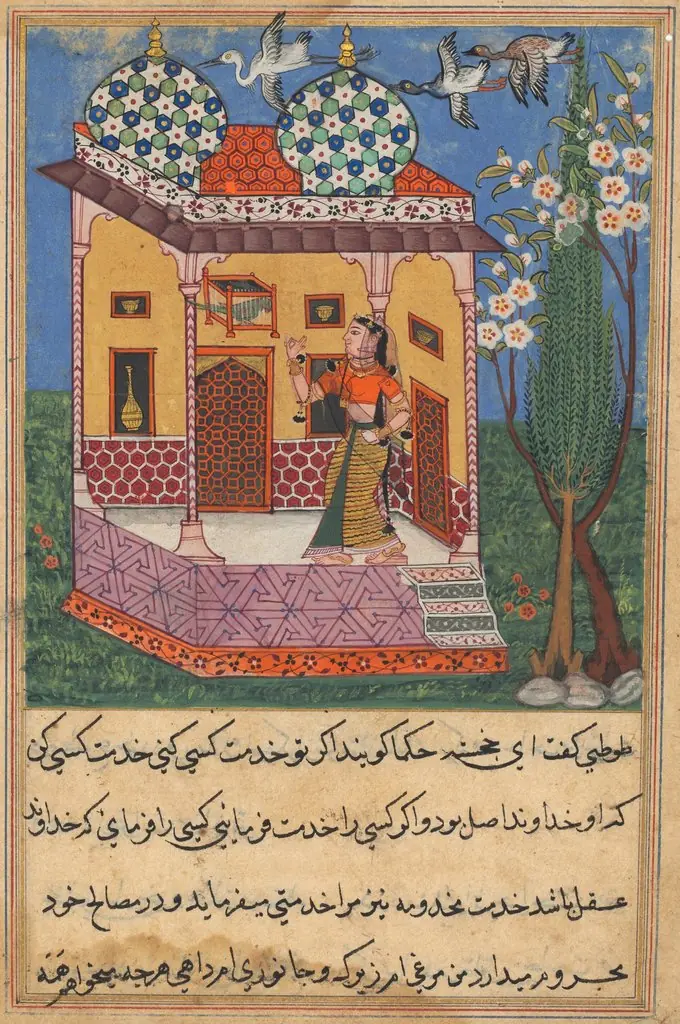 The Parrot Addresses Khujasta at the Beginning of the Twenty-sixth Night, from a Tuti-nama (Tales of a Parrot)
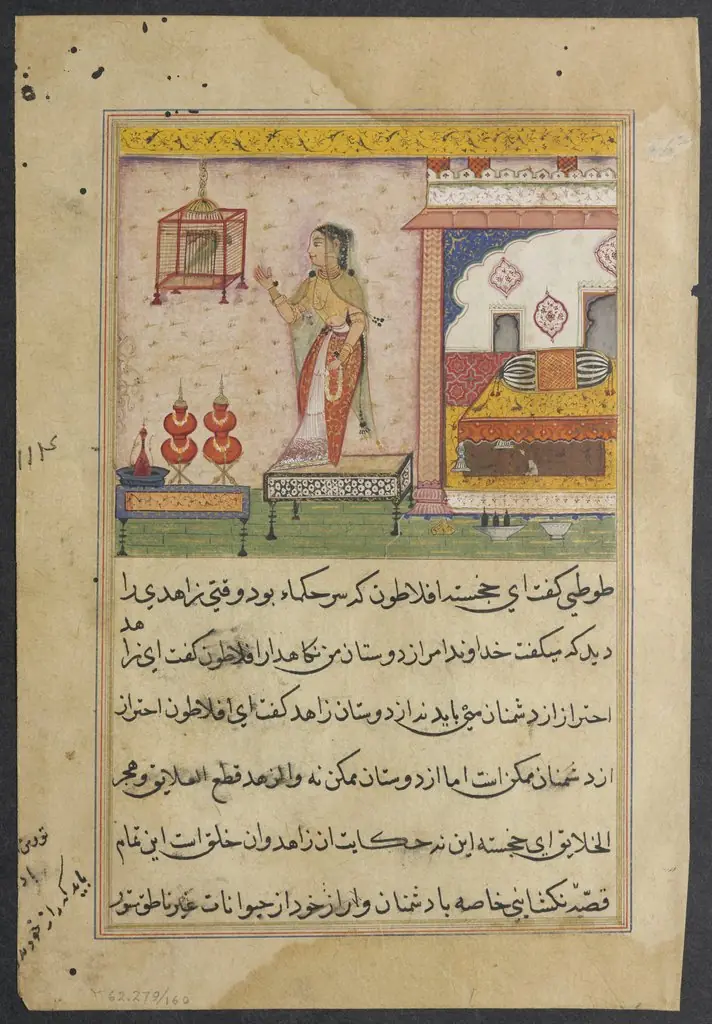 The Parrot Addresses Khujasta at the Beginning of the Twenty-third Night, from a Tuti-nama (Tales of a Parrot)
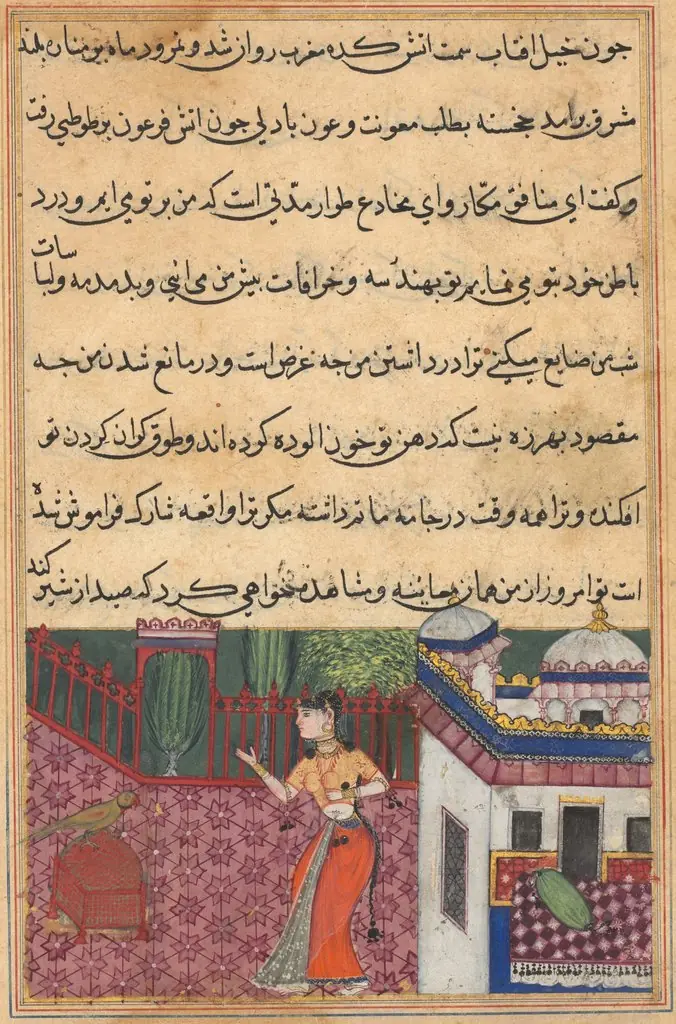 The parrot addresses Khujasta at the beginning of the thirty-third night, from a Tuti-nama (Tales of a Parrot)
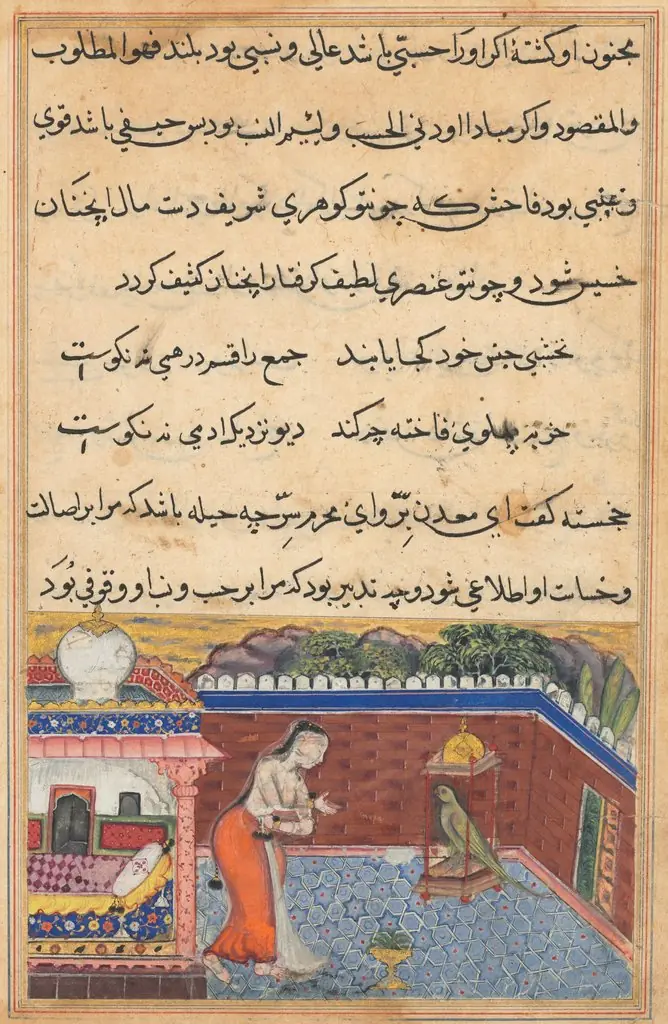 The parrot addresses Khujasta at the beginning of the thirty-first night, from a Tuti-nama (Tales of a Parrot)
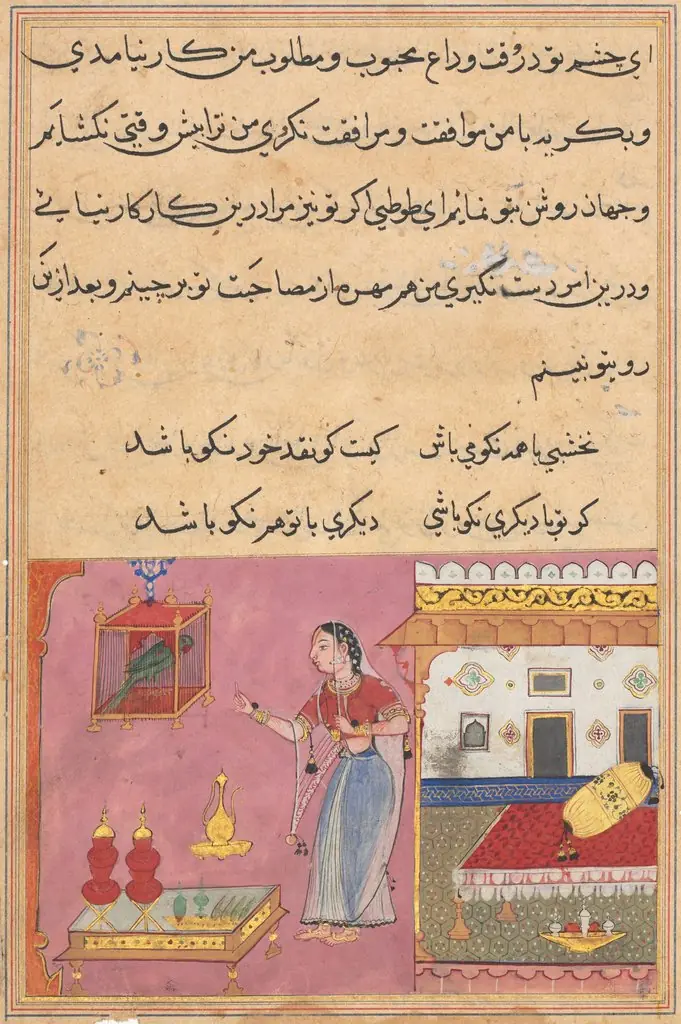 The Parrot Addresses Khujasta at the Beginning of the Twentieth Night, from a Tuti-nama (Tales of a Parrot)
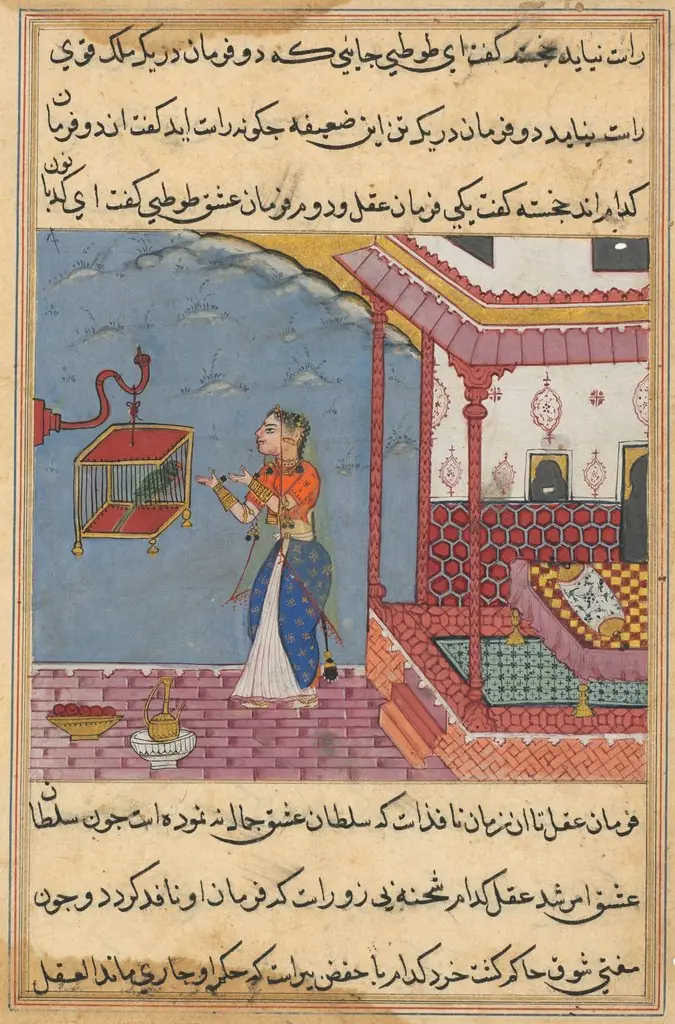 The Parrot Addresses Khujasta at the Beginning of the Twenty-Fourth Night, from a Tuti-nama (Tales of a Parrot)
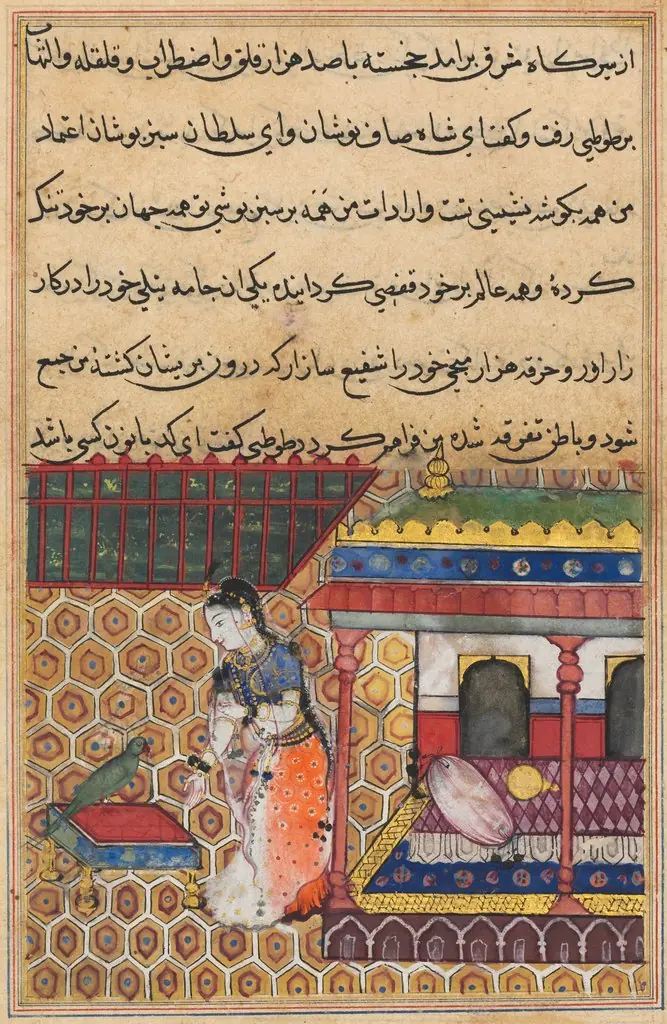 The parrot addresses Khujasta at the beginning of the thirty-eighth night, from a Tuti-nama (Tales of a Parrot)
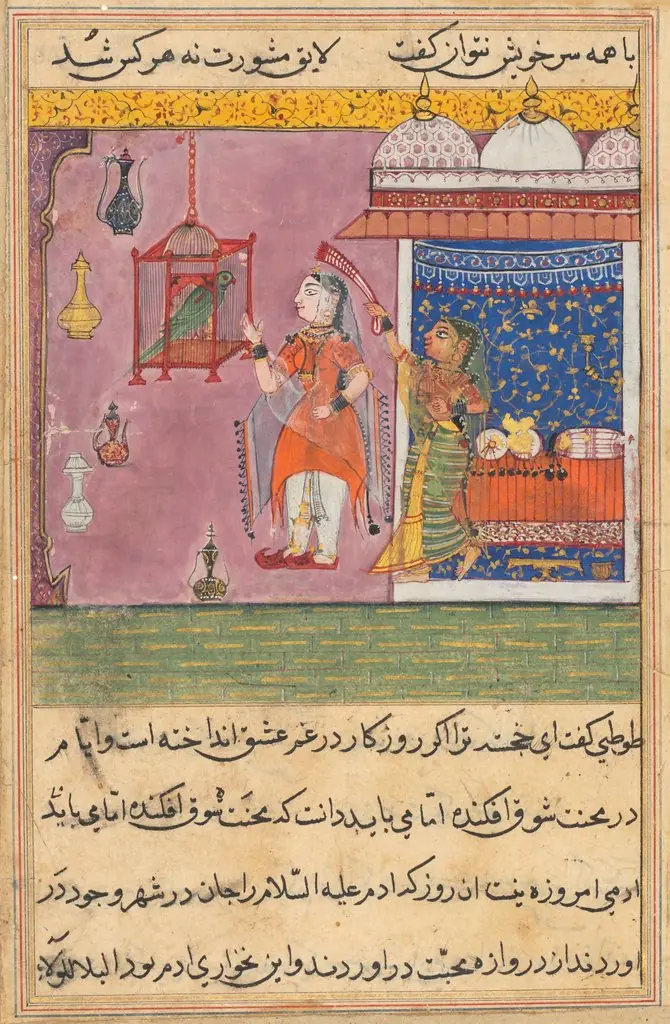 The Parrot Addresses Khujasta at the Beginning of the Nineteenth Night, from a Tuti-nama (Tales of a Parrot)
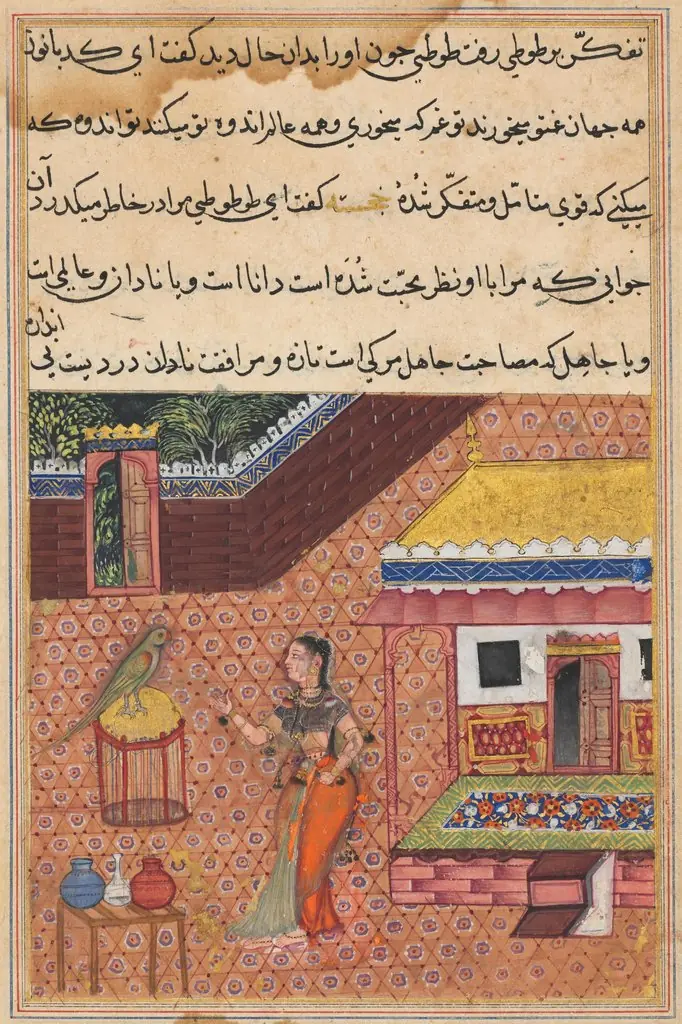 The parrot addresses Khujasta at the beginning of the thirty-fourth night, from a Tuti-nama (Tales of a Parrot)