Artwork
MedallionRecto : Virgin of Copacabana
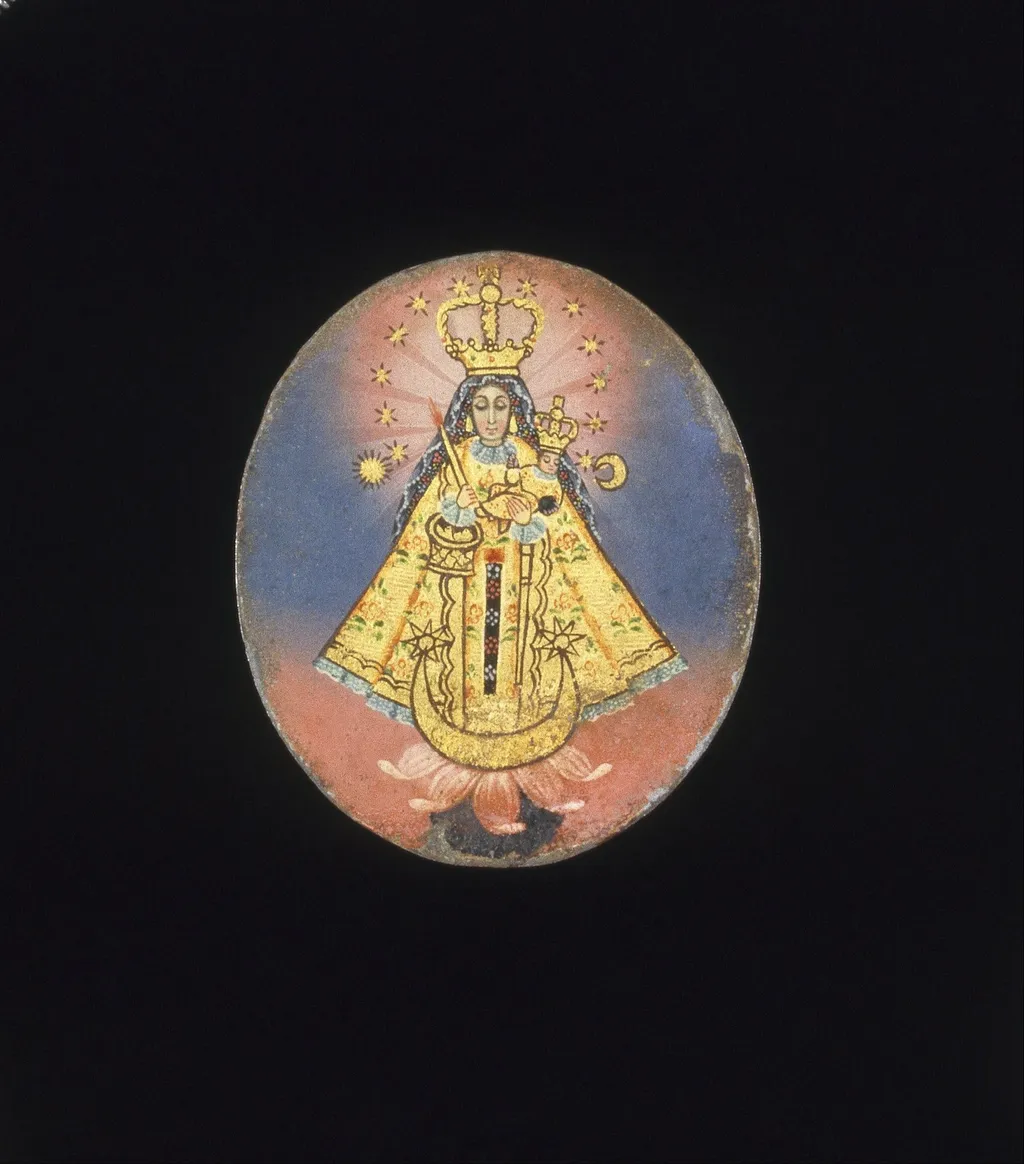
MedallionRecto : Virgin of Copacabana is an unspecified painting by the Post-Impressionist artist Unknown. It dates from 1894 and is held in the collection of the Brooklyn Museum. The work is a circular painted medallion depicting the Virgin of Copacabana.
About this work
Overview
The work is a circular painted medallion depicting the Virgin of Copacabana. Central to the composition is the figure of the Virgin, robed in yellow, crowned, and holding a scepter in one hand while cradling an infant. The surrounding field blends blue and pink hues, and the Virgin is encircled by stars and a crescent moon, creating a tranquil devotional atmosphere.
Subject & Meaning
The image presents the Virgin of Copacabian devotion, a Marian figure venerated in the Andean region. The infant she holds signifies the Christ child, while the scepter denotes her regal intercession. The celestial motifs—stars and crescent moon—underscore her heavenly status and the protective role attributed to her by the faithful.
Technique & Style
Executed as a painted medallion, the work employs a circular format that focuses attention on the central figure. The artist uses a bright yellow for the robe, contrasted with cool blues and soft pinks in the background, and applies intricate patterned detailing on the garment. The composition balances flat decorative elements with subtle modeling to convey serenity.
Context
The Virgin of Copacabana is a central icon in the religious culture of Bolivia and surrounding areas, where the figure is associated with the town of Copacabana on Lake Titicaca. Such medallions were commonly used in personal devotion or liturgical settings, reflecting the spread of Marian imagery in colonial South America.
Artist & collection

 Domestic Scene
 Giacomo and Cardinal Marco, investing Andrea, Abbot of San Zeno, with his Benefice
 The Nymph of Fontainebleau
 Portrait of a Woman
 Madonna and Child with Saints in the Enclosed Garden
 Venus and Minerva
 Family Group of Four on Sofa
 Wall painting from Room H of the Villa of P. Fannius Synistor at Boscoreale
 The Virgin Mary with Indigenous (Aymara) Donors
 Mama Huaco
 Maica Domnului îndurerată
 Saraswati
 Virgin of the Rosary of Guápulo
 The Virgin of Guadalupe with the Four Apparitions
 Epitafium Agnieszki Błoniowskiej, z kościoła Mariackiego w Krakowie
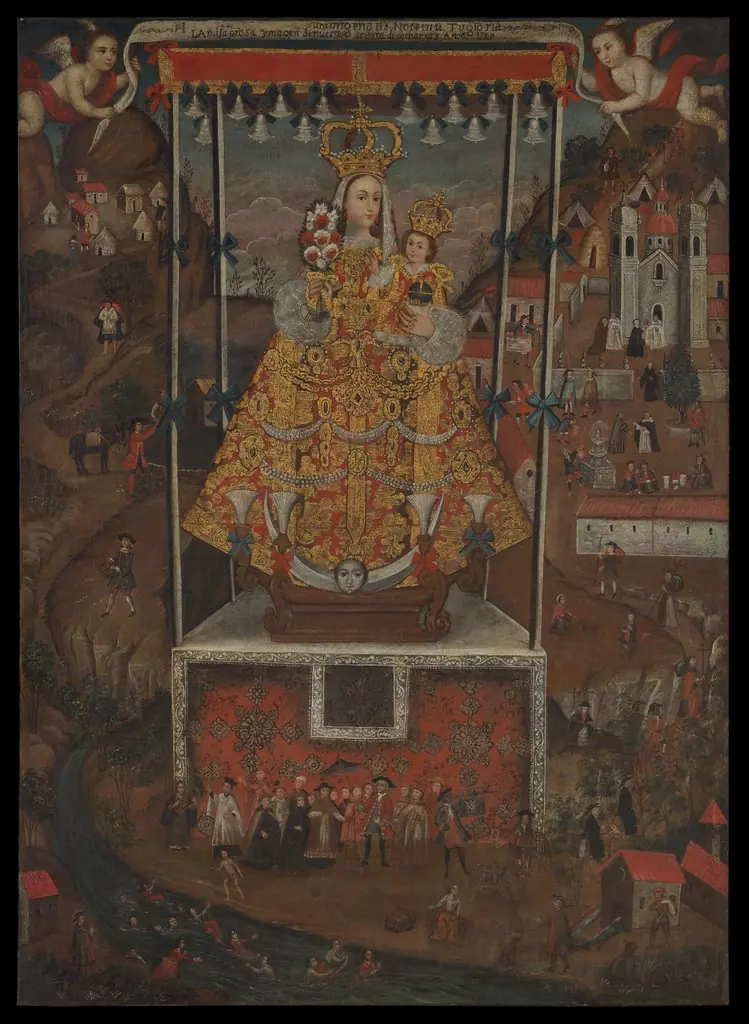 Our Lady of Cocharcas
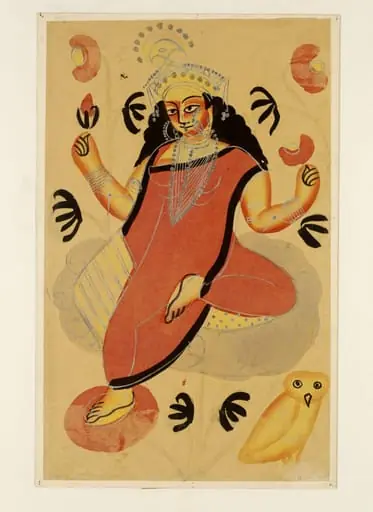 Lakshmi
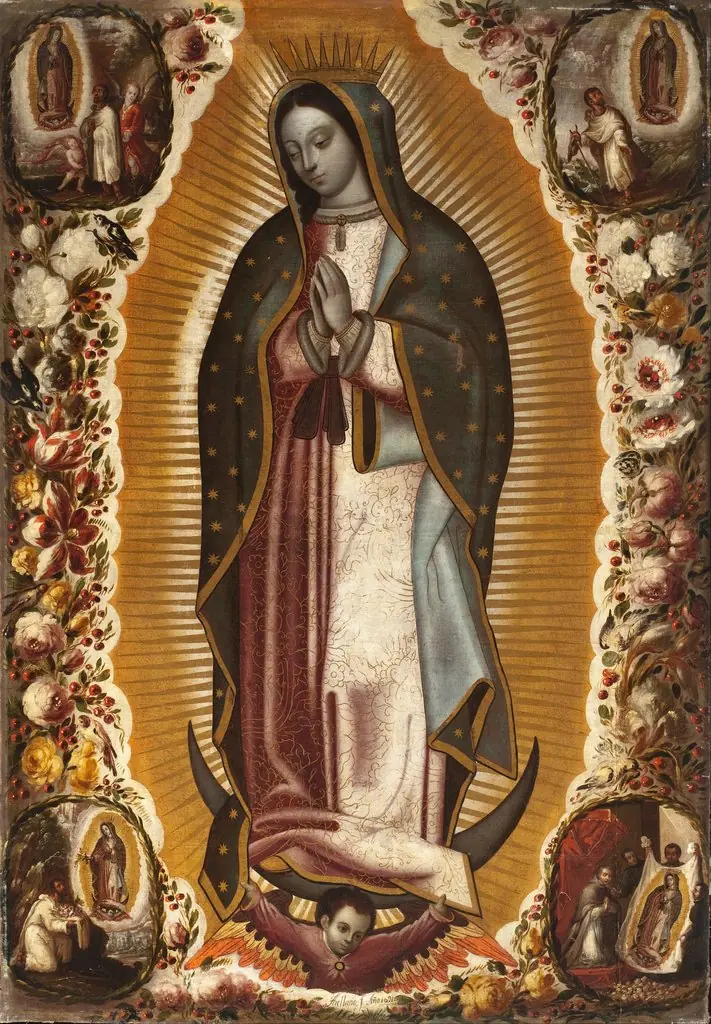 Virgin of Guadalupe
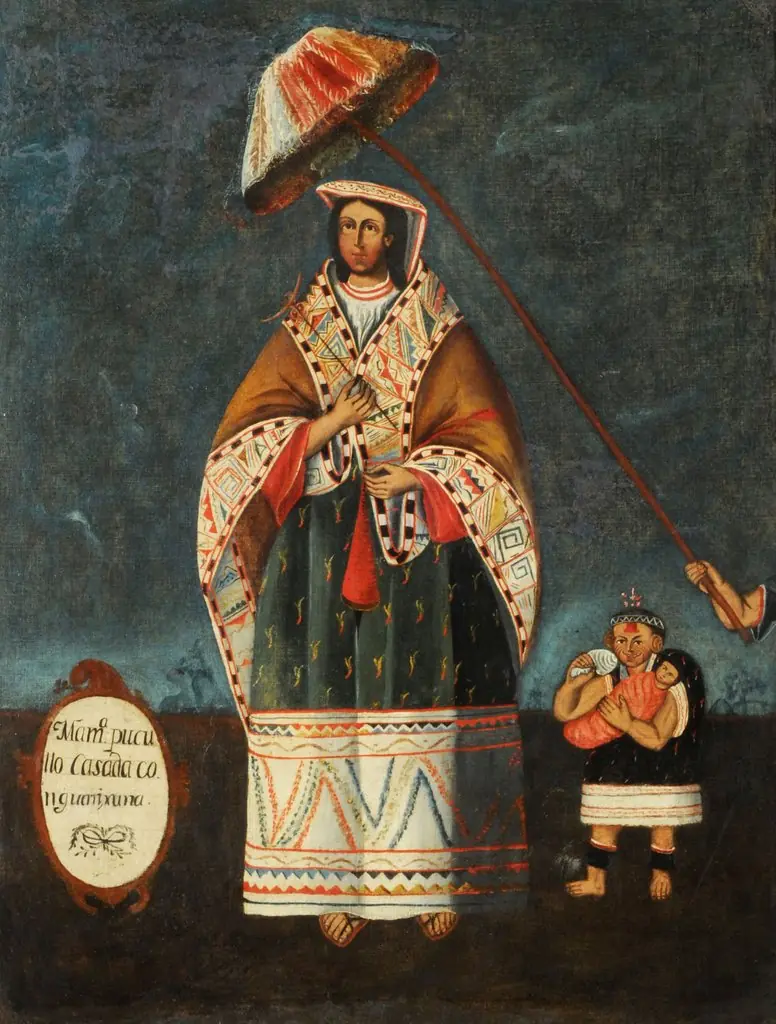 Mama Cucullo
 The Congregation of the Mother of God