Artwork
Rinaldo och Armida
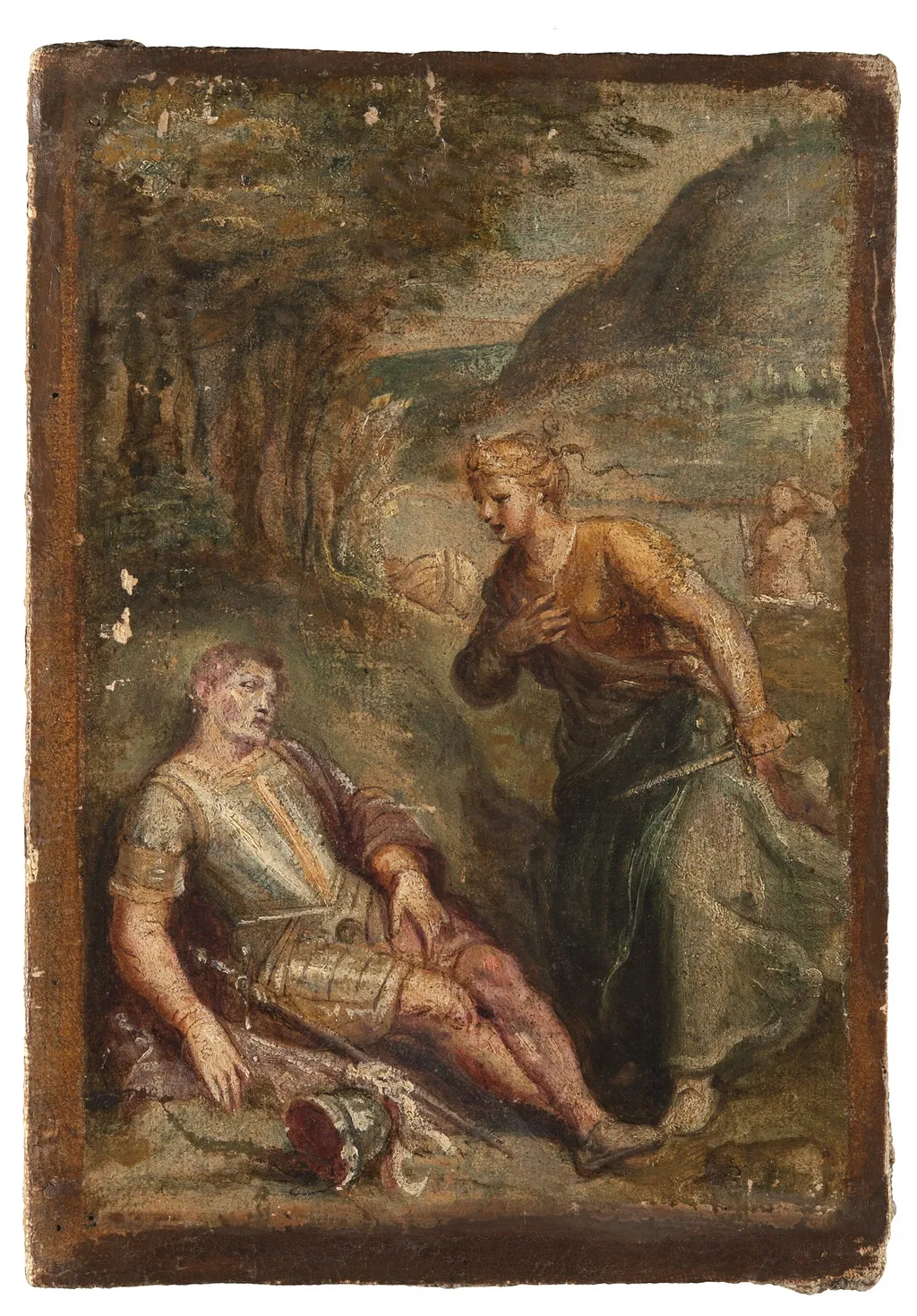
Rinaldo och Armida is an oil painting by the Mannerist artist Unknown. It dates from 1549 and is held in the collection of the Nationalmuseum. This oil painting portrays two figures in a natural setting, their postures and attire suggesting a narrative moment.
About this work
Overview
This oil painting portrays two figures in a natural setting, their postures and attire suggesting a narrative moment. The composition centers on a seated figure in light garments and a standing figure in darker robes, framed by trees and a hazy background. The surface shows signs of age and historical restoration, indicating its longevity and repeated handling over time.
Subject & Meaning
The figures are understood to represent Rinaldo and Armida, characters from Torquato Tasso’s epic poem. Their interaction—seated and standing, clothed in contrasting hues—hints at emotional tension or transformation. The allegorical nature of the scene implies themes of temptation, duty, or spiritual conflict, common in Baroque literary-inspired works.
Technique & Style
Oil paint was applied with layered brushwork, creating subtle shifts in light and texture across fabric and landscape. The palette is muted, with earth tones dominating, enhancing the sense of time passed. The brushstrokes are deliberate but not overly refined, aligning with a 17th-century approach that prioritized narrative clarity over decorative flourish.
History & Provenance
The painting’s surface reveals multiple interventions, including inpainting and varnish applications, typical of works preserved through centuries. Its survival suggests it was valued by collectors or institutions, though its early ownership remains undocumented. The current condition reflects both careful stewardship and the inevitable effects of time.
Context
Created during a period when Italian artists frequently drew from epic poetry, this work reflects the cultural appetite for allegorical storytelling. The choice of Rinaldo and Armida aligns with broader trends in Baroque art, where myth and literature merged to explore human emotion and moral choice within idealized natural settings.
Legacy
Though not widely exhibited today, the painting contributes to the understanding of how literary themes were visually interpreted in early modern Europe. Its preservation offers insight into the material history of oil paintings and the evolving attitudes toward conservation across generations.
Artist & collection

 Domestic Scene
 Giacomo and Cardinal Marco, investing Andrea, Abbot of San Zeno, with his Benefice
 The Nymph of Fontainebleau
 Portrait of a Woman
 Madonna and Child with Saints in the Enclosed Garden
 Venus and Minerva
 Family Group of Four on Sofa
 Wall painting from Room H of the Villa of P. Fannius Synistor at Boscoreale
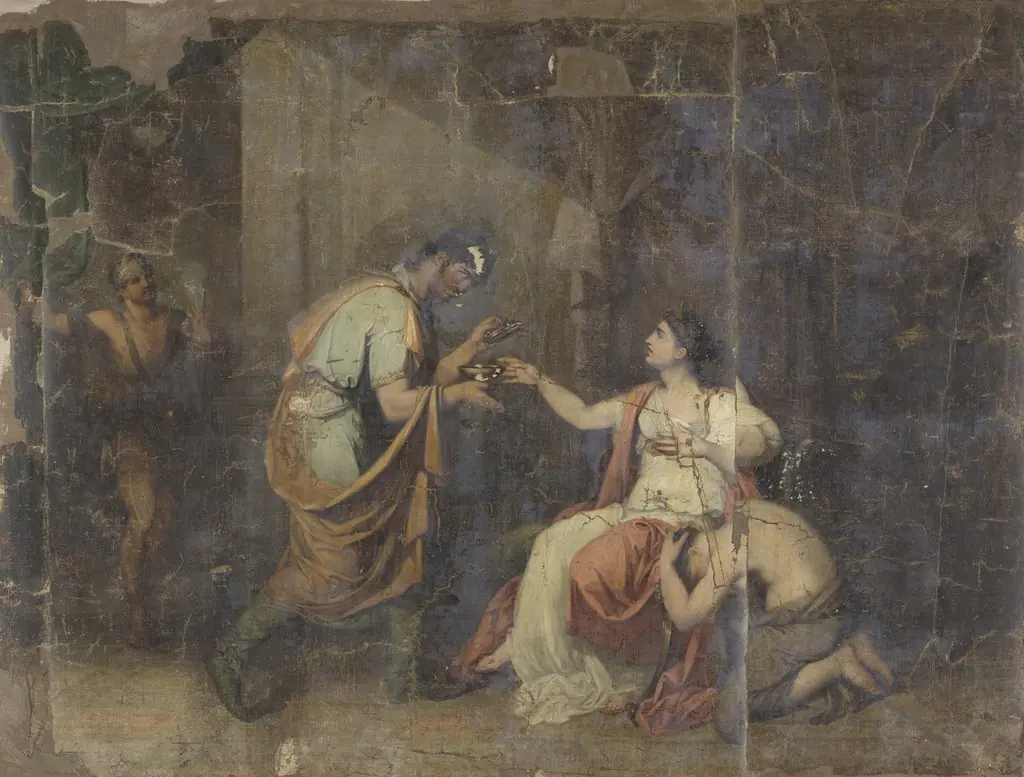 The Death of Sophonisba, Queen of Numidia
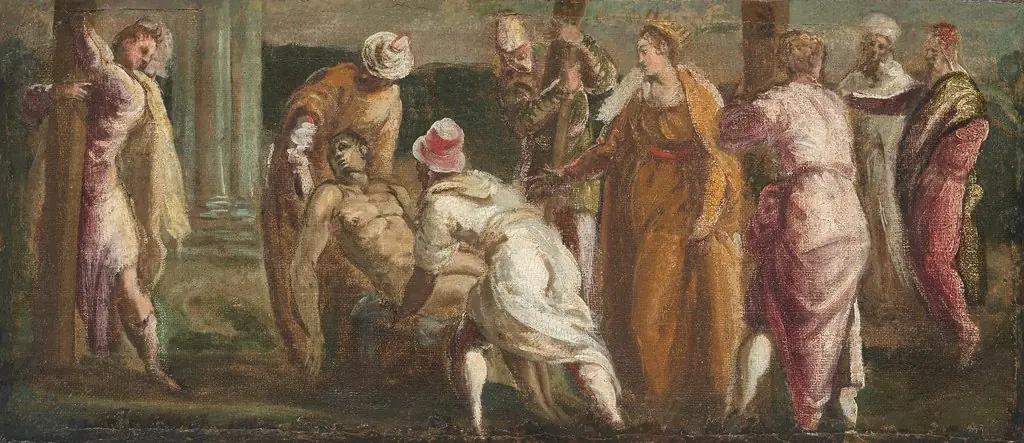 Saint Helen Testing the True Cross
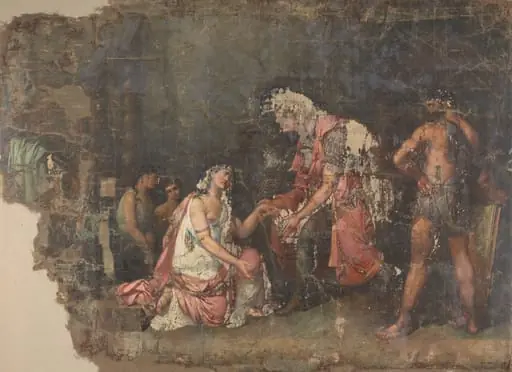 Sophonisbe kneeling before Masinissa, King of Numidia
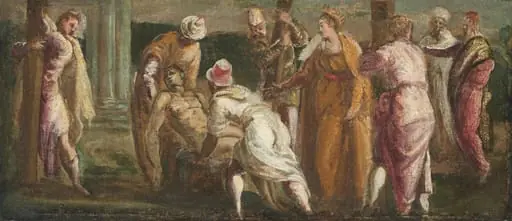 Saint Helen Testing the True Cross
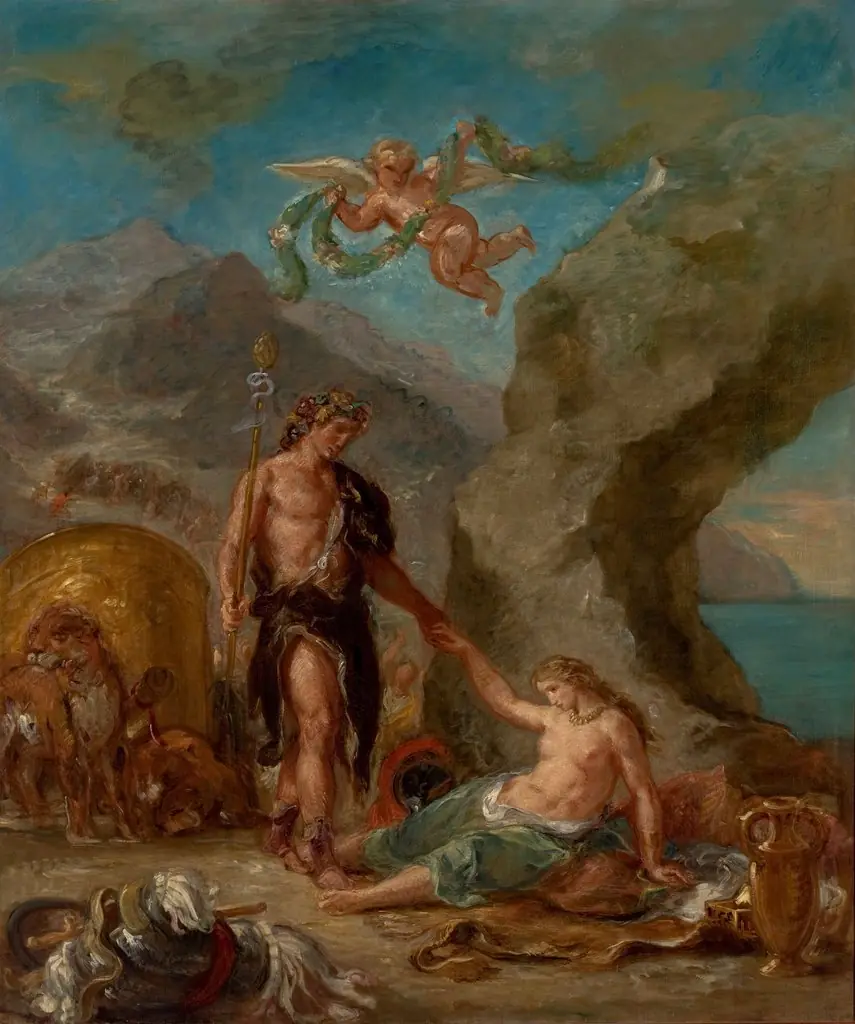 The Autumn - Baccus and Ariadne
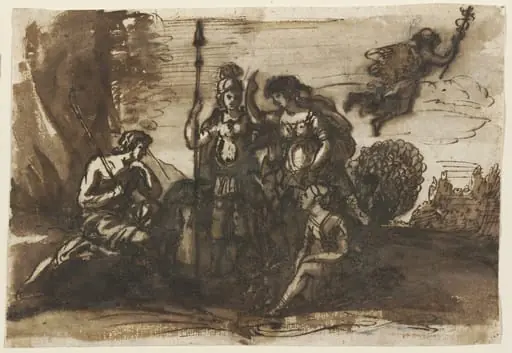 The Judgment of Paris
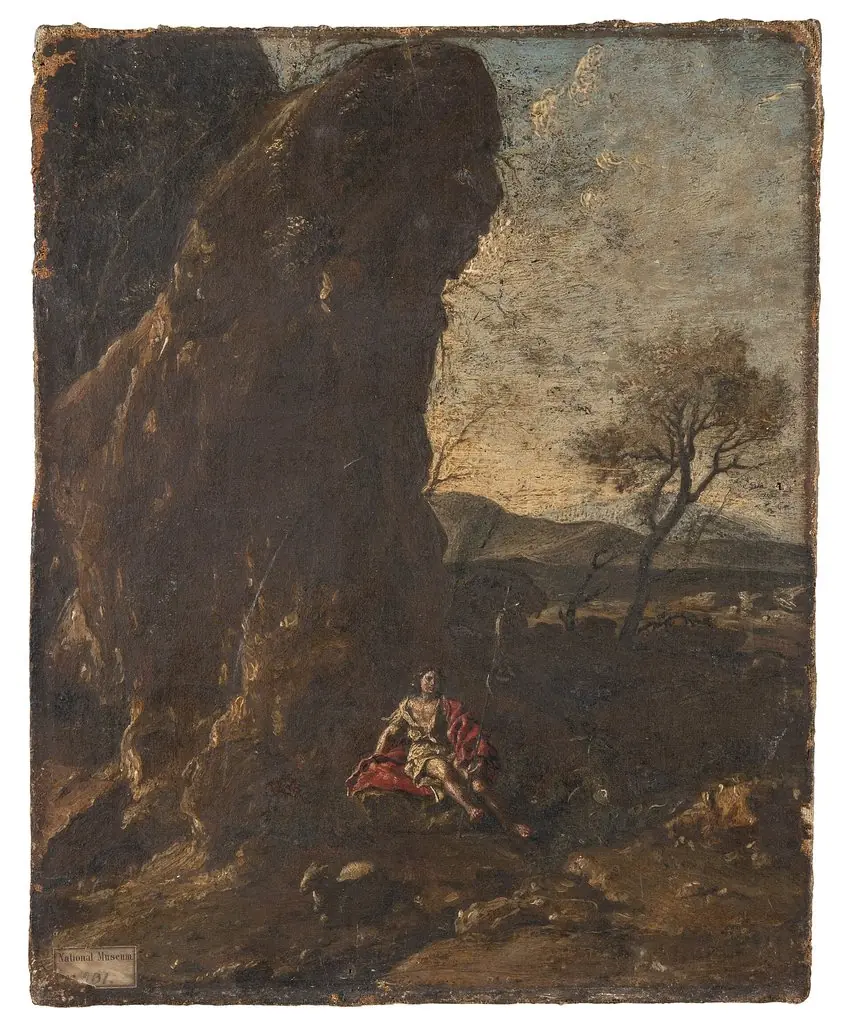 John the Baptist
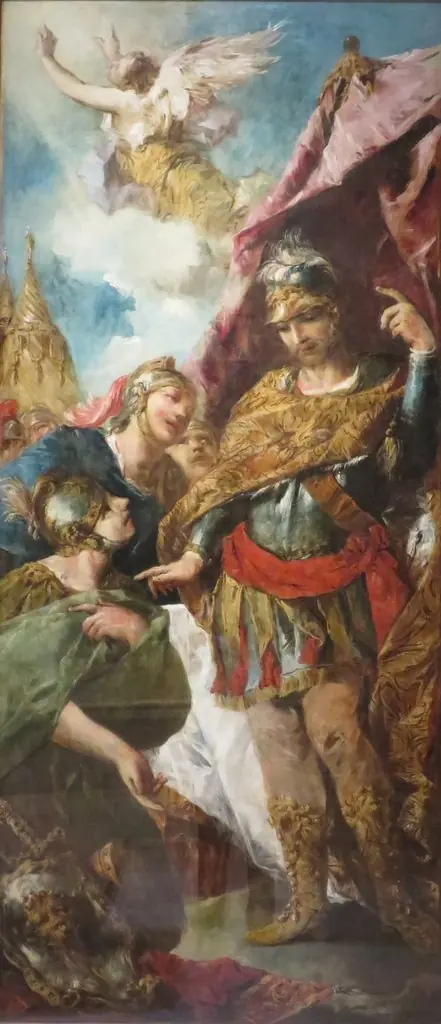 Godfrey of Boulogne Summons His Chiefs to Council
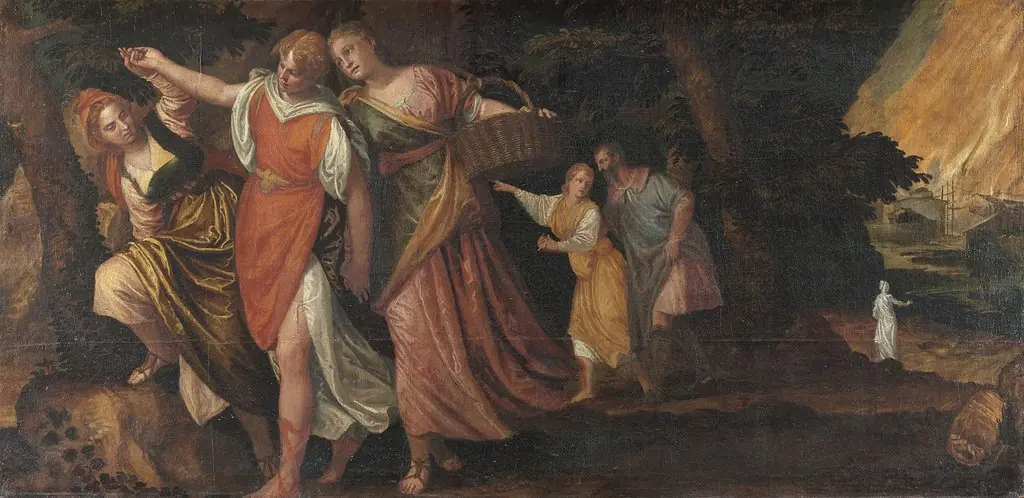 Lot flees Sodom
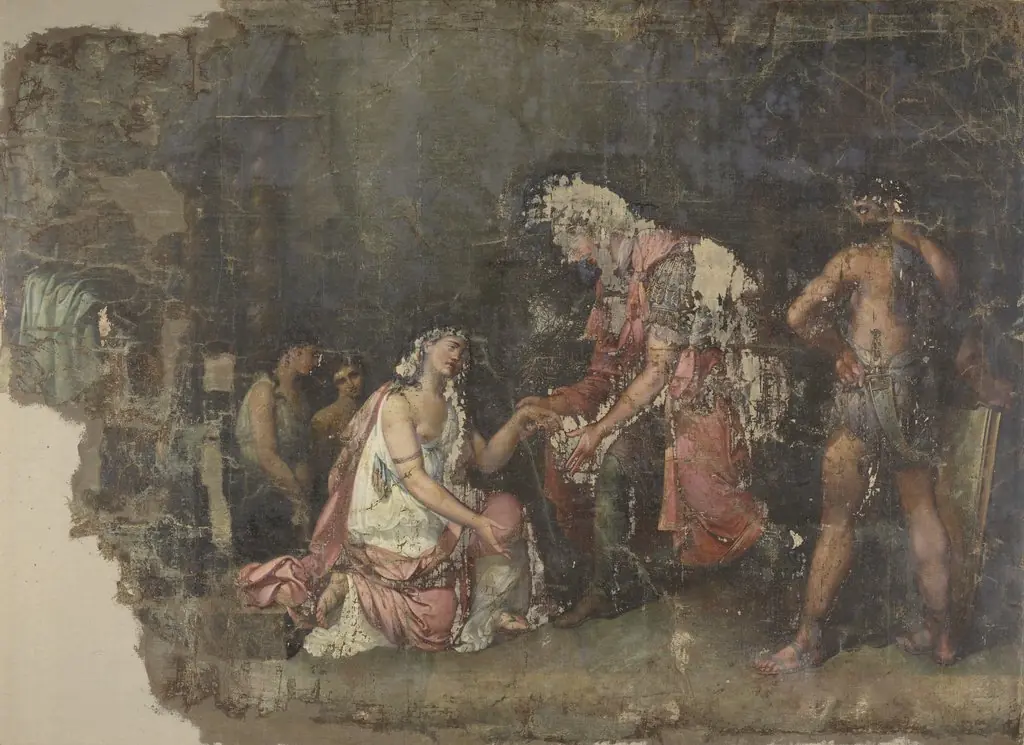 Sophonisba kneeling before Masinissa, King of Numidia