Artwork
The Adoration of the Magi

The Adoration of the Magi is an unspecified painting by Unknown. It is held in the collection of the National Gallery of Ireland. This panel presents the biblical episode of the Magi’s homage to the Christ Child.
About this work
Overview
This panel presents the biblical episode of the Magi’s homage to the Christ Child. A kneeling woman cradles the infant at the composition’s core, while richly attired figures encircle them, one proffering a ceremonial vessel. The scene occupies the right half, contrasting with a landscape that fills the left, establishing spatial separation within a unified format.
Subject & Meaning
The work illustrates the Gospel account of three wise men traveling from afar to honor the newborn Jesus. Their lavish garments and gifts underscore themes of reverence and the recognition of divine kingship. The kneeling posture of the central female figure, traditionally identified as the Virgin Mary, reinforces humility and devotion as central virtues in the narrative.
Technique & Style
A restrained palette of earth tones predominates, lending the scene a somber gravitas. Chiaroscuro modeling—sharp contrasts of light and shadow—sculpts forms and directs attention toward the figures’ gestures and expressions. The division of the panel into distinct zones reflects early Renaissance spatial organization, balancing figural drama with landscape elements.
History & Provenance
Documentary records of the painting’s early ownership remain sparse. It entered public collections in the nineteenth century, where conservation efforts have preserved its original surface. Attribution has been debated, though stylistic parallels align it with workshops active in fifteenth-century Florence or its environs.
Context
Created during a period of growing interest in naturalistic representation, the work reflects both religious devotion and the era’s burgeoning humanist ideals. The Magi’s opulent attire mirrors contemporary courtly fashion, bridging sacred narrative with the visual culture of Renaissance Europe. Such depictions often served as devotional aids in private chapels or domestic settings.
Artist & collection

 Domestic Scene
 Giacomo and Cardinal Marco, investing Andrea, Abbot of San Zeno, with his Benefice
 The Nymph of Fontainebleau
 Portrait of a Woman
 Madonna and Child with Saints in the Enclosed Garden
 Venus and Minerva
 Family Group of Four on Sofa
 Wall painting from Room H of the Villa of P. Fannius Synistor at Boscoreale
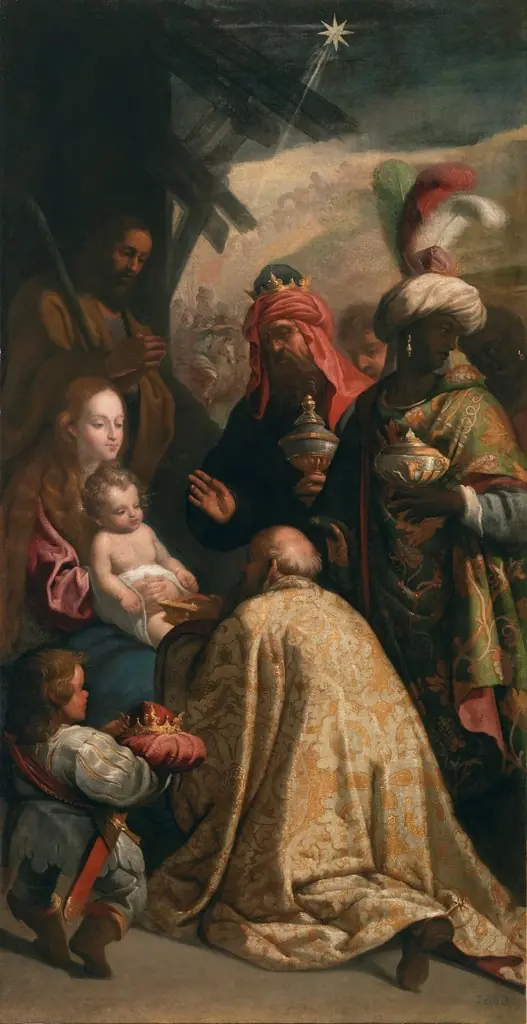 The Adoration of the Magi
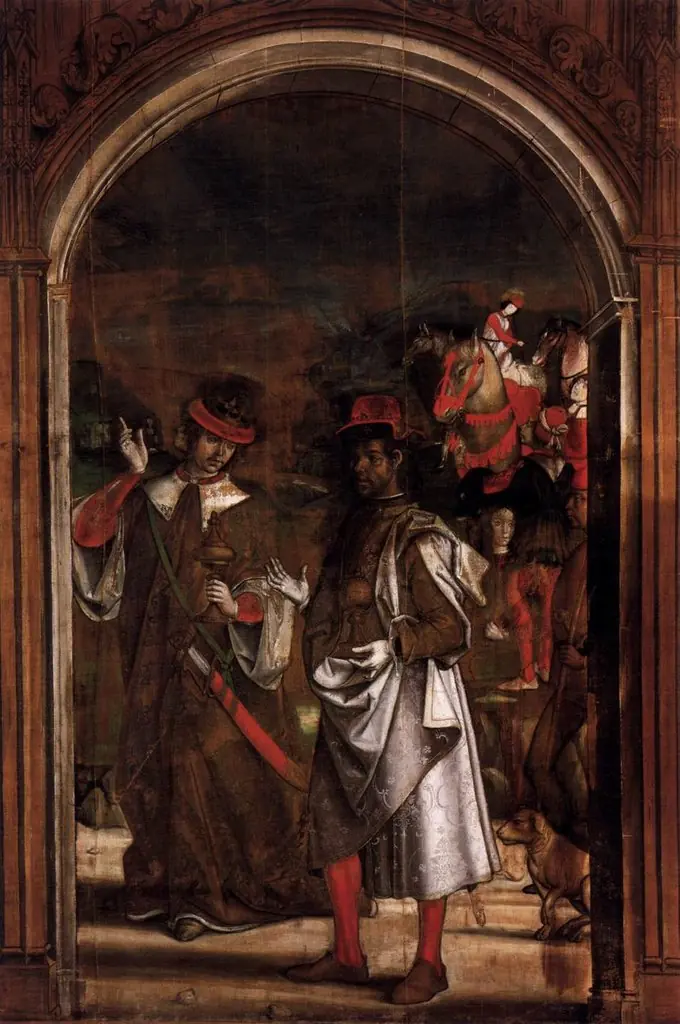 Two Magi
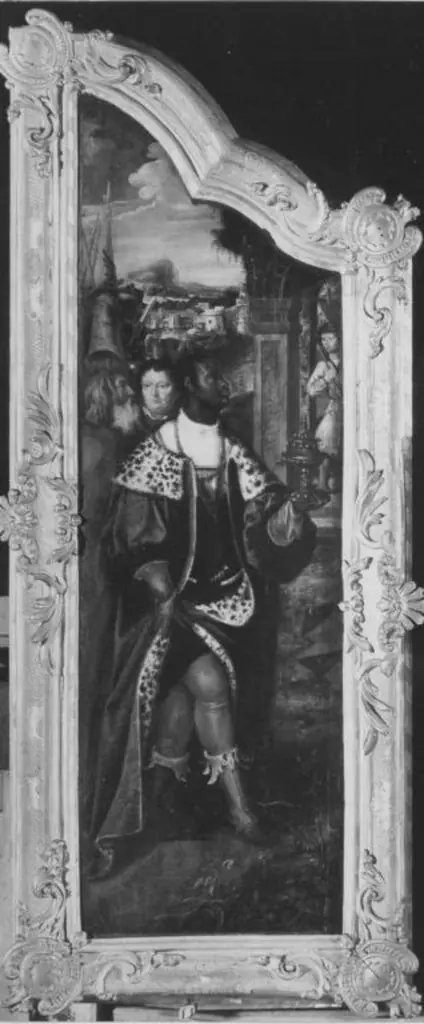 Triptych: King Balthasar
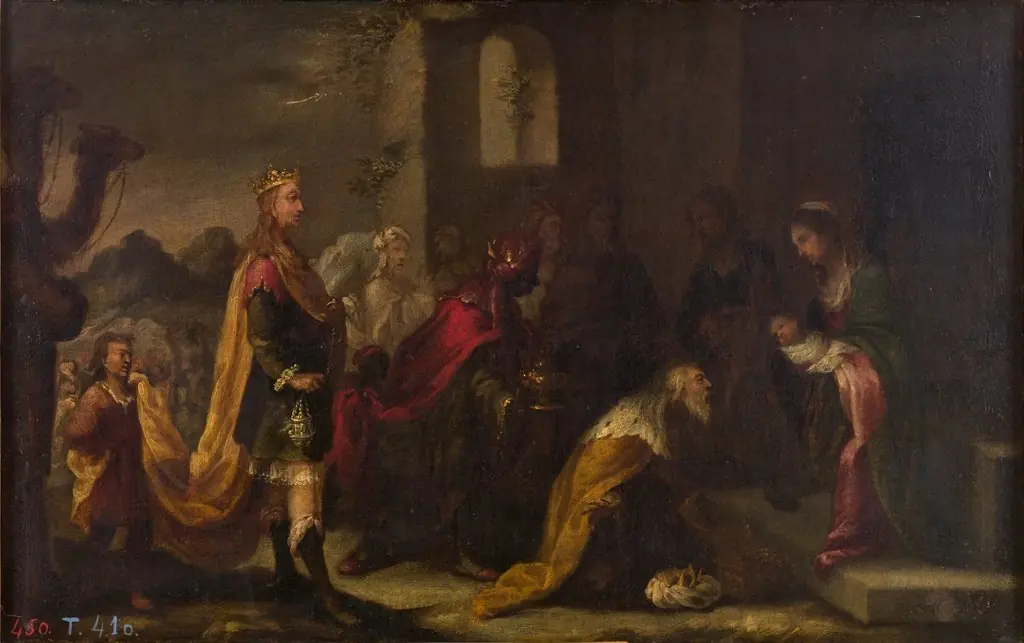 The Adoration of the Magi
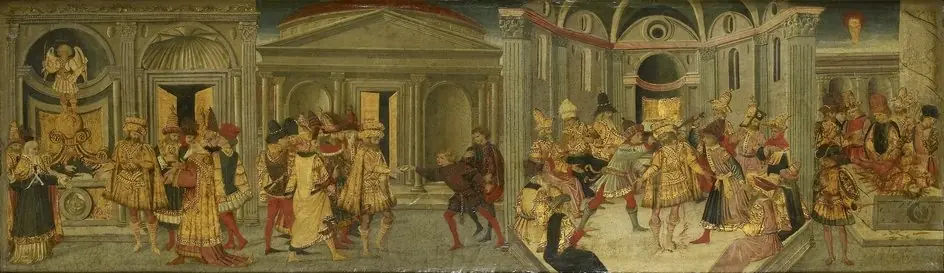 The Assassination and Funeral of Julius Caesar
![The Queen Laying the First Stone for the Church of the Poor Clares in Spain [verso], by Jacques Callot](https://artifactworldgallery.com/img/jacques-callot--the-queen-laying-the-first-stone-for-the-church-of-the-poor--4409b13517e9beb4-w320.webp) The Queen Laying the First Stone for the Church of the Poor Clares in Spain [verso]
The Queen Laying the First Stone for the Church of the Poor Clares in Spain [verso]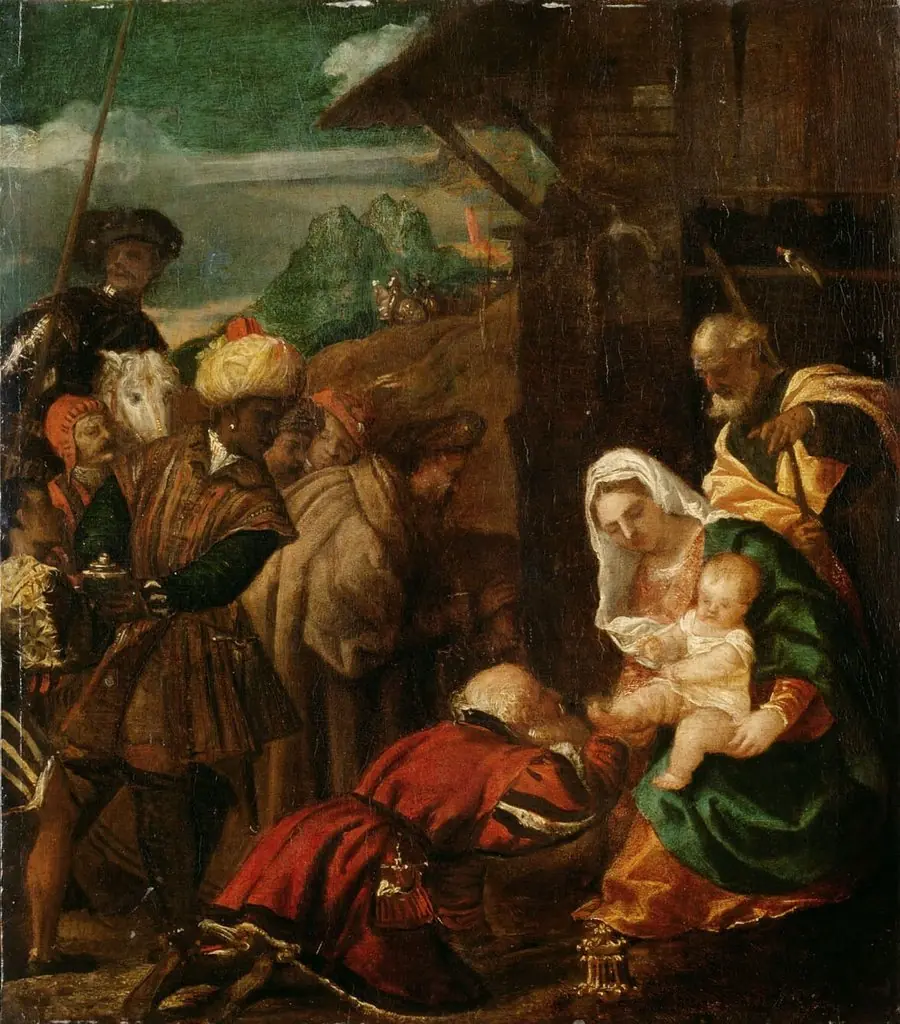 Adoration of the Magi
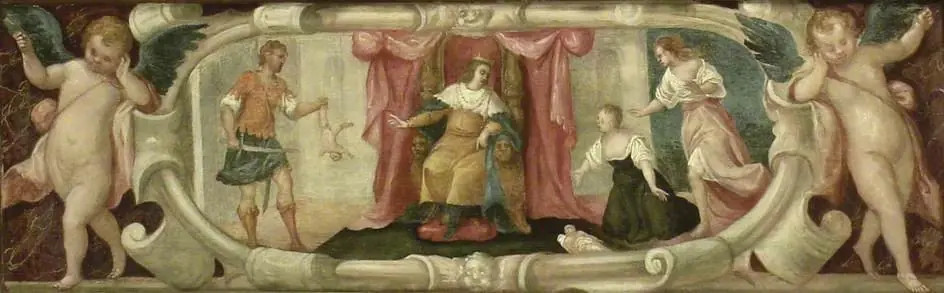 The Judgement of Solomon
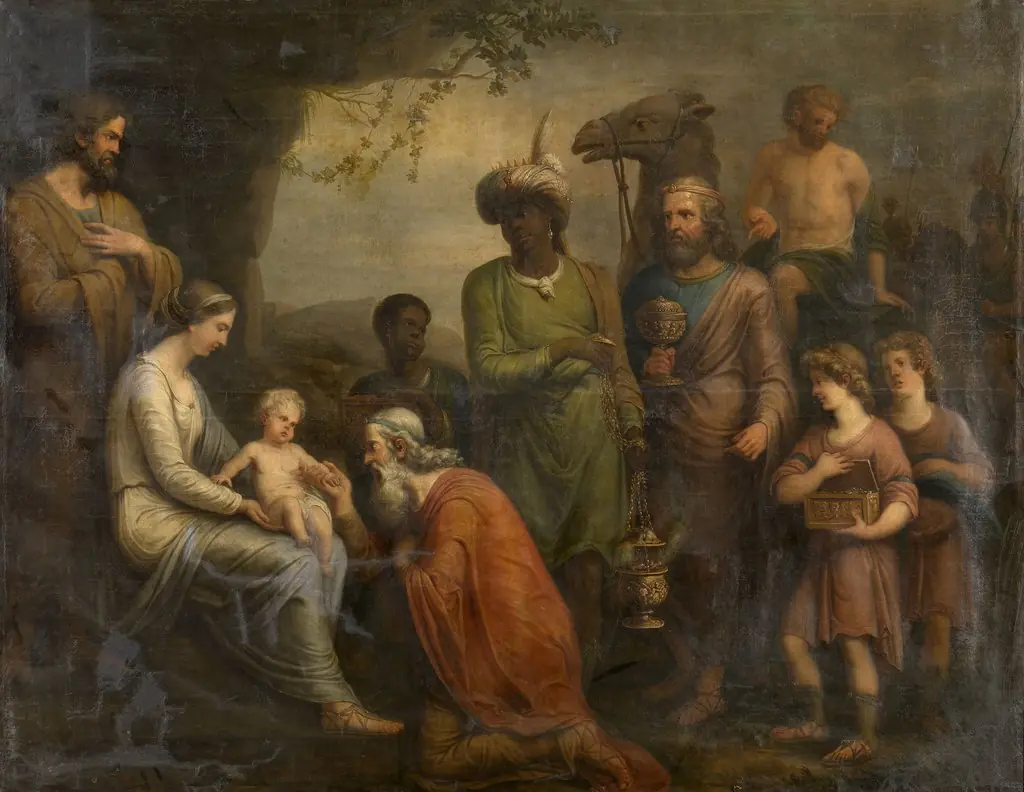 Adoration of the Magi
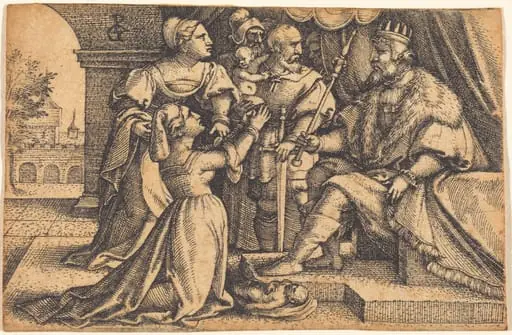 The Judgment of Solomon
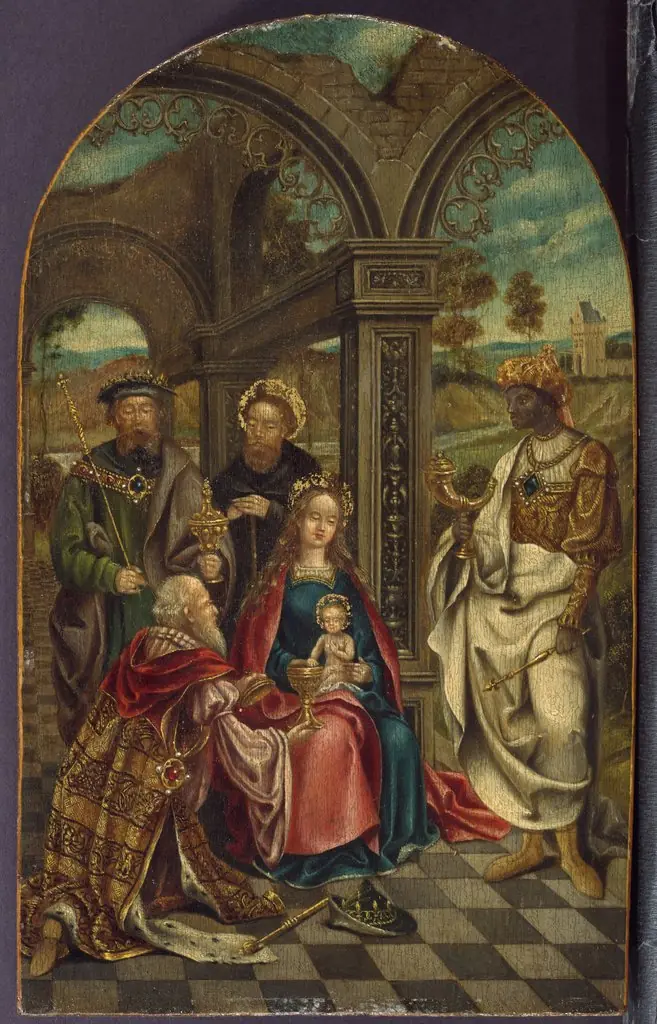 Adoration of the Magi
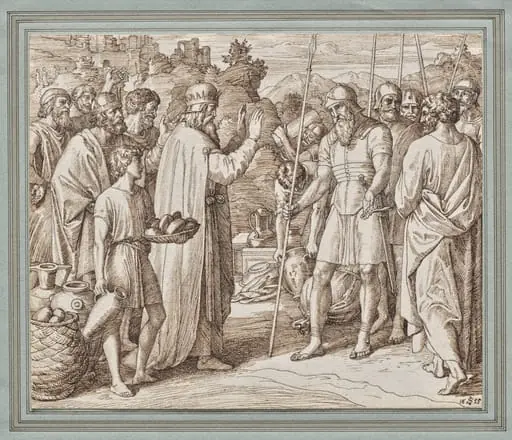 Melchizedek Blessing Abraham