Artwork
The Adoration of the Magi
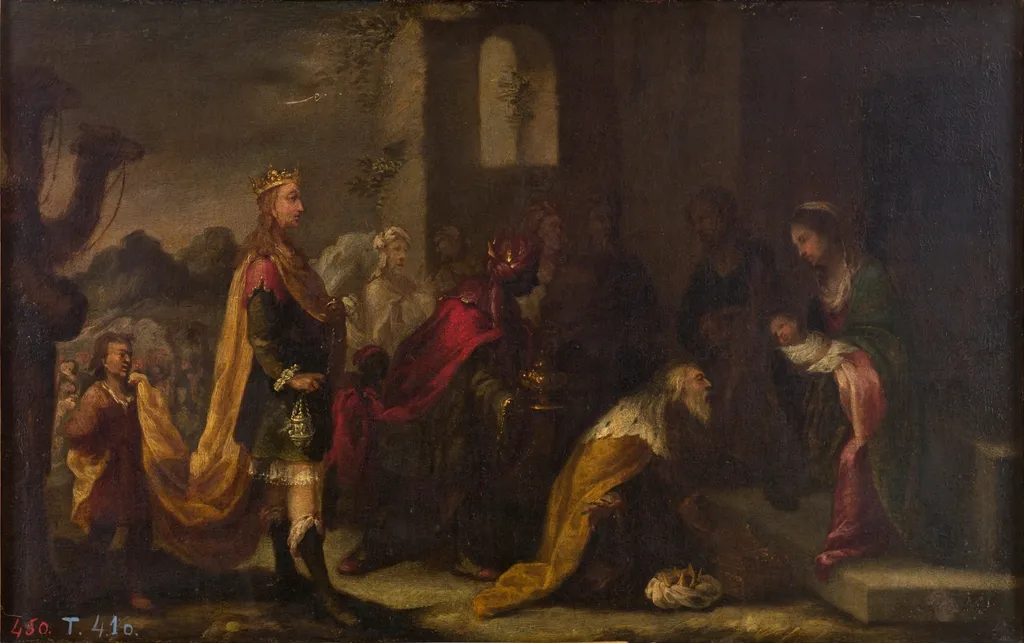
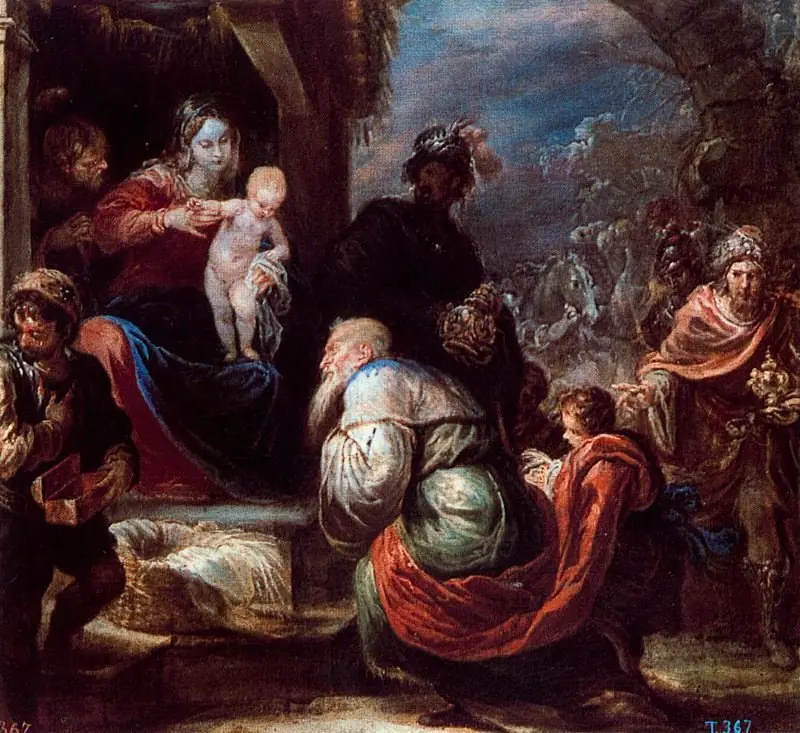
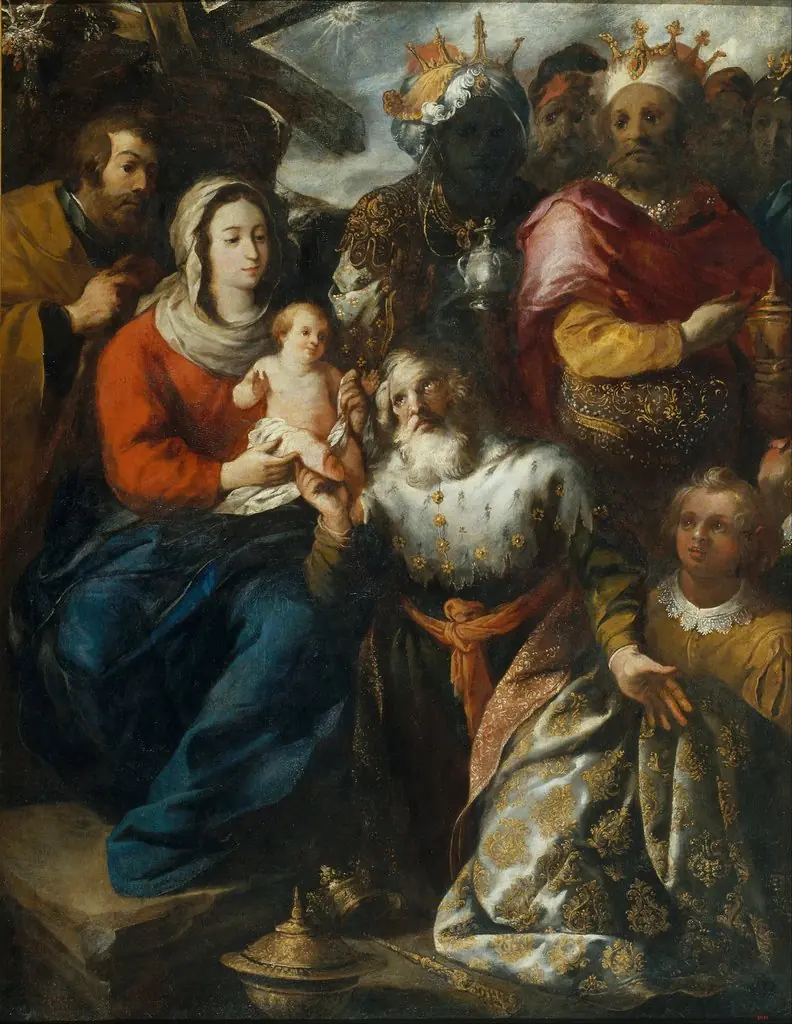
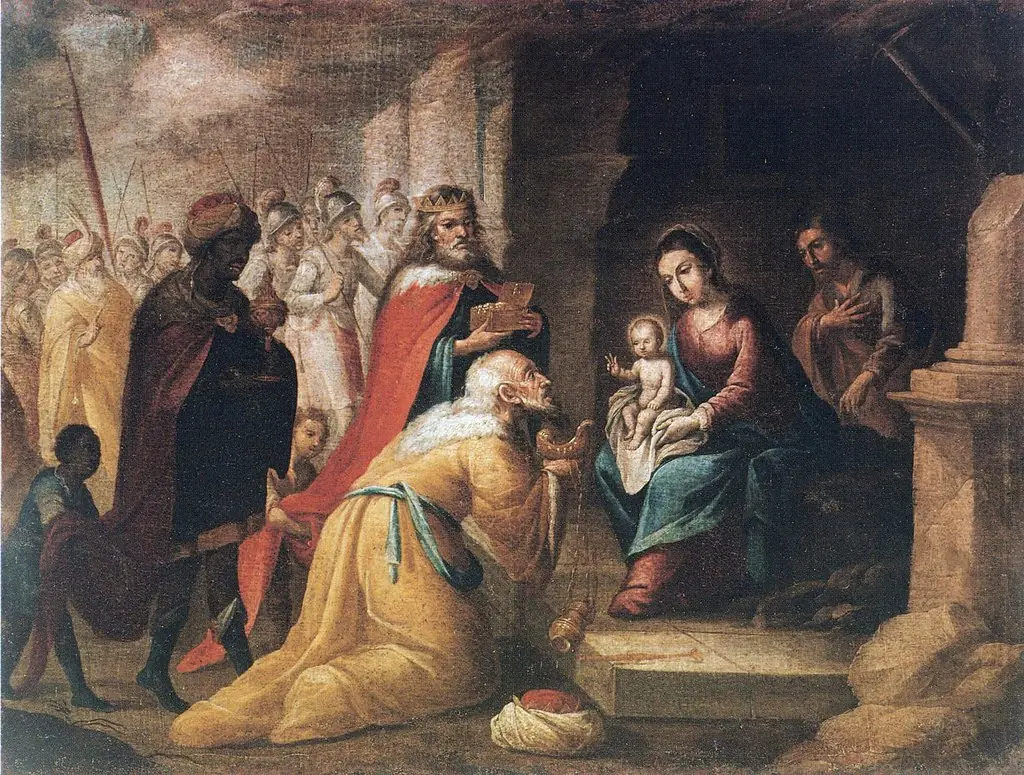
The Adoration of the Magi is an oil painting by the Early Baroque Italian artist Francisco Antolínez. It dates from 1601 and is held in the collection of the Museo del Prado. Created in 1601, this oil painting portrays a religious scene typical of early Baroque Italy.
About this work
Overview
Created in 1601, this oil painting portrays a religious scene typical of early Baroque Italy. The composition centers on a child, identified as the infant Jesus, surrounded by a small group of figures in a dimly lit interior. The work is part of the Museo del Prado’s collection and is presently attributed to the Spanish painter Francisco Antolínez, whose early output included devotional subjects.
Subject & Meaning
The central figure, a woman cradling the Christ Child, is attended by a regal man in a gold‑trimmed robe and crown, and a kneeling figure reaching toward the infant. Additional onlookers hold items such as a staff and a book, suggesting a narrative of reverence and offering. The arrangement emphasizes the act of worship and the theological significance of the Nativity.
Technique & Style
The painting employs dramatic chiaroscuro, with a single, strong light source illuminating the faces and garments against a deep, shadowed background. This contrast creates a three‑dimensional effect and directs the viewer’s eye to the central figures. The brushwork and color palette reflect early Baroque tendencies toward realism and emotional intensity.
History & Provenance
Although the work dates to the early 17th century, its attribution to Francisco Antolínez (1645–1700) stems from later scholarly assessment, linking it to his early, religious phase before he turned to history and landscape subjects. The painting entered the Museo del Prado’s holdings through acquisition in the 19th century, where it remains on display.
Context
The composition aligns with the devotional trends of post‑Council of Trent Italy, where visual art served didactic and meditative purposes. Its use of light and shadow mirrors the influence of Caravaggio and his followers, who popularized chiaroscuro to heighten spiritual drama in religious narratives.
Own this work as a print
Artist & collection
Artist
Francisco Antolínez de Sarabia (1645–1700) was a historical and landscape painter who studied in the school of Murillo, whose style and manner of colouring he followed.

 The Adoration of the Magi
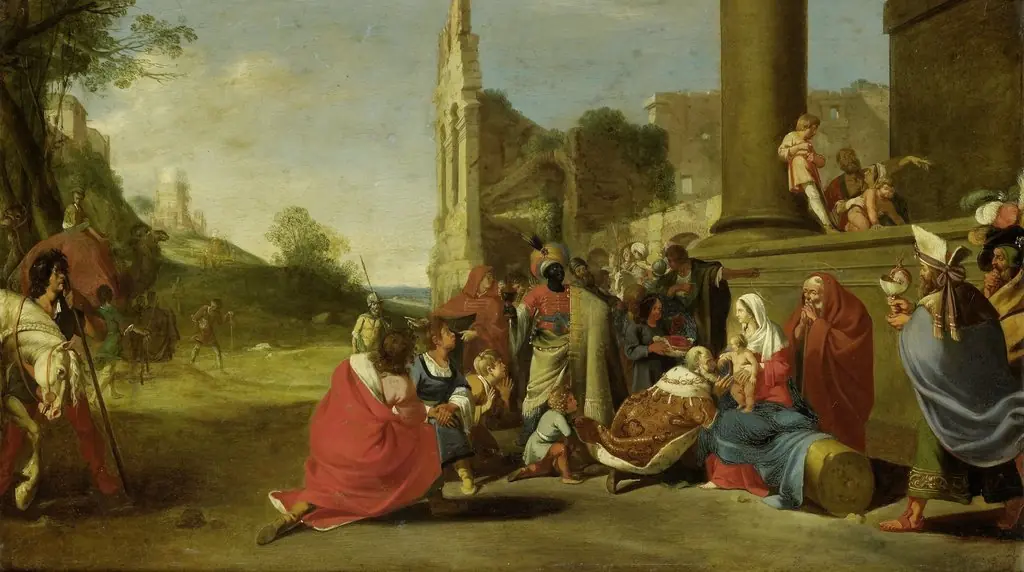 The adoration of the magi
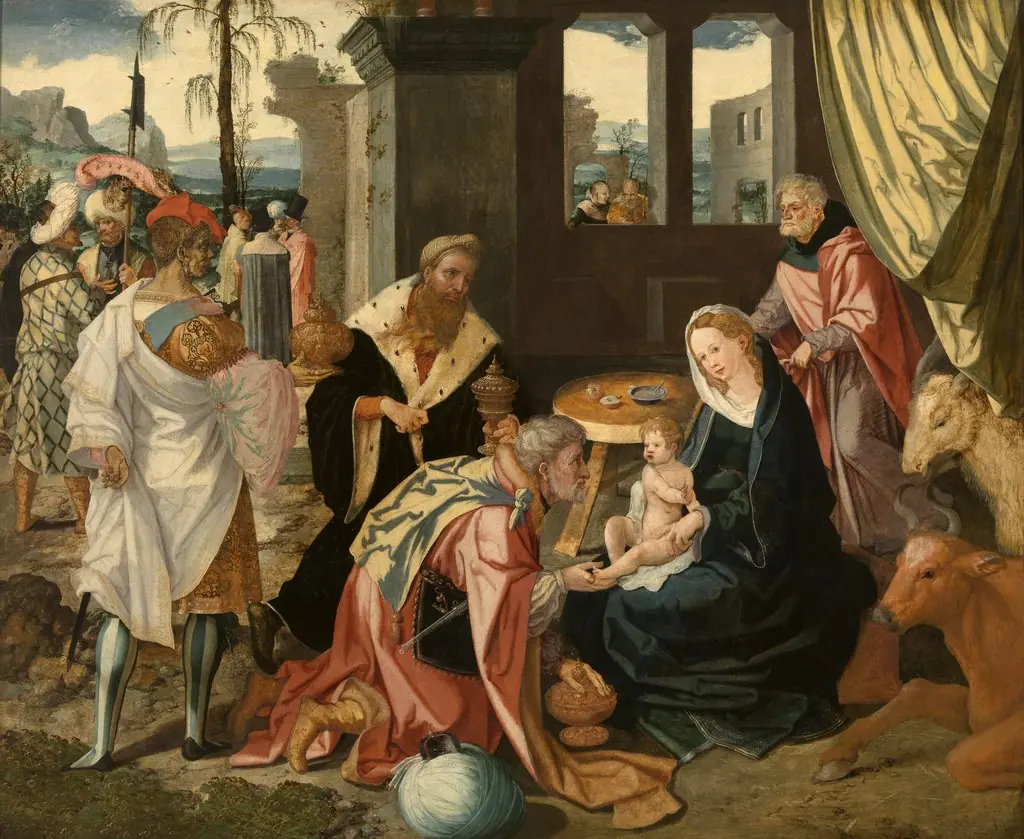 The Adoration of the Magi
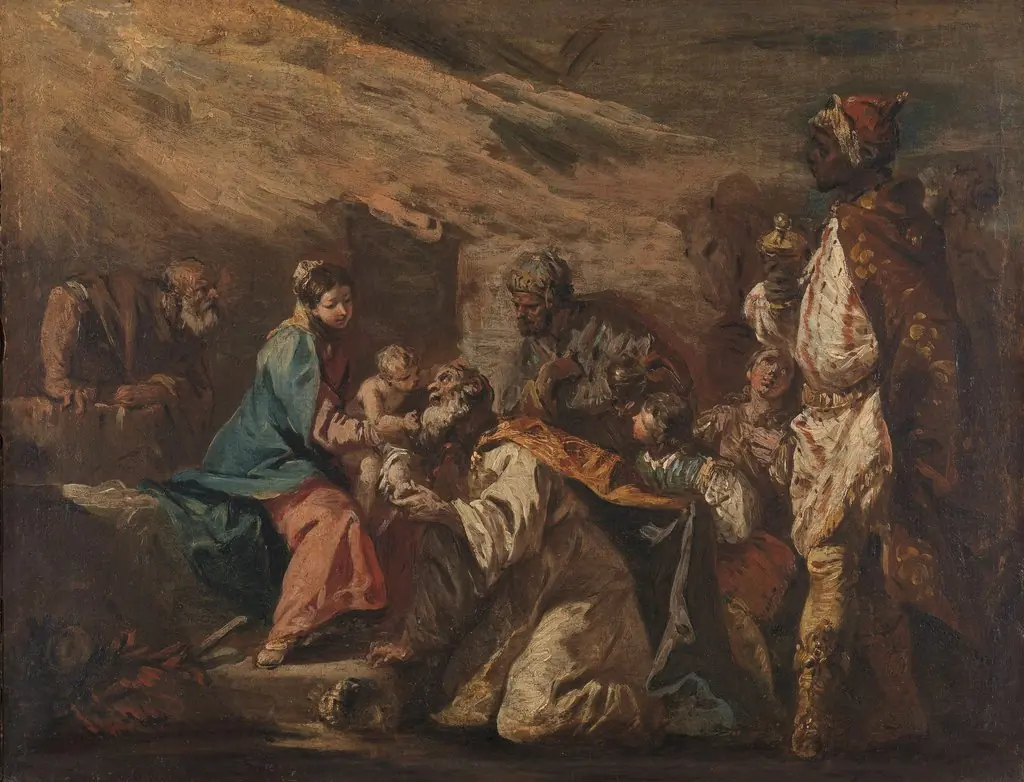 Adoration of the Magi
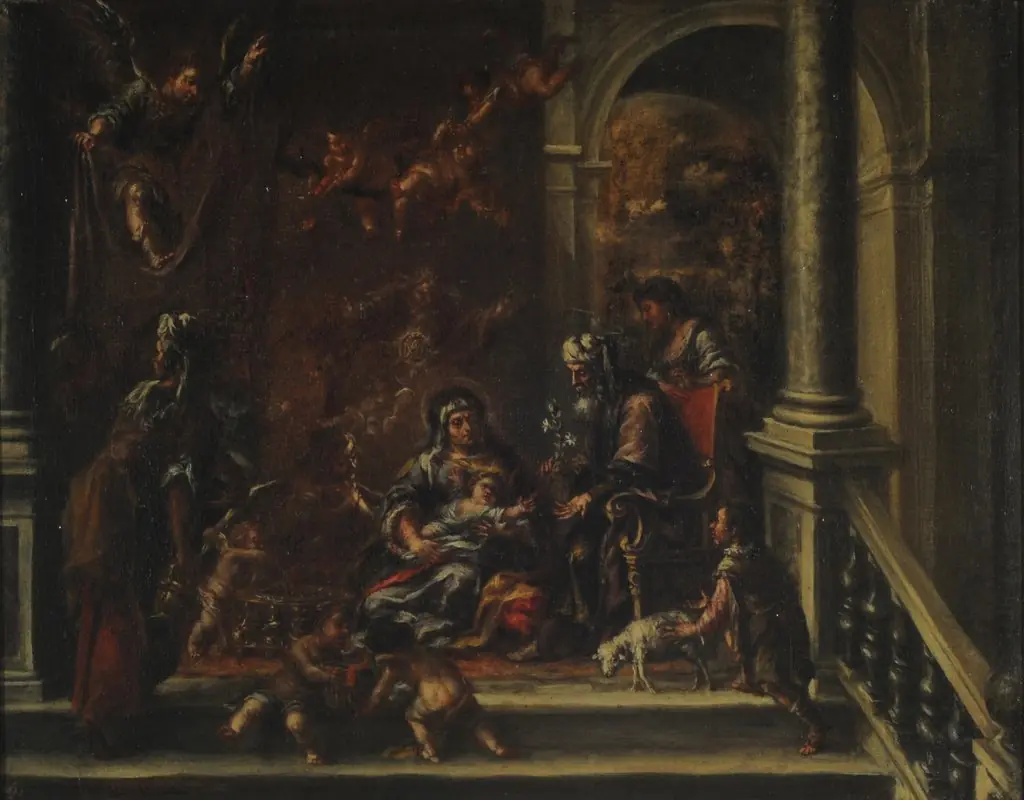 The birth of the Virgin
 Epiphany
 The adoration of the Magi
 The adoration of the Magi
 Adoration of the Magi
 The Adoration of the Magi
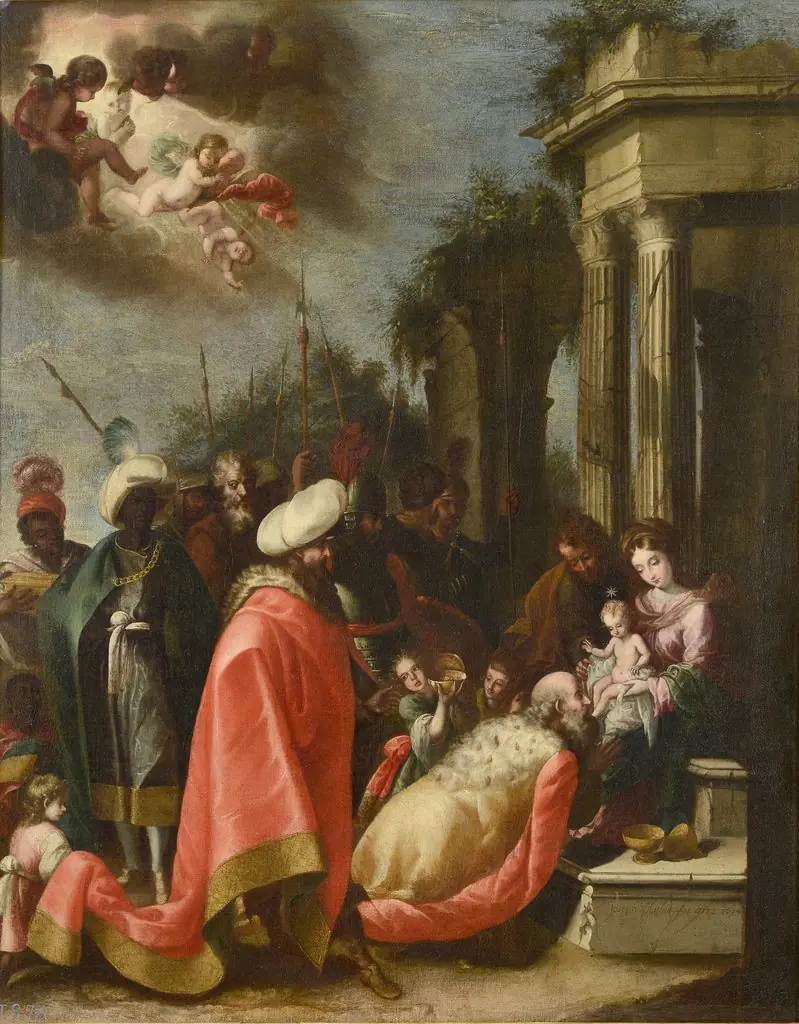 Adoración de los Reyes Magos
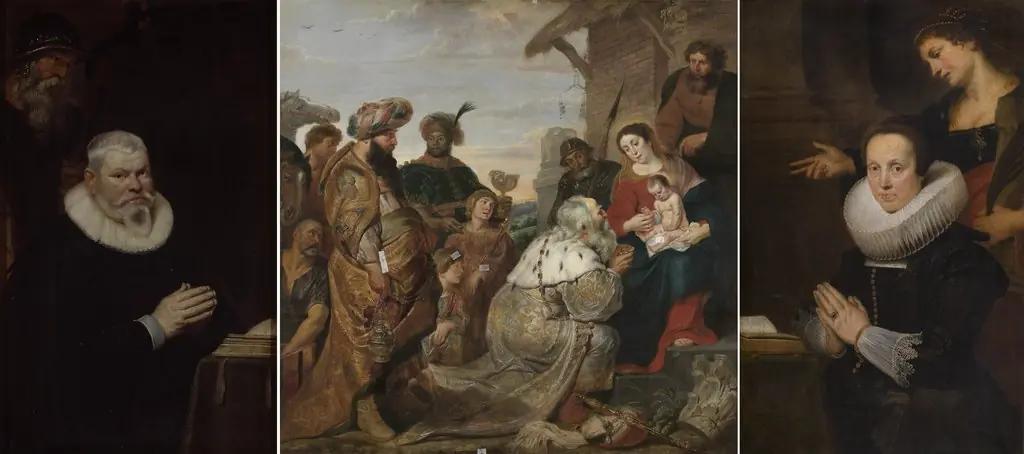 Epitaph of Willem van Meerbeeck and His Wife Barbara Kegeleers