Artwork
Painted Banner (Thangka) from a Set of Seven Honoring Gayadhara, a Sakya Pandit from India
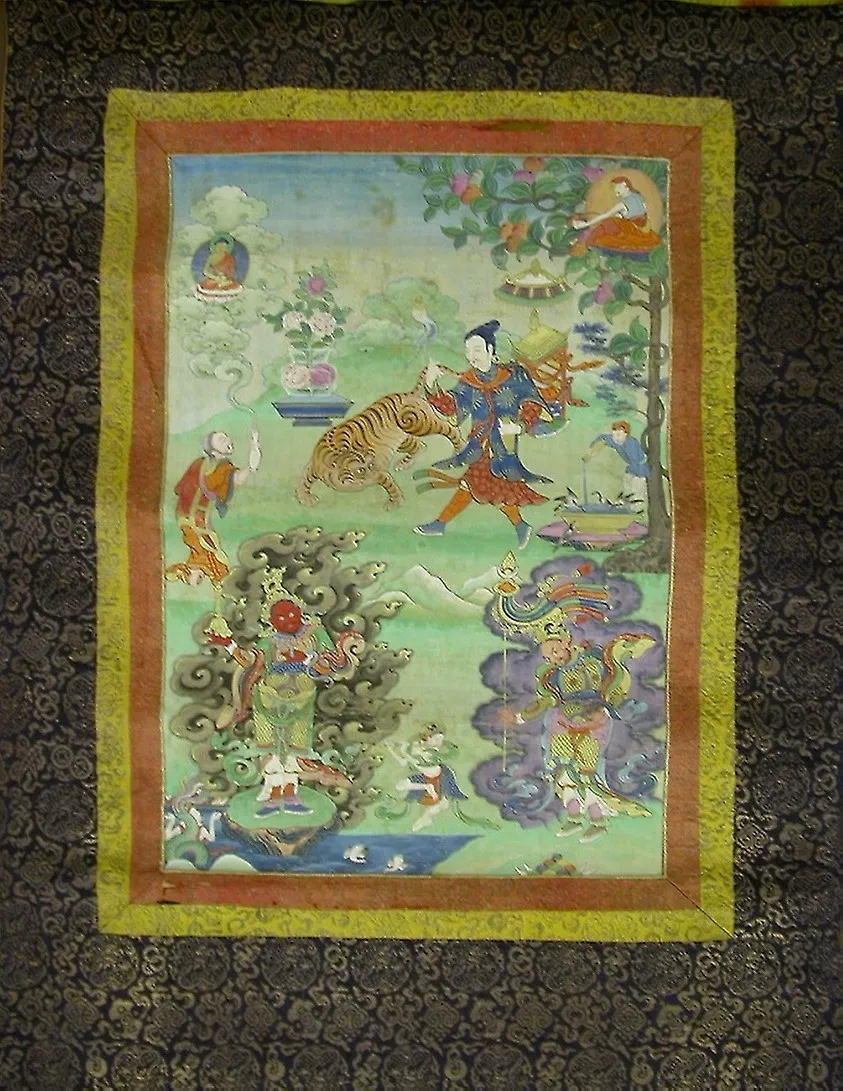
Painted Banner (Thangka) from a Set of Seven Honoring Gayadhara, a Sakya Pandit from India is an unspecified painting by Unknown. It dates from 1850 and is held in the collection of the Art Institute of Chicago. This painted banner, part of a seven-piece set, honors Gayadhara, an Indian Sakya Pandit revered in Tibetan Buddhist tradition.
About this work
Overview
Created as a devotional object, it depicts a dynamic scene of the figure in motion alongside a tiger, rendered with meticulous detail and vivid pigments.
This painted banner, part of a seven-piece set, honors Gayadhara, an Indian Sakya Pandit revered in Tibetan Buddhist tradition. Created as a devotional object, it depicts a dynamic scene of the figure in motion alongside a tiger, rendered with meticulous detail and vivid pigments. The composition balances narrative energy with spiritual symbolism, typical of thangka art used in ritual and teaching contexts.
Subject & Meaning
The central figure, identified as Gayadhara, is shown mid-motion—running or leaping—wearing a blue robe and red sash, staff in hand. The tiger, a symbol of tamed passion or spiritual power, faces him without aggression. Together, they represent the mastery of inner turmoil through disciplined practice, reflecting tantric Buddhist themes of transforming primal forces into enlightened awareness.
Technique & Style
Executed in mineral pigments on cotton, the banner employs fine brushwork and layered colors to achieve depth and texture. The background blends green and blue tones with stylized flora, while smaller figures recede into the distance, creating spatial hierarchy. Details in fabric folds, fur, and foliage demonstrate the precision characteristic of Himalayan thangka traditions, where every element carries symbolic weight.
History & Provenance
The banner belongs to a set commissioned to honor Gayadhara, a key transmitter of tantric teachings from India to Tibet in the 11th century. Likely produced in a monastic workshop in Tibet or the Himalayan borderlands, such sets were used in ceremonial processions or meditation instruction. Its survival suggests continued reverence within Sakya-lineage communities over centuries.
Context
Thangkas like this were not merely decorative but served as aids in visualization and ritual practice. Depictions of lineage masters alongside symbolic animals reinforced doctrinal narratives for monastic audiences. The presence of Gayadhara in this series underscores his role in transmitting the Hevajra Tantra, a core text in Sakya practice, linking Indian scholarship to Tibetan religious development.
Legacy
This banner contributes to a broader corpus of thangka art that preserved and transmitted Buddhist teachings across regions and generations. Its survival offers insight into the visual language of tantric Buddhism and the enduring influence of Indian masters in Tibetan religious culture. Such works remain studied for their artistic discipline and spiritual coherence.
Artist & collection

 Domestic Scene
 Giacomo and Cardinal Marco, investing Andrea, Abbot of San Zeno, with his Benefice
 The Nymph of Fontainebleau
 Portrait of a Woman
 Madonna and Child with Saints in the Enclosed Garden
 Venus and Minerva
 Family Group of Four on Sofa
 Wall painting from Room H of the Villa of P. Fannius Synistor at Boscoreale
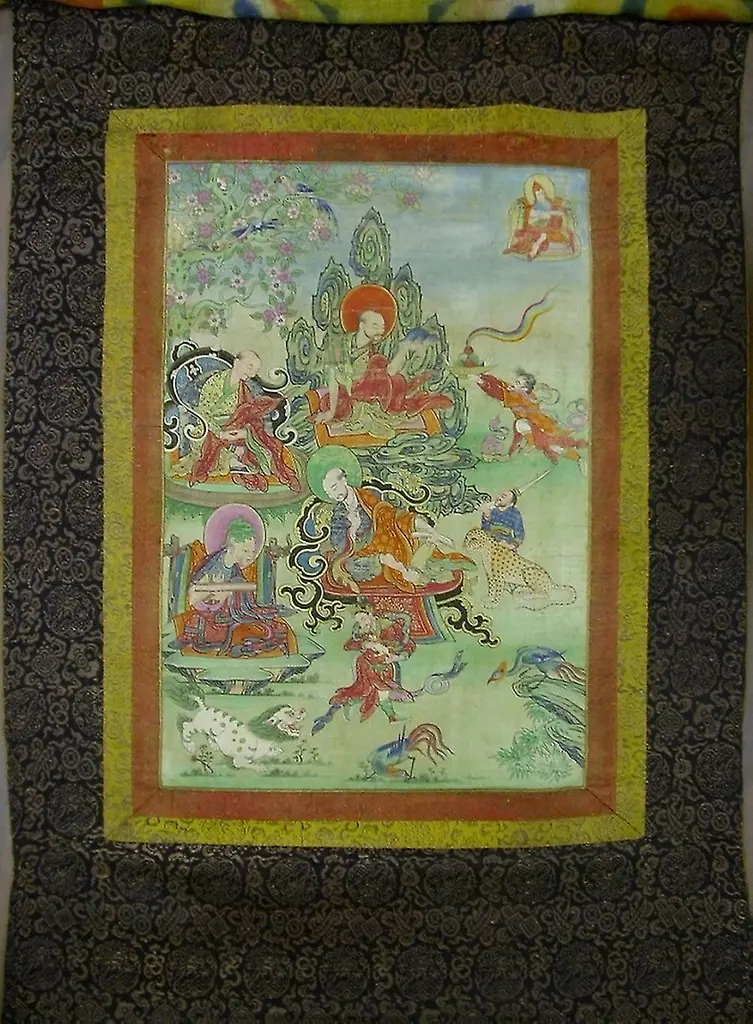 Painted Banner (Thangka) from a Set of Seven Honoring Gayadhara, a Sakya Pandit from India
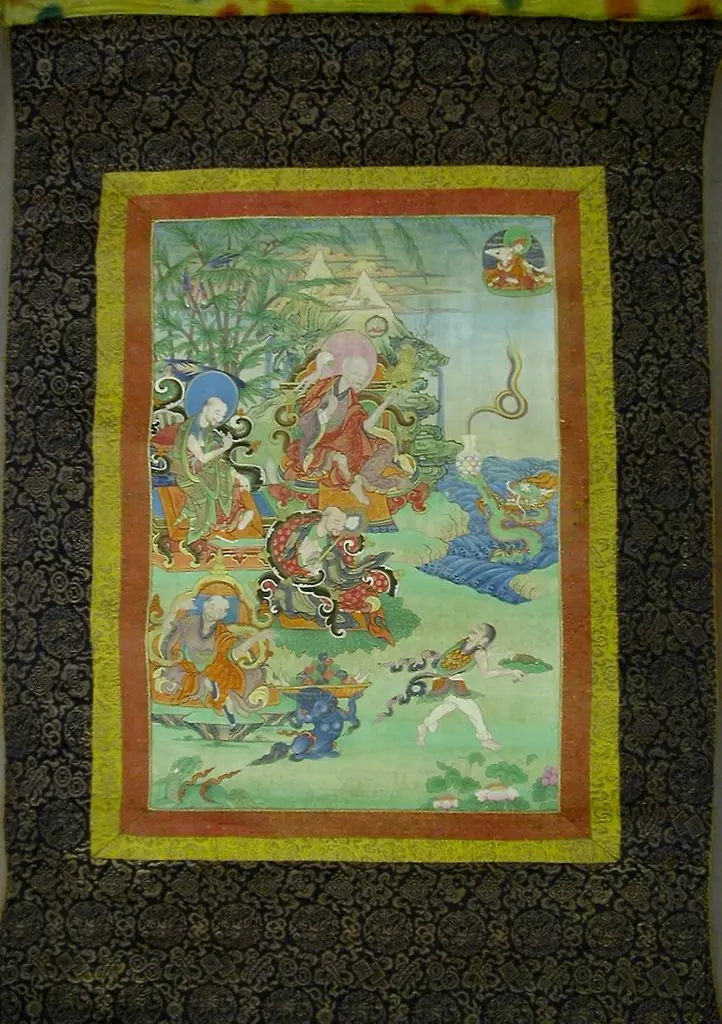 Painted Banner (Thangka) from a Set of Seven Honoring Gayadhara, a Sakya Pandit from India
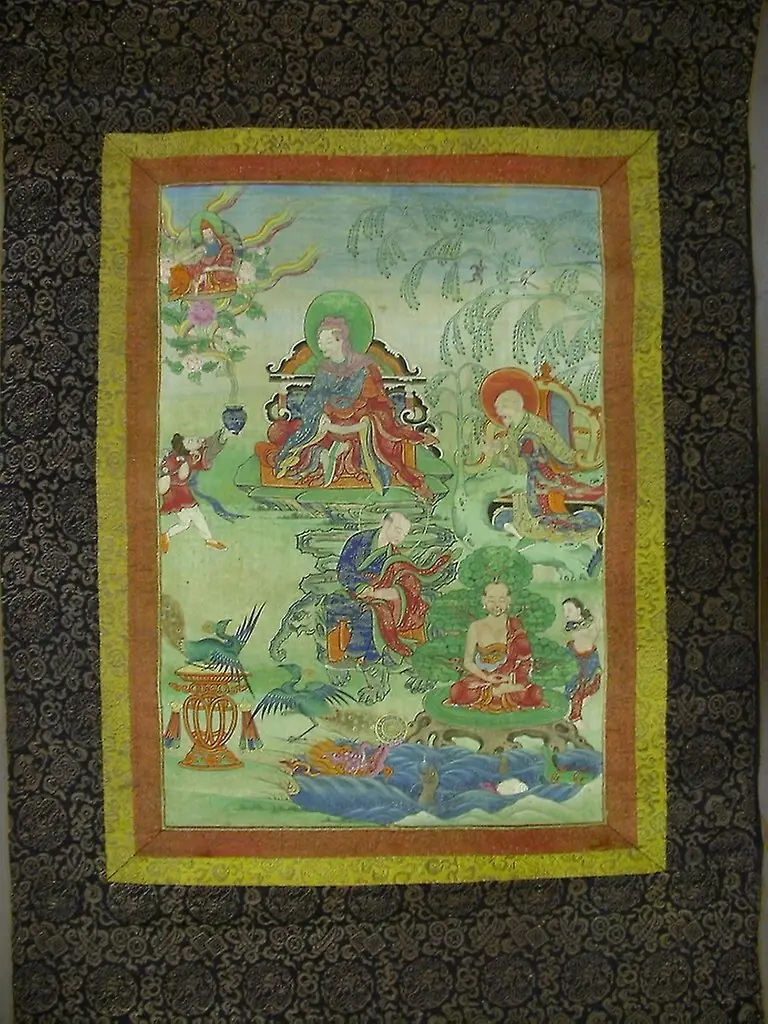 Painted Banner (Thangka) from a Set of Seven Honoring Gayadhara, a Sakya Pandit from India
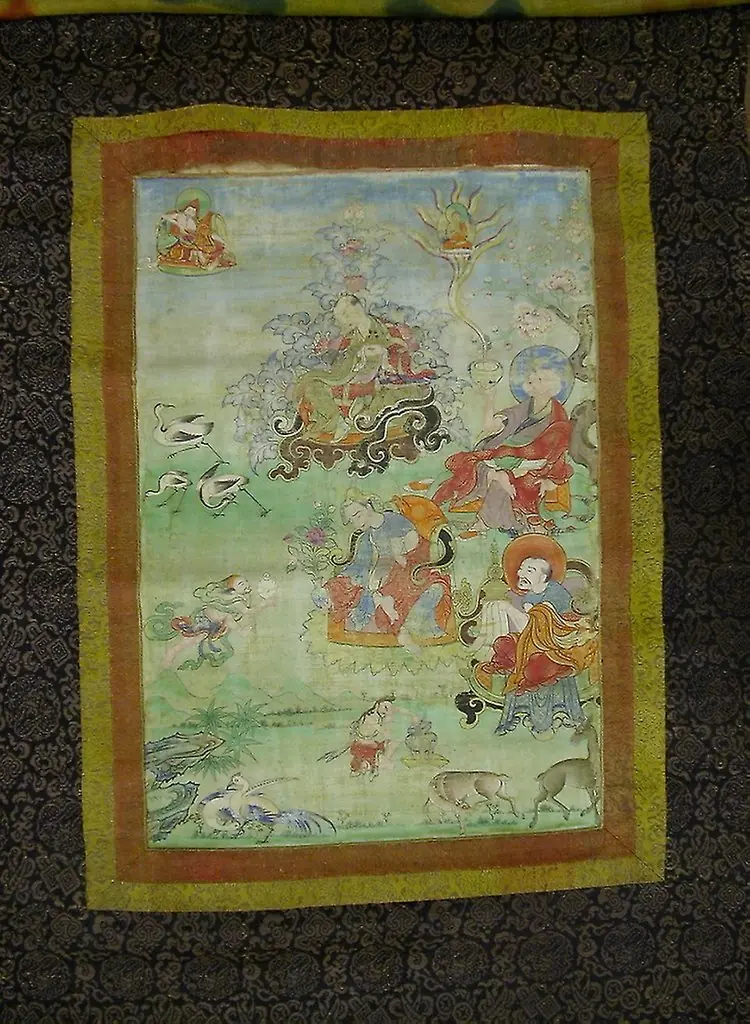 Painted Banner (Thangka) from a Set of Seven Honoring Gayadhara, a Sakya Pandit from India
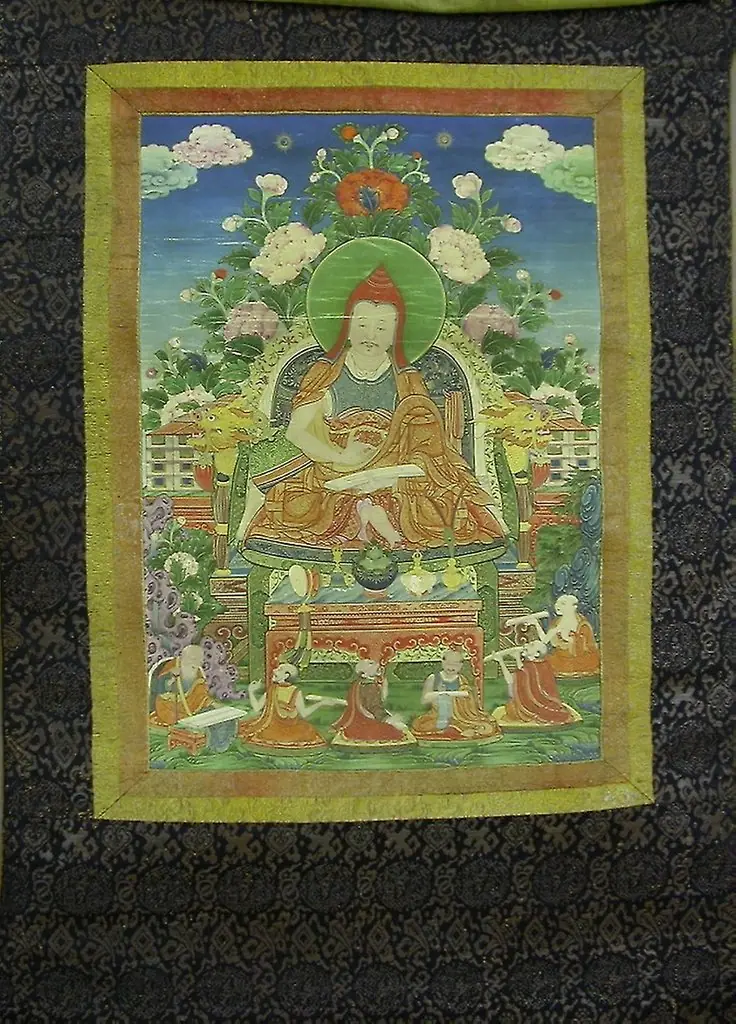 Painted Banner (Thangka) from a Set of Seven Honoring Gayadhara, a Sakya Pandit from India
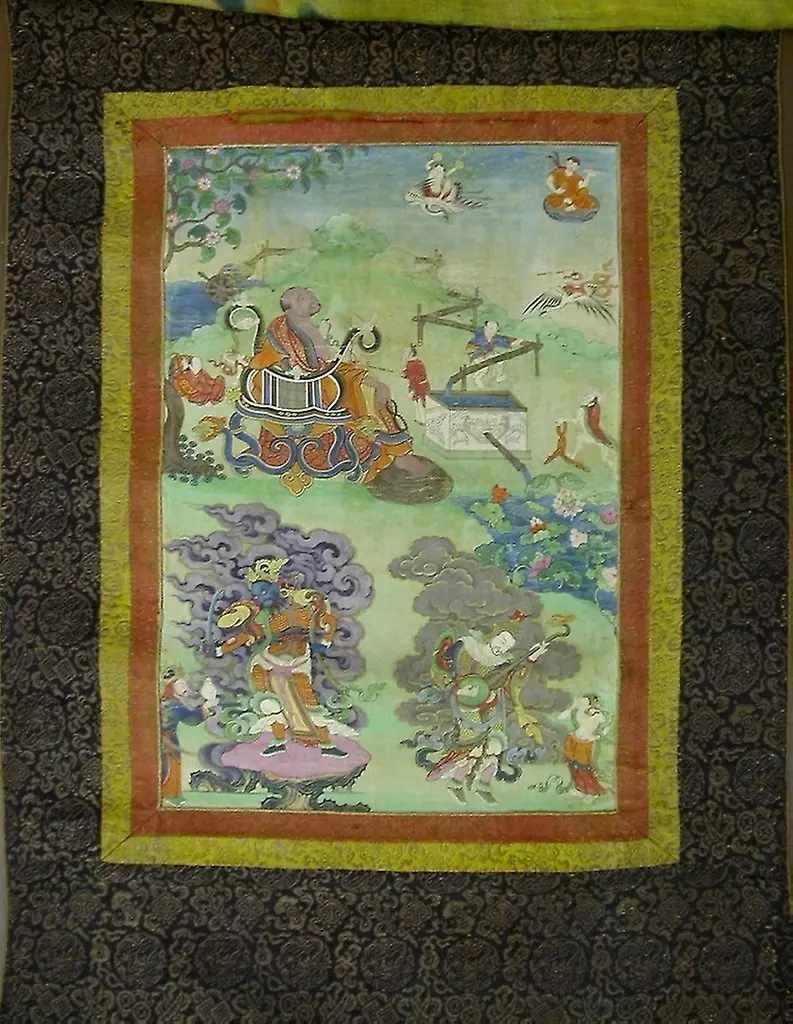 Painted Banner (Thangka) from a Set of Seven Honoring Gayadhara, a Pandit from India
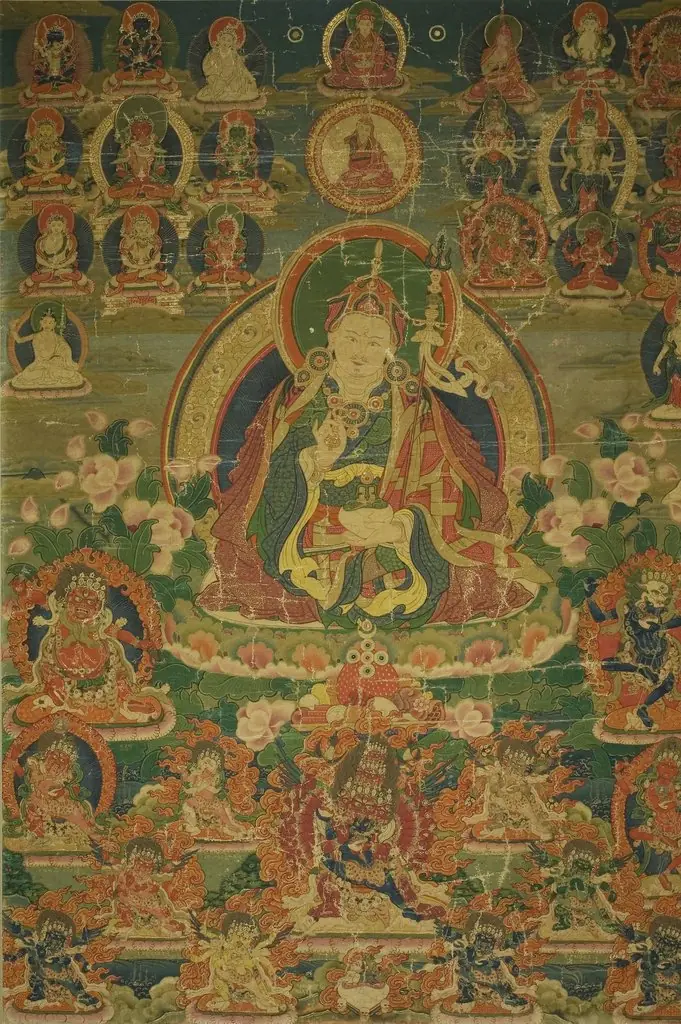 Painted Banner (Thangka) of Sage Guru Padmasambhava Seated Holding a Thunderbolt (Vajra) and Skull Cup (Kapala)
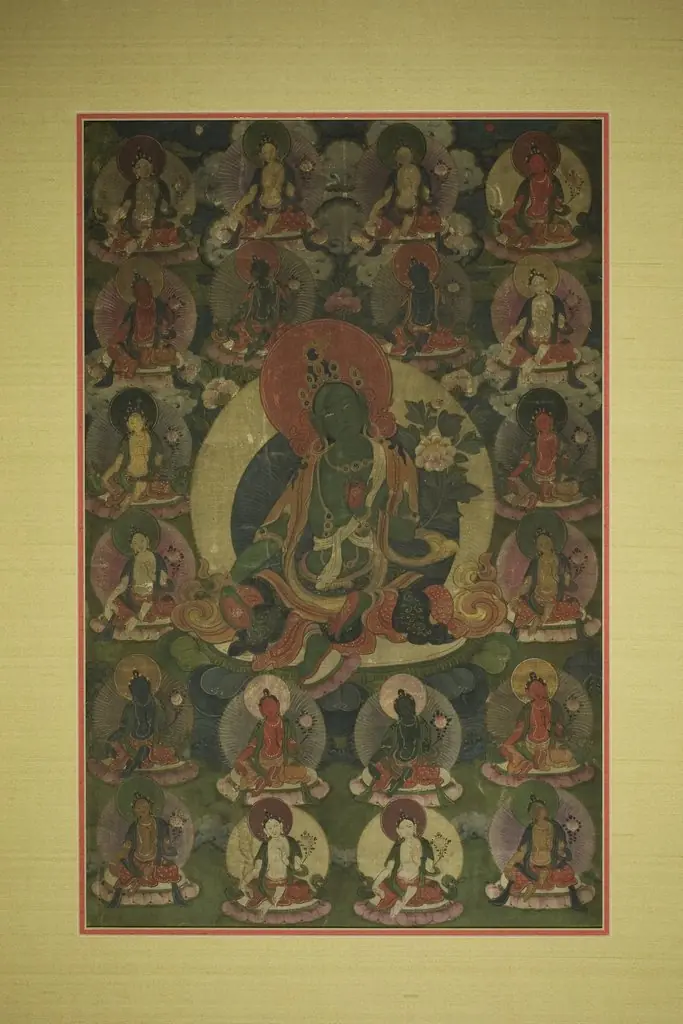 Painted Banner (Thangka) of Green Tara Surrounded by Twenty Manifestations
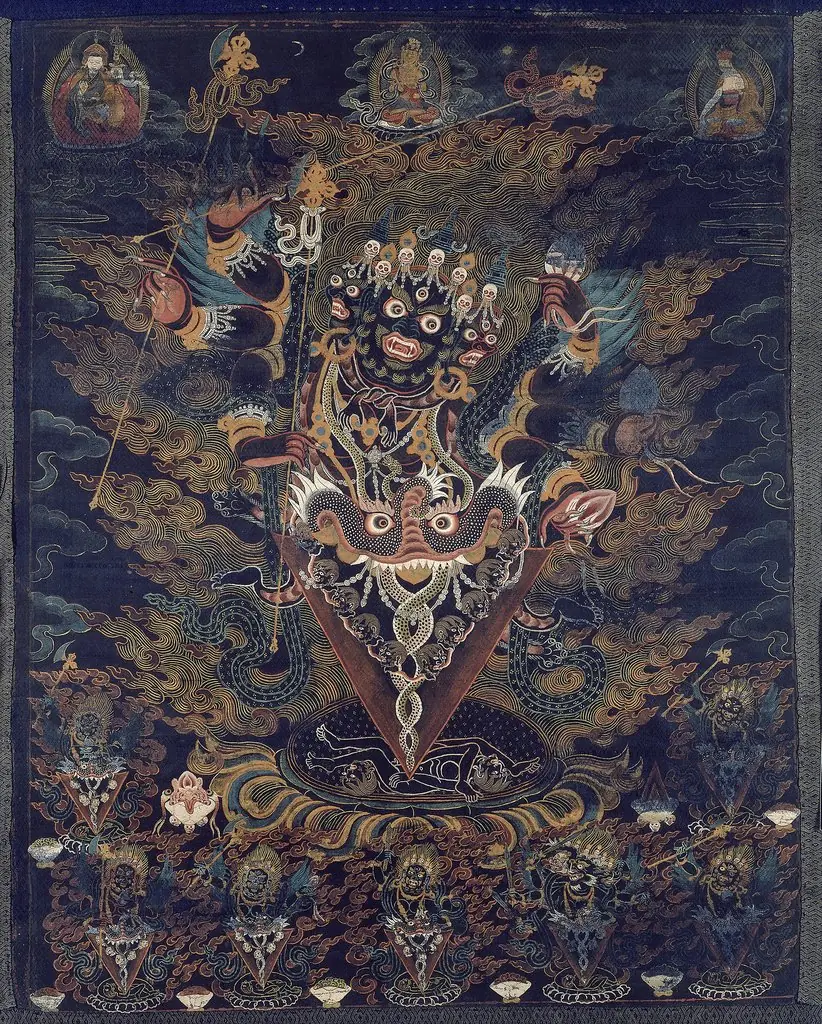 Painted Banner (Thangka) with Guru Dragpur or Vajrakila, a Wrathful Form of Guru Padmasambhava
 Painted Banner (Thangka) with Guru Dragpur, a Wrathful Form of Padmasambhava
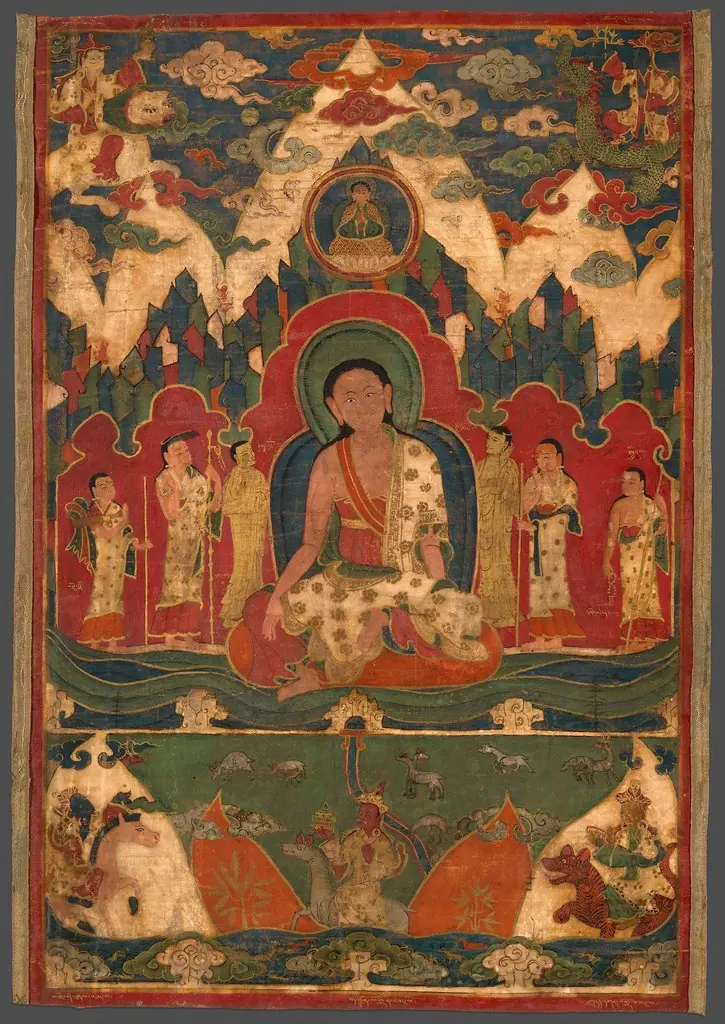 Painted Banner (Thangka) of Milarepa on Mount Kailasha