Artwork
Tantric Manuscript, "Sangrahani Sutra"
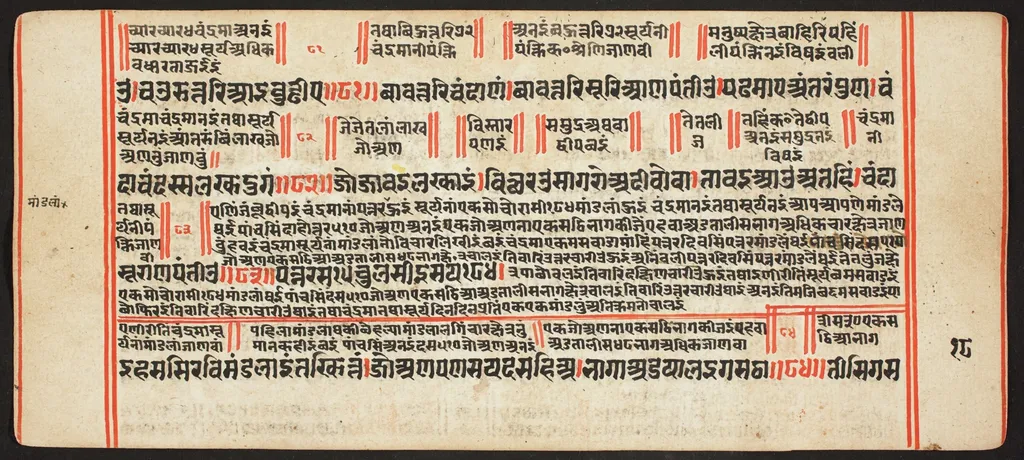
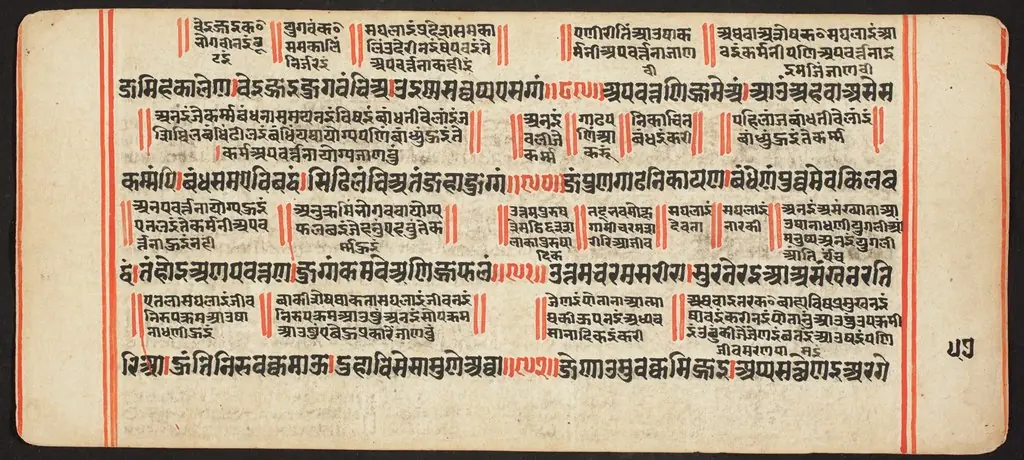
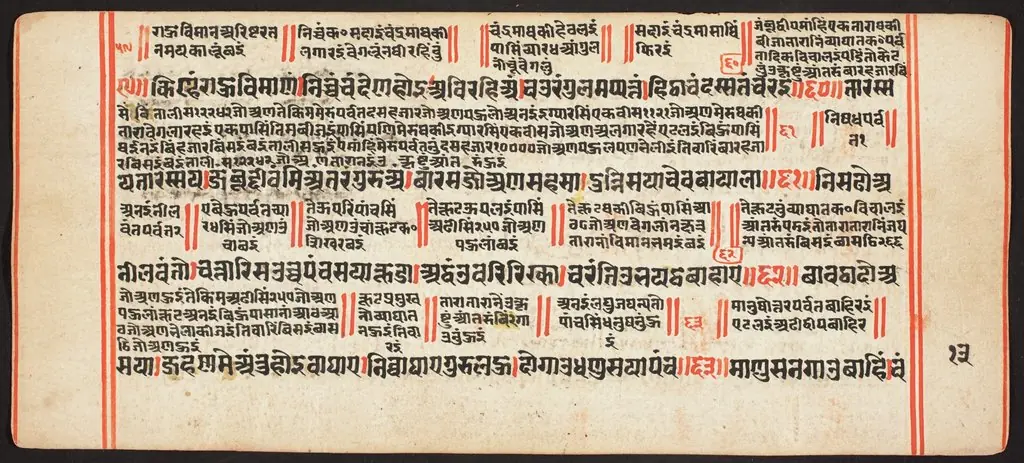
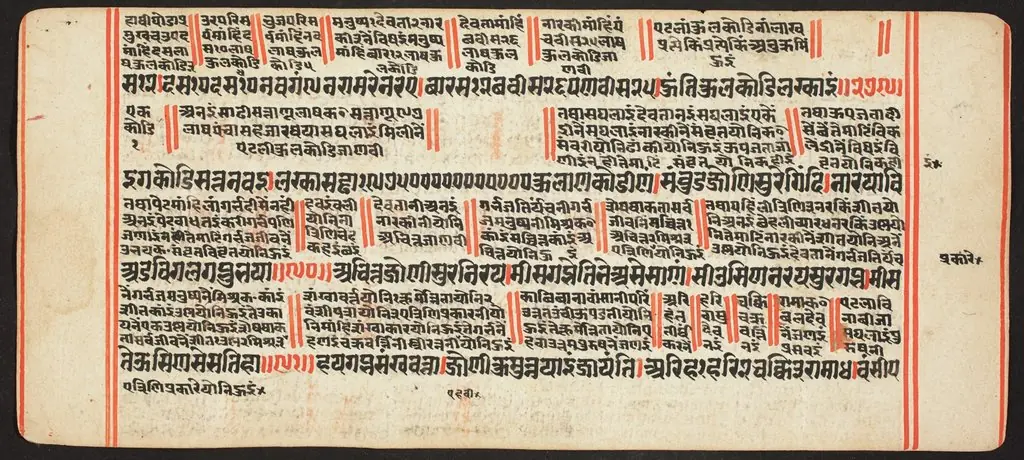
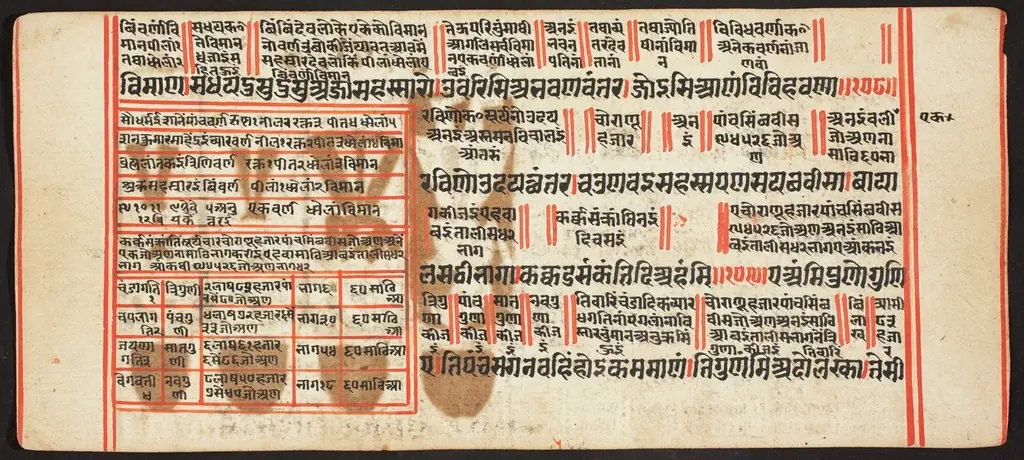
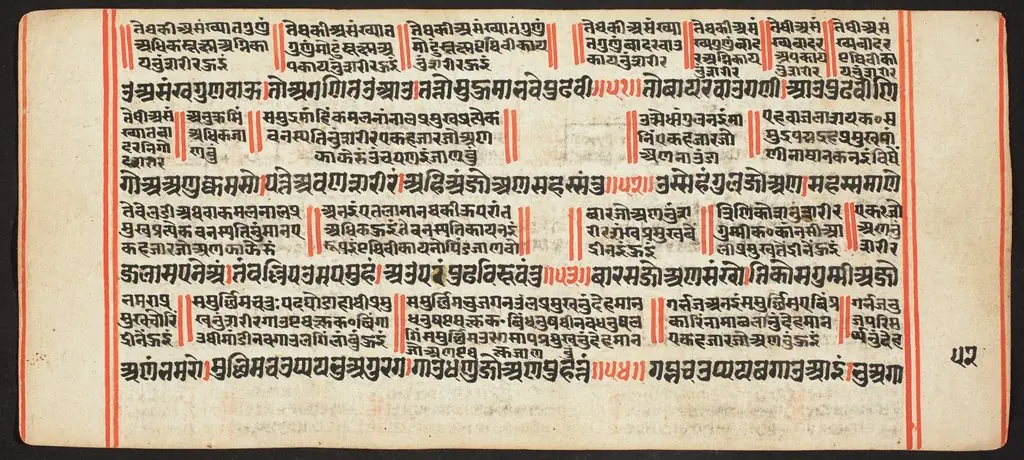
Tantric Manuscript, "Sangrahani Sutra" is an unspecified painting by Unknown. It is held in the collection of the Detroit Institute of Arts. This page comes from a handwritten manuscript of the Sangrahani Sutra, a Buddhist text composed in Sanskrit.
About this work
Overview
Its design prioritizes legibility and ritual function over ornamentation, aligning with monastic practices of textual devotion.
This page comes from a handwritten manuscript of the Sangrahani Sutra, a Buddhist text composed in Sanskrit. Created on palm leaf or paper, it reflects the tradition of preserving sacred teachings through calligraphy. The surface shows signs of age—yellowing, wear, and faint staining—evidence of centuries of handling and storage. Its design prioritizes legibility and ritual function over ornamentation, aligning with monastic practices of textual devotion.
Subject & Meaning
The Sangrahani Sutra is a doctrinal summary within the Buddhist canon, outlining key principles of practice and ethical conduct. As a liturgical text, its purpose was to guide meditation and study rather than to depict imagery. The absence of illustrations underscores its role as a vehicle for oral and contemplative transmission, where the precision of the written word held spiritual authority over visual representation.
Technique & Style
The script is rendered in black ink with deliberate, uniform strokes, typical of South Asian scribal traditions. Red ink marks punctuation, section dividers, and possibly mnemonic symbols, serving both practical and ritual functions. The layout is tightly regulated, with no margins wasted and lines evenly spaced. This restrained aesthetic reflects a focus on textual integrity, where clarity and consistency outweigh decorative flourish.
History & Provenance
The manuscript likely originated in a monastic center in eastern India or Nepal, where such texts were copied by hand for centuries. Its survival into the modern era suggests careful preservation within temple or library collections. It entered the Detroit Institute of Arts through a documented acquisition, part of a broader 20th-century effort to preserve and study South Asian religious manuscripts outside their original cultural context.
Context
In pre-print South Asia, sacred texts were reproduced manually by trained scribes, often under monastic supervision. The use of red ink for annotations was standard, aiding recitation and memorization. This page represents a functional artifact of religious education, not a display object. Its modest appearance contrasts with later illuminated manuscripts, reflecting an earlier, more austere approach to textual transmission in Buddhist communities.
Legacy
Though devoid of imagery, this page preserves a vital link to centuries of Buddhist scholarship and practice. Its survival offers insight into the material culture of religious study, where the physical text itself was an object of reverence. Today, it serves as a primary source for scholars studying the transmission of Buddhist doctrine, scribal practices, and the evolution of Sanskrit script in South Asia.
Artist & collection

 Domestic Scene
 Giacomo and Cardinal Marco, investing Andrea, Abbot of San Zeno, with his Benefice
 The Nymph of Fontainebleau
 Portrait of a Woman
 Madonna and Child with Saints in the Enclosed Garden
 Venus and Minerva
 Family Group of Four on Sofa
 Wall painting from Room H of the Villa of P. Fannius Synistor at Boscoreale
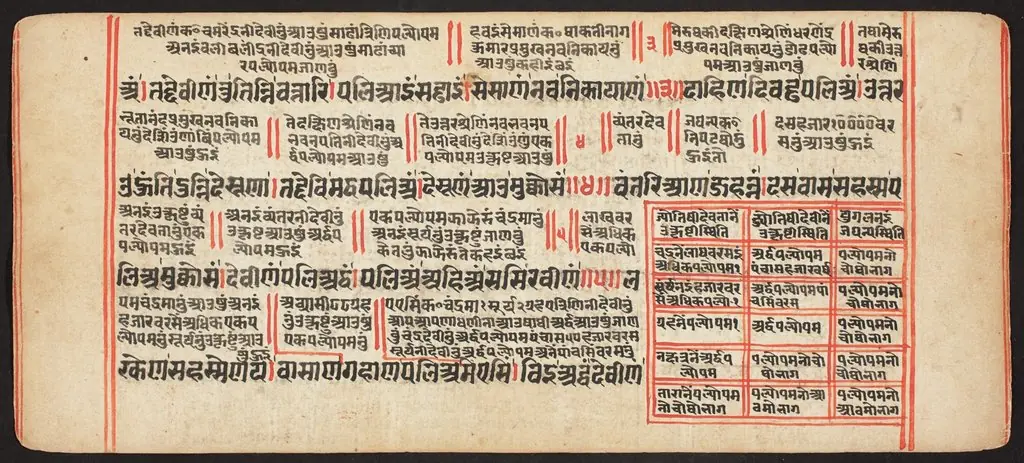 Tantric Manuscript, "Sangrahani Sutra"
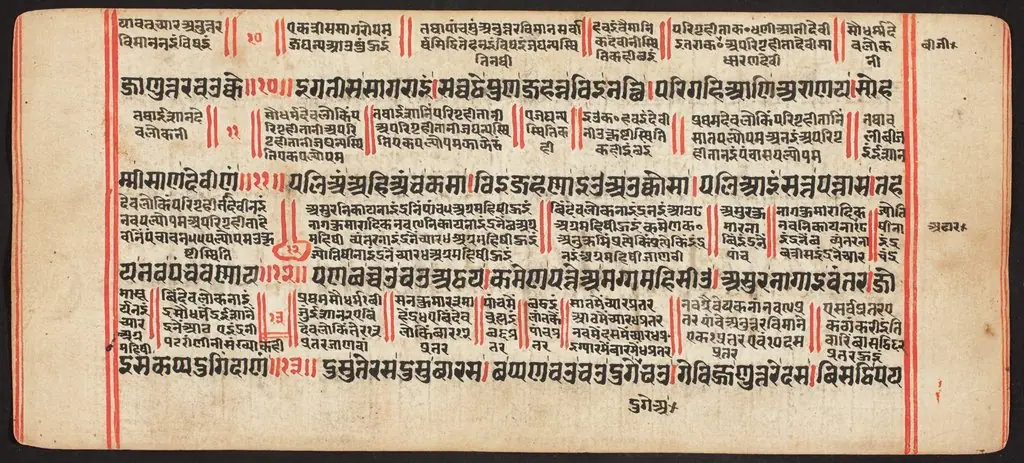 Tantric Manuscript, "Sangrahani Sutra"
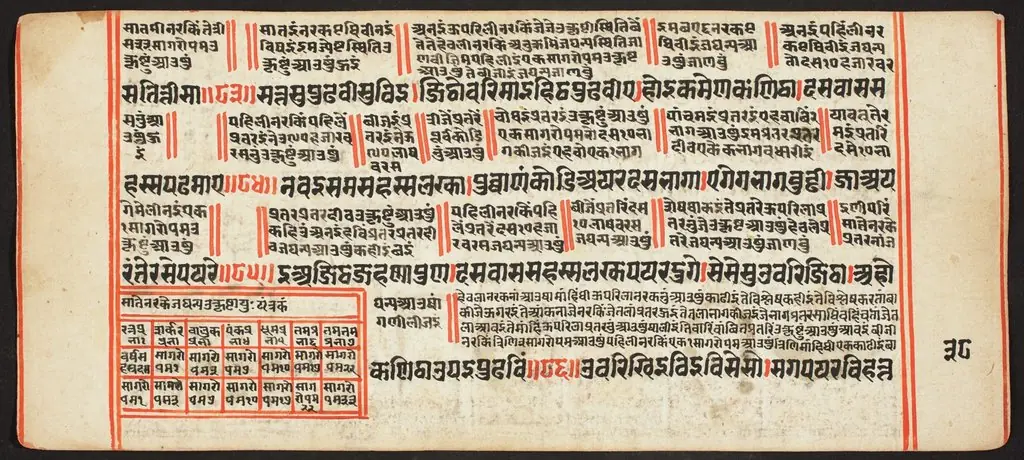 Tantric Manuscript, "Sangrahani Sutra"
 Tantric Manuscript, "Sangrahani Sutra"
 Tantric Manuscript, "Sangrahani Sutra"
 Tantric Manuscript, "Sangrahani Sutra"
 Tantric Manuscript, "Sangrahani Sutra"
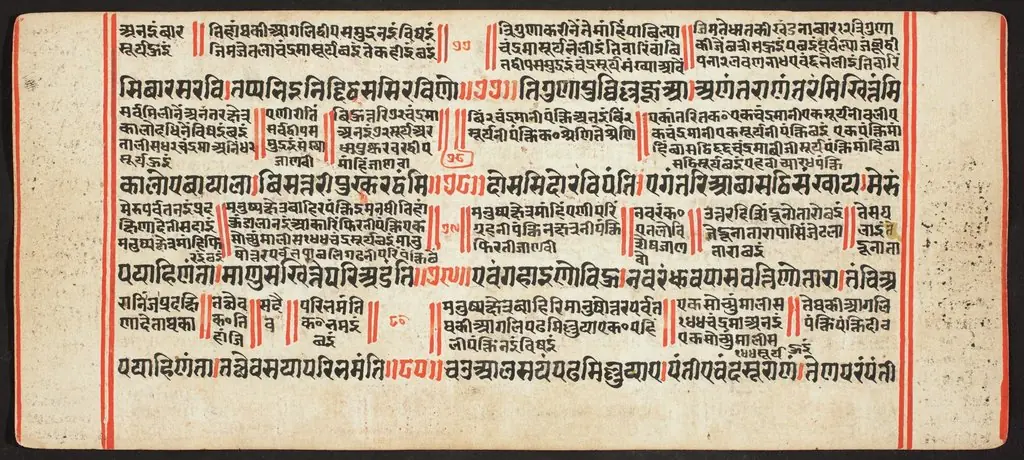 Tantric Manuscript, "Sangrahani Sutra"
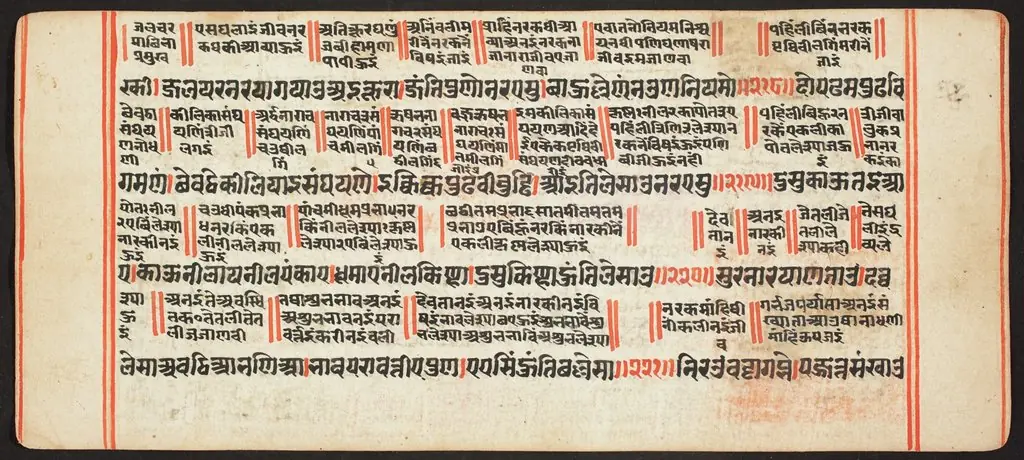 Tantric Manuscript, "Sangrahani Sutra"
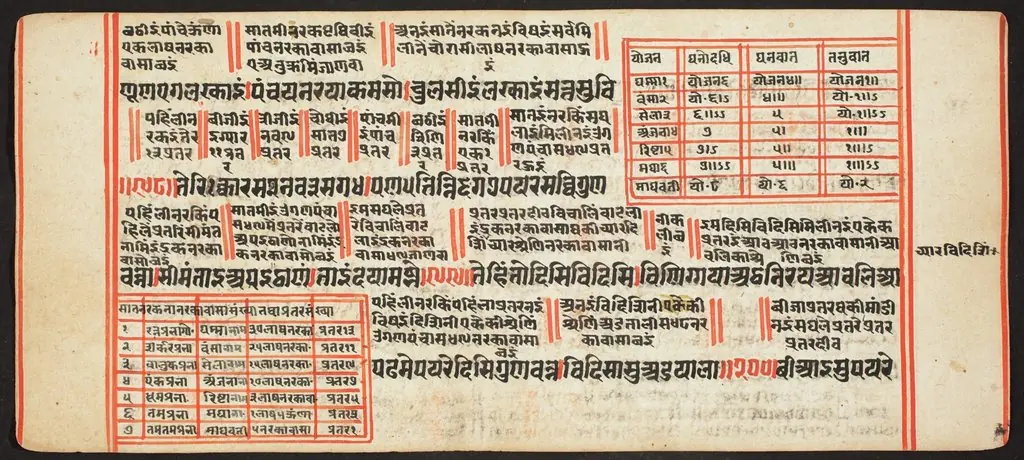 Tantric Manuscript, "Sangrahani Sutra"
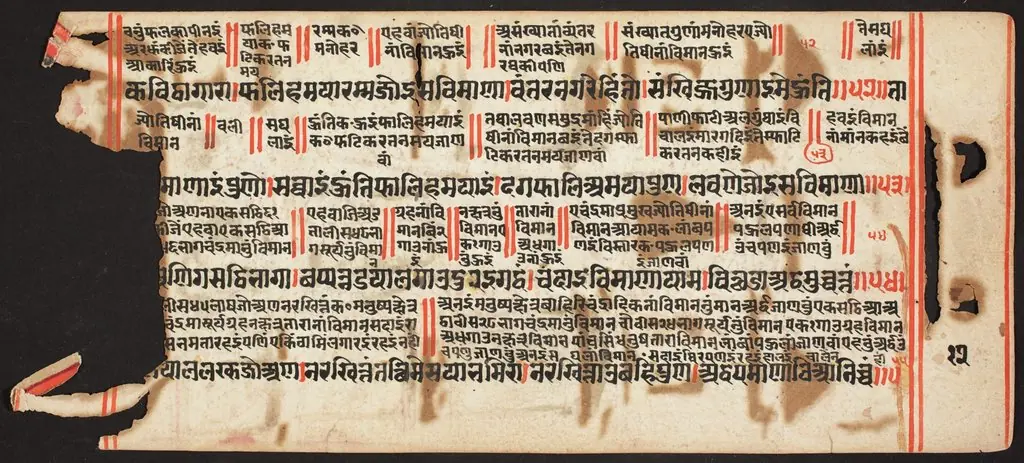 Tantric Manuscript, "Sangrahani Sutra"
 Tantric Manuscript, "Sangrahani Sutra"