Artwork
Tantric Manuscript "Sangrahani Sutra"
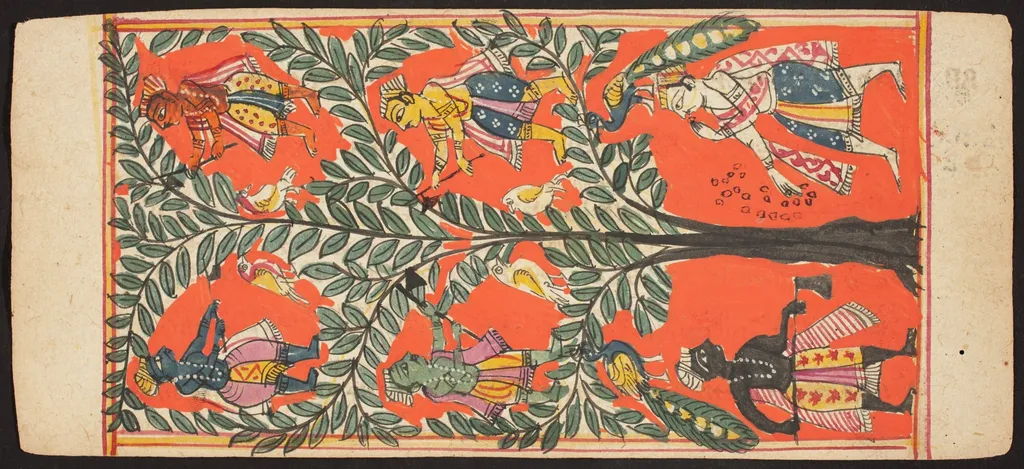
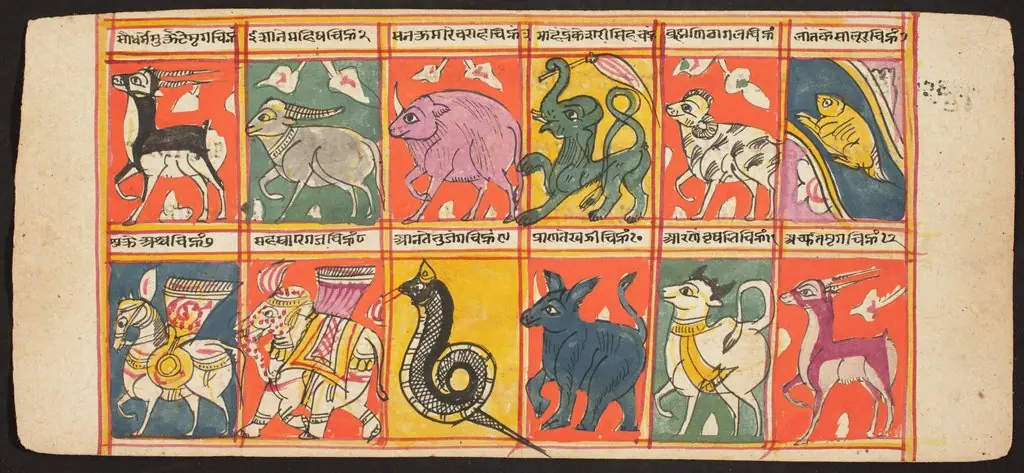
Tantric Manuscript "Sangrahani Sutra" is an unspecified painting by Unknown. It is held in the collection of the Detroit Institute of Arts. The 'Sangrahani Sutra' is a handwritten Buddhist text accompanied by painted illustrations, produced in medieval India.
About this work
Overview
The 'Sangrahani Sutra' is a handwritten Buddhist text accompanied by painted illustrations, produced in medieval India. It belongs to the tantric tradition, blending doctrinal content with visual symbolism. The work was created on palm leaf or paper, typical of manuscript culture in eastern India, and served both liturgical and meditative purposes within esoteric Buddhist communities.
Subject & Meaning
These images are not decorative but function as aids for visualization during meditation, guiding practitioners through complex spiritual pathways.
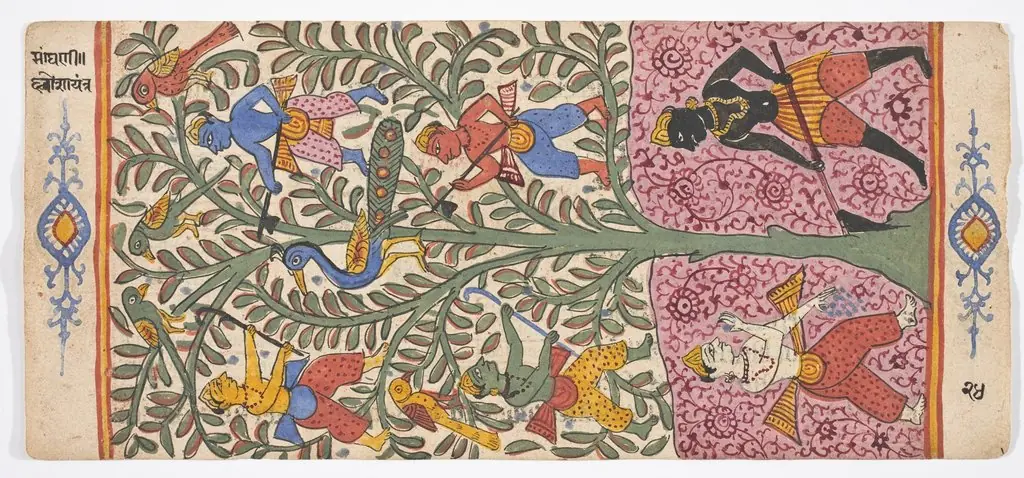
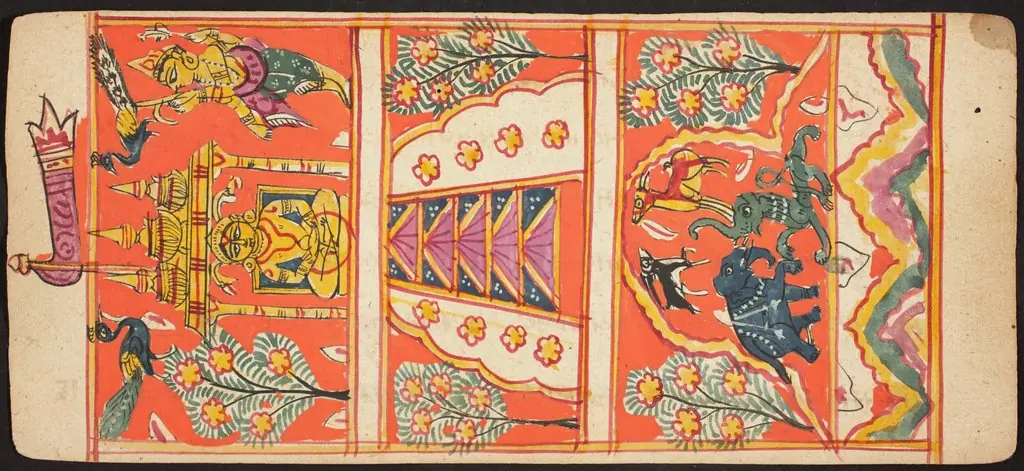
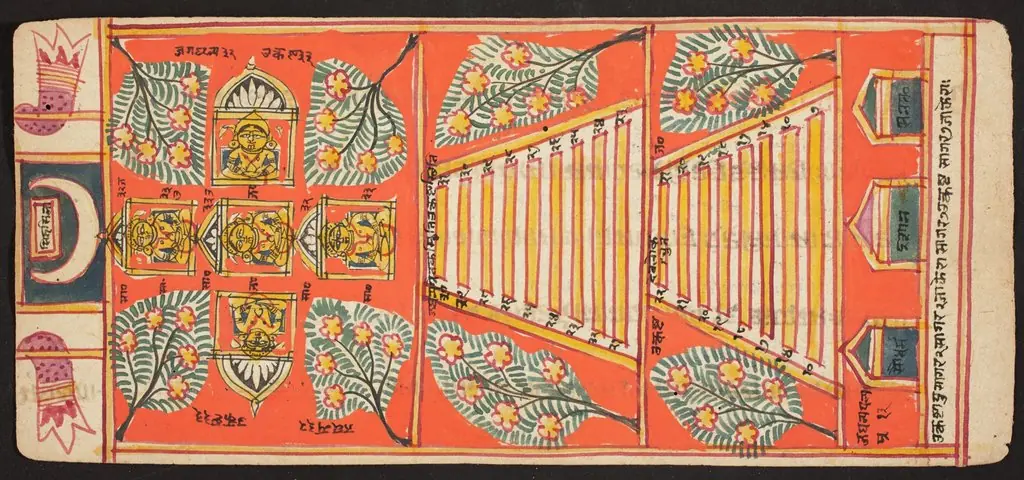
The illustrations depict deities, mandalas, and ritual implements central to tantric practice. These images are not decorative but function as aids for visualization during meditation, guiding practitioners through complex spiritual pathways. Each figure and symbol corresponds to specific energies or states of consciousness, reflecting the text’s emphasis on inner transformation through ritual and contemplation.
Technique & Style
The paintings employ fine brushwork and mineral pigments, with bold outlines and flat, saturated colors typical of eastern Indian manuscript art. Figures are stylized, with elongated limbs and minimal spatial depth, prioritizing symbolic clarity over naturalism. The composition is tightly organized, often arranged in rectangular panels aligned with the text, ensuring visual and doctrinal coherence.
History & Provenance
This manuscript likely originated in Bihar or Bengal between the 10th and 12th centuries, during the height of tantric Buddhist activity in eastern India. It was probably produced in a monastic scriptorium and used by monks for ritual study. Surviving examples are rare, as many were lost to climate, time, or political upheaval following the decline of Buddhist institutions in the region.
Context
The 'Sangrahani Sutra' emerged within a network of tantric Buddhist centers that flourished under Pala patronage. These communities integrated esoteric practices with scholarly study, producing texts that merged philosophy with visual ritual. The manuscript reflects a broader trend in which sacred knowledge was transmitted through both written word and image, reinforcing the inseparability of doctrine and practice.
Legacy
Though no longer in active ritual use, surviving tantric manuscripts like this one provide critical insight into the material culture of medieval Indian Buddhism. They inform contemporary scholarship on religious visualization, artistic transmission, and the intersection of text and image in pre-modern spiritual traditions. Their preservation allows for continued study of a once-vibrant, now largely vanished religious milieu.
Artist & collection

 Domestic Scene
 Giacomo and Cardinal Marco, investing Andrea, Abbot of San Zeno, with his Benefice
 The Nymph of Fontainebleau
 Portrait of a Woman
 Madonna and Child with Saints in the Enclosed Garden
 Venus and Minerva
 Family Group of Four on Sofa
 Wall painting from Room H of the Villa of P. Fannius Synistor at Boscoreale
 Tantric Manuscript "Sangrahani Sutra"
 Tantric Manuscript "Sangrahani Sutra"
 Tantric Manuscript "Sangrahani Sutra"
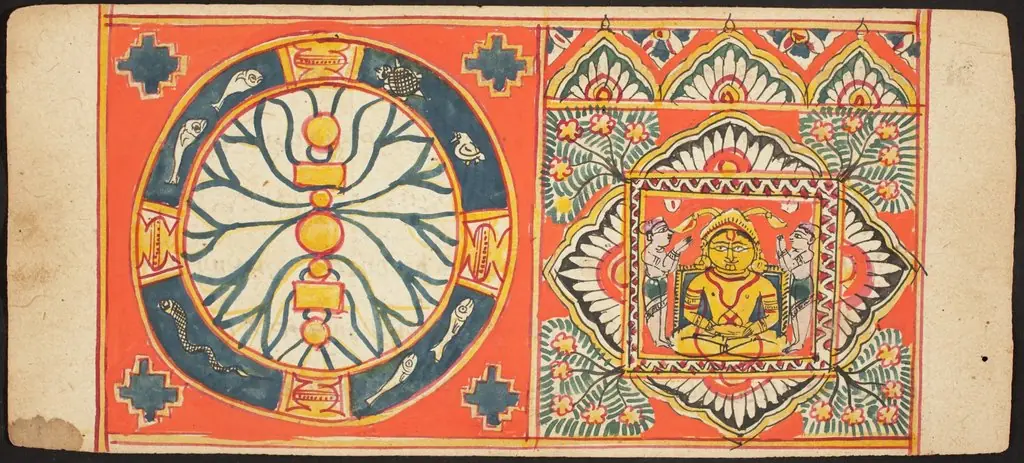 Tantric Manuscript "Sangrahani Sutra"
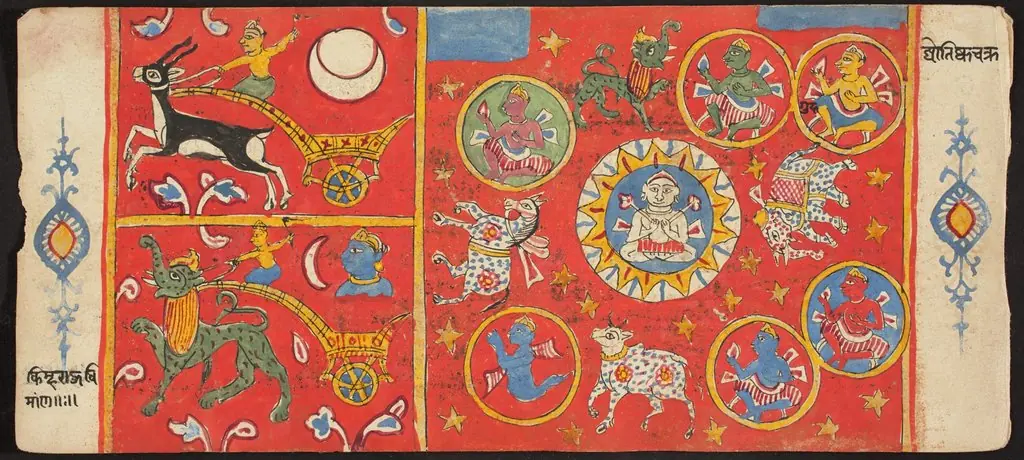 Tantric Manuscript "Sangrahani Sutra"
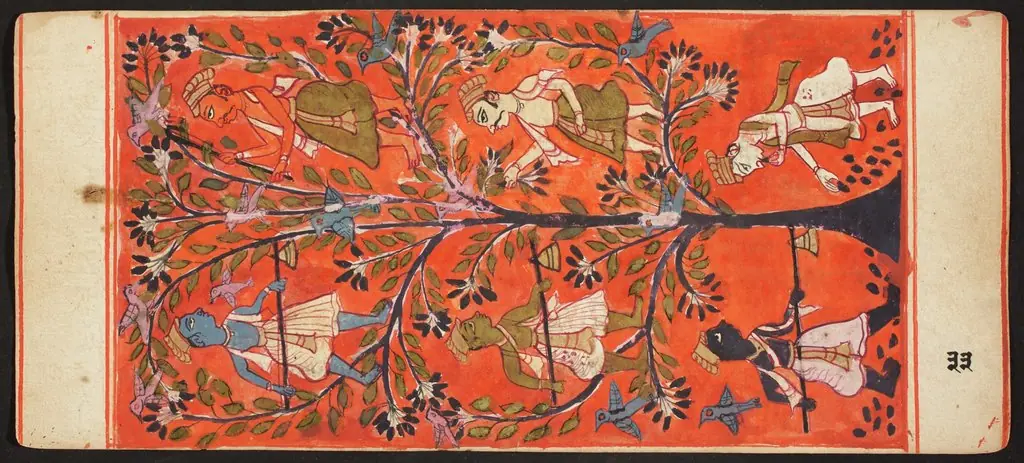 Tantric Manuscript, "Sangrahani Sutra"
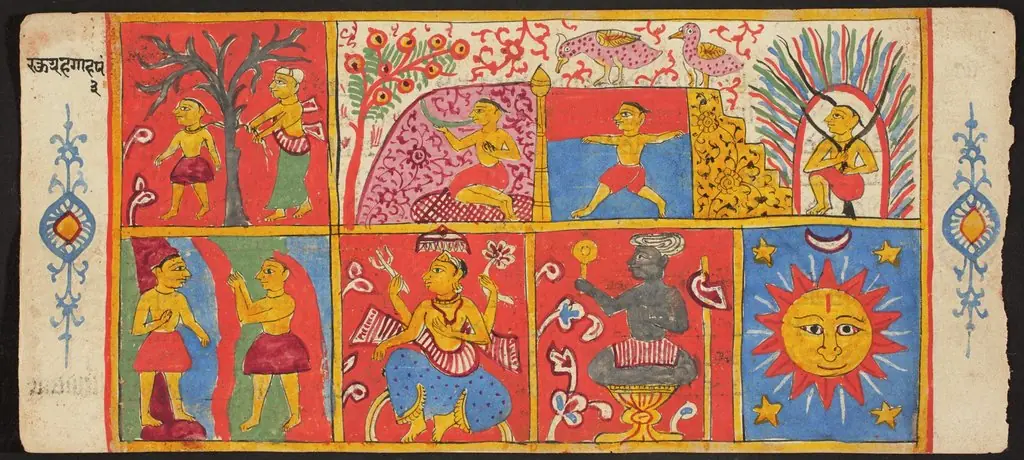 Tantric Manuscript "Sangrahani Sutra"
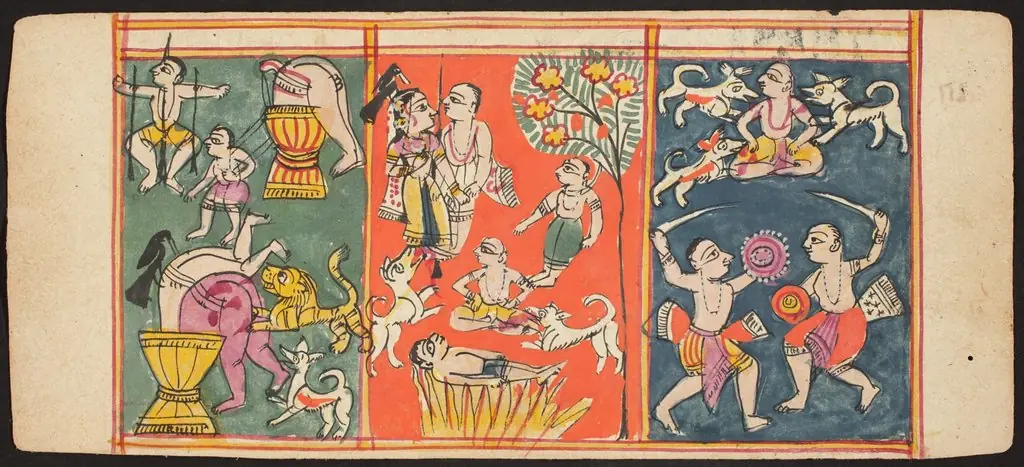 Tantric Manuscript "Sangrahani Sutra"
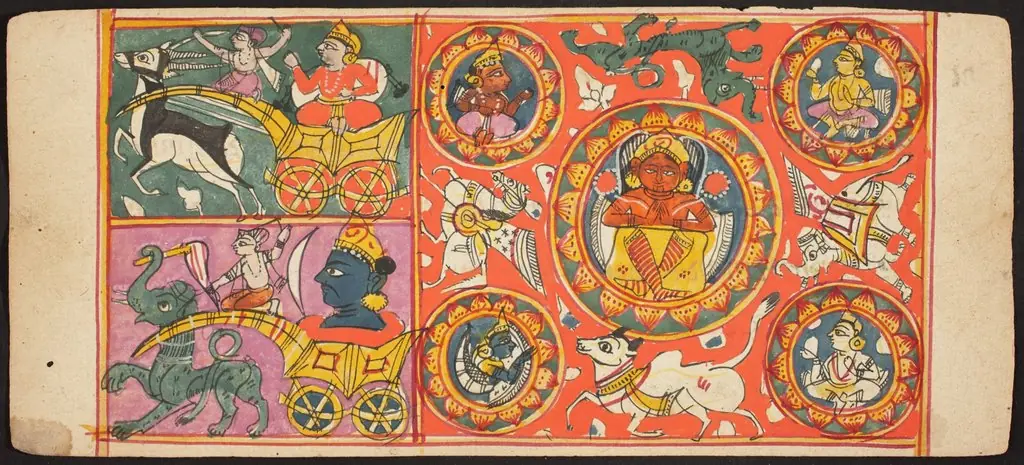 Tantric Manuscript "Sangrahani Sutra"
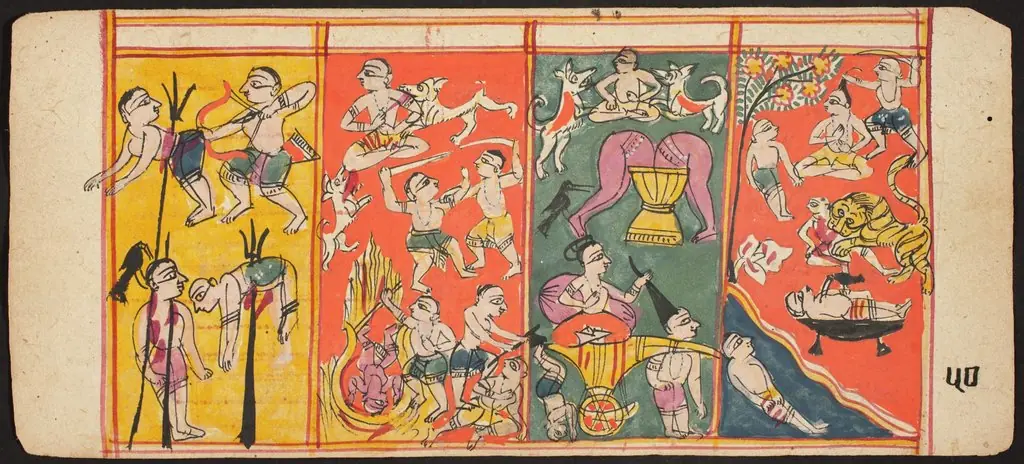 Tantric Manuscript "Sangrahani Sutra"
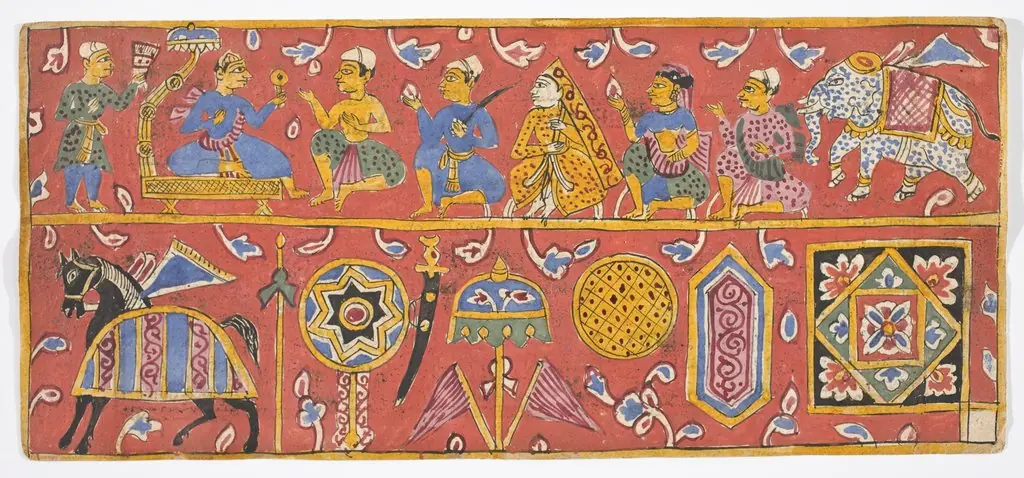 Tantric Manuscript "Sangrahani Sutra"
 Tantric Manuscript "Sangrahani Sutra"