Artwork
Tantric Manuscript "Sangrahani Sutra"
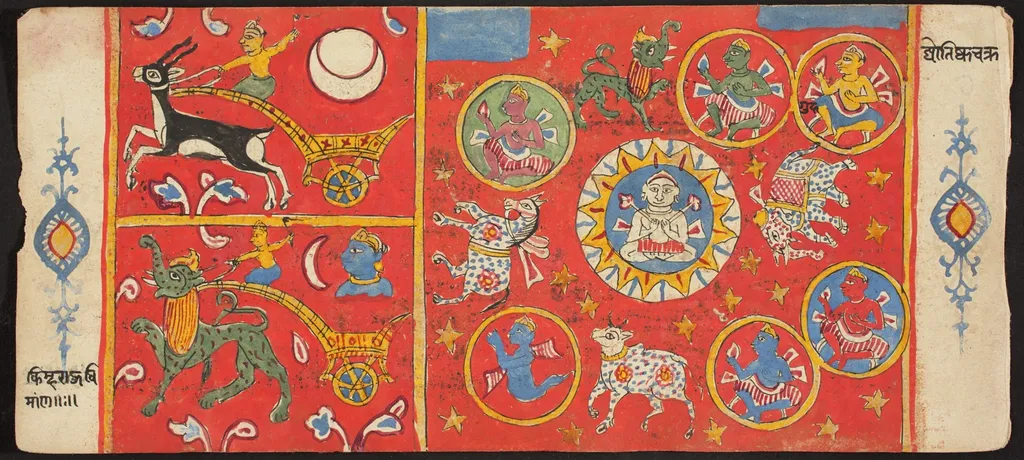
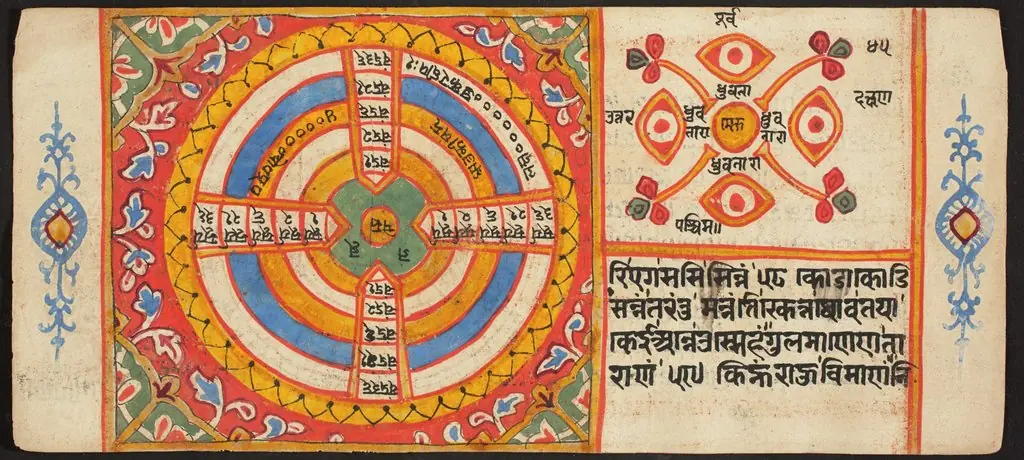
Tantric Manuscript "Sangrahani Sutra" is an unspecified painting by Unknown. It is held in the collection of the Detroit Institute of Arts. The 'Sangrahani Sutra' is a painted manuscript originating from the tantric Buddhist tradition in medieval India.
About this work
Overview
The 'Sangrahani Sutra' is a painted manuscript originating from the tantric Buddhist tradition in medieval India.
The 'Sangrahani Sutra' is a painted manuscript originating from the tantric Buddhist tradition in medieval India. Created on palm leaf or paper, it functions as a ritual and meditative aid rather than a literary text alone. Its visual elements are arranged to guide practitioners through esoteric cosmologies, aligning imagery with mantra recitation and visualization practices central to tantric discipline.
Subject & Meaning
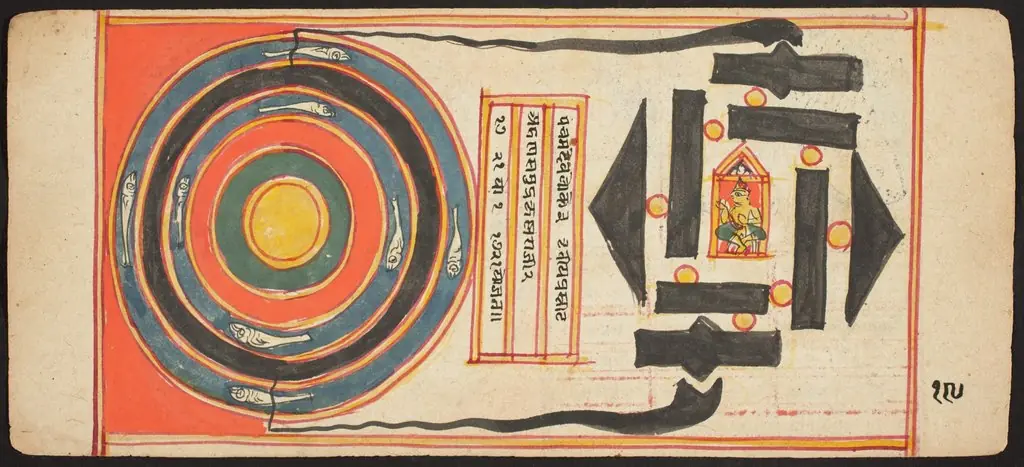
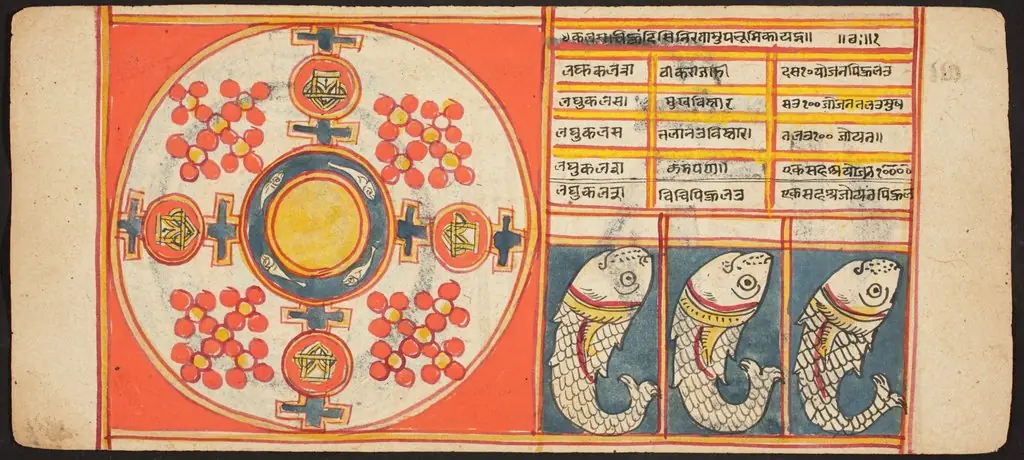
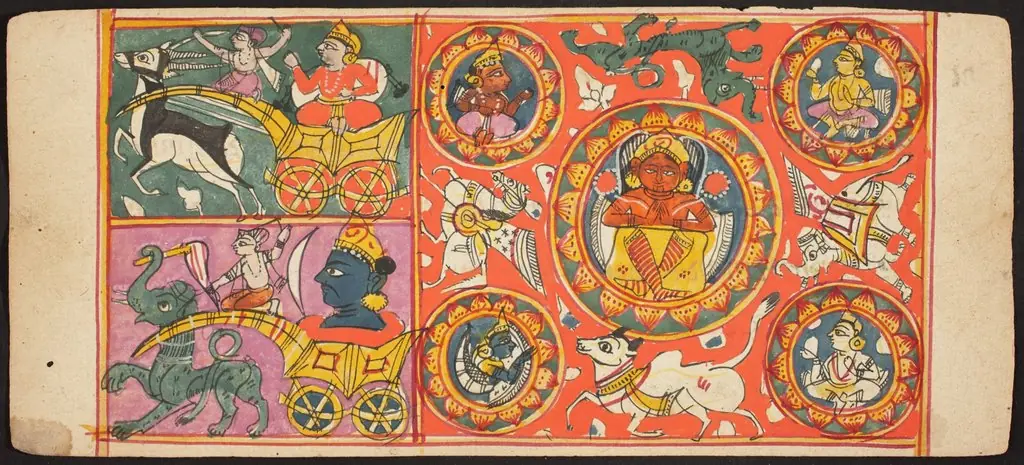
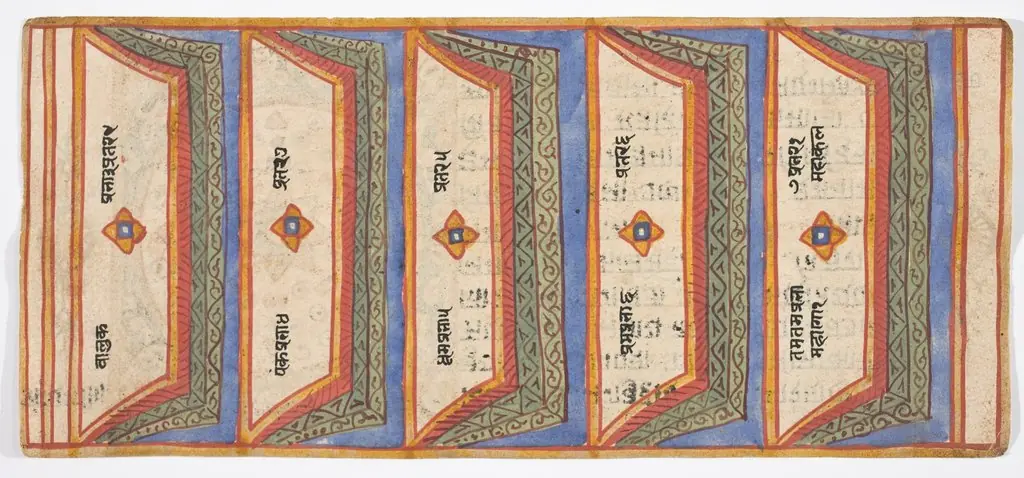
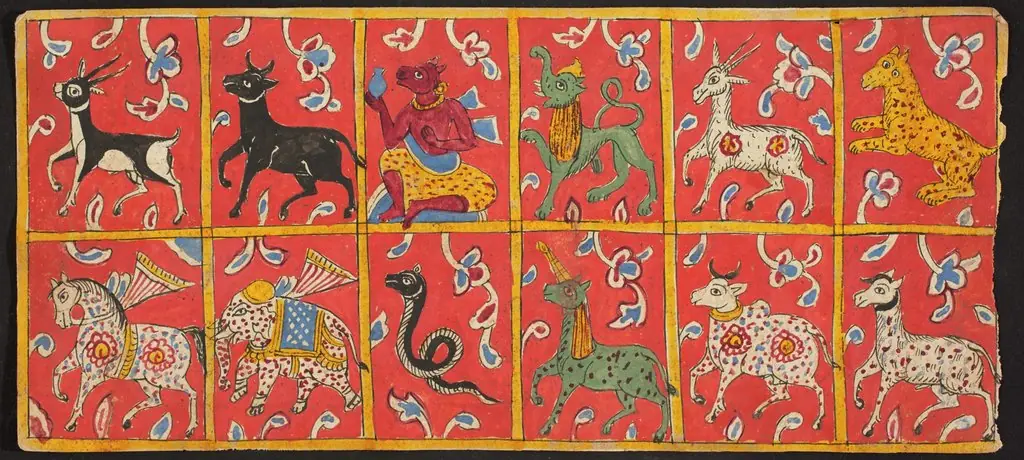
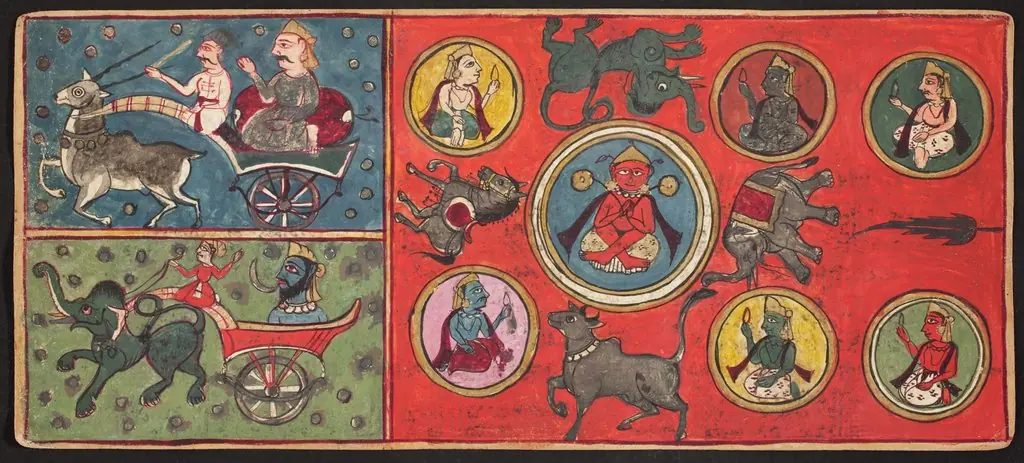
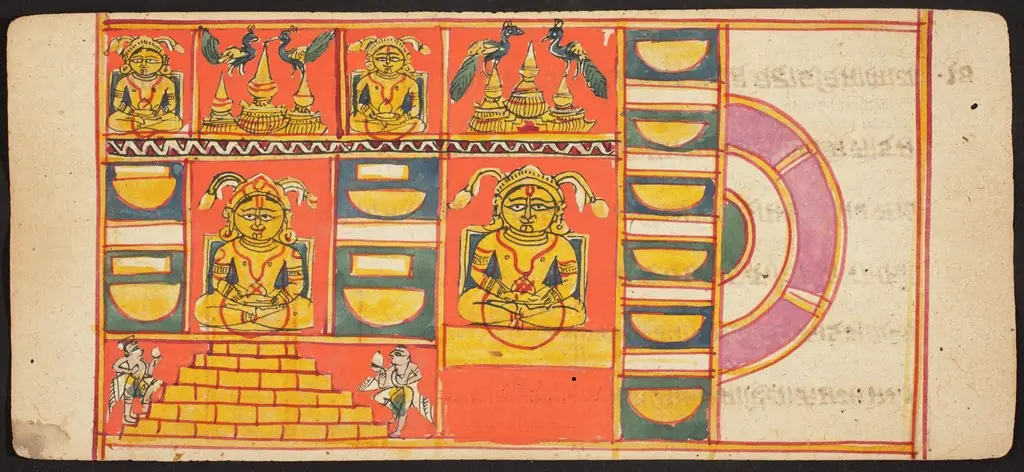
The painting depicts deities, mandalas, and symbolic motifs drawn from tantric Buddhist cosmology. Figures are arranged in precise geometric patterns, representing stages of spiritual transformation. Each element—colors, gestures, postures—corresponds to specific energies or states of consciousness, serving as a visual map for inner realization rather than mere representation.
Technique & Style
Executed with fine brushwork and mineral pigments, the manuscript employs a restrained palette dominated by reds, ochres, and gold. Lines are precise and controlled, reflecting the discipline required in tantric practice. The composition is densely packed yet symmetrical, emphasizing order and sacred geometry over naturalism, consistent with devotional conventions of the period.
History & Provenance
This manuscript likely originated in eastern India during the late medieval period, possibly in Bengal or Bihar, regions where tantric Buddhism flourished before its decline. It was preserved within monastic communities, passed down through generations of practitioners. Its survival suggests continued ritual use, though its exact provenance before modern collections remains undocumented.
Context
Produced during a time when tantric Buddhism was integrating with local Hindu and folk traditions, the manuscript reflects a syncretic spiritual environment. Such texts were not widely circulated but held within closed lineages, used by initiates under the guidance of a teacher. Their creation required both scriptural knowledge and ritual authorization, distinguishing them from popular religious art.
Legacy
Though tantric Buddhism faded in India, manuscripts like the 'Sangrahani Sutra' influenced later traditions in Tibet and Nepal. Surviving examples are now studied as artifacts of esoteric practice, offering insight into non-textual modes of transmitting doctrine. Their preservation in museums and libraries has shifted their function from ritual tools to historical documents.
Artist & collection

 Domestic Scene
 Giacomo and Cardinal Marco, investing Andrea, Abbot of San Zeno, with his Benefice
 The Nymph of Fontainebleau
 Portrait of a Woman
 Madonna and Child with Saints in the Enclosed Garden
 Venus and Minerva
 Family Group of Four on Sofa
 Wall painting from Room H of the Villa of P. Fannius Synistor at Boscoreale
 Tantric Manuscript "Sangrahani Sutra"
 Tantric Manuscript "Sangrahani Sutra"
 Tantric Manuscript "Sangrahani Sutra"
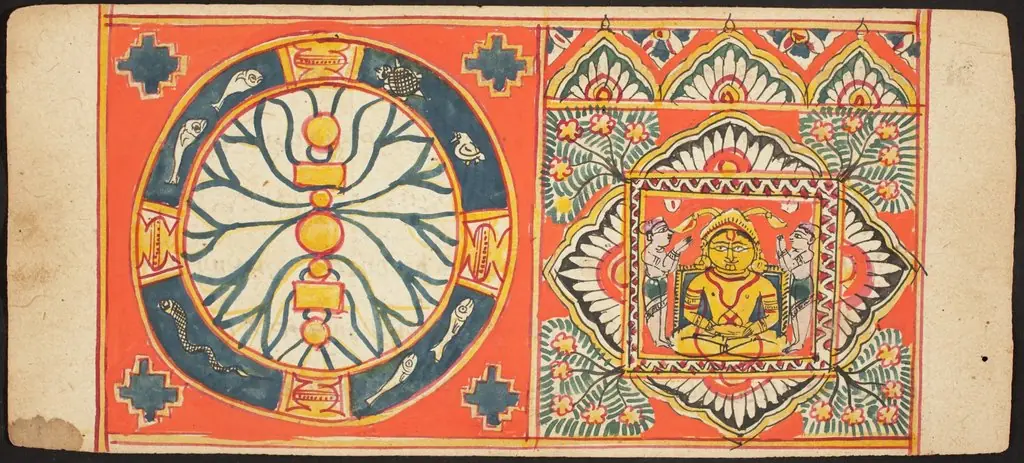 Tantric Manuscript "Sangrahani Sutra"
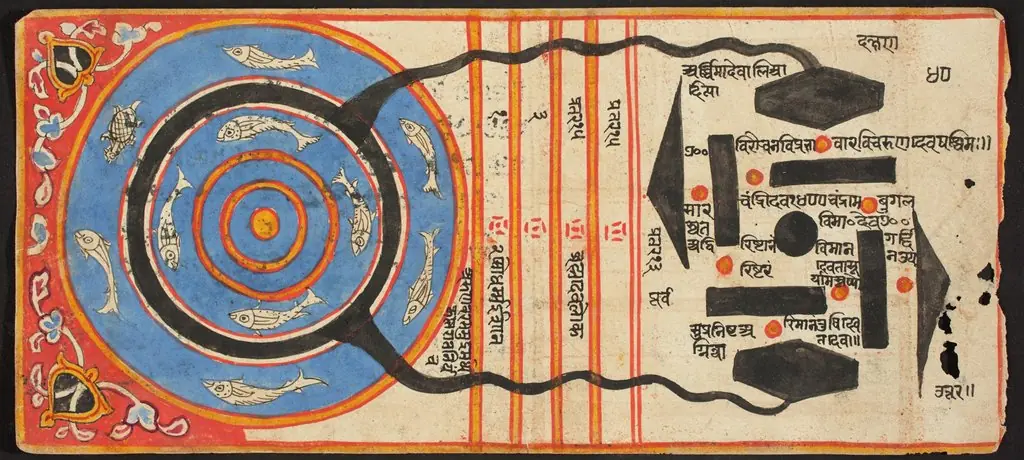 Tantric Manuscript "Sangrahani Sutra"
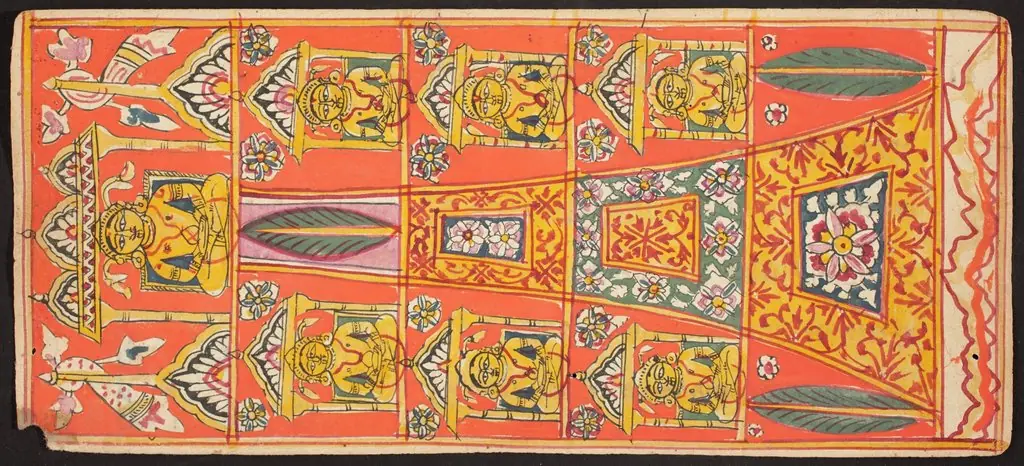 Tantric Manuscript "Sangrahani Sutra"
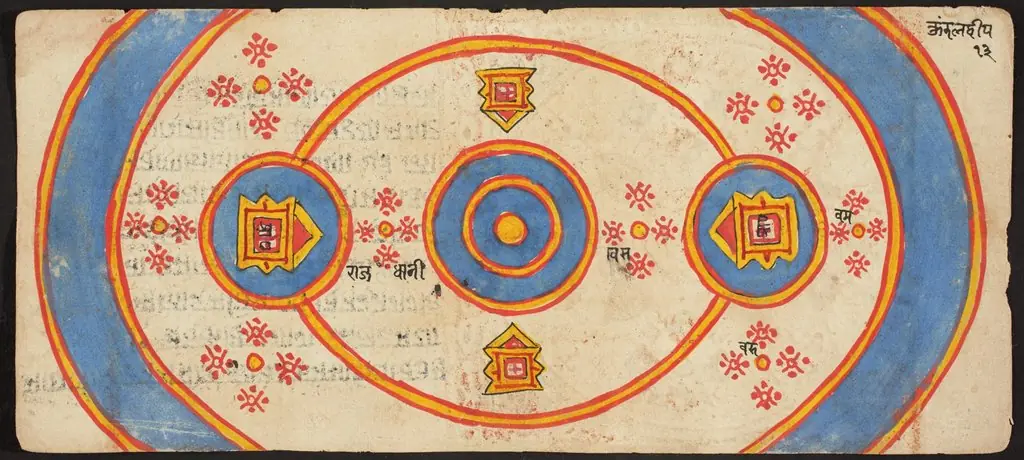 Tantric Manuscript "Sangrahani Sutra"
 Tantric Manuscript "Sangrahani Sutra"
 Tantric Manuscript "Sangrahani Sutra"
 Tantric Manuscript, "Sangrahani Sutra"
 Tantric Manuscript "Sangrahani Sutra"
 Tantric Manuscript "Sangrahani Sutra"