Artwork
Tantric Manuscript "Sangrahani Sutra"
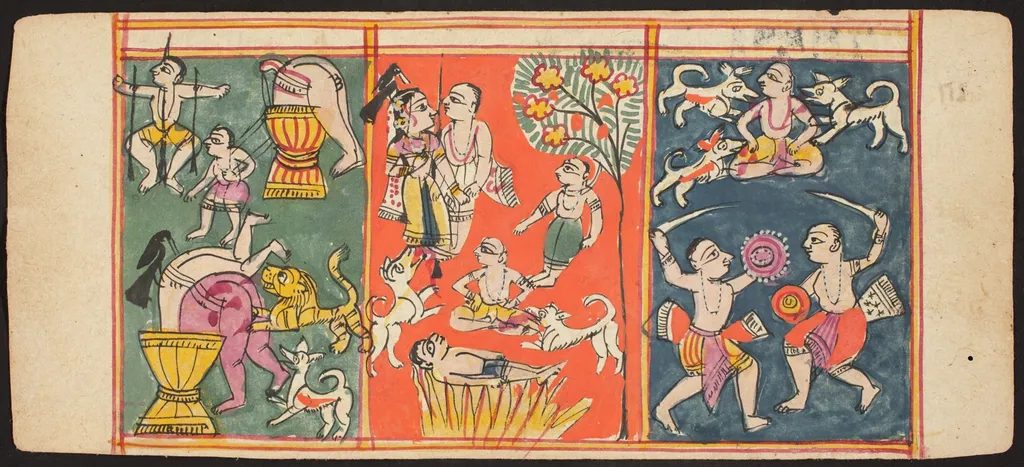
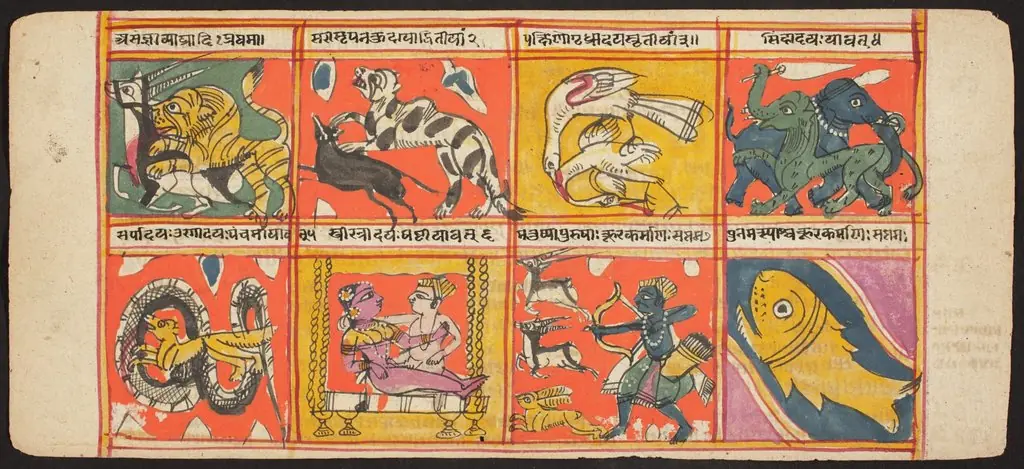
Tantric Manuscript "Sangrahani Sutra" is an unspecified painting by Unknown. It is held in the collection of the Detroit Institute of Arts.
About this work
Overview
The presence of domestic animals and elaborately dressed individuals points to a ritual or cosmological framework rather than a literal scene of daily life.
This painted manuscript fragment, titled 'Sangrahani Sutra,' is structured in three vertical bands, each defined by a distinct background hue: green, red, and blue. Figures—both human and animal—are arranged within these zones, engaged in varied postures. The composition lacks narrative continuity but suggests symbolic spatial organization. The presence of domestic animals and elaborately dressed individuals points to a ritual or cosmological framework rather than a literal scene of daily life.
Subject & Meaning
The imagery likely reflects tantric cosmology, where color zones correspond to directional or elemental principles. The vase, plant, and circular object may symbolize offerings, growth, or cosmic unity. Human and animal figures, rendered without hierarchy, imply interdependence within a sacred order. Traditional attire and jewelry signal ritual participation, suggesting the scene represents a meditative or initiatory state rather than secular activity.
Technique & Style
The painting employs flat, opaque pigments with minimal shading, characteristic of regional manuscript traditions. Outlines are precise, and figures are stylized rather than naturalistic. Backgrounds are uniformly colored, creating a deliberate separation between zones. Animals and humans are rendered with simplified forms, emphasizing symbolic presence over individual expression. The palette is restrained, with each section’s color serving a structural and symbolic function.
History & Provenance
The fragment originates from a larger tantric manuscript, likely produced in eastern India or Nepal between the 12th and 15th centuries. Its survival suggests it was preserved in a monastic or ritual context. The material—painted on palm leaf or paper—aligns with regional scribal practices. No documented provenance exists prior to its modern acquisition, though its style matches known tantric textual illustrations from the period.
Context
Tantric manuscripts of this era often combined textual commentary with visual symbols to aid meditation and ritual practice. The tripartite division mirrors mandala structures, where color and form guide spiritual focus. Depictions of animals and humans together reflect tantric beliefs in the sacredness of all beings. This piece would have been used by initiates, not as decoration, but as a visual aid in esoteric practice.
Legacy
As a surviving fragment, it offers insight into the visual language of tantric Buddhism and Hinduism in medieval South Asia. Though not widely known outside scholarly circles, it contributes to understanding how abstract concepts were rendered in portable art. Its preservation highlights the continuity of ritual object-making in religious traditions that valued symbolic representation over realism.
Artist & collection

 Domestic Scene
 Giacomo and Cardinal Marco, investing Andrea, Abbot of San Zeno, with his Benefice
 The Nymph of Fontainebleau
 Portrait of a Woman
 Madonna and Child with Saints in the Enclosed Garden
 Venus and Minerva
 Family Group of Four on Sofa
 Wall painting from Room H of the Villa of P. Fannius Synistor at Boscoreale
 Tantric Manuscript "Sangrahani Sutra"
 Tantric Manuscript "Sangrahani Sutra"
 Tantric Manuscript "Sangrahani Sutra"
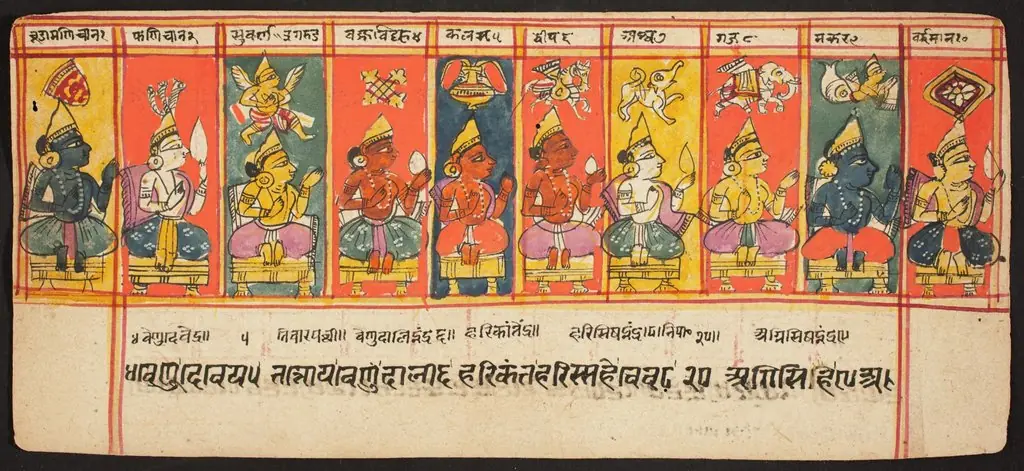 Tantric Manuscript "Sangrahani Sutra"
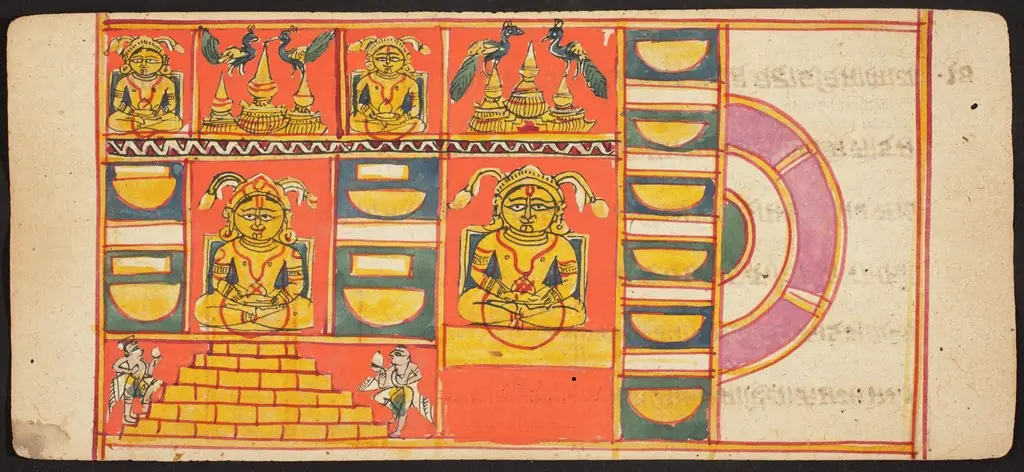 Tantric Manuscript "Sangrahani Sutra"
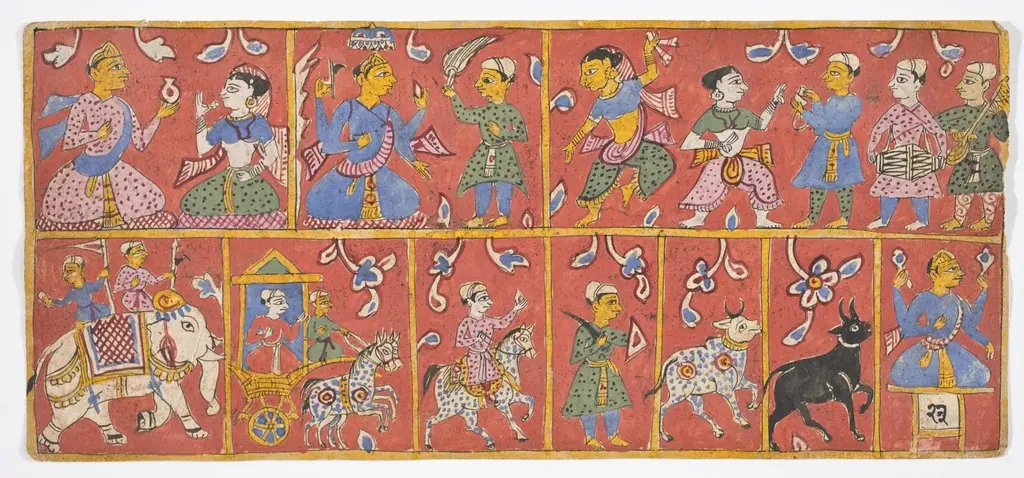 Tantric Manuscript "Sangrahani Sutra"
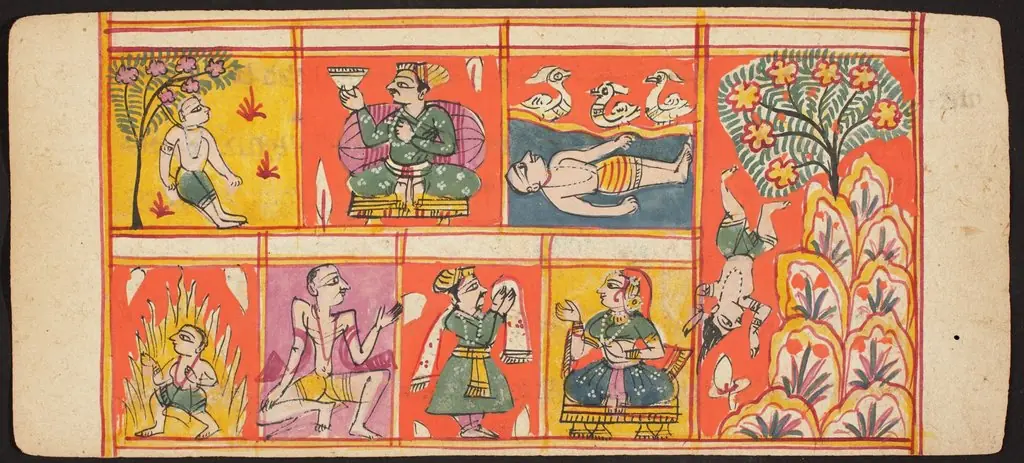 Tantric Manuscript "Sangrahani Sutra"
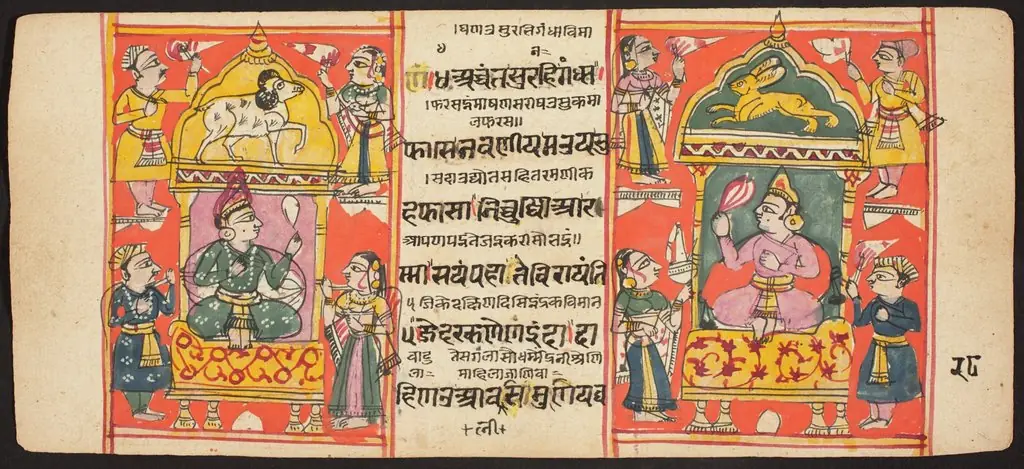 Tantric Manuscript "Sangrahani Sutra"
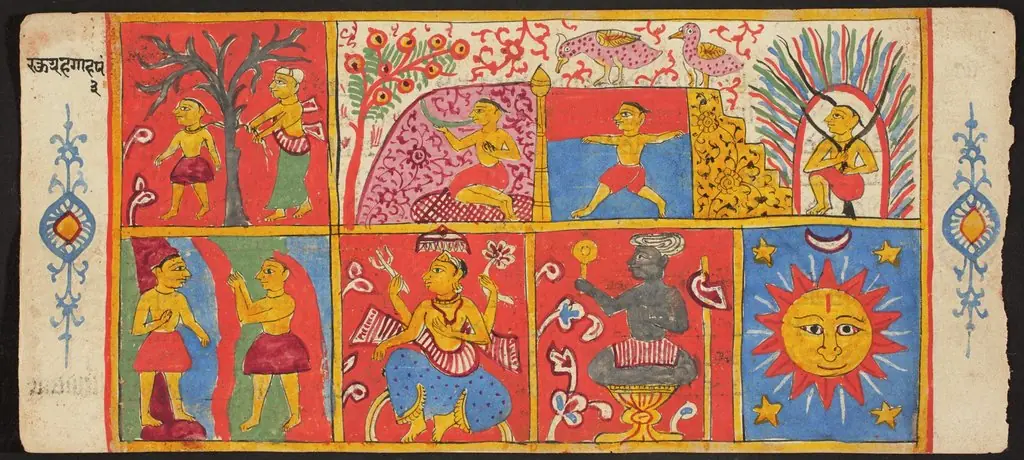 Tantric Manuscript "Sangrahani Sutra"
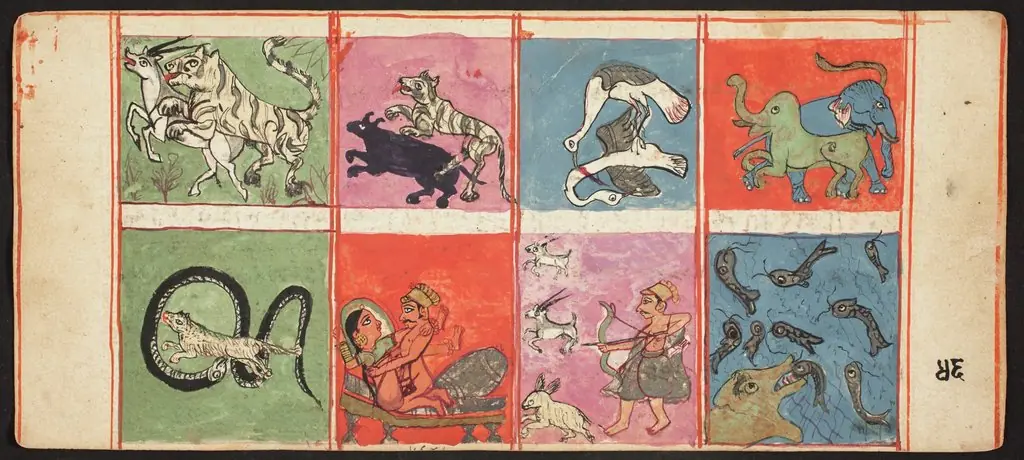 Tantric Manuscript, "Sangrahani Sutra"
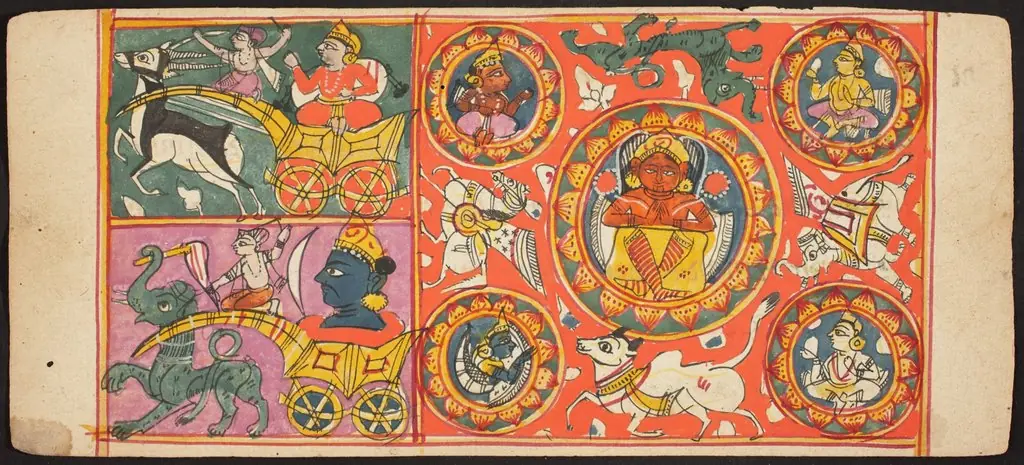 Tantric Manuscript "Sangrahani Sutra"
 Tantric Manuscript "Sangrahani Sutra"