Artwork
Tantric Manuscript "Sangrahani Sutra"
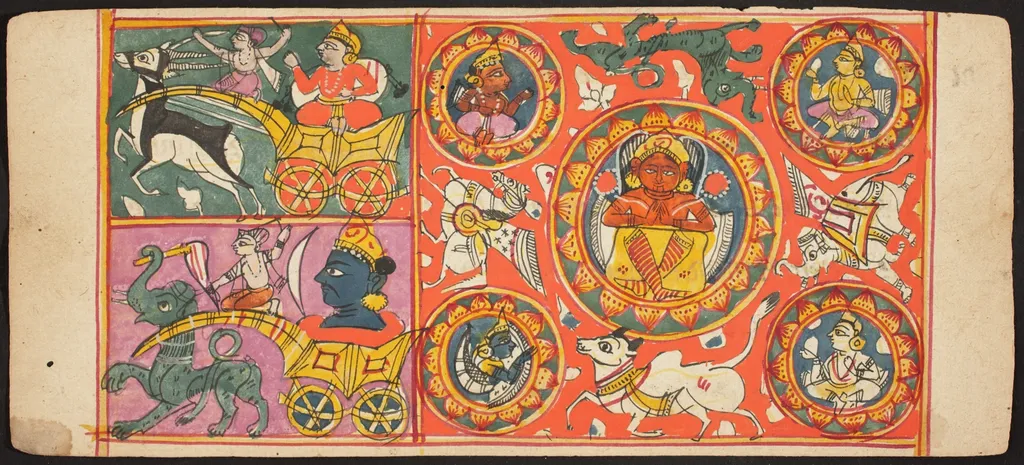
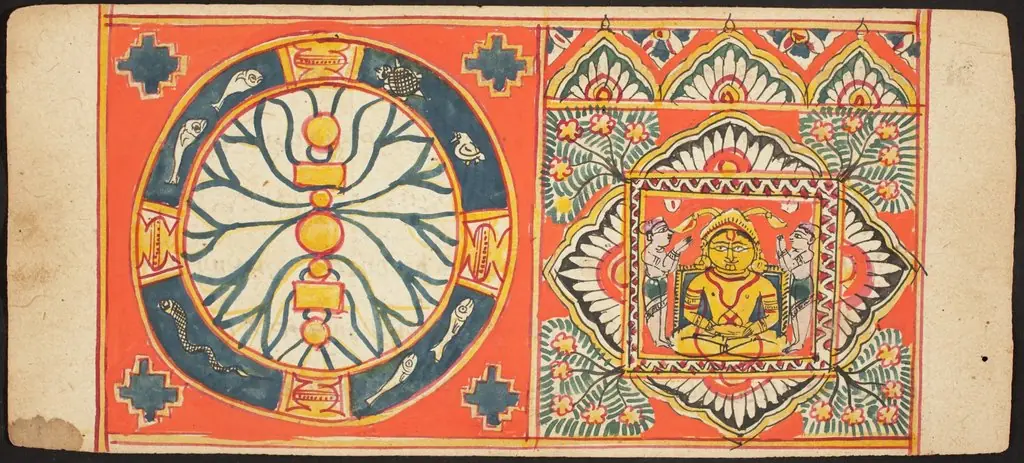
Tantric Manuscript "Sangrahani Sutra" is an unspecified painting by Unknown. It is held in the collection of the Detroit Institute of Arts. The "Sangrahani Sutra" is a rare, intricately illustrated Tantric manuscript painting.
About this work
Overview
The "Sangrahani Sutra" is a rare, intricately illustrated Tantric manuscript painting. Originating from the Himalayan region, specifically Nepal or northern India, it dates to the 18th century. The work combines religious text with vivid, symbolic artwork, reflecting the esoteric traditions of Tantric Buddhism.
Subject & Meaning
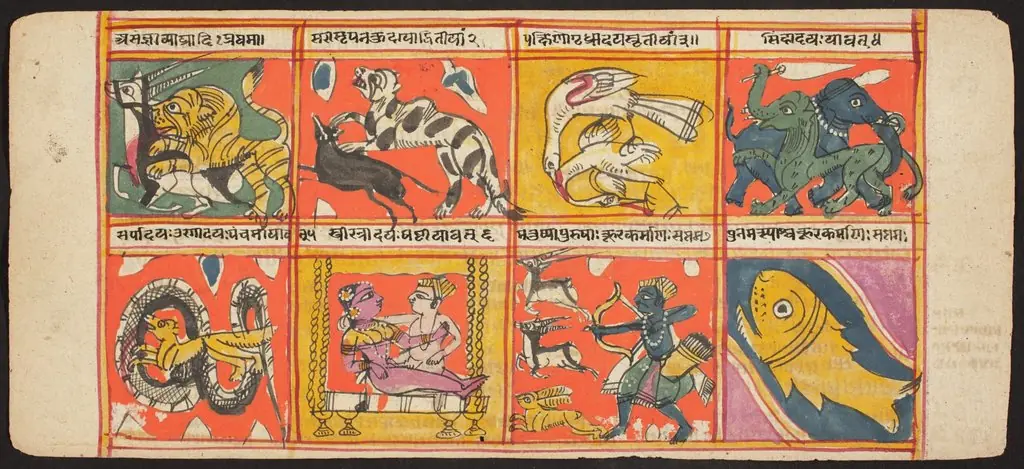
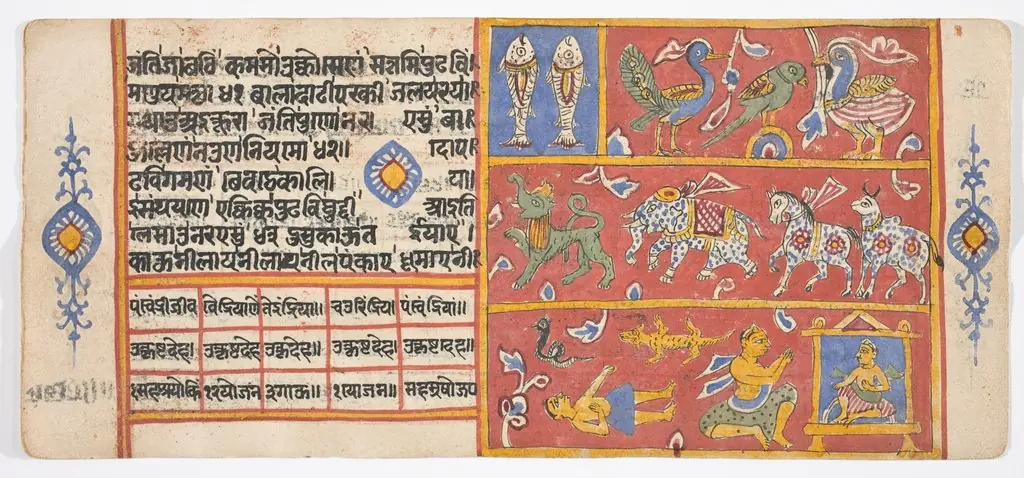
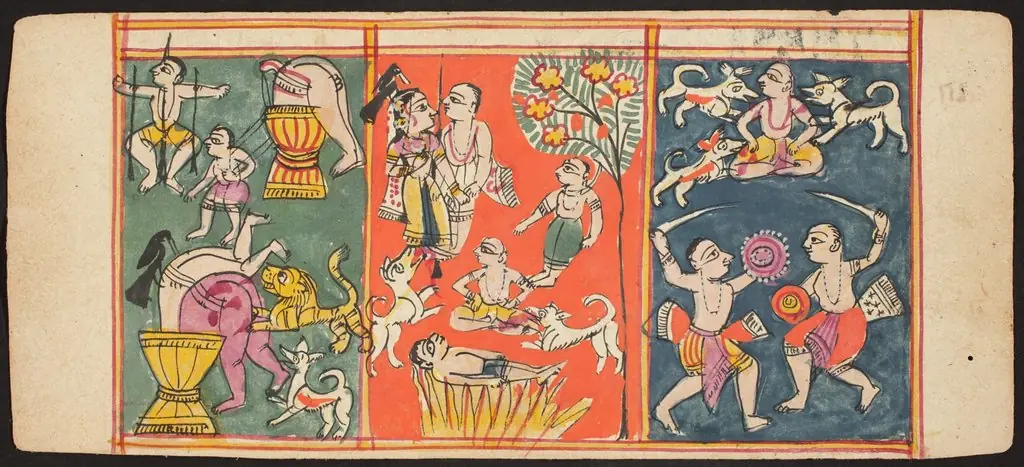
The manuscript depicts various deities, mandalas, and yogic postures, illustrating the Sutra's teachings on spiritual growth and enlightenment. Central figures include female Buddhas and wrathful male deities, embodying the balance of feminine and masculine principles in Tantric philosophy. The artwork guides the practitioner through meditation and ritual practices.
Technique & Style
Executed on hand-made paper, the painting features delicate ink outlines filled with opaque watercolors. The style blends traditional Himalayan motifs with influences from Indian Pala-Sena art, characterized by expressive facial expressions, intricate patterns, and a predominantly red and blue color palette.
History & Provenance
Discovered in a private collection in Kathmandu in the 1990s, the manuscript's earlier history remains undocumented. Scholars speculate it was created for a wealthy patron or a monastery, given its quality and the rarity of illustrated Tantric sutras from this period.
Context
Created during a resurgence of Tantric practices in the Himalayas, the "Sangrahani Sutra" reflects the religious and cultural exchange between Nepal and India. It would have been used in ritual contexts, possibly for initiation ceremonies or daily meditation, facilitating spiritual practitioners' journey towards enlightenment.
Legacy
Now housed in a European museum, the manuscript contributes significantly to the understanding of 18th-century Tantric art and spirituality. It influences contemporary studies on Himalayan Buddhist art, highlighting the importance of illustrated religious texts in religious practice.
Artist & collection

 Domestic Scene
 Giacomo and Cardinal Marco, investing Andrea, Abbot of San Zeno, with his Benefice
 The Nymph of Fontainebleau
 Portrait of a Woman
 Madonna and Child with Saints in the Enclosed Garden
 Venus and Minerva
 Family Group of Four on Sofa
 Wall painting from Room H of the Villa of P. Fannius Synistor at Boscoreale
 Tantric Manuscript "Sangrahani Sutra"
 Tantric Manuscript "Sangrahani Sutra"
 Tantric Manuscript "Sangrahani Sutra"
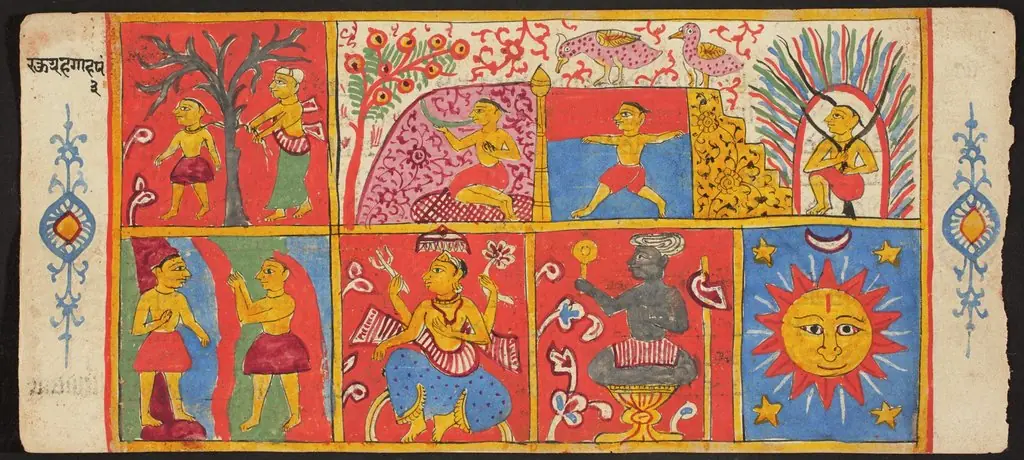 Tantric Manuscript "Sangrahani Sutra"
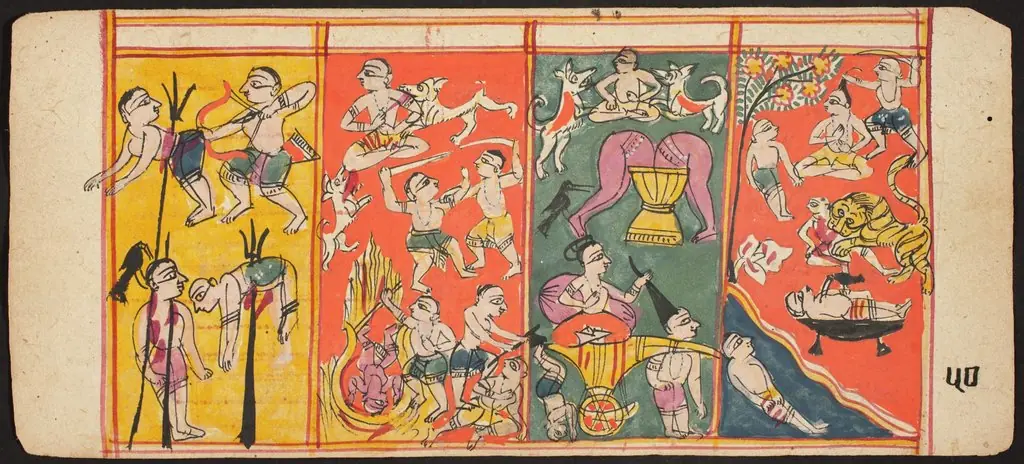 Tantric Manuscript "Sangrahani Sutra"
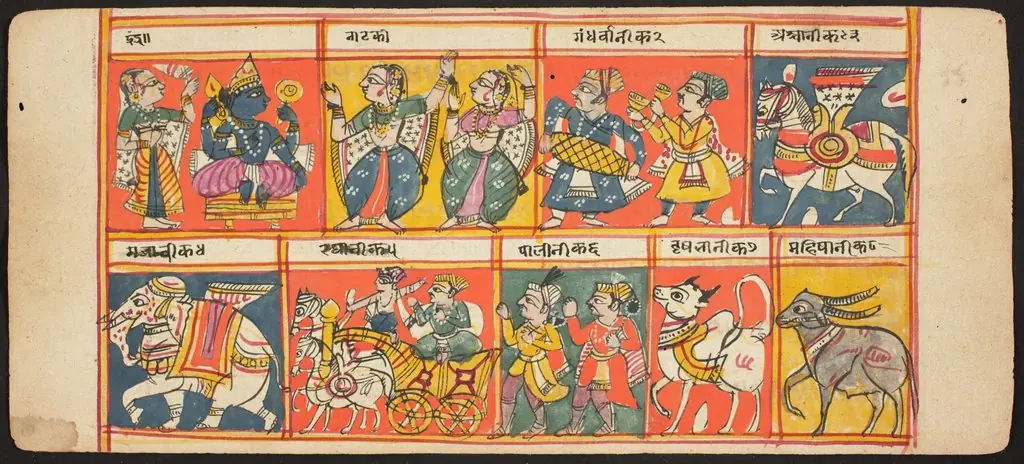 Tantric Manuscript "Sangrahani Sutra"
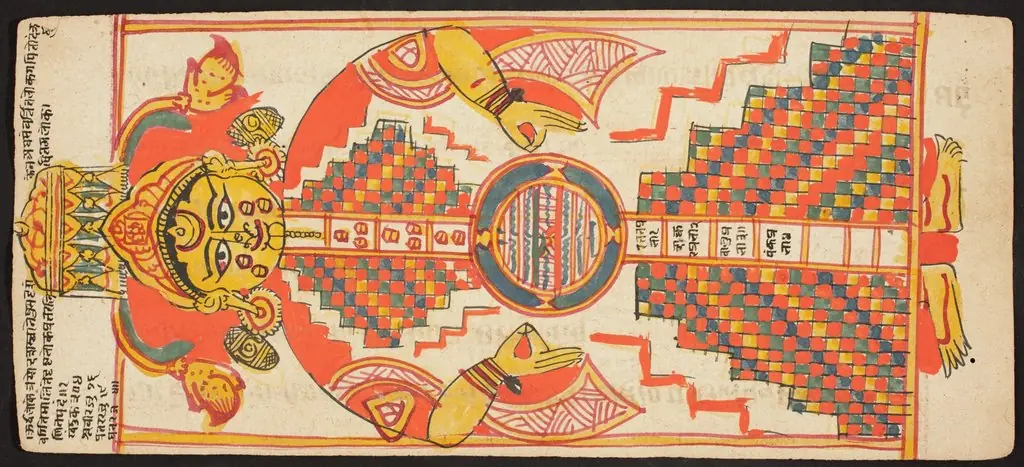 Tantric Manuscript "Sangrahani Sutra"
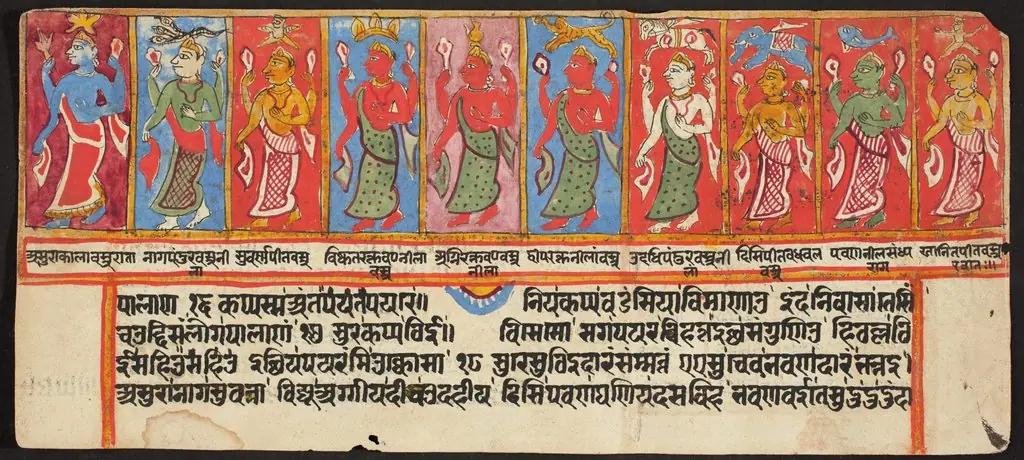 Tantric Manuscript "Sangrahani Sutra"
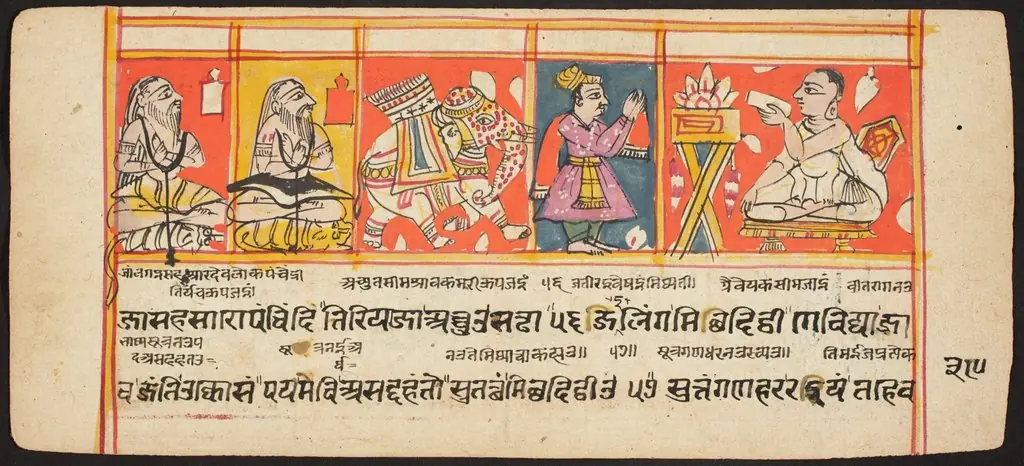 Tantric Manuscript "Sangrahani Sutra"
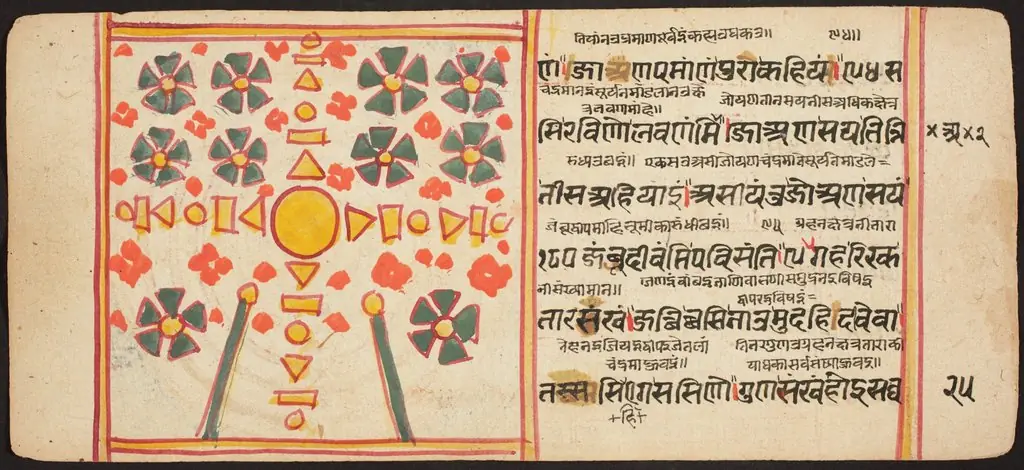 Tantric Manuscript "Sangrahani Sutra"
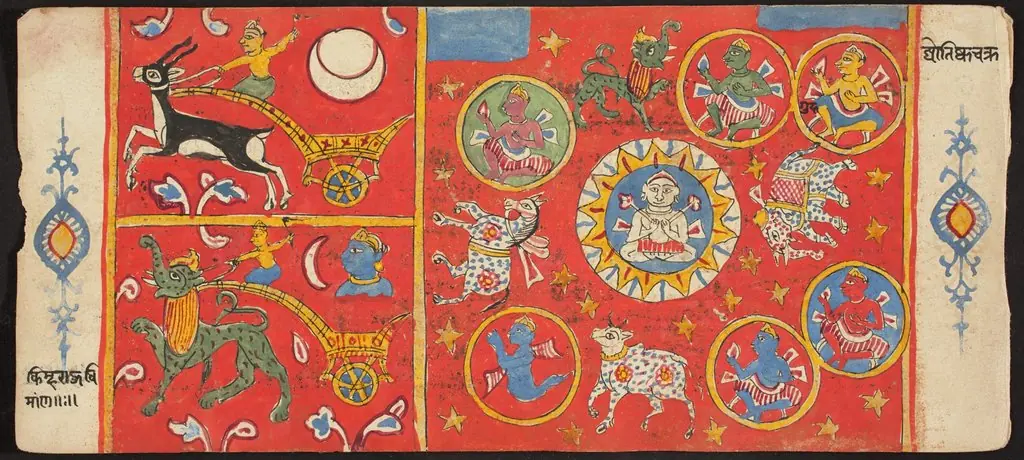 Tantric Manuscript "Sangrahani Sutra"
 Tantric Manuscript "Sangrahani Sutra"