Artwork
Portrait of a boy with a dove
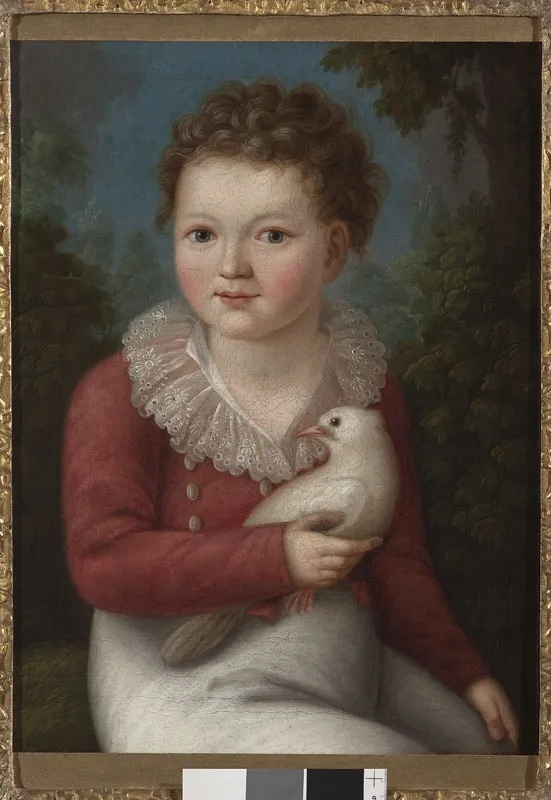
Portrait of a boy with a dove is an oil painting by the Neoclassicist artist Unknown. It dates from 1798 and is held in the collection of the National Museum in Warsaw. This oil painting portrays a young boy holding a white dove against a softly rendered outdoor backdrop of sky and foliage.
About this work
The boy's attire and hairstyle are characteristic of the late 18th century, while the dove may symbolize peace or innocence.
This painting depicts a young boy with curly hair, dressed in a red jacket with lace collar and white pants. He is holding a white dove in his arms, with the bird's head turned towards the viewer. The background features a blue sky and greenery, suggesting an outdoor setting. The boy's attire and hairstyle are characteristic of the late 18th century, while the dove may symbolize peace or innocence. The artist's use of oil paint creates a sense of depth and texture in the image.
Overview
This oil painting portrays a young boy holding a white dove against a softly rendered outdoor backdrop of sky and foliage. Executed in the late 18th century, the work captures a moment of quiet intimacy, with the child’s formal attire and the symbolic presence of the bird suggesting themes of purity and domestic tenderness. The medium allows for subtle gradations of light and texture, enhancing the lifelike presence of both subject and setting.
Subject & Meaning
The boy, dressed in a red jacket with lace trim and white trousers, reflects the fashion of aristocratic youth in the late 1700s. His hold of the dove, its head turned toward the viewer, introduces a symbolic layer—commonly associated with innocence, peace, or divine favor. The gesture is neither theatrical nor overtly allegorical, instead conveying a gentle, personal connection between child and creature.
Technique & Style
Oil paint is used with a restrained precision, emphasizing the softness of the boy’s curls, the sheen of the lace collar, and the feathery texture of the dove. The background is loosely painted, with muted greens and blues suggesting depth without distraction. The lighting is naturalistic, casting gentle shadows that ground the figure in space, reflecting a transition from formal portraiture toward more intimate, atmospheric compositions.
History & Provenance
The painting’s origin and early ownership remain undocumented, though its style aligns with European portraiture of the 1780s–1790s. No known signature or inscription accompanies the work, and its path through collections is unclear. It has been preserved in private hands for much of its history, with no public exhibition record prior to the 20th century.
Context
In late 18th-century Europe, portraits of children often incorporated symbolic elements to convey moral or social ideals. The dove, a frequent motif in such works, reflected Enlightenment-era values of innocence and natural virtue. This painting fits within a broader trend of depicting youth in domestic or pastoral settings, moving away from rigid formality toward more emotionally resonant imagery.
Legacy
Though attributed to no known master, the painting stands as a representative example of modest, skilled portraiture from its time. It offers insight into how childhood was visually framed in the pre-romantic era—neither idealized nor sentimentalized, but observed with quiet attention. Its preservation underscores the enduring value placed on personal, intimate imagery within European artistic traditions.
Artist & collection

 Domestic Scene
 Giacomo and Cardinal Marco, investing Andrea, Abbot of San Zeno, with his Benefice
 The Nymph of Fontainebleau
 Portrait of a Woman
 Madonna and Child with Saints in the Enclosed Garden
 Venus and Minerva
 Family Group of Four on Sofa
 Wall painting from Room H of the Villa of P. Fannius Synistor at Boscoreale
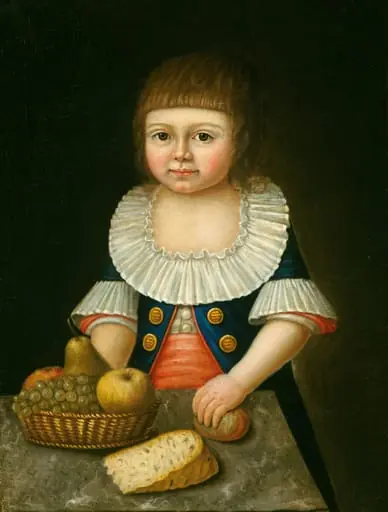
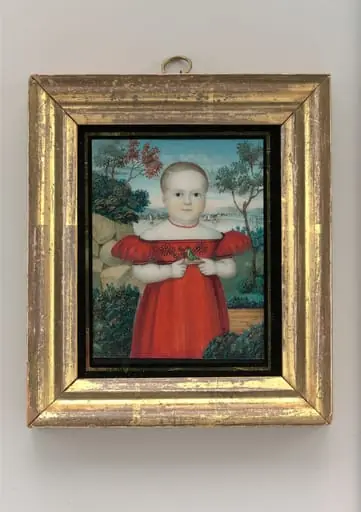 Portrait of a Boy
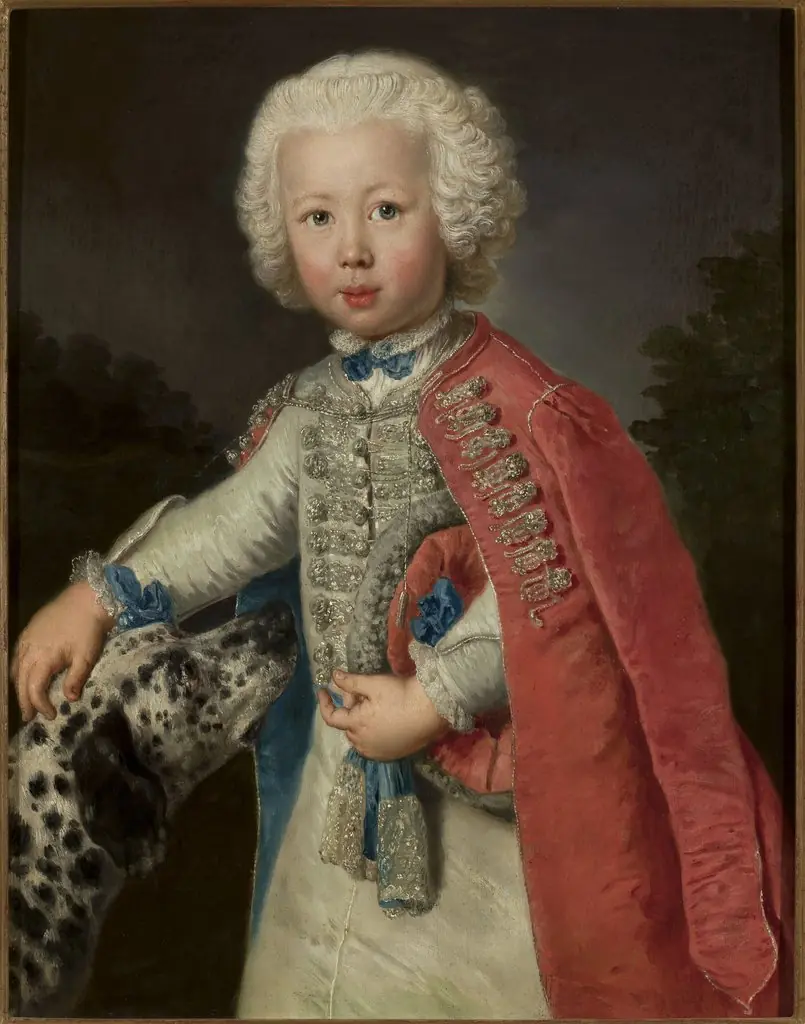 Portrait of a boy
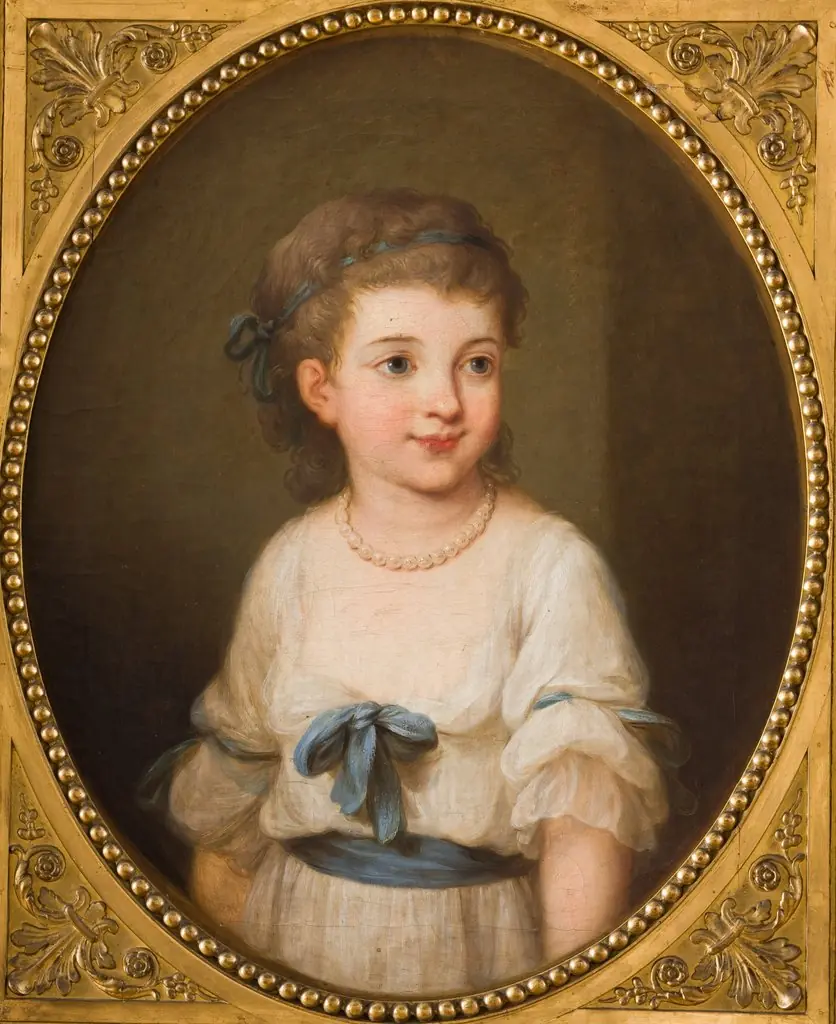 Portrait of Elżbieta Mniszech (born 1792)
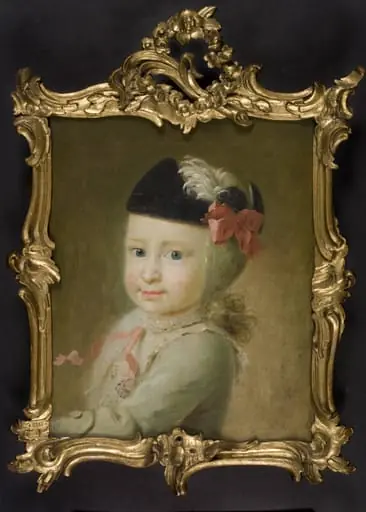 Portrait of Carl Christian Laurentius Birch
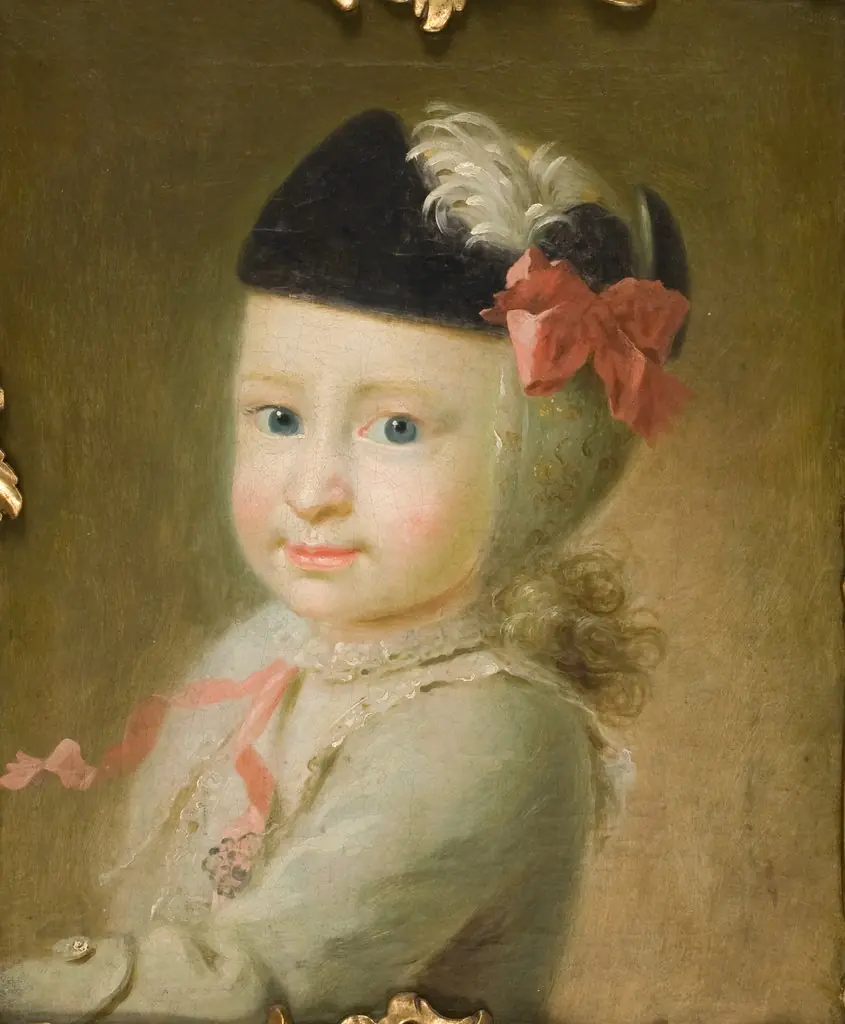 Portrait of Carl Christian Laurentius Birch
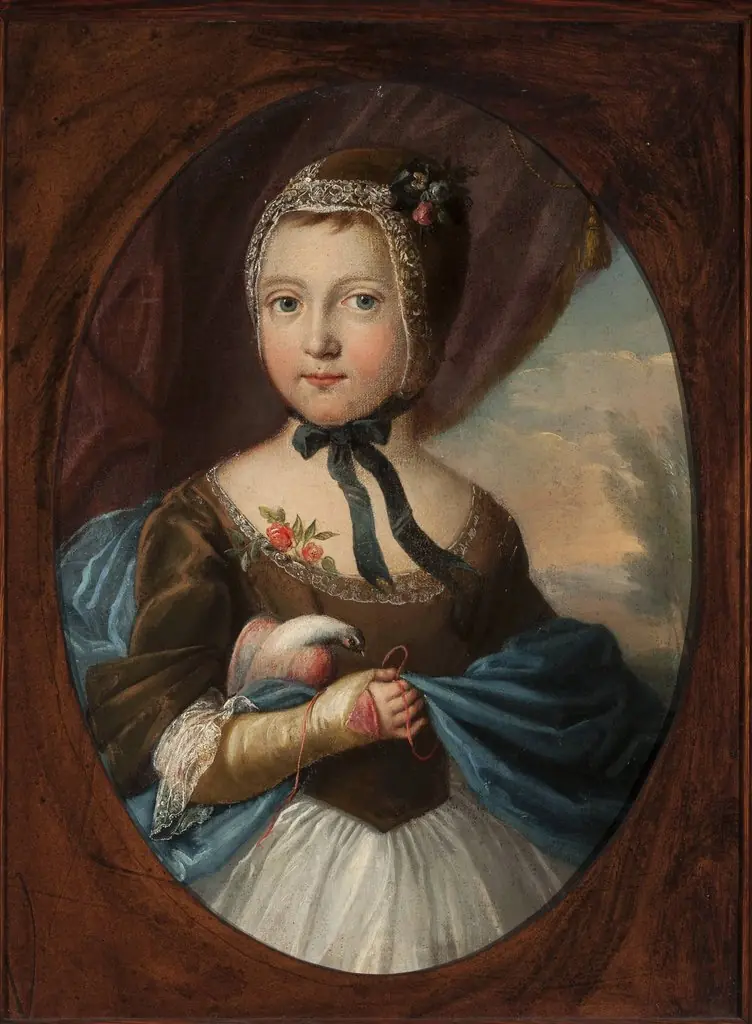 Portrait of Anna Bogusławska née Linowska (1734–1762)
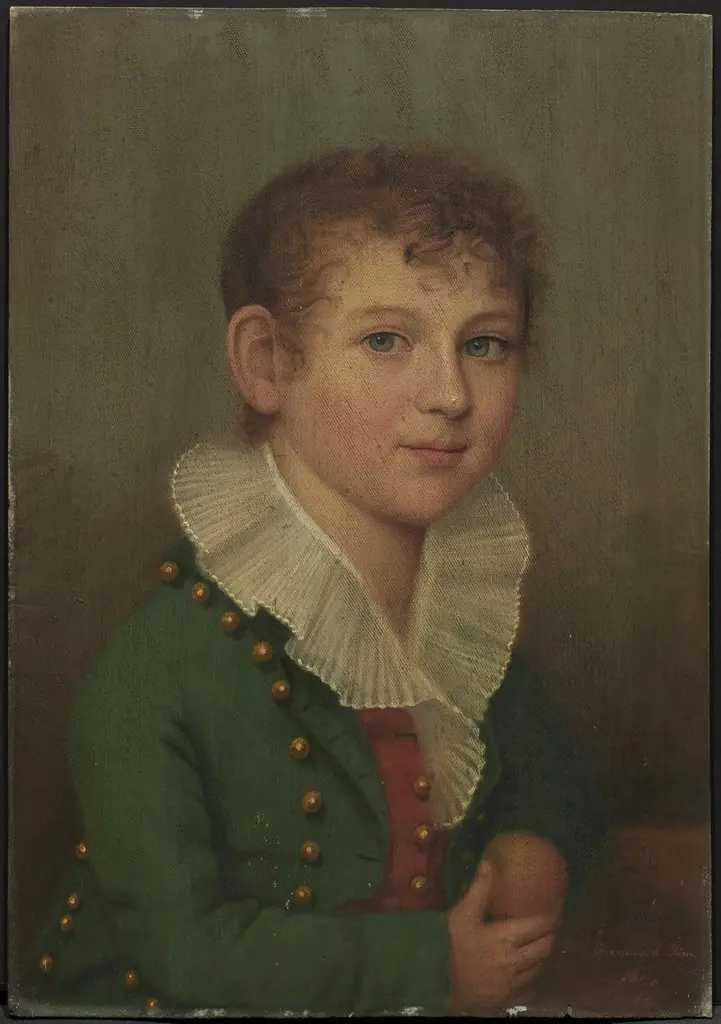 A Young Boy (one of pair of portraits)
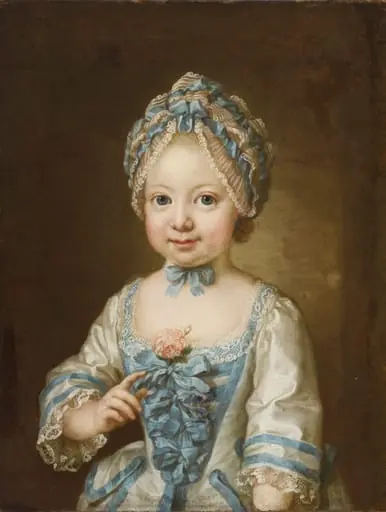 Hedvig Ulrika Hedengran
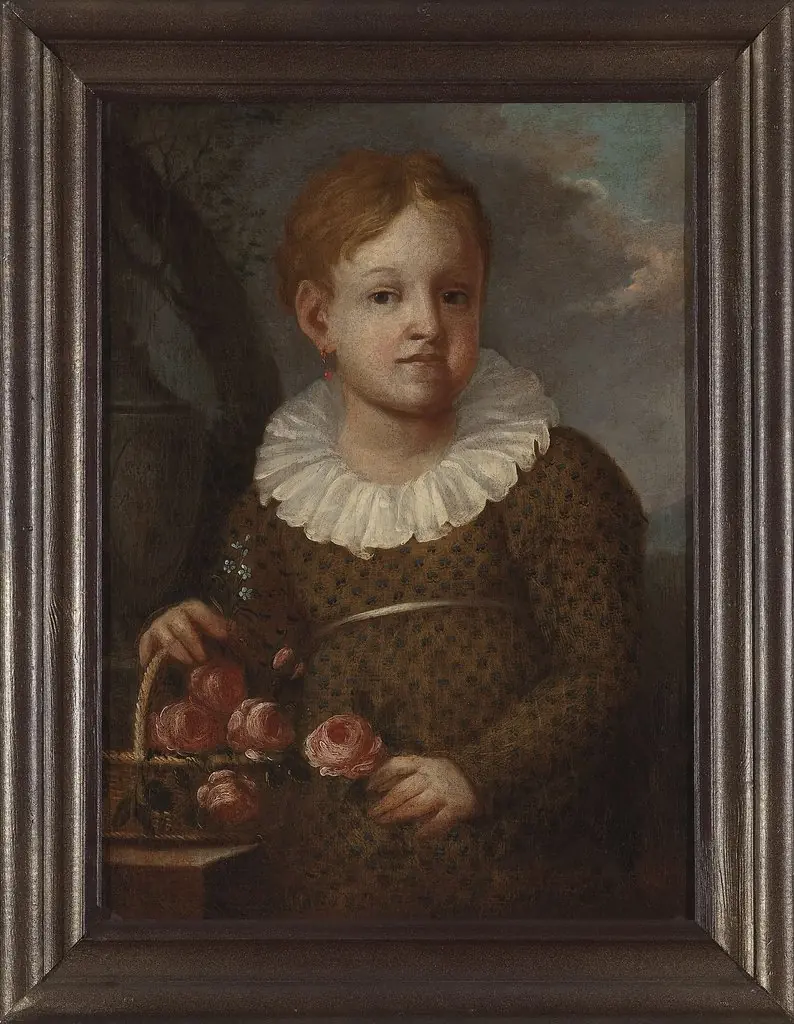 Posthumous portrait of Elżbietka Pade (1811–1818), daughter of Elżbieta and Marcin
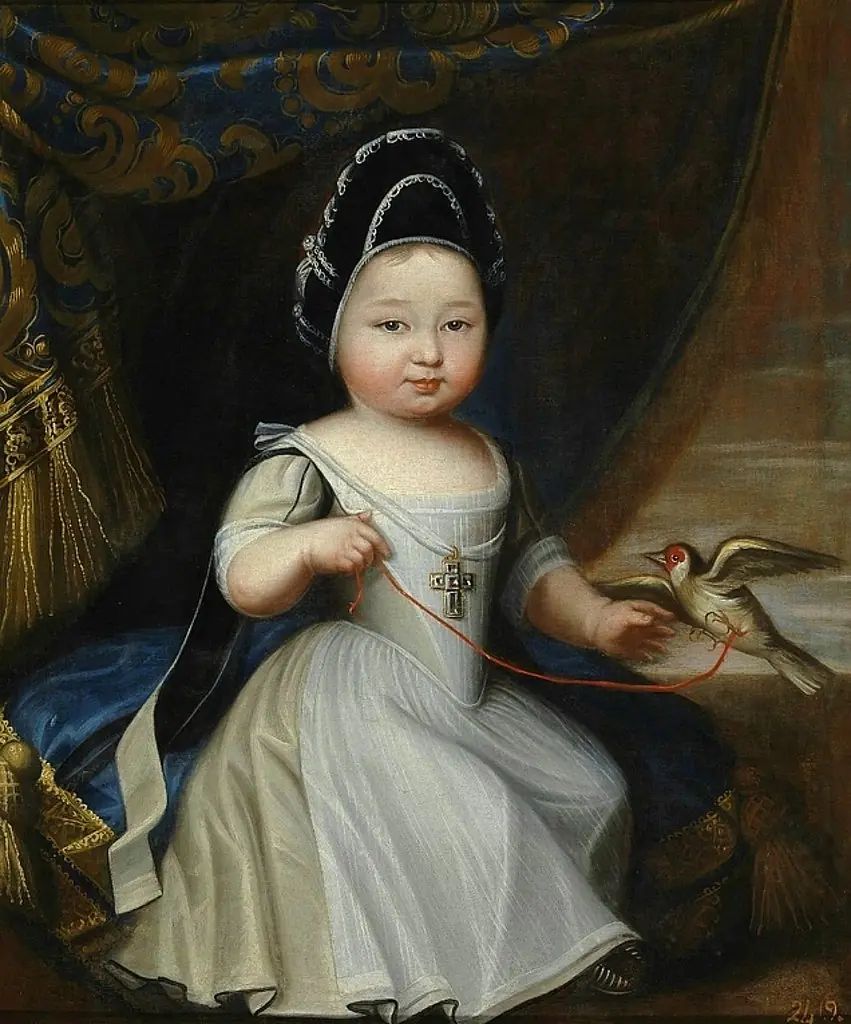 Carlos Manuel Víctor duque de Aosta
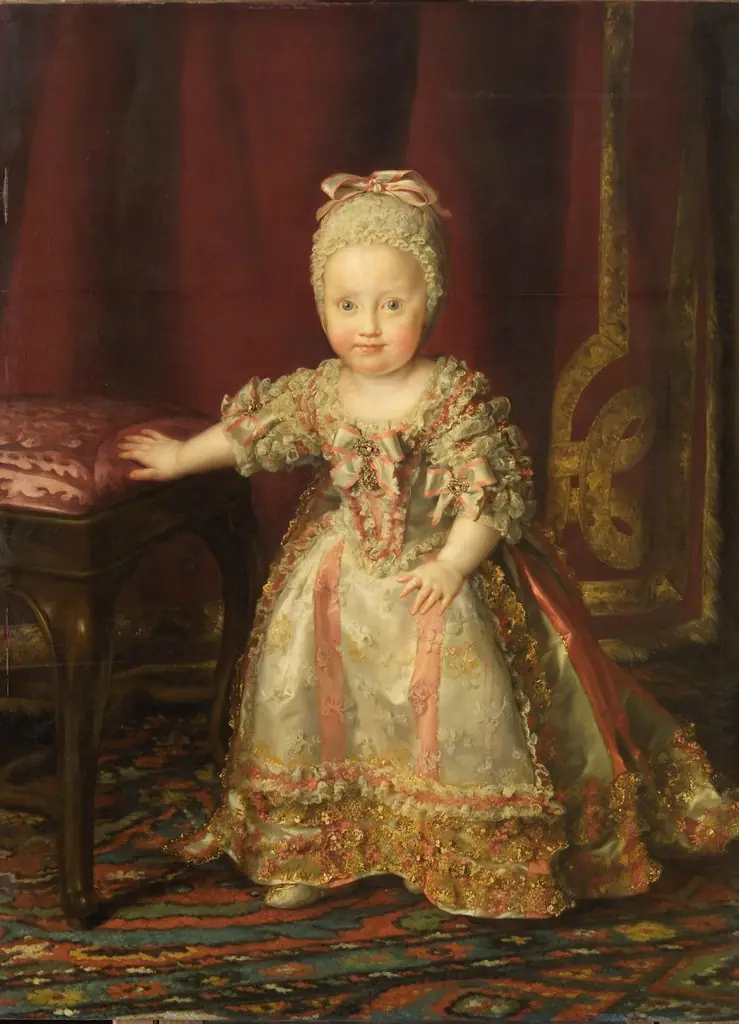 Infantin Maria Theresa von Neapel (1772-1807)
 Boy with a Basket of Fruit