Artwork
Tantric Manuscript "Sangrahani Sutra"
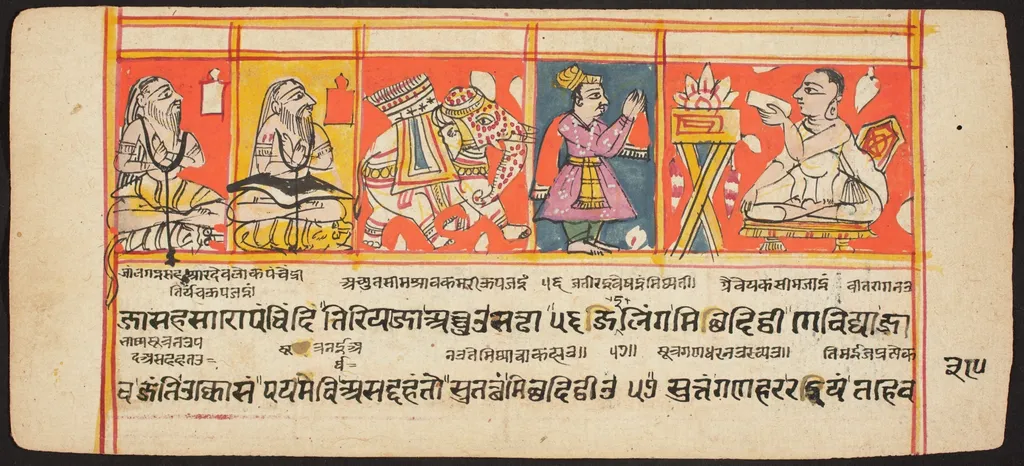
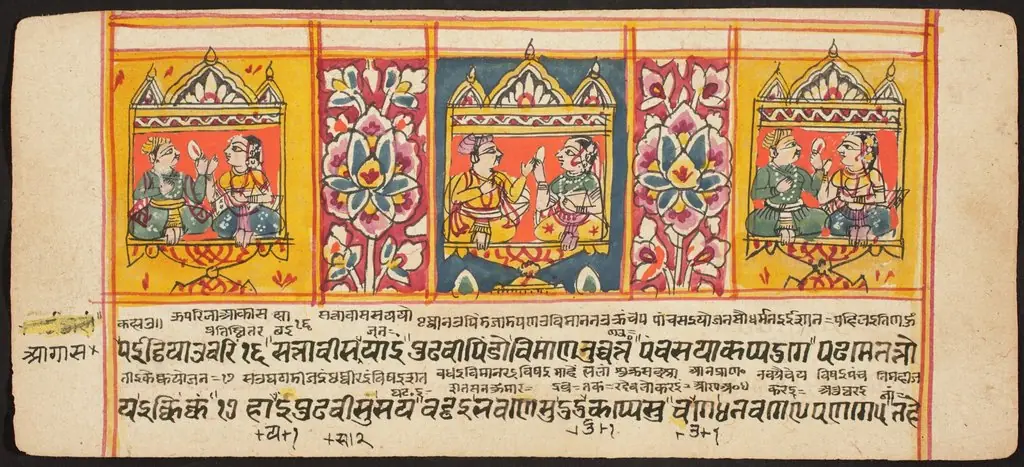
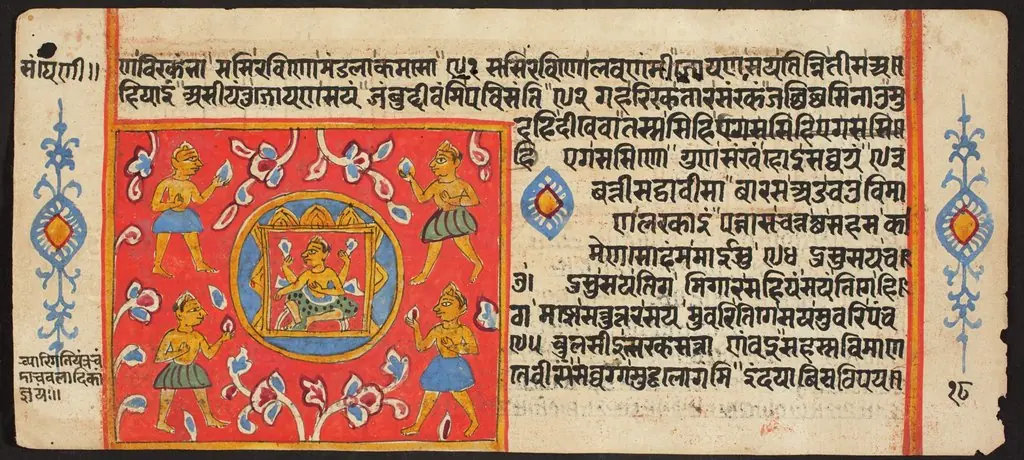
Tantric Manuscript "Sangrahani Sutra" is an unspecified painting by Unknown. It is held in the collection of the Detroit Institute of Arts. The work titled “Sangrahani Sutra” is a painted manuscript panel that presents five individual figures arranged in separate compartments.
About this work
Overview
Each compartment is set against a distinct background hue—yellow, orange, and blue—providing visual separation while maintaining a cohesive overall composition.
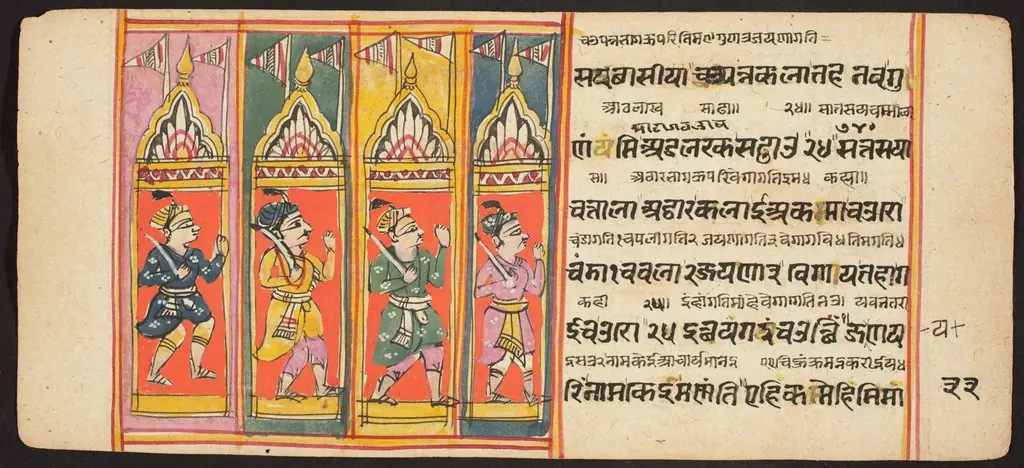
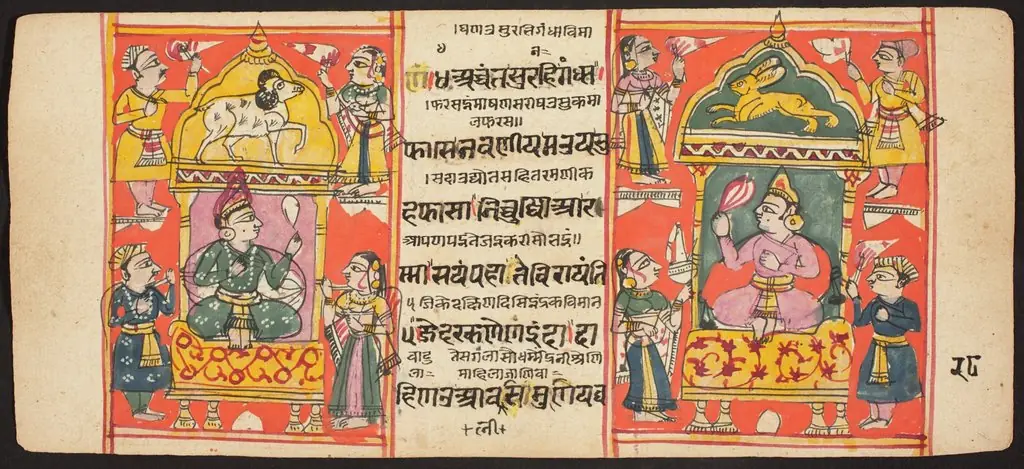
The work titled “Sangrahani Sutra” is a painted manuscript panel that presents five individual figures arranged in separate compartments. Each compartment is set against a distinct background hue—yellow, orange, and blue—providing visual separation while maintaining a cohesive overall composition. The figures are rendered in varied postures, some seated and others standing, and are richly dressed with elaborate garments and ornaments.
Subject & Meaning
The five figures likely represent deities or enlightened beings associated with tantric practice, as suggested by the title’s reference to a sutra. Their individualized settings and opulent attire emphasize the distinct qualities or functions each figure embodies within the ritual or doctrinal framework of the text.
Technique & Style
The painting employs a vivid palette and careful delineation of forms, with attention to intricate costume details. While the museum’s collection highlights chiaroscuro, this piece relies more on flat color fields and decorative line work to convey volume, using contrasting background tones to separate the figures and enhance visual impact.
History & Provenance
The manuscript is part of the Detroit Institute of Arts’ Asian collection, acquired through the museum’s ongoing efforts to represent South Asian religious art. Its exact origin, date, and prior ownership remain undocumented in the available record, but it is cataloged as a representative example of tantric visual culture.
Context
Tantric manuscripts often combine textual instruction with illustrative panels that aid meditation and ritual. The compartmentalized format of this painting aligns with the pedagogical function of such texts, allowing viewers to focus on each figure’s iconography while maintaining a unified narrative structure.
Artist & collection

 Domestic Scene
 Giacomo and Cardinal Marco, investing Andrea, Abbot of San Zeno, with his Benefice
 The Nymph of Fontainebleau
 Portrait of a Woman
 Madonna and Child with Saints in the Enclosed Garden
 Venus and Minerva
 Family Group of Four on Sofa
 Wall painting from Room H of the Villa of P. Fannius Synistor at Boscoreale
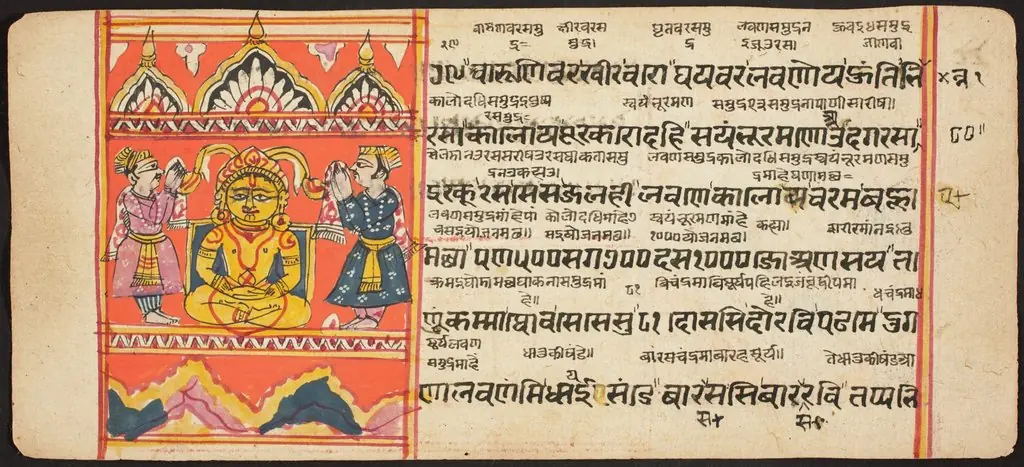 Tantric Manuscript "Sangrahani Sutra"
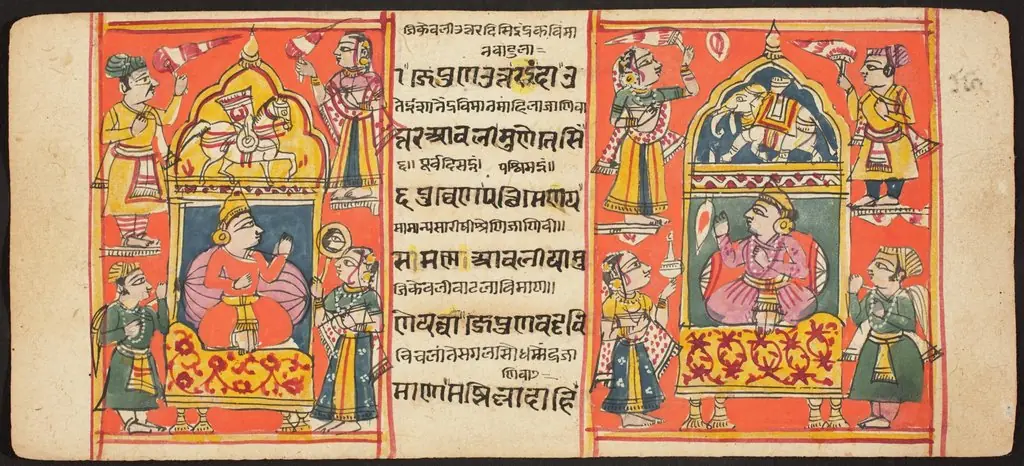 Tantric Manuscript "Sangrahani Sutra"
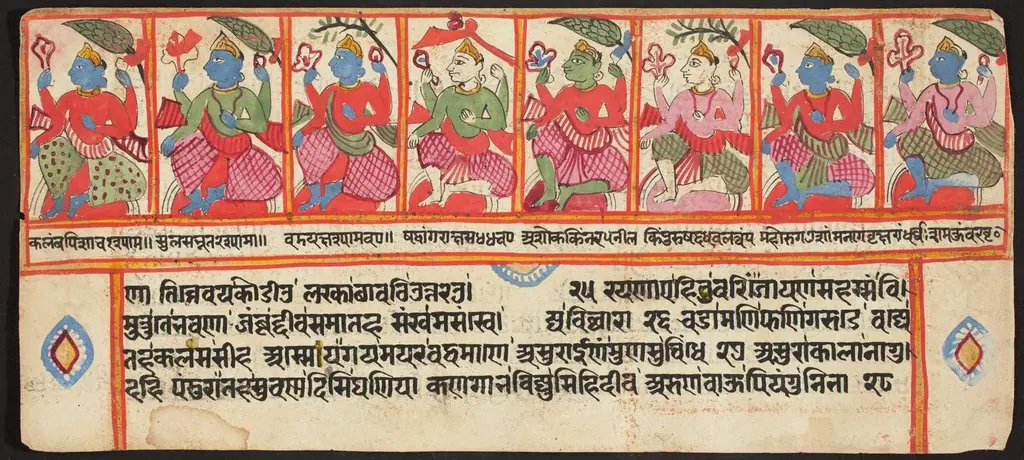 Tantric Manuscript "Sangrahani Sutra"
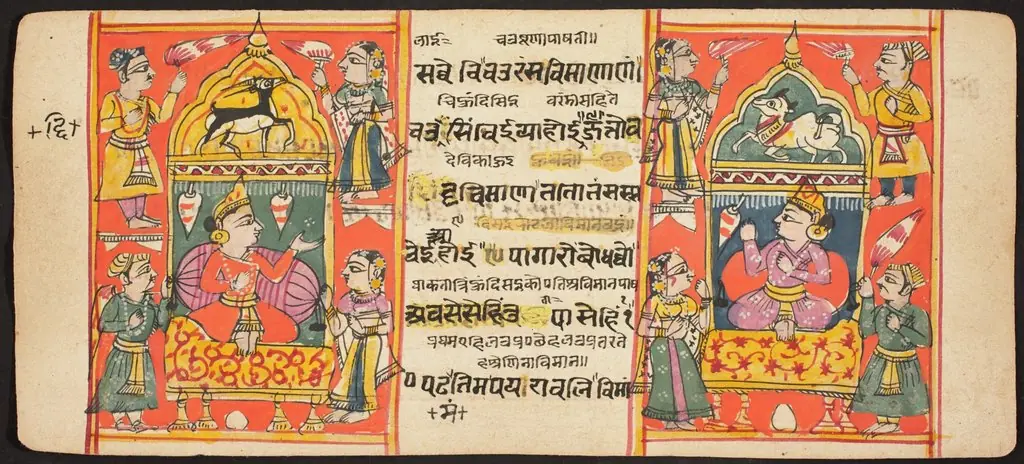 Tantric Manuscript "Sangrahani Sutra"
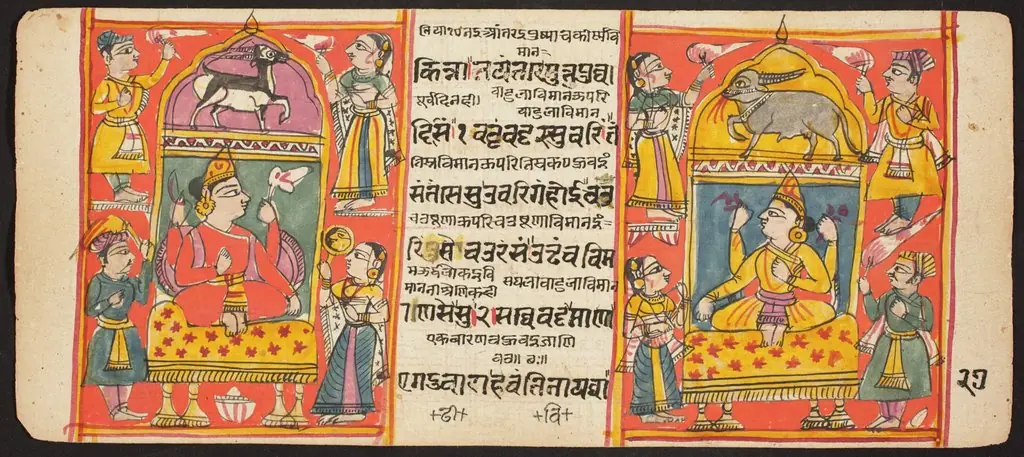 Tantric Manuscript "Sangrahani Sutra"
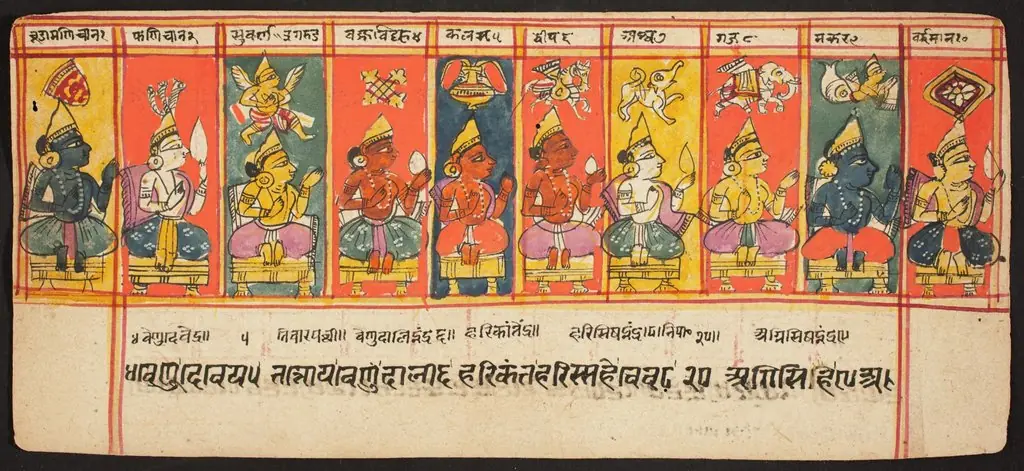 Tantric Manuscript "Sangrahani Sutra"
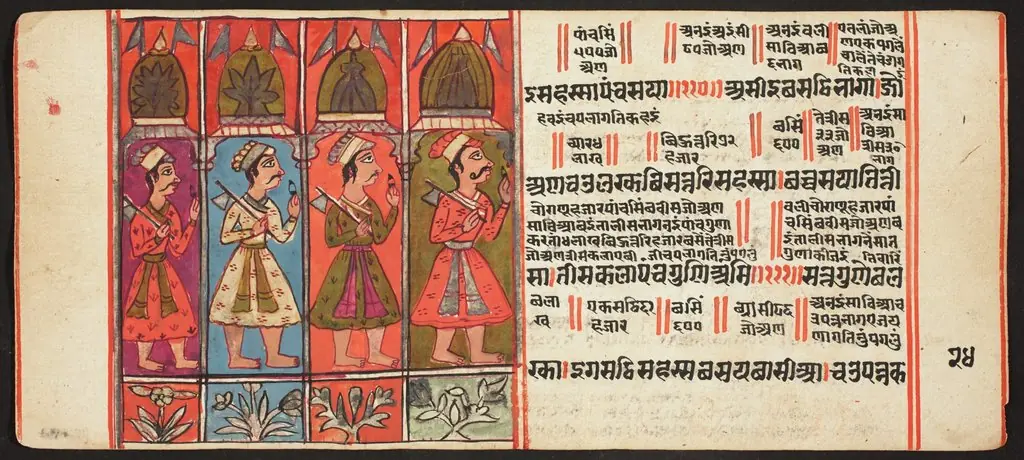 Tantric Manuscript, "Sangrahani Sutra"
 Tantric Manuscript "Sangrahani Sutra"
 Tantric Manuscript "Sangrahani Sutra"
 Tantric Manuscript "Sangrahani Sutra"
 Tantric Manuscript "Sangrahani Sutra"
 Tantric Manuscript "Sangrahani Sutra"