Artwork
Tantric Manuscript "Sangrahani Sutra"
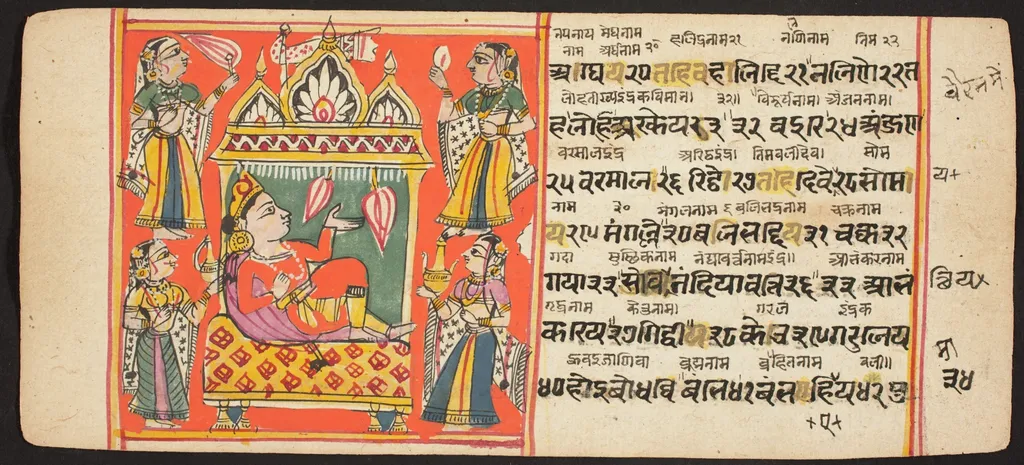
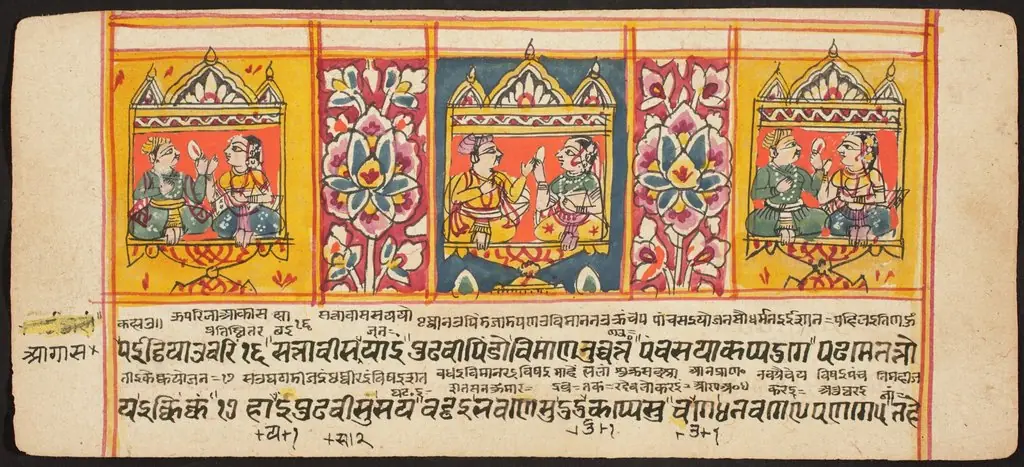
Tantric Manuscript "Sangrahani Sutra" is an unspecified painting by Unknown. It is held in the collection of the Detroit Institute of Arts. The work is a painted folio from a historic tantric manuscript identified as the Sangrahani Sutra.
About this work
Overview
The work is a painted folio from a historic tantric manuscript identified as the Sangrahani Sutra. Executed on paper, it depicts a central male figure seated on an elaborately patterned couch of yellow and red, surrounded by four female attendants. The composition is framed by a vivid red ground and a green rectangular panel behind the seated figure, creating a striking visual contrast.
Subject & Meaning
The seated man, robed in red and crowned, holds a scepter in his right hand and a pink object in his left, suggesting a role of authority or divine power within the tantric tradition. The four women, adorned in colorful garments and jewelry, gaze toward him, indicating reverence or participation in a ritual context.
Technique & Style
The painting employs mineral pigments that yield saturated reds, yellows, and greens, applied in flat, decorative blocks typical of manuscript illumination. Fine line work outlines the figures and their attire, while the patterned couch and background demonstrate a stylized, ornamental approach rather than naturalistic representation.
History & Provenance
As a page from the Sangrahani Sutra, the folio originates from a larger religious text used in tantric practice. The manuscript’s precise geographic origin and date remain uncertain, but the style aligns with South Asian tantric art of the early modern period, likely produced in a monastic workshop.
Context
Tantric manuscripts often combined instructional text with visual aids to convey complex theological concepts. This illustration would have served as a didactic image, reinforcing the authority of the central figure—perhaps a deity or enlightened teacher—within the ritual framework described by the sutra.
Legacy
While the specific manuscript is not widely cited, such illuminated pages contribute to the broader understanding of tantric visual culture, illustrating how art functioned as a pedagogical and devotional tool in esoteric traditions.
Artist & collection

 Domestic Scene
 Giacomo and Cardinal Marco, investing Andrea, Abbot of San Zeno, with his Benefice
 The Nymph of Fontainebleau
 Portrait of a Woman
 Madonna and Child with Saints in the Enclosed Garden
 Venus and Minerva
 Family Group of Four on Sofa
 Wall painting from Room H of the Villa of P. Fannius Synistor at Boscoreale
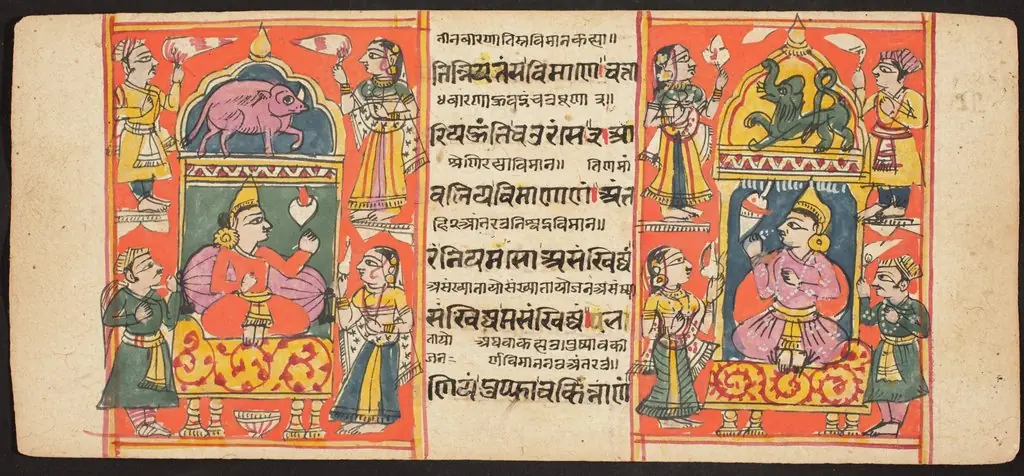 Tantric Manuscript "Sangrahani Sutra"
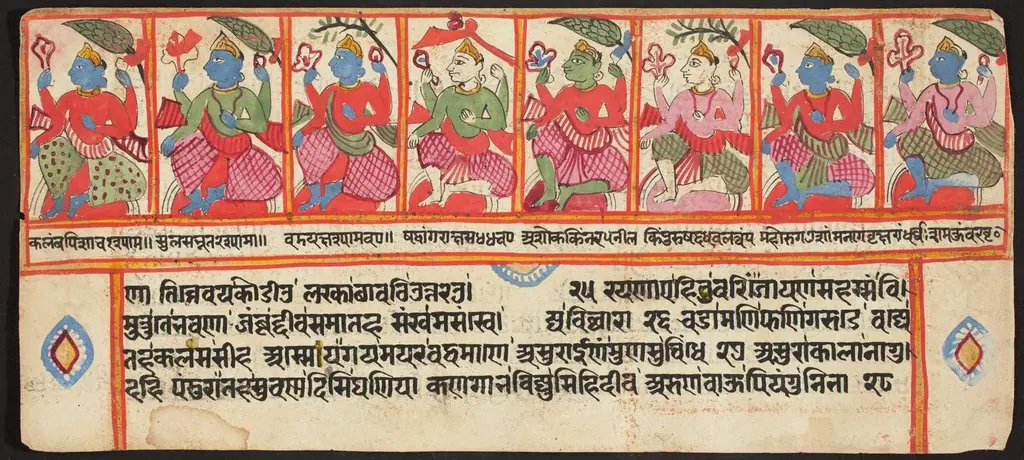 Tantric Manuscript "Sangrahani Sutra"
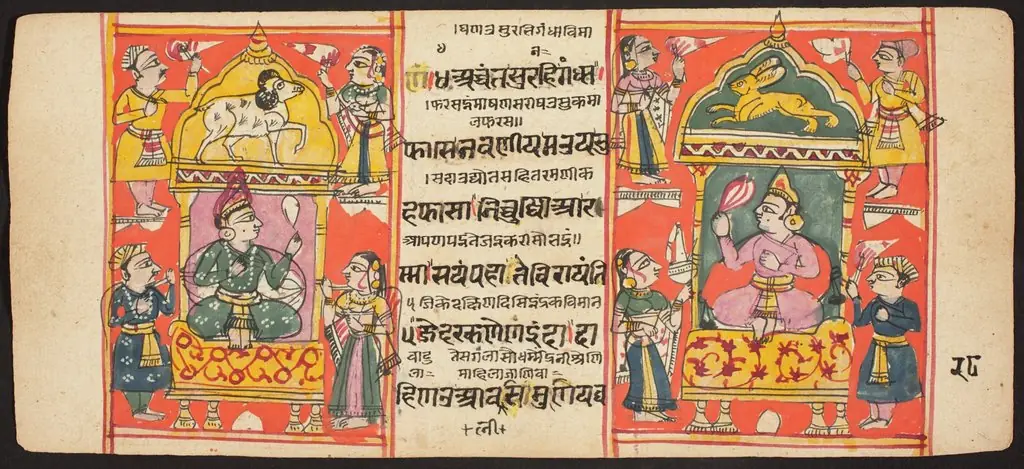 Tantric Manuscript "Sangrahani Sutra"
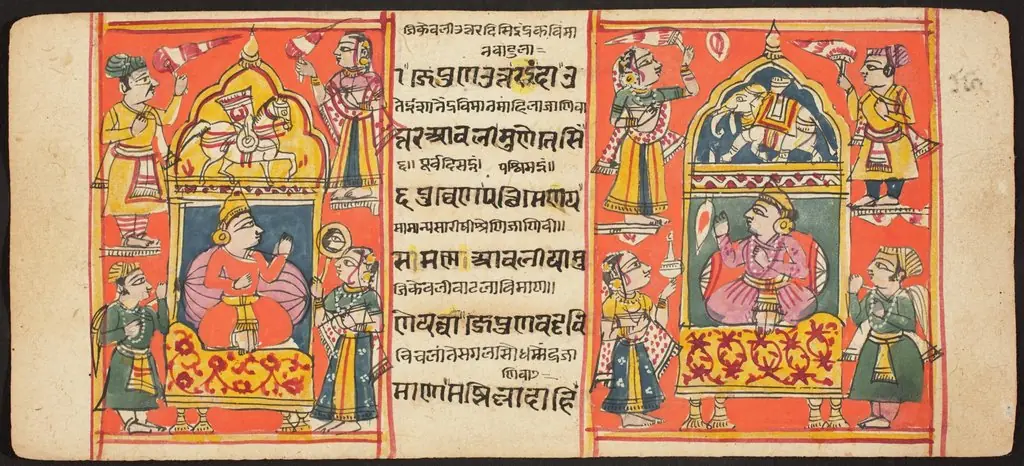 Tantric Manuscript "Sangrahani Sutra"
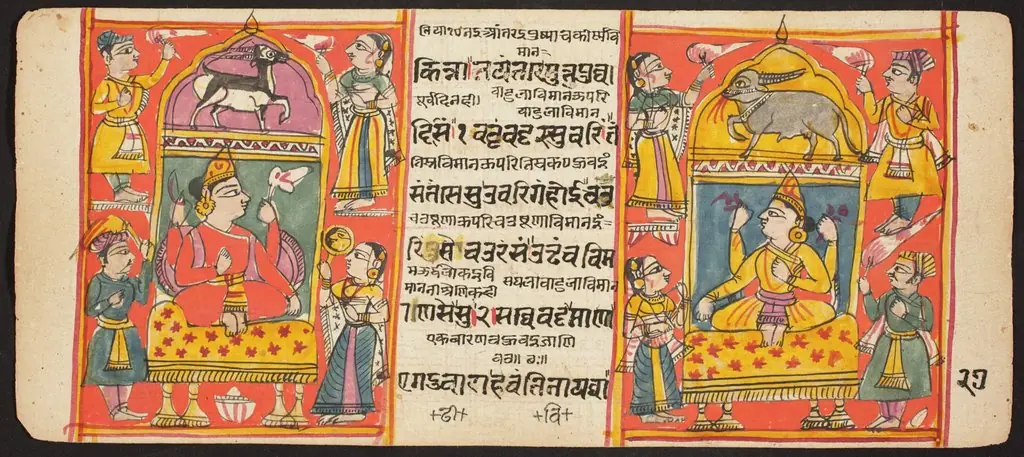 Tantric Manuscript "Sangrahani Sutra"
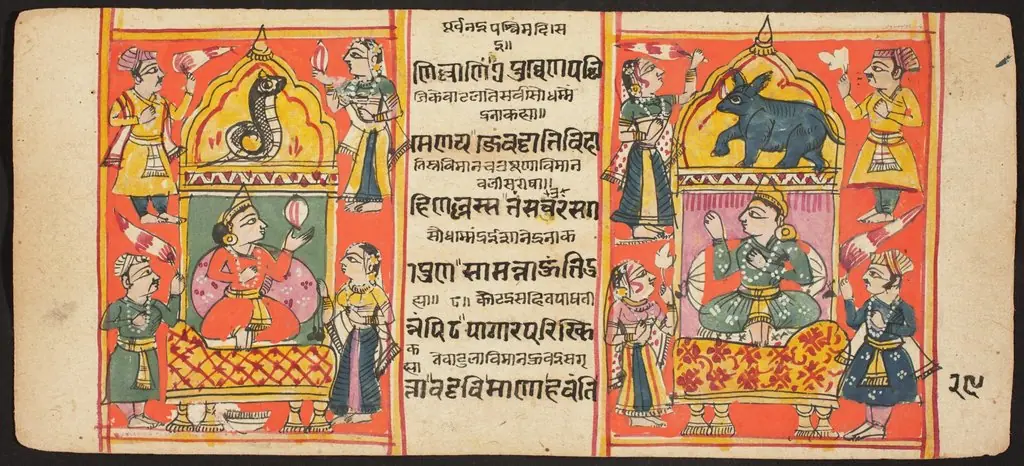 Tantric Manuscript "Sangrahani Sutra"
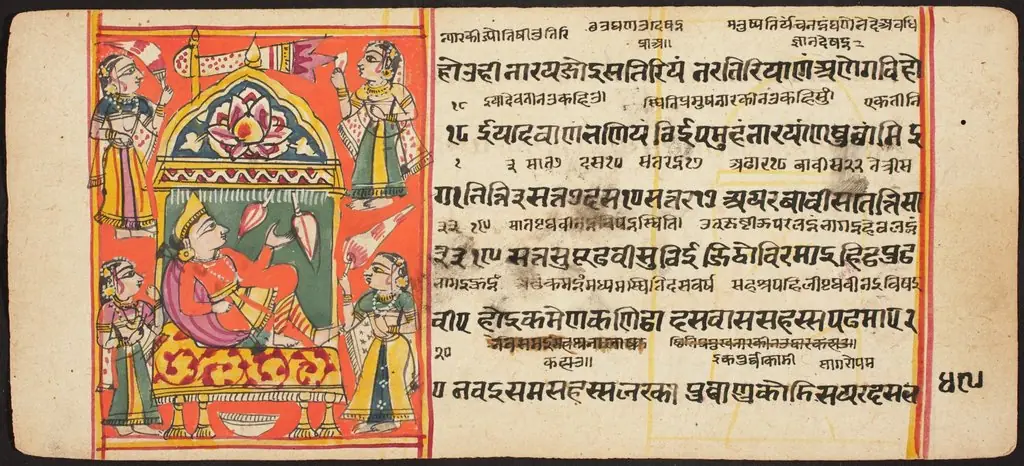 Tantric Manuscript "Sangrahani Sutra"
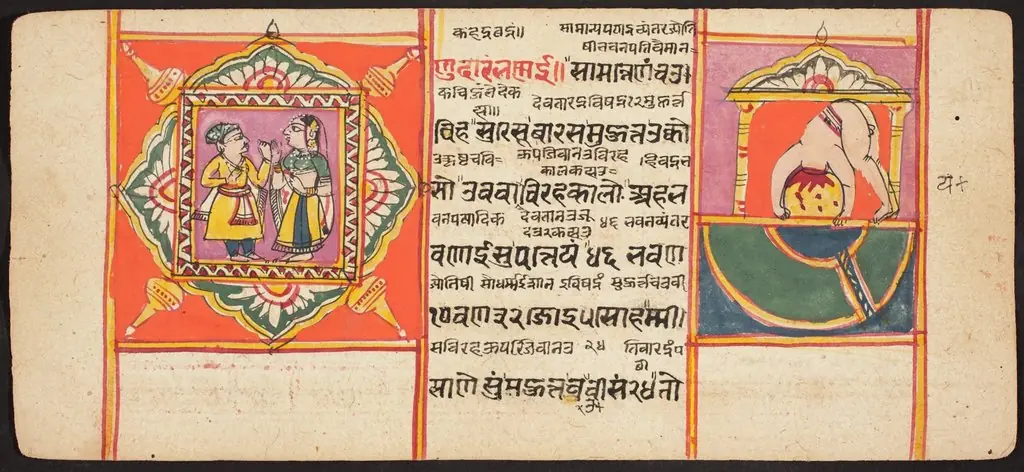 Tantric Manuscript "Sangrahani Sutra"
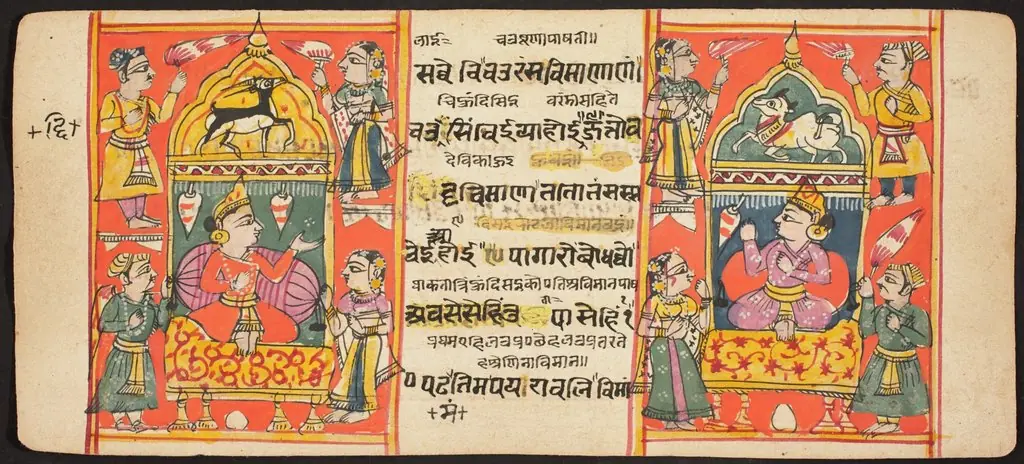 Tantric Manuscript "Sangrahani Sutra"
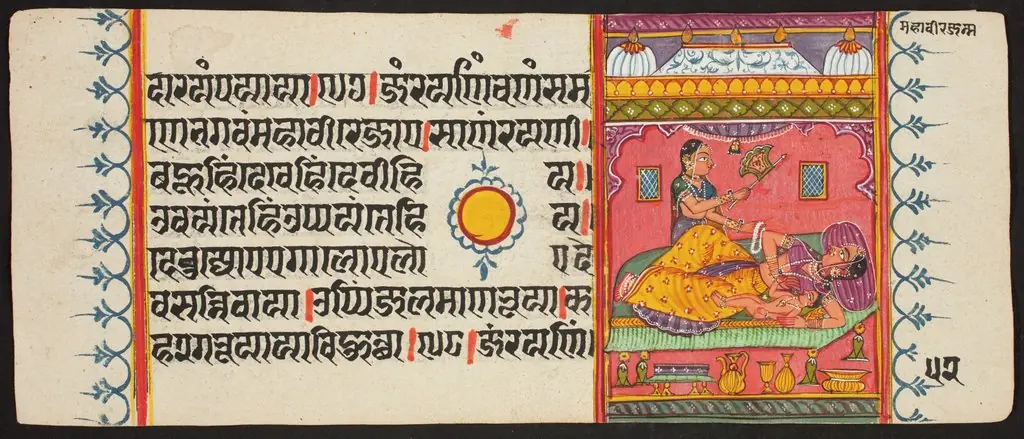 Kalpa Sutra
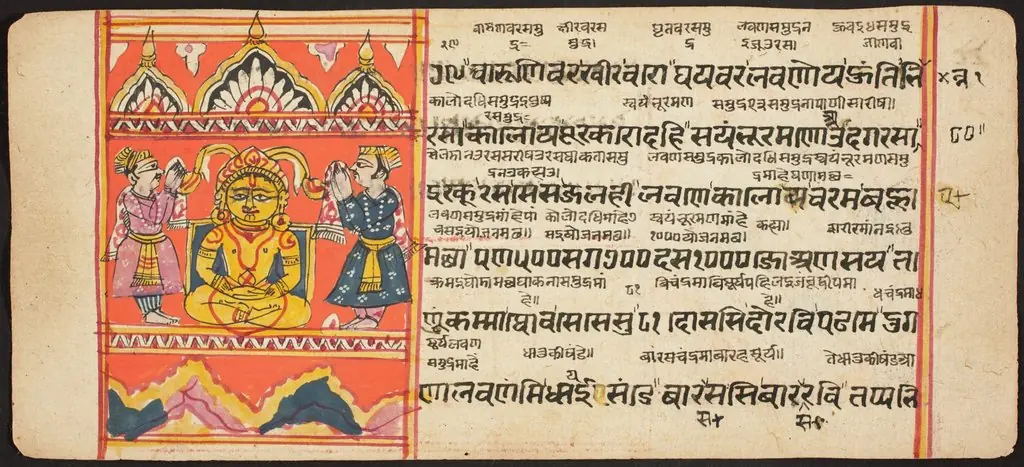 Tantric Manuscript "Sangrahani Sutra"
 Tantric Manuscript "Sangrahani Sutra"