Artwork
Portrait of William Laud, Archbishop of Canterbury
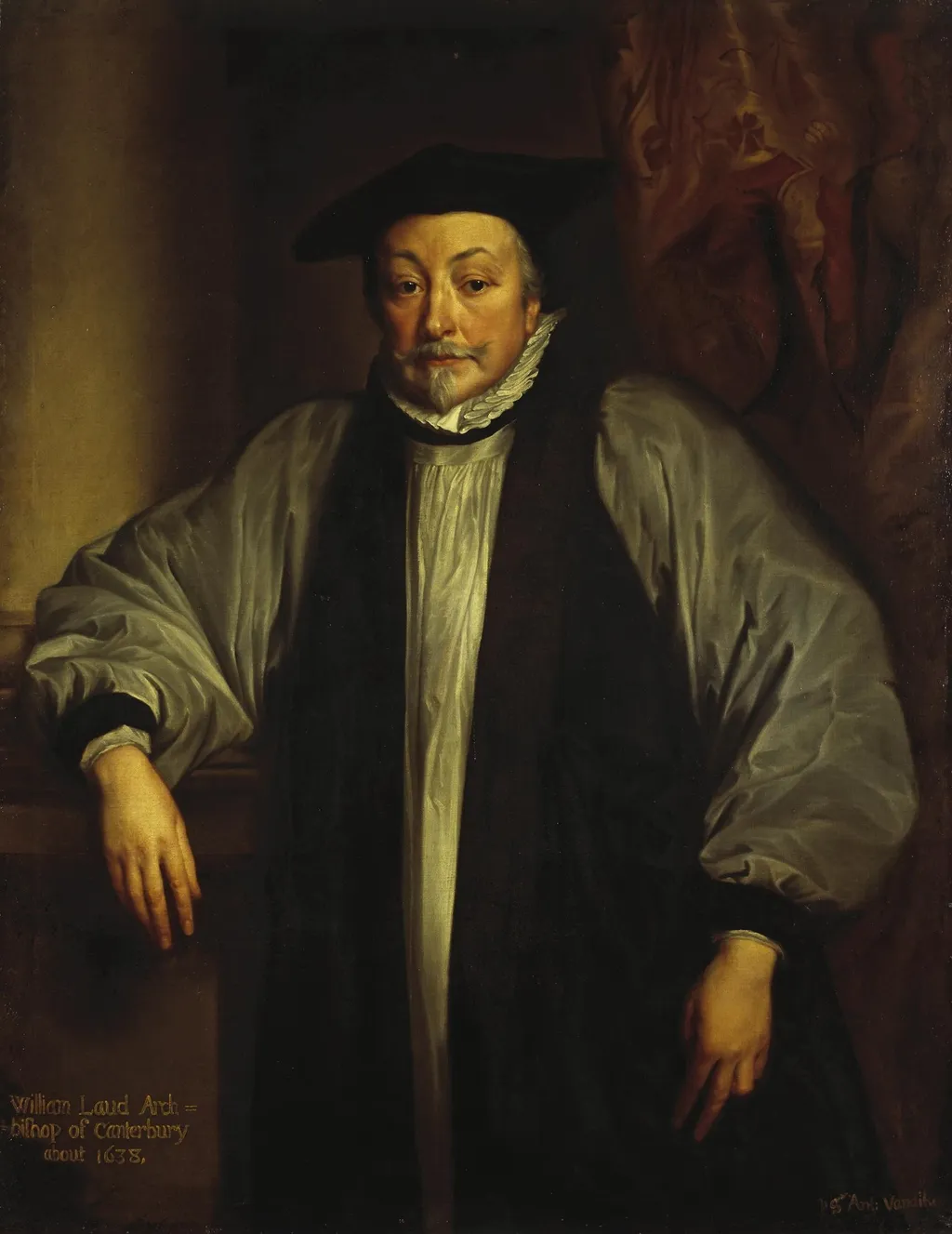
Portrait of William Laud, Archbishop of Canterbury is an oil painting by the Flemish Baroque painting artist Unknown. It dates from 1638 and is held in the collection of the Hermitage Museum. The oil painting depicts William Laud, who served as Archbishop of Canterbury in the early seventeenth century.
About this work
Overview
The oil painting depicts William Laud, who served as Archbishop of Canterbury in the early seventeenth century. He is presented in formal ecclesiastical attire, with a dark robe, wide collar, and a slightly tipped black hat. His posture is upright, one hand placed on his chest, and his facial features—trimmed beard and mustache—are rendered with clear, frontal illumination.
Subject & Meaning
Laud’s solemn expression and dignified bearing reflect his high ecclesiastical rank and the gravitas associated with his office. The inclusion of a shadowy, red‑clad figure holding a cross in the background alludes to his religious authority, while the subdued setting emphasizes his personal piety rather than any narrative scene.
Technique & Style
The artist employs chiaroscuro, contrasting a bright, front‑lit face with deep shadows that engulf the surrounding robes. This handling of light creates a three‑dimensional effect, allowing the figure to emerge from a darkened space. The palette is restrained, dominated by muted blacks and earth tones, reinforcing the portrait’s sober tone.
Context
Created during a period when portraiture often served to affirm status and office, the work aligns with contemporary conventions of representing high clergy. The subtle background figure and the emphasis on light and shadow echo broader Baroque tendencies toward dramatic illumination, yet the overall composition remains restrained, reflecting the Anglican sensibility of the era.
Artist & collection

 Domestic Scene
 Giacomo and Cardinal Marco, investing Andrea, Abbot of San Zeno, with his Benefice
 The Nymph of Fontainebleau
 Portrait of a Woman
 Madonna and Child with Saints in the Enclosed Garden
 Venus and Minerva
 Family Group of Four on Sofa
 Wall painting from Room H of the Villa of P. Fannius Synistor at Boscoreale
 Jonathan Swift
 Robert Morgan (1608-1673), Bishop of Bangor
 Robert Morgan, Bishop of Bangor (1608-73)
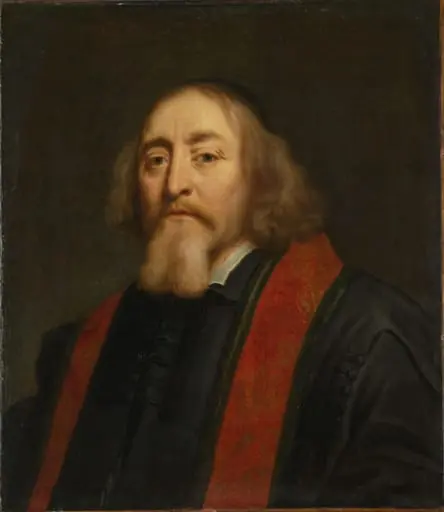 Portrait of Jan Amos Comenius
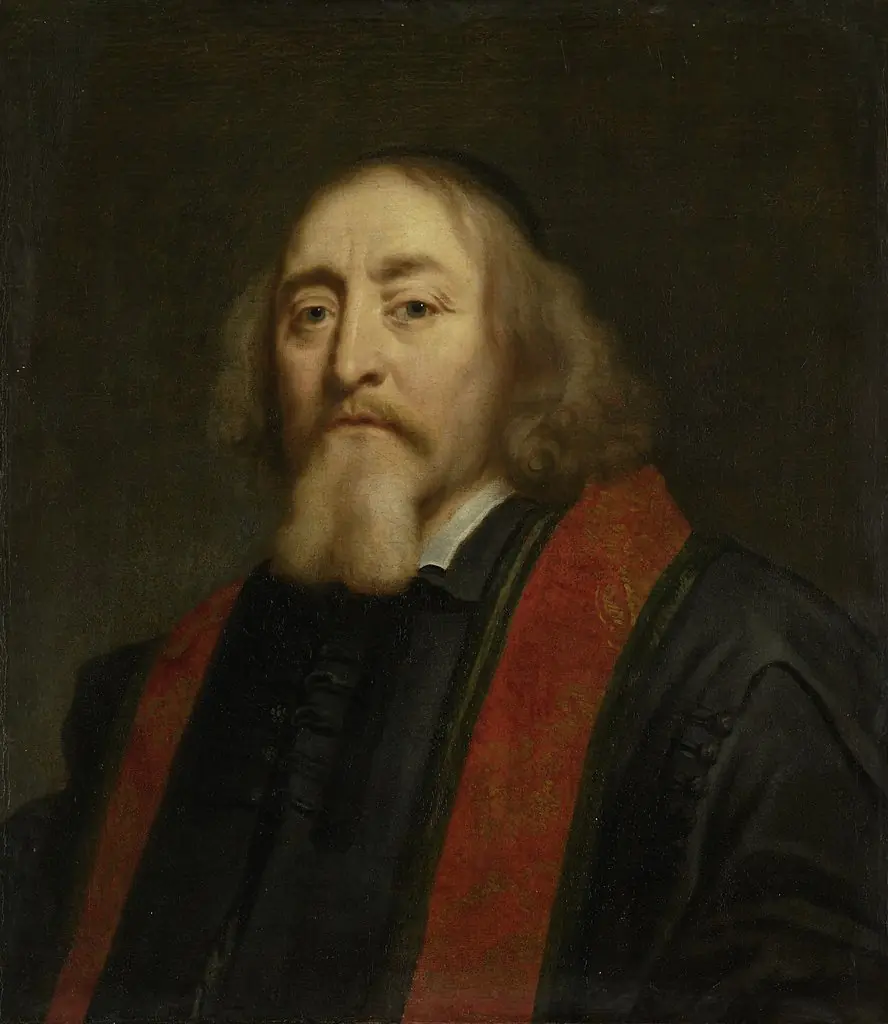 Jan Amos Comenius (Komensky) (1592-1670). Czech humanist and pedagogue. Exiled as a leader of the Moravian or Bohemian Brethren and settled in Amsterdam in 1656
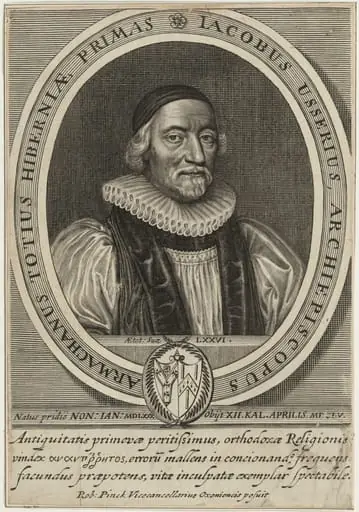 James Ussher, D.D.
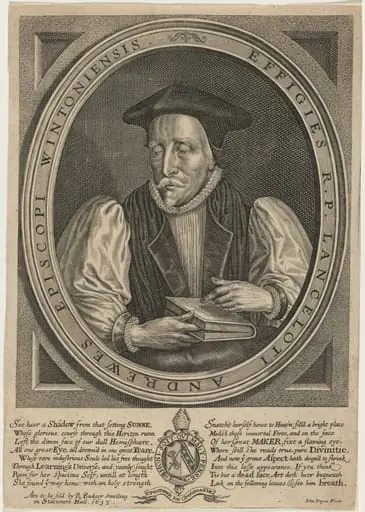 Lancelot Andrewes