Artwork
Lancelot Andrewes
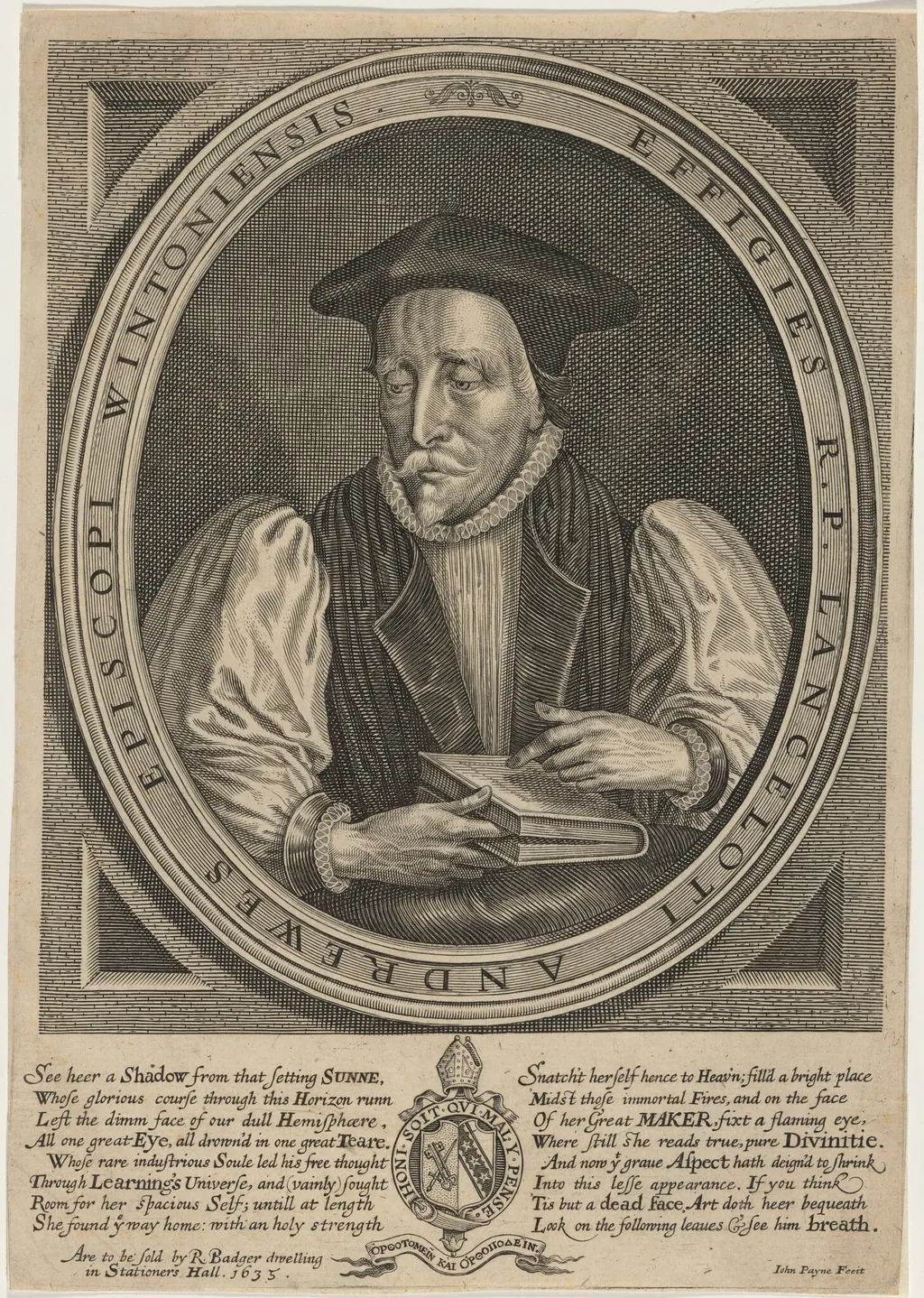
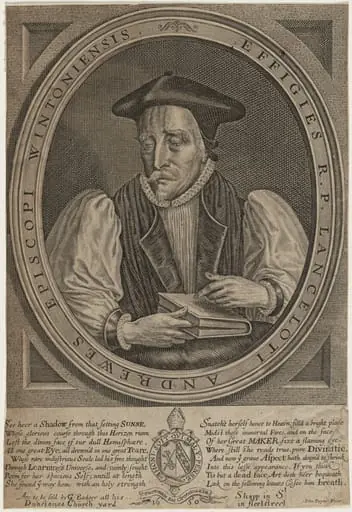
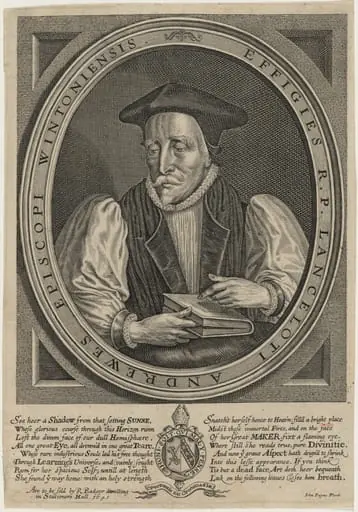
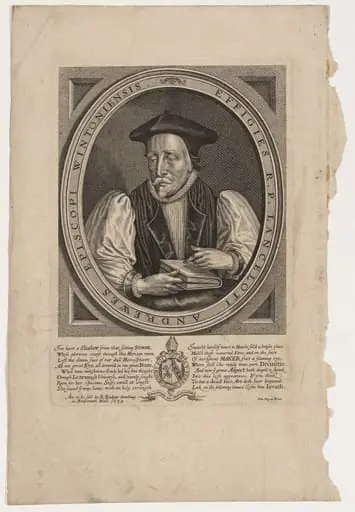
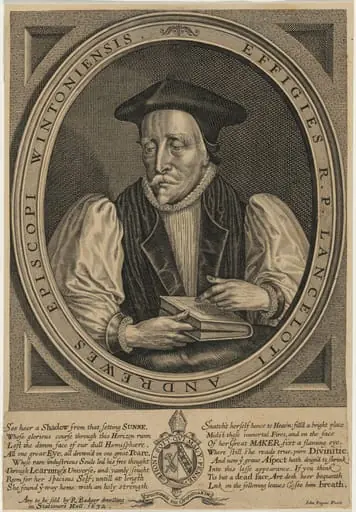
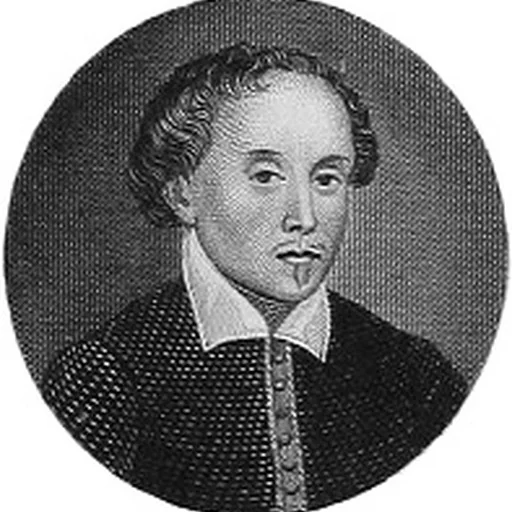
Lancelot Andrewes is an ink print by the Baroque artist John Payne. It dates from 1635 and is held in the collection of the National Gallery of Art.
About this work
Overview
Lancelot Andrewes is a 1635 engraving by John Payne, depicting the esteemed English bishop and scholar. This print exemplifies the burgeoning English engraving tradition of the period, characterized by the development of local techniques independent of foreign influence.
Subject & Meaning
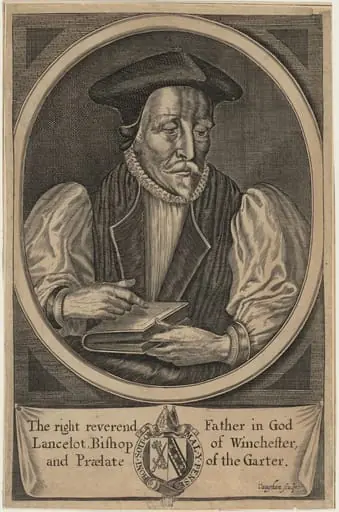
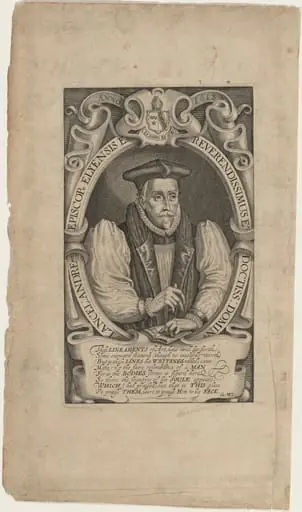
The engraving portrays Lancelot Andrewes in a contemplative pose, conveying his scholarly and religious stature. The surrounding poem, themed around light and learning, further emphasizes his intellectual and spiritual significance, reflecting the era's interest in disseminating images of notable figures.
Technique & Style
Executed by one of England's pioneering native engravers, the work showcases early English engraving techniques. The composition features a plain oval frame with wrapped text, a simple yet effective design highlighting the subject. Payne's name is discreetly signed at the bottom right.
History & Provenance
Created during the reign of Charles I, this engraving is a product of a pivotal moment in English printmaking history. As one of the first English engravers, Payne's work marks the transition towards localized craftsmanship.
Context
The piece taps into the 17th-century's growing fascination with portraiture, particularly of religious and political luminaries. It facilitated the wider circulation of Andrewes' image, contributing to his public profile.
Legacy
While specific lasting impacts of this engraving on subsequent art are not prominently documented, it remains a notable example of early English engraving and a testament to Andrewes' enduring reputation during his time.
Artist & collection
Artist
John Payne (1607–1647) was an English engraver, who was one of the earliest exponents of the art of engraving in England. His best work was the finest produced by a native-born engraver working during the reign of Charles I.