Artwork
Edward Owen AM (died 1807)
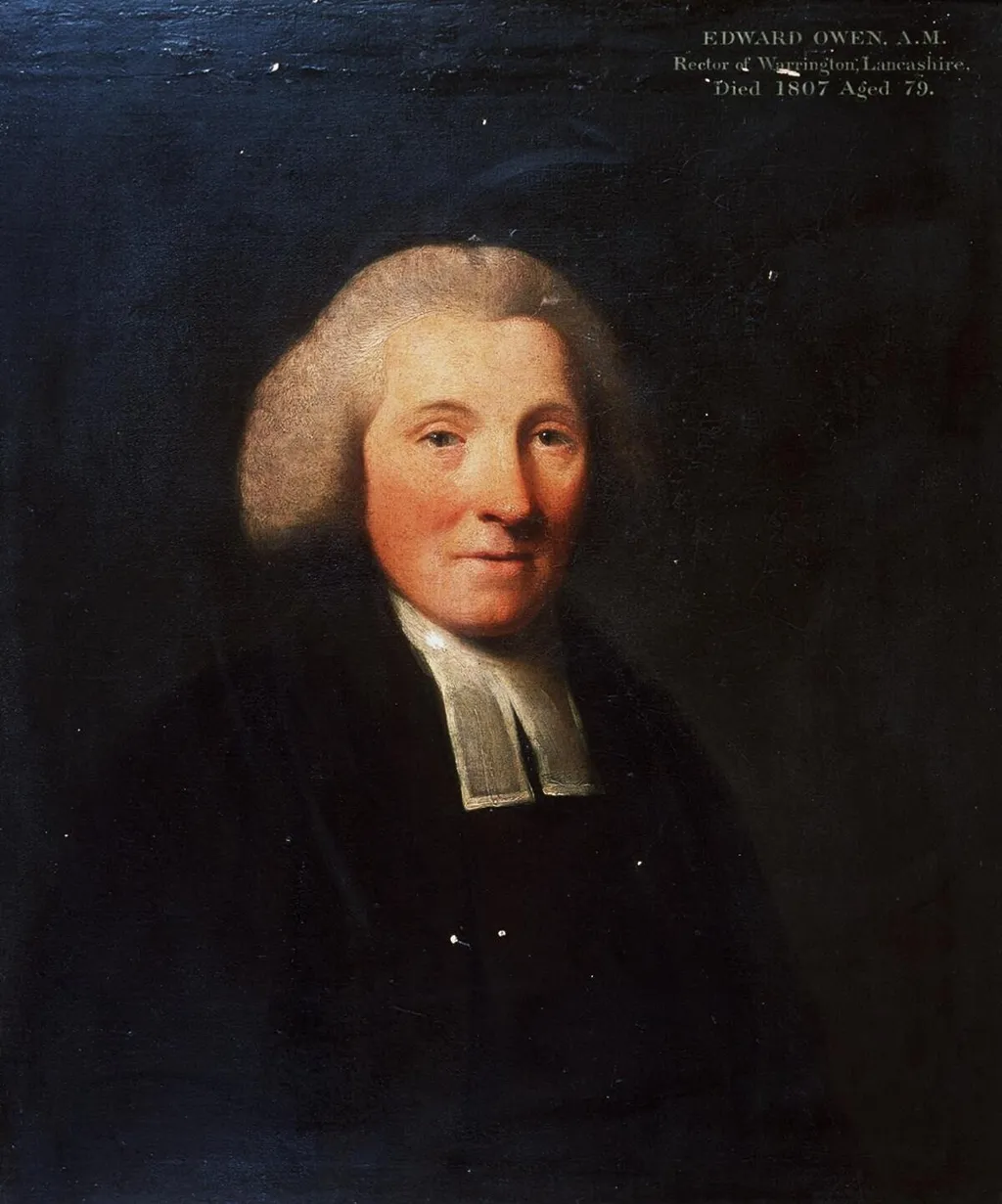
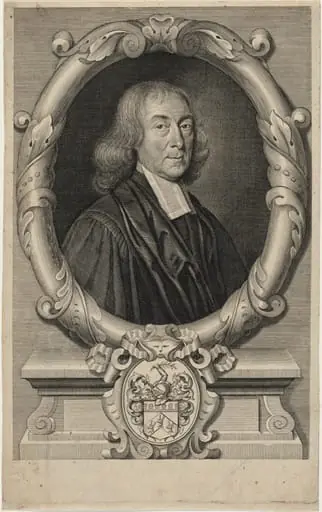
Edward Owen AM (died 1807) is an oil painting by Unknown. It dates from 1796 and is held in the collection of the National Library of Wales. This oil painting depicts Edward Owen AM, who died in 1807, rendered with restrained formality.
About this work
Overview
His attire—black coat and white collar—reflects the conservative dress of late 18th-century professional men.
This oil painting depicts Edward Owen AM, who died in 1807, rendered with restrained formality. The subject is shown in three-quarter view against a dark, undefined background that emphasizes his figure. His attire—black coat and white collar—reflects the conservative dress of late 18th-century professional men. The lighting gently contours his face, drawing attention to his expression and powdered wig.
Subject & Meaning
Edward Owen, identified by his initials and title, appears as a man of established standing, likely a scholar or public official. His serious demeanor and formal attire convey gravitas rather than personal warmth. The powdered wig, a marker of social status in the period, reinforces his adherence to conventional norms. The portrait serves as a record of identity and social position, not emotional intimacy.
Technique & Style
The artist employed fine brushwork to render the texture of the wig and the sheen of the coat, contrasting with the loose, shadowed background. Facial features are carefully modeled with subtle tonal shifts, suggesting depth without theatricality. The composition is tightly framed, eliminating distractions, and relies on chiaroscuro to isolate the figure and heighten its solemn presence.
History & Provenance
The painting’s origin is tied to Edward Owen’s lifetime and social circle, though its early ownership is undocumented. It likely entered institutional or private collections after his death in 1807. No records indicate public exhibition during the 19th century, suggesting it remained within familial or professional networks before eventual acquisition by its current holder.
Context
In early 19th-century Britain, portraiture for non-royal figures often emphasized dignity and social role over individuality. Owen’s depiction aligns with conventions used for clergy, academics, and civic leaders—clothing, posture, and expression chosen to reflect responsibility and decorum. The absence of symbols or settings reflects a preference for psychological presence over narrative context.
Legacy
The portrait endures as a quiet example of late Georgian portraiture, valued for its understated realism and adherence to contemporary norms. It contributes to the visual record of educated elites in post-Enlightenment Britain. Though not widely known, it remains a representative work of its time, offering insight into how status was visually codified outside aristocratic circles.
Artist & collection

 Domestic Scene
 Giacomo and Cardinal Marco, investing Andrea, Abbot of San Zeno, with his Benefice
 The Nymph of Fontainebleau
 Portrait of a Woman
 Madonna and Child with Saints in the Enclosed Garden
 Venus and Minerva
 Family Group of Four on Sofa
 Wall painting from Room H of the Villa of P. Fannius Synistor at Boscoreale
 Thomas Charles, Bala
 Bishop Burgess
 Rev. Robert Wynne
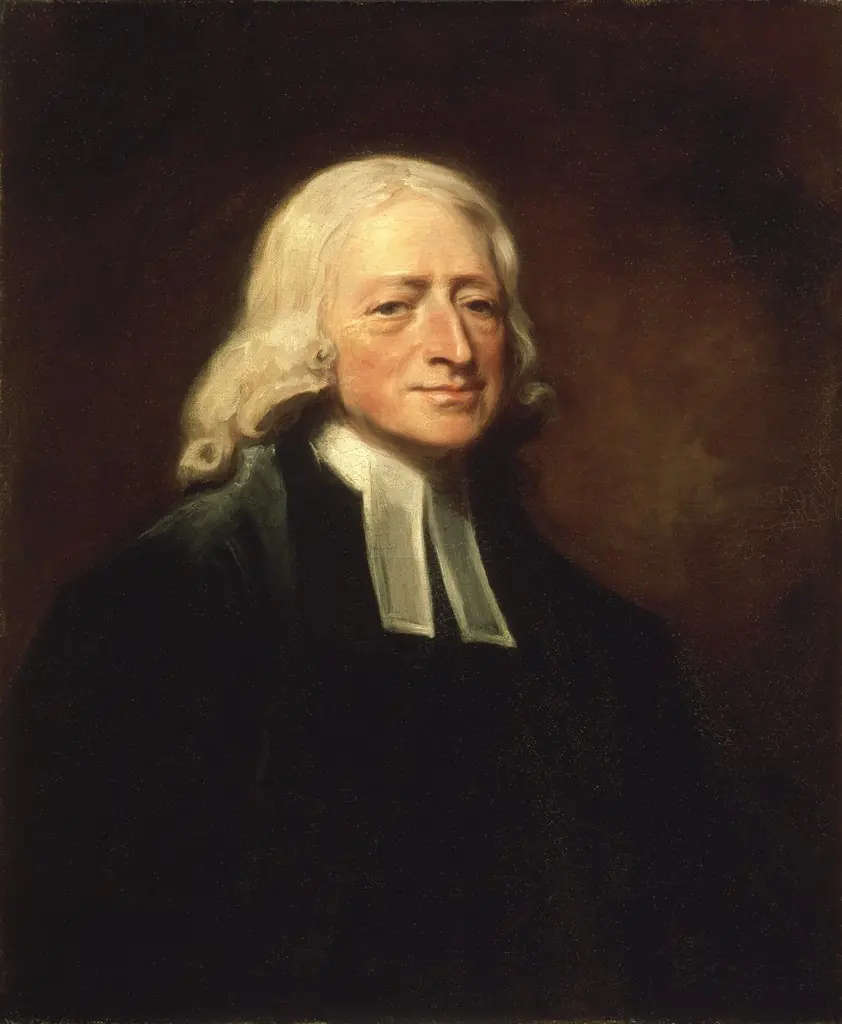 Portrait of John Wesley
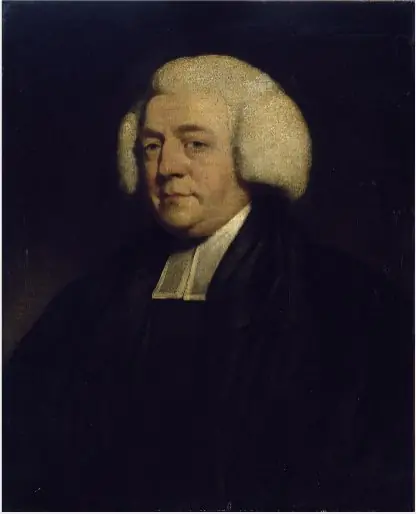 Thomas Leland (1722-1785)
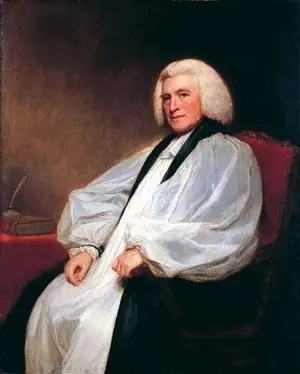 Edmund Law, Bishop of Carlisle
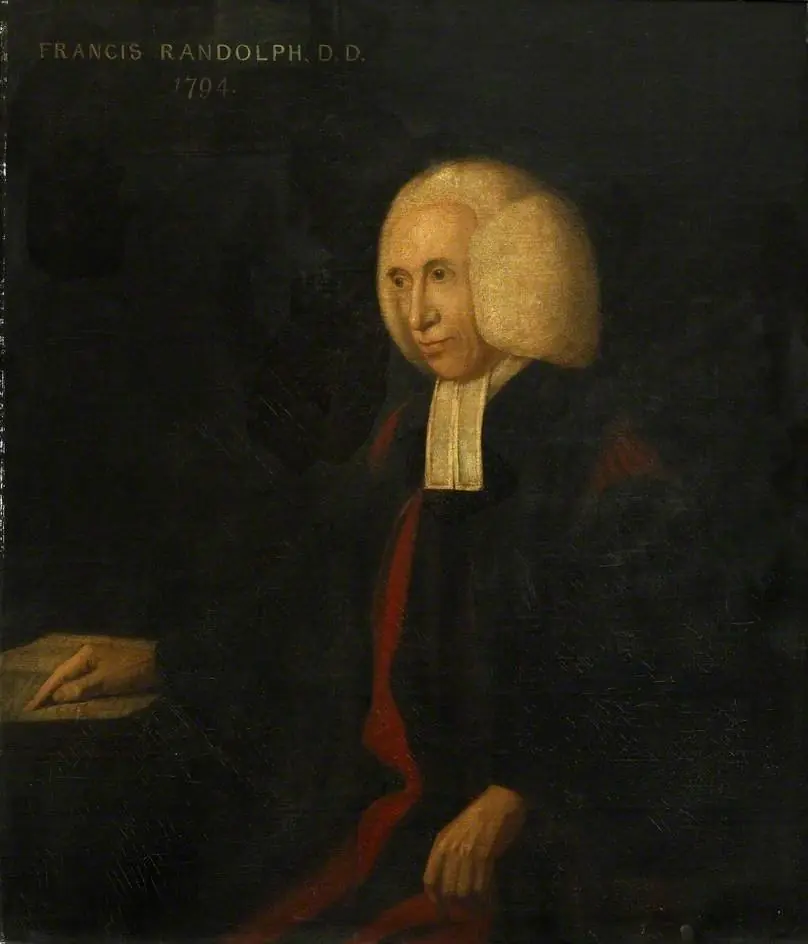 The Revd Dr Francis Randolph
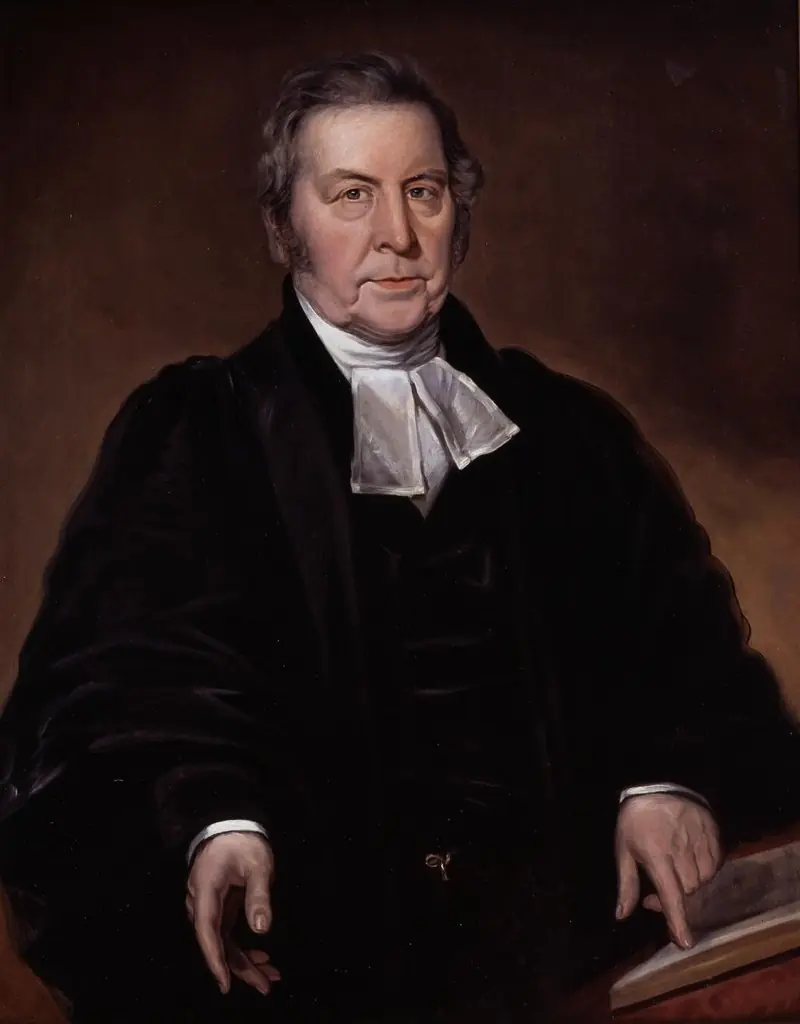 Arthur Jones, Congregationalist minister, Bangor 1776-1860
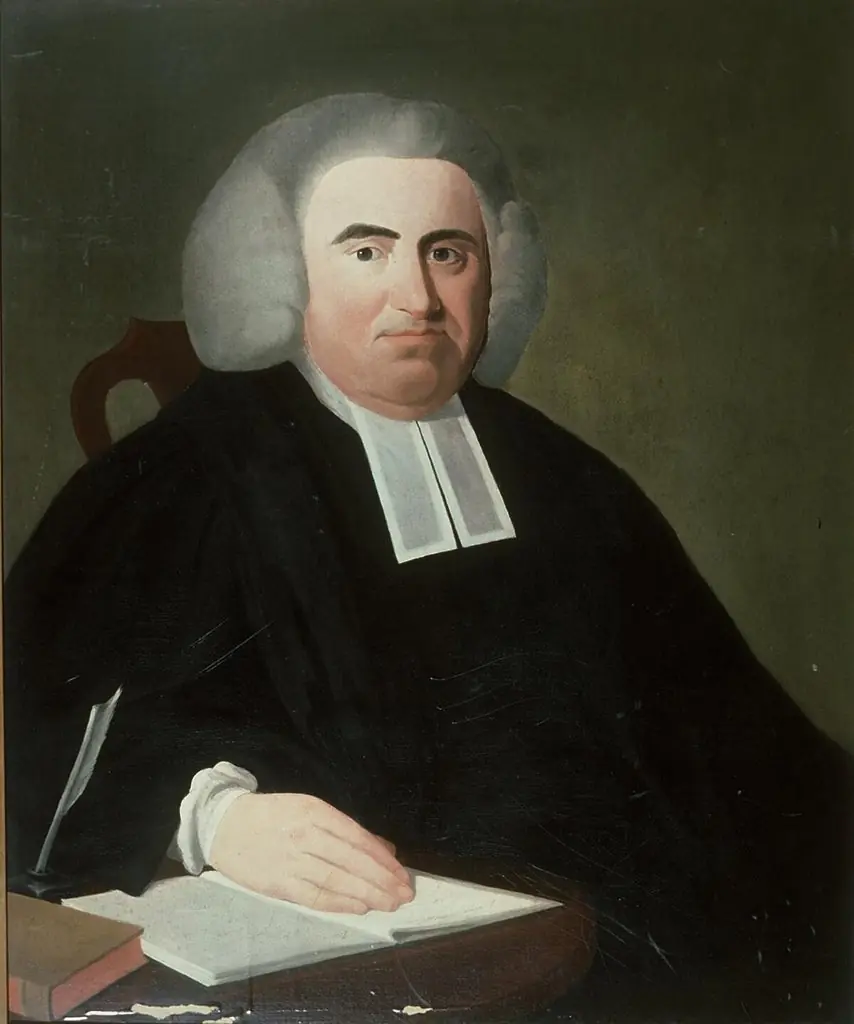 Dr William Worthington 1704-1778, vicar
 Laihian kirkkoherra Samuel Wacklin (1710-1780), taiteilijan veli
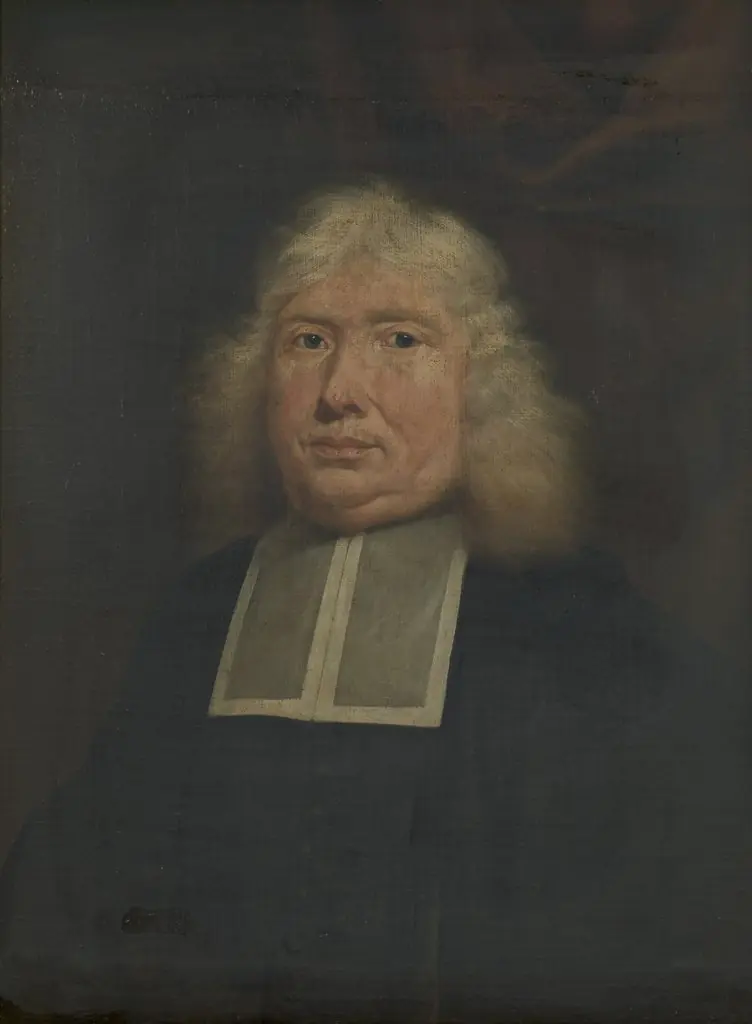 Jan Baptist van Caukercken, Chaplain of the Guild of Saint Luke
 Benjamin Woodroffe, R.R.S., Canon of Christ Church, Oxford