Artwork
Laihian kirkkoherra Samuel Wacklin (1710-1780), taiteilijan veli
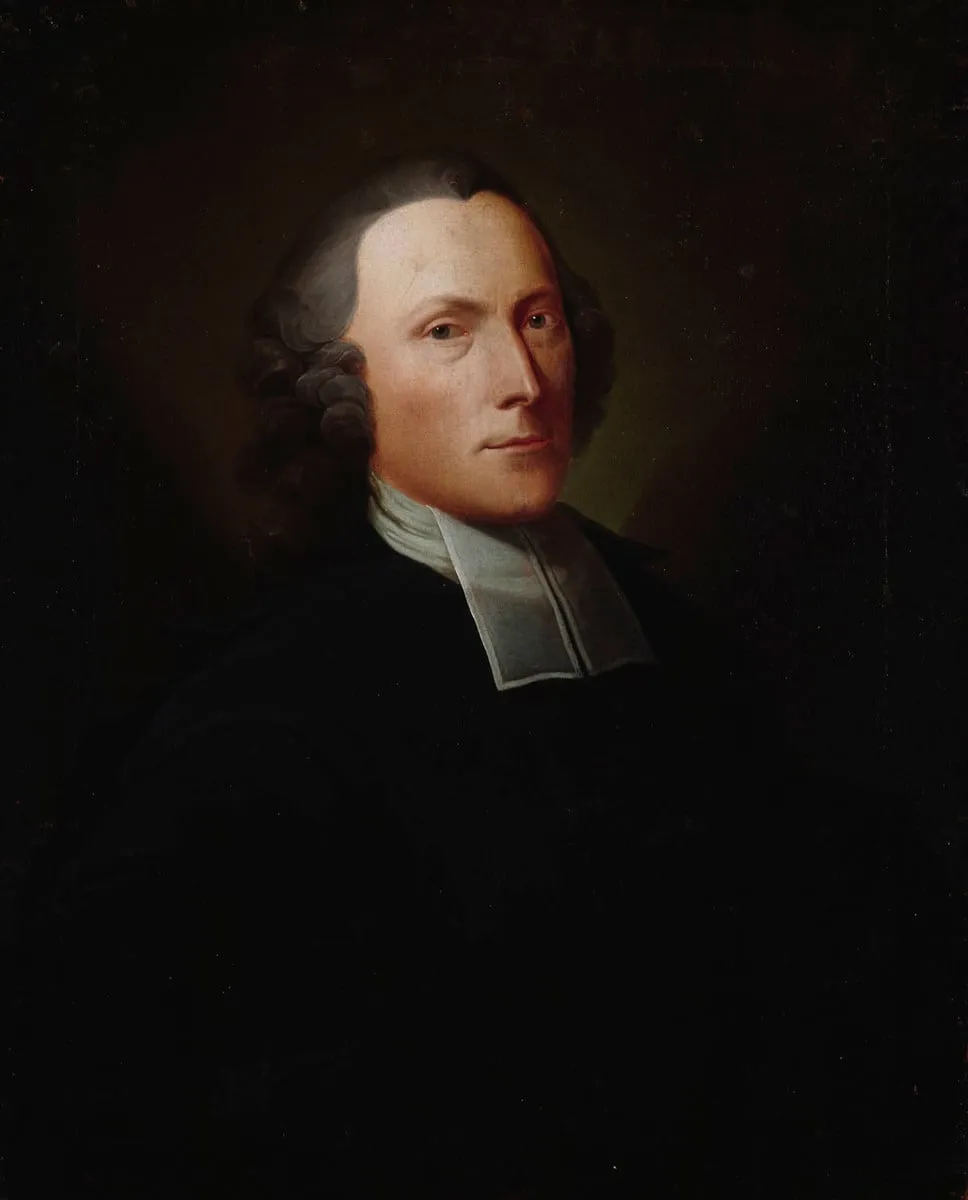
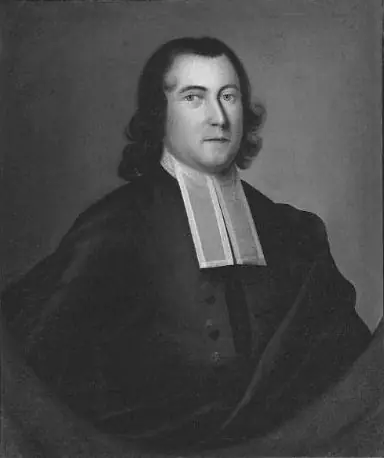
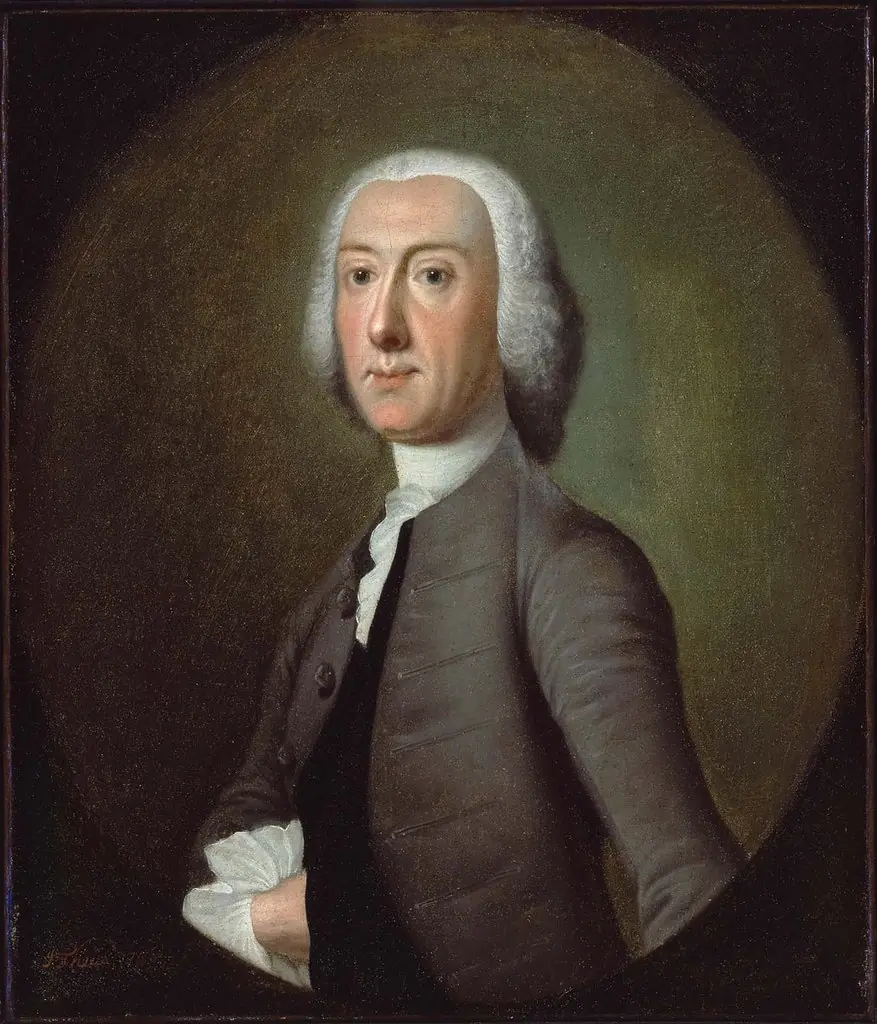
Laihian kirkkoherra Samuel Wacklin (1710-1780), taiteilijan veli is an unspecified painting by Isak Wacklin. It is held in the collection of the Finnish National Gallery. This portrait depicts Samuel Wacklin, a Finnish clergyman who lived from 1710 to 1780.
About this work
Overview
The composition reflects a quiet dignity, typical of 18th-century ecclesiastical portraiture in the Nordic region.
This portrait depicts Samuel Wacklin, a Finnish clergyman who lived from 1710 to 1780. Painted by his brother, the artist Laihian, the work presents a restrained, intimate likeness. The subject is rendered against a dark, unadorned background, emphasizing his presence without distraction. The composition reflects a quiet dignity, typical of 18th-century ecclesiastical portraiture in the Nordic region.
Subject & Meaning
Samuel Wacklin, a parish priest, is shown in formal clerical attire, his white shirt marked by black trim at the collar and cuffs. His direct gaze and composed expression convey solemnity and authority, aligning with the expected demeanor of a religious leader. The absence of symbolic objects or settings focuses attention on his character, suggesting an emphasis on personal piety rather than institutional status.
Technique & Style
The painting employs subtle chiaroscuro to model the face, with soft gradations of light highlighting the contours of Wacklin’s features. The dark background recedes, enhancing the three-dimensionality of his form. Brushwork is precise yet unobtrusive, avoiding ornamentation. This restrained technique prioritizes psychological presence over decorative flourish, characteristic of Nordic portraiture of the period.
History & Provenance
Painted by Samuel Wacklin’s brother, the artist Laihian, the portrait likely originated in a domestic or ecclesiastical context in Finland. Its survival suggests it remained within family or church circles. While specific ownership records are sparse, its preservation reflects the value placed on familial and clerical memory in 18th-century Finnish society.
Context
In early 18th-century Finland, portraiture among clergy was modest, often commissioned by families rather than institutions. Artists were typically local, and formal training was rare. This work exemplifies the quiet, personal nature of such commissions, where likeness and moral presence outweighed grandeur. It reflects a broader Nordic tradition of understated religious representation.
Legacy
The portrait endures as a rare surviving example of domestic portraiture by a Finnish artist of the period. It offers insight into the visual culture of rural clergy and the role of family in preserving personal and religious identity. Though not widely exhibited, it remains a significant artifact in understanding the social and artistic life of 18th-century Finland.
Artist & collection

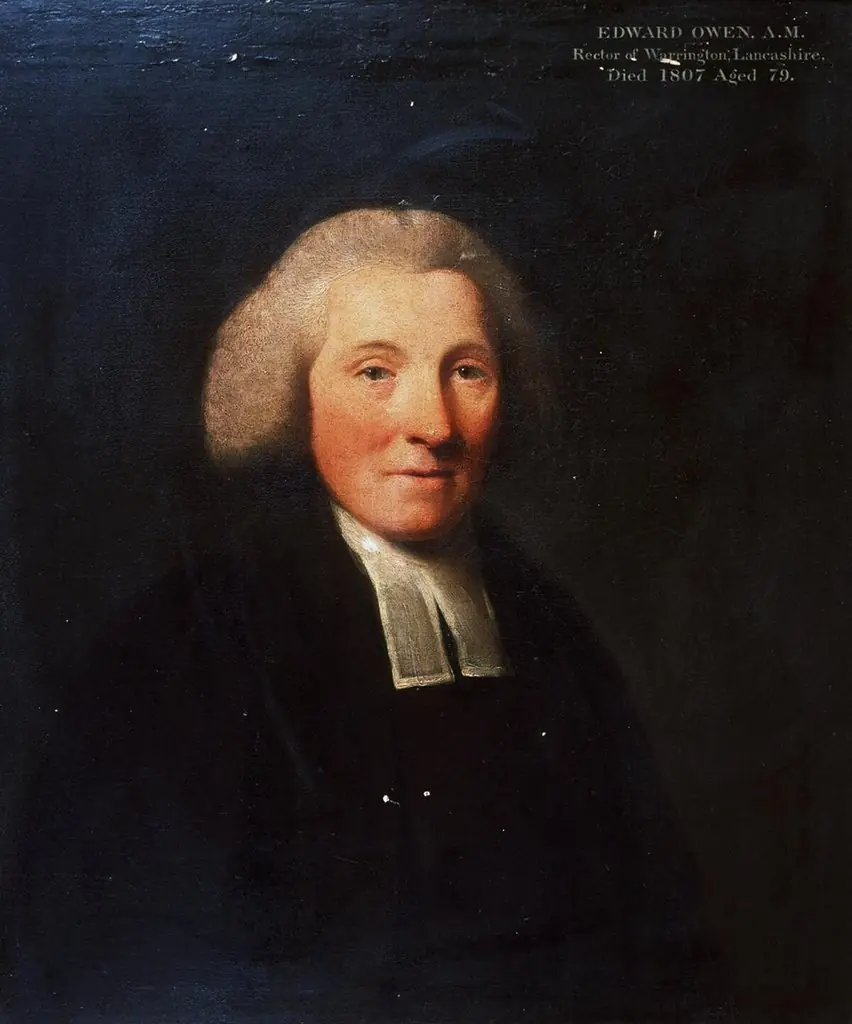 Edward Owen AM (died 1807)
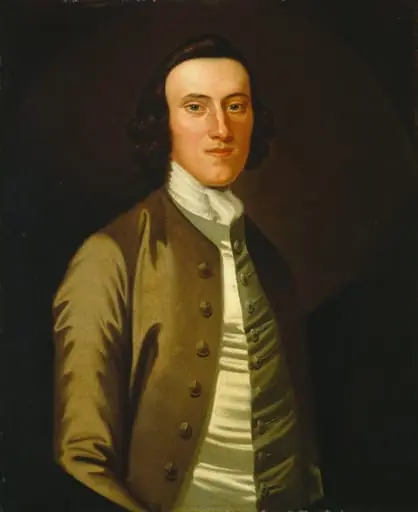 A Gentleman of the Morris Family
 Reverend Ellis Gray
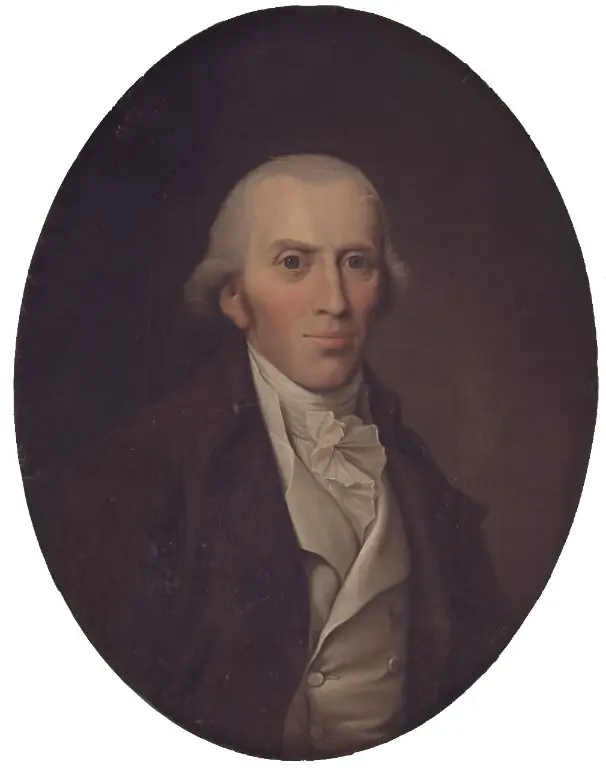 Johann Jacob Frølich d.æ.
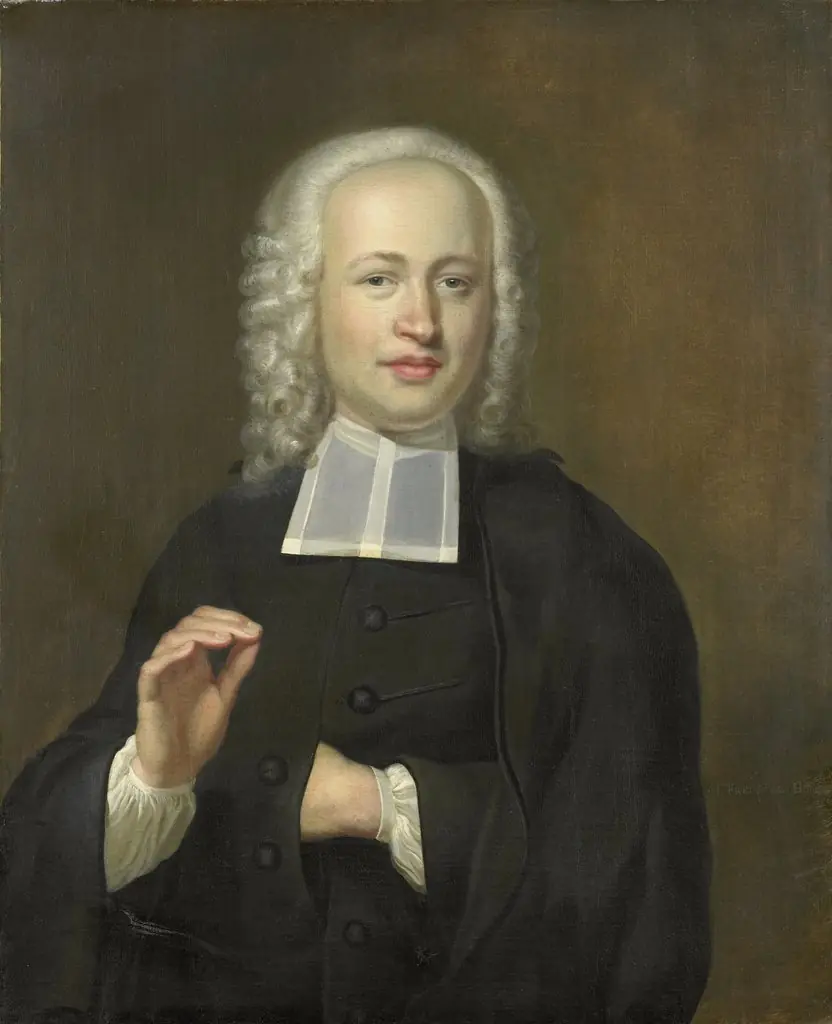 Portrait of Justus Tjeenk, one of the Founders of the Scientific Society of Zealand and Clergyman at Flushing
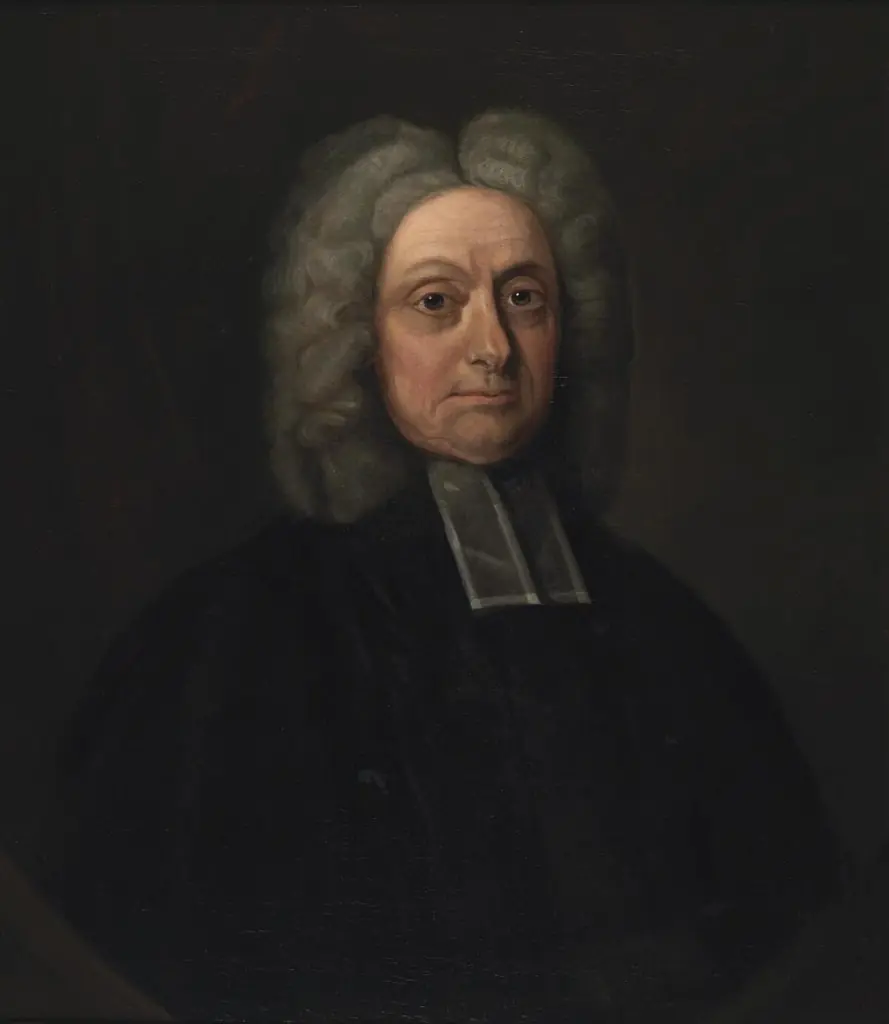 Rev. Robert Wynne
 Johann Jacob Frølich d.æ.
 John Stevens (?)
 Portrait of John Wesley
 Thomas Charles, Bala
 Dr. Lionel Chalmers