Artwork
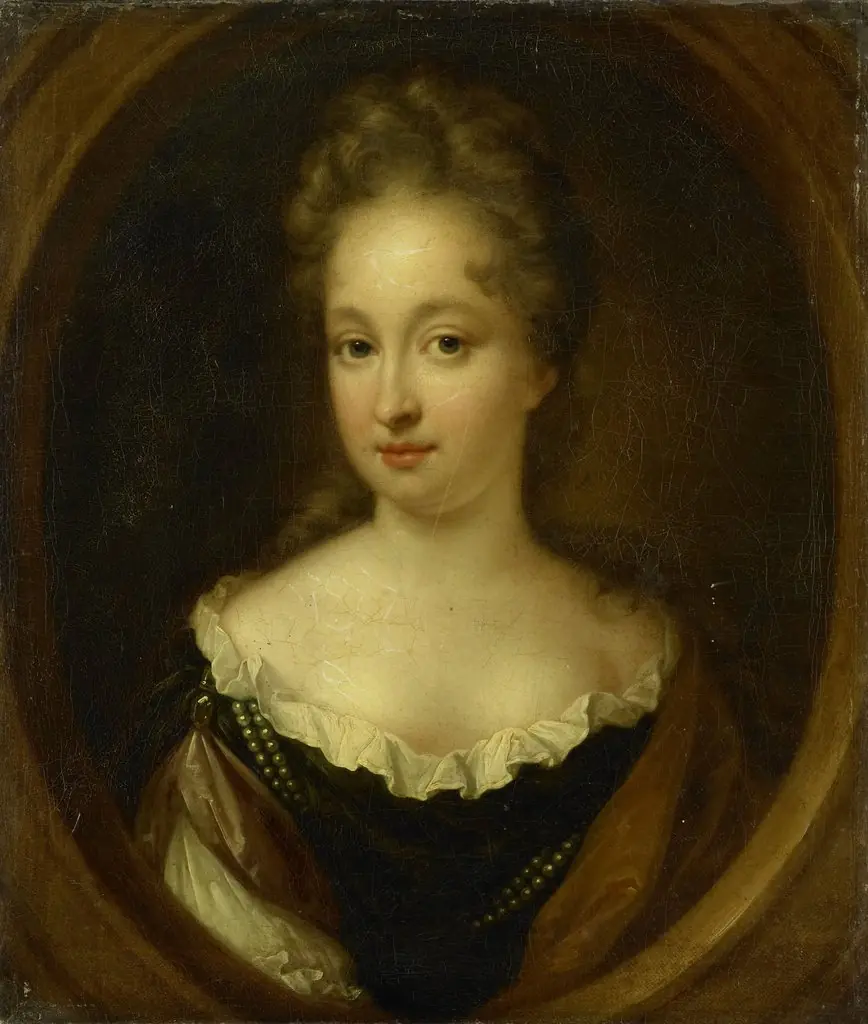
Portrait of Anna Maria van Hogendorp, second Wife of François Leydecker
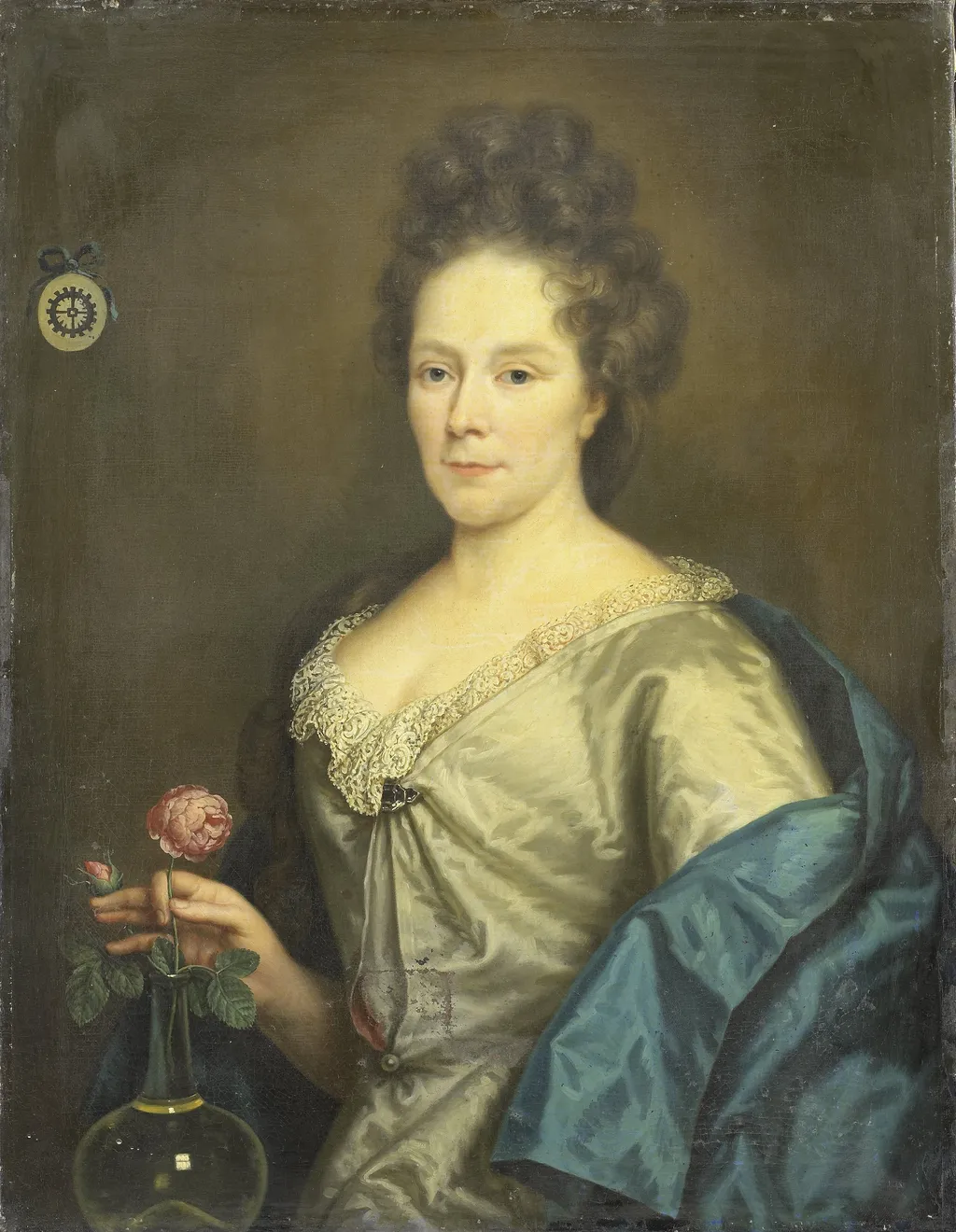
Portrait of Anna Maria van Hogendorp, second Wife of François Leydecker is an oil painting by the Dutch Golden Age artist Unknown. It dates from 1696 and is held in the collection of the Rijksmuseum. The oil painting depicts Anna Maria van Hogendorp, the second spouse of François Leydecker, seated against a dark, unadorned backdrop.
About this work
Overview
Her hair is styled in an elevated fashion, and a light lace bodice with a blue sleeve drapes over her shoulder, creating a composed, dignified portrait.
The oil painting depicts Anna Maria van Hogendorp, the second spouse of François Leydecker, seated against a dark, unadorned backdrop. She is dressed in an elaborate historic costume, holding a single pink rose in one hand while her other arm leans on a dark, rounded object. Her hair is styled in an elevated fashion, and a light lace bodice with a blue sleeve drapes over her shoulder, creating a composed, dignified portrait.
Subject & Meaning
Anna Maria van Hogendorp is presented as a figure of refined elegance, the rose serving as a conventional symbol of femininity and perhaps marital affection. The subdued background isolates her, emphasizing her attire and the delicate flower, suggesting a focus on personal identity and status within the domestic sphere of the period.
Technique & Style
Executed in oil, the work employs chiaroscuro to model the sitter’s form, contrasting the illuminated fabrics and rose against the deep shadows of the backdrop. The painter renders the rose with meticulous detail, including green leaves and a glass vase, while the textures of lace and silk are suggested through subtle brushwork, enhancing the three‑dimensional effect.
History & Provenance
The portrait was created for the van Hogendorp family, likely commissioned to commemorate Anna Maria’s marriage to Leydecker. It has remained within private collections before entering a museum setting, where it is displayed as part of a broader assemblage of 18th‑century portraiture, illustrating the era’s conventions of representation.
Artist & collection

 Domestic Scene
 Giacomo and Cardinal Marco, investing Andrea, Abbot of San Zeno, with his Benefice
 The Nymph of Fontainebleau
 Portrait of a Woman
 Madonna and Child with Saints in the Enclosed Garden
 Venus and Minerva
 Family Group of Four on Sofa
 Wall painting from Room H of the Villa of P. Fannius Synistor at Boscoreale
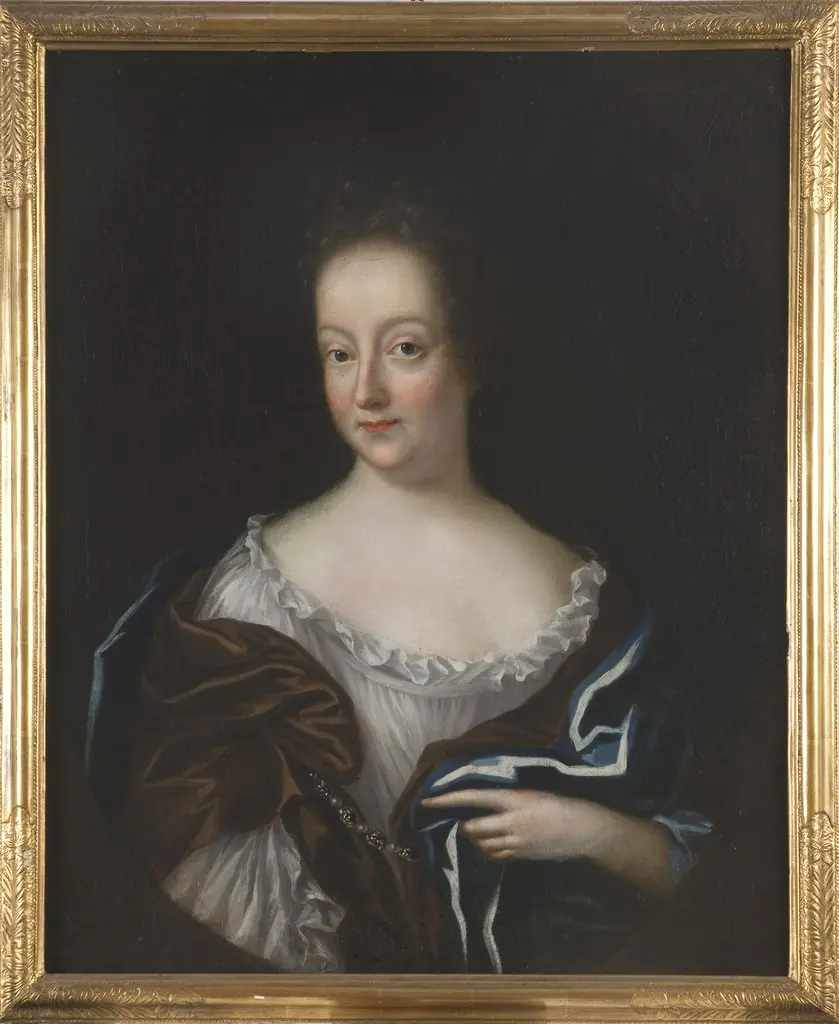 Beata Elisabet von Königsmarck (1637-1723), grevinna, gift med greve Pontus Fredrik De la Gardie
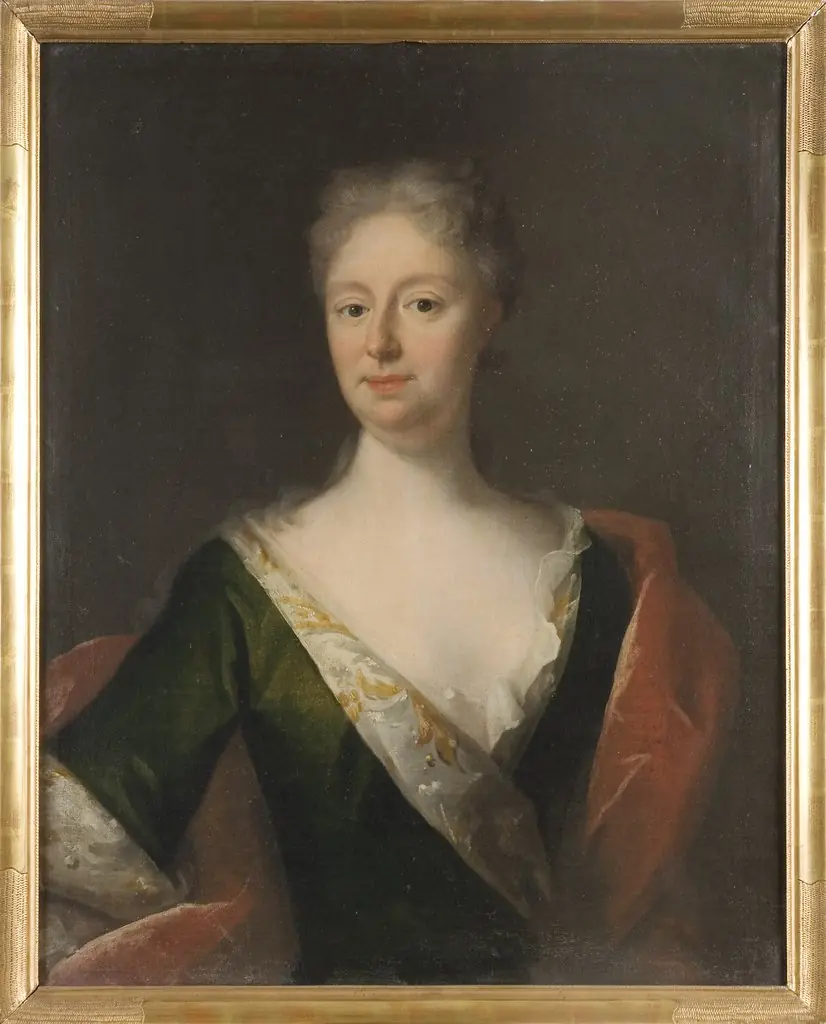 Sofia Gyllenstierna af Ulaborg (1682-1722), friherrinna, g.m. friherre Adolf Herman Wrangel af Lindeberg
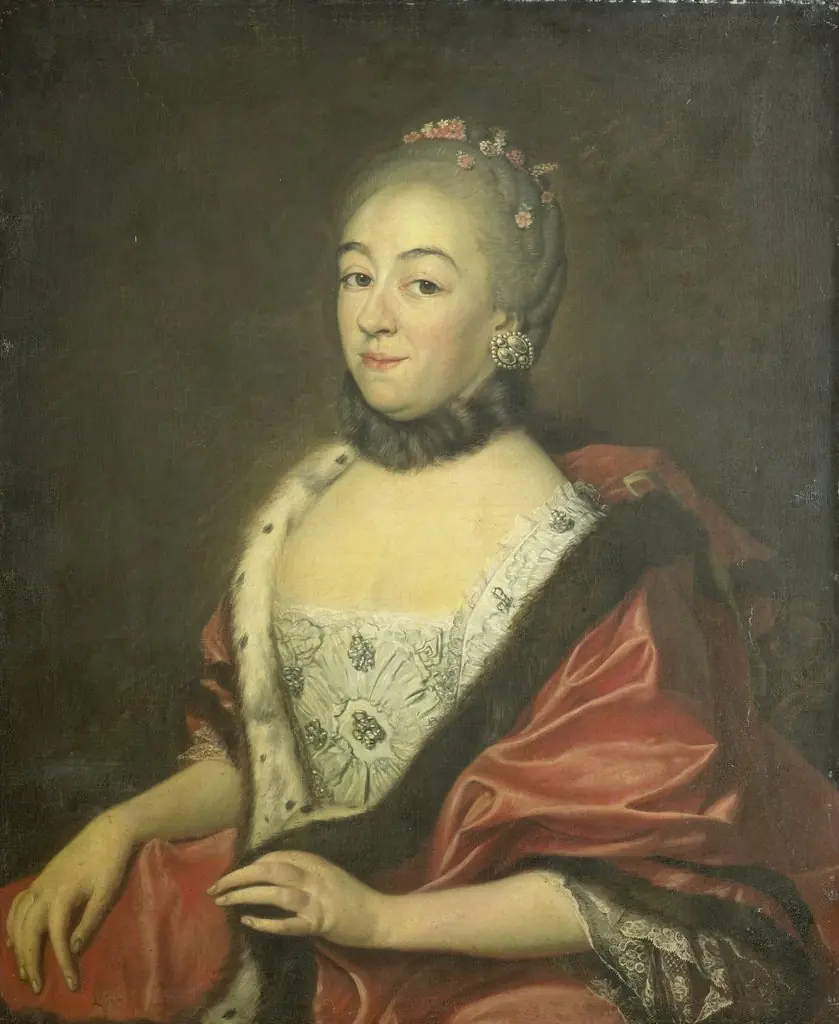 Sandrina van den Broecke, Wife of George Lodewijk Matthes
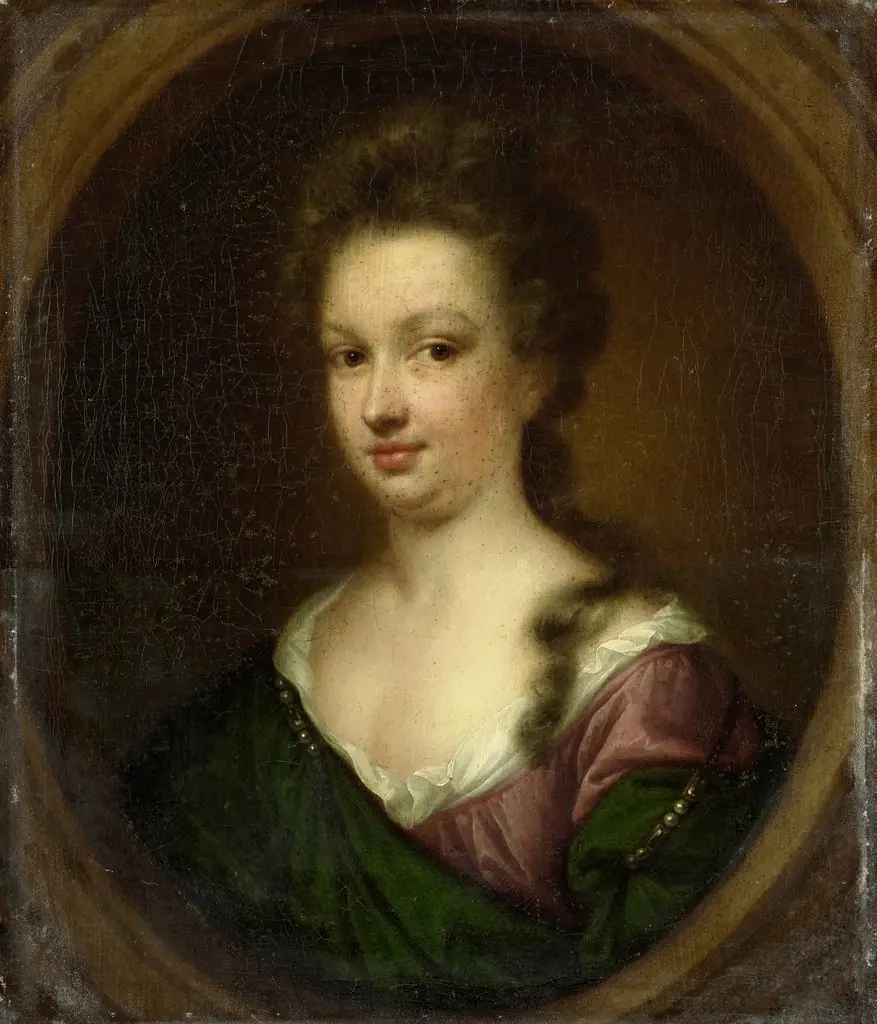 Portrait of Emerantia van Citters (1666-94), sister of Anna van Citters
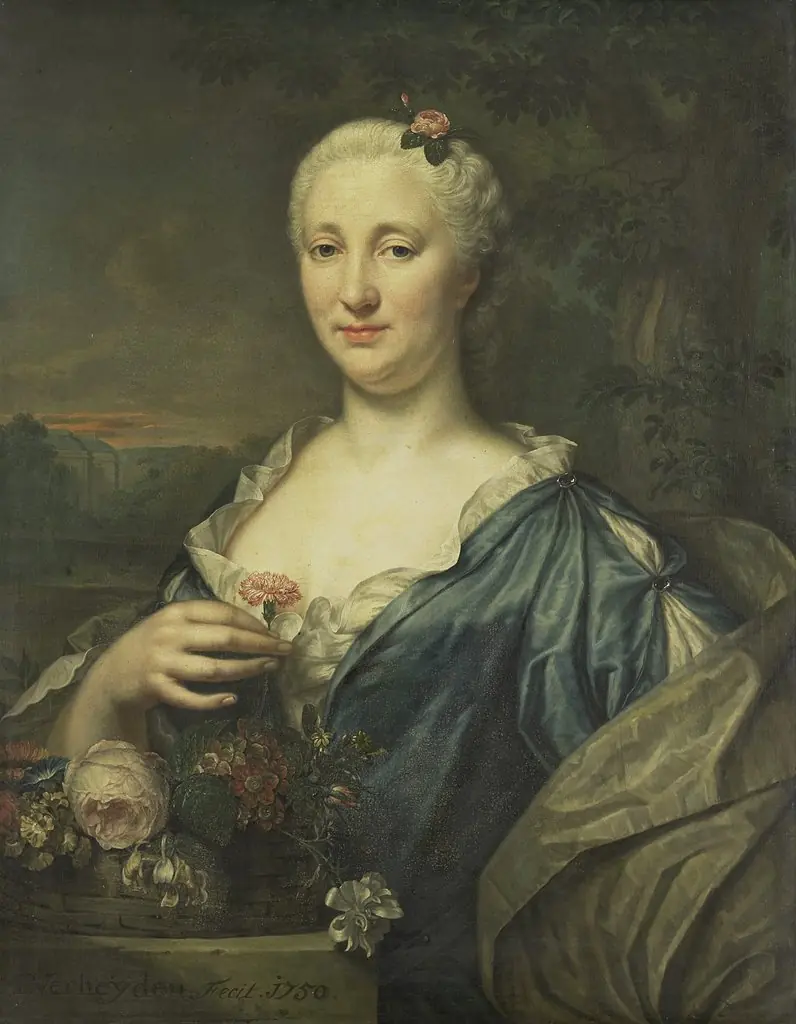 Portrait of Agnes Margaretha Albinus, Wife of Coenraad van Heemskerck
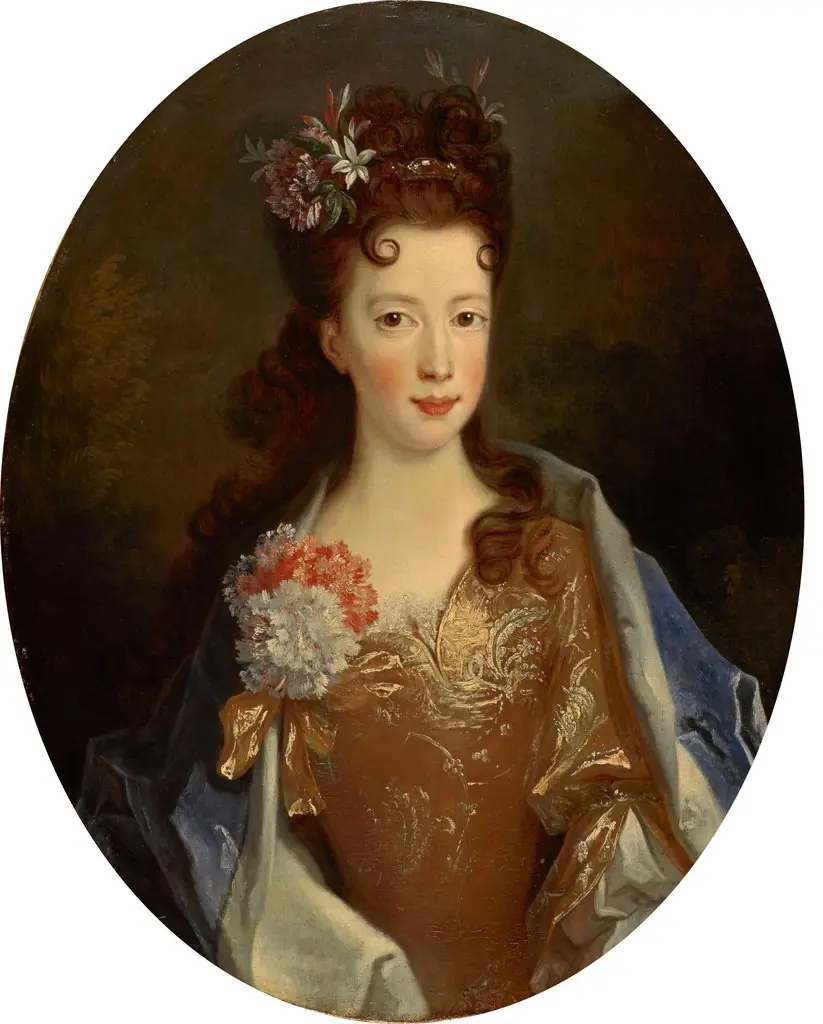 Princess Louisa Maria Teresa Stuart, 1692 - 1712. Daughter of James VII and II
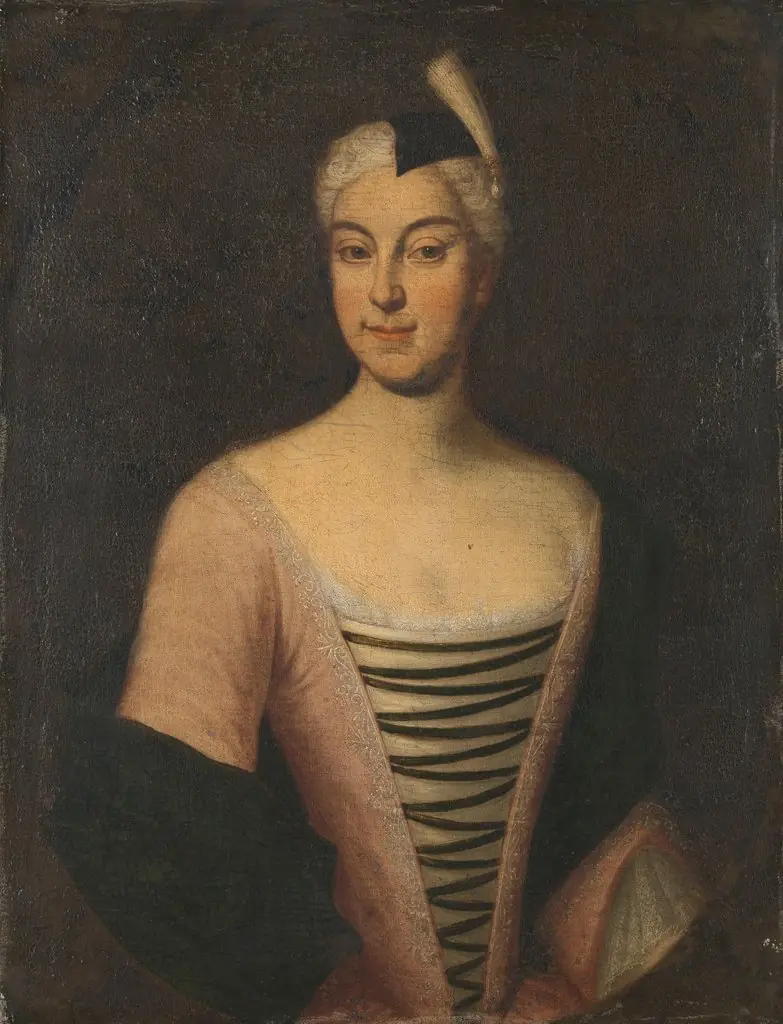 Portrait of a woman
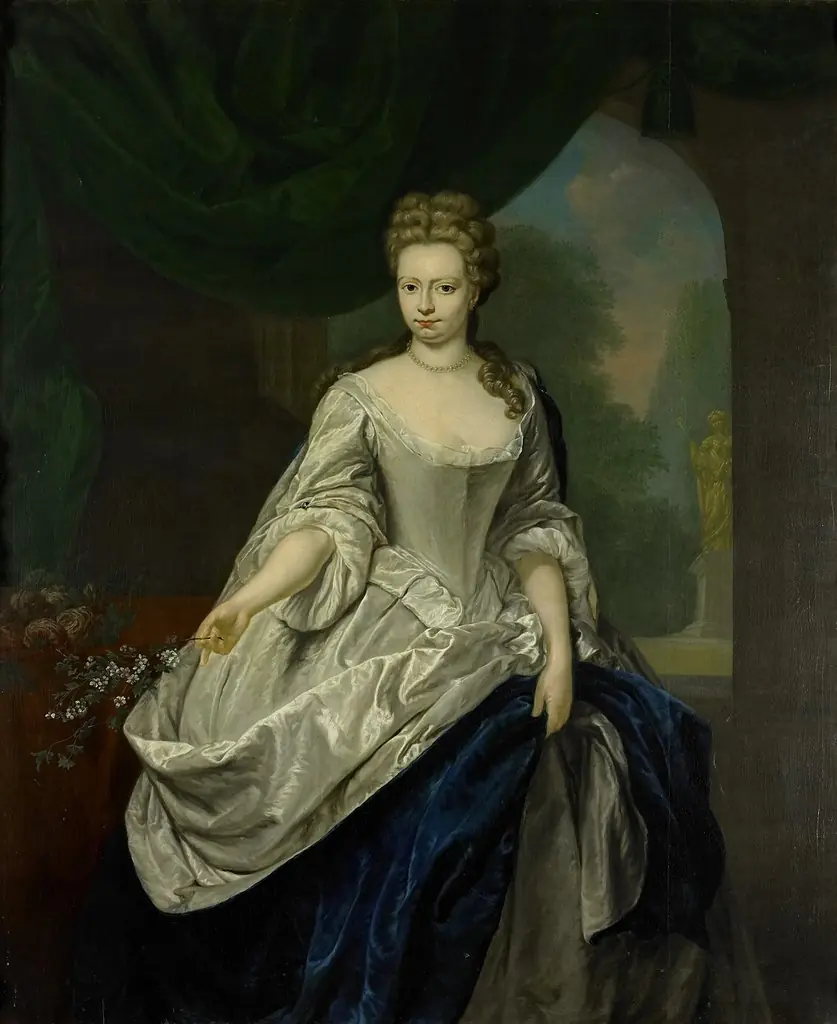 Portrait of Louise Christina Trip (died 1733), Wife of Gerrit Sichterman
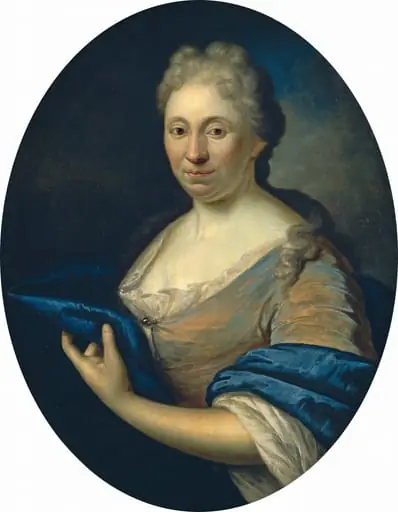 Anna de Peyster (?)
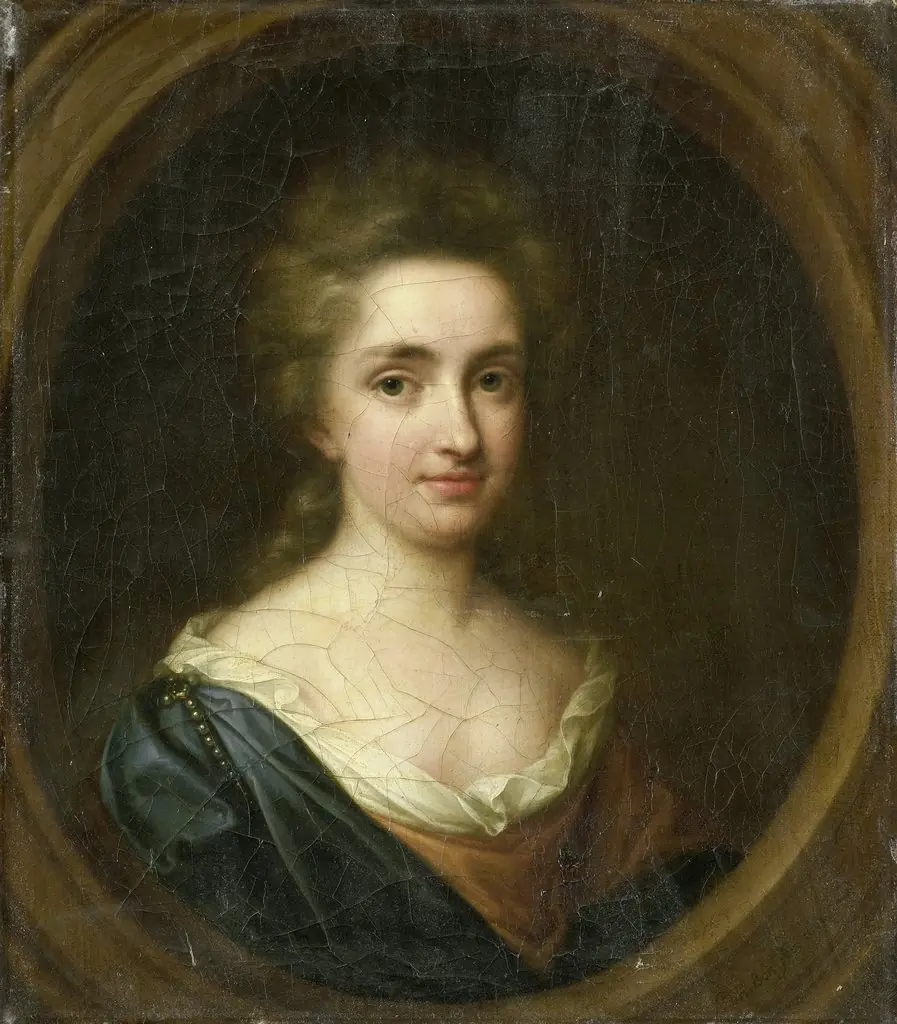 Portrait of Johanna van Citters (1672-1740), sister of Anna van Citters
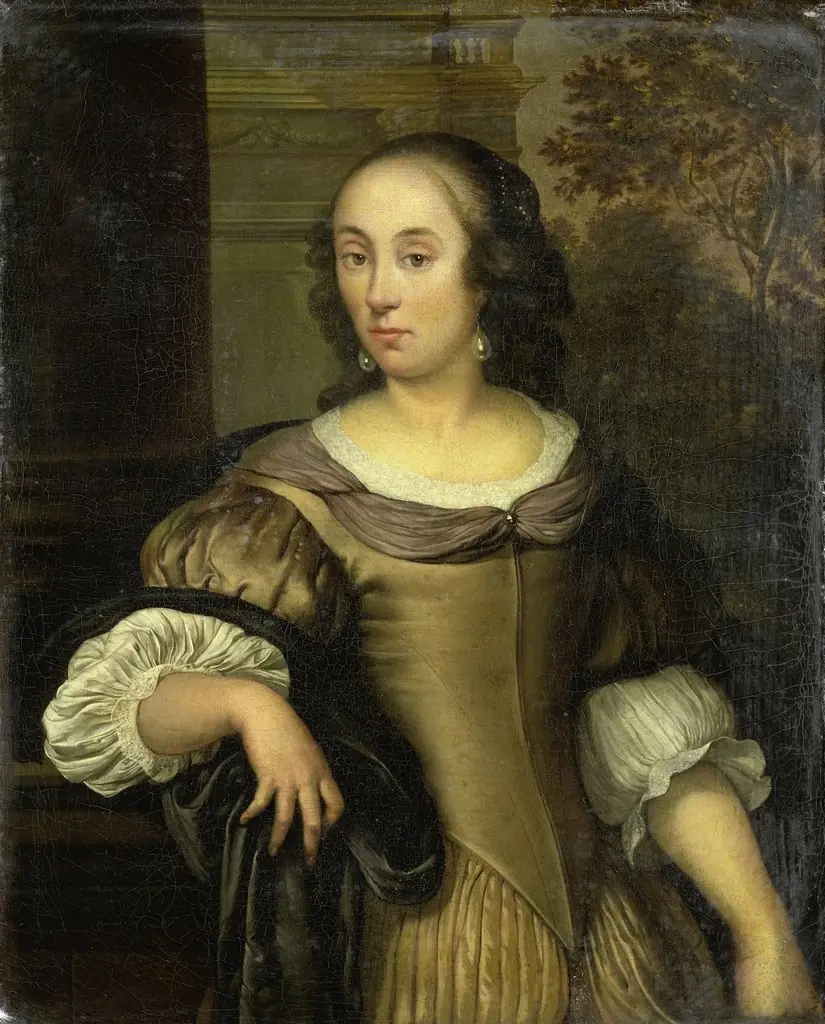 Portrait of a young woman
 Portrait of Anna van Citters (1664-94), daughter of Aernout van Citters and Josina Parduyn