Artwork
Portrait of Agnes Margaretha Albinus, Wife of Coenraad van Heemskerck
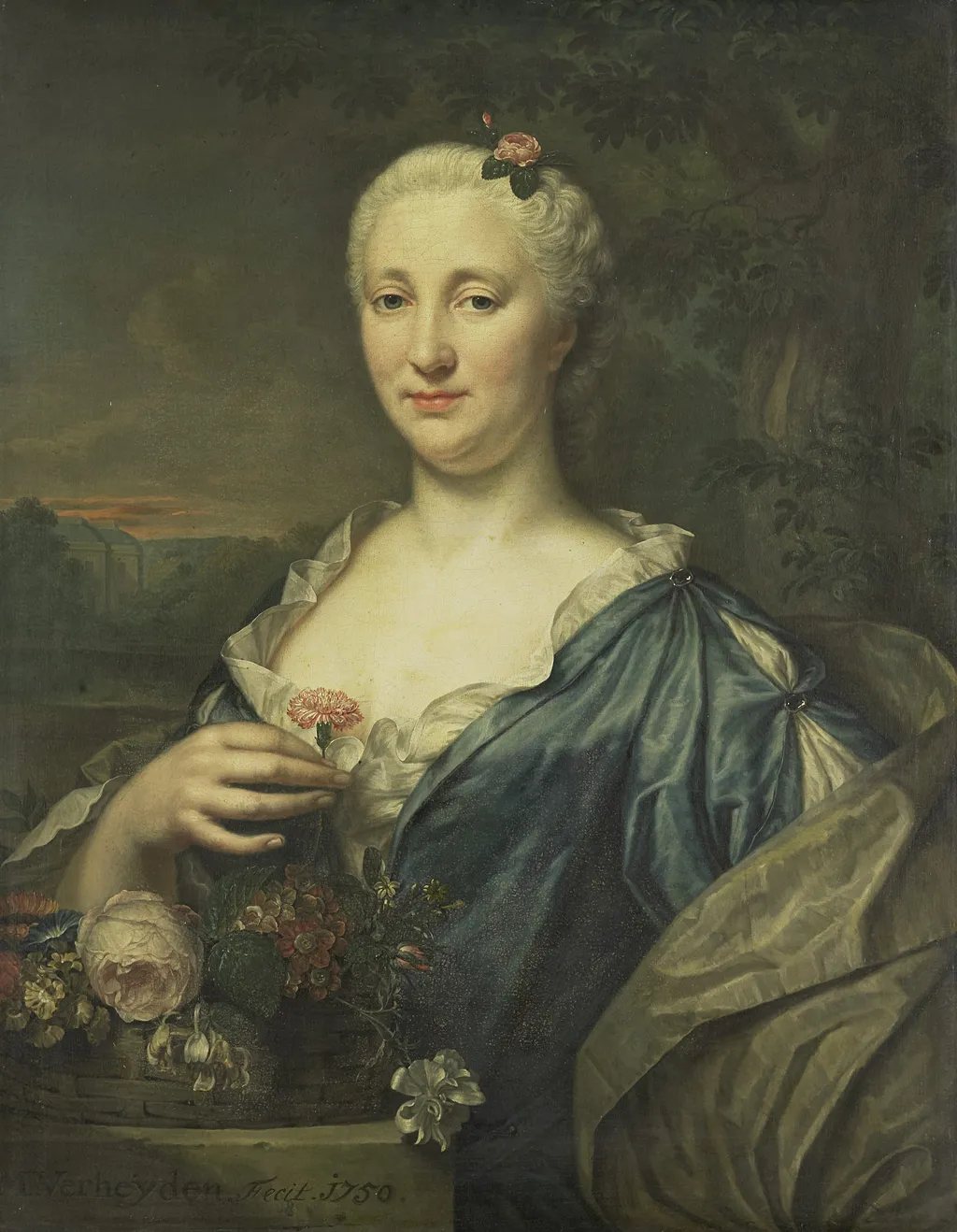
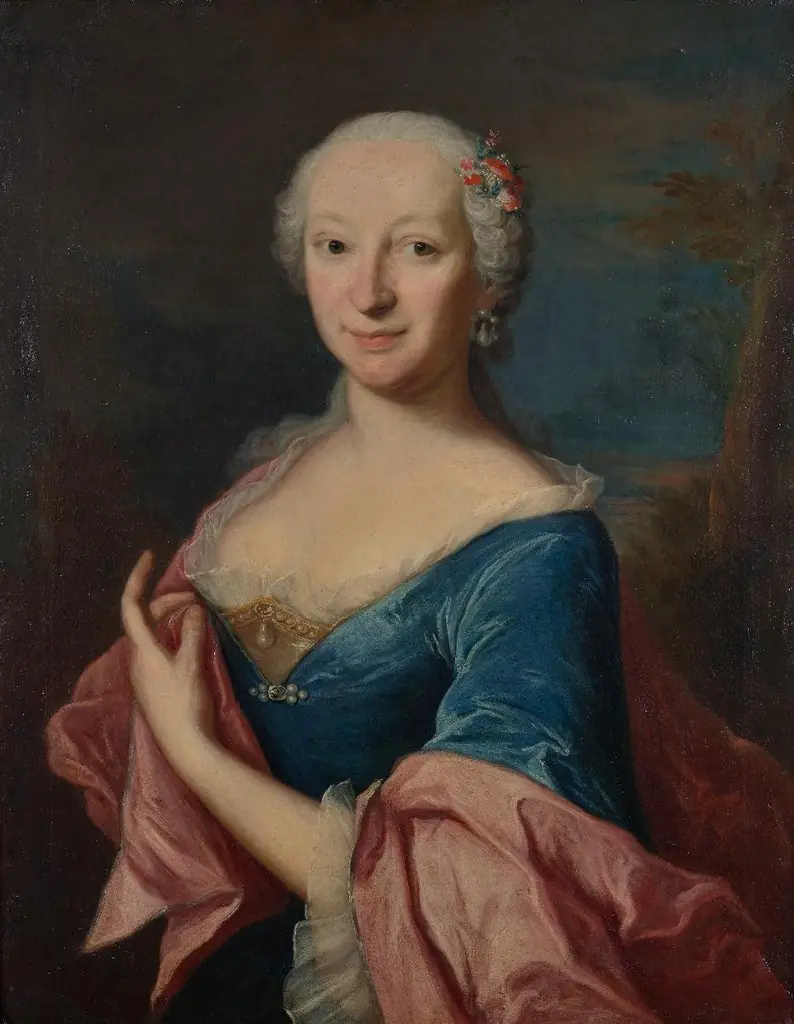
Portrait of Agnes Margaretha Albinus, Wife of Coenraad van Heemskerck is an oil painting by the Rococo painting artist Mattheus Verheyden. It dates from 1750 and is held in the collection of the Rijksmuseum.
About this work
The painting depicts a woman with white hair, adorned with a pink flower, wearing a blue and white dress.
The painting depicts a woman with white hair, adorned with a pink flower, wearing a blue and white dress. She is holding a pink flower in her right hand, with a basket of flowers in front of her. The background features a landscape with trees and a building.
The woman's attire and hairstyle suggest a formal portrait, likely from the 18th century. The artist's use of color and composition creates a sense of elegance and refinement.
To learn more about the artist's techniques and style, explore the work of Mattheus Verheyden.
Overview
Portrait of Agnes Margaretha Albinus, Wife of Coenraad van Heemskerck is an oil painting created around 1750 by Mattheus Verheyden, now part of the Rijksmuseum's collection.
Subject & Meaning
The subject, Agnes Margaretha Albinus, is portrayed in a formal, elegant setting, indicating her social status. Symbols like the flowers (including one in her hand and a basket of them) and her attire may signify virtue, beauty, or marital harmony, common themes in 18th-century portraiture.
Technique & Style
Verheyden employed a palette of contrasting yet harmonious colors (notably blue, white, and pink) against a landscaped background, achieving a refined composition. The detailed rendering of textures, from the subject's white hair to the floral arrangements, showcases the artist's skill in capturing subtlety and depth.
History & Provenance
Commissioned for Coenraad van Heemskerck, the painting's history prior to its acquisition by the Rijksmuseum is not detailed here, though its creation circa 1750 places it within the artistic trends of the Dutch Enlightenment.
Context
This portrait reflects the 18th-century Dutch tradition of commissioning formal, symbol-rich family portraits, often blending domestic intimacy with public display of status.
Legacy
While specific influence or notable exhibitions of this piece are not highlighted, it contributes to the broader understanding of Mattheus Verheyden's oeuvre and 18th-century Dutch portraiture practices.
Own this work as a print
Artist & collection

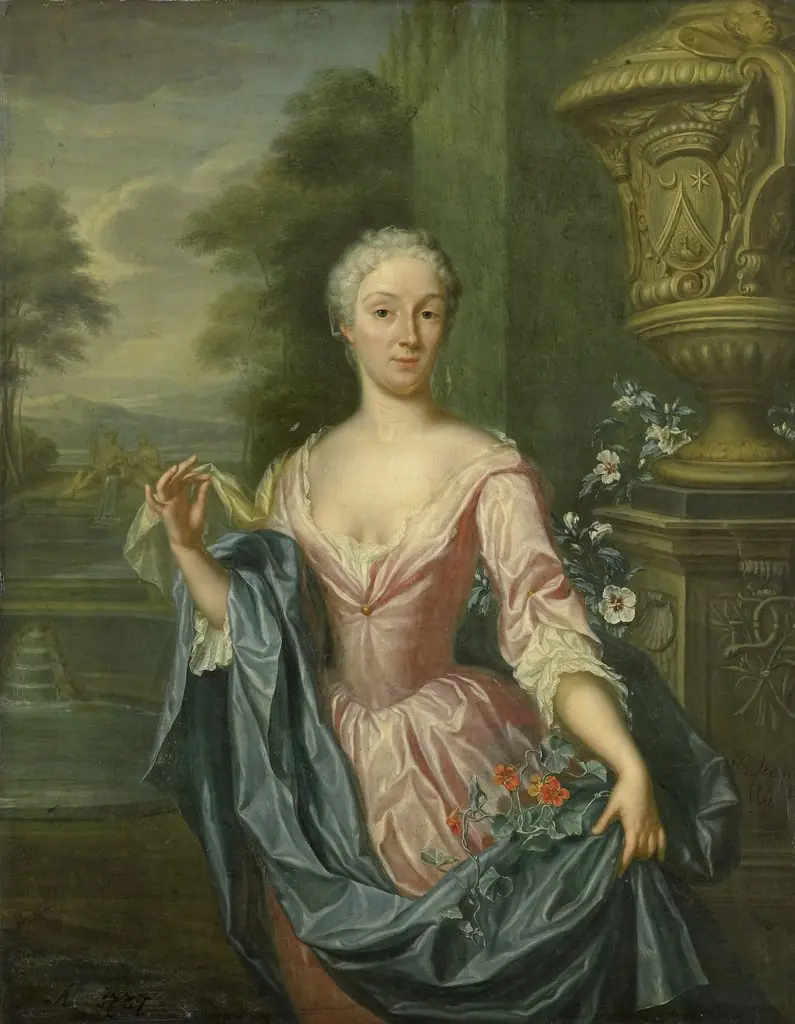 Portrait of Claudine van Royen (born 1712), Wife of Pieter Teding van Berkhout
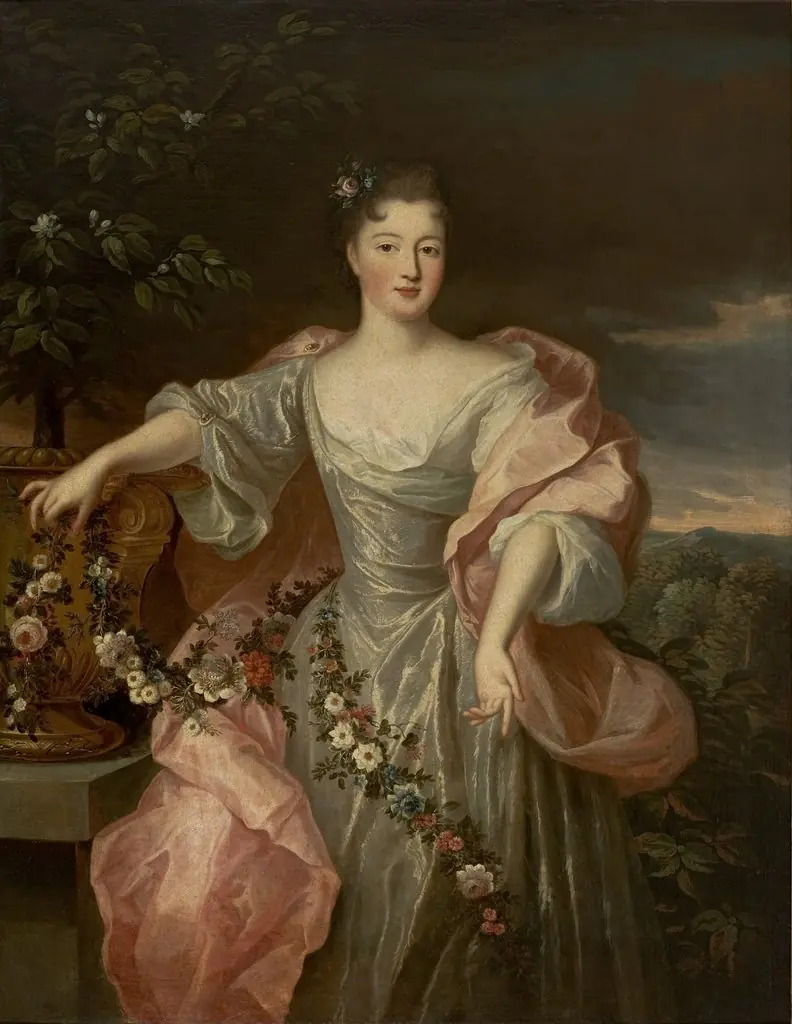 Portrait of a Bride with Flowers (Charlotte Aglaé d'Orléans, called Mademoiselle de Valois?)
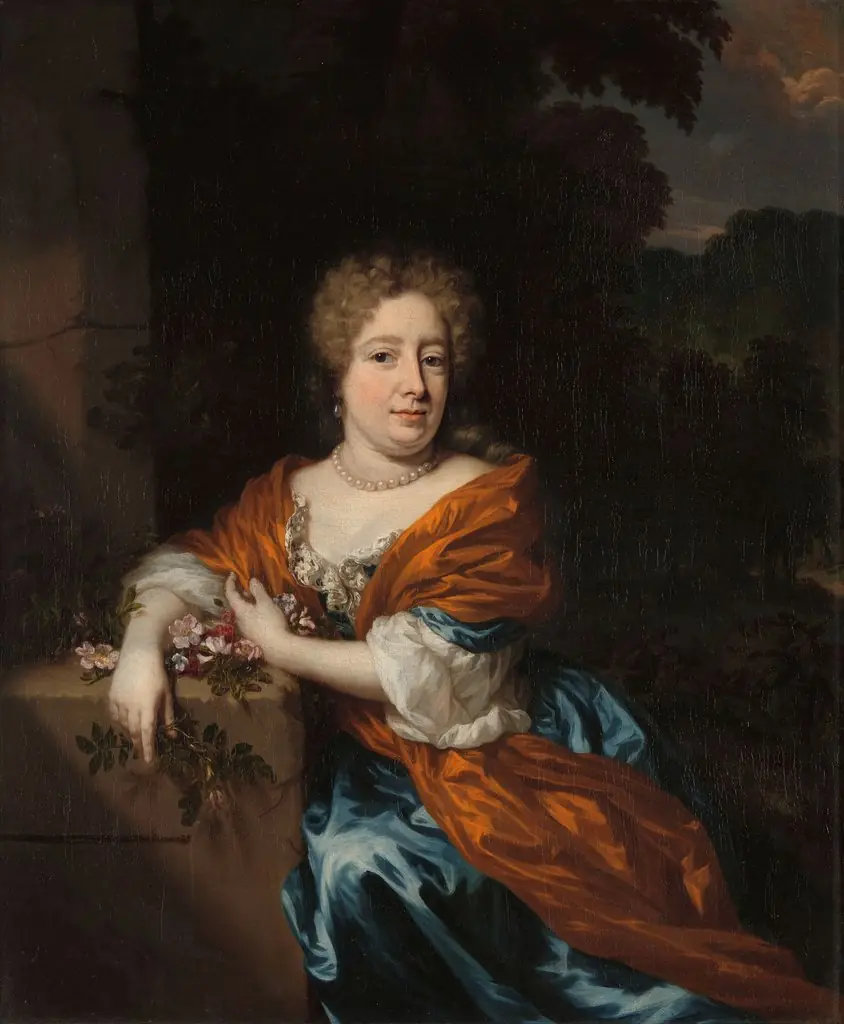 Portrait of Petronella Dunois
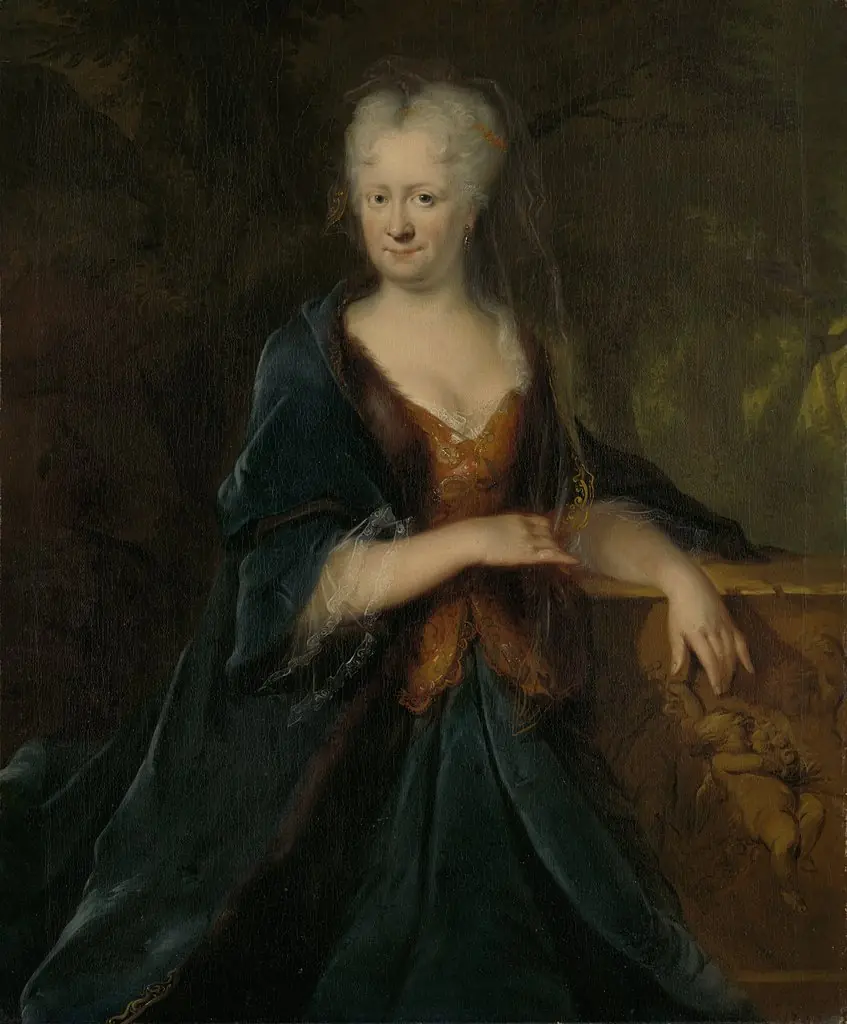 Portrait of Louise Christina Trip, Wife of Gerrit Sichterman
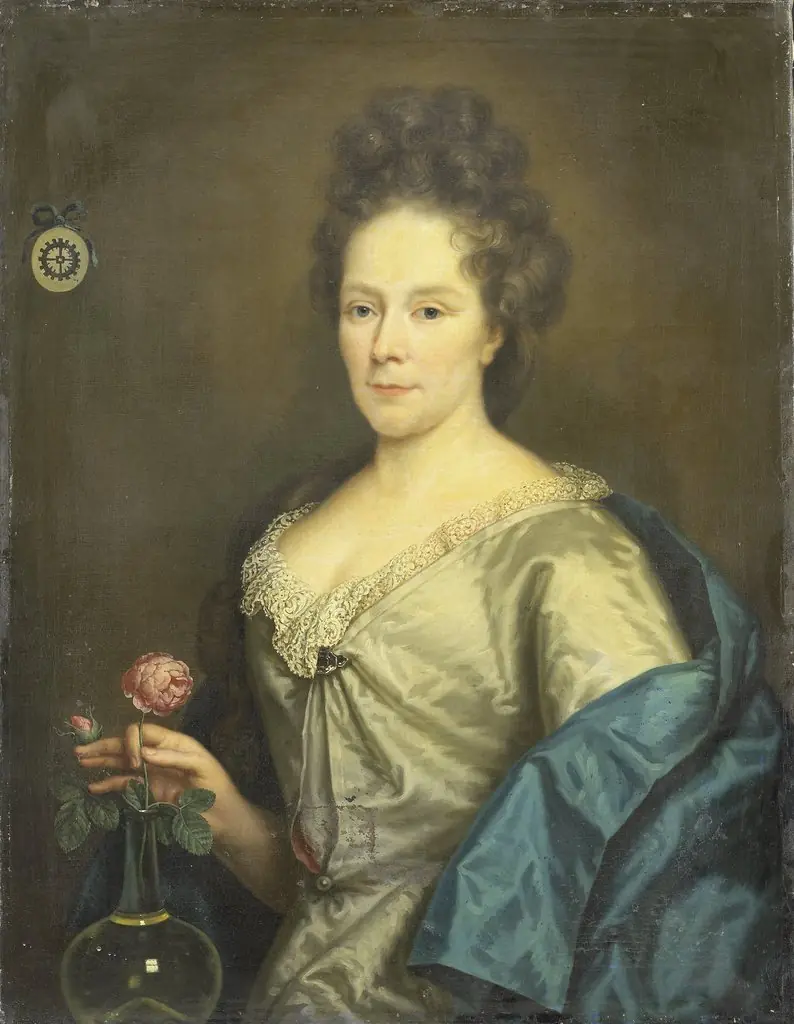 Portrait of Anna Maria van Hogendorp, second Wife of François Leydecker
 Retrato de dama
 Portrait of a Woman, according to tradition Marie Louise Elisabeth d'Orléans (1695-1719), Duchesse de Berry, as Flora
 Portrait of a Young Woman
 Bildnis Frau Regula Ott
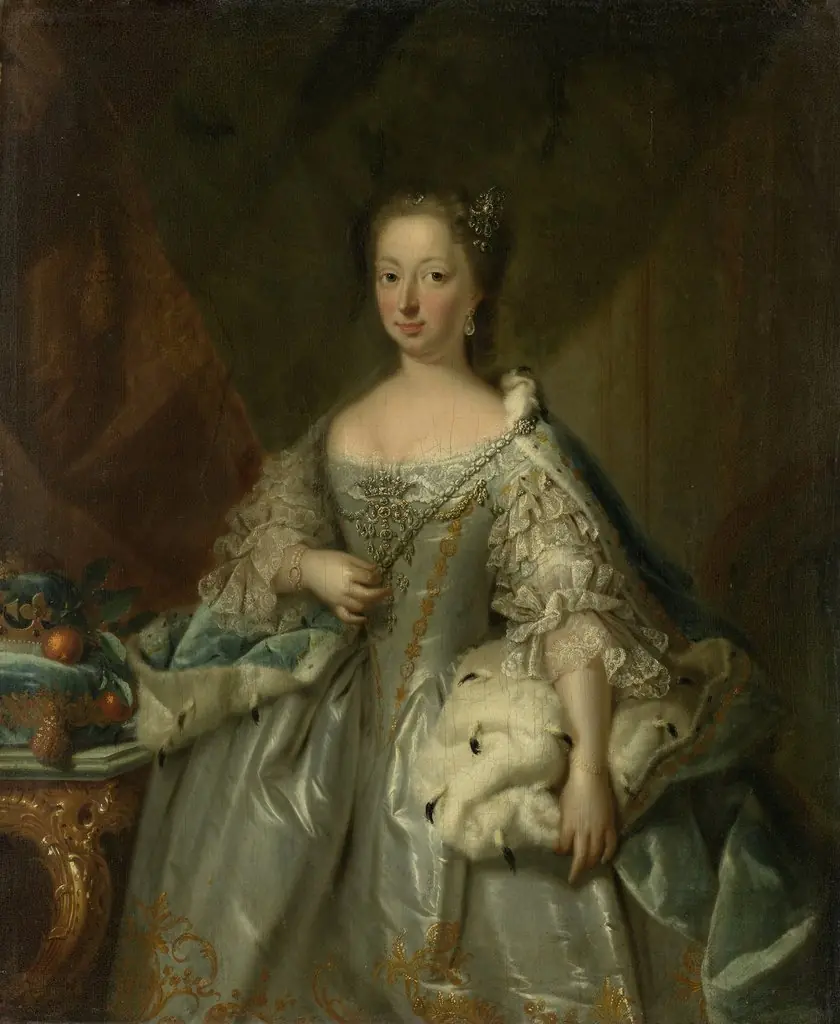 Anna of Hanover
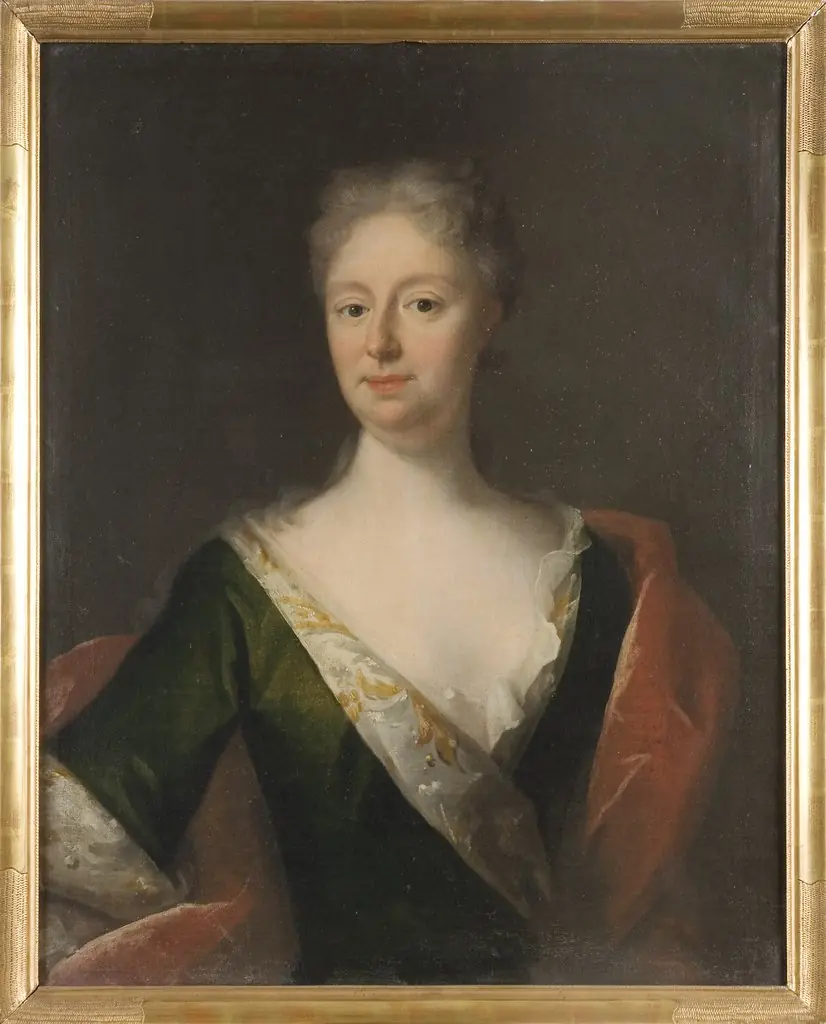 Sofia Gyllenstierna af Ulaborg (1682-1722), friherrinna, g.m. friherre Adolf Herman Wrangel af Lindeberg
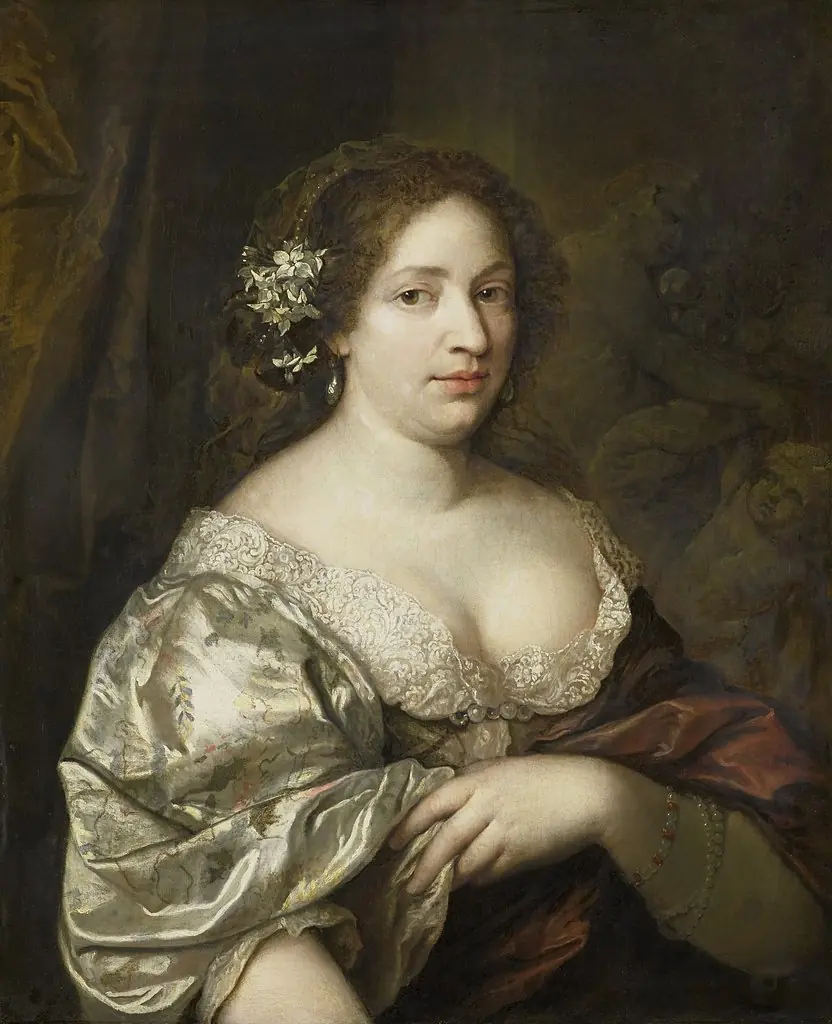 Portrait of Margaretha Godin (d. 1694), wife of the artist