Artwork
宋人卻坐圖 軸
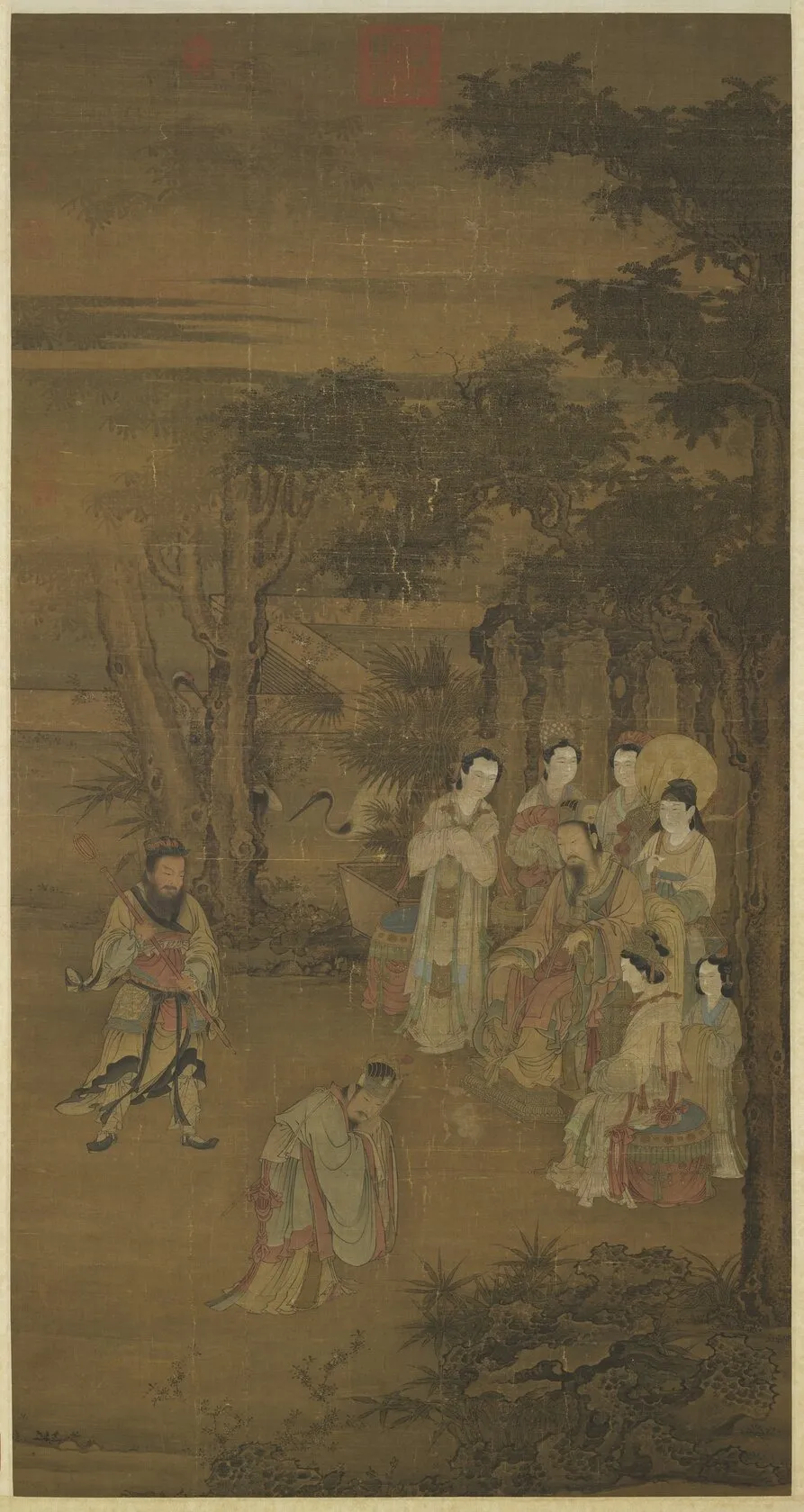
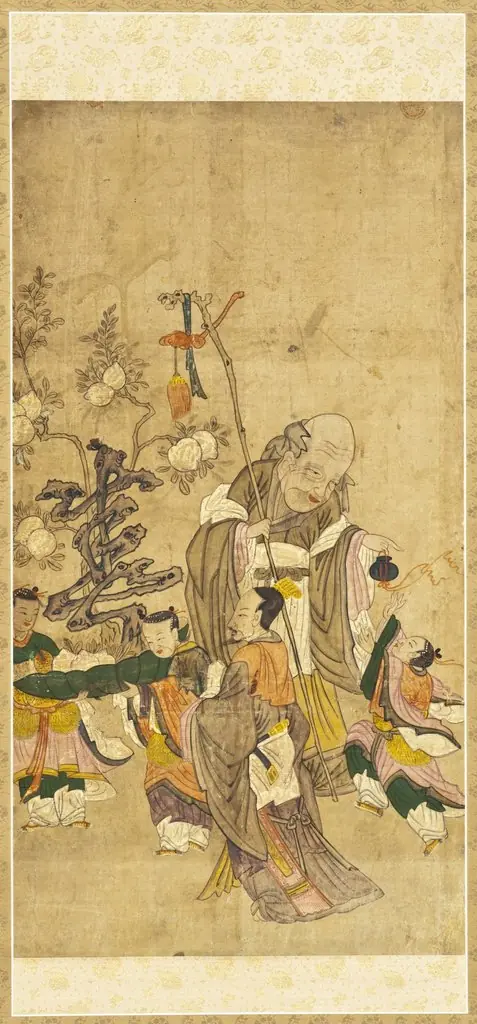
宋人卻坐圖 軸 is an unspecified painting by Unknown. It dates from 1200 and is held in the collection of the National Palace Museum.
About this work
Overview
This silk painting depicts a quiet garden scene with twelve figures in traditional Chinese attire, arranged in a courtyard surrounded by trees and low hills.
This silk painting depicts a quiet garden scene with twelve figures in traditional Chinese attire, arranged in a courtyard surrounded by trees and low hills. The palette is restrained, dominated by earthy browns, beiges, and muted greens, creating a calm, contemplative atmosphere. The composition emphasizes spatial harmony and subtle groupings, typical of Southern Song dynasty courtly painting traditions.
Subject & Meaning
The scene captures a moment of stillness among scholars or courtiers, possibly during a formal gathering or informal respite. One figure kneels in the foreground, while others sit or stand in relaxed postures, suggesting a ritualized social interaction. The absence of overt narrative cues invites interpretation as a meditation on composure, hierarchy, and the cultivated leisure of the literati class.
Technique & Style
Executed in fine brushwork on silk, the painting employs delicate ink outlines and soft washes to define forms without sharp contrasts. Figures are rendered with restrained detail, emphasizing posture and arrangement over individual expression. The landscape background is minimal, using layered tones to suggest depth, aligning with Southern Song aesthetic principles rather than the dramatic chiaroscuro of Western sfumato.
History & Provenance
Attributed to an anonymous artist of the Southern Song period, the work likely originated in a courtly or scholarly context. Its survival on silk indicates careful preservation, possibly within imperial or aristocratic collections. No definitive records of early ownership exist, but its style places it firmly within 12th- to 13th-century Chinese painting traditions.
Context
Produced during a time when court painters emphasized quiet introspection and natural harmony, this work reflects the influence of Chan Buddhism and Confucian ideals of restraint. Garden scenes like this were common in Southern Song art, symbolizing cultivated order and moral refinement. The subdued palette and spatial balance contrast with the more dynamic compositions of earlier Northern Song landscapes.
Legacy
Though unsigned and unattributed to a named master, the painting exemplifies the refined aesthetic of Southern Song court art. It contributes to the broader understanding of how social rituals and natural settings were visually codified in Chinese painting. Its preservation offers insight into the material culture and visual language of elite leisure during the 12th and 13th centuries.
Artist & collection

 Domestic Scene
 Giacomo and Cardinal Marco, investing Andrea, Abbot of San Zeno, with his Benefice
 The Nymph of Fontainebleau
 Portrait of a Woman
 Madonna and Child with Saints in the Enclosed Garden
 Venus and Minerva
 Family Group of Four on Sofa
 Wall painting from Room H of the Villa of P. Fannius Synistor at Boscoreale
 Dongfang Shuo (Tongbang Sak), one of the Eight Chinese Immortals
 明唐寅陶穀贈詞圖 軸
 The Seven Worthies of the Bamboo Grove
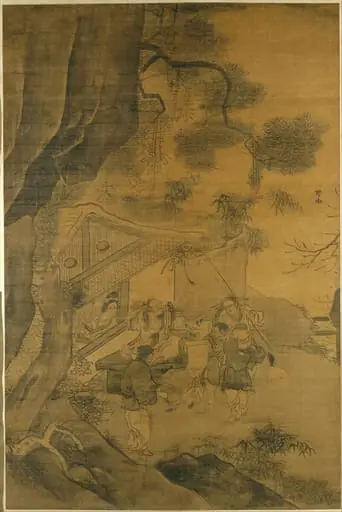 明 張路 觀畫圖 軸|Studying a painting
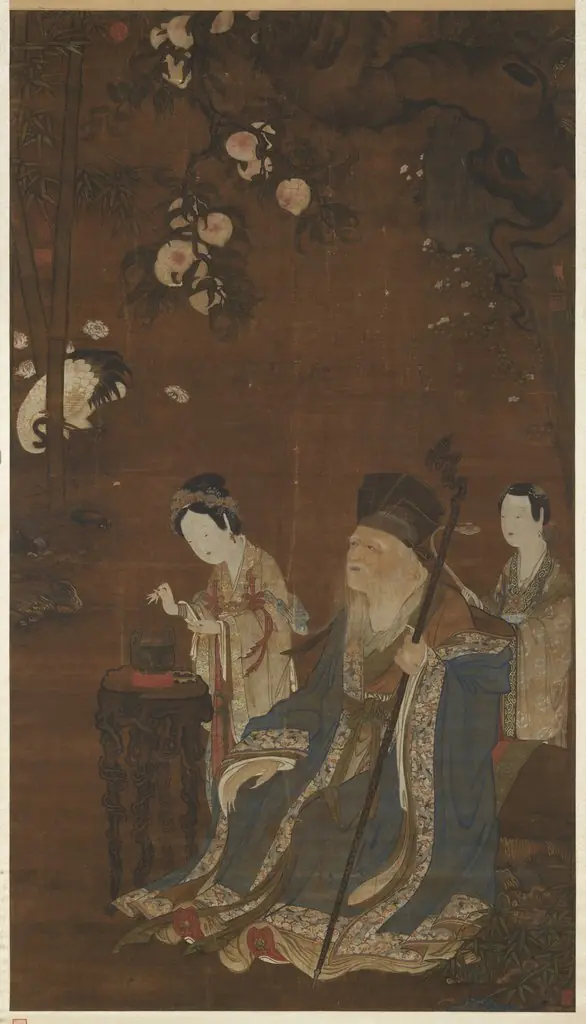 The Immortal Chang Kuo-lao at Repose
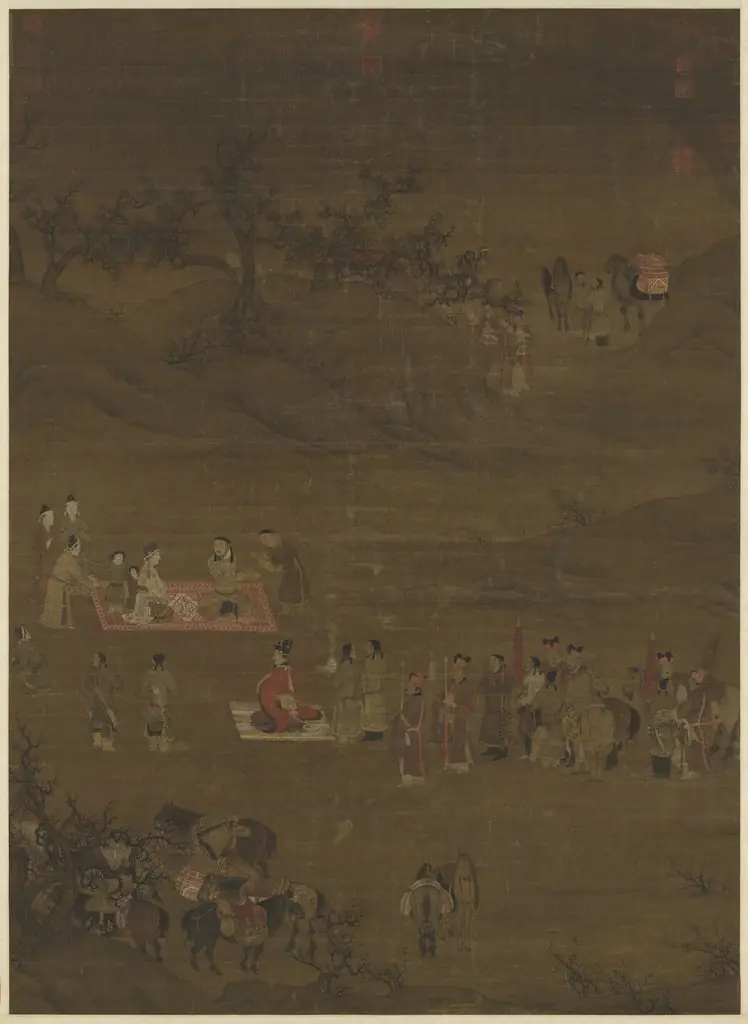 宋陳居中文姬歸漢圖軸
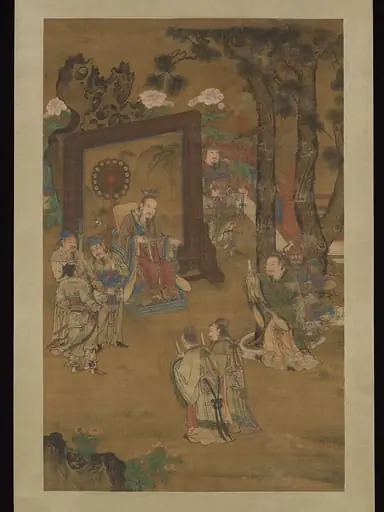 明 劉俊 納諫圖 軸|Remonstrating with the emperor
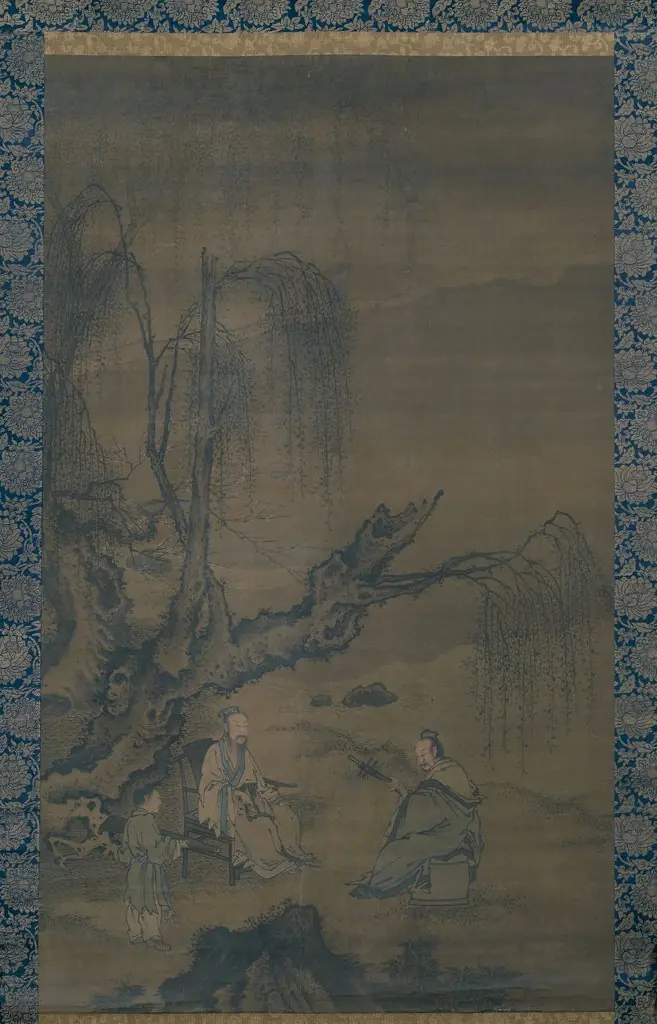 Two Scholar-Musicians in a Landscape
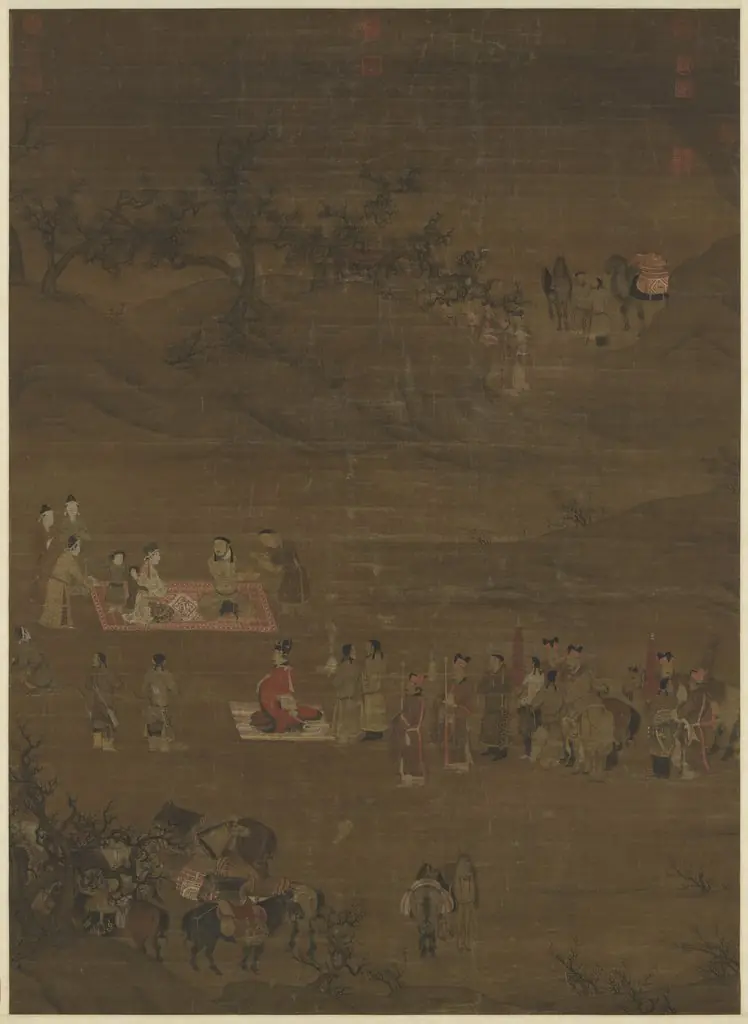 Lady Wen-chi's Return to China
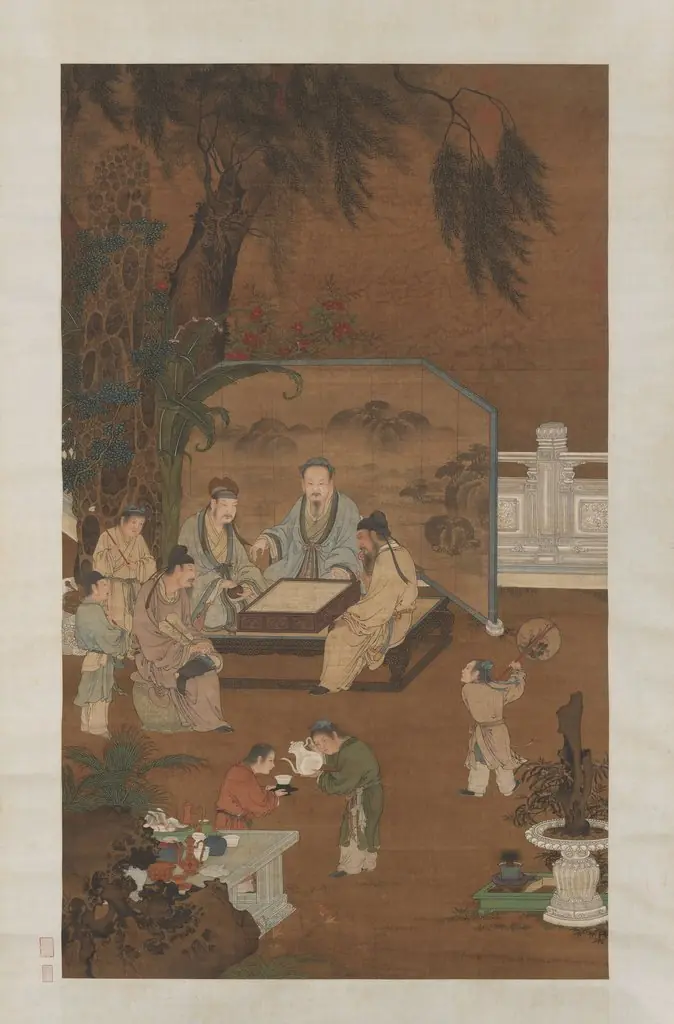 The Eighteen Scholars
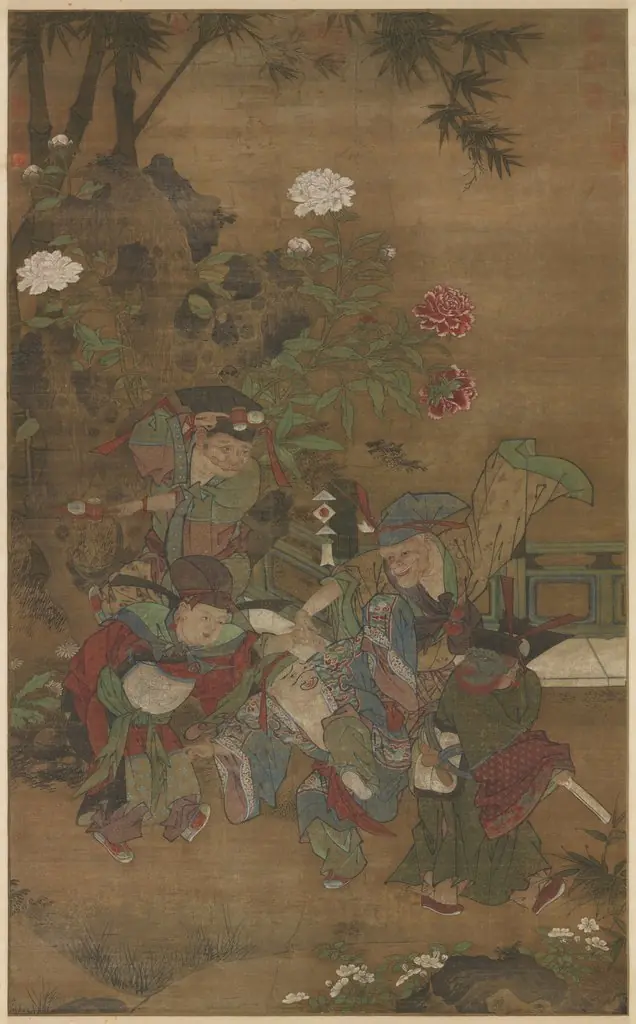 宋蘇漢臣畫五瑞圖 軸
 Shoulao (Sunoin), God of Longevity