Artwork
Lady Wen-chi's Return to China
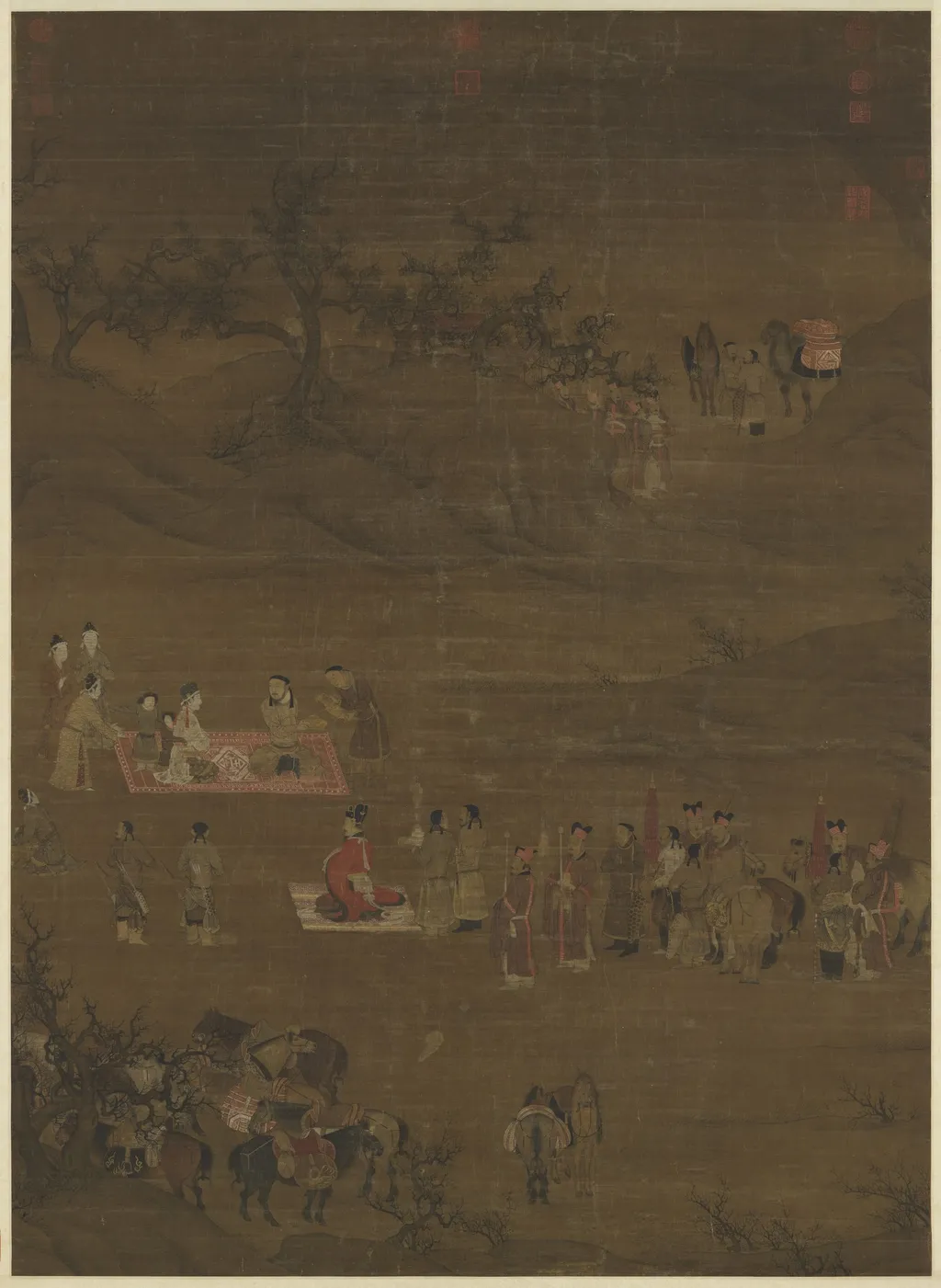
Lady Wen-chi's Return to China is an unspecified painting by Unknown. It dates from 1850 and is held in the collection of the National Palace Museum.
About this work
Overview
The work titled “Lady Wen‑chi’s Return to China” is a painted composition that gathers a small group around a seated female figure, presumed to be Lady Wen‑chi. She rests upon a rug while attendants and onlookers stand or move nearby. The background suggests a landscape of trees and rolling hills, with a few figures on horseback or bearing objects, creating a narrative scene of arrival.
Subject & Meaning
The central figure, a dignified woman identified as Lady Wen‑chi, appears to be the focal point of a homecoming or diplomatic visit, indicated by the attentive gathering of courtiers and the presence of horses. The arrangement of figures around her conveys respect and ceremony, hinting at the social status of the lady and the significance of her return to the Chinese court.
Technique & Style
Executed with a restrained palette of reds, browns and blacks, the painting achieves depth through layered washes and subtle tonal shifts. Fine, intricate brushwork delineates the textiles, foliage, and the delicate features of the figures, reflecting a high level of technical proficiency typical of courtly painters. The composition balances foreground detail with a muted, atmospheric background.
History & Provenance
The piece is part of the collection of the National Palace Museum, which houses many works transferred from the former imperial collections. Its presence there indicates it was likely part of the Qing dynasty court holdings before being incorporated into the museum’s holdings during the 20th‑century relocation of Chinese cultural assets.
Context
Paintings of court ladies returning from travel were a common motif in Chinese imperial art, serving both as records of diplomatic events and as exemplars of proper conduct. The inclusion of attendants, horses, and a natural setting reflects the integration of personal portraiture with landscape, a synthesis favored in the late imperial period.
Artist & collection

 Domestic Scene
 Giacomo and Cardinal Marco, investing Andrea, Abbot of San Zeno, with his Benefice
 The Nymph of Fontainebleau
 Portrait of a Woman
 Madonna and Child with Saints in the Enclosed Garden
 Venus and Minerva
 Family Group of Four on Sofa
 Wall painting from Room H of the Villa of P. Fannius Synistor at Boscoreale
 宋陳居中文姬歸漢圖軸
 The Seven Worthies of the Bamboo Grove
 Literary Gathering
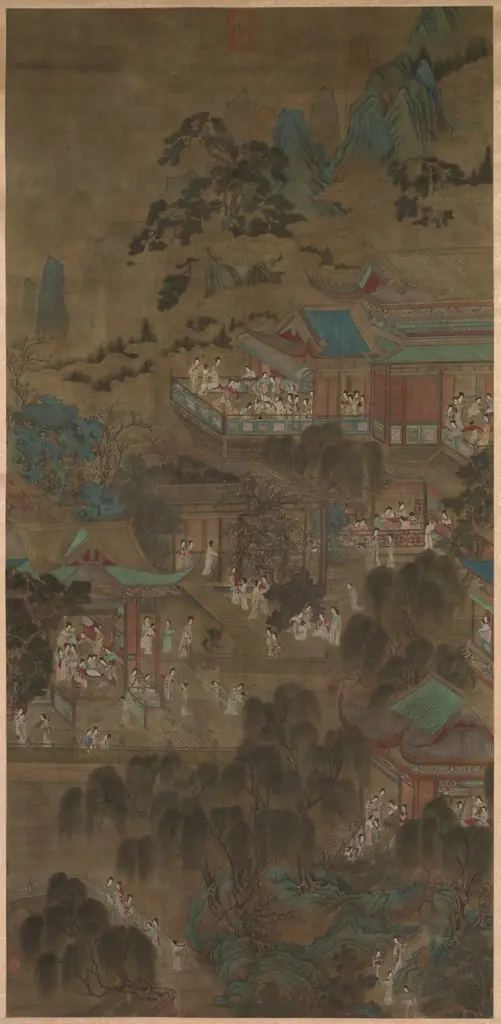 Court Ladies in the Imperial Palace
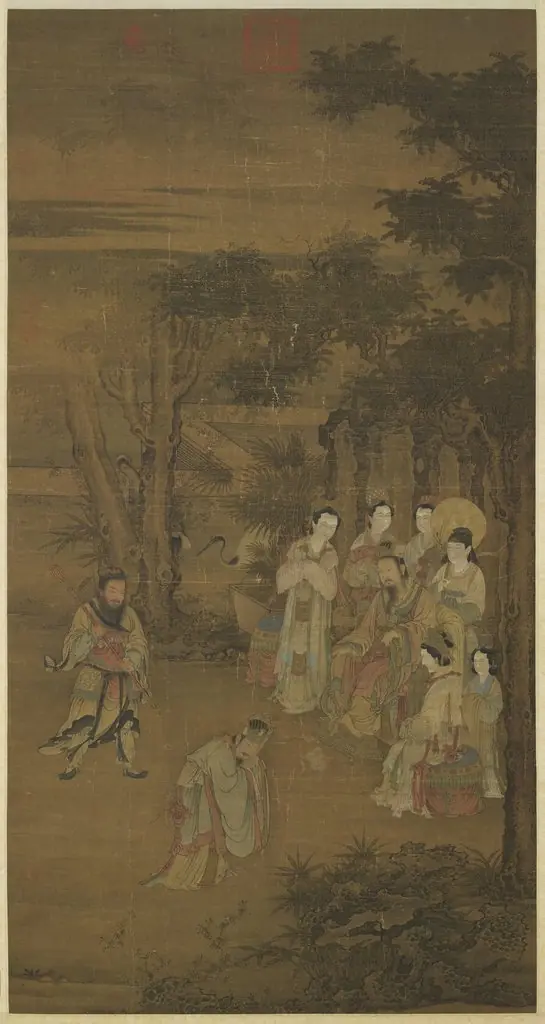 宋人卻坐圖 軸
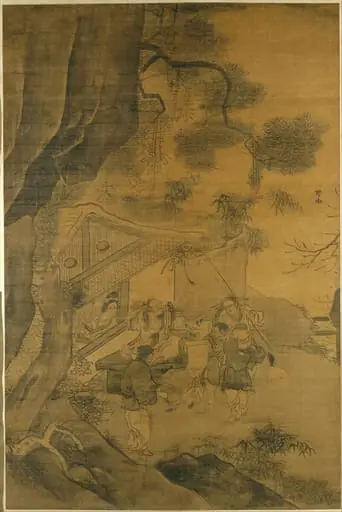 明 張路 觀畫圖 軸|Studying a painting
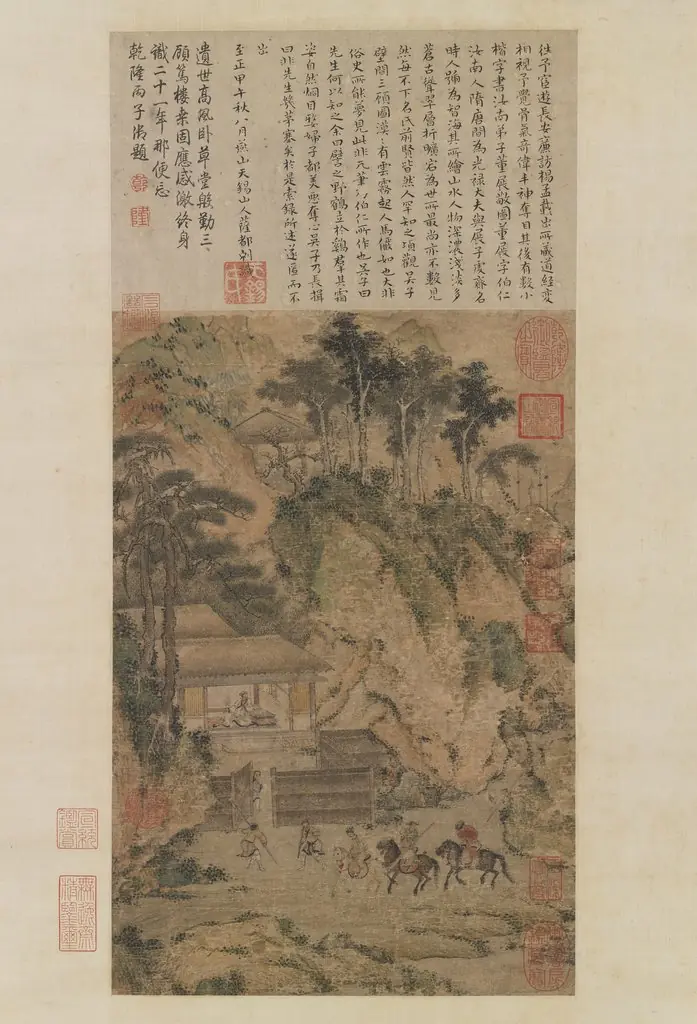 Three Visits to a Thatched Cottage
 宋徽宗文會圖軸
 五代董源江堤晚景 軸
 “Taira no Koremori’s Farewell,” from The Tale of the Heike (Heike monogatari)
 無款人物(歷代畫幅集冊)
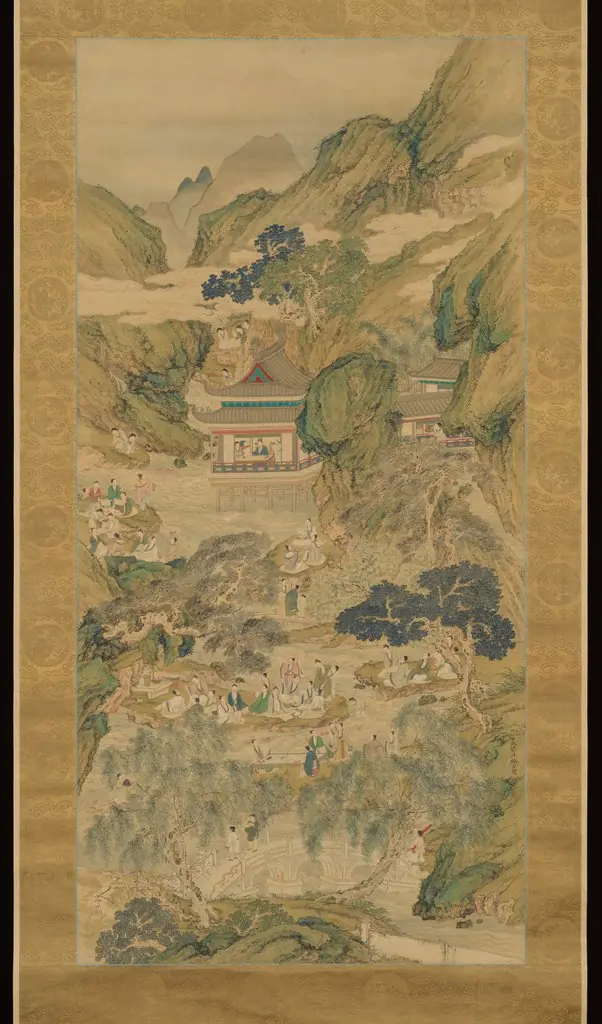 Lanting Gathering in Blue and Green 青緑蘭亭脩禊図 (Seiryoku rantei shūkei zu)