Artwork
The Nativity of Jesus Christ
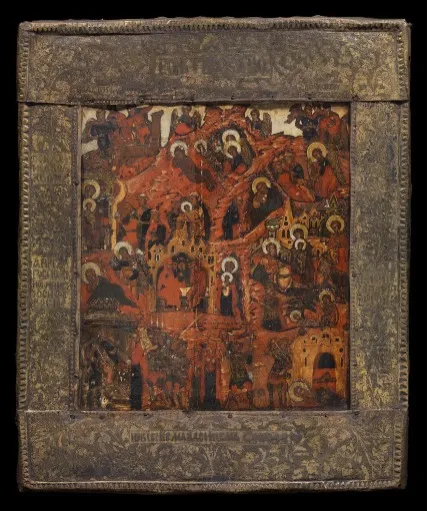
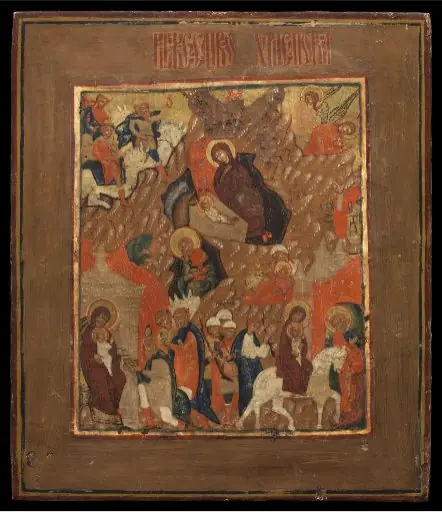
The Nativity of Jesus Christ is an unspecified painting by the Spanish Baroque Tenebrist artist Unknown. It dates from 1694 and is held in the collection of the National Gallery of Ireland. This painting depicts the birth of Jesus Christ, a central event in Christian theology.
About this work
Overview
Rendered in a devotional style, it focuses on the moment of infancy amid humble surroundings, emphasizing spiritual significance over grandeur.
This painting depicts the birth of Jesus Christ, a central event in Christian theology. Rendered in a devotional style, it focuses on the moment of infancy amid humble surroundings, emphasizing spiritual significance over grandeur. The composition centers on the infant Jesus, surrounded by figures of Mary, Joseph, and often angels or shepherds, arranged to guide the viewer’s gaze toward the sacred core of the scene.
Subject & Meaning
The scene illustrates the Incarnation—the belief that the divine became human. Mary’s tender gaze and Joseph’s quiet vigilance convey reverence, while the presence of shepherds signals the humble origins of Christ’s arrival. Angels may appear overhead, symbolizing divine announcement. The setting, typically a stable or cave, underscores themes of humility and accessibility, contrasting earthly poverty with spiritual richness.
Technique & Style
The work employs traditional medieval or early Renaissance techniques, with gold leaf accents suggesting divine light and flattened perspective to prioritize symbolic meaning over naturalism. Figures are rendered with elongated proportions and serene expressions, typical of devotional art. Color palettes are restrained, using deep blues for Mary’s robe and warm earth tones to ground the scene in physical reality.
History & Provenance
Created in the late medieval or early Renaissance period, the painting likely originated in a monastic or ecclesiastical context, intended for private prayer or chapel decoration. Its early ownership may be traced to a religious institution, with later transfers to private collections or public museums following secularization or political upheavals in Europe.
Context
Produced during a time when religious imagery was a primary vehicle for teaching scripture to largely illiterate populations, the painting reflects liturgical traditions and theological emphasis on Christ’s humanity. Similar compositions were widespread across Europe, varying by region in detail but unified in core symbolism, reinforcing doctrinal narratives through visual repetition.
Legacy
The painting contributes to a centuries-long tradition of Nativity imagery that shaped Western religious art. While later works adopted more naturalistic styles, this piece preserves an earlier visual language that prioritized spiritual resonance over realism. Its enduring presence in collections reflects its role as a touchstone for devotional practice and artistic continuity.
Artist & collection

 Domestic Scene
 Giacomo and Cardinal Marco, investing Andrea, Abbot of San Zeno, with his Benefice
 The Nymph of Fontainebleau
 Portrait of a Woman
 Madonna and Child with Saints in the Enclosed Garden
 Venus and Minerva
 Family Group of Four on Sofa
 Wall painting from Room H of the Villa of P. Fannius Synistor at Boscoreale
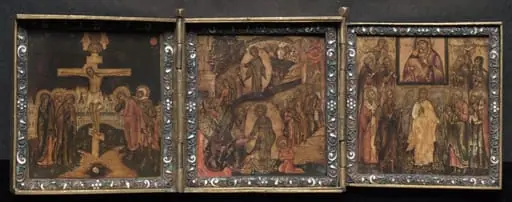 Portable Triptych Icon
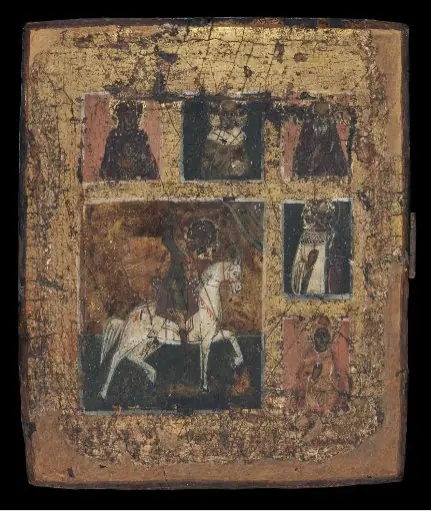 Six Saints
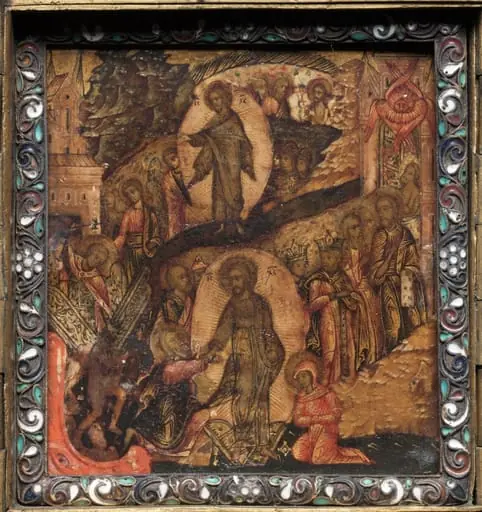 Portable Triptych Icon: The Resurrection and Anastasis
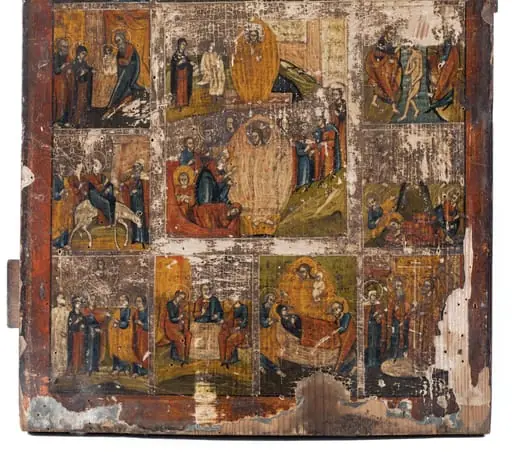 Scene biblice
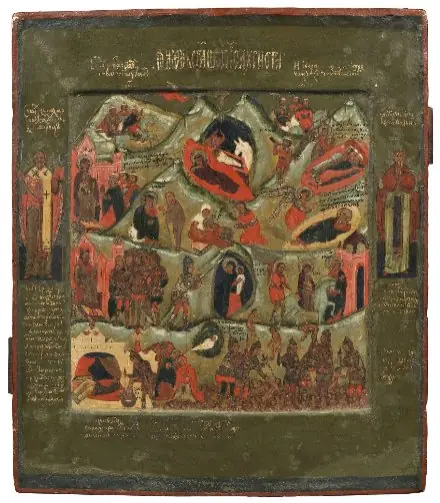 The Birth of Christ
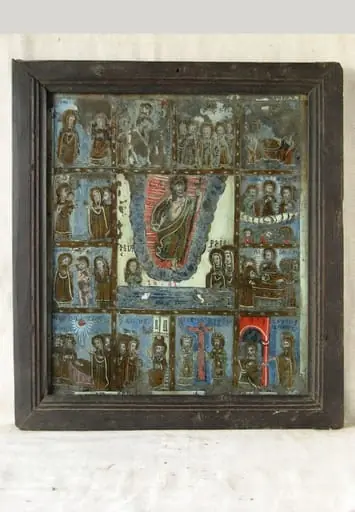 Prăznicar cu Învierea Mântuitorului Iisus Hristos
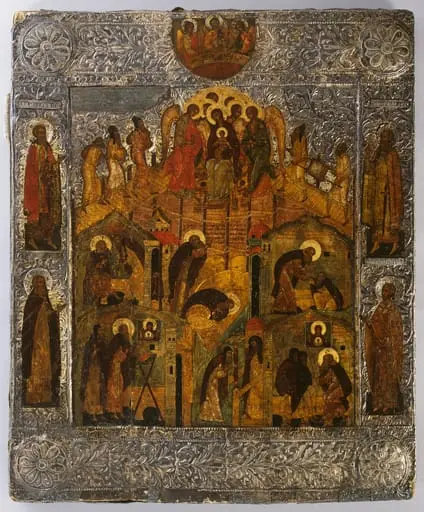 Neitsyt Marian ilmestyminen pyhittäjä Aleksanteri Syväriläiselle kirkon perustuksella
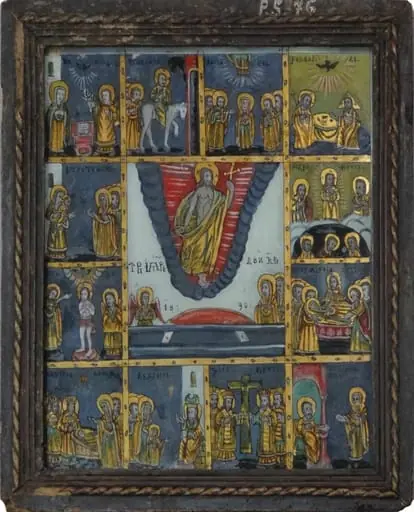 Învierea lui Iisus, cu 12 scene de praznic
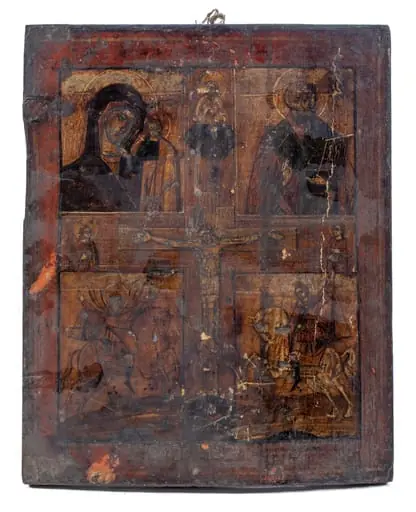 Răstignirea
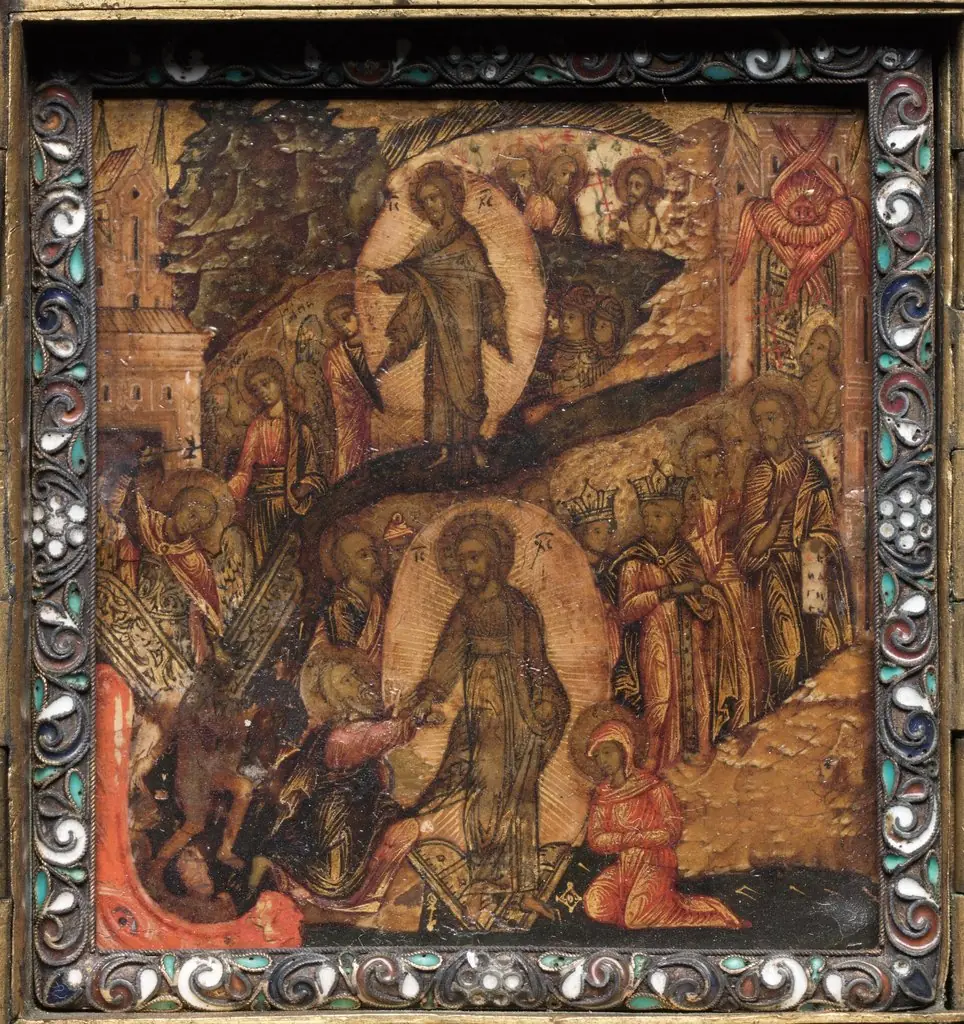 Portable Triptych Icon
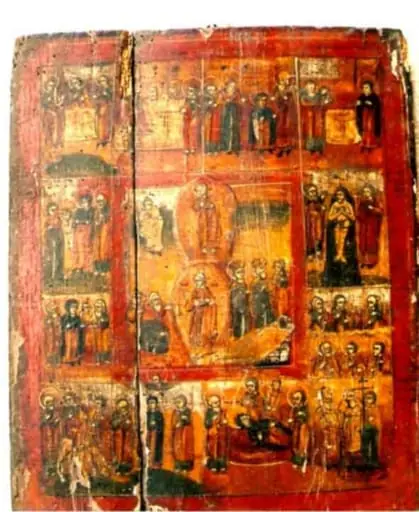 Coborârea în iad
 The Nativity of Christ