Artwork
Neitsyt Marian ilmestyminen pyhittäjä Aleksanteri Syväriläiselle kirkon perustuksella
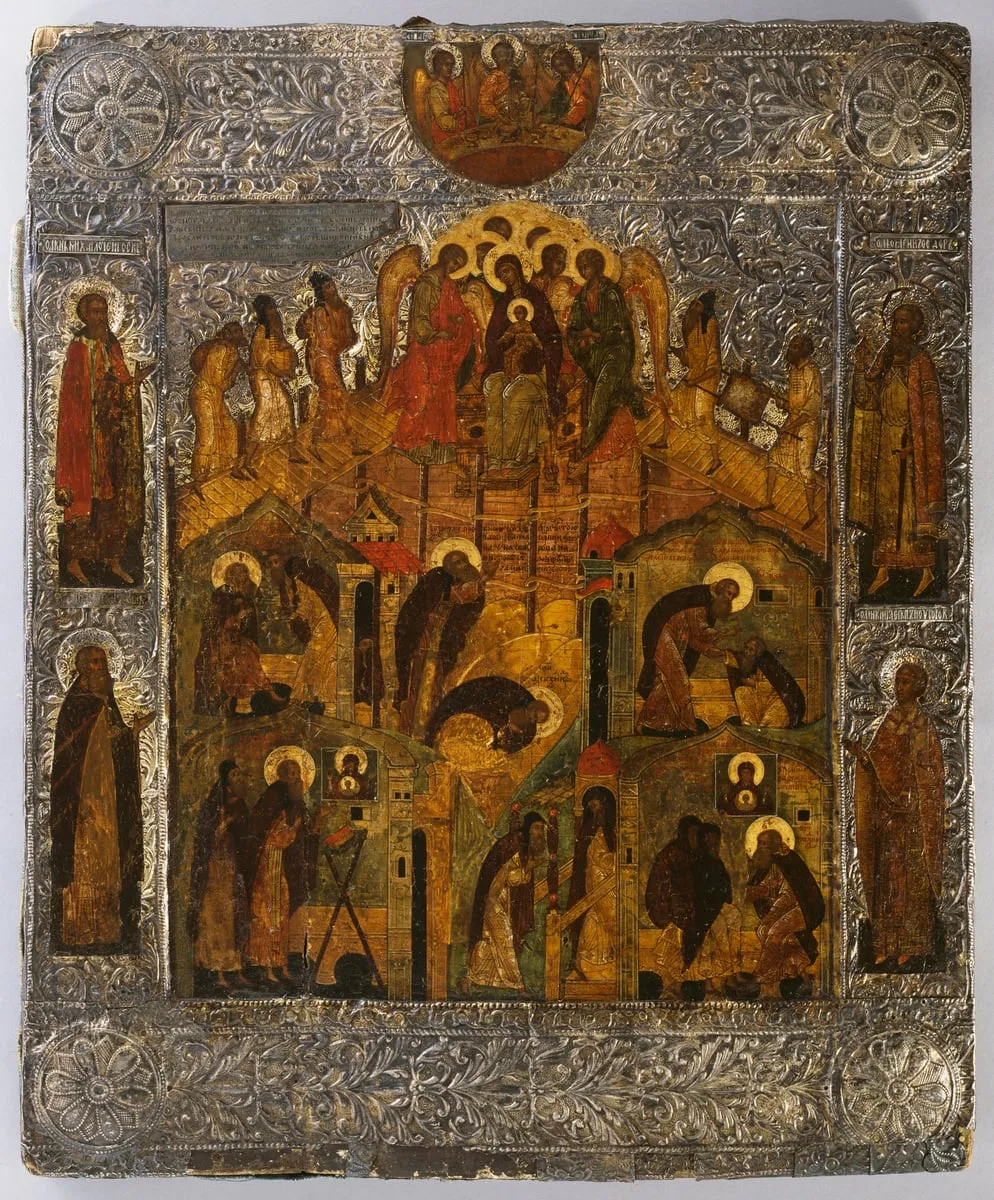
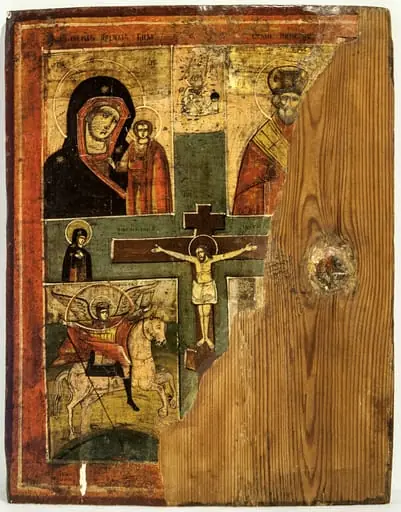
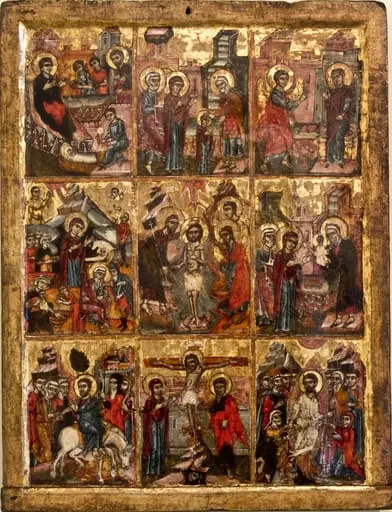
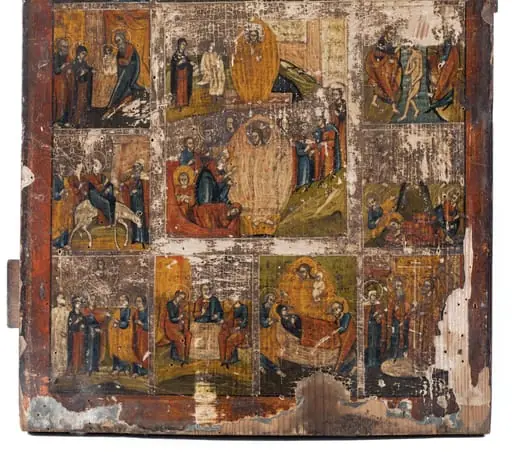
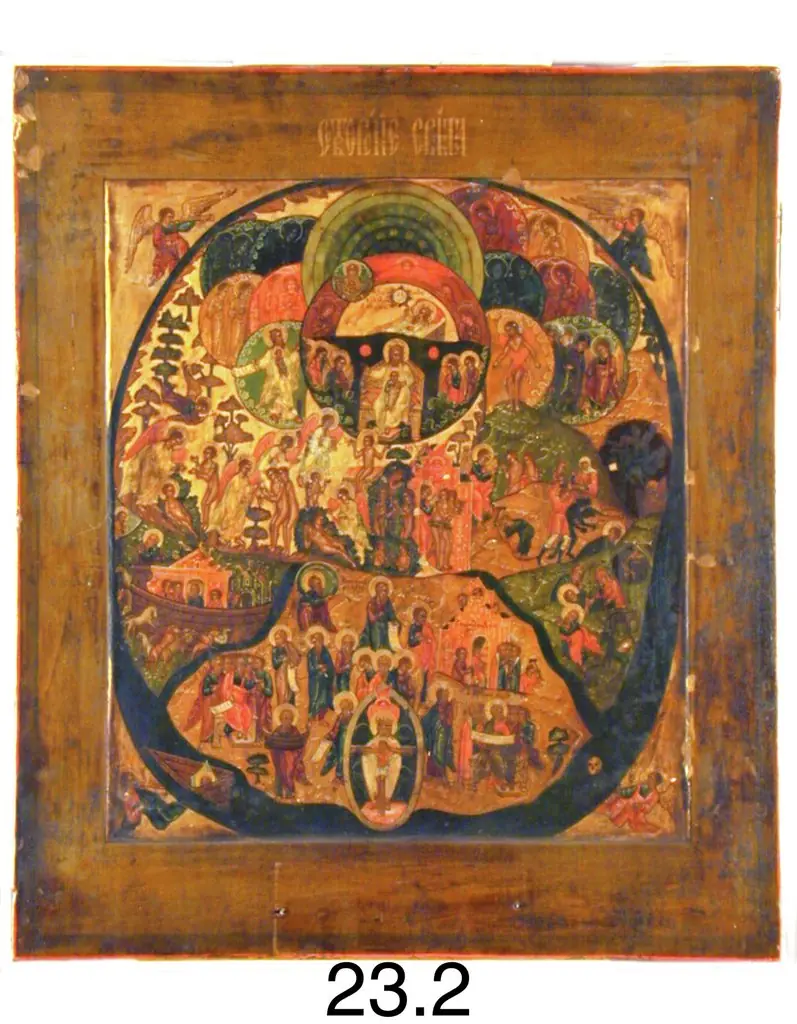
Neitsyt Marian ilmestyminen pyhittäjä Aleksanteri Syväriläiselle kirkon perustuksella is an unspecified painting by tekijä ei tiedossa. It is held in the collection of the Finnish National Gallery.
About this work
Overview
This religious panel painting depicts the Virgin Mary appearing to Saint Alexander of Svir, a Russian Orthodox saint known for founding a monastery. Executed in tempera on a wooden panel, it reflects the devotional art traditions of late medieval Russia, where such images served as objects of veneration and spiritual instruction.
Subject & Meaning
The scene illustrates a divine vision in which the Virgin Mary presents the foundation plan of a church to Saint Alexander, affirming his sacred mission. This moment underscores the belief in heavenly endorsement of monastic foundations, reinforcing the connection between spiritual authority and earthly religious institutions in Orthodox tradition.
Technique & Style
The work employs tempera paint on a prepared wood surface, a standard method in pre-Petrine Russian iconography. Figures are rendered with flat, stylized forms and gold leaf halos, emphasizing spiritual presence over naturalism. Facial expressions are serene and frontal, following established iconographic conventions rather than individualized portraiture.
History & Provenance
Created in the late 15th or early 16th century, the painting likely originated in the region around Lake Onega, near the Svir Monastery founded by Saint Alexander. It may have been commissioned for liturgical use or as a votive offering, remaining within monastic or ecclesiastical circles until its later documentation in museum collections.
Context
During this period, Russian religious art was deeply tied to monastic life and the consolidation of Orthodox identity after Mongol rule. Images of saints receiving divine guidance were common, reinforcing the legitimacy of religious institutions and their founders. This painting aligns with broader trends in Muscovite icon production of the time.
Legacy
The painting contributes to the corpus of early Russian icons that preserved theological narratives through visual form. Though not widely known outside specialized circles, it remains a representative example of how spiritual authority was visually encoded in medieval Russian culture, influencing later iconographic traditions in the Orthodox world.
Artist & collection
Artist
This unknown artist left behind work that feels like a hushed conversation in a candlelit chapel.

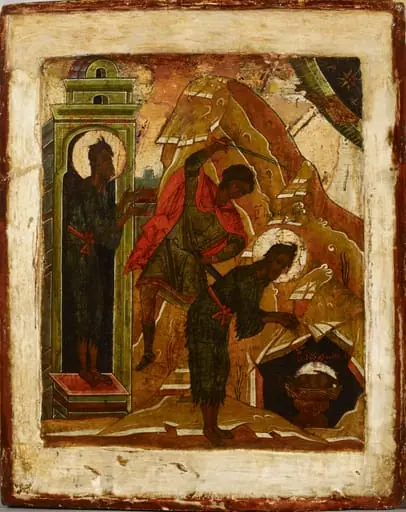 Johannes Kastajan mestaus, venäläinen ikoni
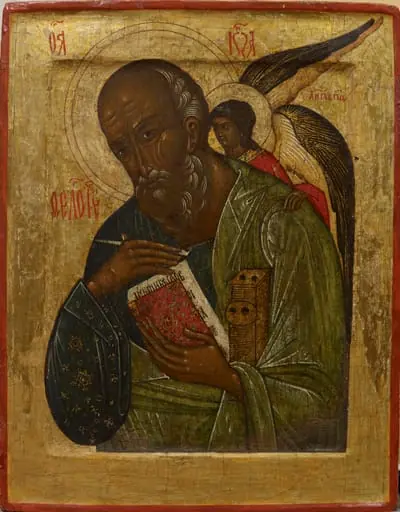 Johannes Evankelista, venäläinen ikoni
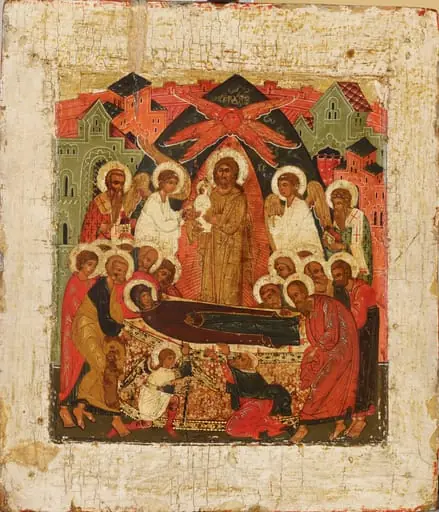 Jumalanäidin kuolonuneen nukkuminen, venäläinen ikoni
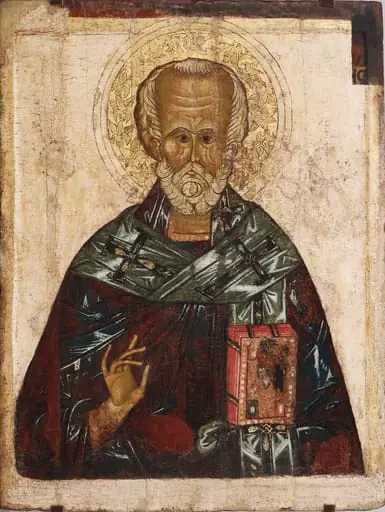 Pyhä Nikolaus, venäläinen ikoni
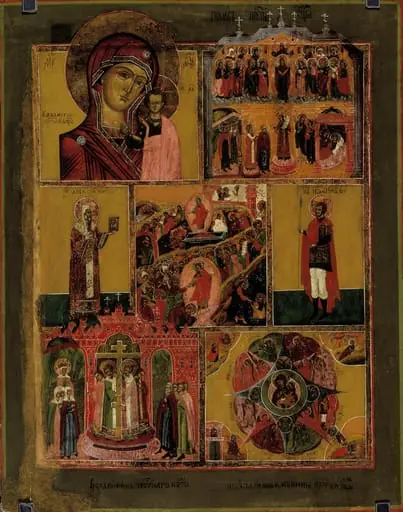 Pääsiäinen ja kirkkovuoden juhlia, venäläinen ikoni
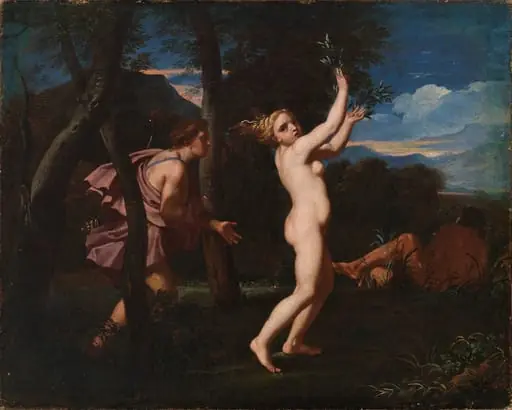 Apollo ja Dafne
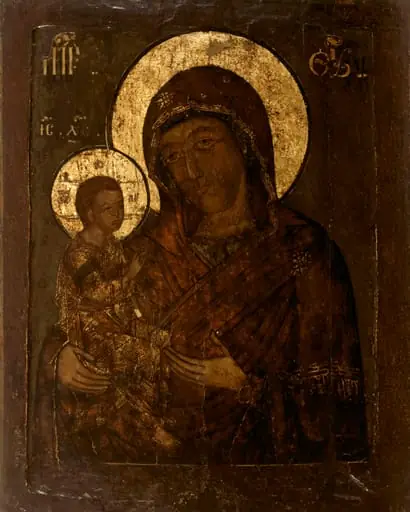 Jerusalemin Jumalanäiti, (Hodigitria), venäläinen ikoni
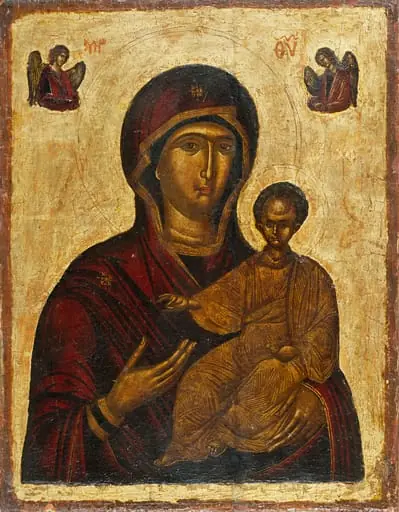 Jumalanäiti, Hodigitria - Tiennäyttäjä, bysanttilainen ikoni