Artwork
Family portrait
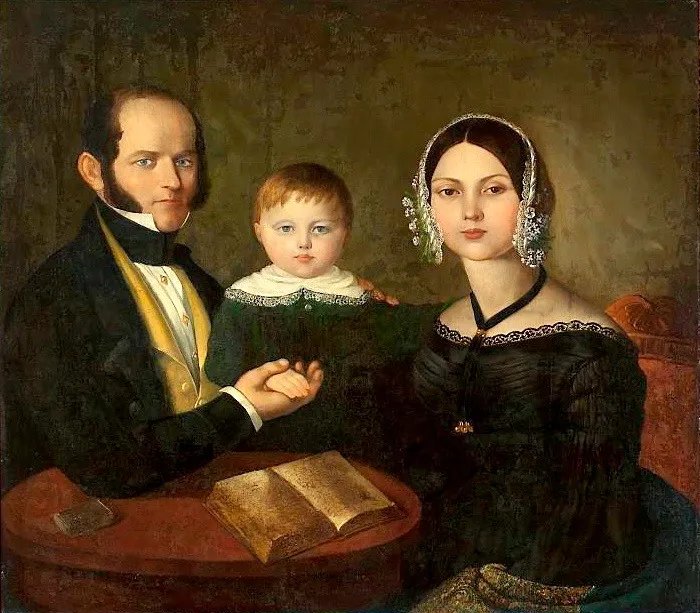
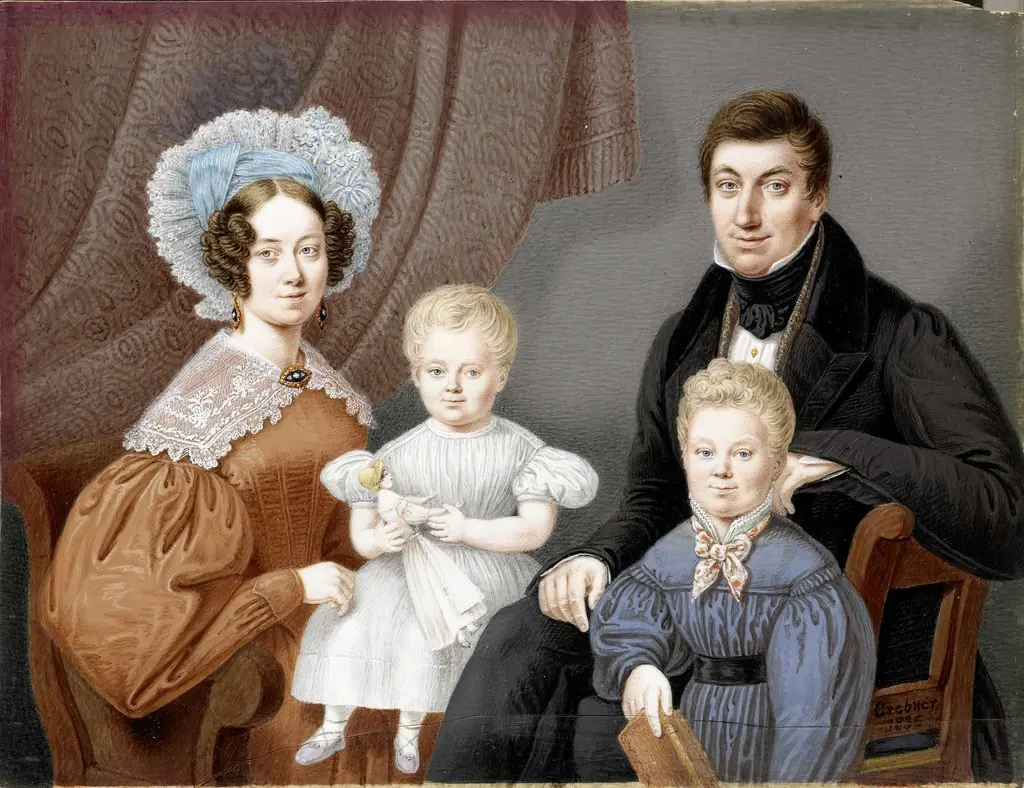
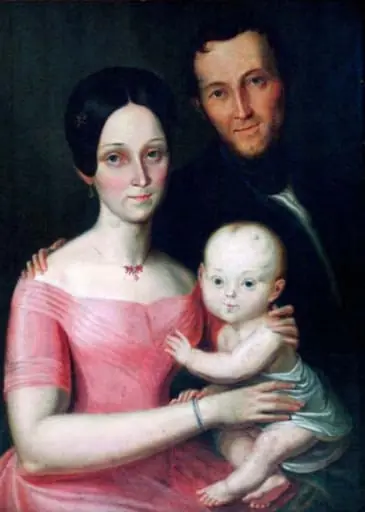
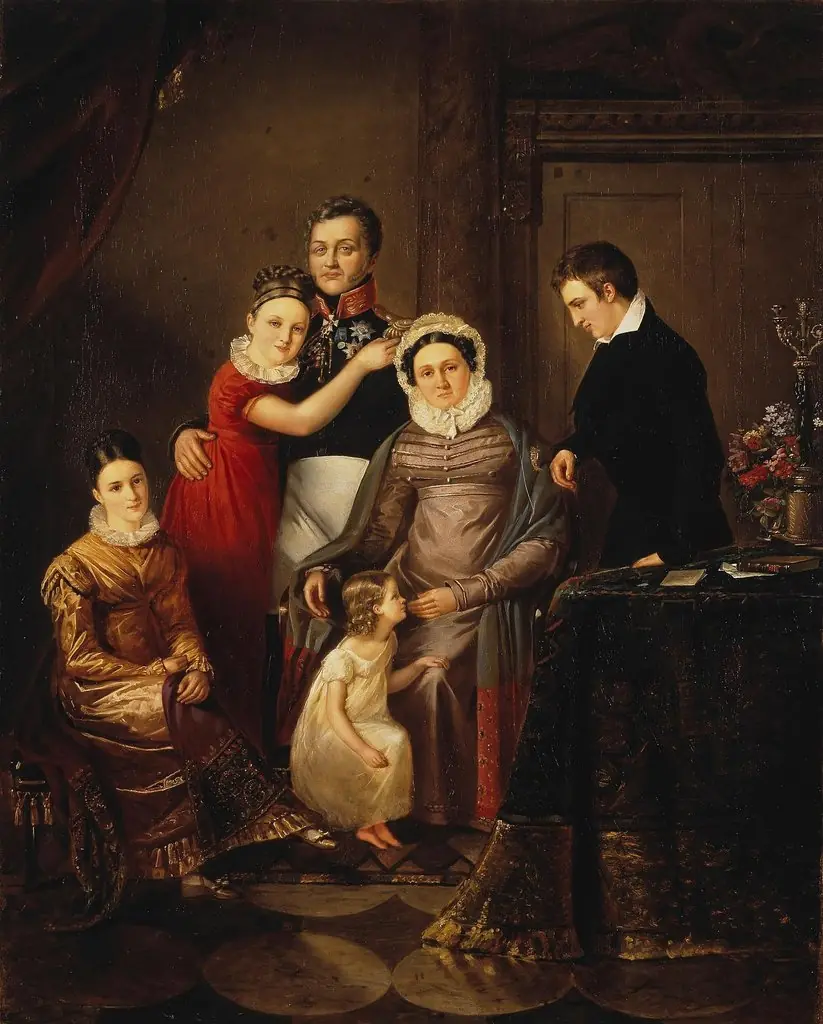
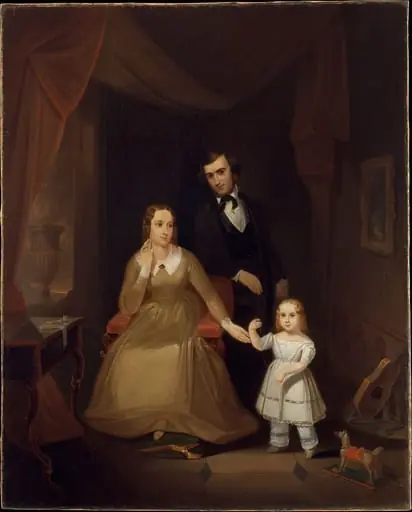
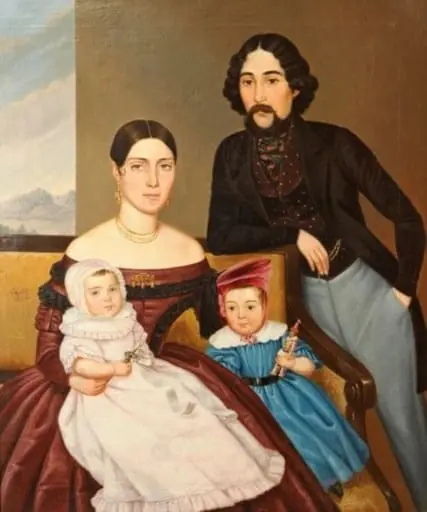
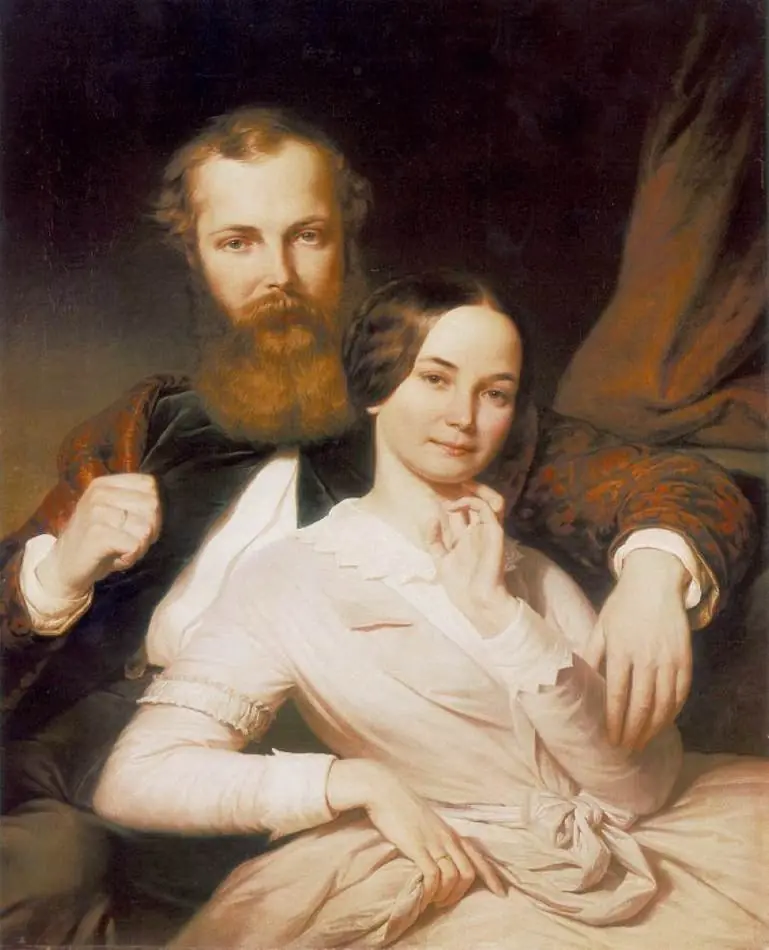
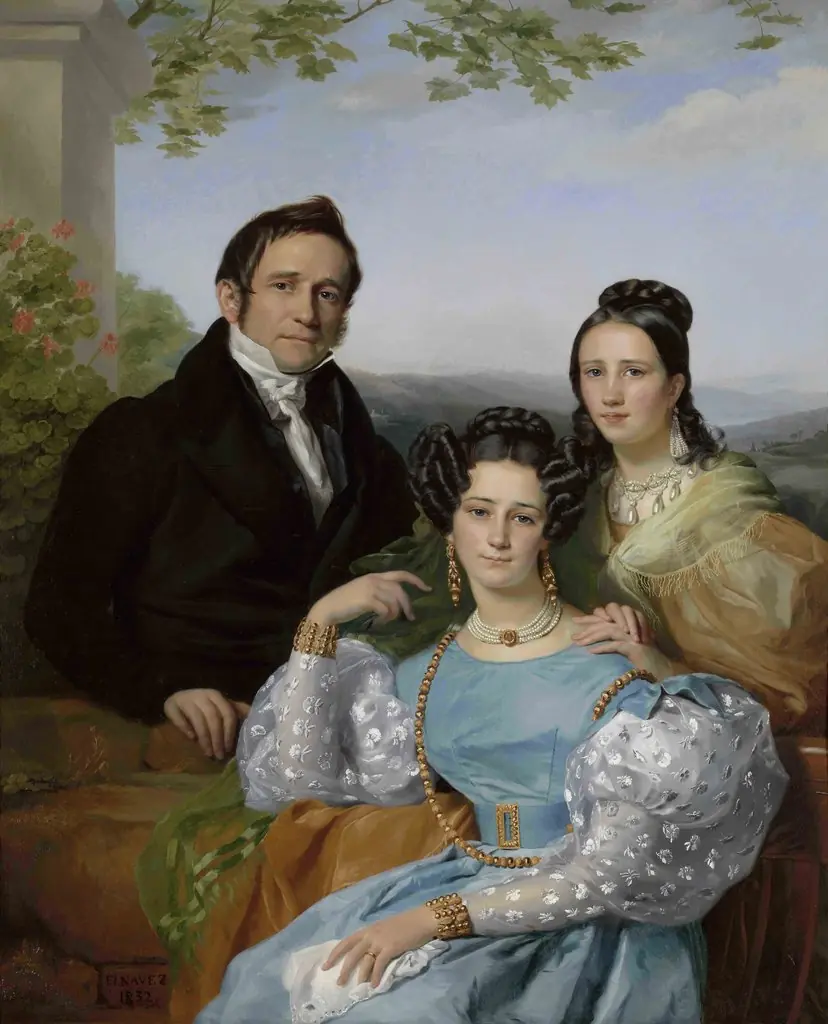
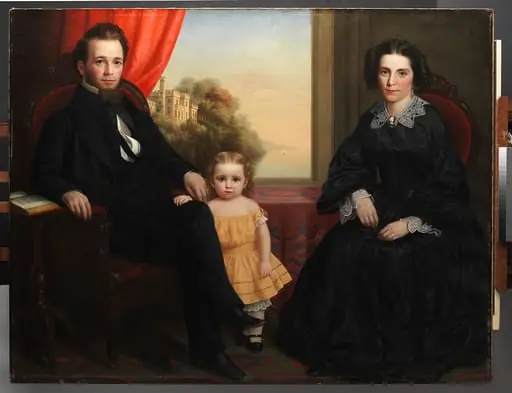
Family portrait is an oil painting by the Biedermeier artist Unknown. It dates from 1840 and is held in the collection of the National Museum in Warsaw. This oil painting depicts a domestic scene featuring a man, woman, and young child seated together in a quiet interior.
About this work
Overview
This oil painting depicts a domestic scene featuring a man, woman, and young child seated together in a quiet interior.
This oil painting depicts a domestic scene featuring a man, woman, and young child seated together in a quiet interior. The composition centers on the family unit, with the child positioned between the adults, holding the woman’s hand. An open book rests on a small table before them, suggesting a moment of stillness or reflection. The figures are rendered with subtle modeling and emerge distinctly from a dark, unadorned background.
Subject & Meaning
The scene conveys a sense of familial intimacy and quiet dignity. The presence of the open book may imply education, moral instruction, or shared contemplation, common themes in 17th-century portraiture. The formal attire of the parents—particularly the woman’s lace collar and headpiece—signals social standing, while the child’s proximity suggests generational continuity. No overt narrative is given, allowing the viewer to interpret the moment as one of calm domestic harmony.
Technique & Style
The artist employs chiaroscuro to model the faces and clothing with soft, gradual transitions between light and shadow, lending volume and realism. The dark background enhances the luminosity of the figures, drawing focus to their forms and expressions. Brushwork is restrained and precise, particularly in the rendering of fabric textures like lace and silk, while the overall tone remains subdued, avoiding theatricality in favor of quiet observation.
History & Provenance
The painting’s origin and early ownership are not documented in available records. Its style aligns with Northern European portraiture of the late 16th or early 17th century, though no specific artist or region has been conclusively identified. It entered its current collection in the mid-20th century, following a private acquisition from a European dealer.
Context
During the period in which this work was likely created, family portraits were increasingly commissioned by the merchant and professional classes to assert social identity and domestic virtue. Unlike grand aristocratic portraits, these works emphasized modesty and moral order. The inclusion of a book reflects contemporary ideals of literacy and piety within the household, particularly among Protestant communities in the Netherlands and northern Germany.
Legacy
This painting contributes to a broader tradition of intimate family portraiture that moved away from formal, hierarchical compositions toward more naturalistic groupings. Its restrained palette and focus on quiet interaction influenced later genre scenes in Dutch and Flemish art. Though not attributed to a major name, it remains a representative example of how ordinary families sought to immortalize their domestic lives through art.
Artist & collection

 Domestic Scene
 Giacomo and Cardinal Marco, investing Andrea, Abbot of San Zeno, with his Benefice
 The Nymph of Fontainebleau
 Portrait of a Woman
 Madonna and Child with Saints in the Enclosed Garden
 Venus and Minerva
 Family Group of Four on Sofa
 Wall painting from Room H of the Villa of P. Fannius Synistor at Boscoreale