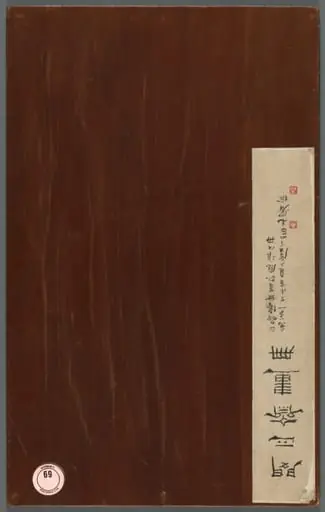
Artwork
Ten Bamboo Studio Painting and Calligraphy Handbook (Shizhuzhai shuhua pu): Fruit
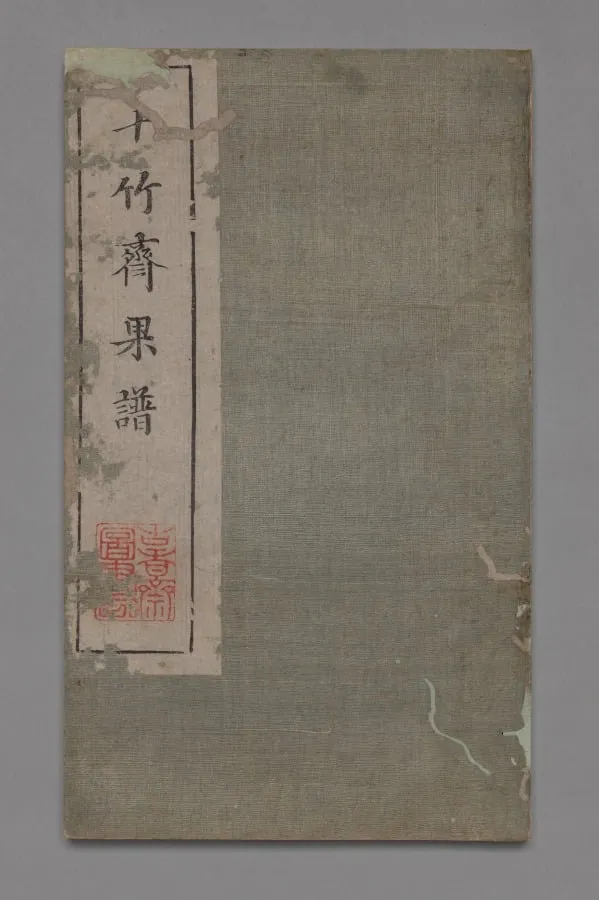
Ten Bamboo Studio Painting and Calligraphy Handbook (Shizhuzhai shuhua pu): Fruit is a print by the Baroque artist Hu Zhengyan. It dates from 1633 and is held in the collection of the Cleveland Museum of Art. The work is a color woodblock print from a 1633 instructional manual produced by the Ten Bamboo Studio.
About this work
You see a bright orange persimmon, a green pear, and a brown chestnut on a plain sheet of paper.
You see a bright orange persimmon, a green pear, and a brown chestnut on a plain sheet of paper.
This is from a 1633 handbook that taught artists how to paint. The colors were printed from carved wood blocks, one for each shade. The blocks had to line up perfectly—no smudges, no gaps. It’s like a coloring book made 400 years ago, but the results look fresh and real.
If you like how the fruit glows, look up *sfumato*—a technique that softens edges the same way.
Overview
The work is a color woodblock print from a 1633 instructional manual produced by the Ten Bamboo Studio. It depicts three fruits—a vivid orange persimmon, a green pear, and a brown chestnut—arranged on an unadorned paper background. The image serves as a model for artists learning to render natural objects in pigment.
Technique & Style
Each hue in the picture was applied using a separate carved block, requiring meticulous registration so that the colors align without overlap or gaps. The resulting surface shows a smooth, painterly quality reminiscent of the soft transitions achieved in later European sfumato, despite being created with flat woodblock inks.
Context
The early 17th century marked a peak in Chinese color printing, exemplified by this handbook and contemporaneous publications such as the Mustard Seed Garden Manual (1679, 1701). Produced in Nanjing, the Ten Bamboo Studio’s editions were distributed widely across China and later influenced artistic practice in Japan and Korea.
Subject & Meaning
Designed as a teaching aid, the print demonstrates how to capture the texture and coloration of everyday fruit. By presenting a clear, realistic rendering, it guided apprentices in mastering brushwork, shading, and compositional balance within the broader tradition of Chinese painting.
Legacy
The precision and visual appeal of these early color prints set a standard for later woodblock publications. Their widespread circulation helped disseminate Chinese painting techniques throughout East Asia, shaping the visual vocabulary of subsequent generations of artists.
Artist & collection

Artist
Hu Zhengyan was a Chinese artist, printmaker and publisher. He worked in calligraphy, traditional Chinese painting, and seal-carving, but was primarily a publisher, producing academic texts as well as records of his own work.

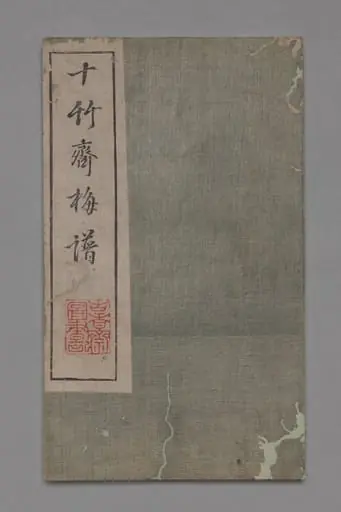 Ten Bamboo Studio Painting and Calligraphy Handbook (Shizhuzhai shuhua pu): Plum Blossoms
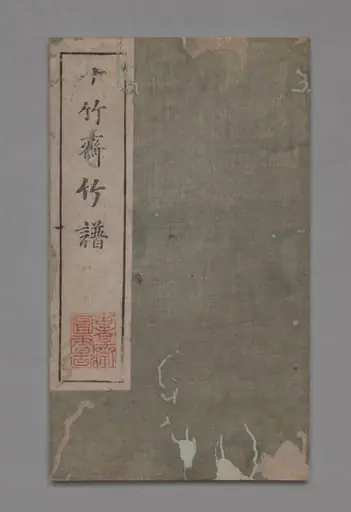 Ten Bamboo Studio Painting and Calligraphy Handbook (Shizhuzhai shuhua pu): Bamboo
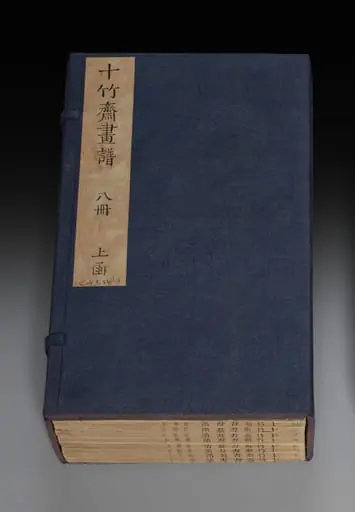 Ten Bamboo Studio Painting and Calligraphy Handbook (Shizhuzhai shuhua pu): Volume One
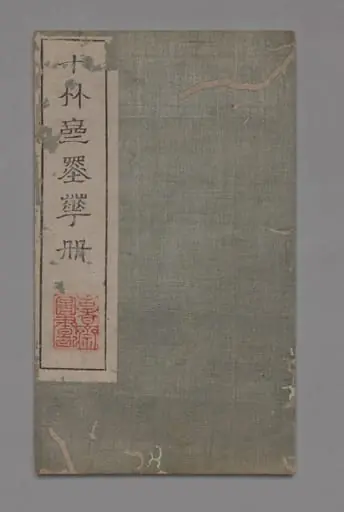 Ten Bamboo Studio Painting and Calligraphy Handbook (Shizhuzhai shuhua pu): Round Fans
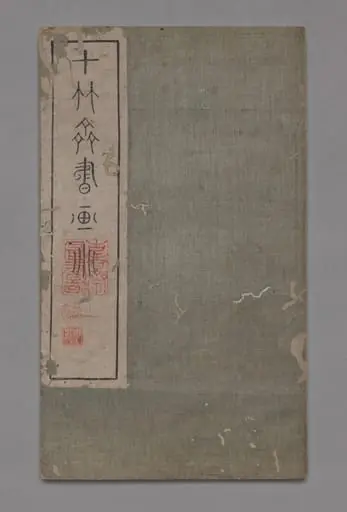 Ten Bamboo Studio Collection of Calligraphy and Painting: Miscellaneous
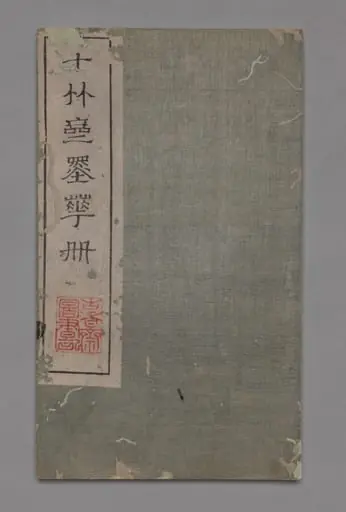 Ten Bamboo Studio Painting and Calligraphy Handbook (Shizhuzhai shuhua pu): Miscellaneous
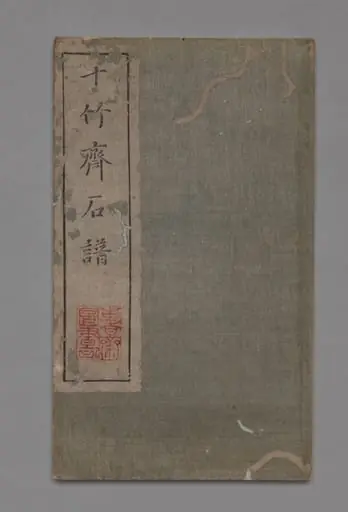 Ten Bamboo Studio Painting and Calligraphy Handbook (Shizhuzhai shuhua pu): Rocks
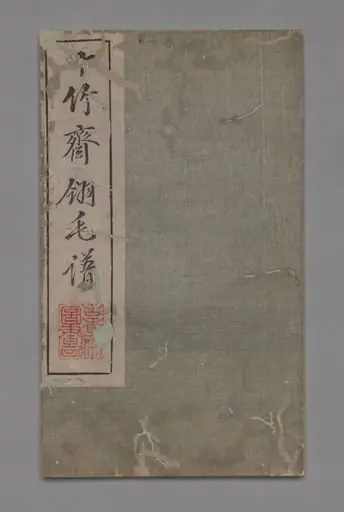 Ten Bamboo Studio Painting and Calligraphy Handbook (Shizhuzhai shuhua pu): Birds