Artwork
Ten Bamboo Studio Painting and Calligraphy Handbook (Shizhuzhai shuhua pu): Volume One
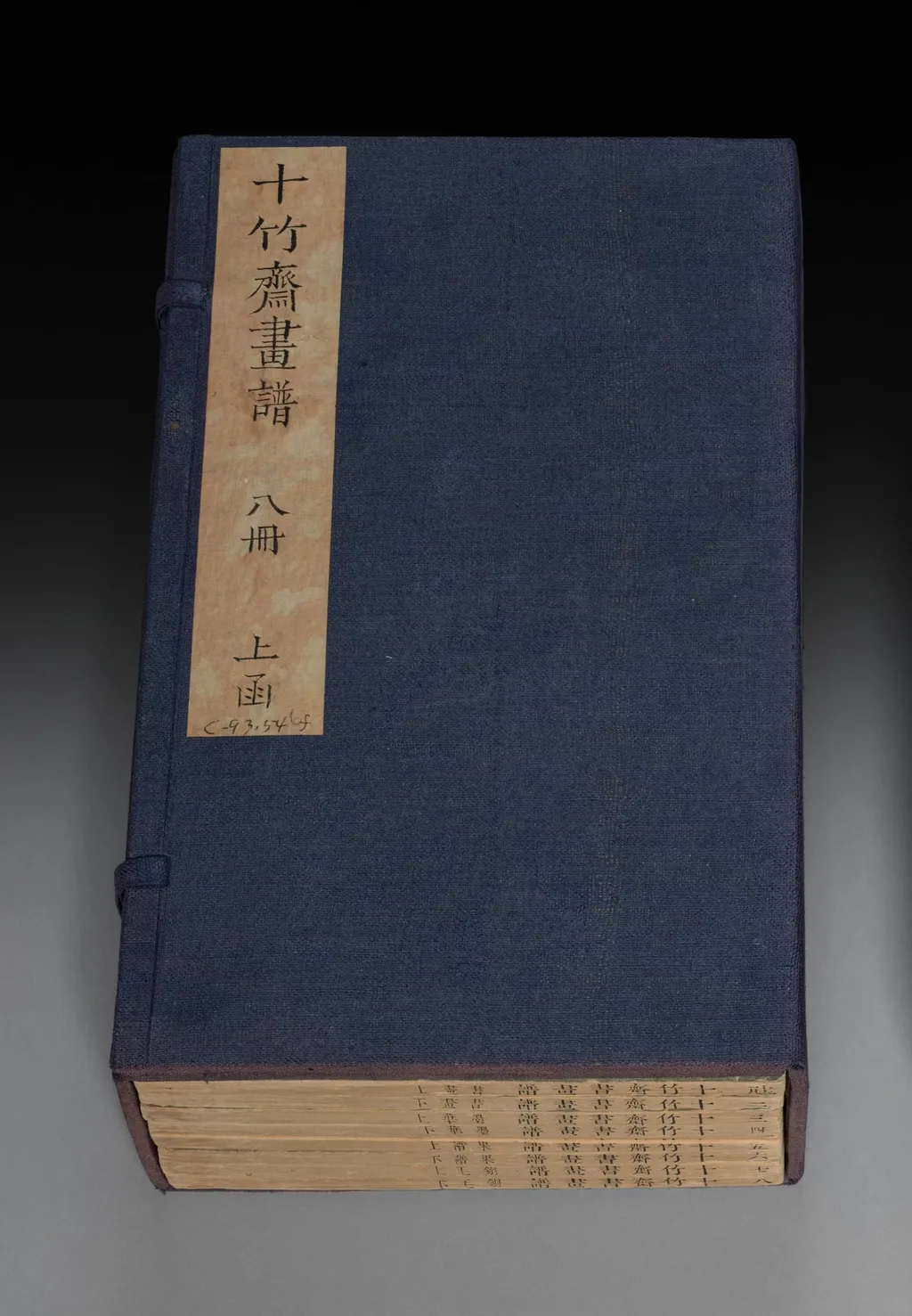
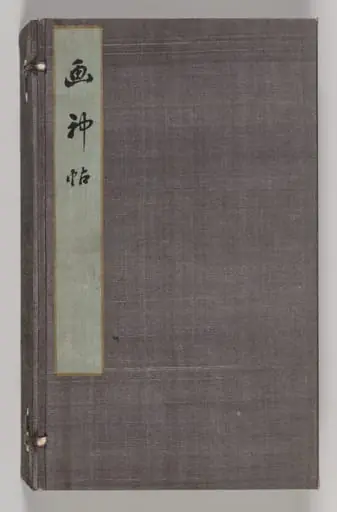
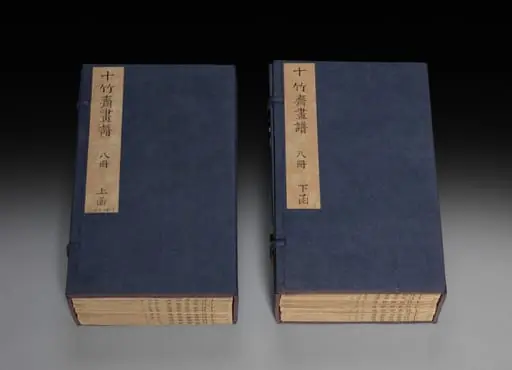
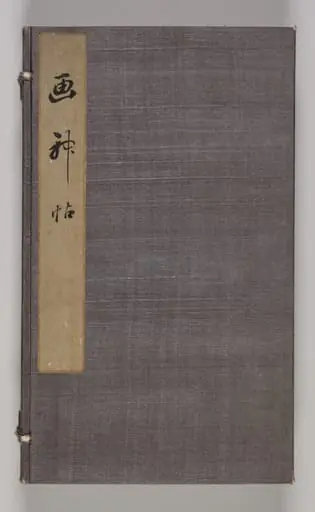
Ten Bamboo Studio Painting and Calligraphy Handbook (Shizhuzhai shuhua pu): Volume One is a print by the Baroque artist Hu Zhengyan. It dates from 1633 and is held in the collection of the Cleveland Museum of Art.
About this work
Overview
The Ten Bamboo Studio Painting and Calligraphy Handbook (Shizhuzhai shuhua pu), Volume One, exemplifies the pinnacle of color printing in early 17th-century China. This handbook showcases intricate illustrations of natural elements, such as bamboo stalks and rocks, alongside calligraphic works, all rendered in a nuanced palette of soft blues, greens, and browns.
Subject & Meaning
The subject matter focuses on traditional Chinese motifs, emphasizing harmony with nature. The inclusion of calligraphy alongside painting reflects the integrated artistic practices of the time, where literary and visual arts converged to convey cultural and aesthetic values.
Technique & Style
This handbook was produced using a meticulous multi-block wood printing technique, where each color required a separate woodblock. The precise registration of these blocks achieved a high level of chromatic harmony and detail, characteristic of the era's most advanced printing techniques.
History & Provenance
Compiled and printed in Nanjing, the handbook circulated widely across China. Its influence extended to East Asia, significantly impacting the artistic developments in Japan and Korea. Notably, it predates the *Mustard Seed Garden Manual of Painting* (1679), offering an earlier benchmark for Chinese color printing innovations.
Context
As one of the first Chinese publications to leverage color printing, the Ten Bamboo Studio Handbook marked a technological and artistic milestone. Its production spanned years, underscoring the labor-intensive nature of the multi-block printing process.
Artist & collection

Artist
Hu Zhengyan was a Chinese artist, printmaker and publisher. He worked in calligraphy, traditional Chinese painting, and seal-carving, but was primarily a publisher, producing academic texts as well as records of his own work.

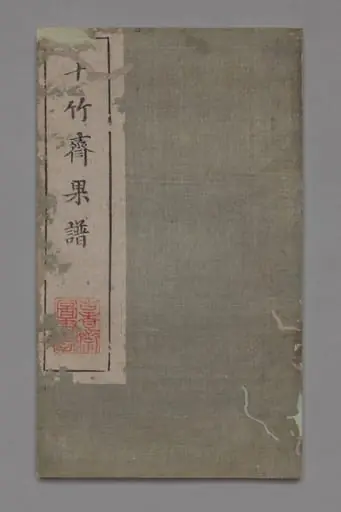 Ten Bamboo Studio Painting and Calligraphy Handbook (Shizhuzhai shuhua pu): Fruit
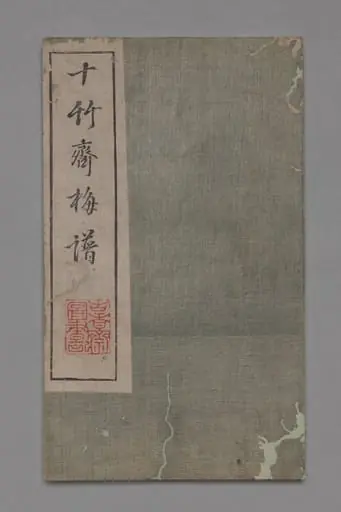 Ten Bamboo Studio Painting and Calligraphy Handbook (Shizhuzhai shuhua pu): Plum Blossoms
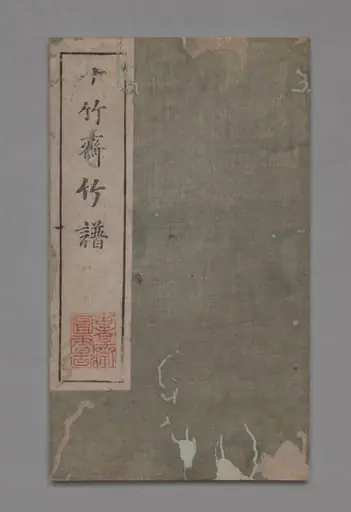 Ten Bamboo Studio Painting and Calligraphy Handbook (Shizhuzhai shuhua pu): Bamboo
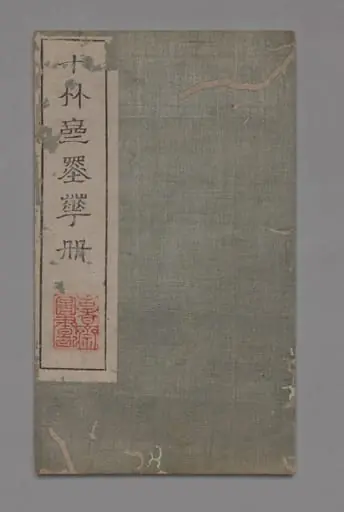 Ten Bamboo Studio Painting and Calligraphy Handbook (Shizhuzhai shuhua pu): Round Fans
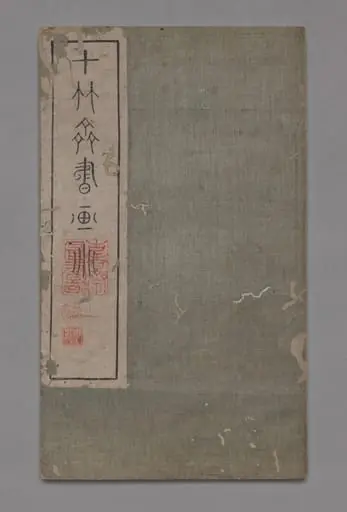 Ten Bamboo Studio Collection of Calligraphy and Painting: Miscellaneous
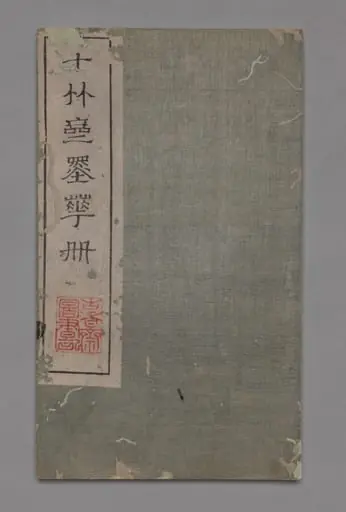 Ten Bamboo Studio Painting and Calligraphy Handbook (Shizhuzhai shuhua pu): Miscellaneous
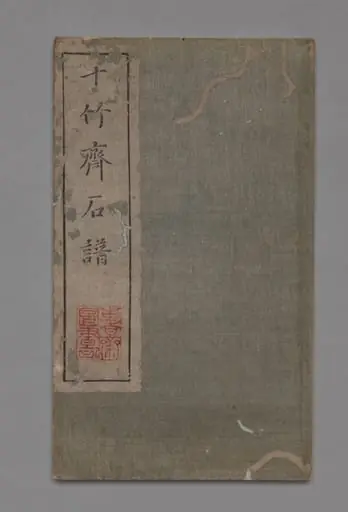 Ten Bamboo Studio Painting and Calligraphy Handbook (Shizhuzhai shuhua pu): Rocks
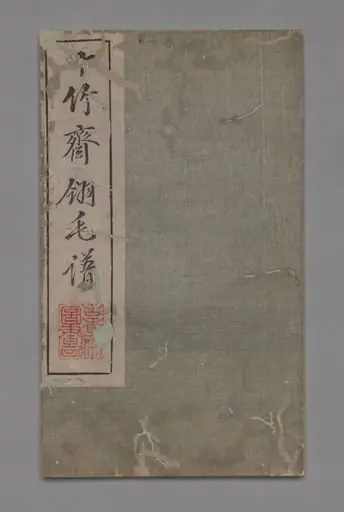 Ten Bamboo Studio Painting and Calligraphy Handbook (Shizhuzhai shuhua pu): Birds