Artwork
Ten Bamboo Studio Painting and Calligraphy Handbook (Shizhuzhai shuhua pu): Rocks
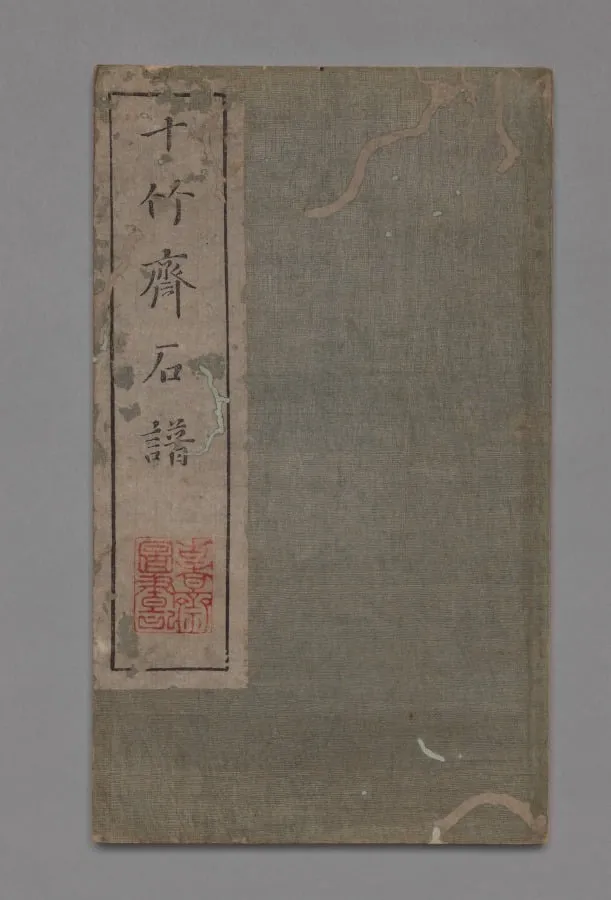
Ten Bamboo Studio Painting and Calligraphy Handbook (Shizhuzhai shuhua pu): Rocks is a print by the Baroque artist Hu Zhengyan. It dates from 1633 and is held in the collection of the Cleveland Museum of Art.
About this work
Overview
The handbook’s technical sophistication set a new standard for reproductive printing in China, influencing both domestic and East Asian artistic practices.
Produced in Nanjing around the early 17th century, the Ten Bamboo Studio Painting and Calligraphy Handbook is a printed manual designed to instruct artists in traditional techniques. It combines calligraphy and ink painting motifs, using advanced color woodblock printing to replicate the subtlety of brushwork. The handbook’s technical sophistication set a new standard for reproductive printing in China, influencing both domestic and East Asian artistic practices.
Subject & Meaning
The rock motif represents a classical subject in Chinese literati painting, symbolizing endurance and natural harmony. Rendered through layered tones of blue and gray, the form evokes weathered stone shaped by time and elements. Its inclusion in the handbook reflects the scholarly ideal of cultivating aesthetic sensitivity through the study of nature’s quiet forms, rather than overt decoration or narrative.
Technique & Style
Each hue in the rock’s depiction was applied using a separate, precisely carved woodblock, requiring exact registration to avoid misalignment. The printer achieved soft gradations by layering translucent inks, mimicking the wet-on-wet effects of ink wash painting. The result resembles a watercolor, with no visible brushstrokes or smudging—demonstrating a mastery of print as a medium capable of expressive nuance.
History & Provenance
Compiled and printed by Hu Zhengyan’s studio in Nanjing, the handbook was part of a broader effort to systematize artistic training through print. Distributed widely across China, it also reached Korea and Japan, where it influenced local print traditions. Surviving copies are rare, but their presence in imperial and scholarly collections attests to its role as a respected pedagogical resource in the late Ming and early Qing periods.
Context
During the late Ming dynasty, there was a flourishing of illustrated books for literati and amateur artists, fueled by urban publishing centers like Nanjing. The Ten Bamboo Studio handbook emerged alongside other instructional manuals, reflecting a cultural shift toward democratizing artistic knowledge. Unlike court-sponsored art, these works catered to educated amateurs seeking to engage with scholarly aesthetics through accessible formats.
Legacy
The handbook’s technical innovations in color printing became a benchmark for later publications, including the Mustard Seed Garden Manual. Its influence extended beyond China, shaping East Asian print aesthetics and inspiring Japanese ukiyo-e artists in their use of layered color. Though overshadowed by later developments, its quiet precision remains a testament to the potential of print as a vehicle for artistic transmission.
Artist & collection

Artist
Hu Zhengyan was a Chinese artist, printmaker and publisher. He worked in calligraphy, traditional Chinese painting, and seal-carving, but was primarily a publisher, producing academic texts as well as records of his own work.

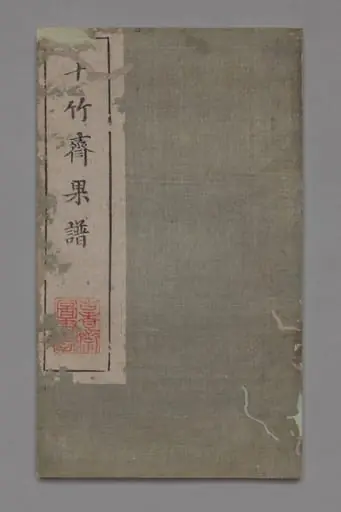 Ten Bamboo Studio Painting and Calligraphy Handbook (Shizhuzhai shuhua pu): Fruit
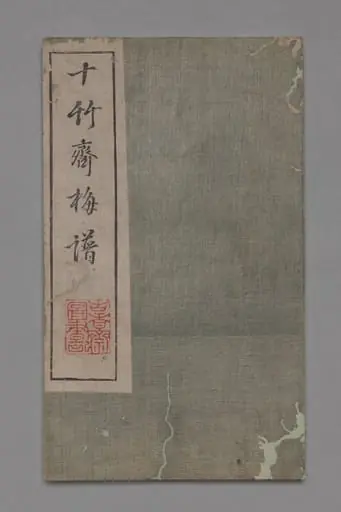 Ten Bamboo Studio Painting and Calligraphy Handbook (Shizhuzhai shuhua pu): Plum Blossoms
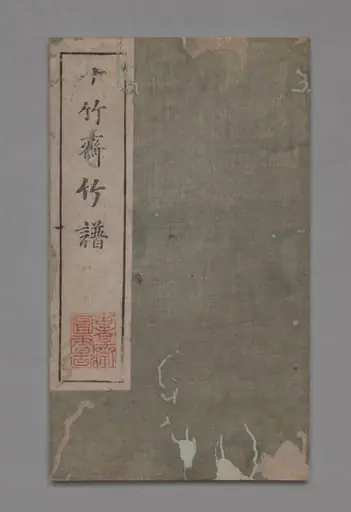 Ten Bamboo Studio Painting and Calligraphy Handbook (Shizhuzhai shuhua pu): Bamboo
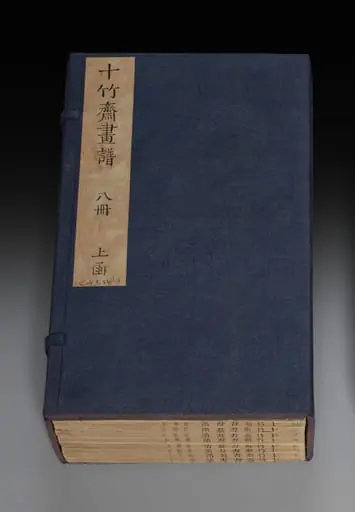 Ten Bamboo Studio Painting and Calligraphy Handbook (Shizhuzhai shuhua pu): Volume One
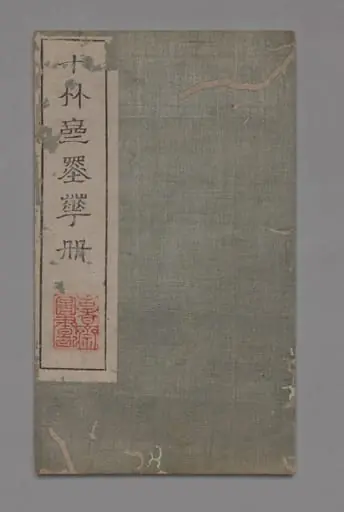 Ten Bamboo Studio Painting and Calligraphy Handbook (Shizhuzhai shuhua pu): Round Fans
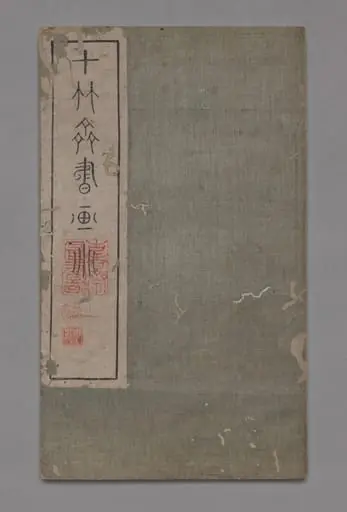 Ten Bamboo Studio Collection of Calligraphy and Painting: Miscellaneous
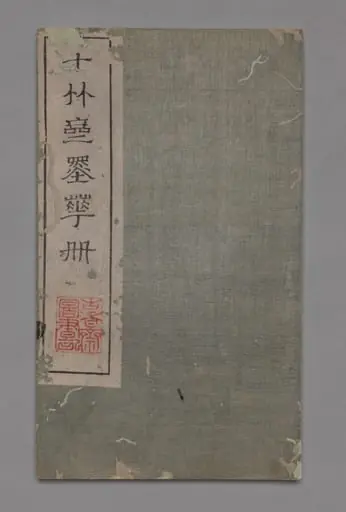 Ten Bamboo Studio Painting and Calligraphy Handbook (Shizhuzhai shuhua pu): Miscellaneous
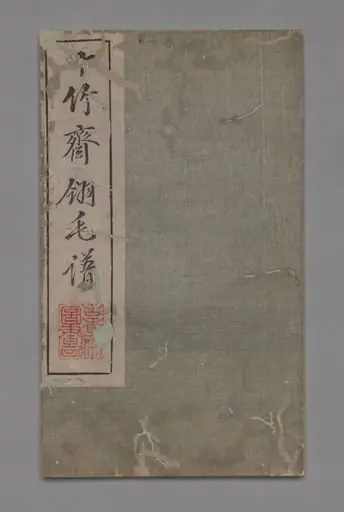 Ten Bamboo Studio Painting and Calligraphy Handbook (Shizhuzhai shuhua pu): Birds